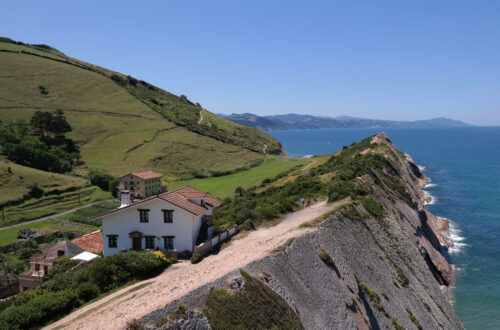

Akureyri, Iceland
A Day in Akureyri, Iceland’s Northern Gem
There is a distinct magic to a cruise itinerary that dares to venture north of the Arctic Circle. One of the primary reasons I was drawn to this particular voyage was its focus on the rugged northern coast of Iceland, seeking out the ‘hidden gems’ of the Arctic – destinations that remain blissfully overlooked by the mainstream cruise industry. Our first introduction to this wild frontier was Akureyri, the “Capital of the North.”
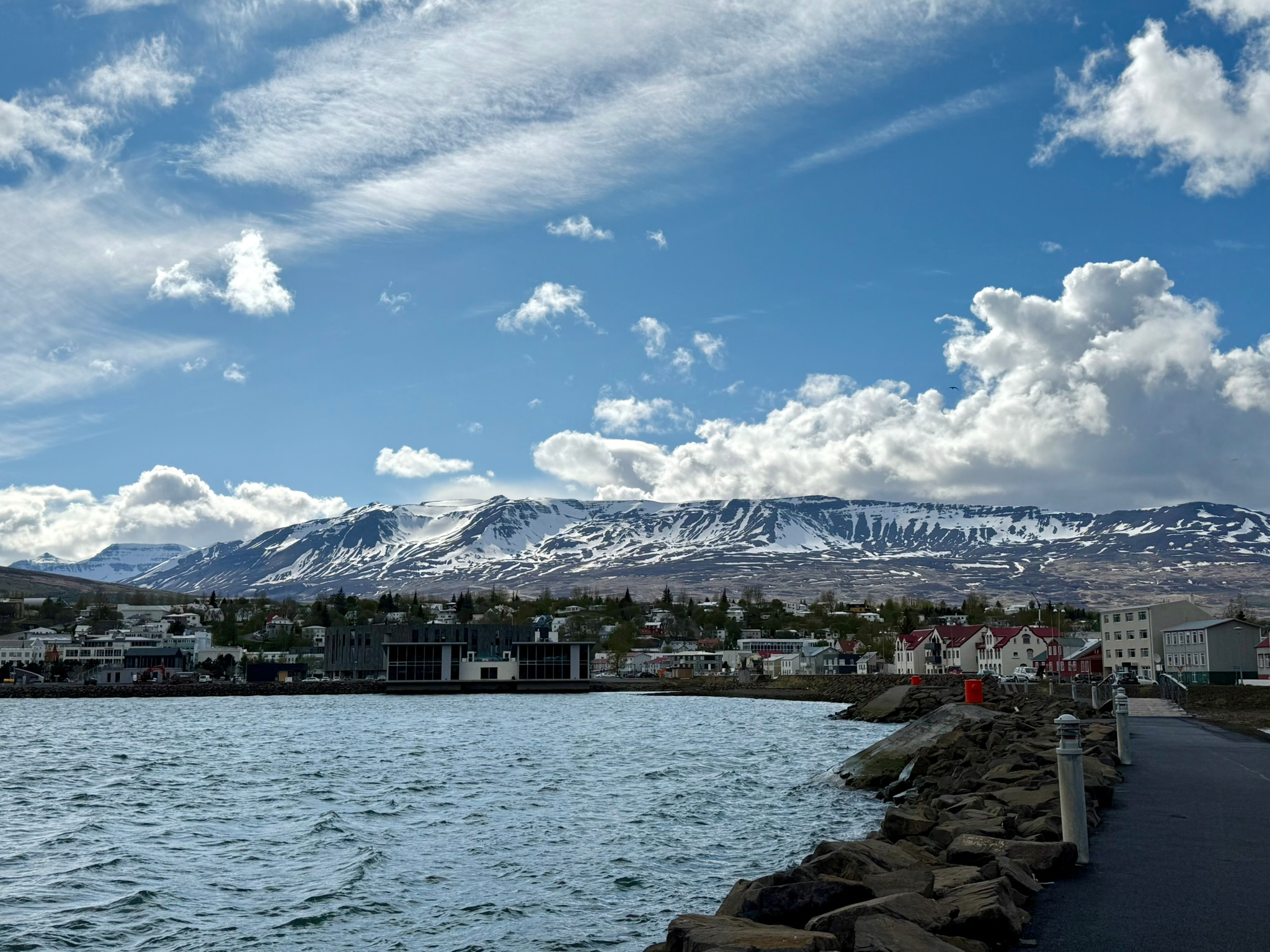
Nestled at the base of the Eyjafjörður fjord, Akureyri is home to roughly 20,000 residents. Despite its small size, it serves as the cultural and commercial hub for the region, located just 100 kilometers south of the Arctic Circle. It possesses a surprisingly sophisticated energy, where chic cafes and high-end boutiques sit comfortably alongside the rugged, salt-of-the-earth character of a traditional fishing port.
Arrival in the Eyjafjörður Fjord
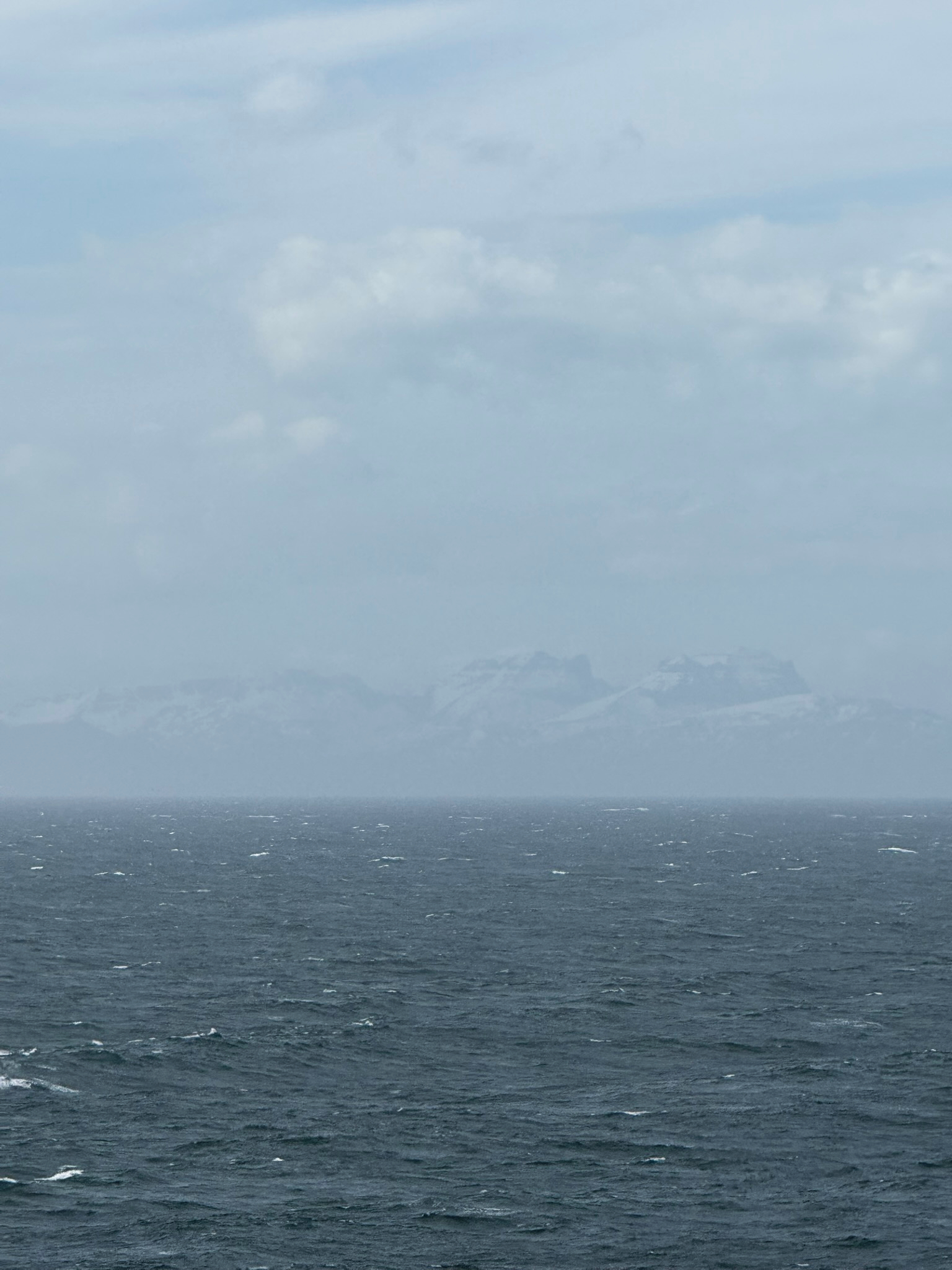
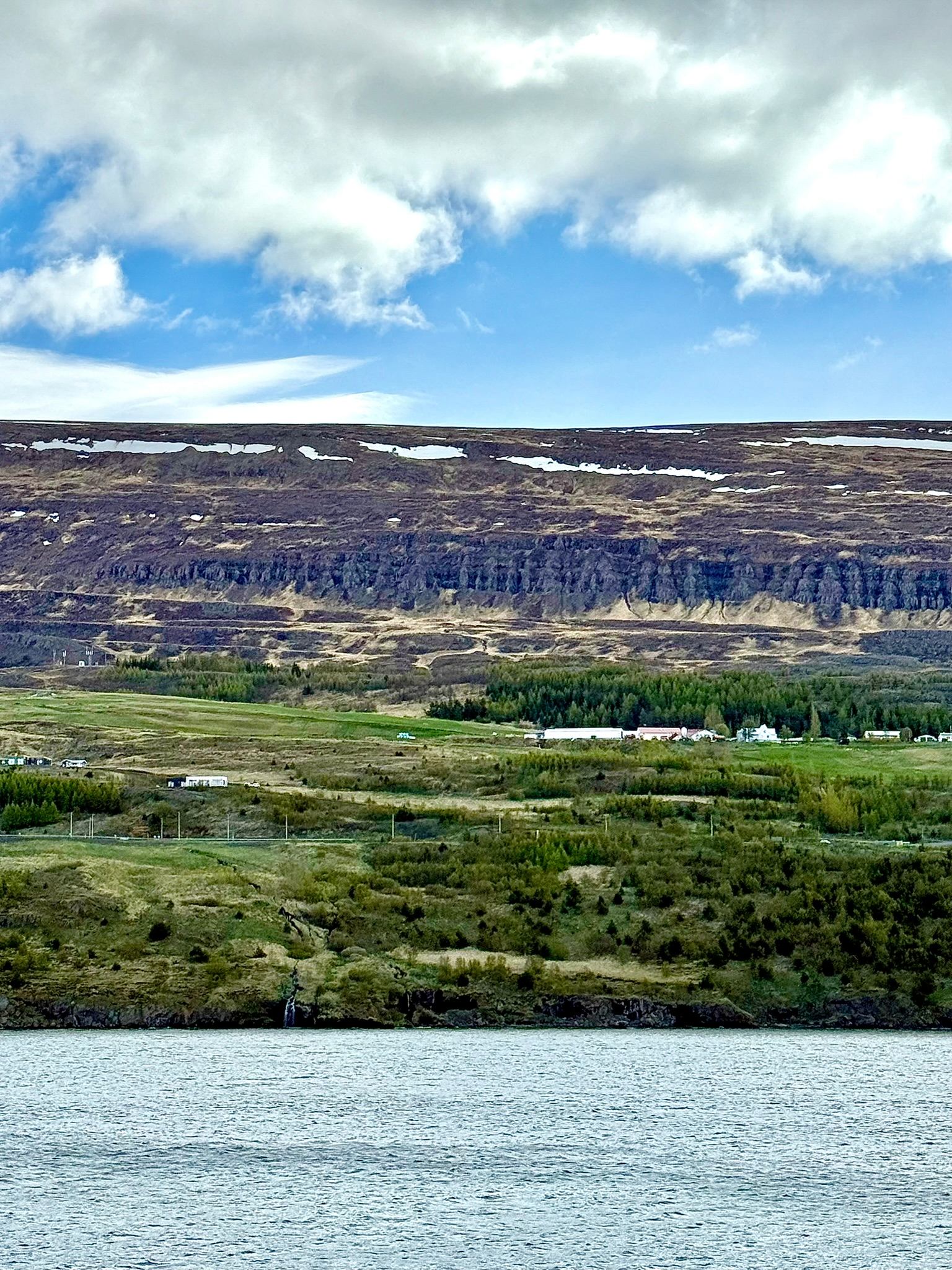
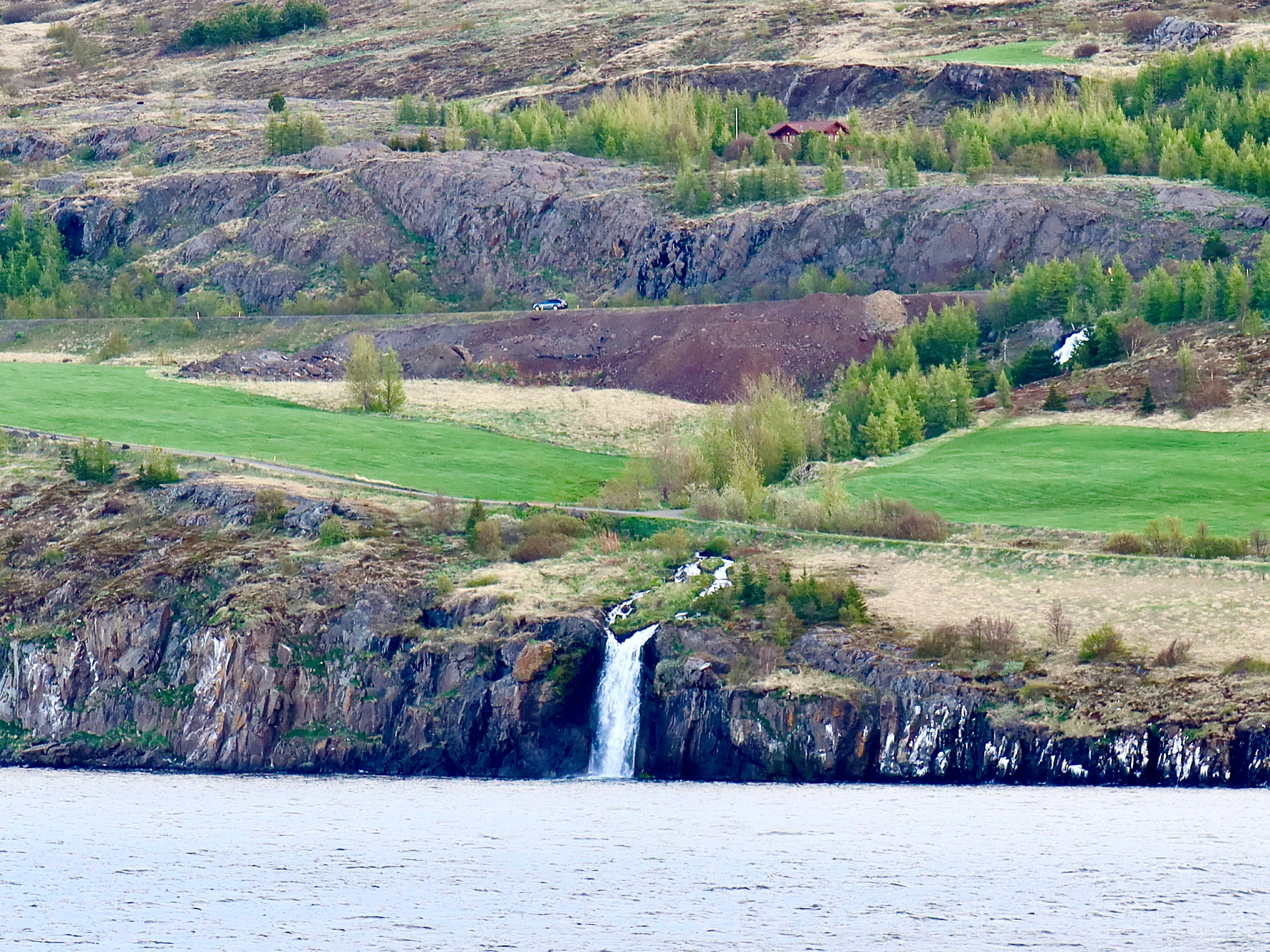
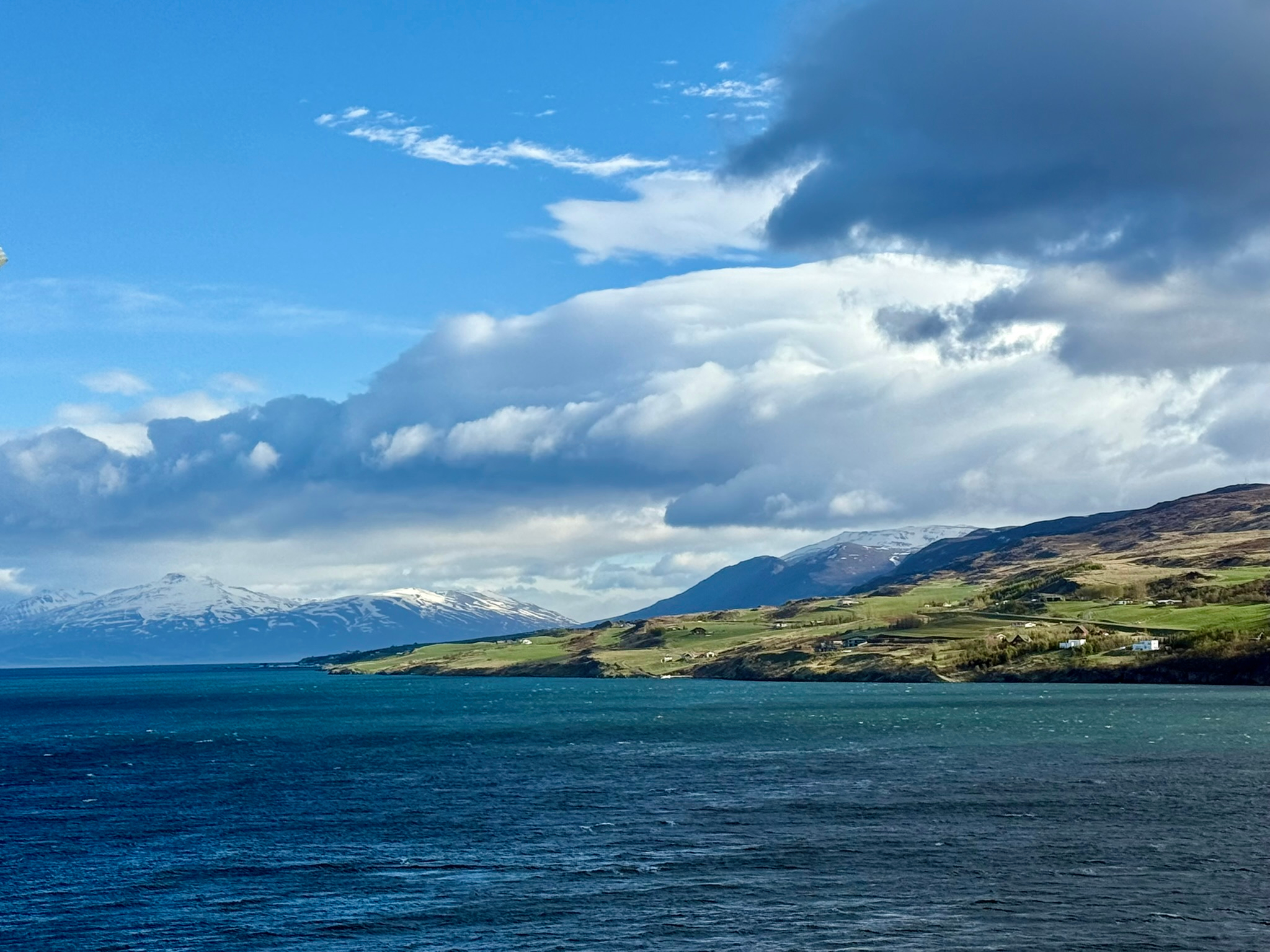
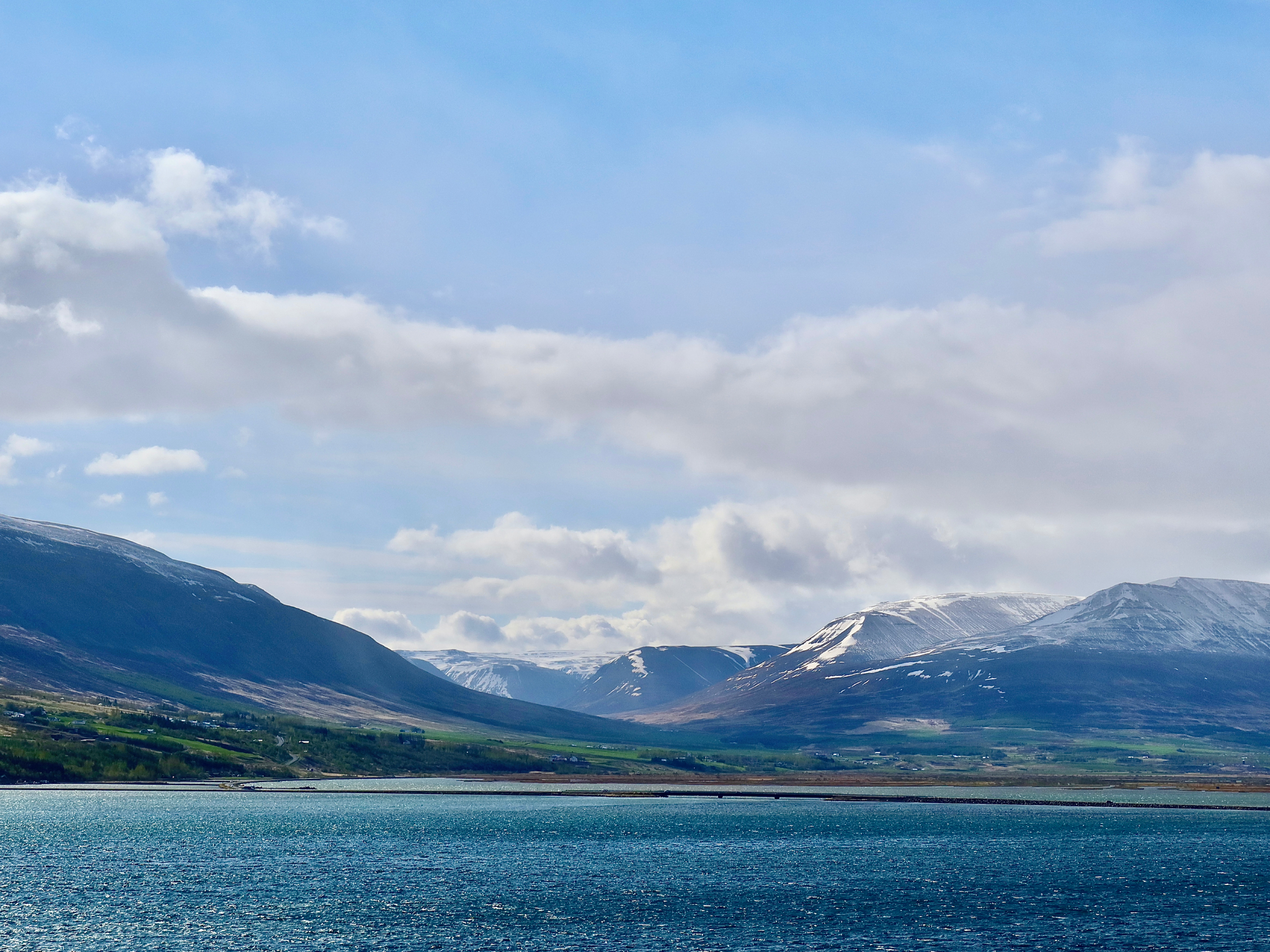
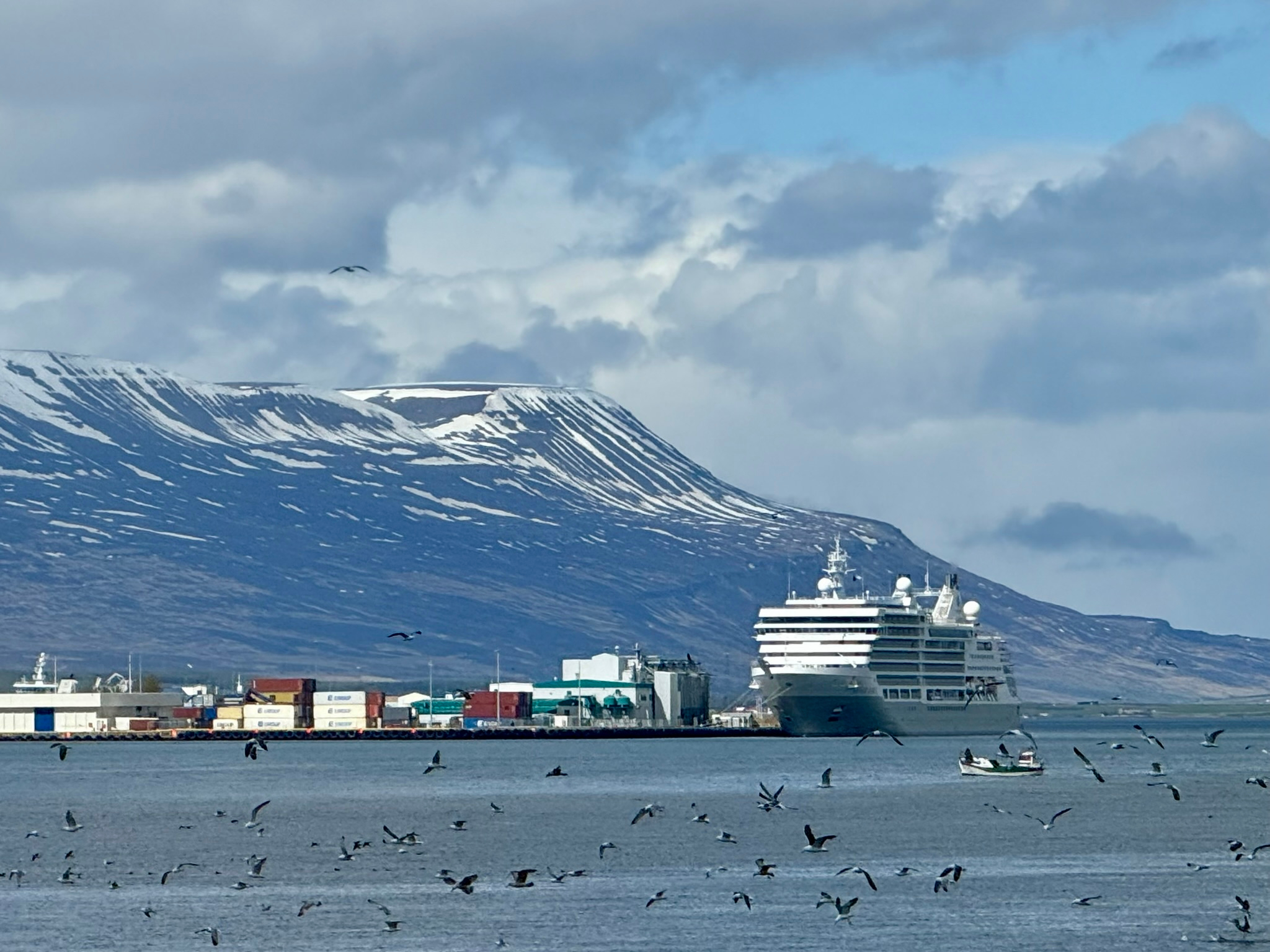
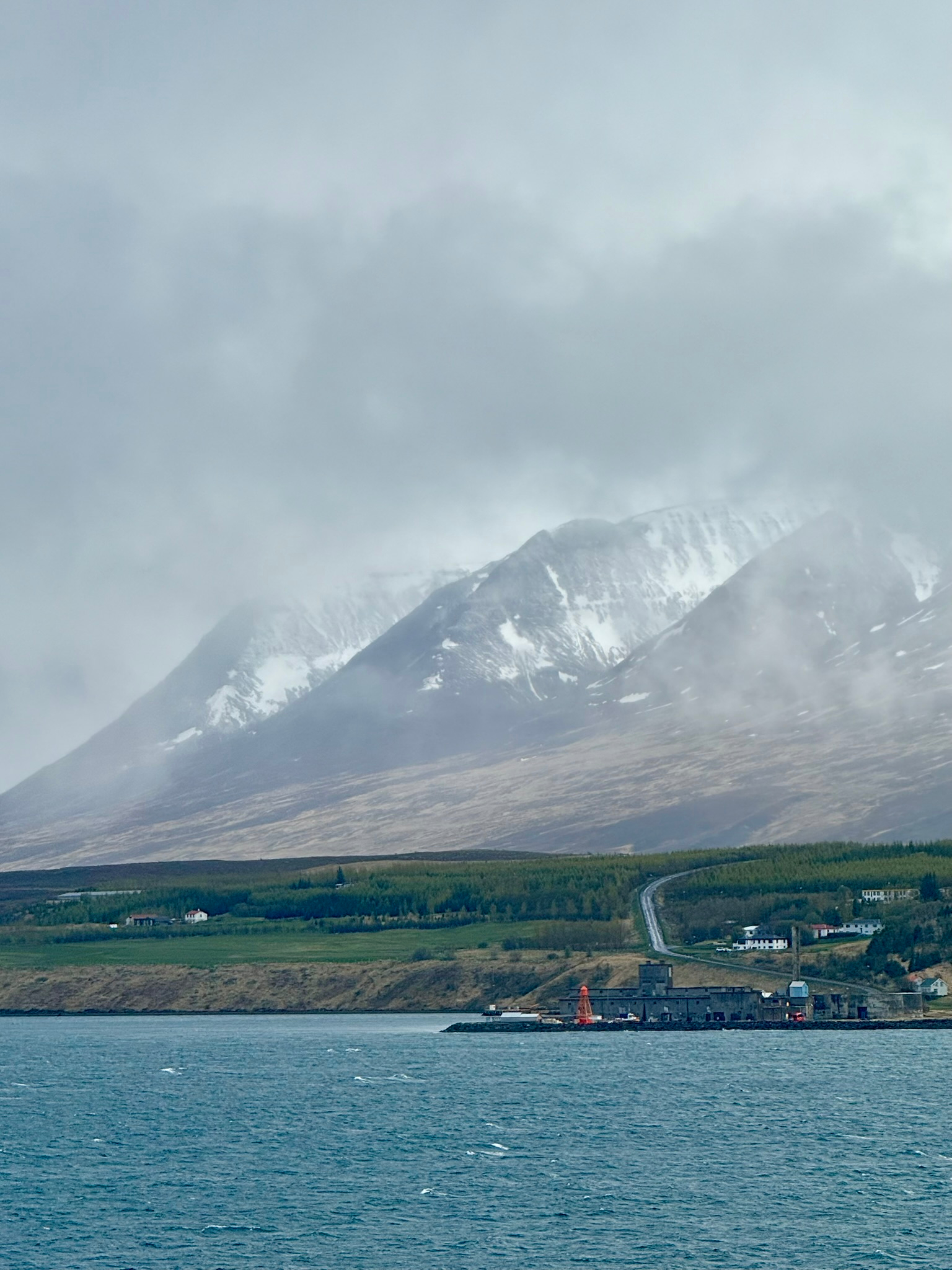
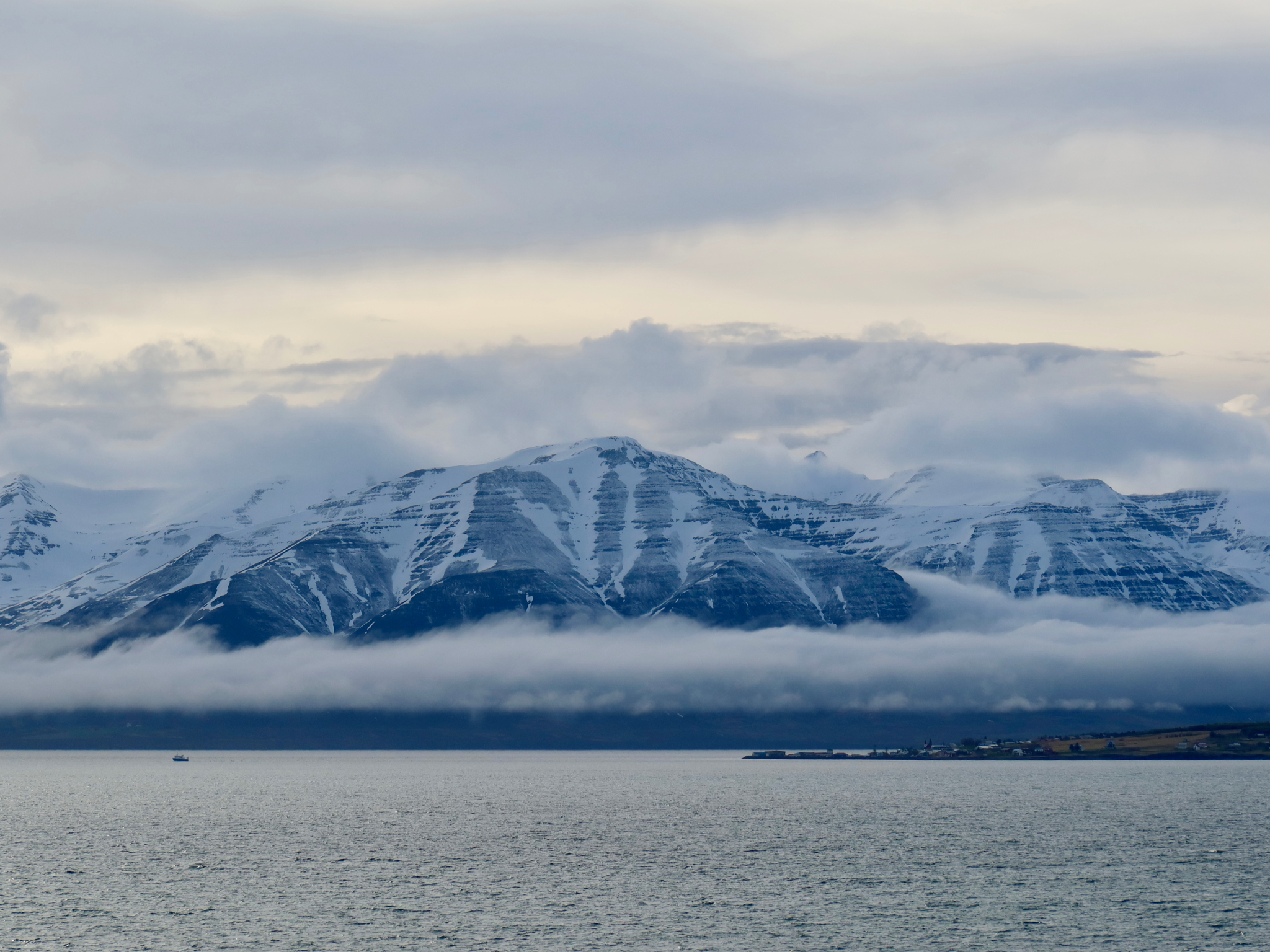
En route to Iceland from the Faroe Islands, I watched snow-covered peaks emerge like jagged teeth on the horizon. Naturally, I expected a winter wonderland upon arrival. However, when I poked my head onto our veranda that morning, the view told a different story. We were facing the eastern ridge of Eyjafjörður, which was surprisingly vibrant and green. Numerous waterfalls cascaded down the cliffs into the fjord, fueled by the rapid snowmelt of a late Icelandic spring.
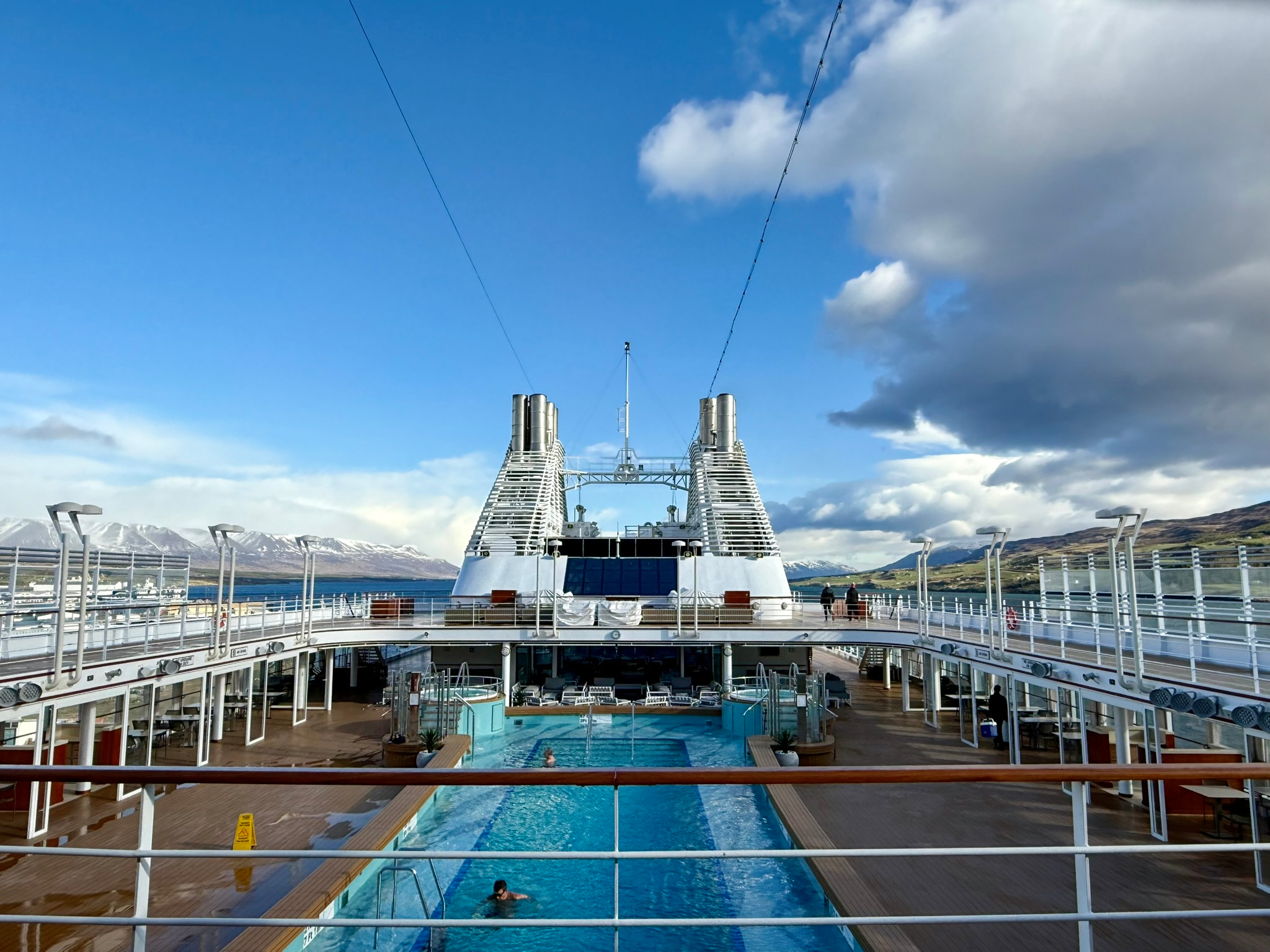
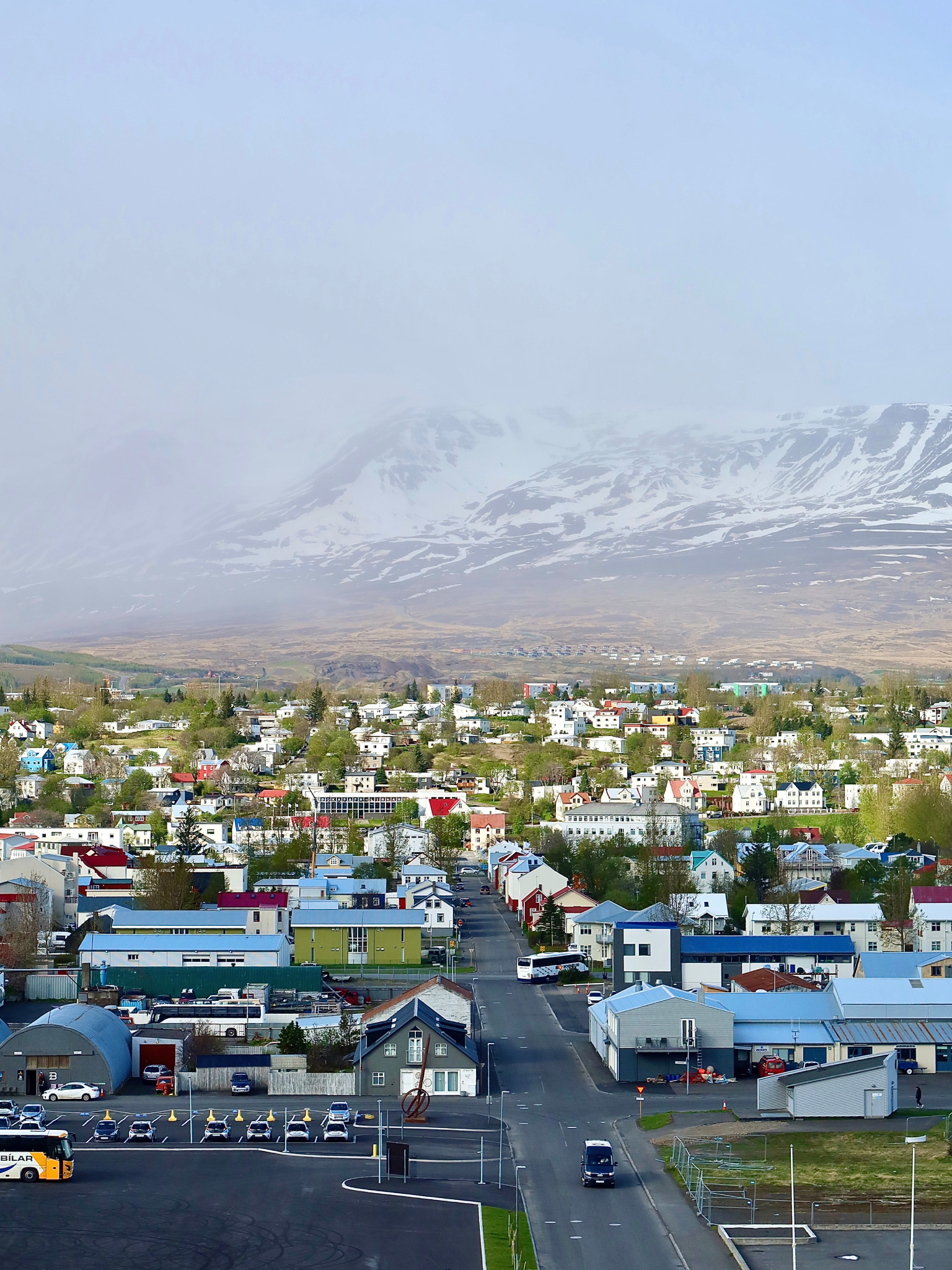
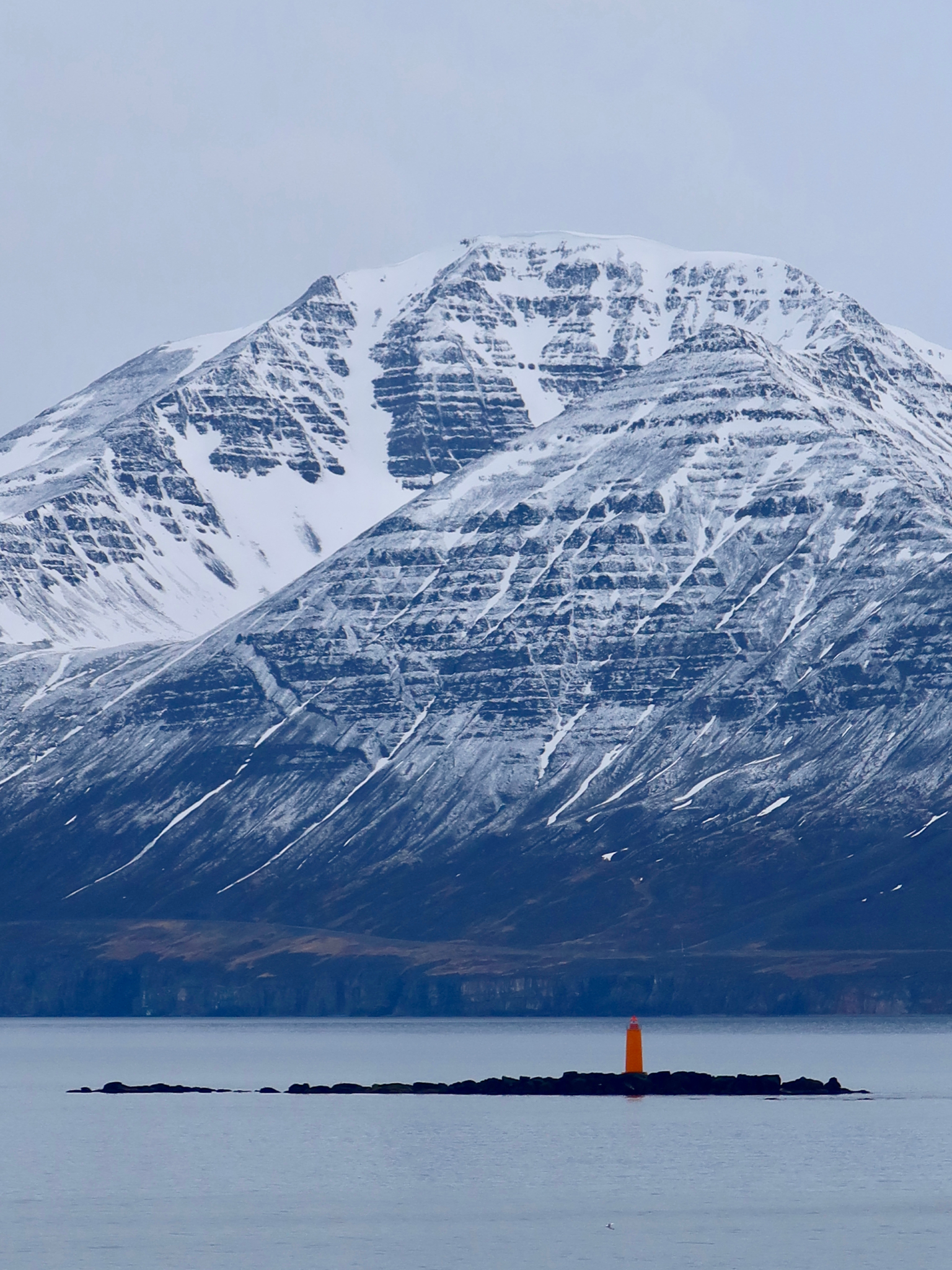
After a slow breakfast, I climbed to the upper deck of the Silver Dawn to survey the starboard side. From this vantage point, the town’s signature colorful roofs popped against a backdrop of snow-capped mountains that loomed just beyond the city limits.
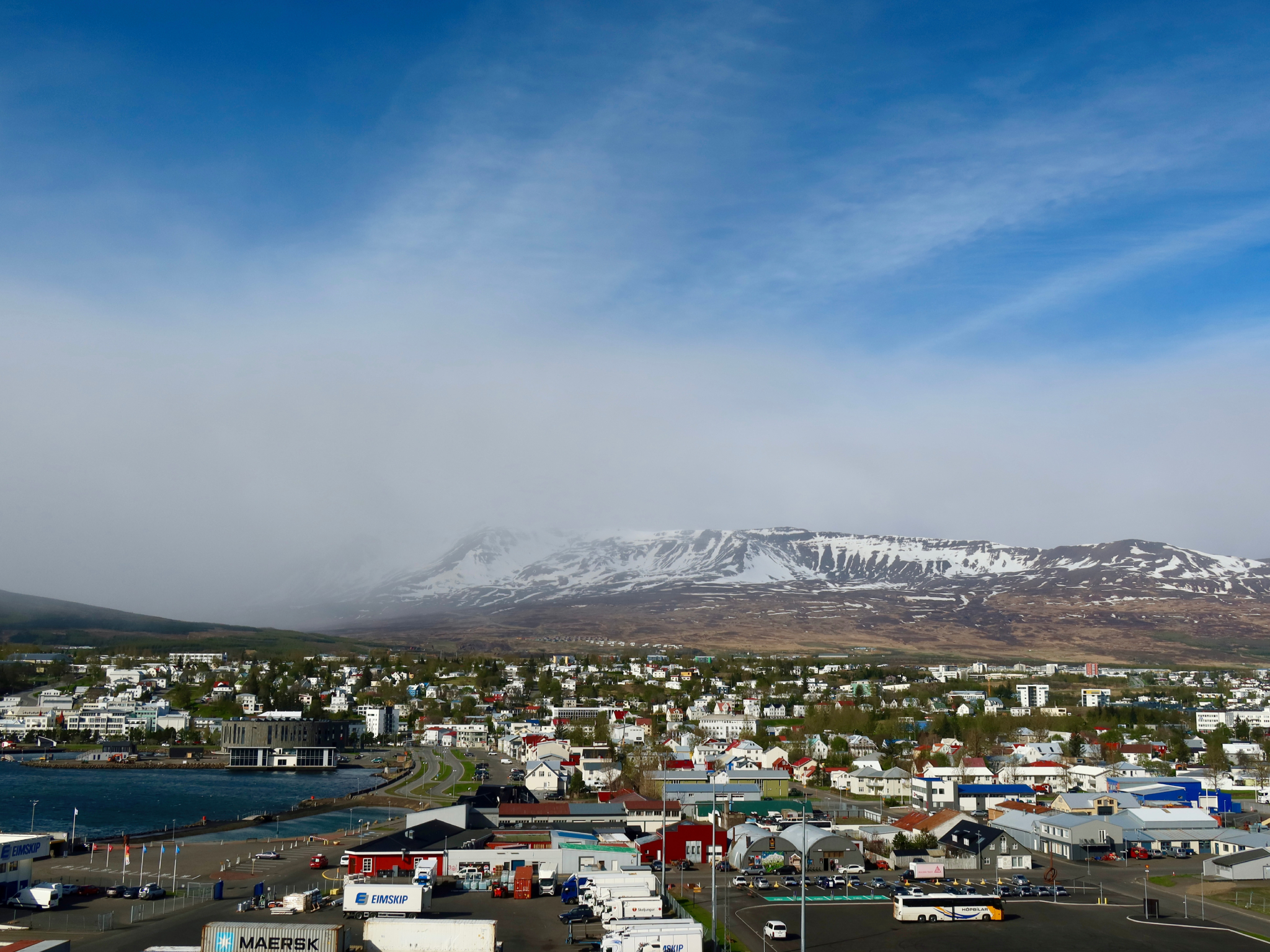
From Mountain Squalls to Geothermal Soaks
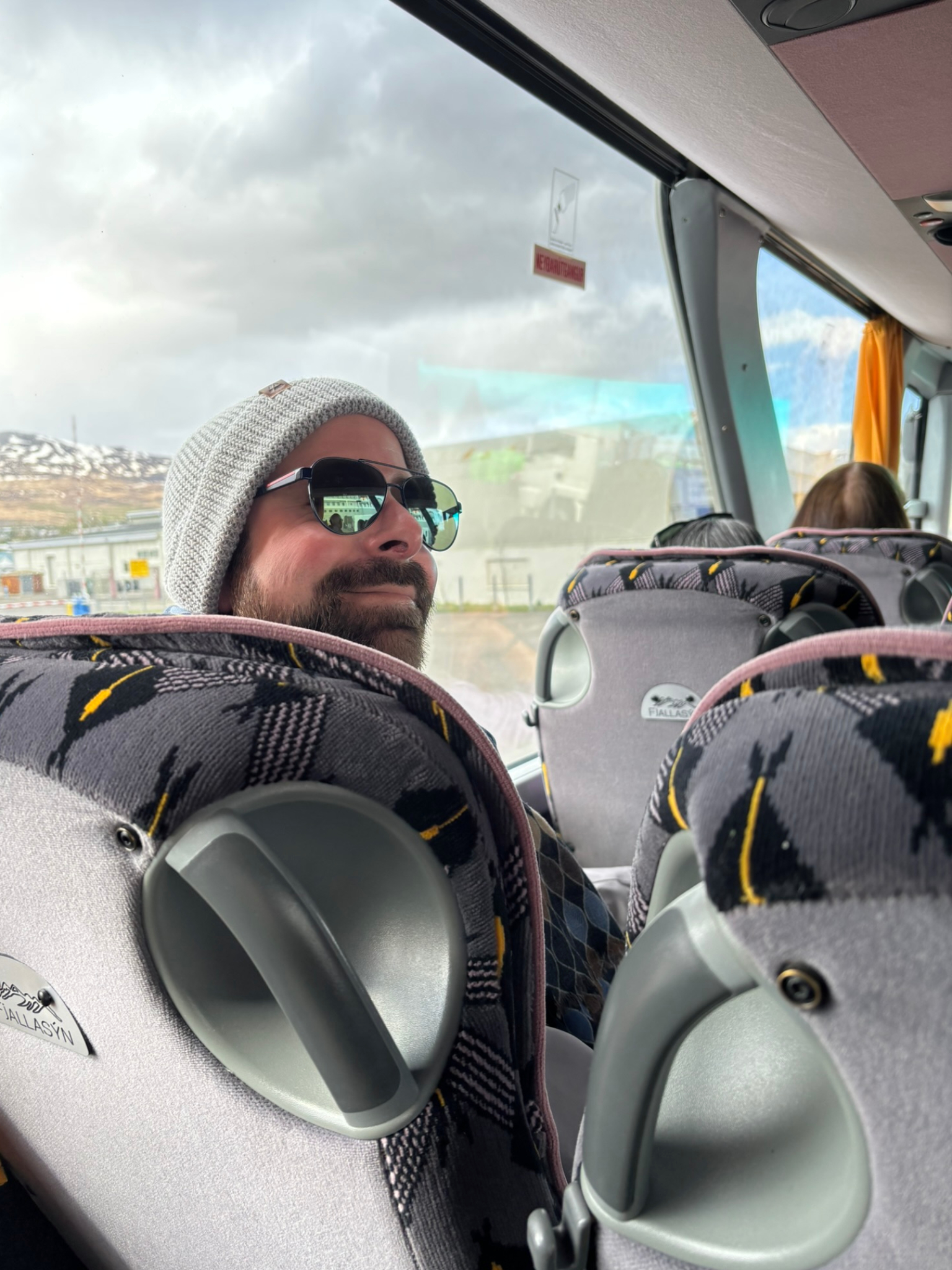
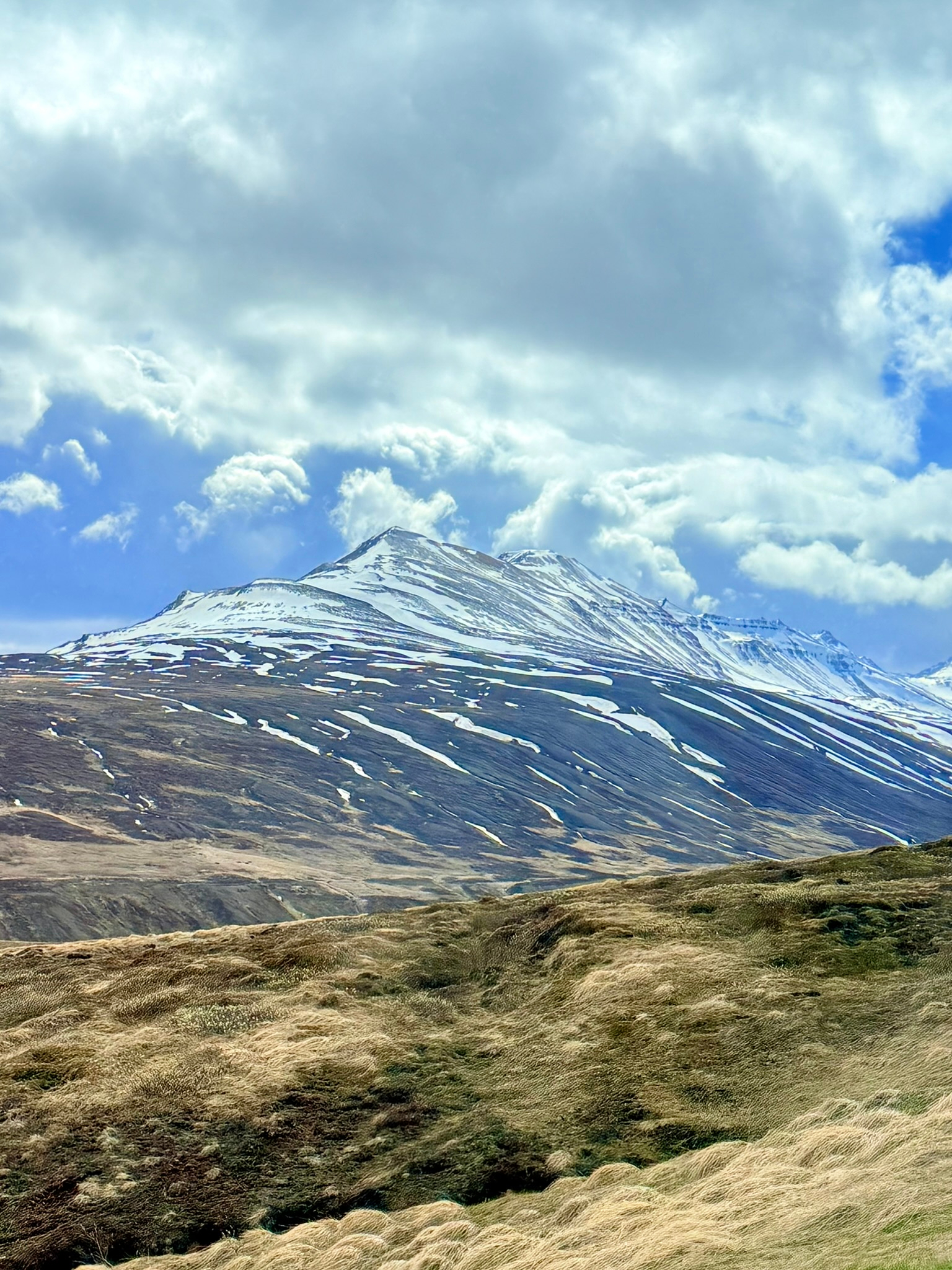
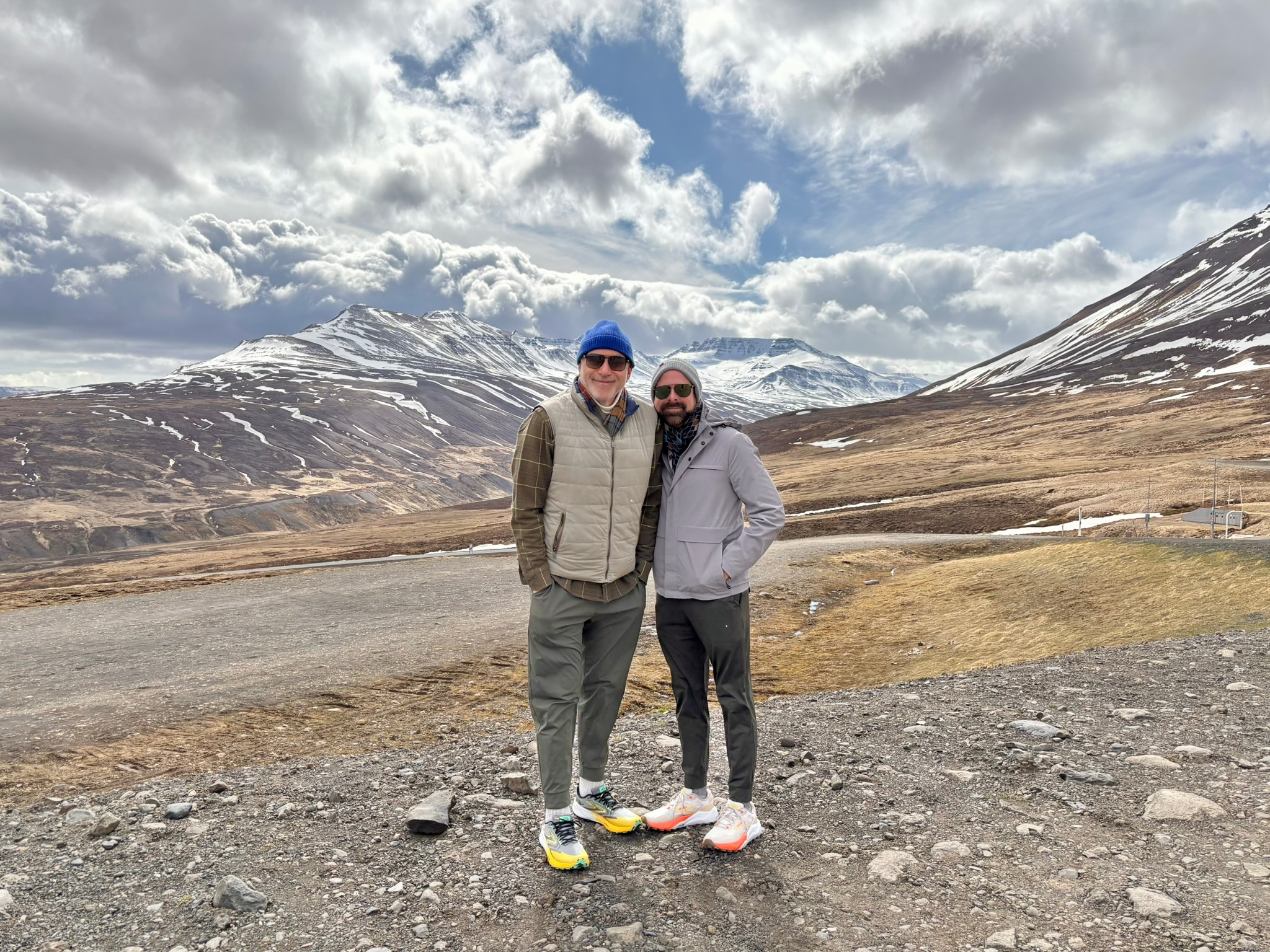
In the late morning, we disembarked for an excursion organized by Silversea. Our ultimate destination was the newly opened Forest Lagoon, but our guide first whisked us to the base of Hlíðarfjall. This mountain is the premier skiing destination in Iceland, offering slopes that overlook the sea. From this height, the views of Súlur, the town’s iconic twin-peaked “house mountain,” were magnificent.
Just as we re-boarded the bus, the Icelandic weather proved its fickle reputation; a sudden snow squall enveloped us in a white blur. Yet, as we descended back toward the valley, the snow dissipated as quickly as it had arrived, revealing blue skies dispersed with plumes of gray and white clouds.
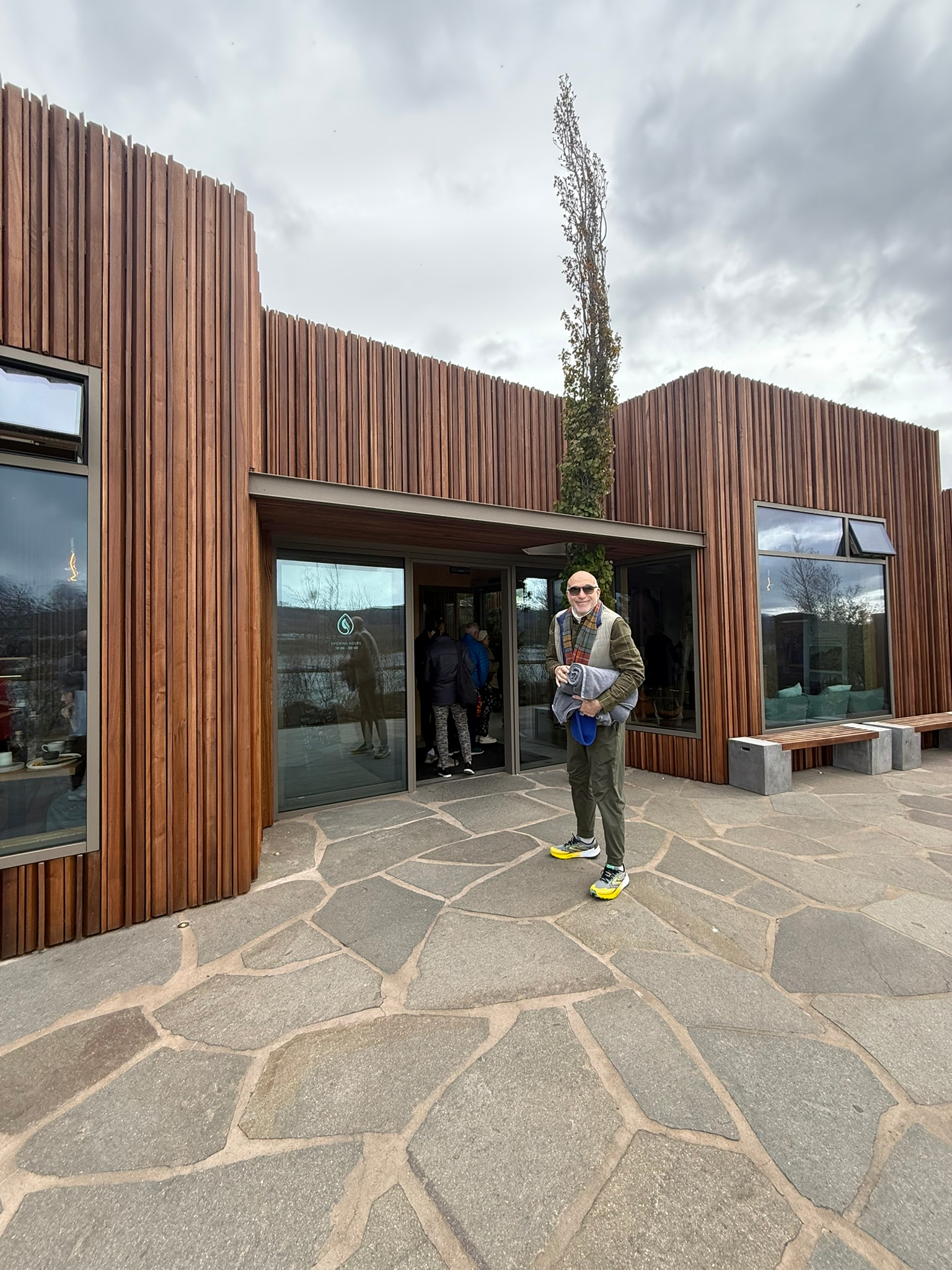
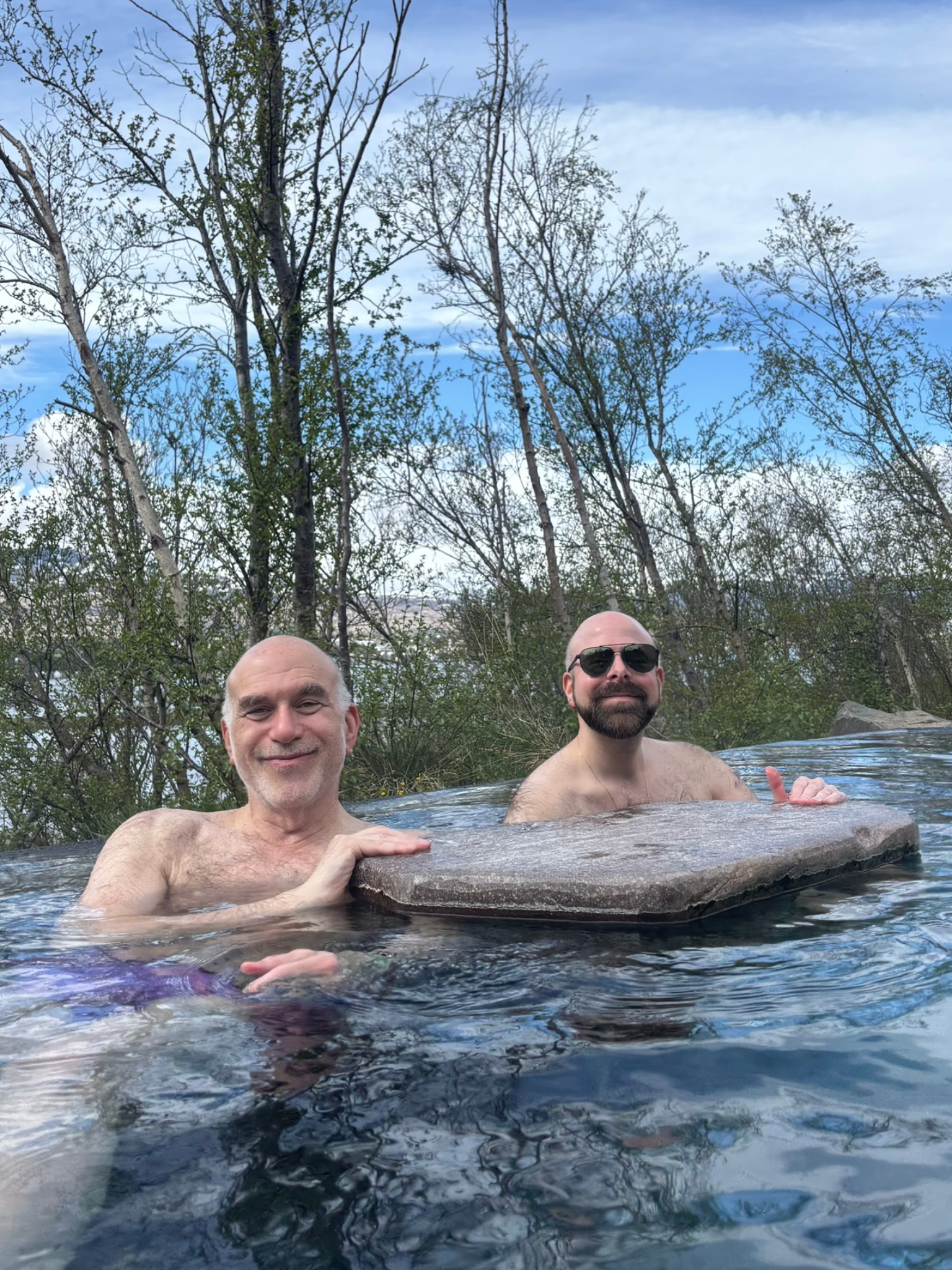
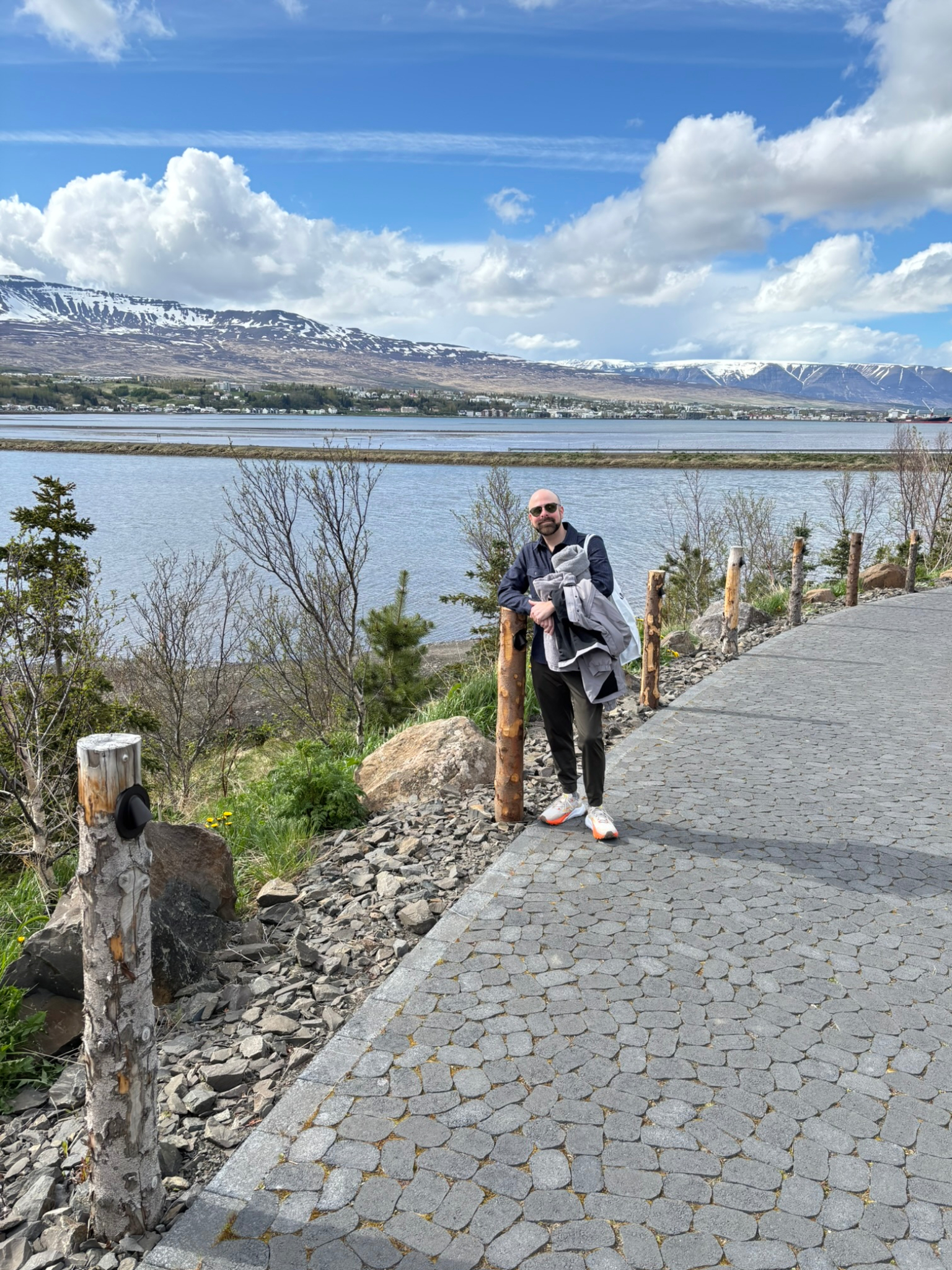
We drove across the head of the fjord to the Forest Lagoon, a destination with a history as refreshing as its waters. The site was discovered entirely by accident in 2014 during the construction of the Vaðlaheiðargöng tunnel. Engineers drilling through the mountain struck a hidden source of pure, geothermal hot water, which initially hindered the construction but eventually birthed a local treasure. Rather than letting the 50°C flow go to waste, it was diverted to create this boutique spa, which opened its doors in 2022. It is uniquely situated within the Vaðlaheiði forest, providing a rare opportunity in Iceland to soak surrounded by birch and pine trees.
Thermal bathing is a cornerstone of Icelandic culture – a social ritual dating back to the Viking age. While I was somewhat surprised to find the Forest Lagoon was a sophisticated, man-made thermally-heated pool rather than a craggy, natural “lagoon,” the experience was lovely nonetheless. We ordered cocktails from the swim-up bar and soaked for 45 minutes, enjoying the architectural integration of the wood and stone. Unfortunately, the tranquility was briefly interrupted when a conversation with fellow cruisers veered into political territory that I found utterly abhorrent, a jarring reminder of the world beyond the fjord.
Botanical Wonders Near the Arctic Circle
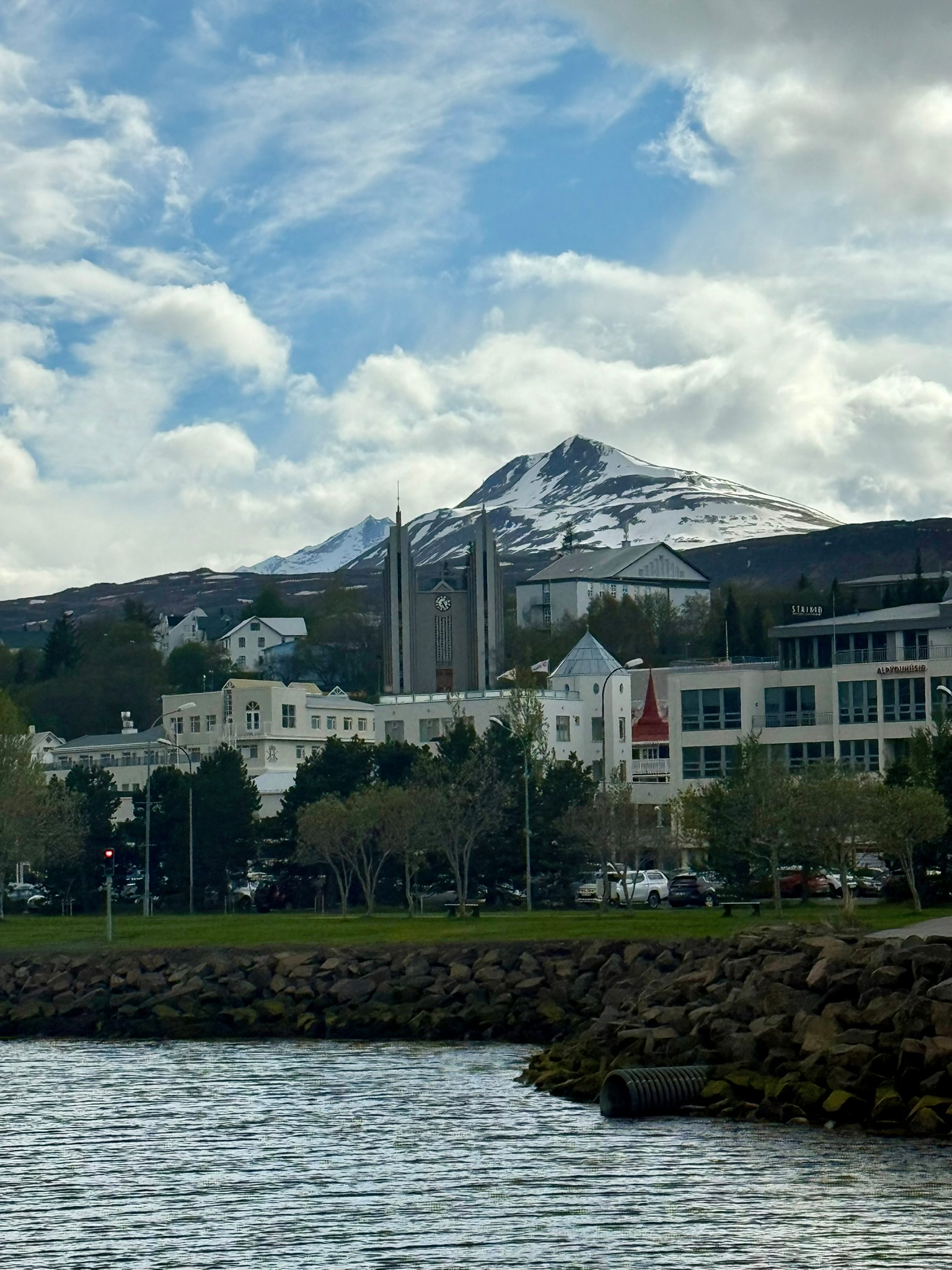
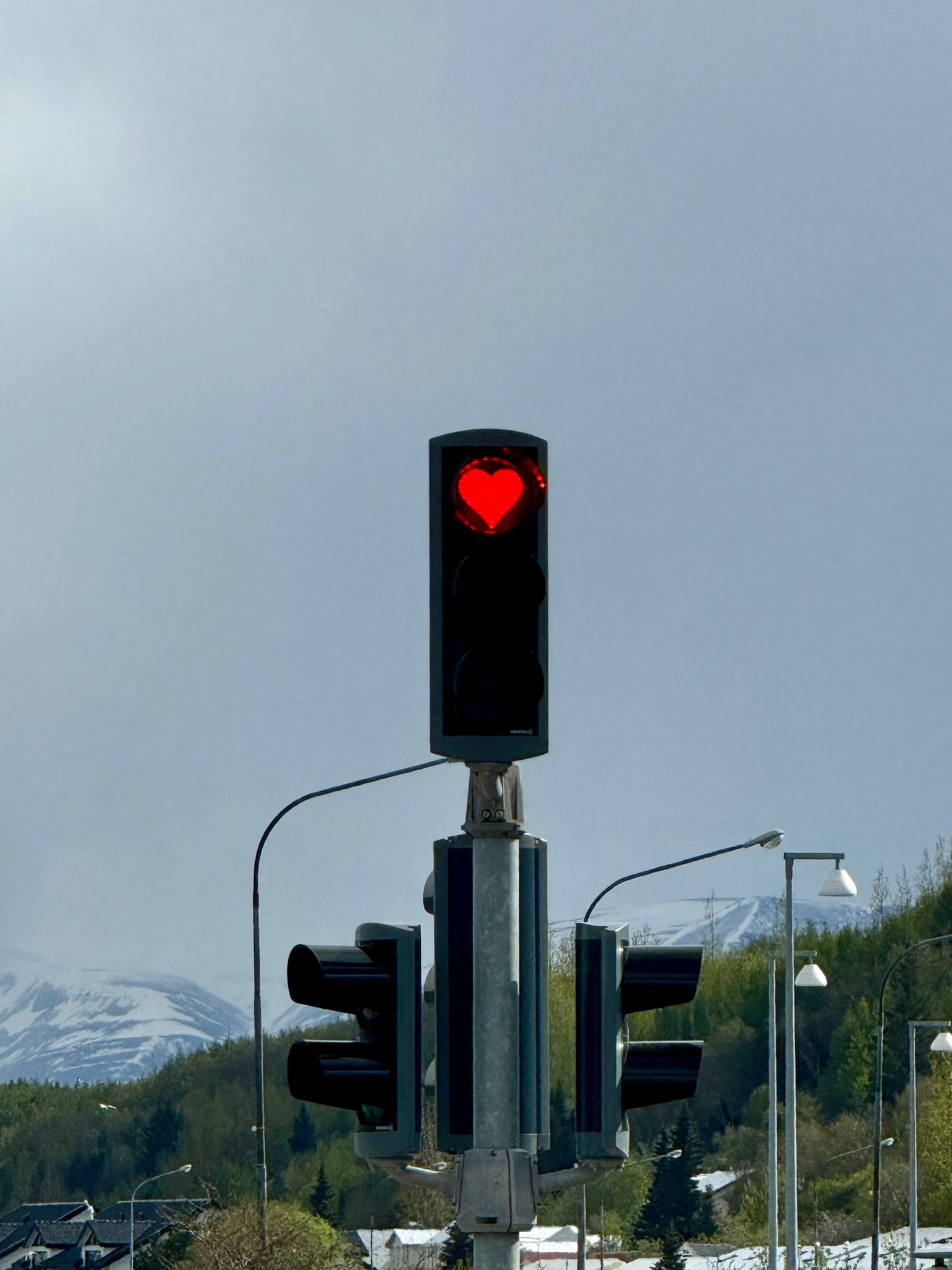
Needing some solitude, after returning to the ship I headed into central Akureyri. It is a quaint, modern town, famous for its heart-shaped red stoplights – a gesture meant to keep spirits high during the long winters. I spent some time browsing the shops along the pedestrian Hafnarstræti before climbing the steep steps to Akureyrarkirkja. This Lutheran church, designed by Guðjón Samúelsson (who also designed Reykjavik’s Hallgrímskirkja), dominates the skyline with its striking basalt-inspired pillars.
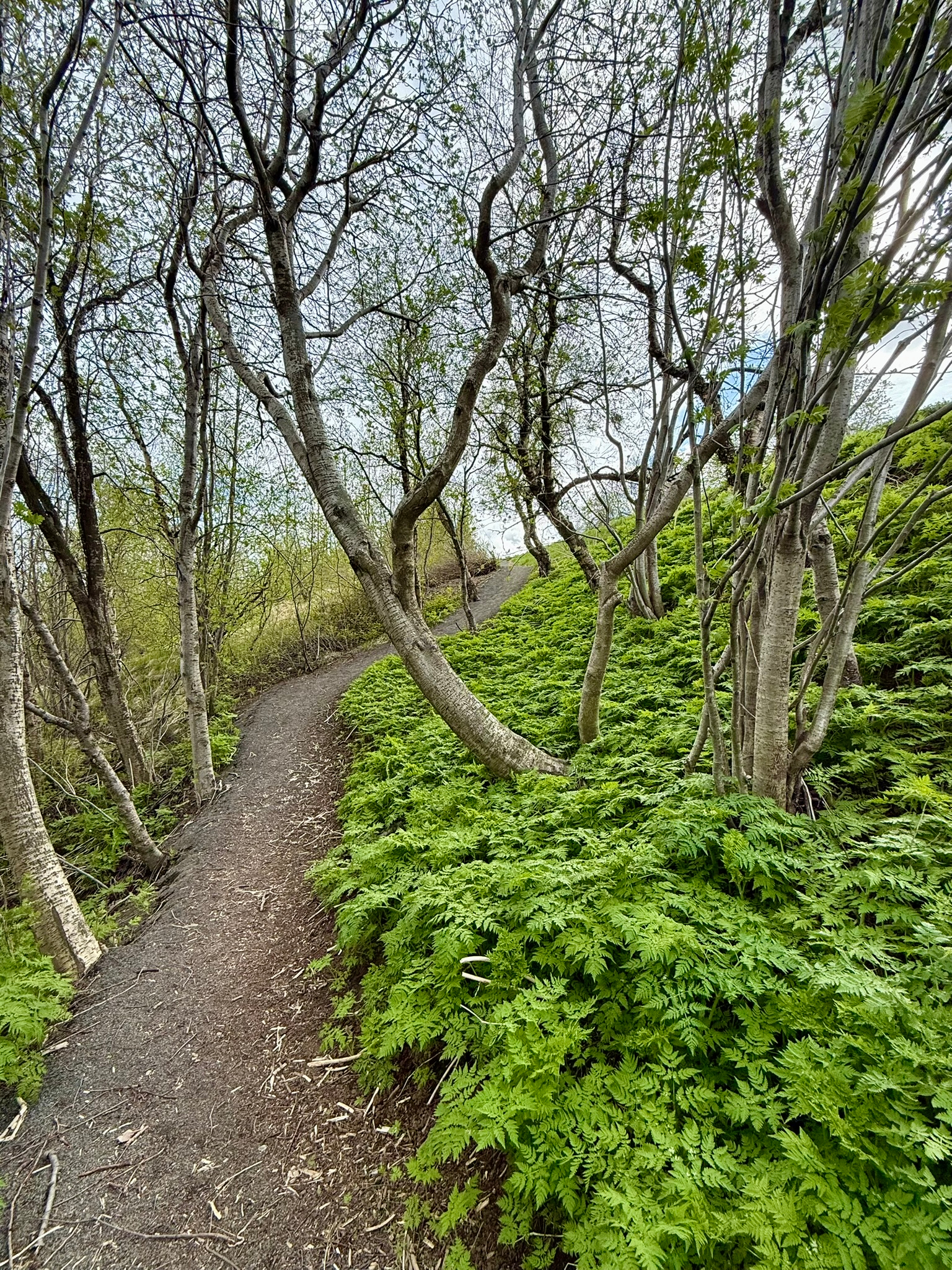
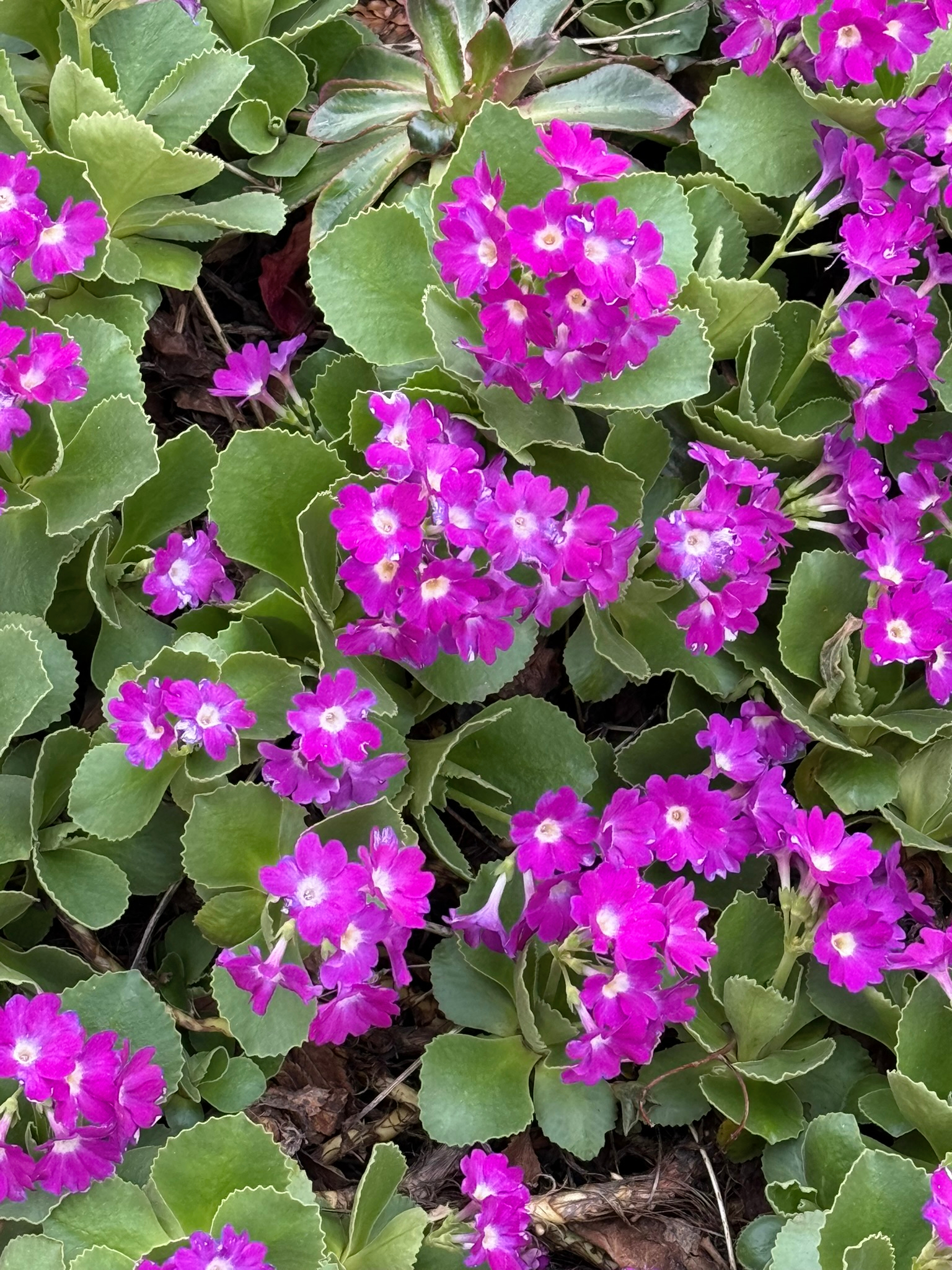
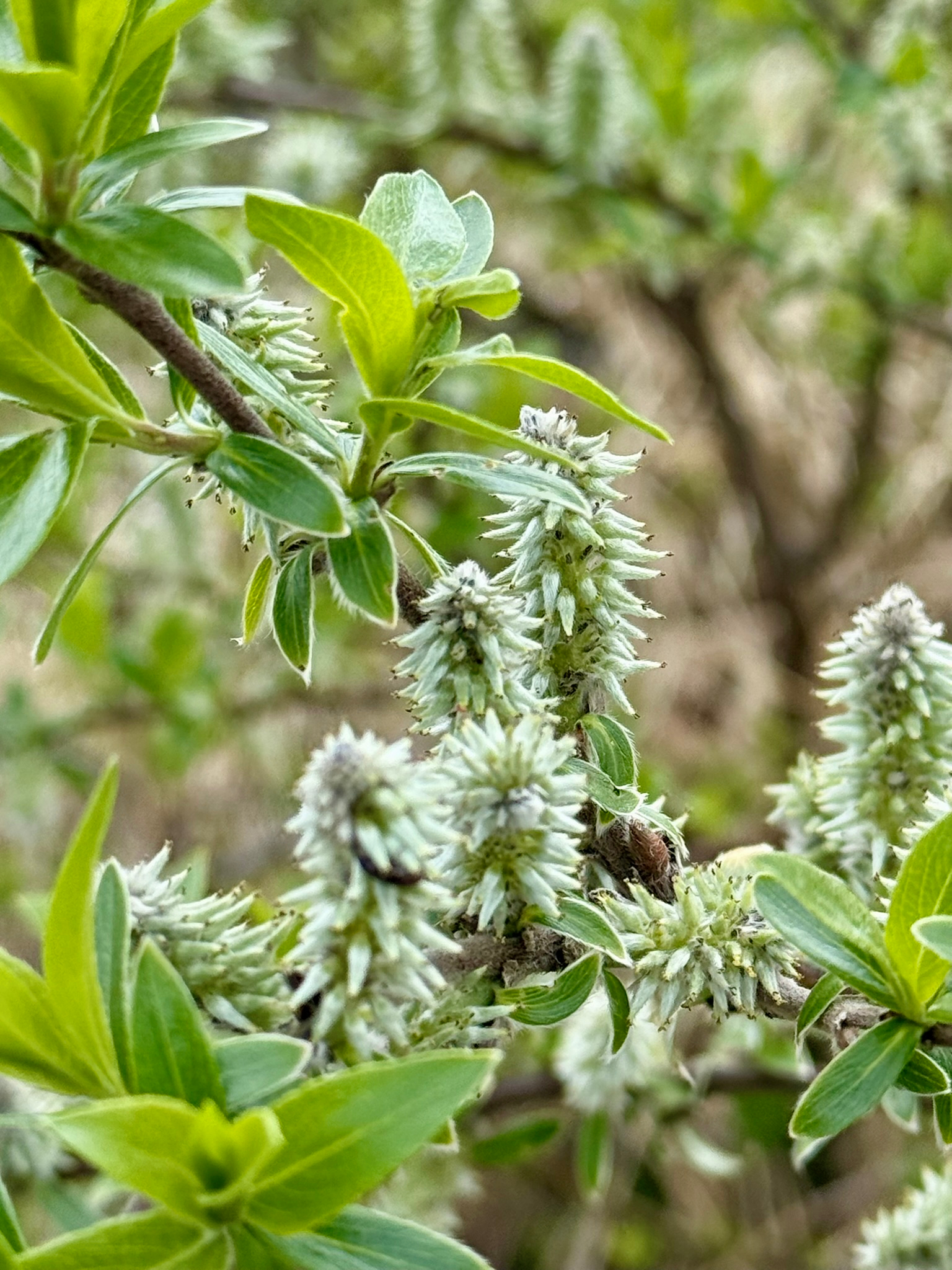
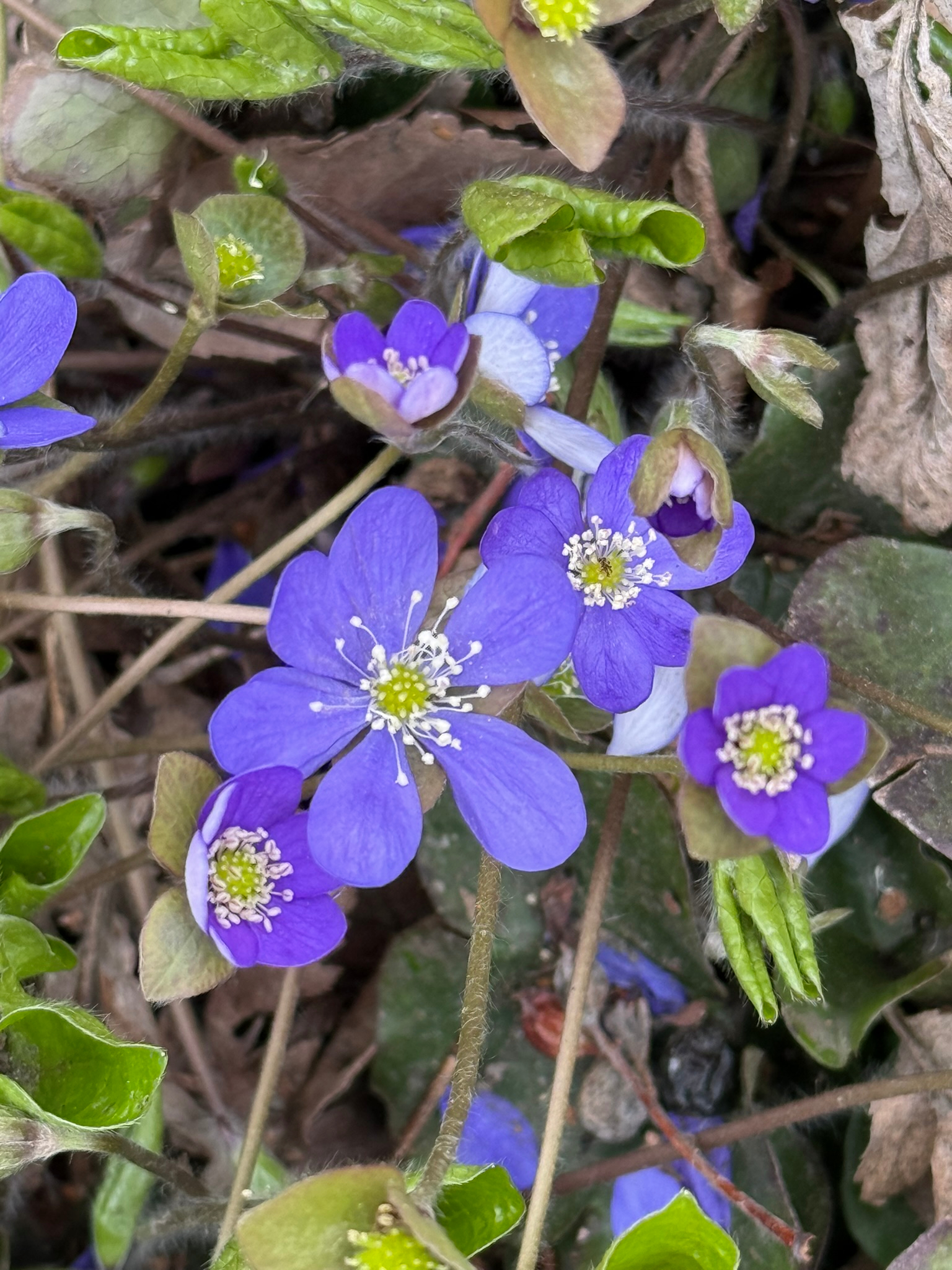
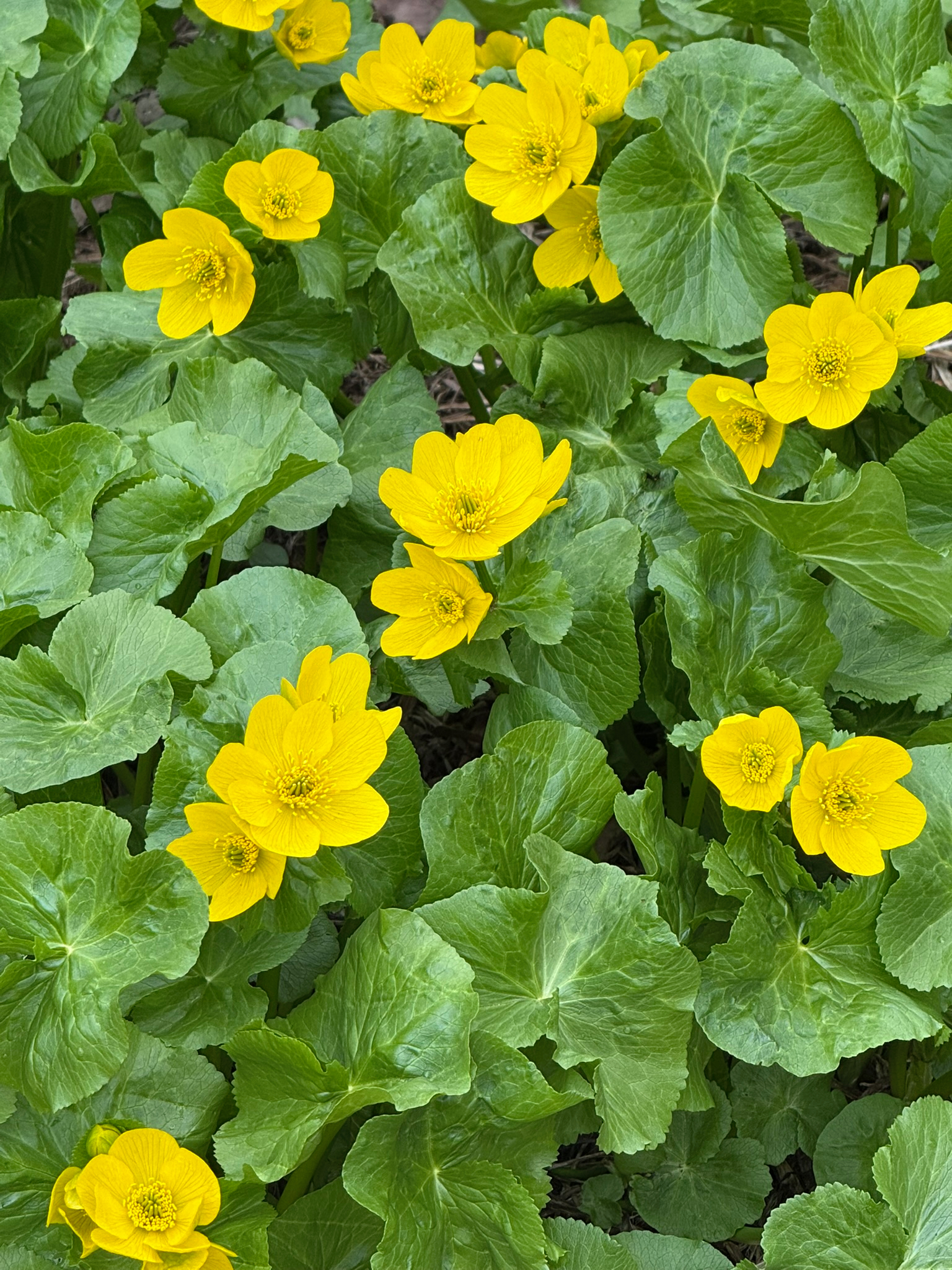
A short 10-minute walk from the church led me to the Akureyri Botanical Garden. Established in 1912, this is one of the northernmost botanical gardens in the world. As I entered, my soul was soothed by the sight of springtime blooms; I was truly astonished by the sheer variety of flora thriving so close to the Arctic.
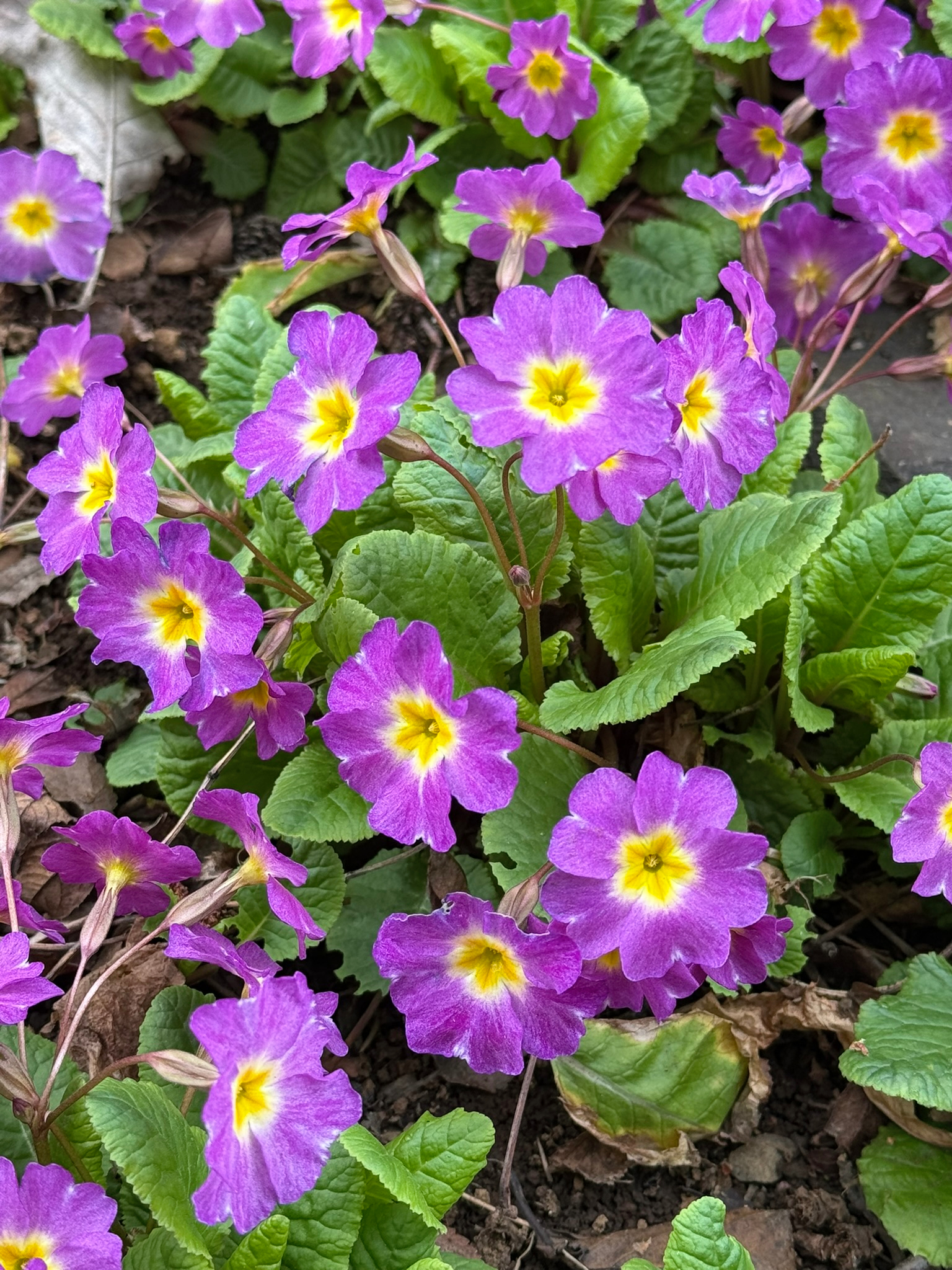
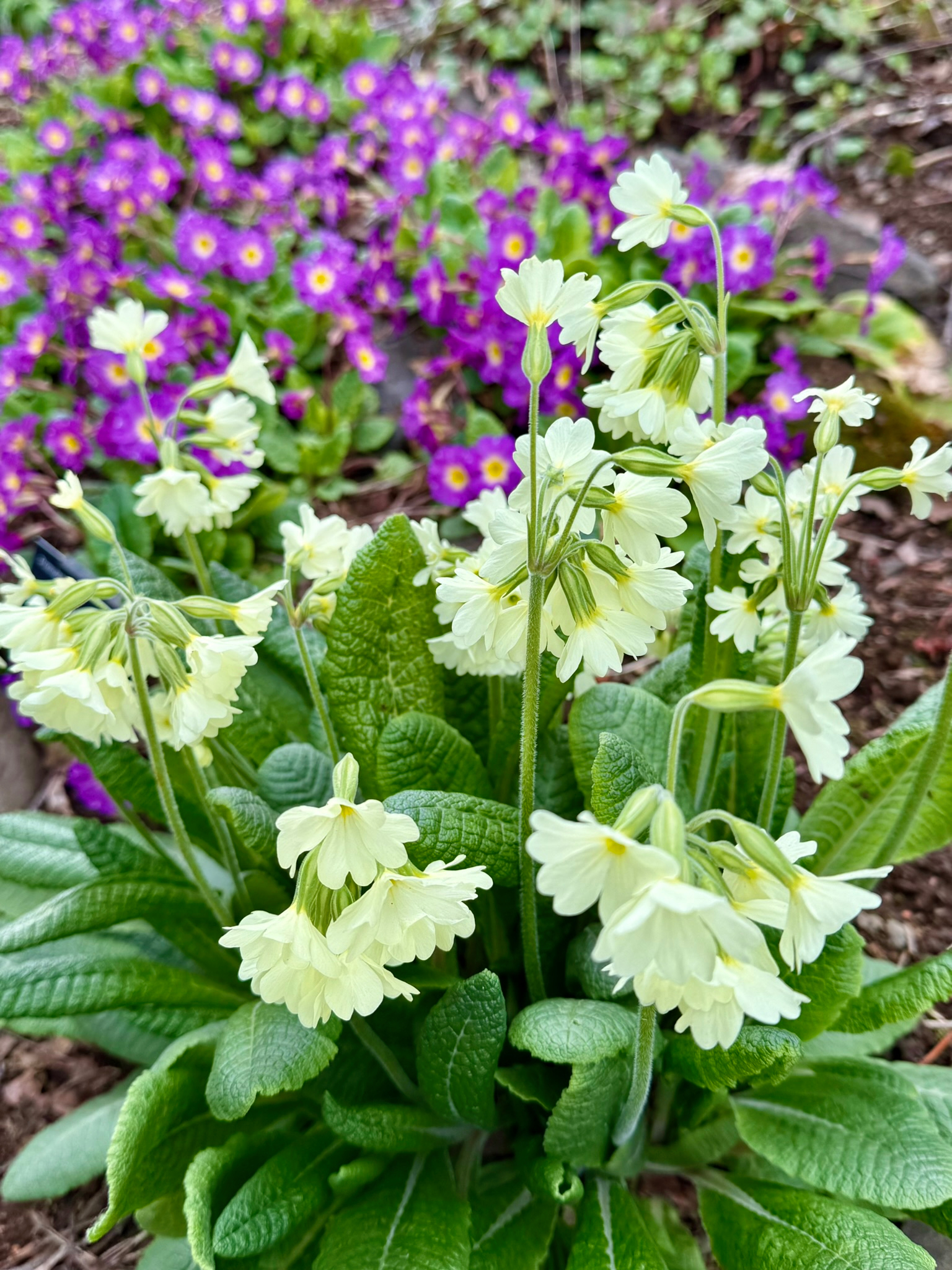
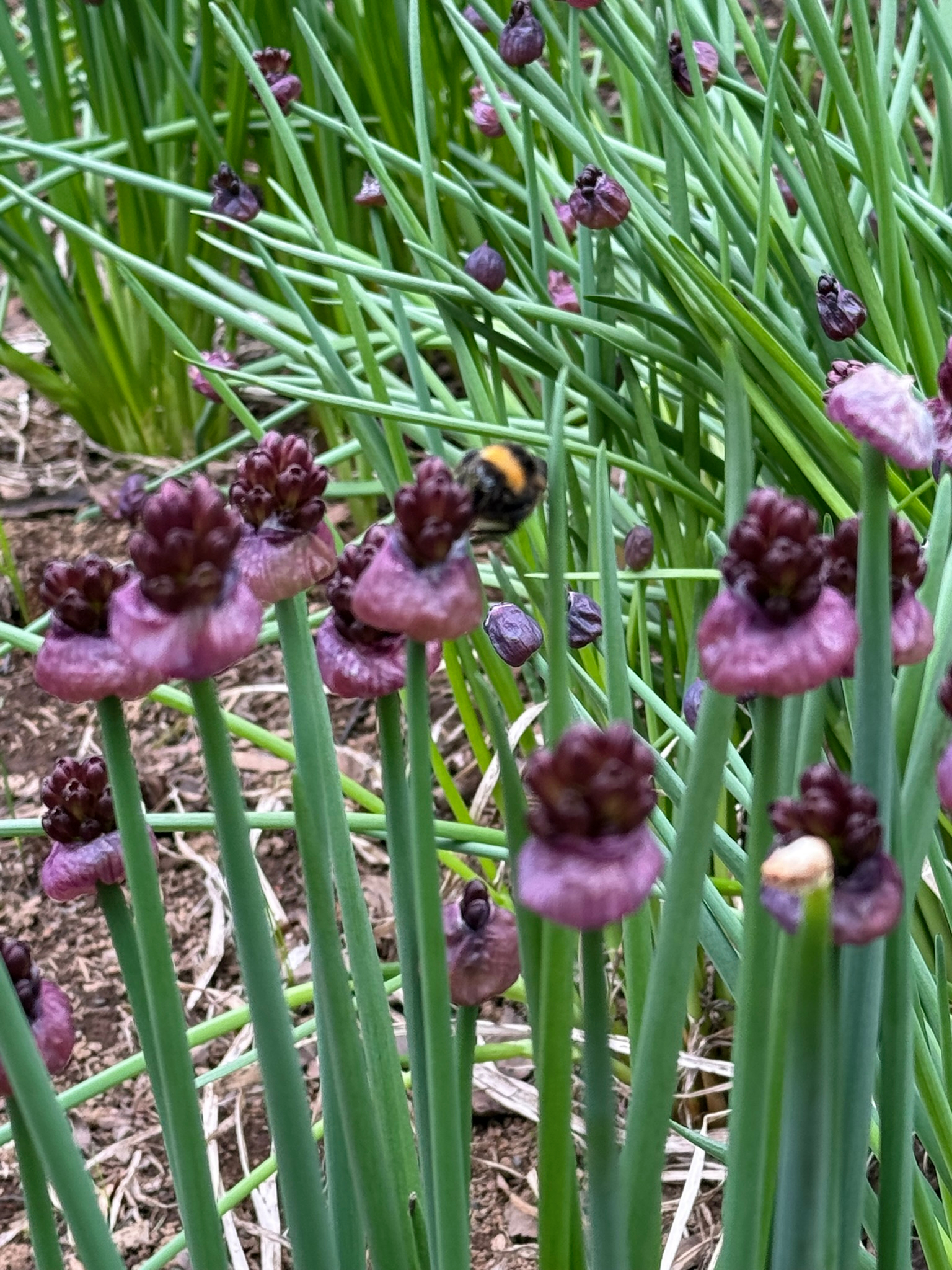
The garden was a riot of color, featuring magenta florist kalanchoe – also known as Flaming Katy – and scarlet-hued common daisies that stood in bright contrast to the northern sky. I found myself mesmerized by the purple liverwort, which displayed galactic-looking bulbous stamens, and the cheerful combination of bright yellow marsh marigolds and pink primroses with their sunny centers. Further along the path, butter-tinged cowslips and curious-looking allium attracted a surprising number of Icelandic bumblebees, while the delicate periwinkle of Siberian squill carpeted the ground, completing this unlikely subarctic paradise.
Sailing into a Masterpiece
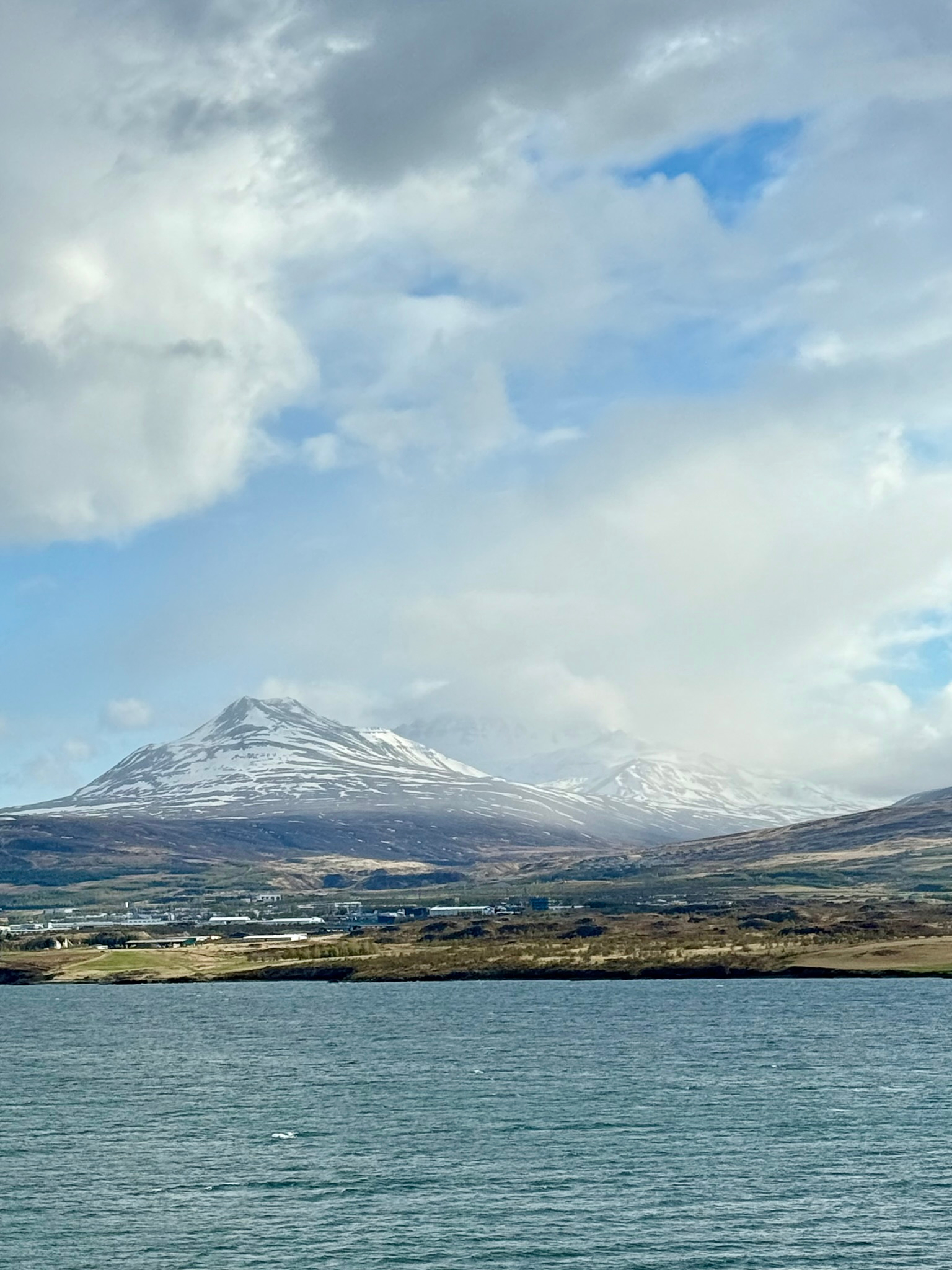
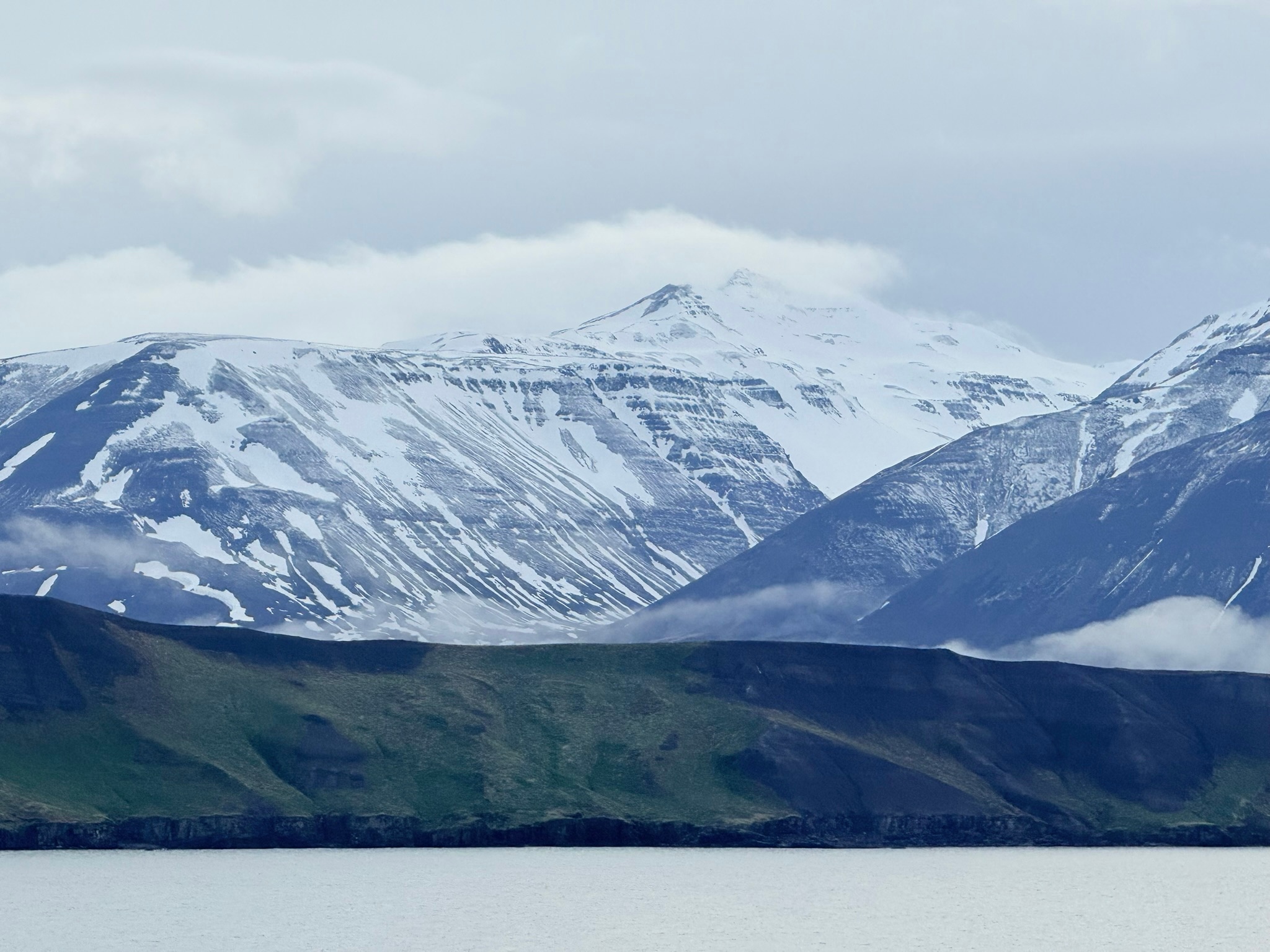
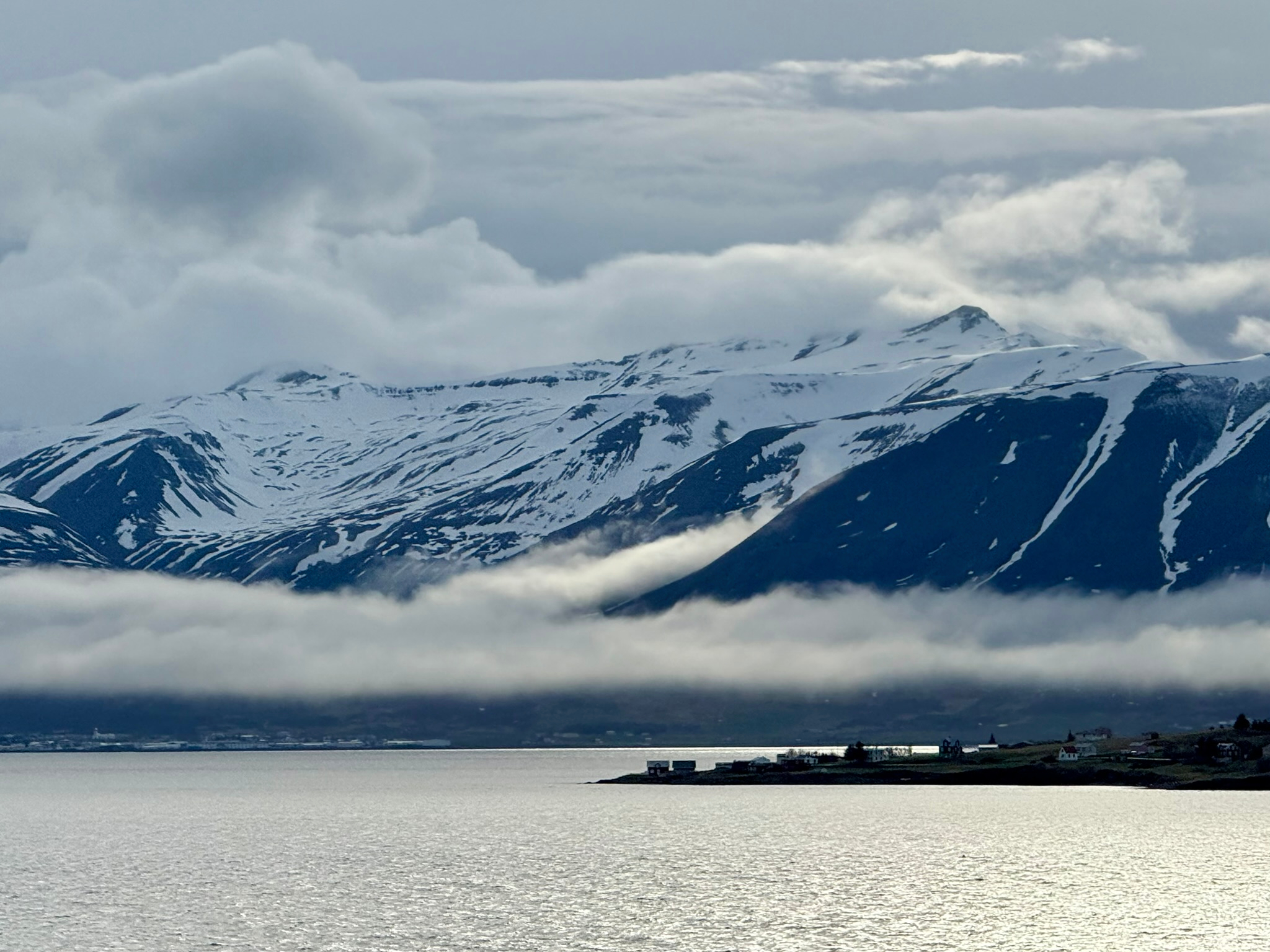
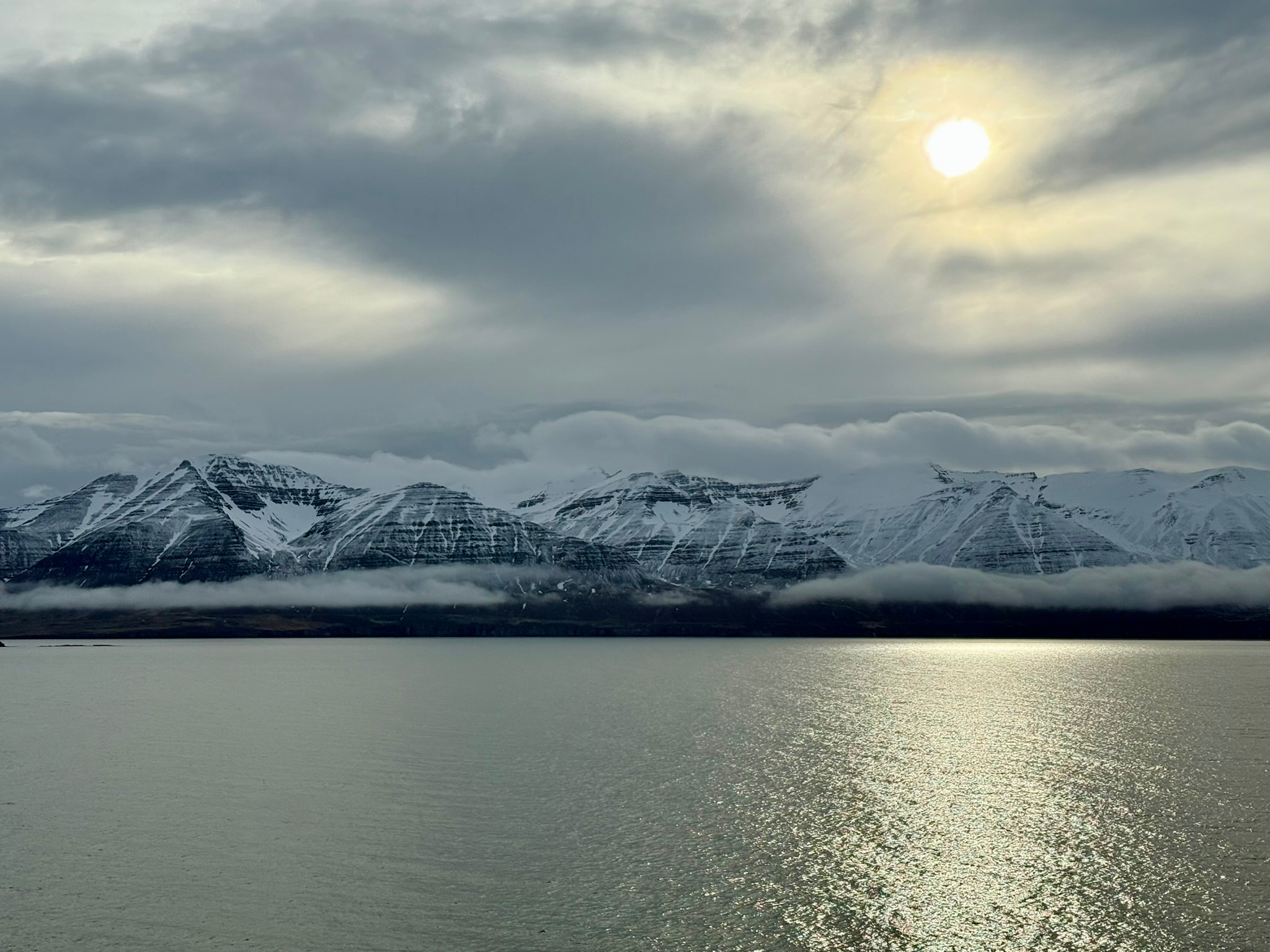
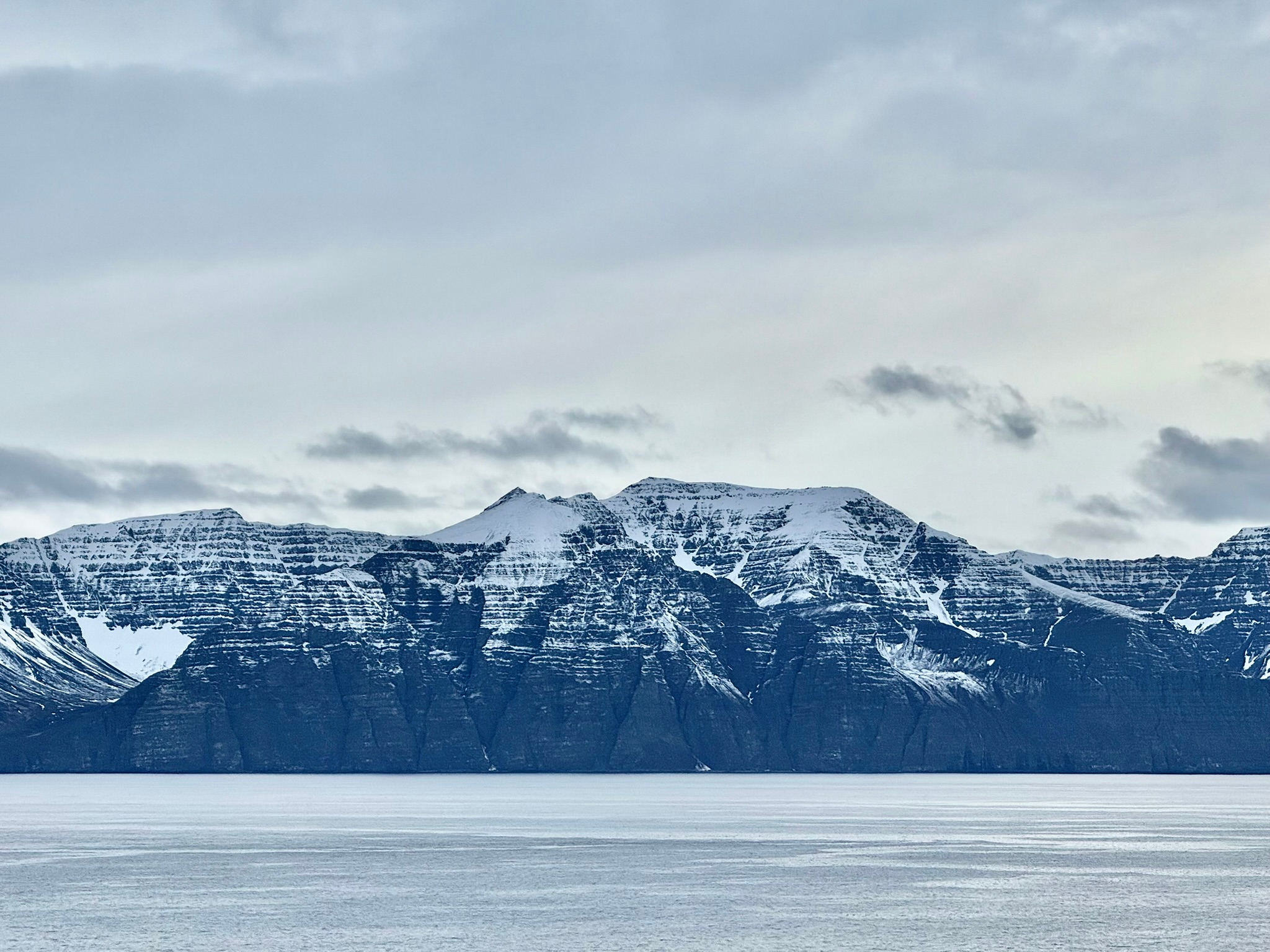
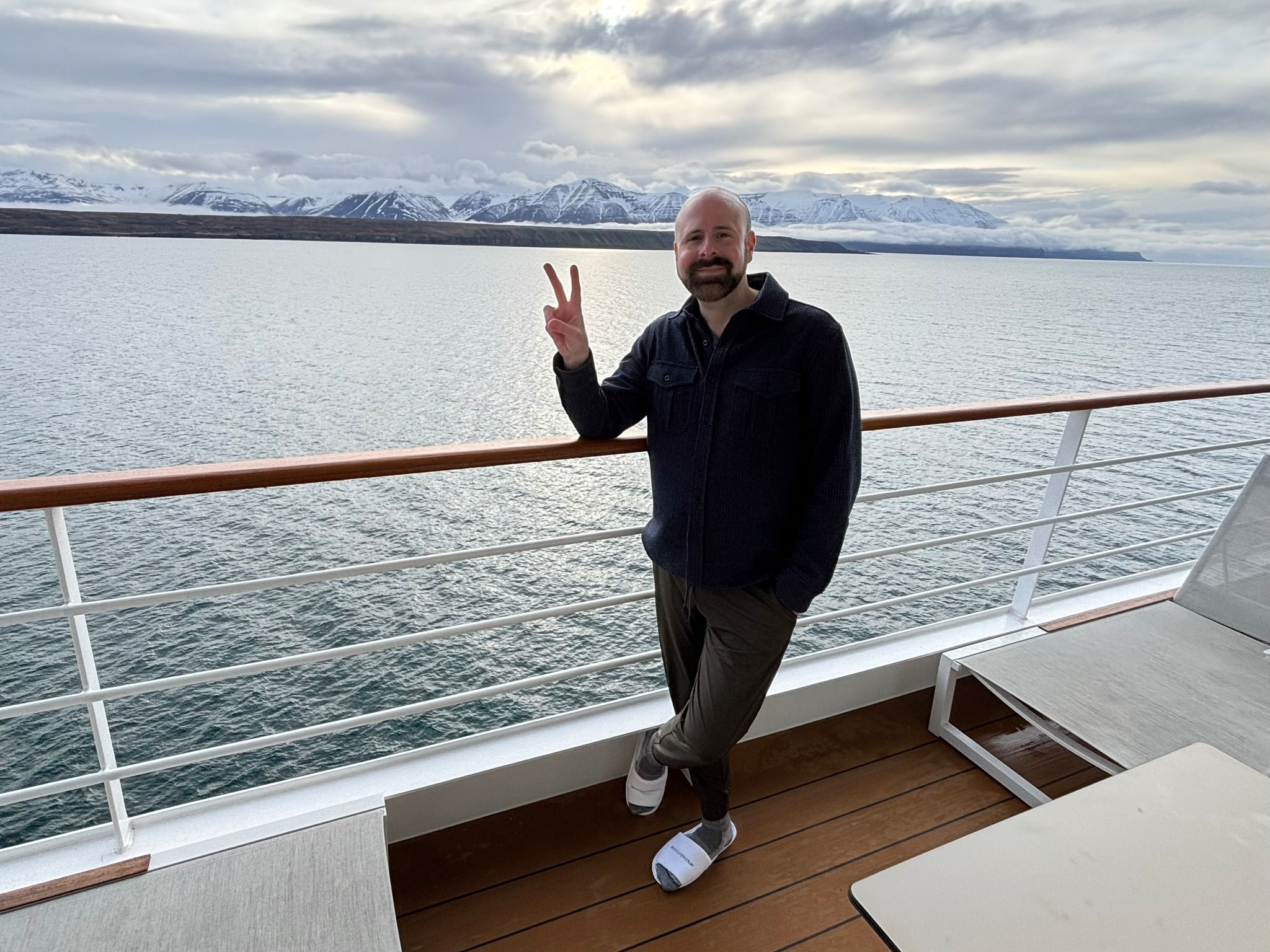
Shortly after re-embarking, the captain lifted anchor. As the bow turned, we were graced with sweeping views of the western shore of Eyjafjörður from our veranda. The real show began as we sailed north; green coastal fields were framed by majestic, snow-covered mountains interlaced with low-lying clouds. The scenery felt impossibly perfect, as if we were sailing through a canvas by Caspar David Friedrich, the master of romantic, snowy mountainscapes. The interplay of light, mist, and stone was a poignant reminder of why we travel to the ends of the earth.
As the sun hung low in the sky, we set our course further west. Our next stop? The remote and dramatic reaches of Ísafjörður in the Westfjords region.
Last visited in May, 2025