Rome, Italy
Roman Replay: A Masterclass in History, High Fashion, and the Perfect Carbonara
Rome is a city that demands to be revisited. Every time I return to the Eternal City, I find that its layers—of history, of flavor, and of style—reveal something entirely new. In 2025, I had the pleasure of experiencing Rome through two very different lenses: a solo, business-focused retreat in the spring and a vibrant group getaway in the autumn.
Whether you are navigating the city’s high-tech scene or its ancient cobblestones with friends, Rome remains the ultimate destination for those who appreciate the finer things in life. Here is how I spent my time living la dolce vita across two unforgettable trips.
Part I: Springtime Sophistication in San Lorenzo
My first visit of the year took place in April. I was in town for a technology conference, and the setting was the Soho House Rome. Located in the Quartiere San Lorenzo, the hotel is a brutalist masterpiece, housed in a former industrial building that has been transformed into a sanctuary of mid-century modern design and Italian craft.
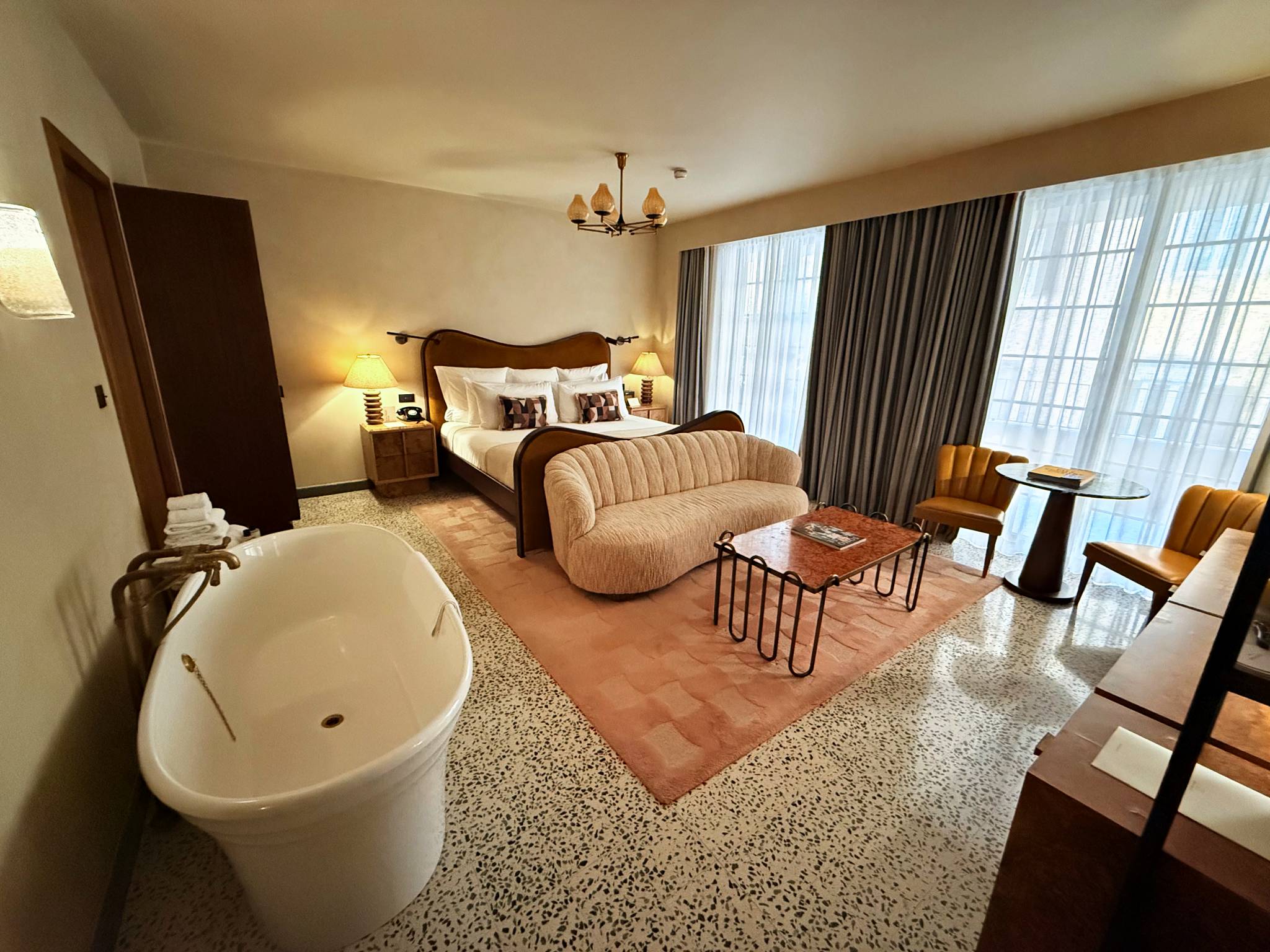
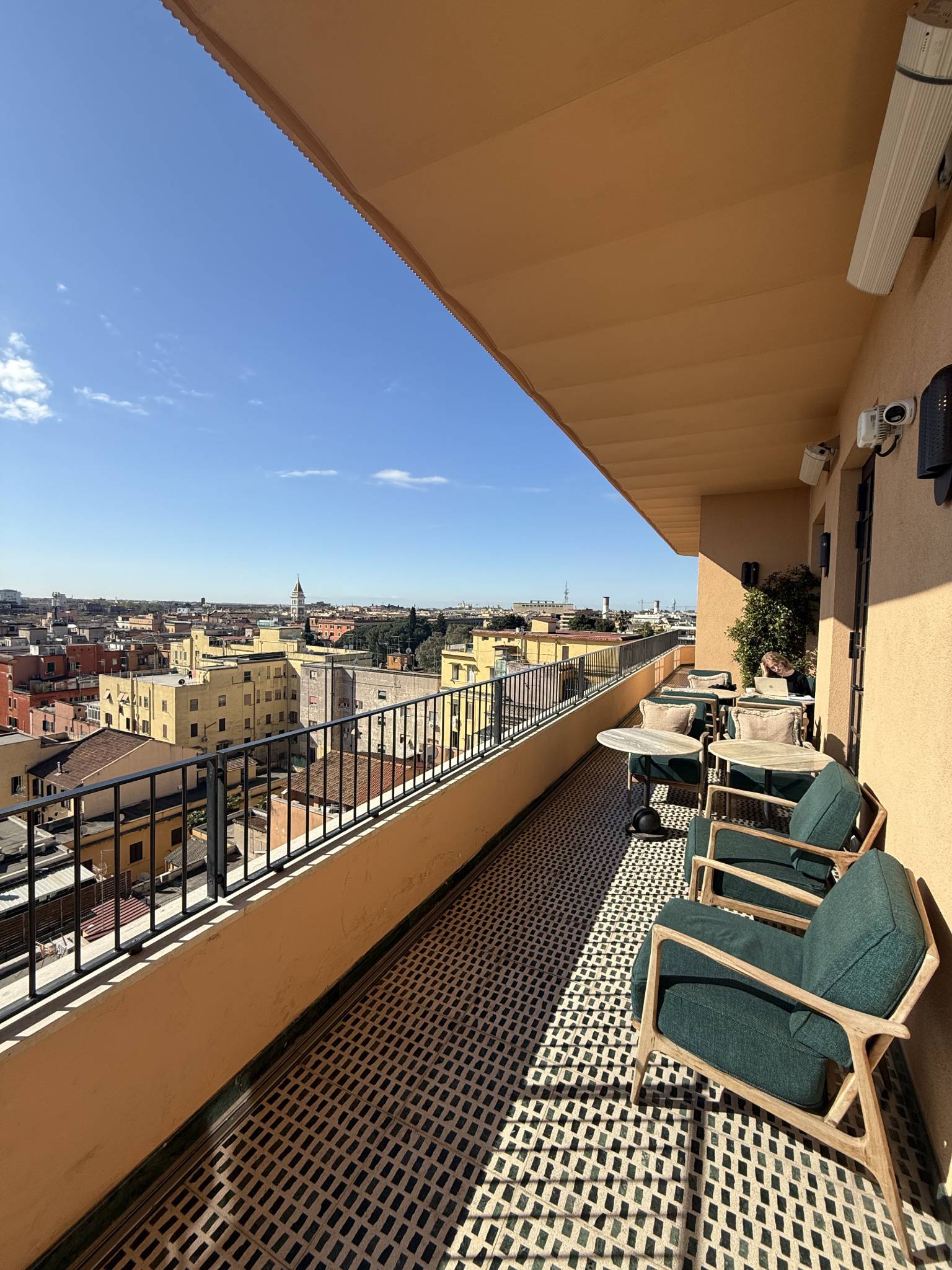
To my surprise, my hosts booked me in a “Big” room, which featured gorgeous terrazzo floors, a spacious King bed, a freestanding tub right in the room, a big walk-in shower, and a furnished balcony. There is something truly special about the Soho House experience; walking into the room to find classical music playing was the perfect way to ease me into the day after the long, red-eye flight from New York.
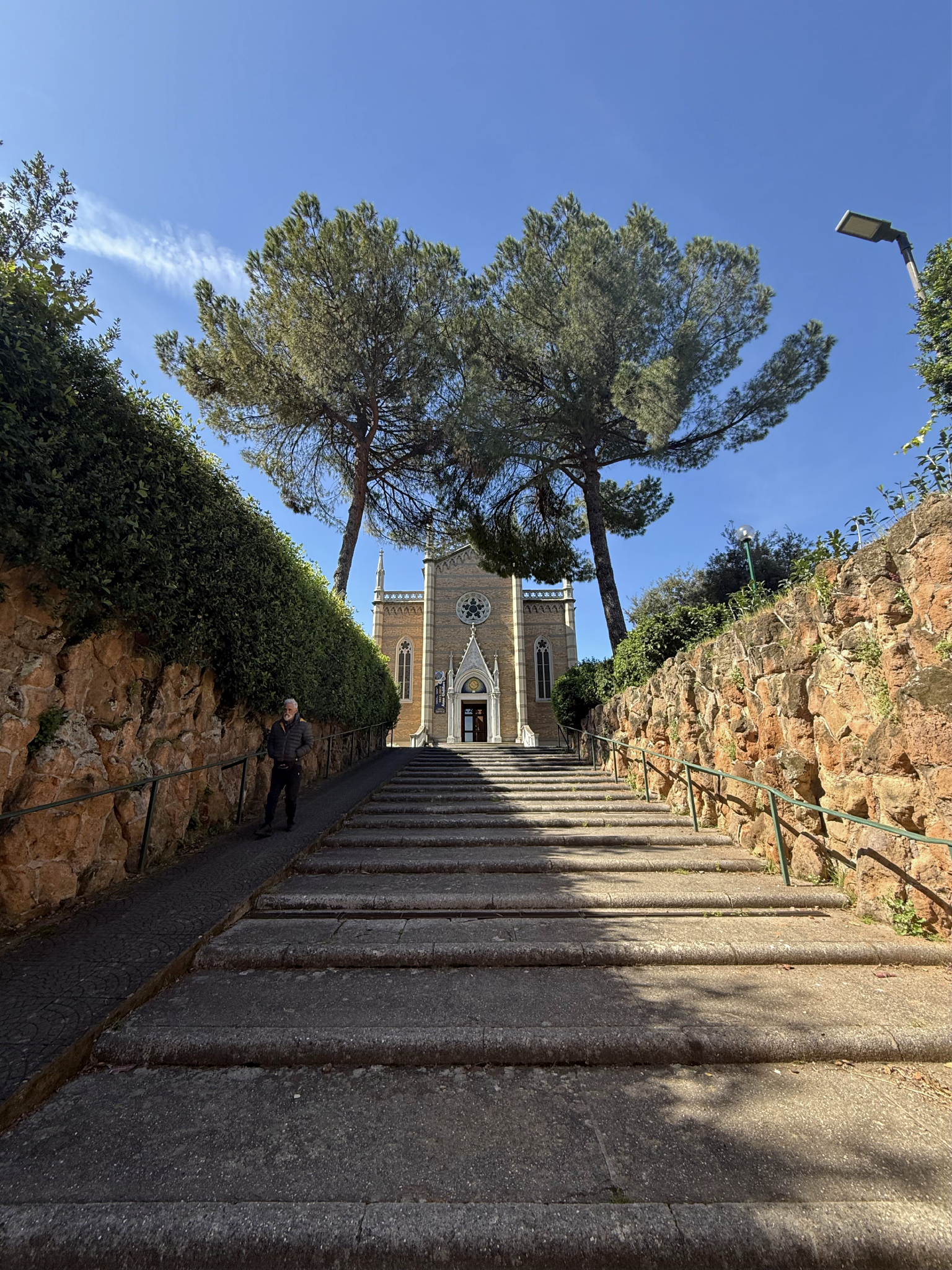
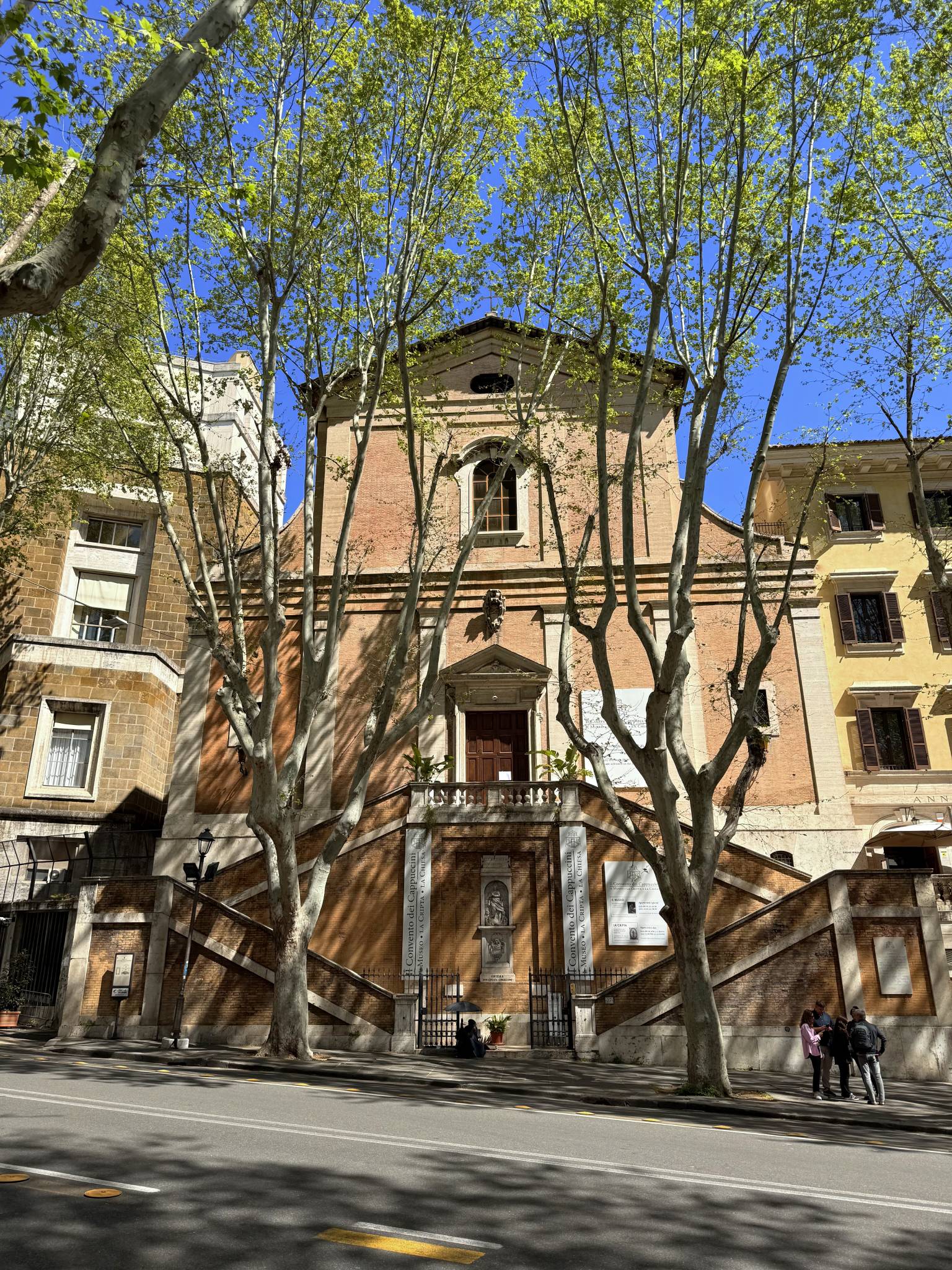
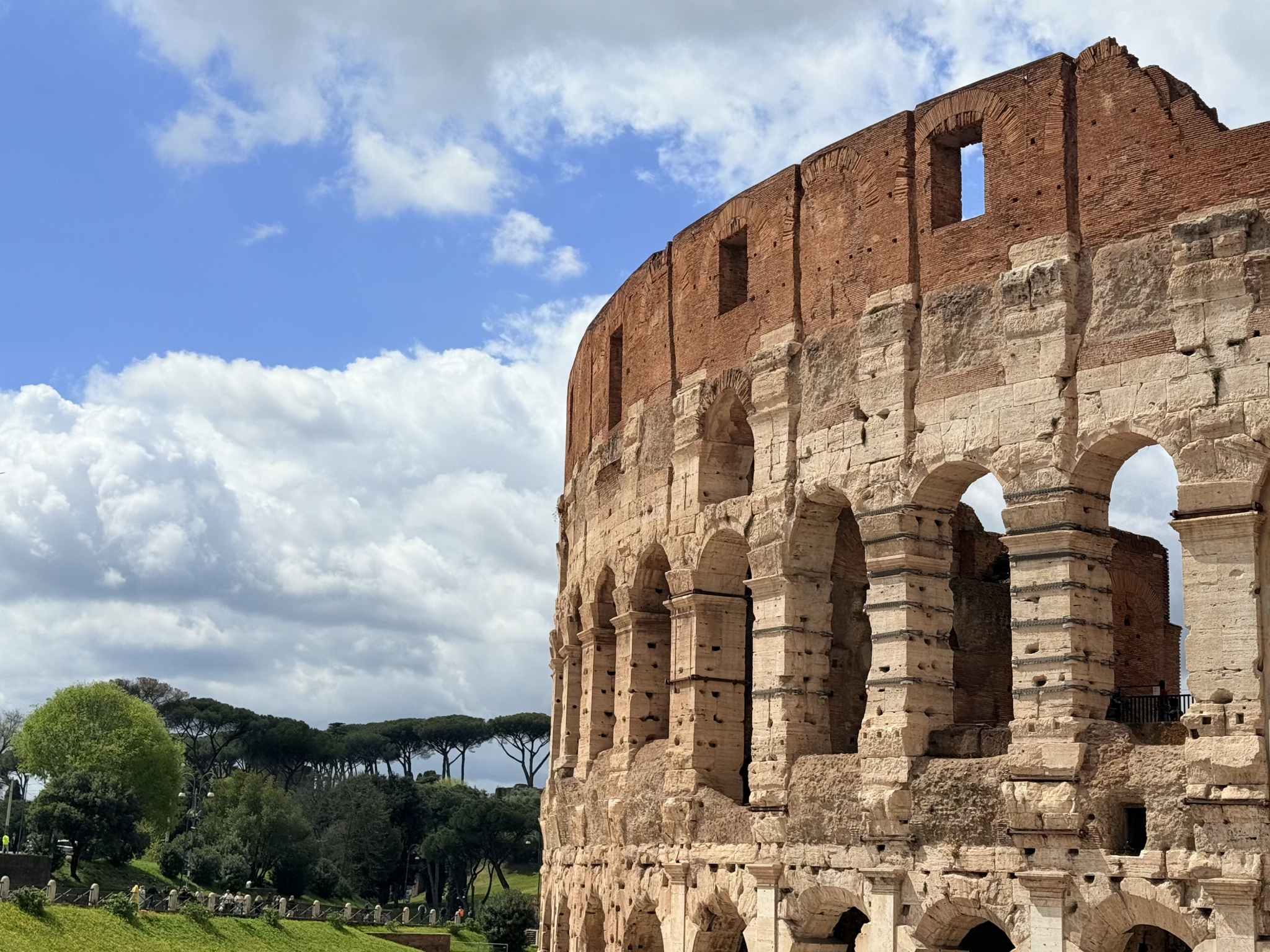
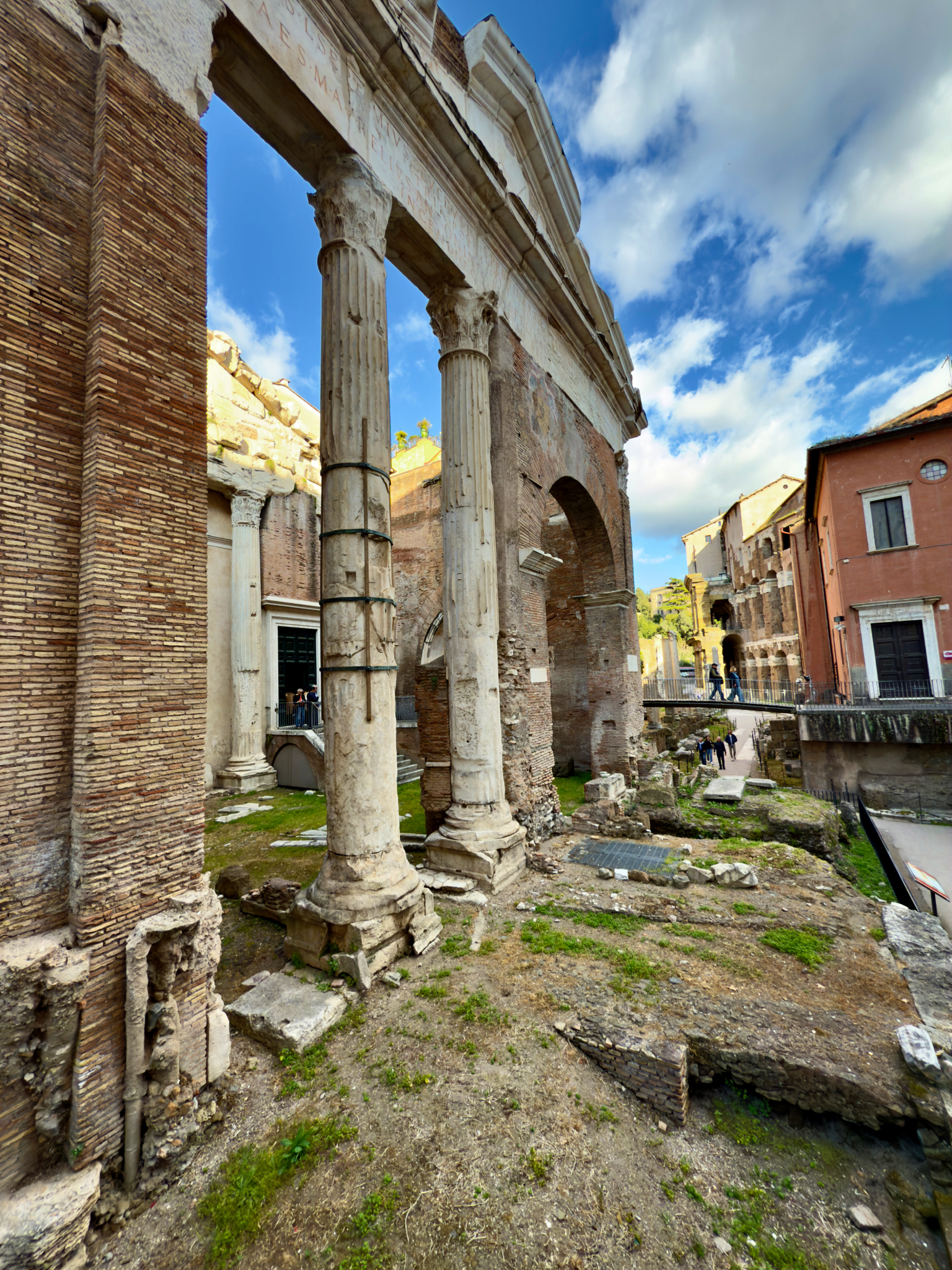
The hotel was a dream, though San Lorenzo itself felt somewhat unpolished and seedy by comparison—a student-heavy district defined more by graffiti and the sprawl of Sapienza University than by Roman grandeur. However, with two free days before my conference, I didn’t mind the trek. I spent my time drifting toward the Centro Storico, where the weather was spectacular and the blue skies provided the perfect backdrop for rediscovering the city’s more iconic corners.
Gardens, Gucci, and Golden Carbonara
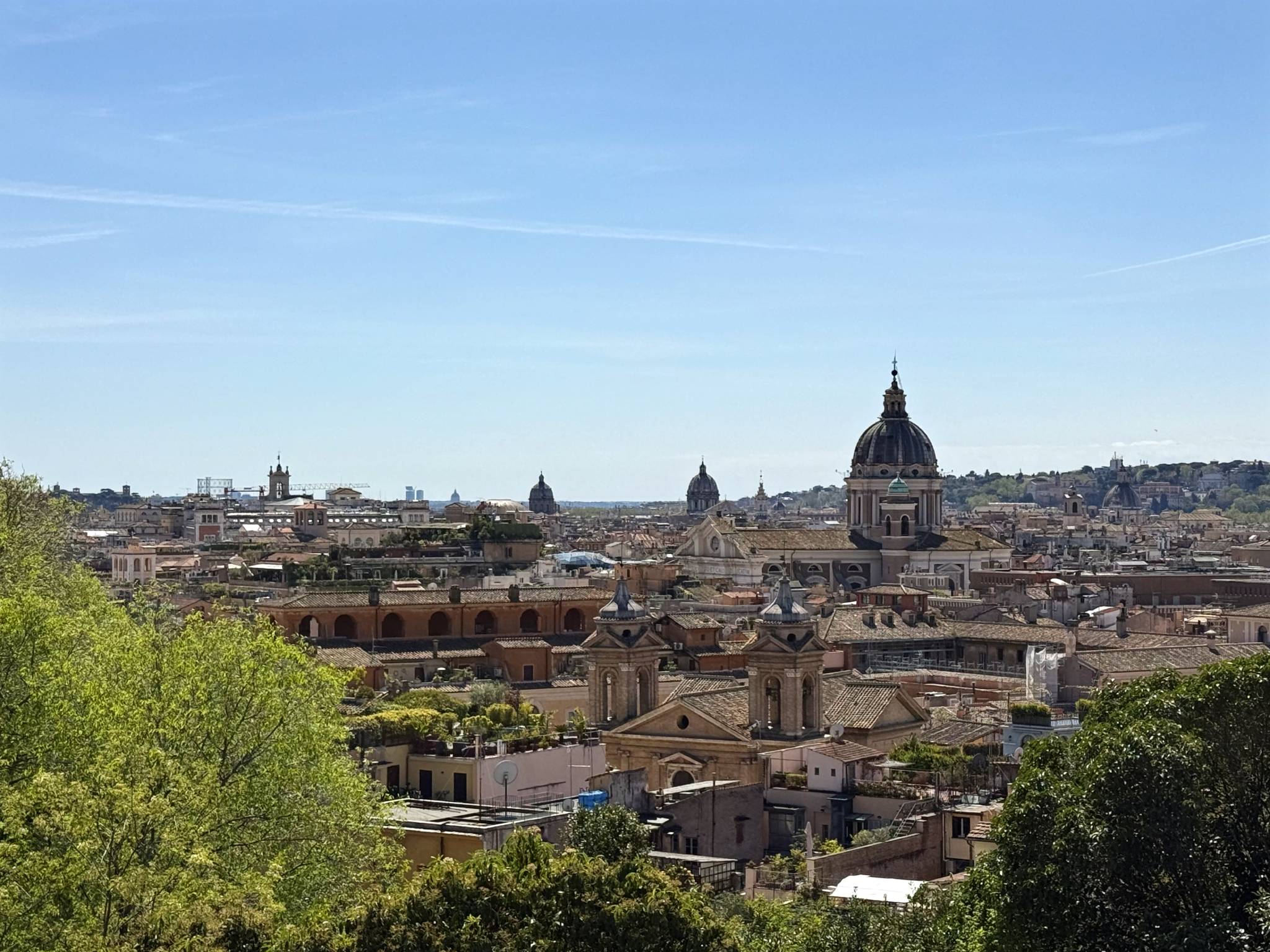
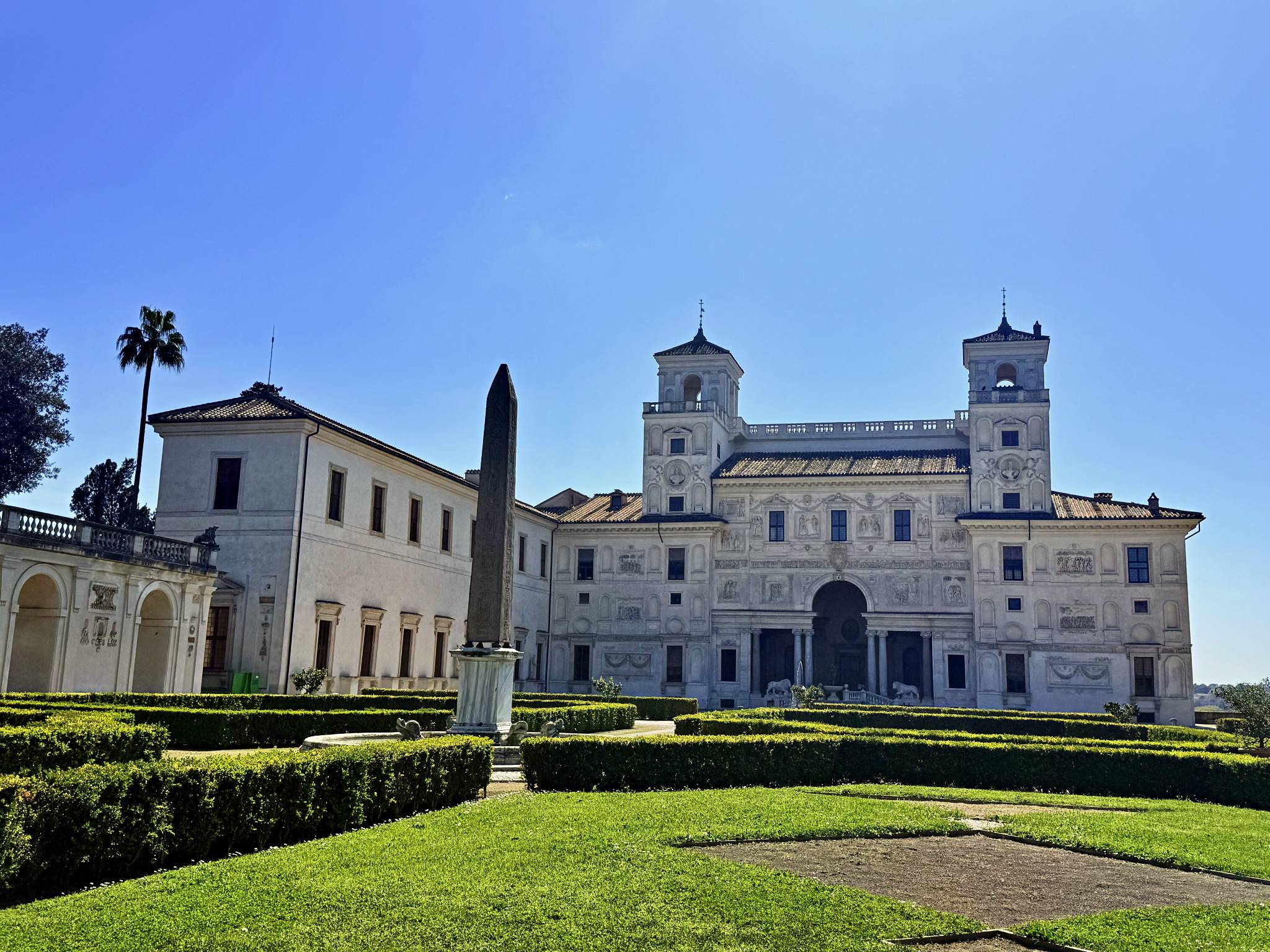
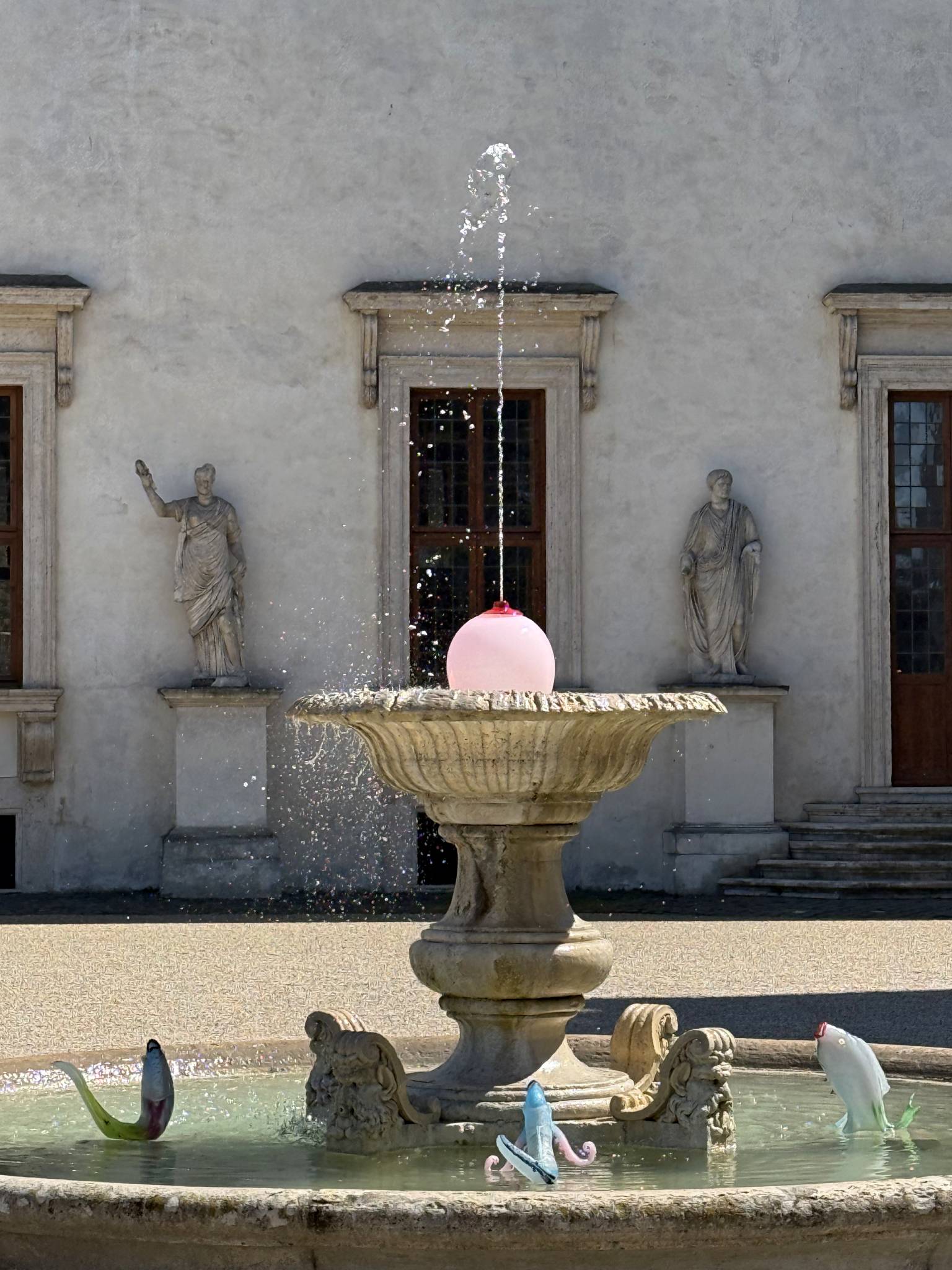
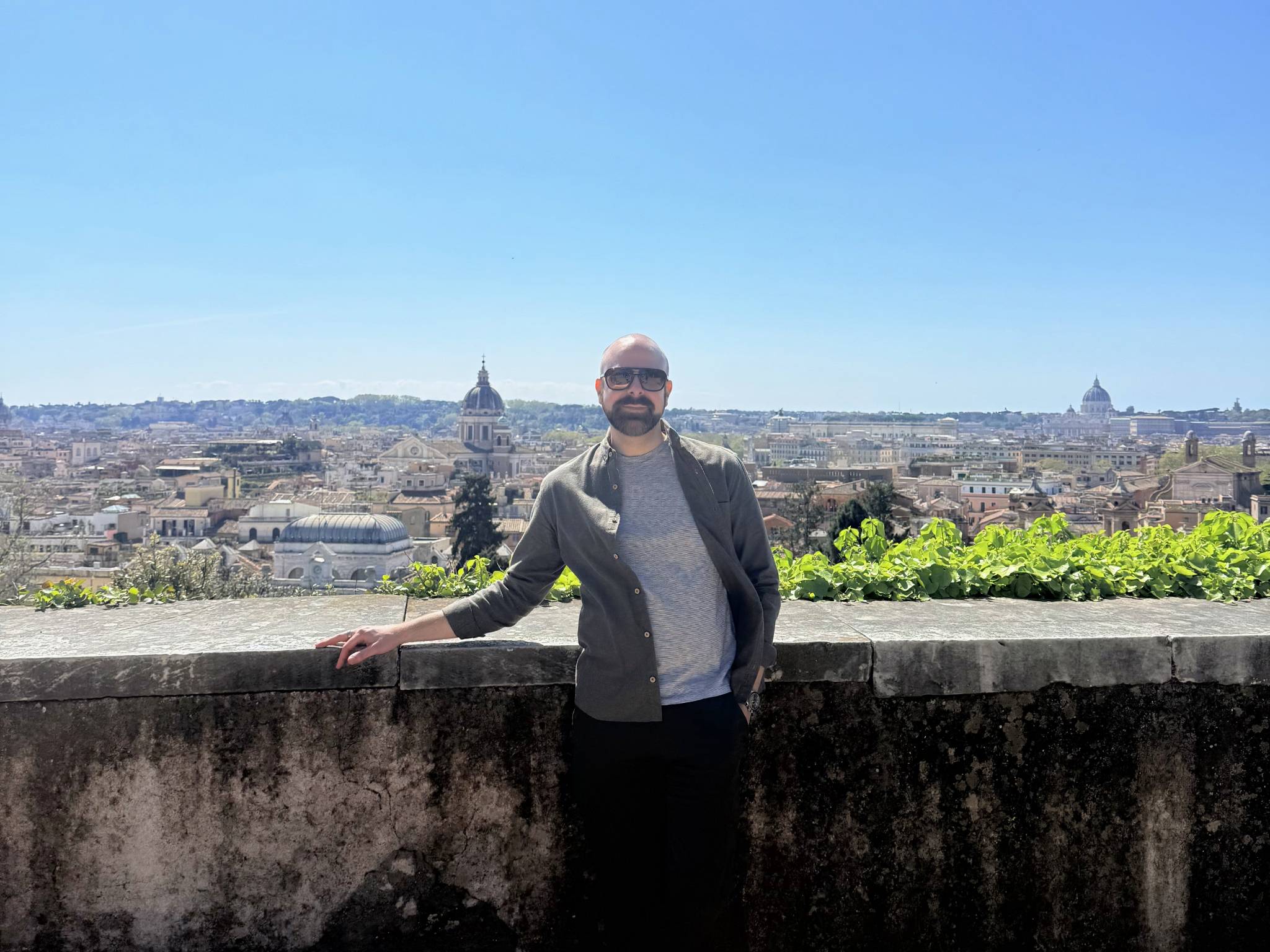
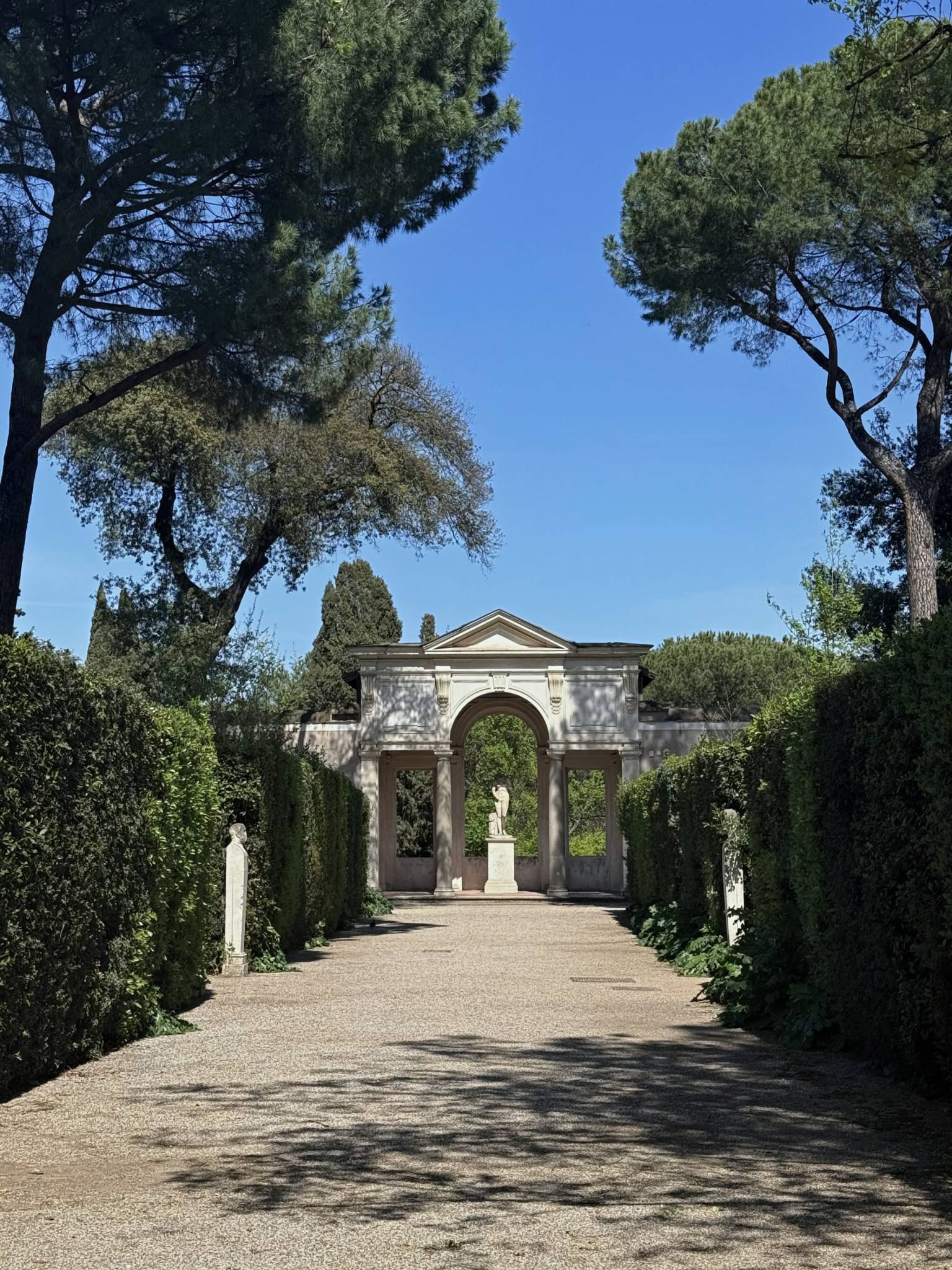
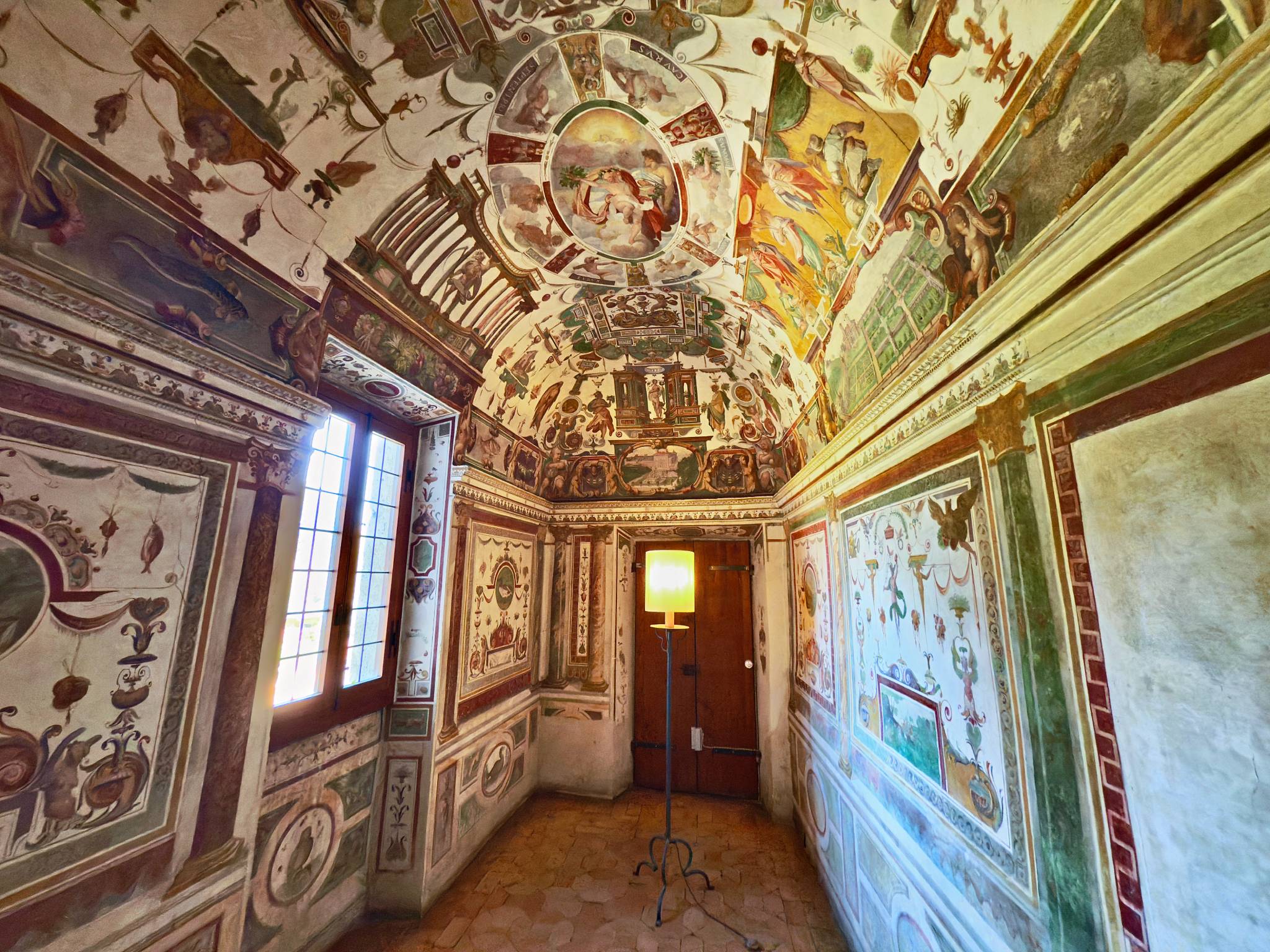
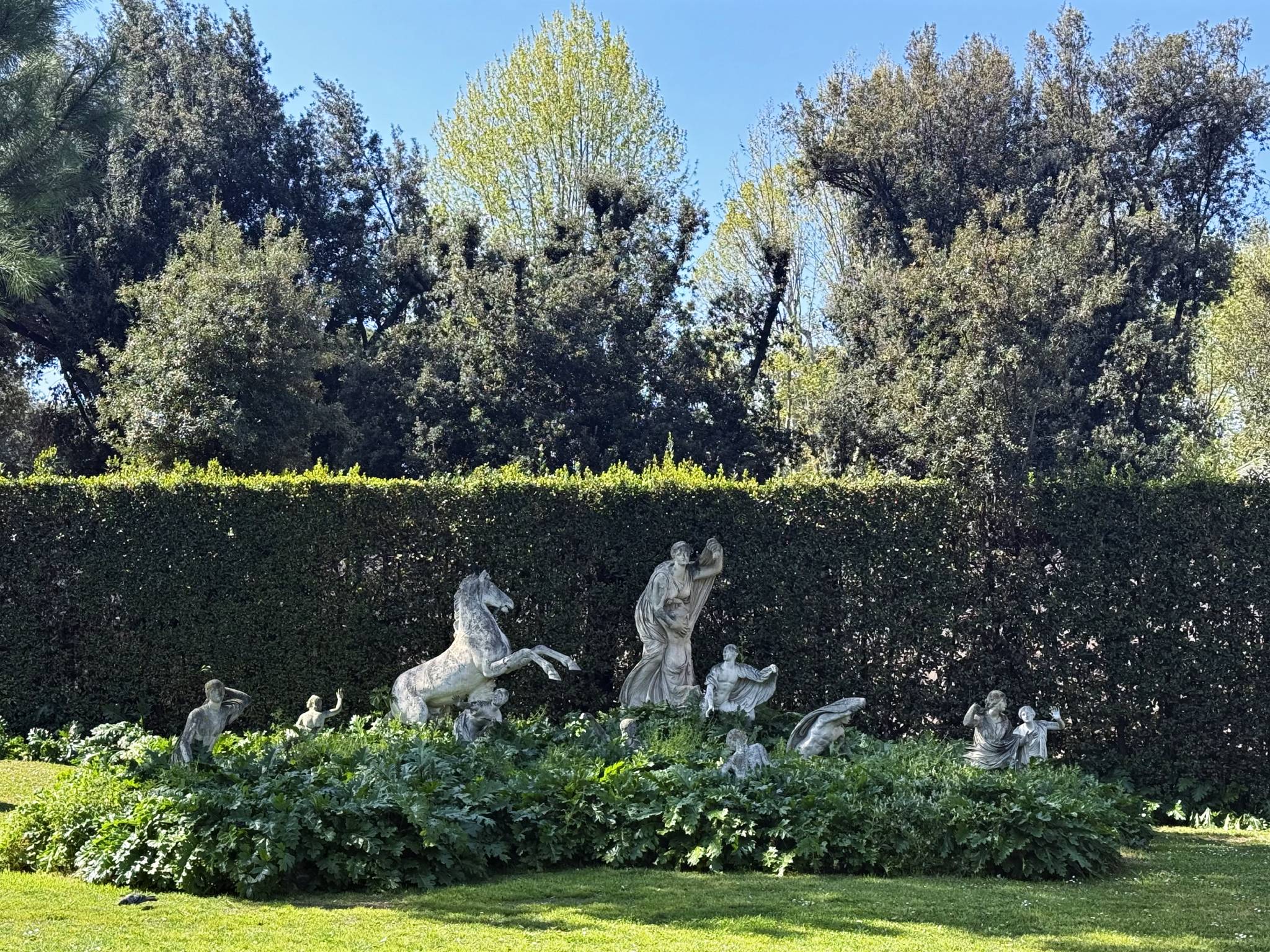
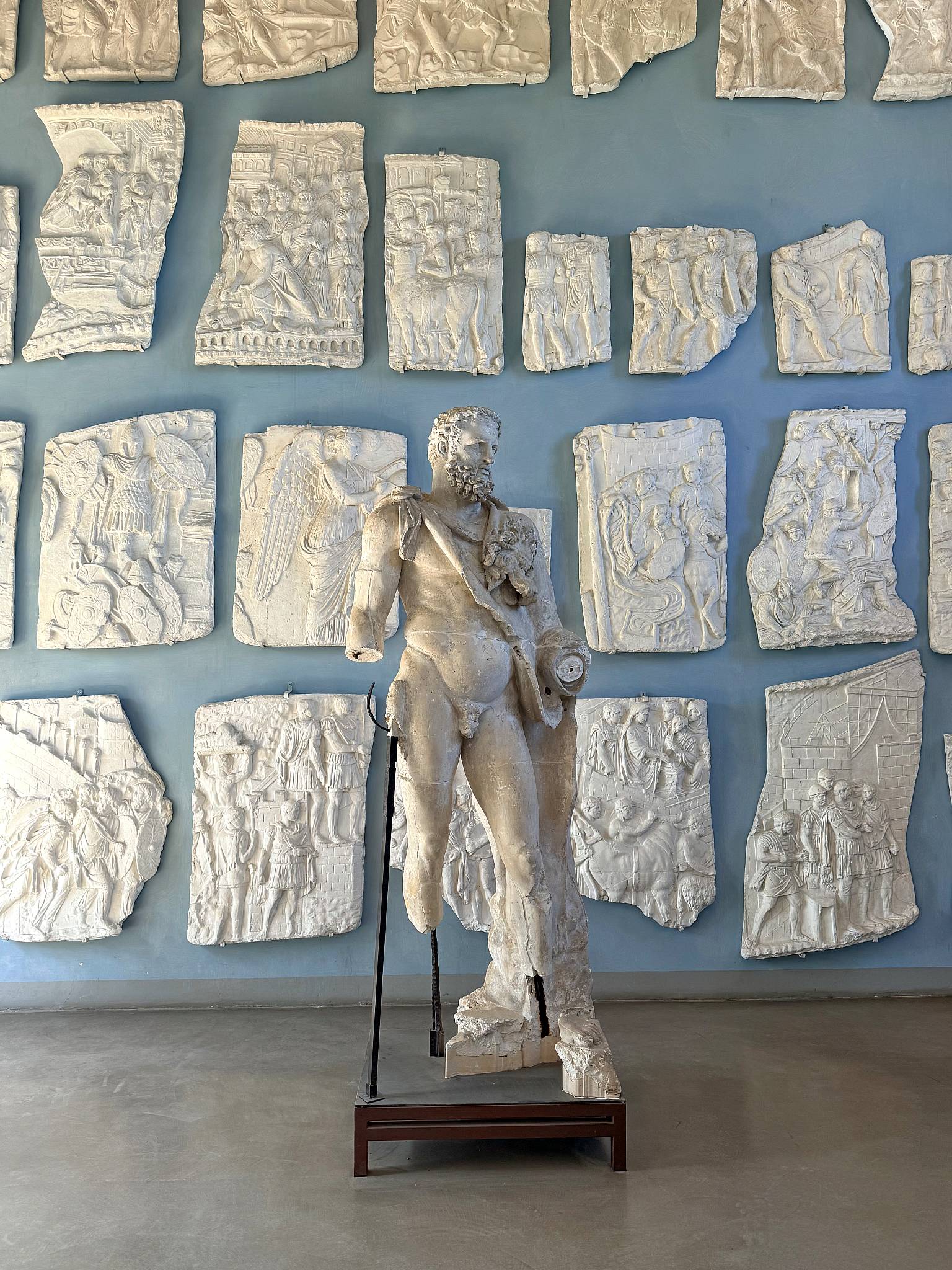
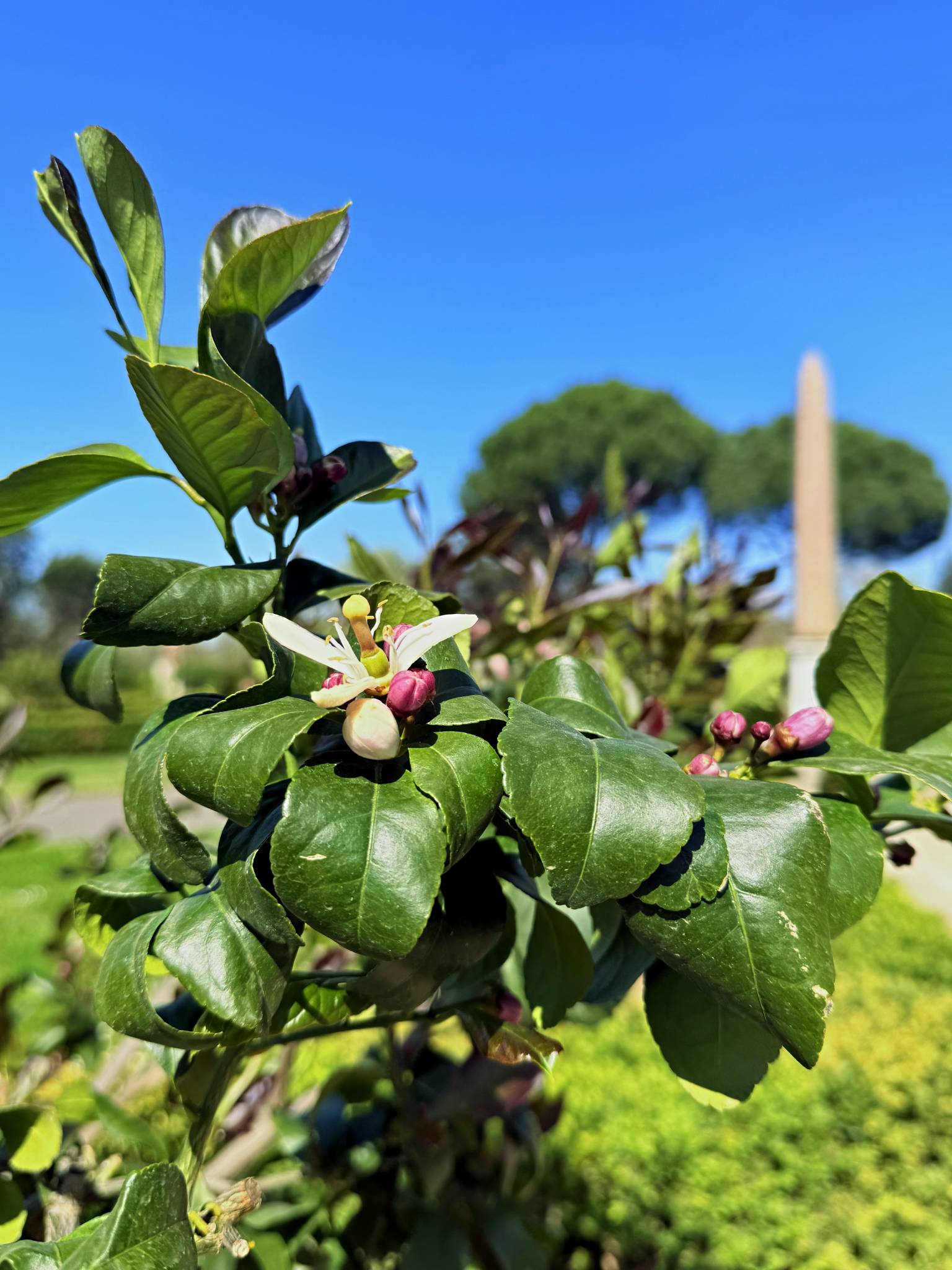
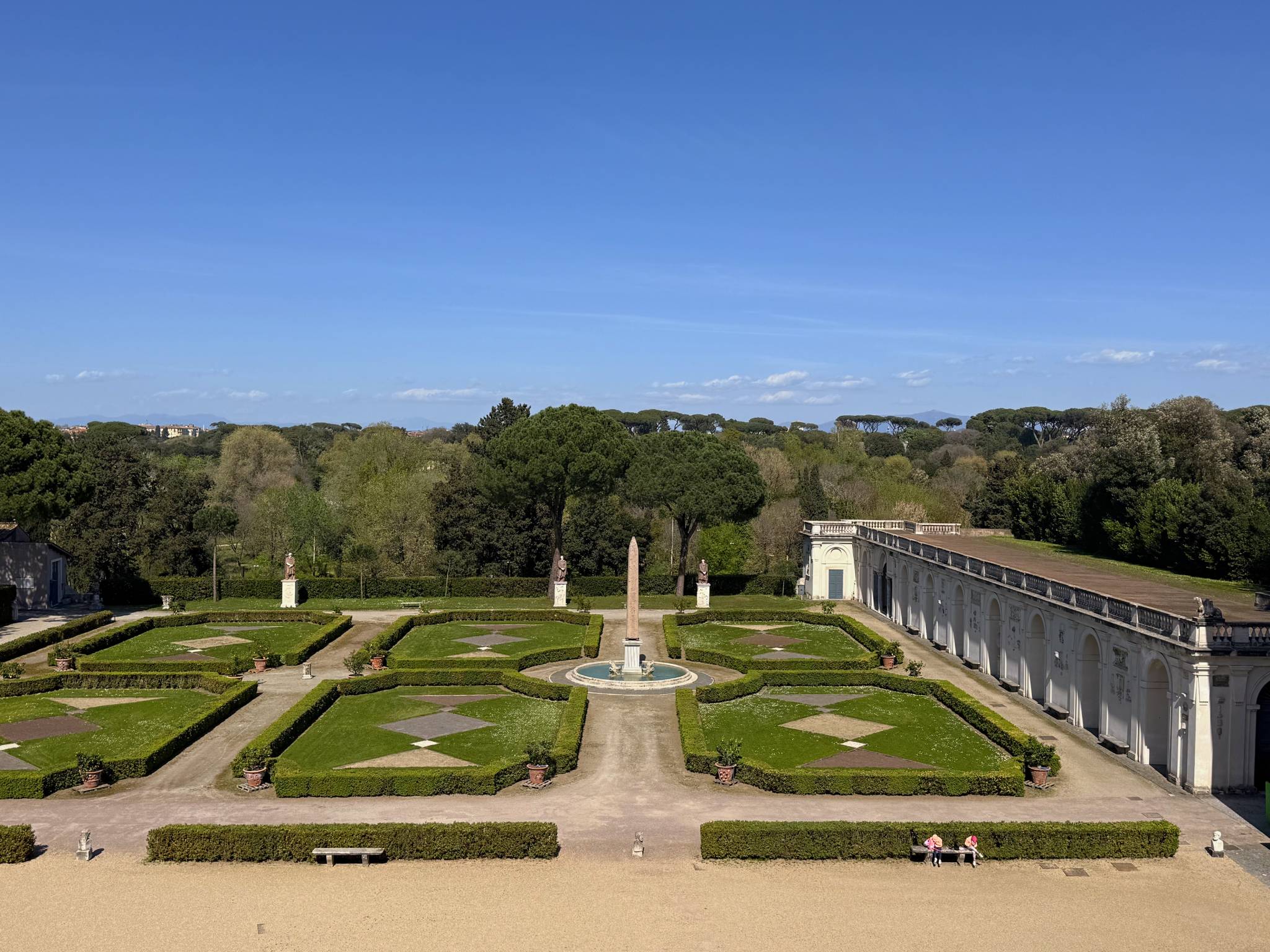
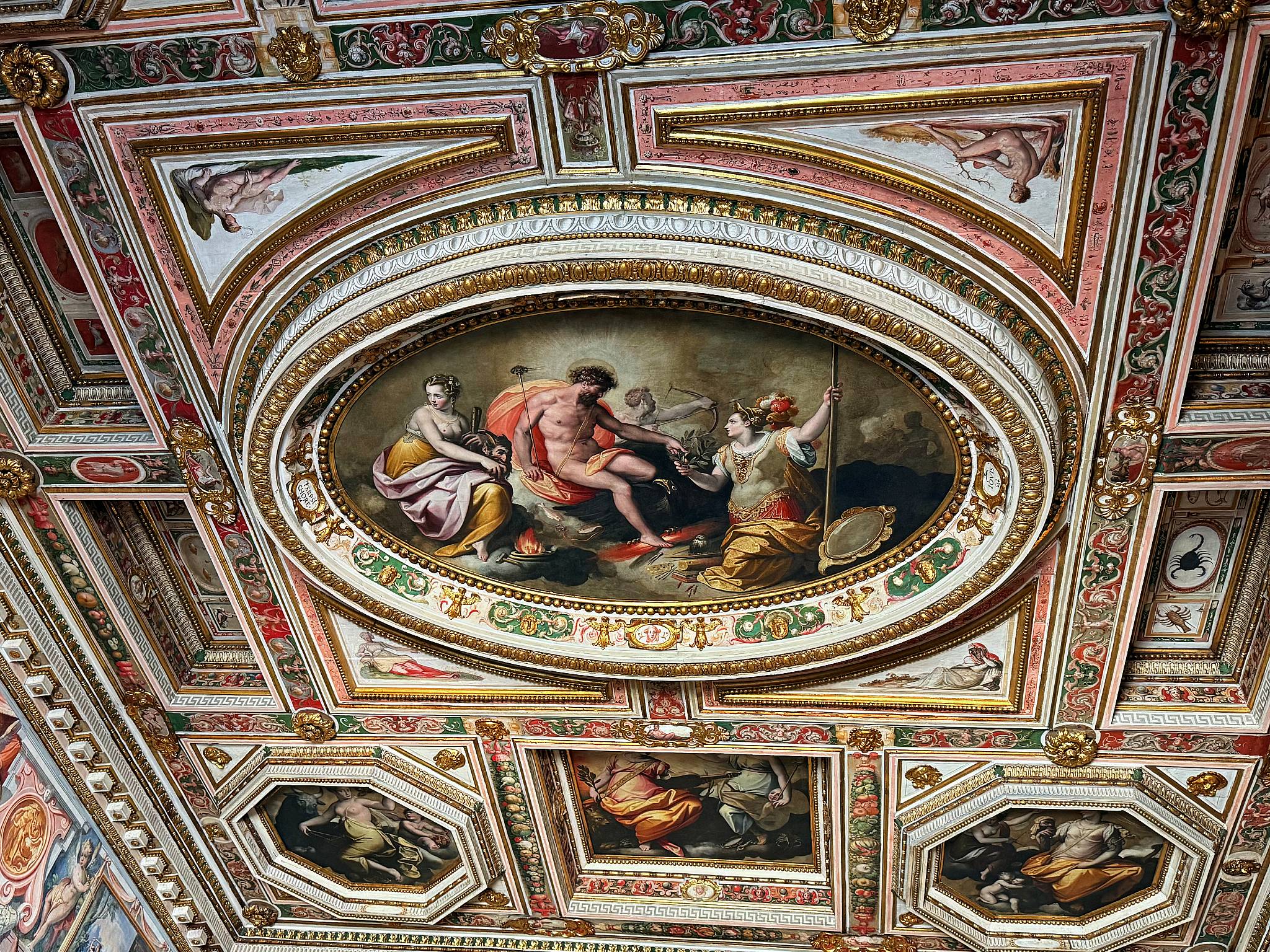
One of the highlights of this solo stint was touring the Villa Medici. I specifically booked a tour to gain access to the Renaissance gardens, which are only accessible with a guided visit through the palace museum. Perched at the top of the Pincio Hill, the villa offers some of the most breathtaking views in Rome, looking out across the terracotta rooftops to the dome of Saint Peter’s Basilica and the distant mountains framing the city.
Of course, no trip to Rome is complete without a bit of retail therapy. I made my way to Via dei Condotti and visited Gucci, treating myself to a new baseball hat with a red leather bill and signature G’s (G for Greg, obviously), and a pair of Wayfarer sunglasses.
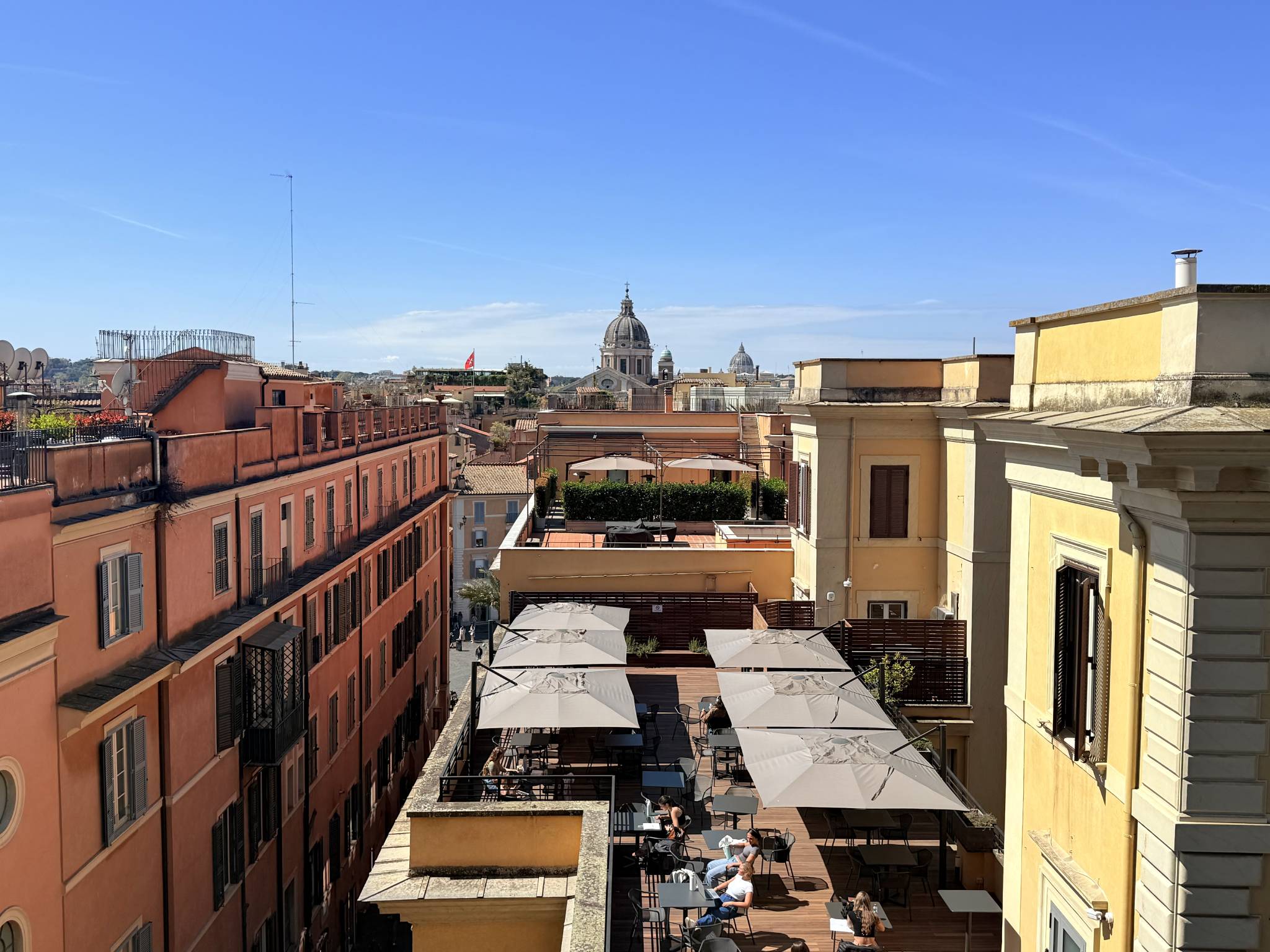
The first night, I was on my own for dinner and booked a table at Pastificio San Lorenzo, right near the hotel. I had a really yummy meal and, of course, ordered carbonara, which, to my surprise, came with rigatoni instead of spaghetti. It was golden, creamy, and delicious. The next morning, I had breakfast at Cecconi’s Terrazza on the 10th floor of the Soho House. With epic panorama views of the city, I sipped cappuccinos and indulged in avocado toast with poached eggs. After walking around the Baths of Caracalla, I had Neapolitan pizza at Luca Mastracci‘s stall in the Mercato Centrale in Termini station. It was somewhat touristy, but the pizza was solidly good, and I love how they cut pieces the old-fashioned way—with scissors!
An Insider’s Guide to Roman Street Food
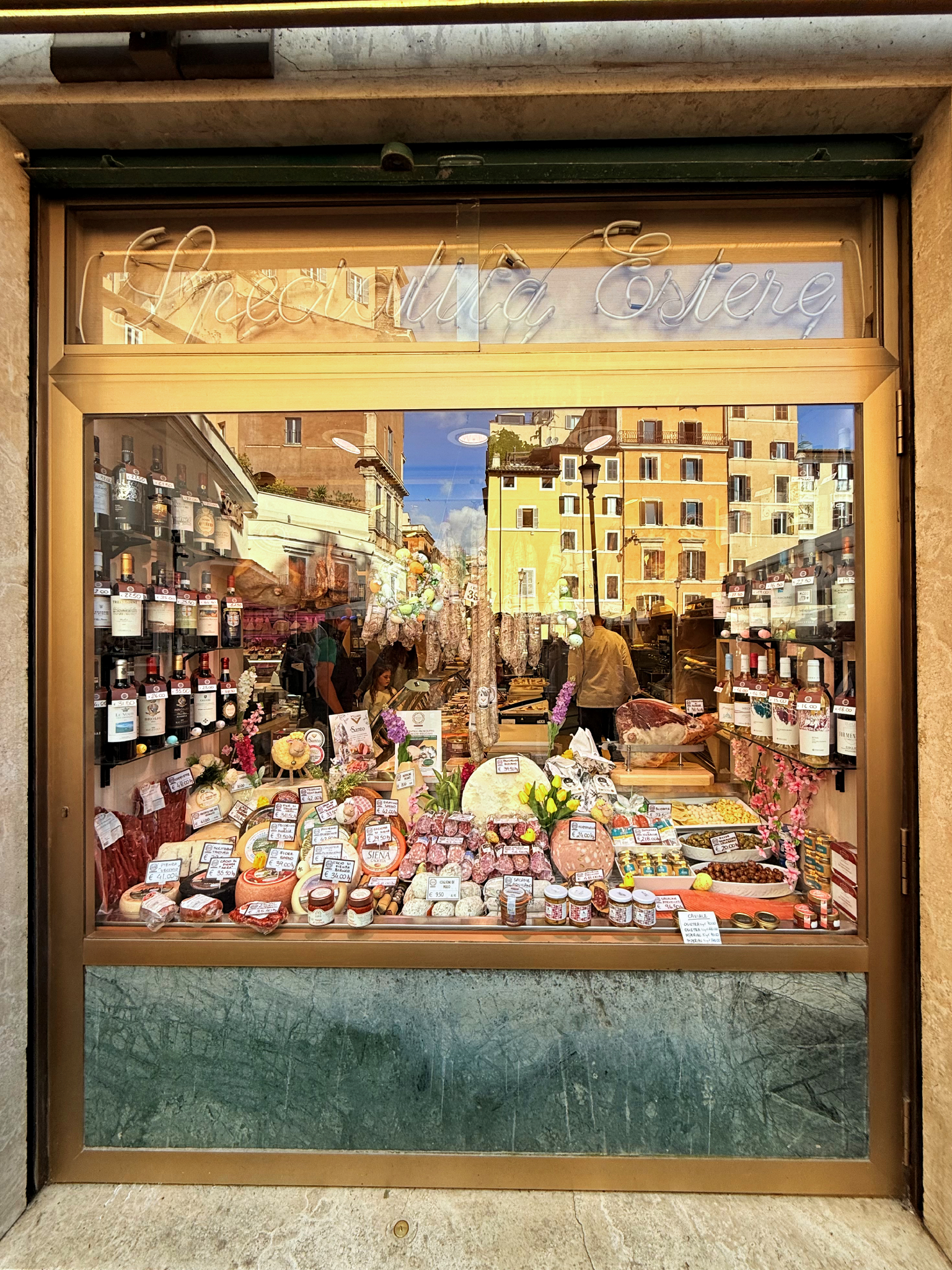
The tech conference included a curated food tour led by the incredible Sophie Minchilli. Sophie is a renowned food expert and author who grew up in Rome, and her deep connections to the city’s culinary artisans are unmatched. We started at Roscioli Salumeria near Campo de’ Fiori, where a spread of cured meats and cheese was waiting for us in the back. As one of the most legendary gourmet destinations in the city, Roscioli is a sensory overload of floor-to-ceiling shelves packed with rare wines, oils, and the absolute finest Italian charcuterie.
Then we moved onto Dar Filettaro a Santa Barbara for their famous filetti di baccalà (fried salt cod) served with puntarelle dressed in an anchovy and garlic sauce. We wound our way through the Jewish Ghetto and across the Tiber to Trastevere for authentic biscotti at Biscottificio Artigiano Innocenti. We also hit Supplì Roma for the eponymous snack of fried rice balls and finally, for dessert, to Otaleg for yummy, natural gelato. It was strawberry season, and Sophie insisted that we try the seasonal strawberry flavor with ricotta, candied mostarda from Vulcino, and black garlic—which was unique, yet divine.
Part II: An Autumnal Encore with Friends
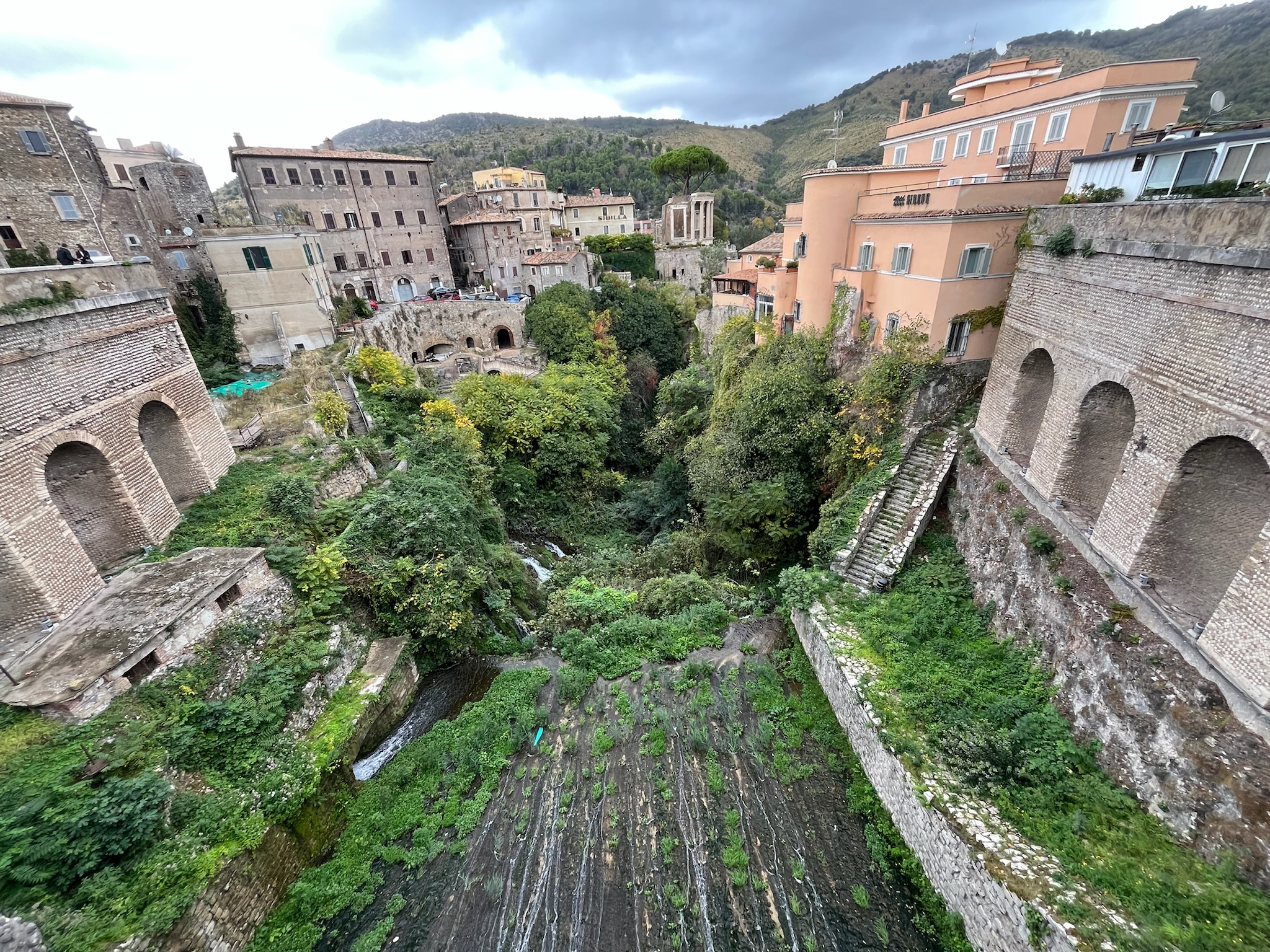
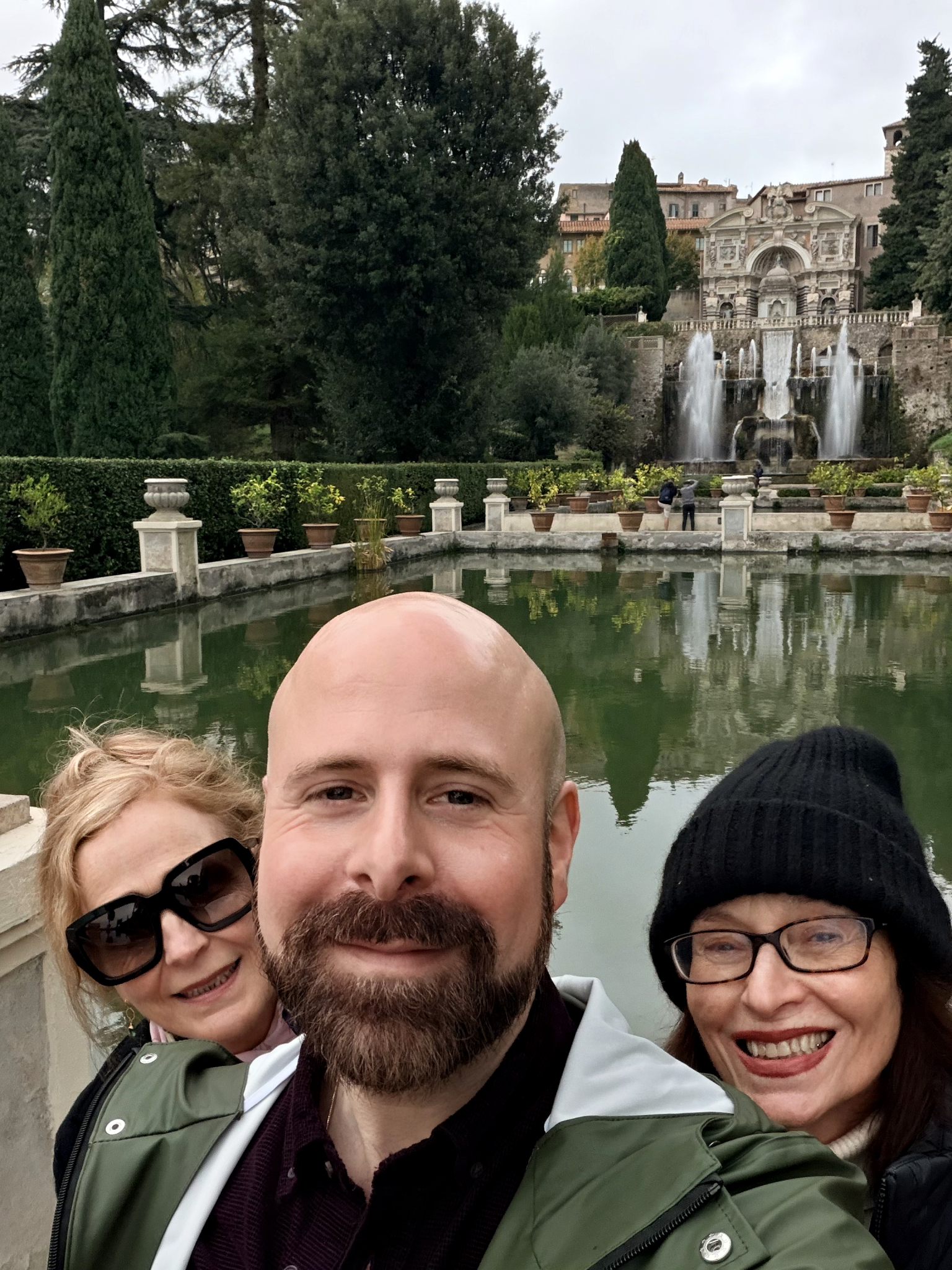
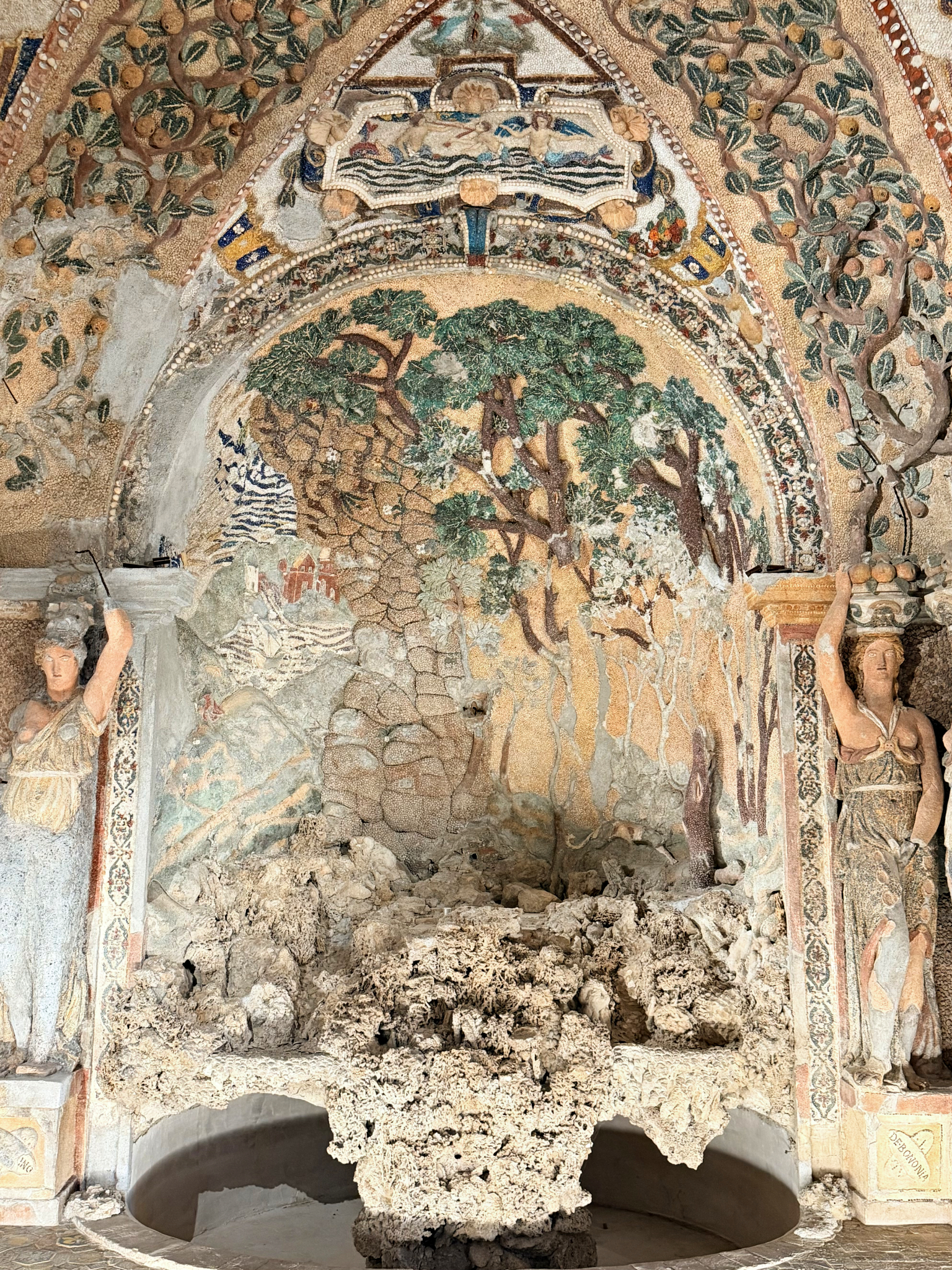
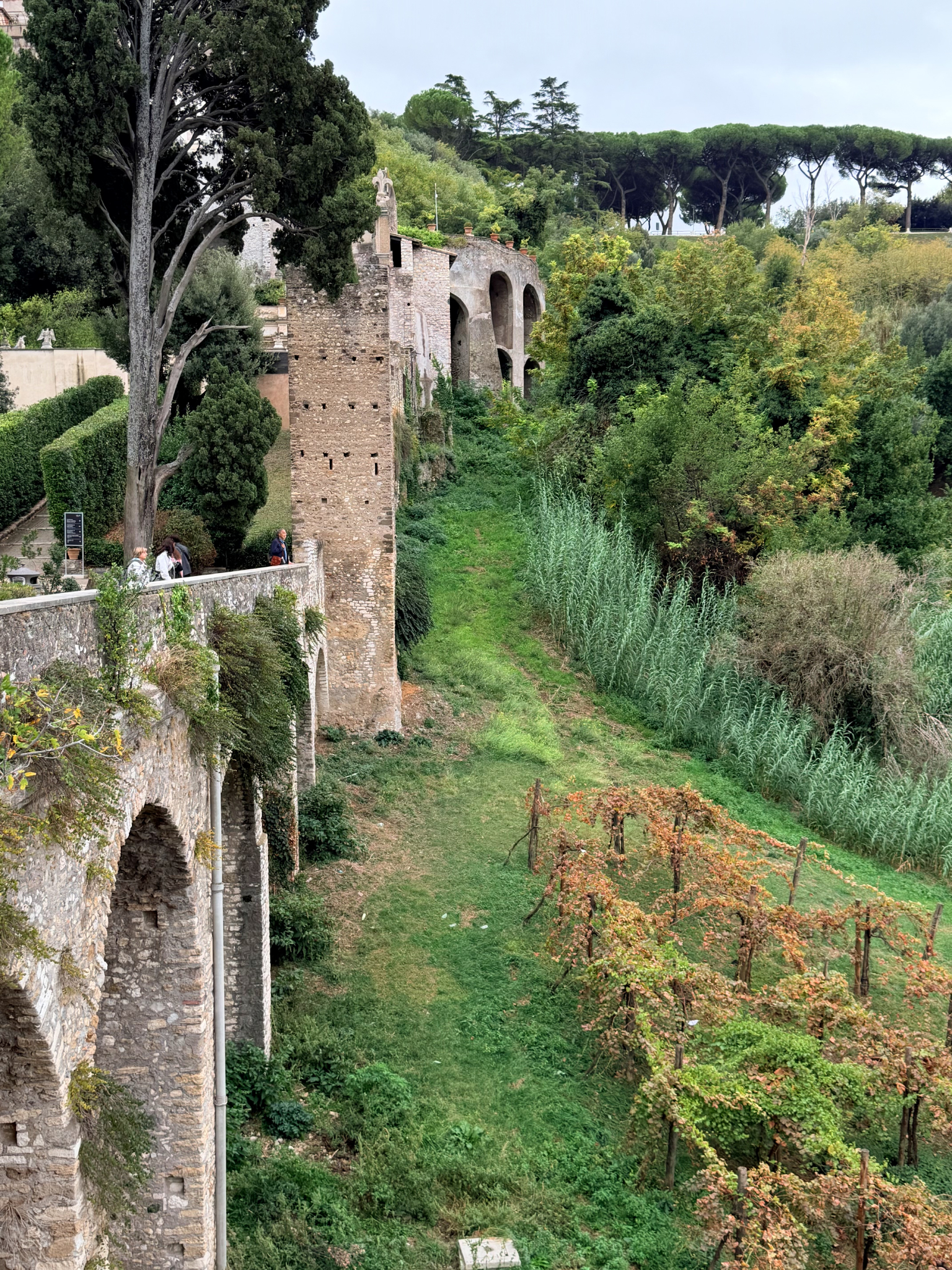
Fast forward several months to October. Charles, Karen, Richie, Tricia, and I were Rome-bound after spending five blissful days in Umbria. Before entering the city, we stopped in Tivoli for a bite to eat and a visit to the Villa d’Este. We enjoyed an al fresco lunch at Li Somari, sitting on Piazza Rivarola right by an overlook of the Cascate alte di Tivoli and Villa Gregoriana. The restaurant was very accommodating, even making fresh gluten-free bread for Karen and Tricia, and the supplì with chicken gizzards were also very good.
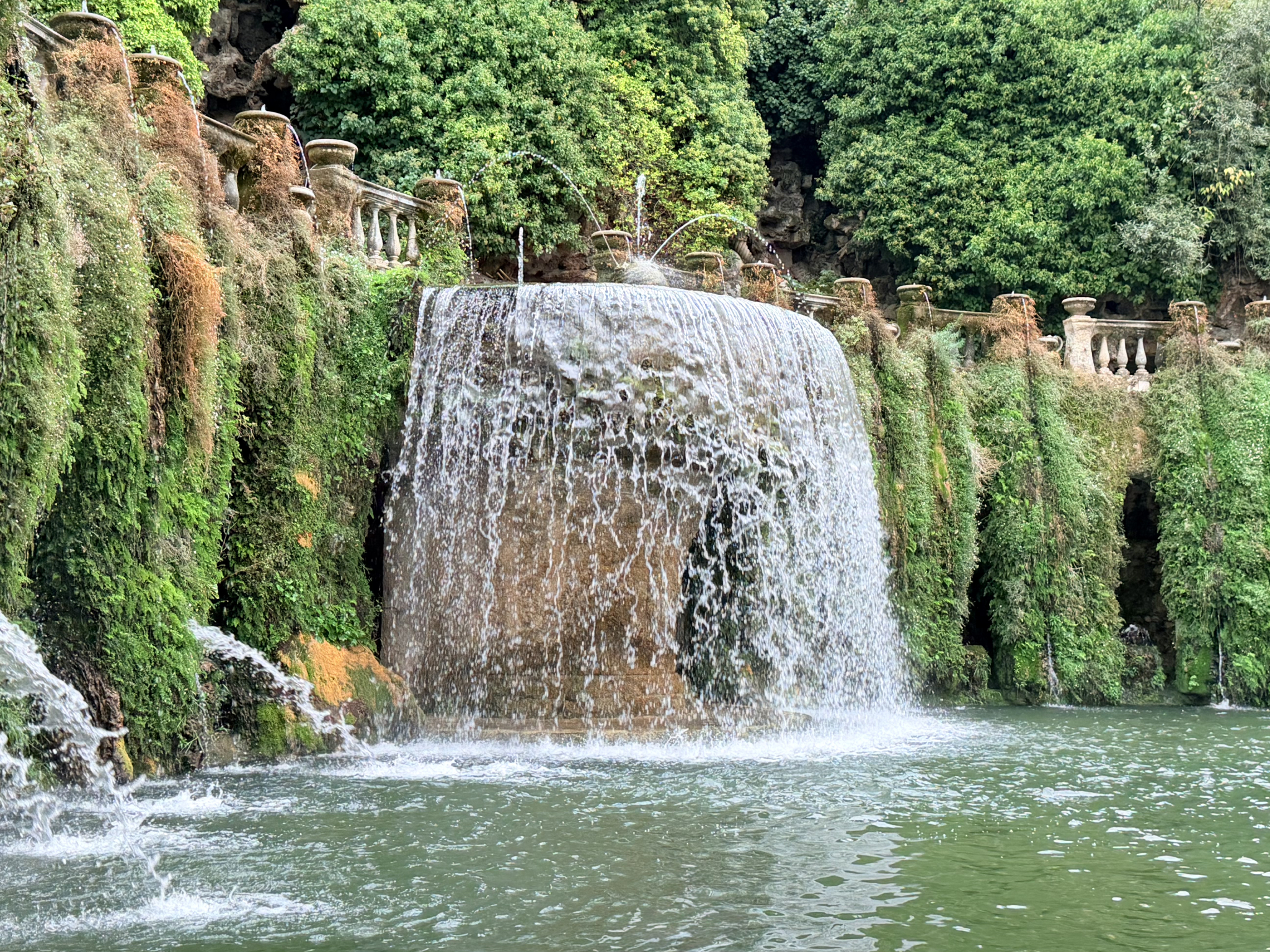
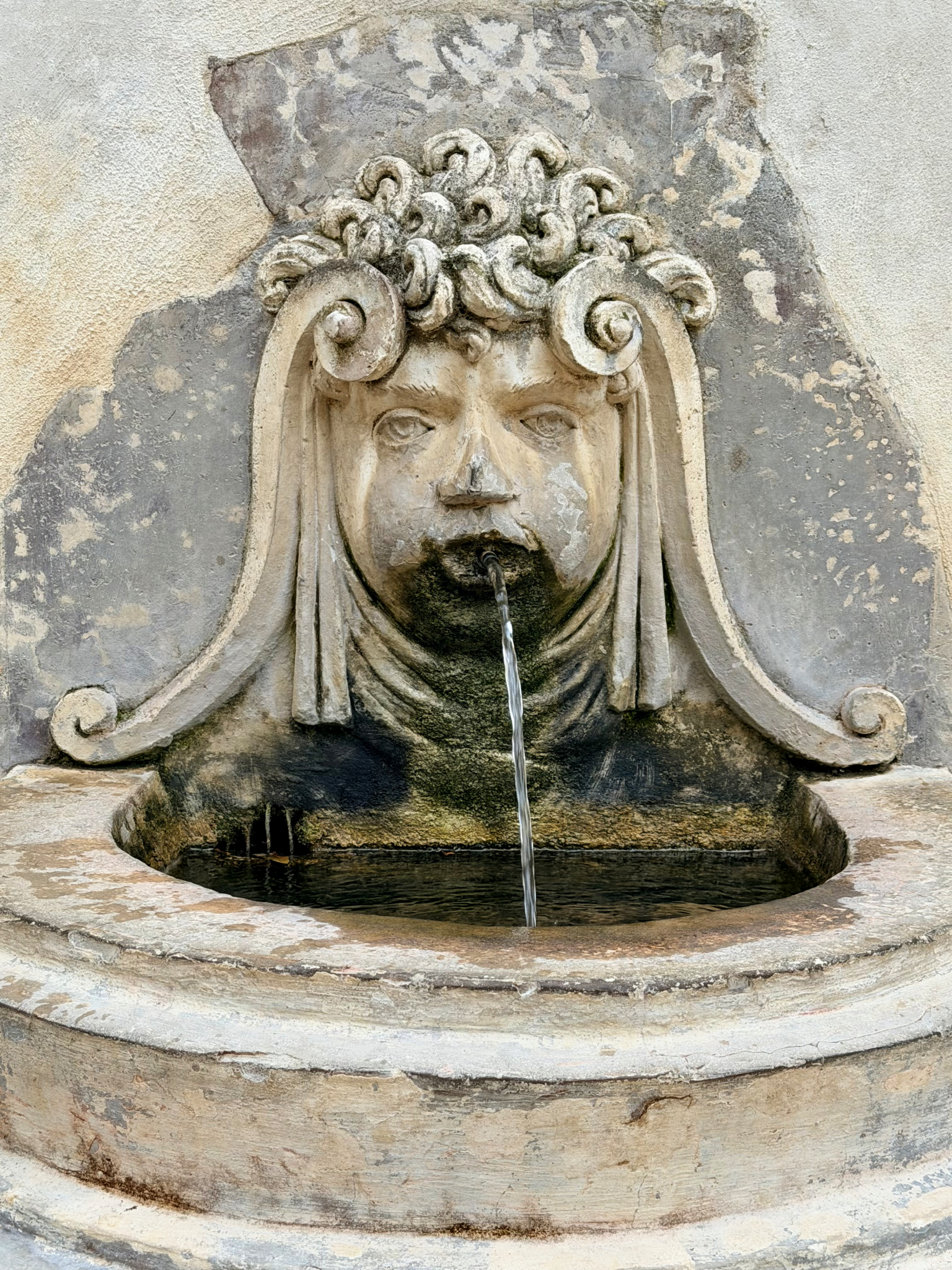
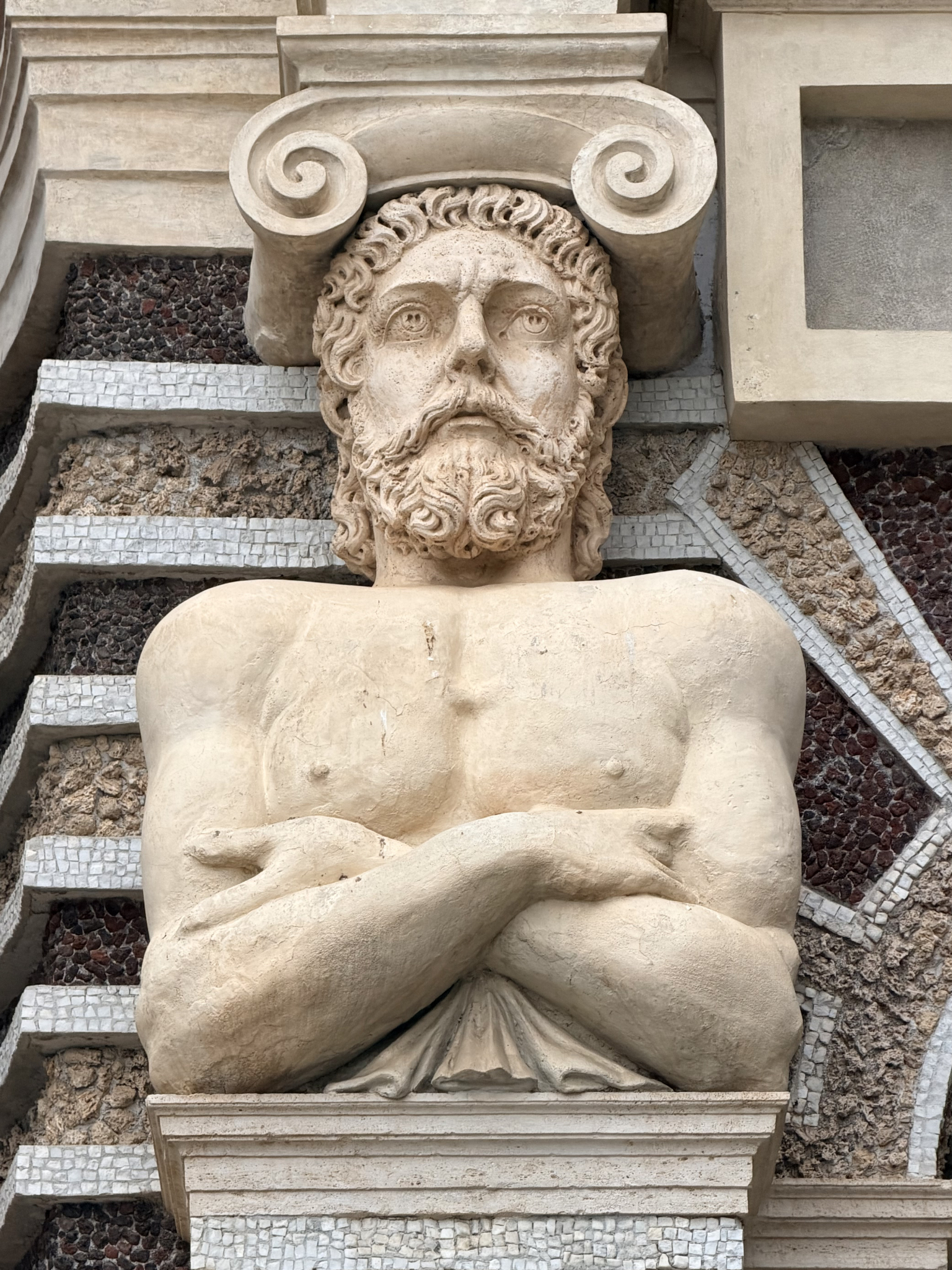
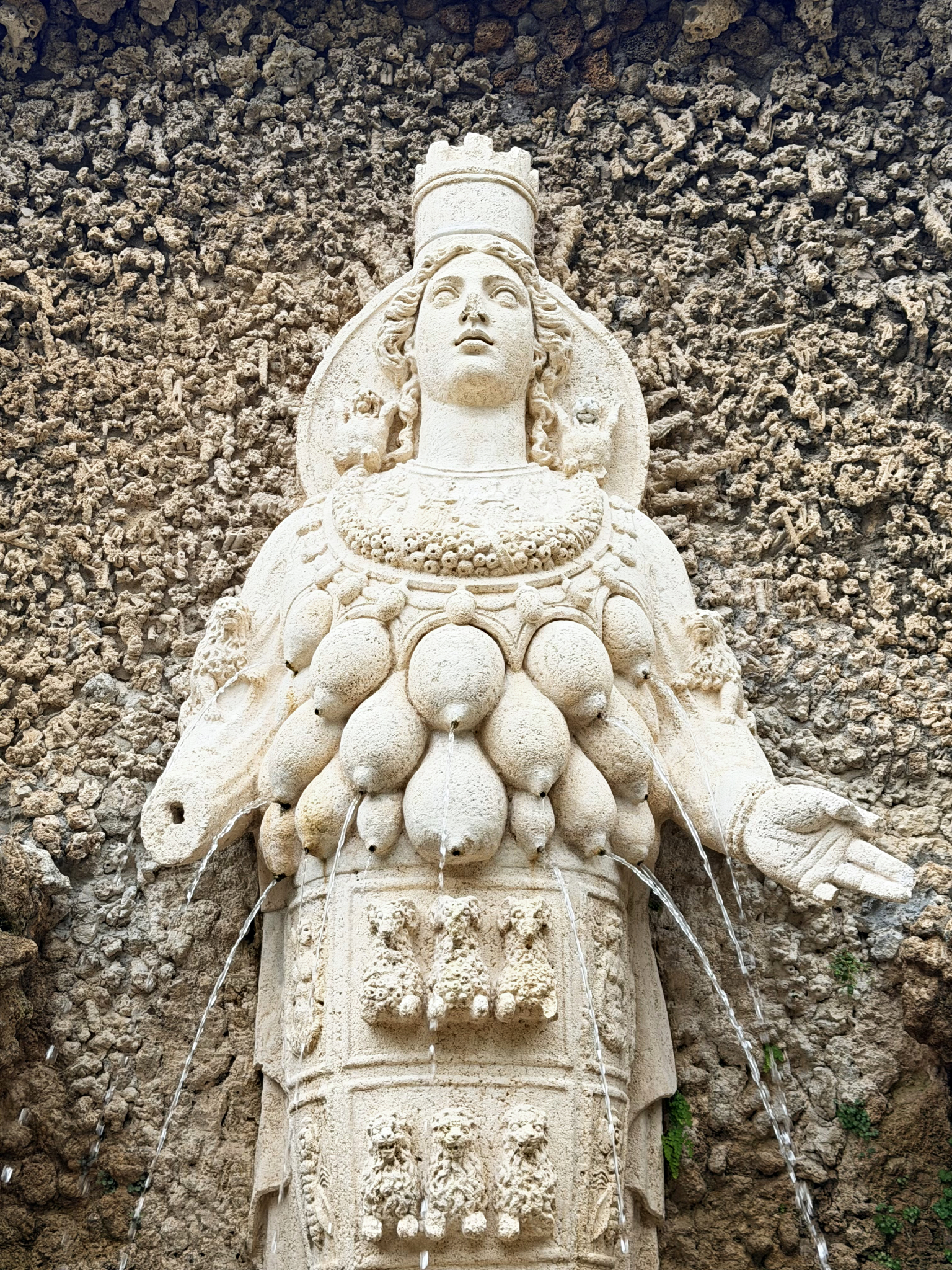
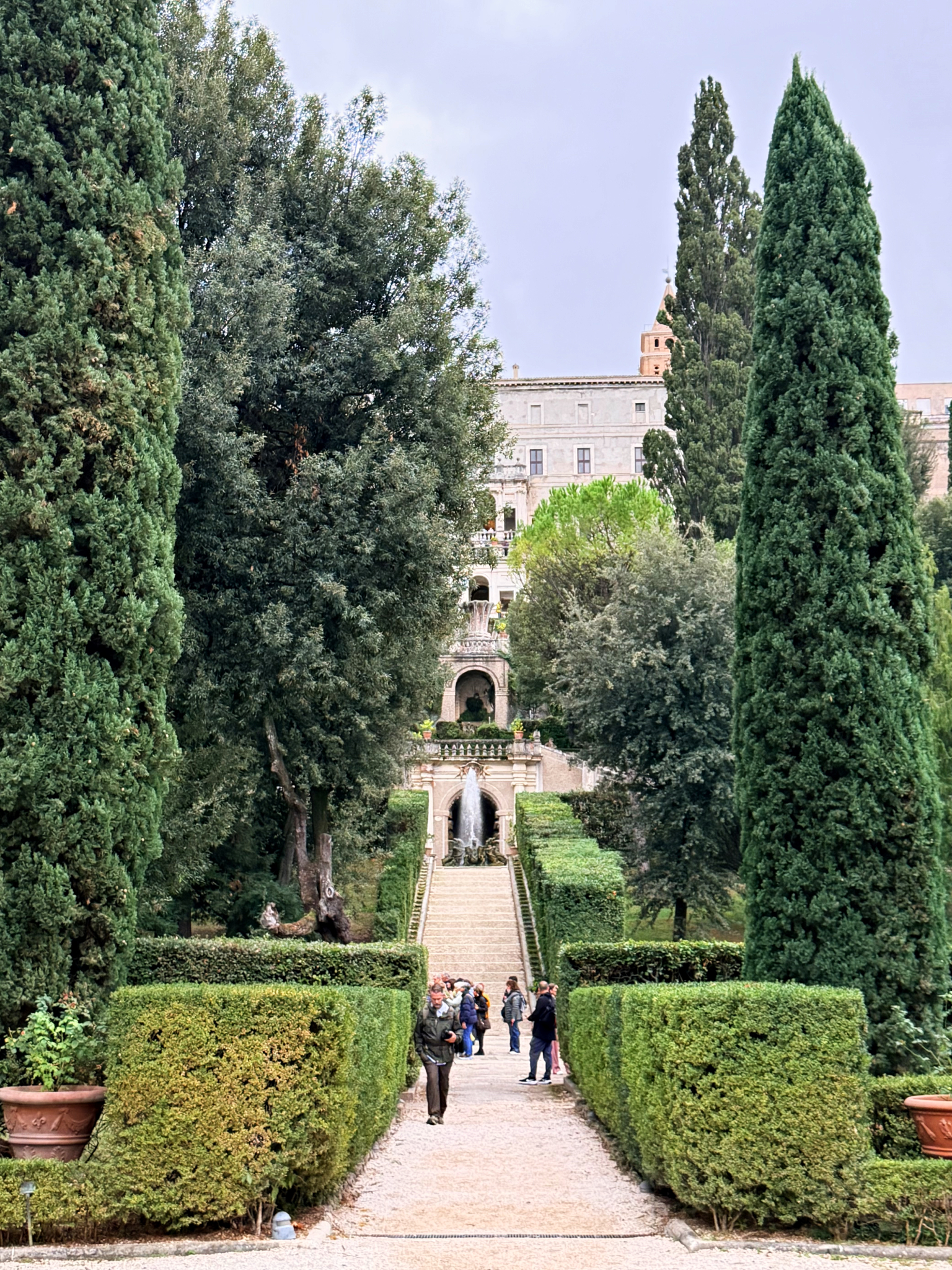
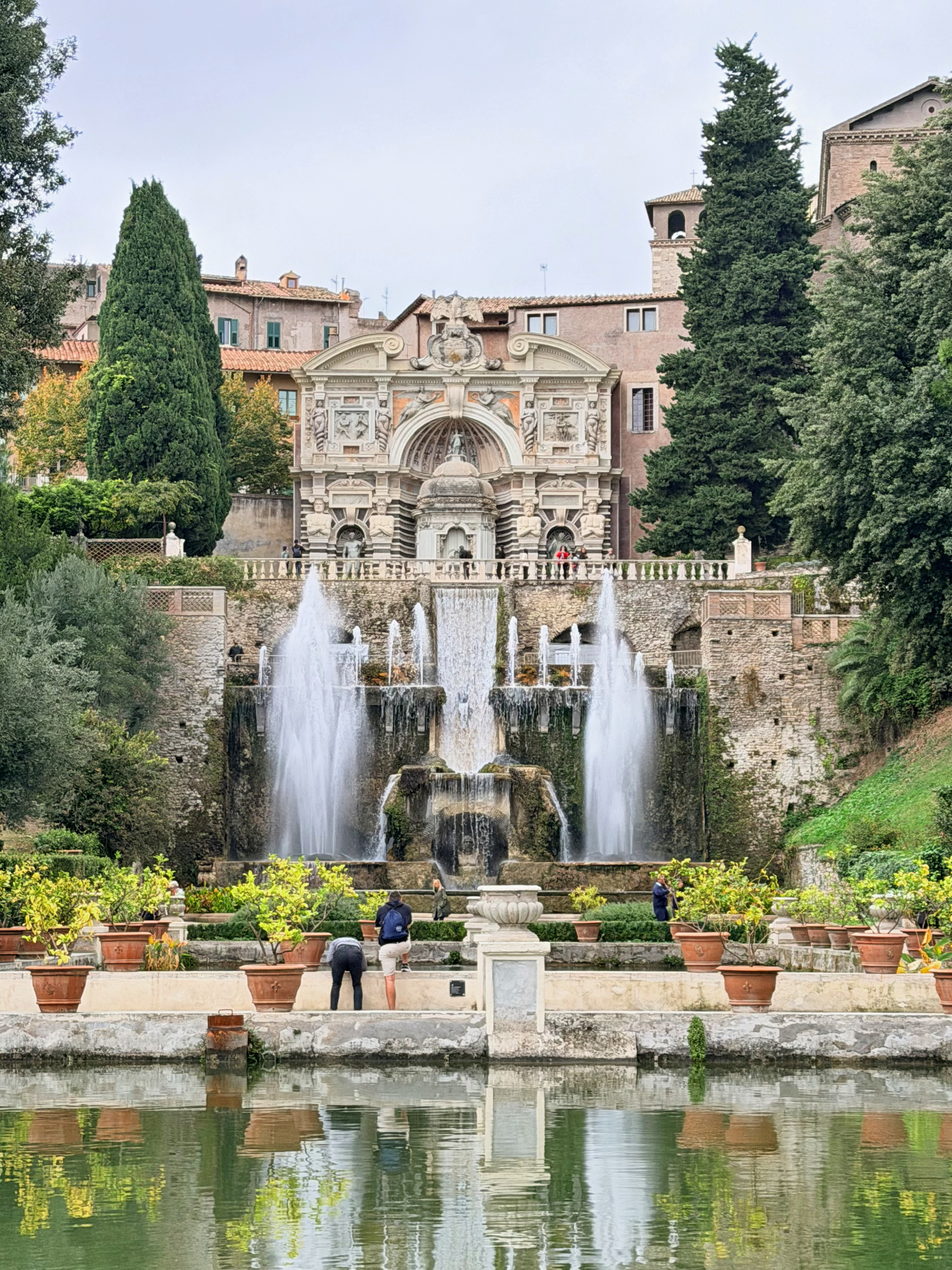
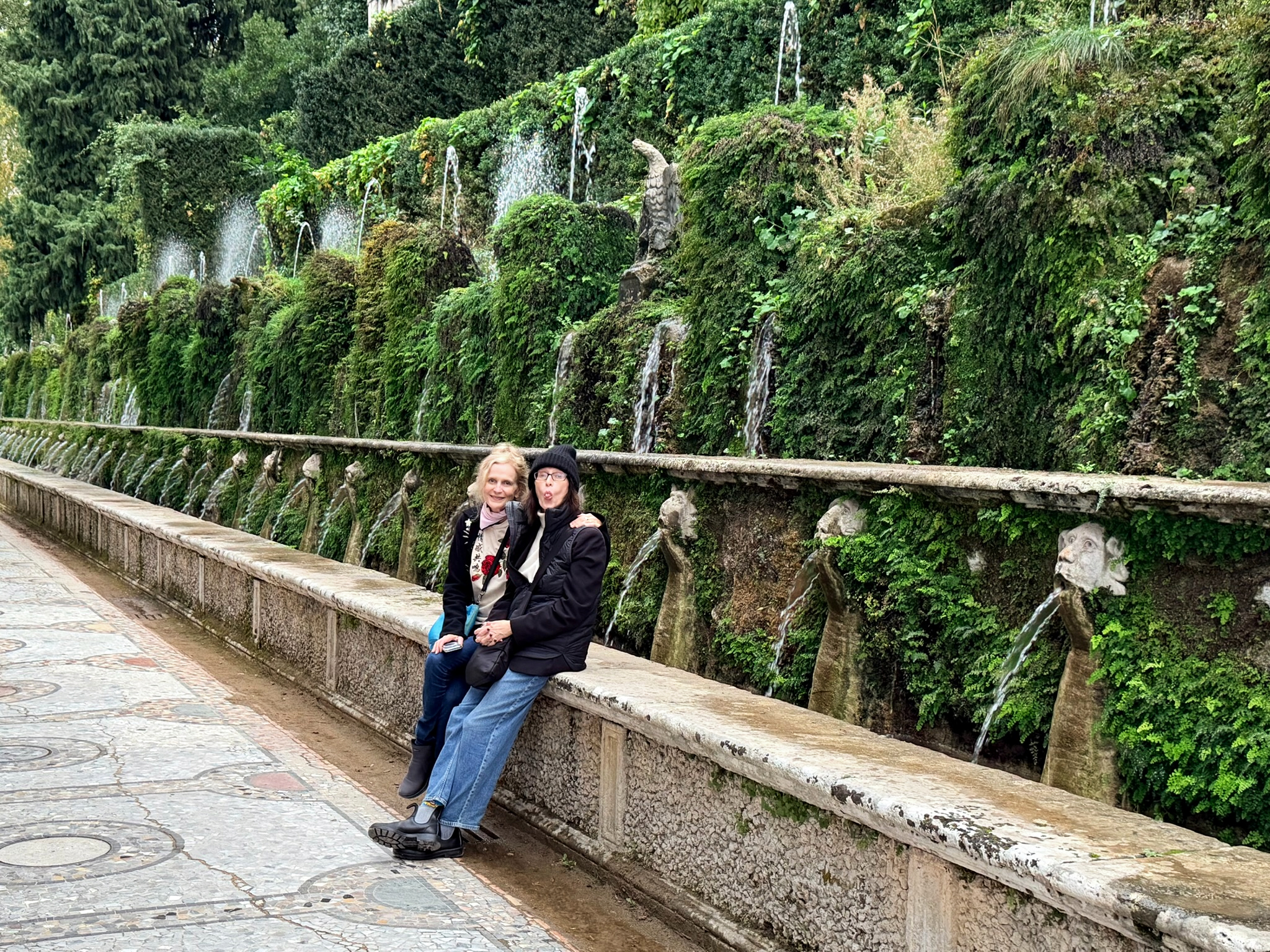
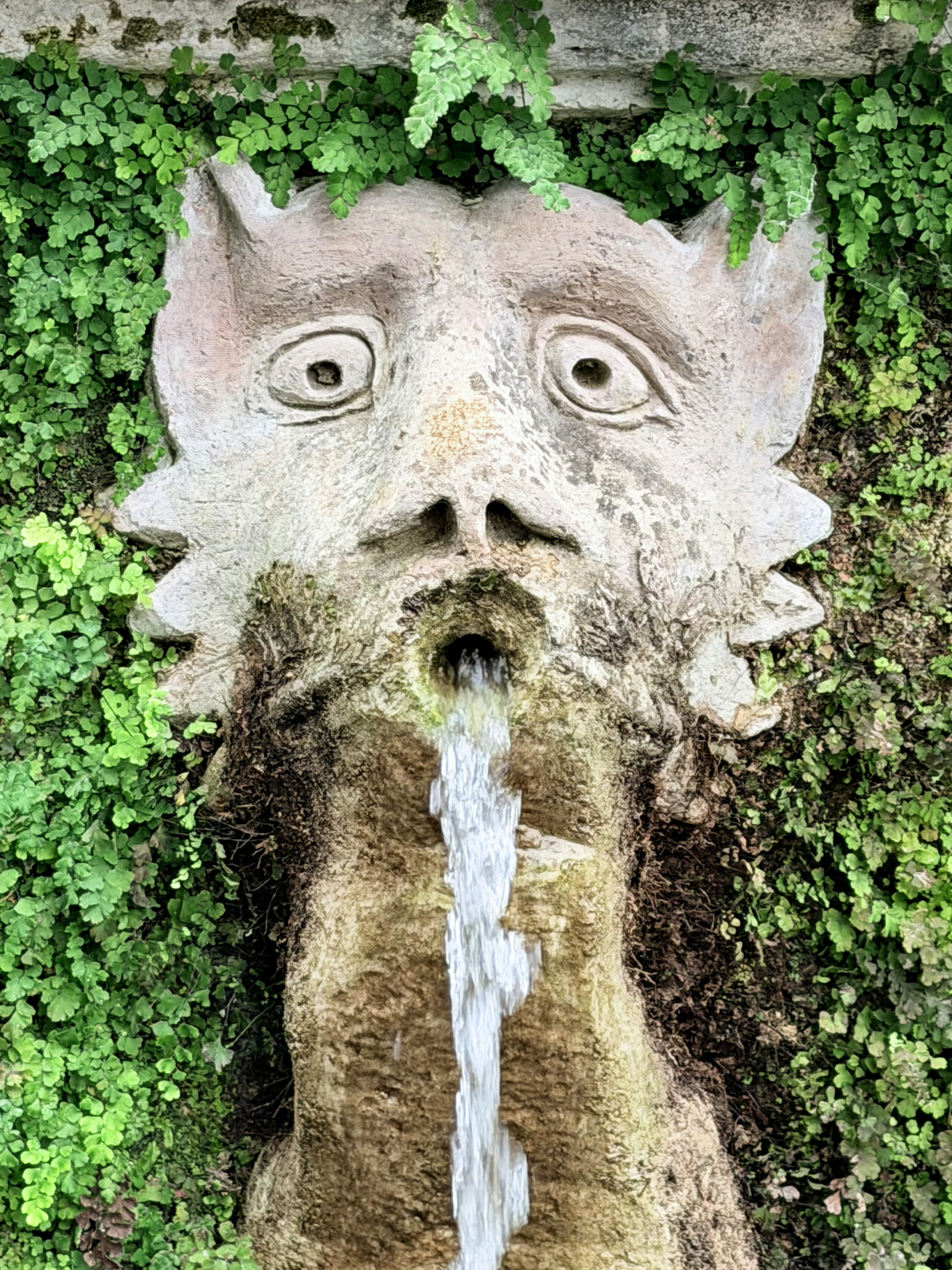
I had been to Villa d’Este on my first trip to Italy in 2009 and remember the gardens being jaw-dropping—and they continued to be. The gardens remain a masterclass in Renaissance engineering, utilizing a sophisticated system of gravity and siphons to power its iconic water features without a single mechanical pump. We marveled at the Fountain of the Organ, which uses falling water to force air through pipes and play music, and walked the moss-covered Hundred Fountains path. From the powerful jets of the Fountain of Neptune to the “Rometta”—a miniature reproduction of Rome’s monuments—the estate is a rhythmic landscape of mist and mythological grandeur.
Grand Views and Roman Logistics
Our arrival in Rome was punctuated by the typical hurdles of Italian transit: a confusing encounter with a gas pump and the frantic, lane-less traffic around Termini Station. Fortunately, once we handed over the keys of our rental van, a quick Uber ride felt like a total reset, delivering us from the station’s madness to the doorstep of our hotel in record time.
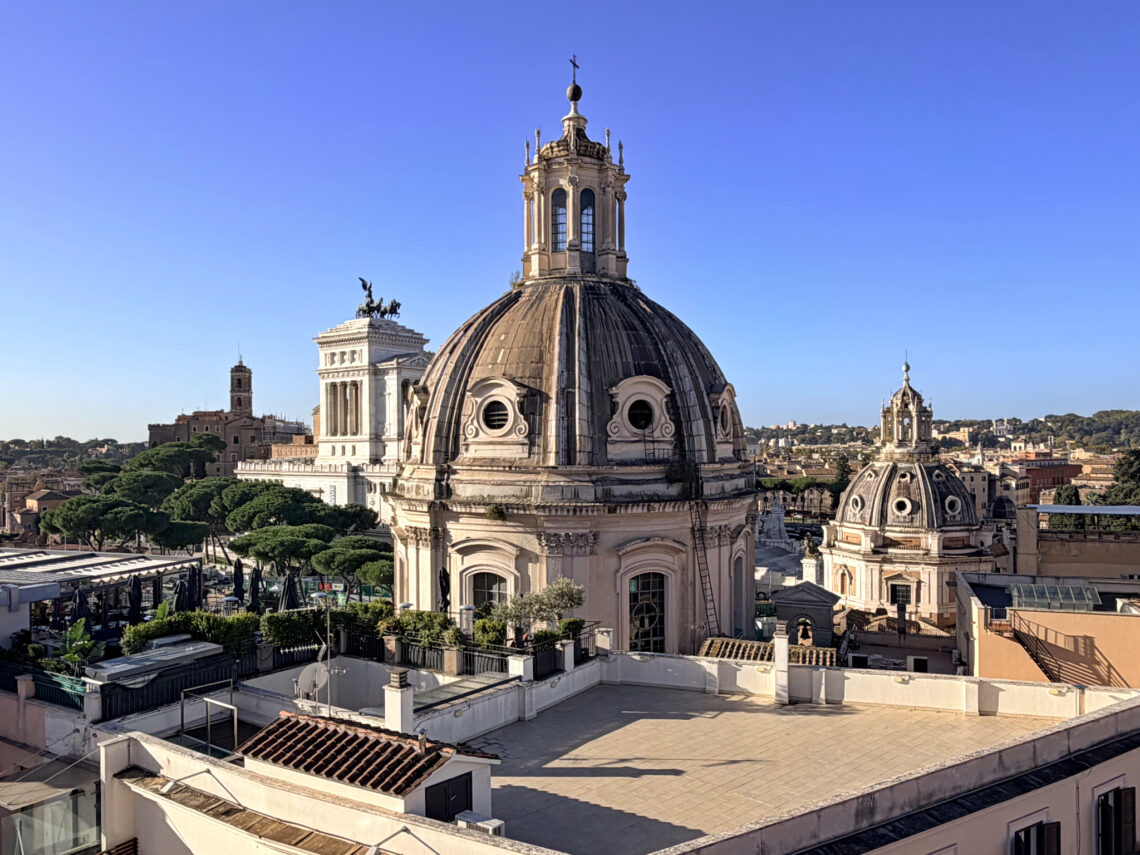
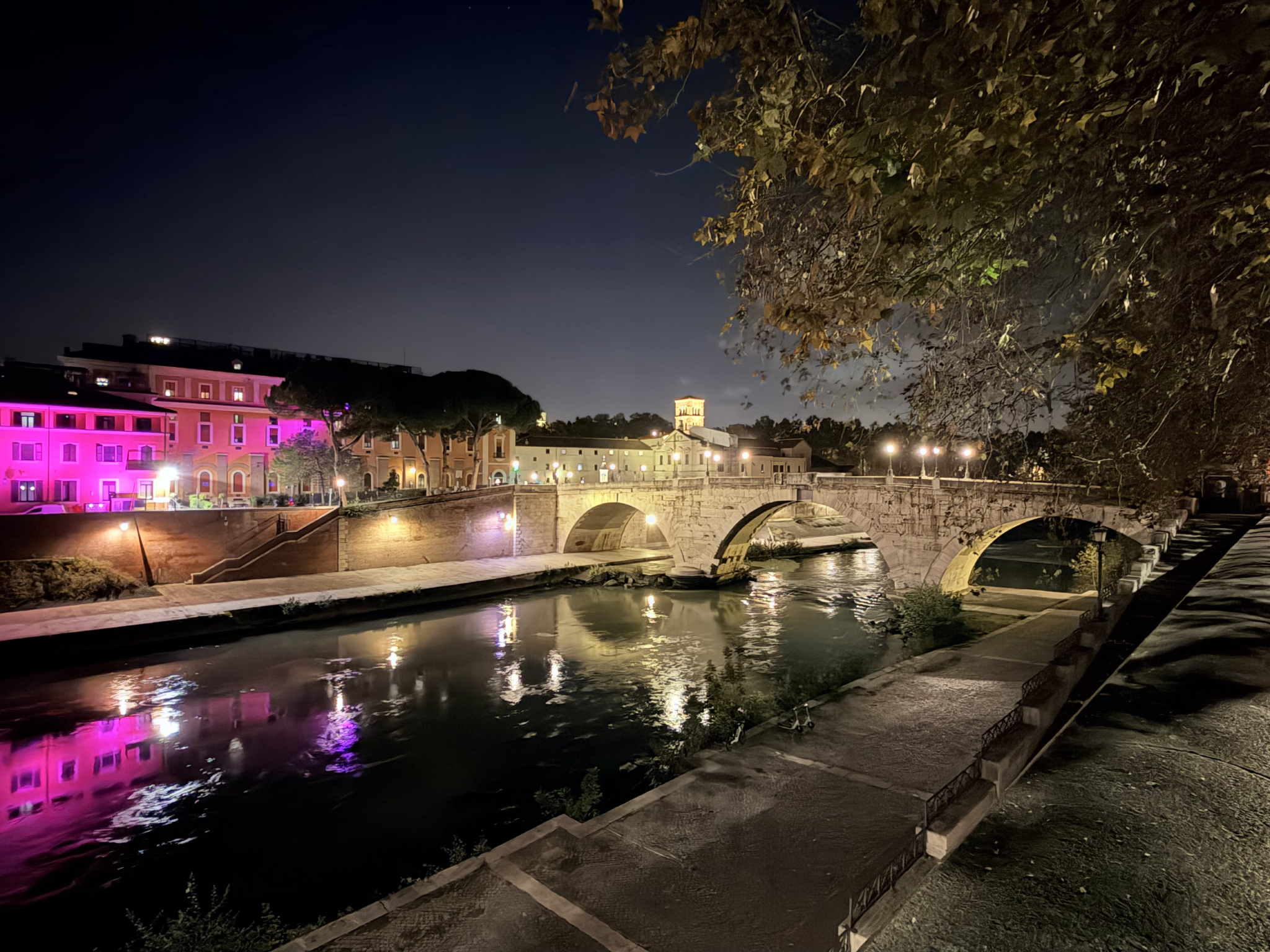
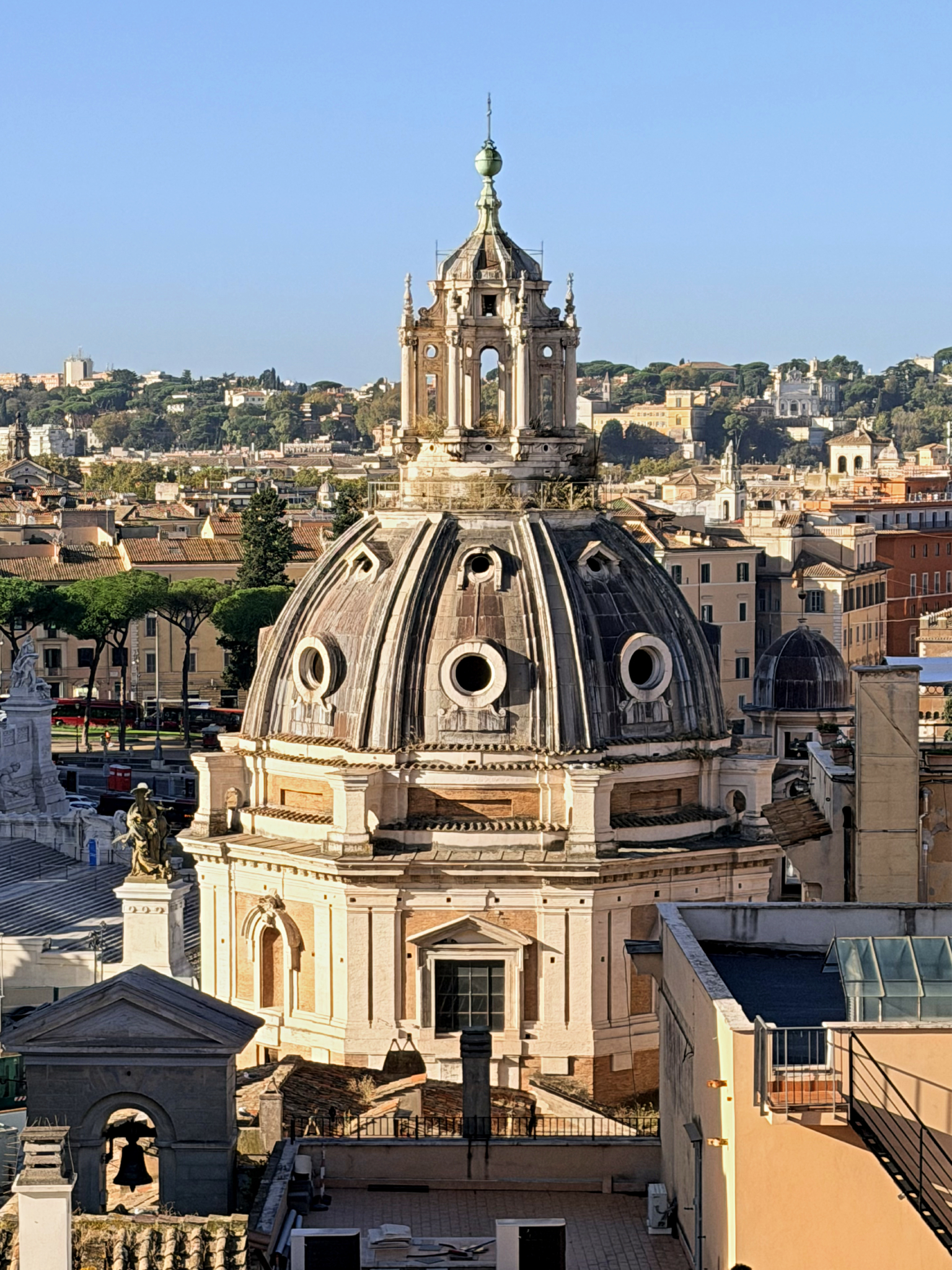
We stayed at the H10 Palazzo Galla, an amazing location right on the edge of the Centro Storico and within walking distance to everything. Our Panoramic Venezia Terrace suite was spectacular, featuring a huge wraparound terrace overlooking the dome of Chiesa del Santissimo Nome di Maria al Foro Traiano and surrounding rooftops. For dinner, we walked across Isola Tiberina to Ristorante daLù in Trastevere. Set in a beautiful space with brick arches and a mixed crowd of tourists and Italians, the menu was a standout for its abundance of fresh fish—a refreshing rarity in a city so dominated by meat-heavy Roman classics. We shared a crocchette sampler stuffed with seasonal vegetables and local cheeses, followed by the tagliolini with smoked butter, anchovies, and lemon, which Charles and I agreed was absolute heaven.
The Ultimate Roman History Tour with Julian Epstein
The next day was dedicated to a deep dive into Roman history with Julian Epstein. Julian runs the acclaimed “As the Romans Do” private tours, and his tour of Rome was one of the best guided tours I have ever experienced. Julian took over the business from his father, Alan, who sadly passed away from cancer in 2016, and you can feel the passion and legacy in the way he guides.
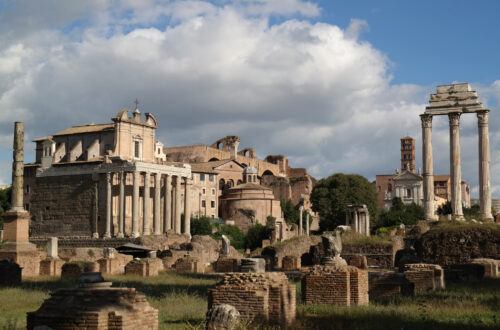
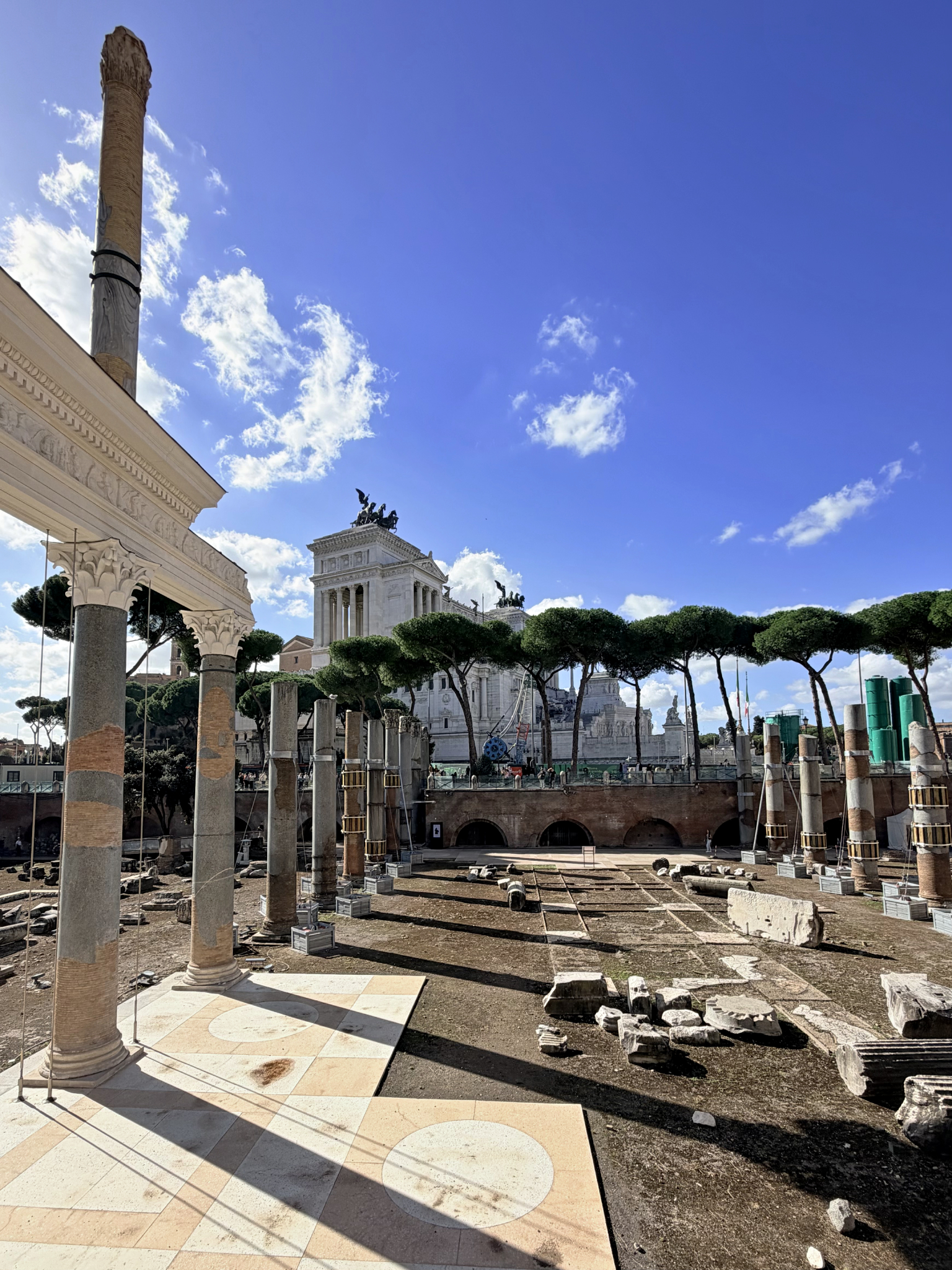
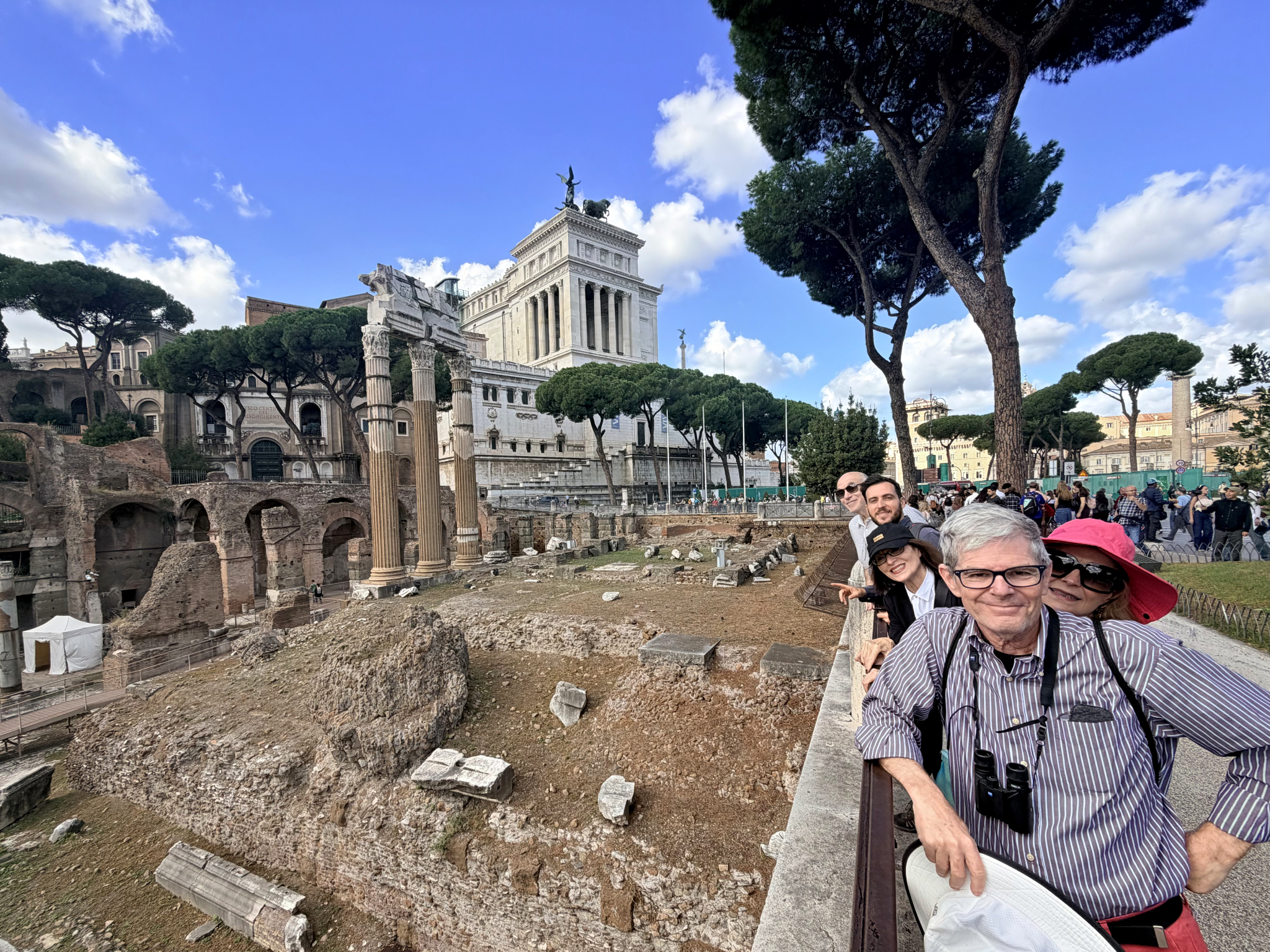
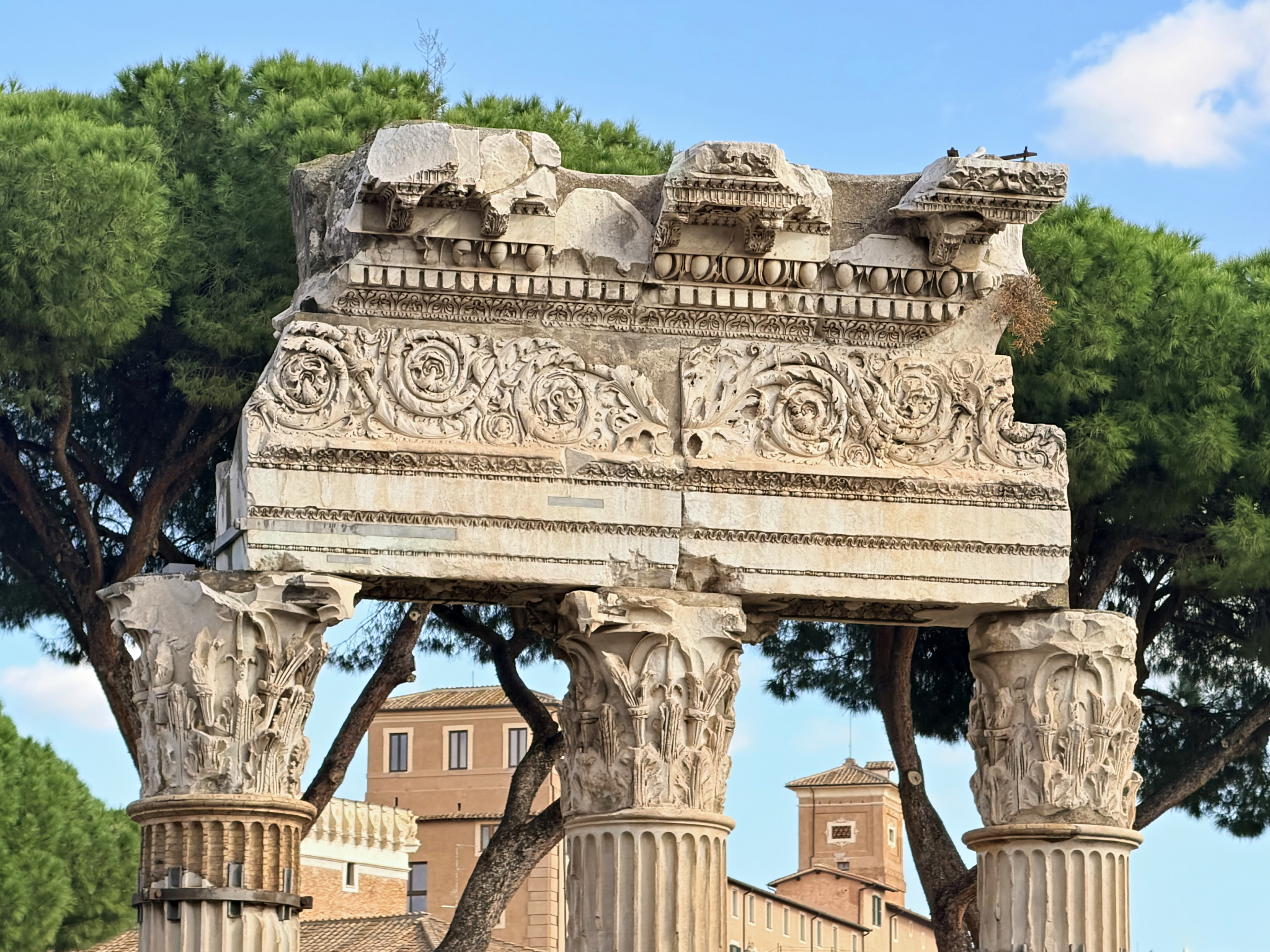
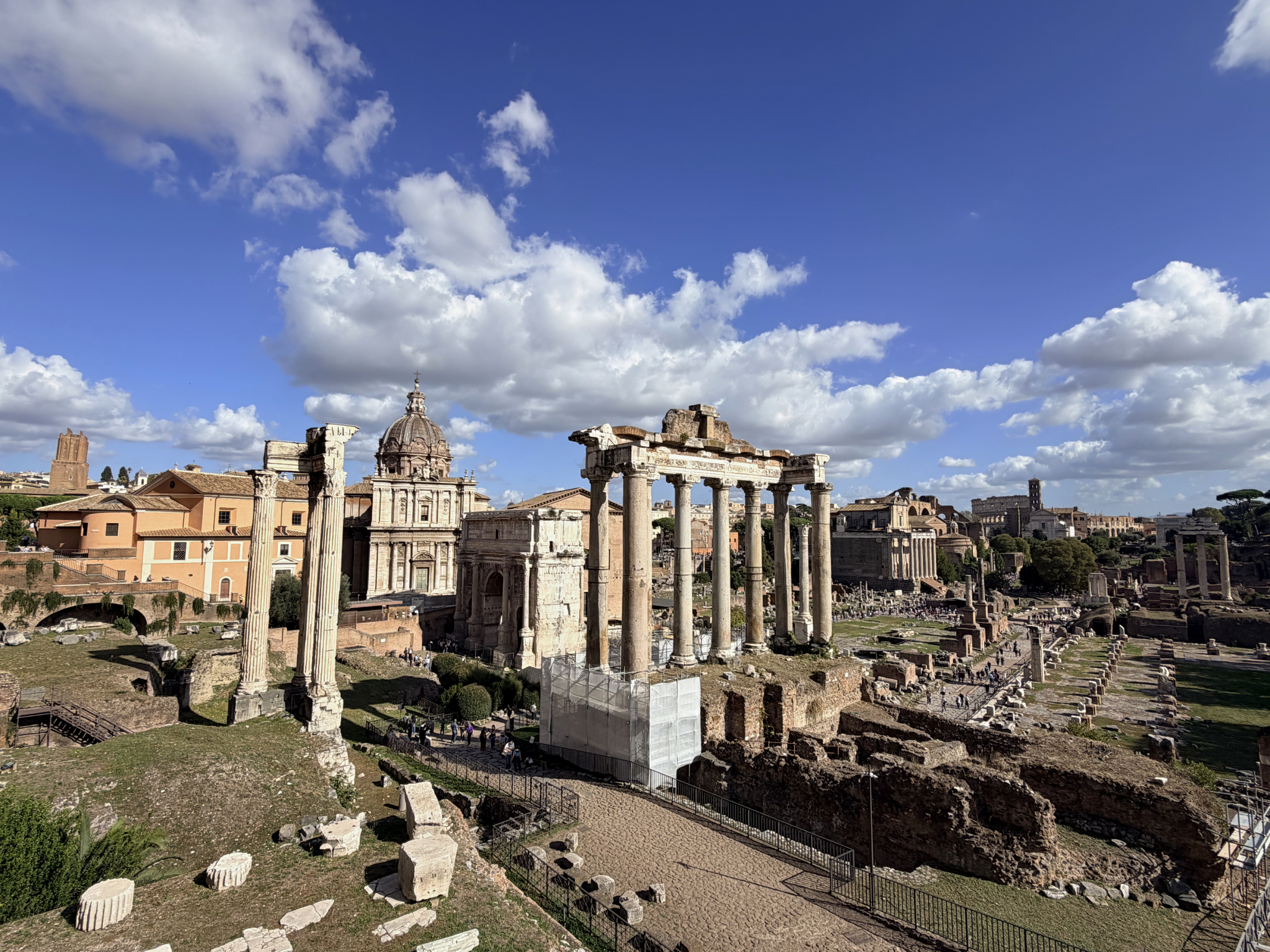
He picked us up at our hotel, and we walked towards Via dei Fori Imperiali, where Julian gave us a brief overview of the history of Rome. It was fascinating to discover that when Emperor Constantine moved the capital of the empire to Constantinople in 330 AD, it set off a slow decline that eventually left Rome vulnerable to being pillaged by the Goths and Vandals. For centuries, the heart of the empire was buried and forgotten, used mostly as a cow pasture known as Campo Vaccino. It wasn’t until the 1800s that the city began the massive undertaking of unearthing the antiquities and ruins of the Foro Romano, transforming it into the open-air museum we see today.
From Ancient Plumbing to Panoramic Escapes
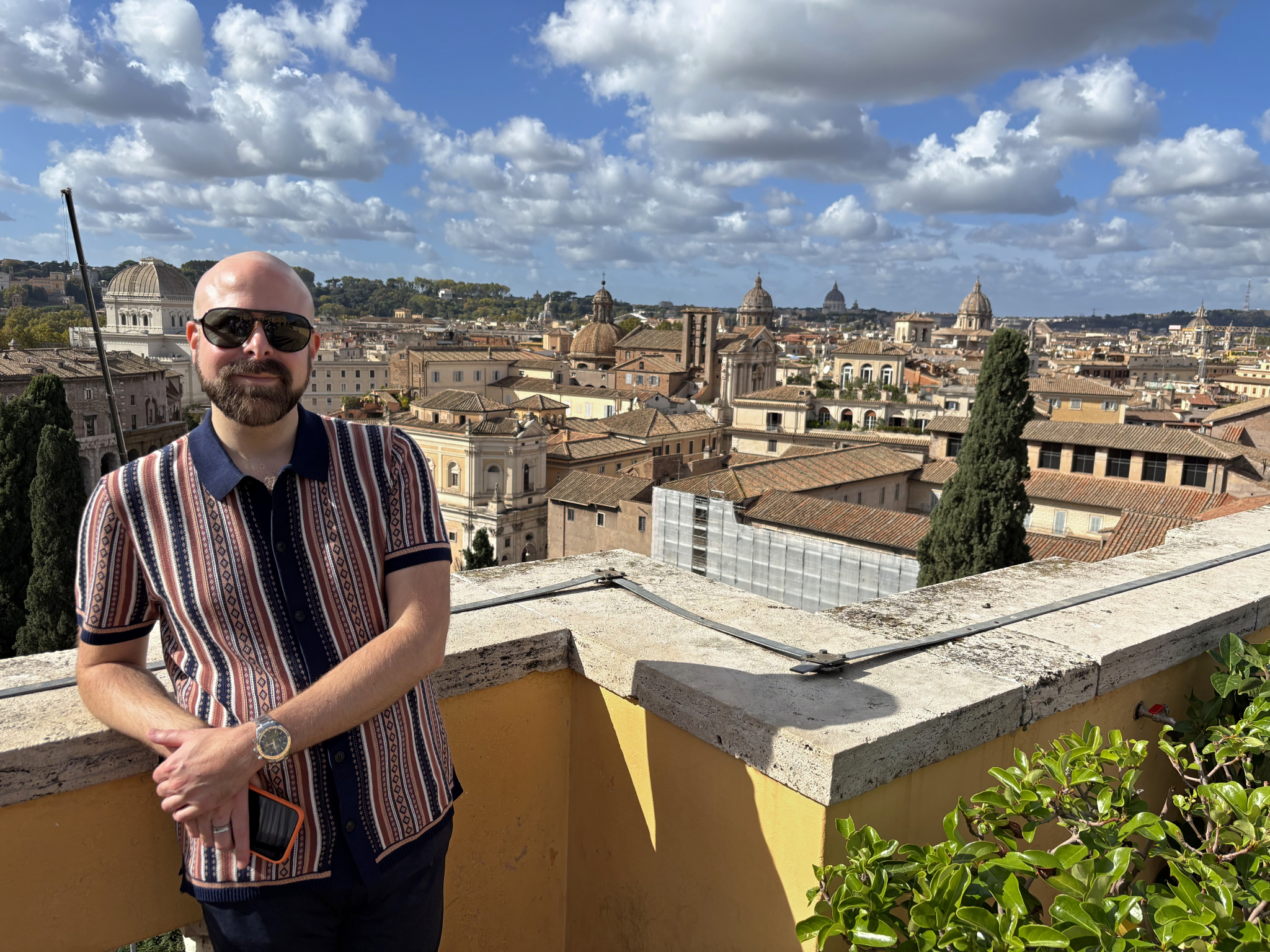
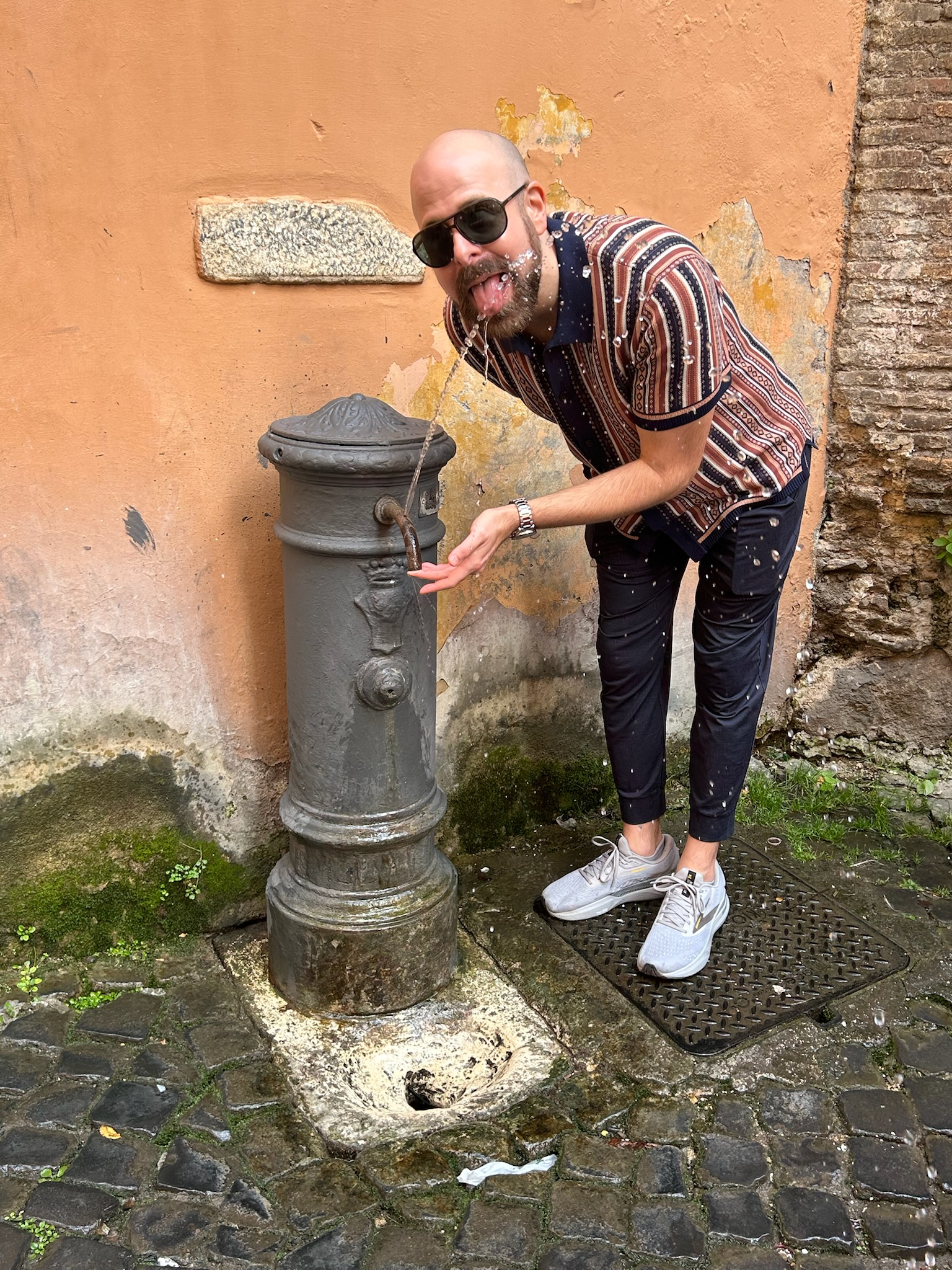
In a hilarious moment, we began talking about the genius of Roman plumbing and public toilets (the latrinae), and how they shared a sponge on a rope to wipe themselves…ewwwwww! All that talk of bathrooms meant we needed a quick bio break, and Julian knew the perfect spot: Villa Caffarelli. We had quick pick-me-up espressos at the cafe at Terrazza Caffarelli, where there was a terrace with panoramic views of the rooftops and church domes of the Centro Storico—which we had all to ourselves.
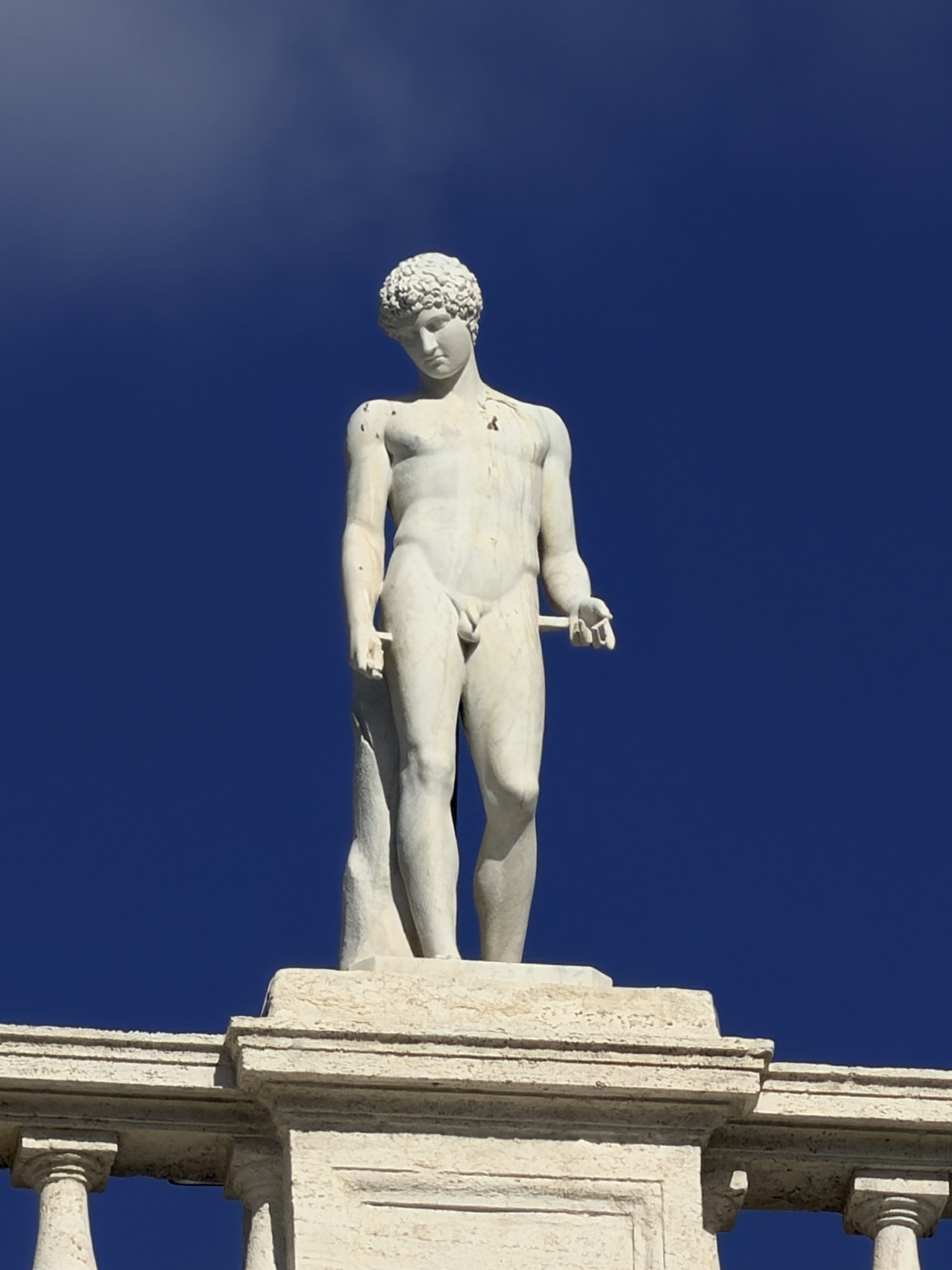
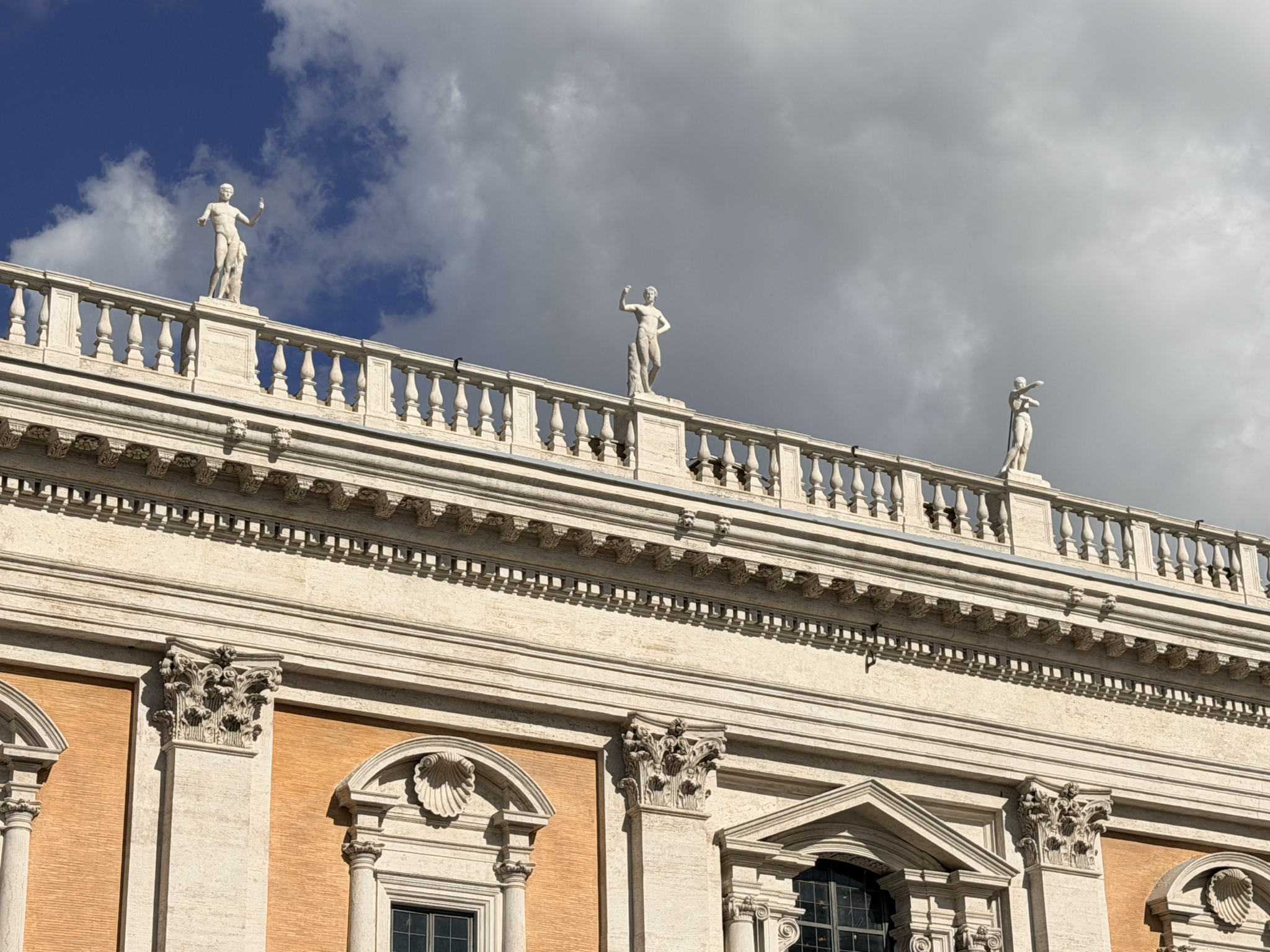
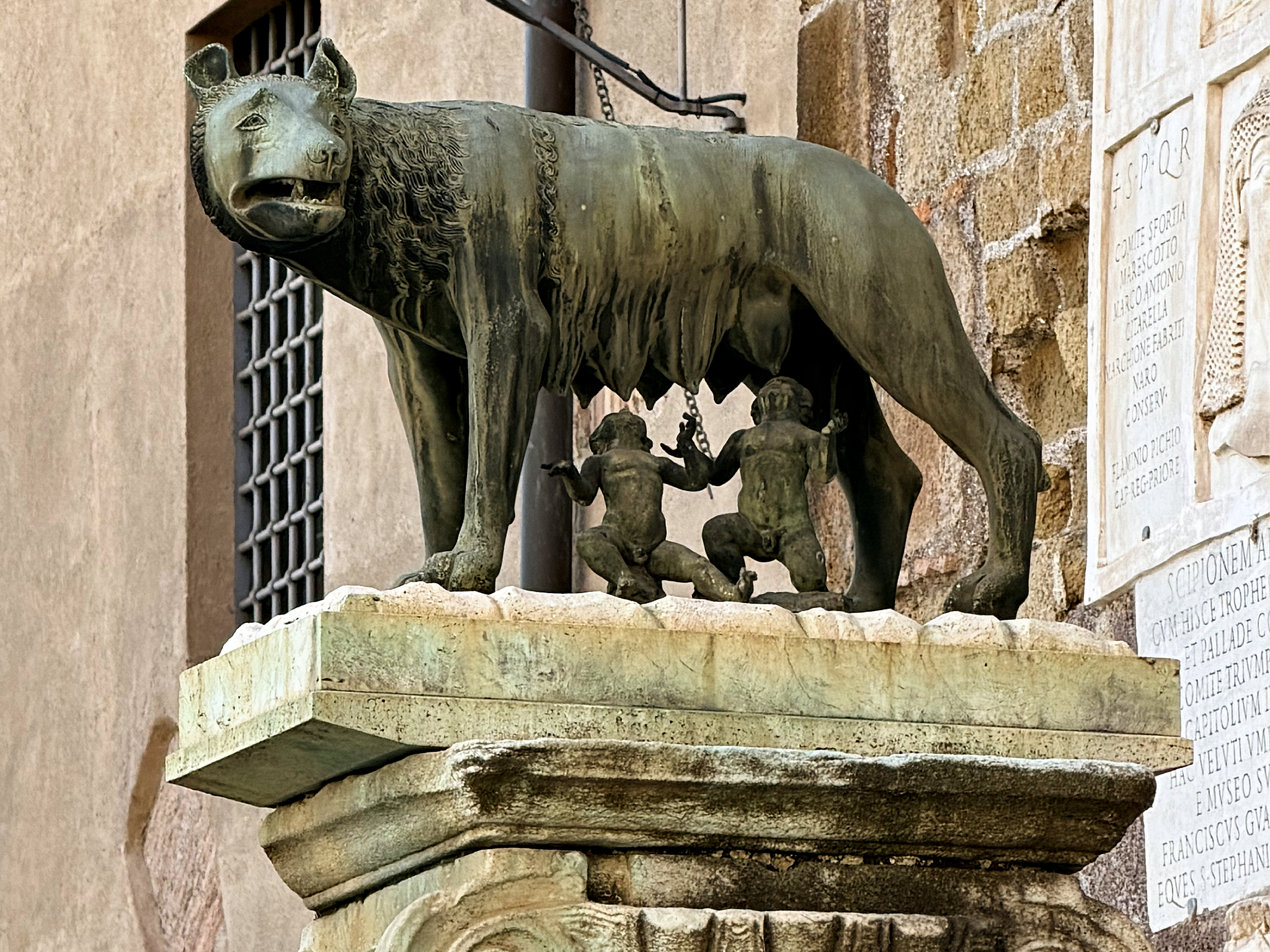
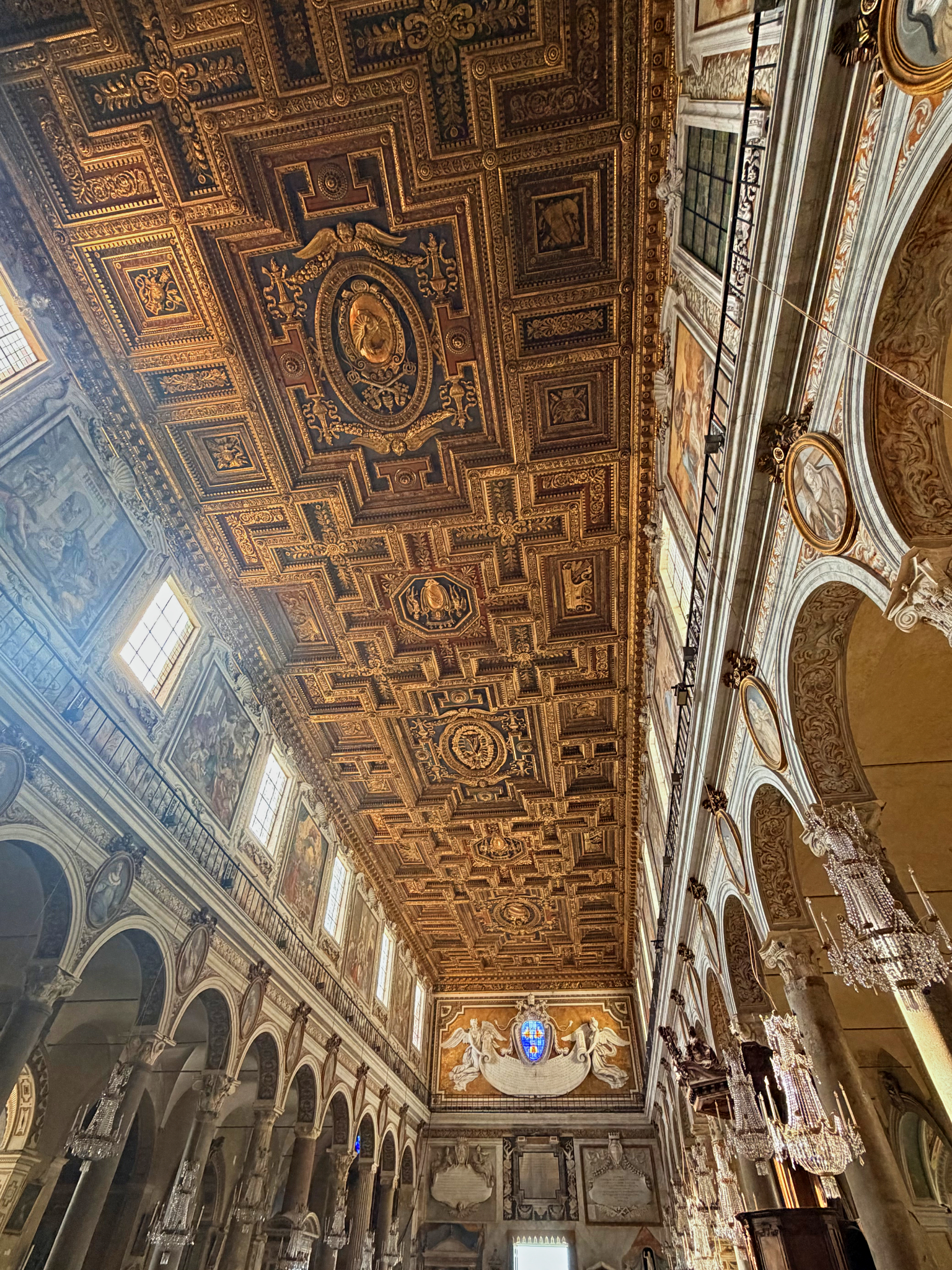
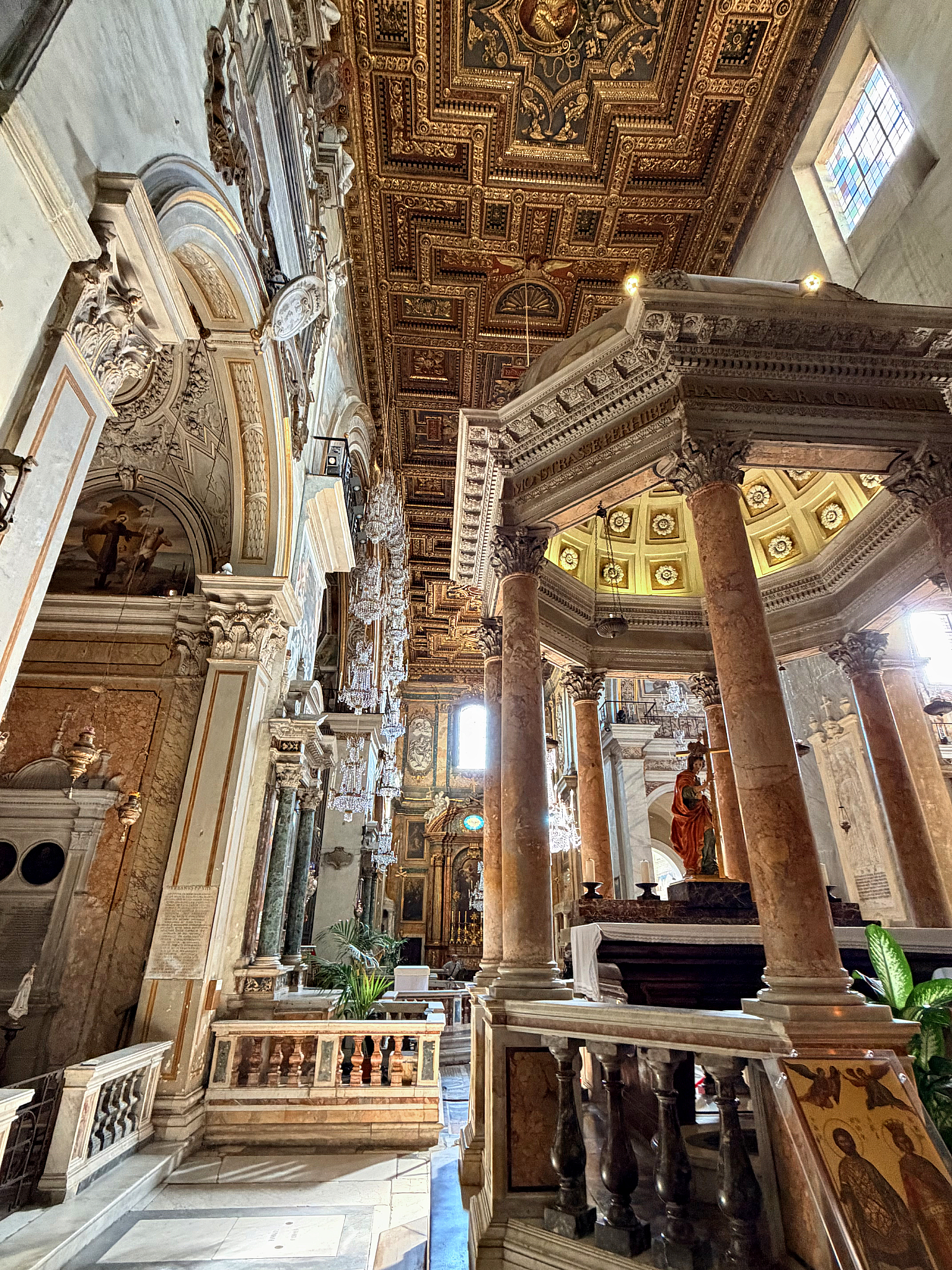
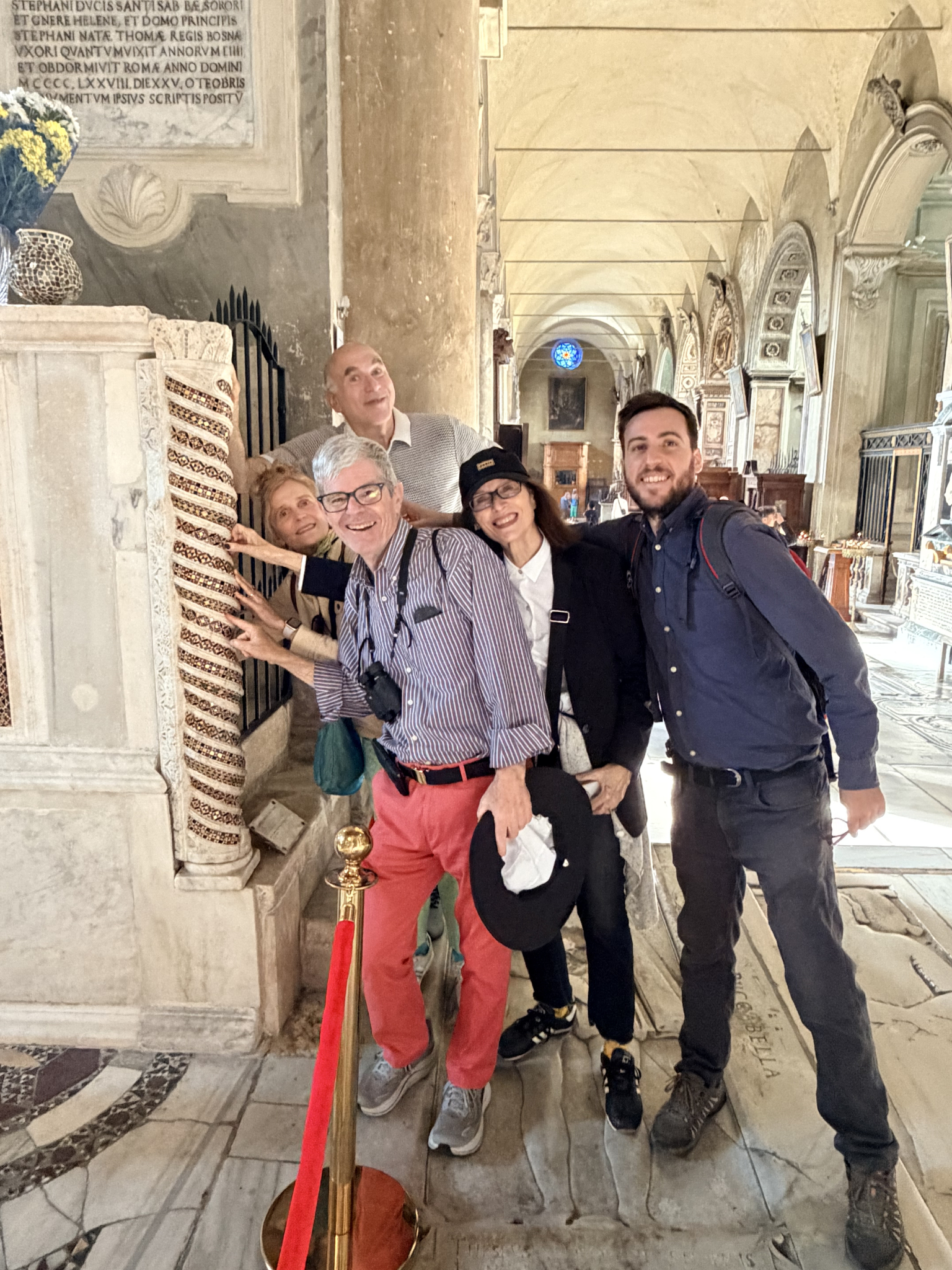
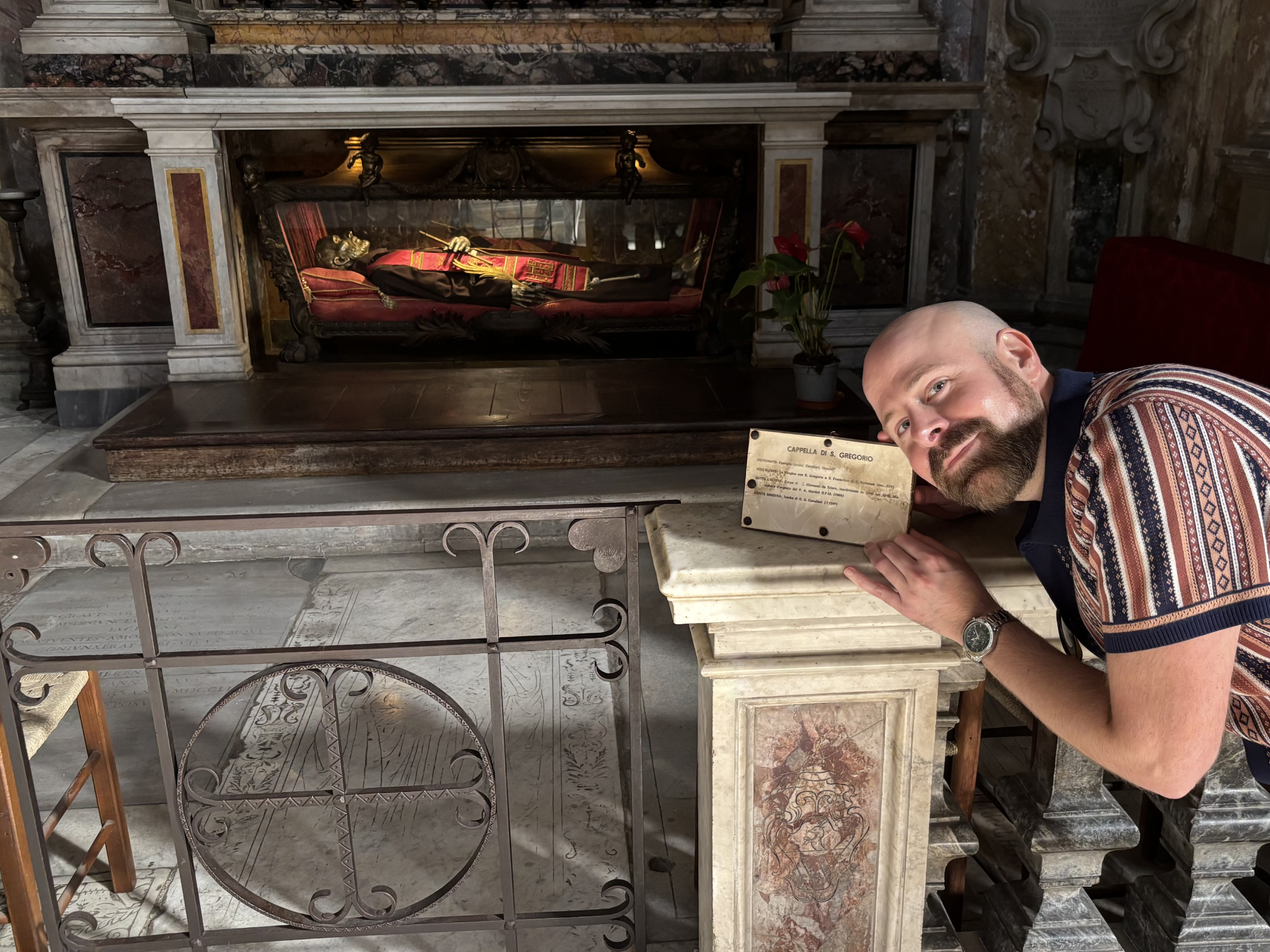
We then walked over to Piazza del Campidoglio—designed by Michelangelo in the 16th century—which Julian explained served as the original “Capitol Hill” and religious heart of the empire. We moved to the Via Monte Tarpeo overlook, perched above the infamous Tarpeian Rock, for what is easily the best “free” view of the entire Roman Forum. Finally, we stepped inside the Basilica di Santa Maria in Aracoeli. Every square inch was a masterclass in gold, marble, and gemstones; Julian explained that this overwhelming opulence was the Church’s way of projecting power and inspiring awe during the Counter-Reformation, a time when the Vatican was working hard to solidify its influence over the people.
Cultural Heritage and Historic Bites
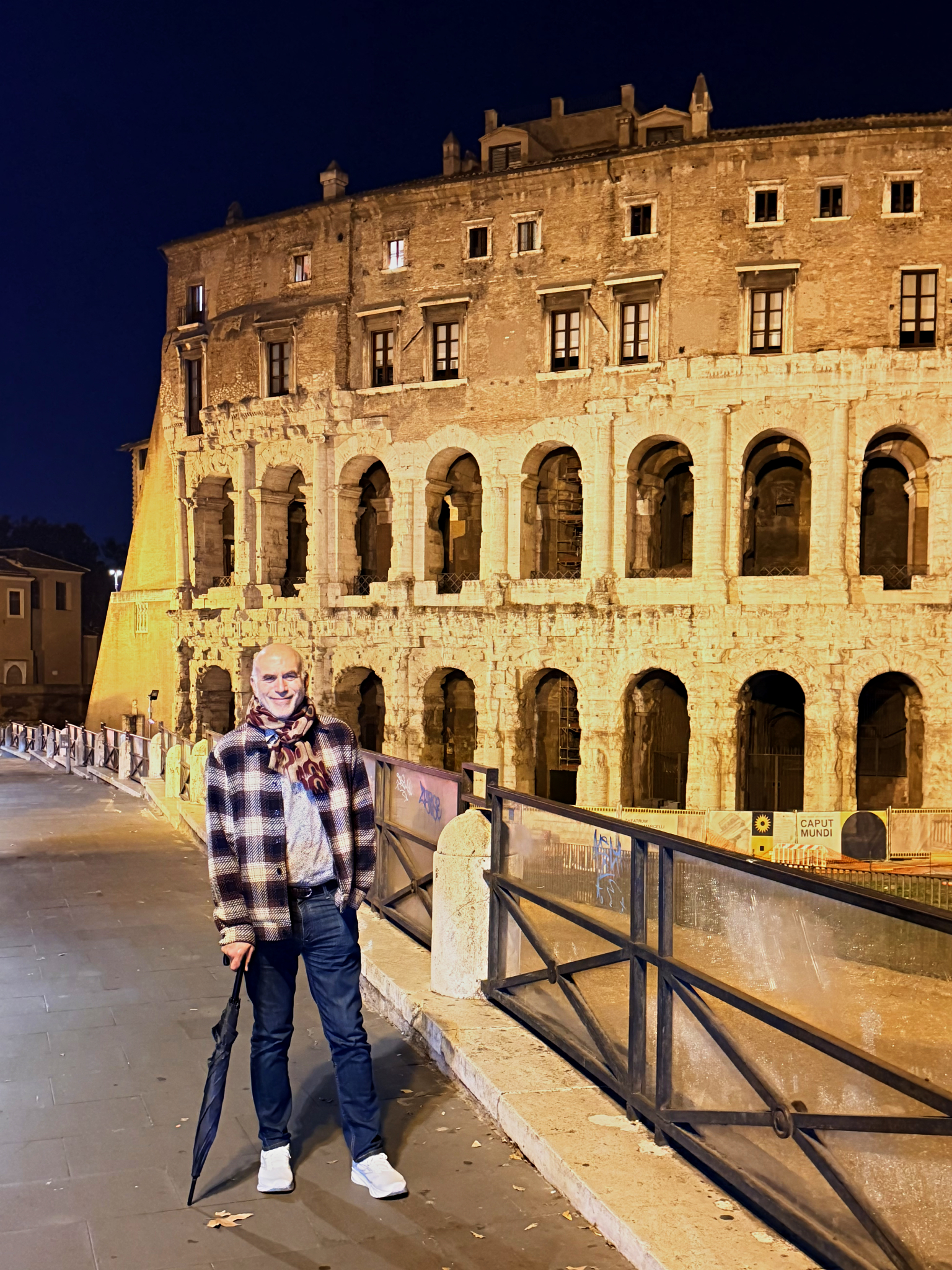
As a group of Jews, we all were interested to learn the history of Jewry in Rome as we walked through the Jewish Ghetto. Julian explained that this is one of the oldest continuous Jewish communities in the world, though its history is marked by the Papal Bull of 1555, which sequestered the community into this walled-off, flood-prone district for over three centuries. We saw the Stolpersteine (stumbling stones)—small brass plaques in the cobblestones memorializing those deported during the Holocaust—which served as a sobering reminder of the resilience of the people here.
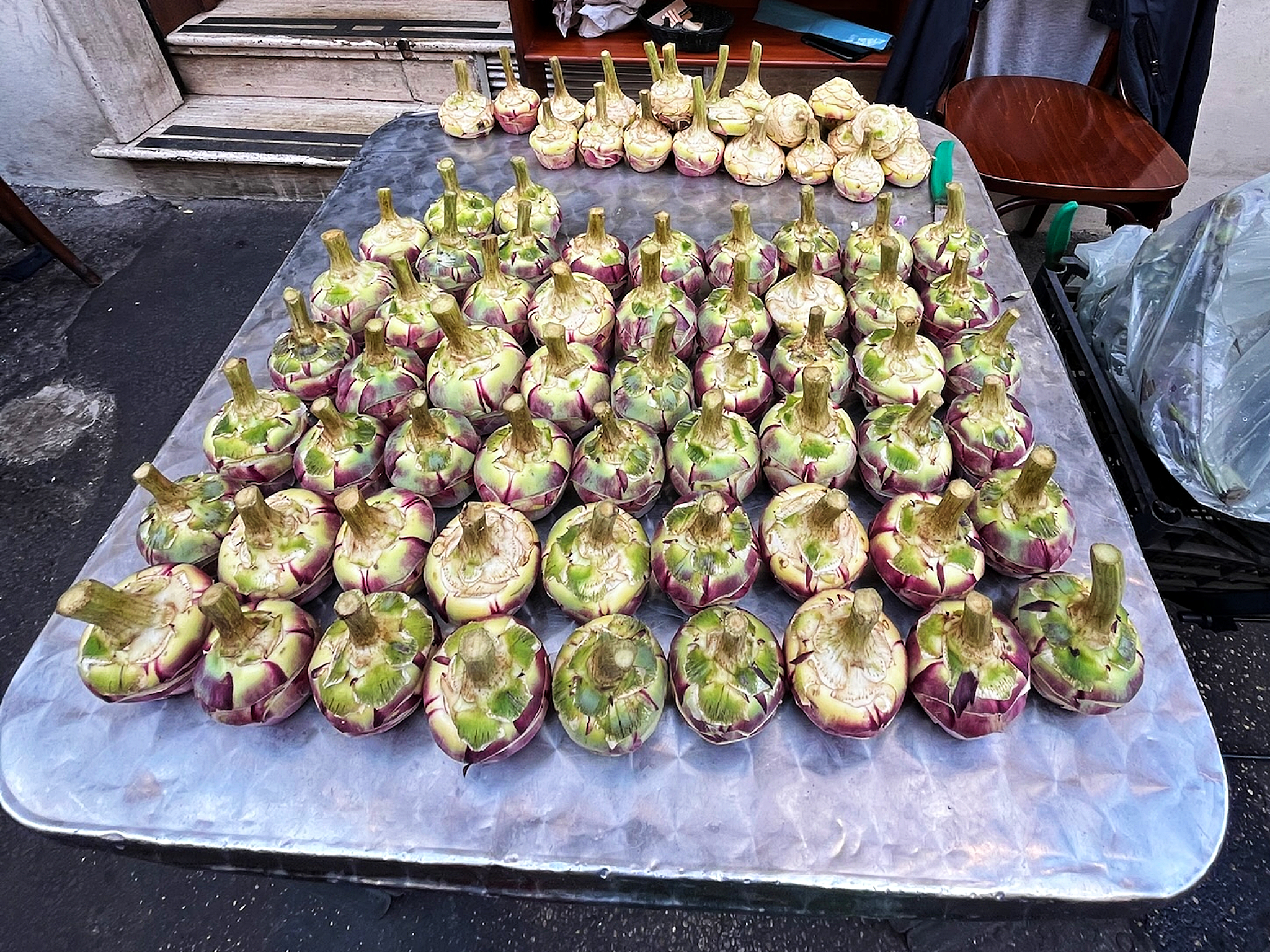
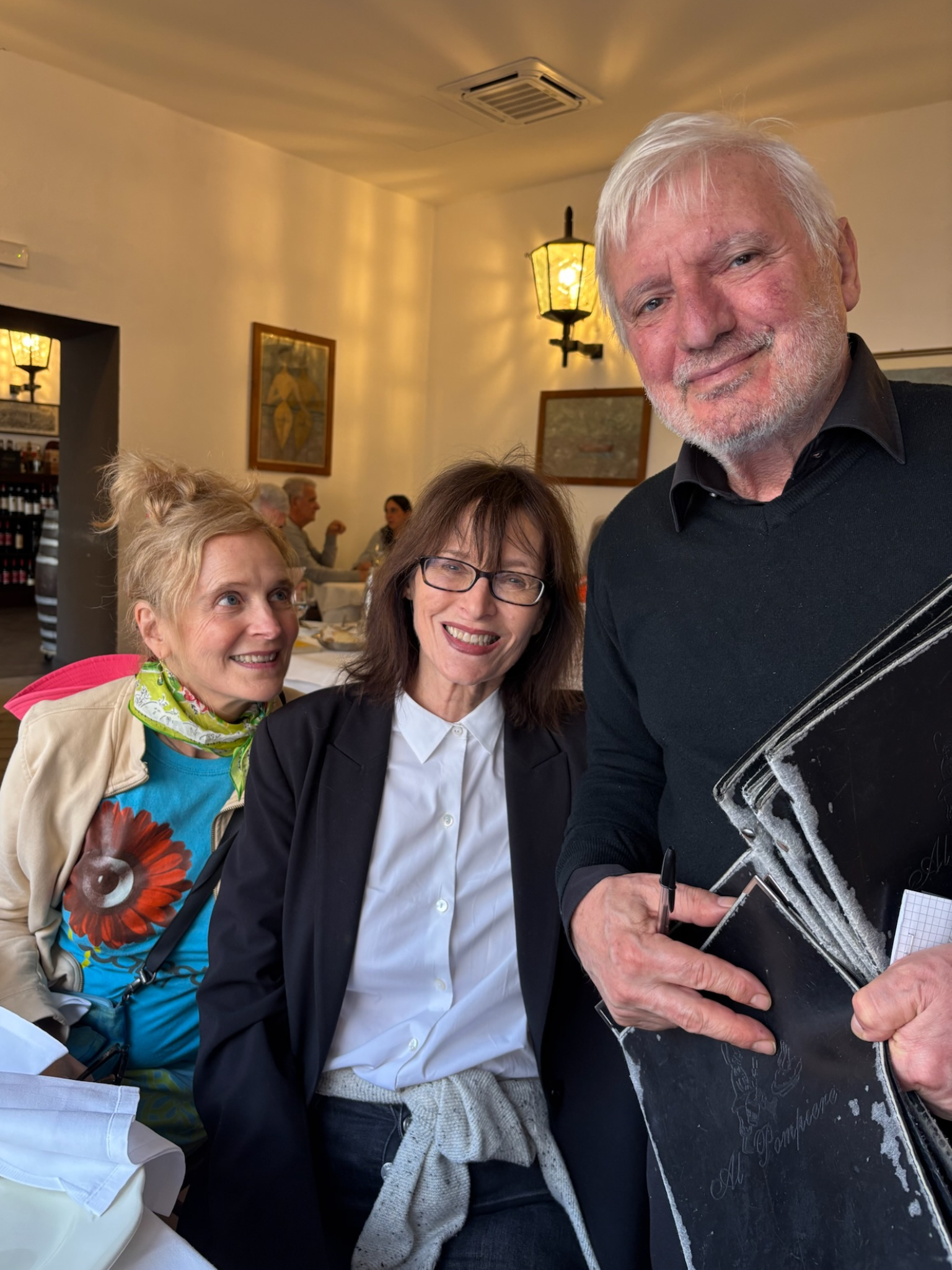
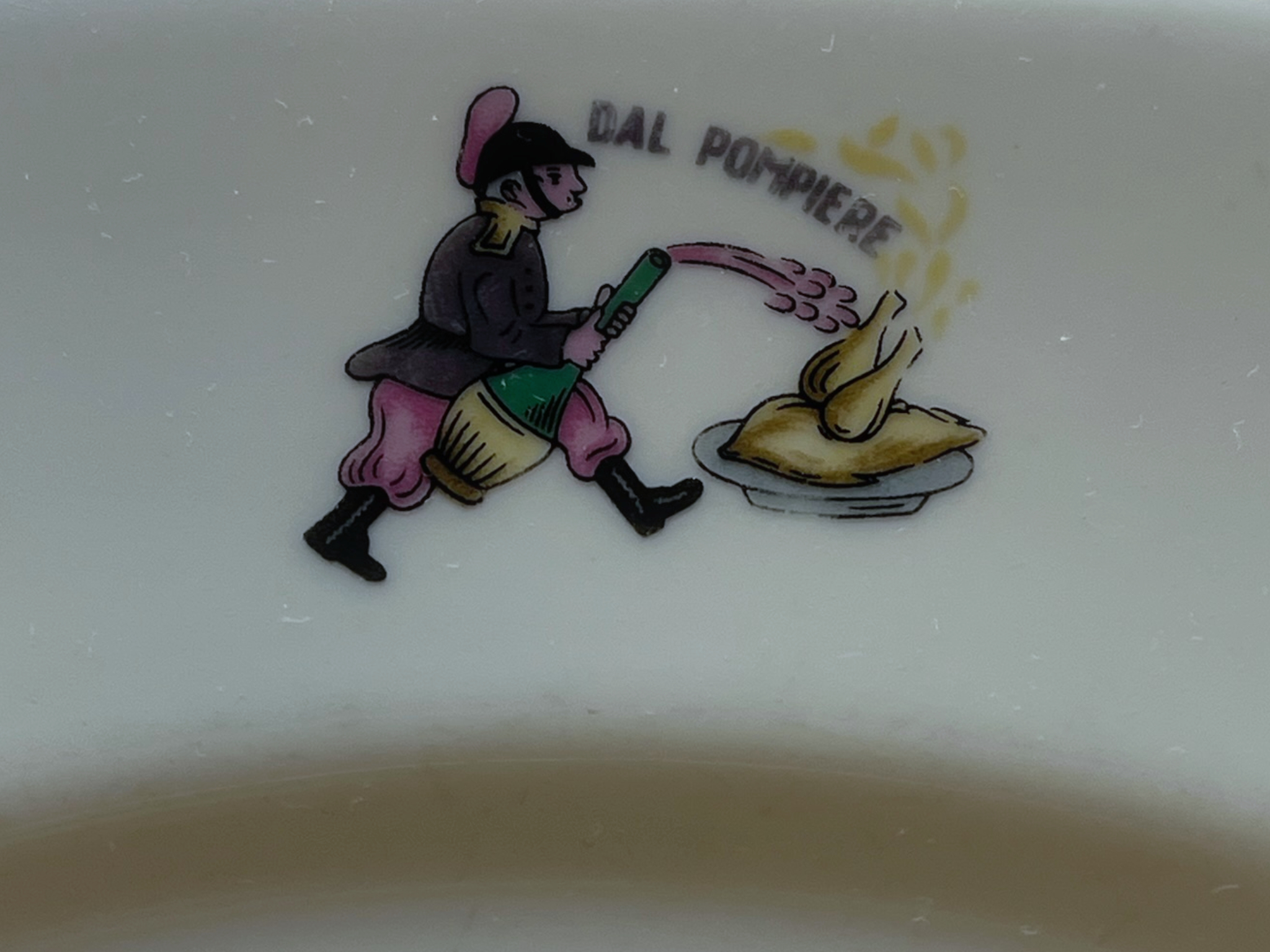
This history led us to a truly memorable lunch at Al Pompiere Roma, a historic restaurant in a 16th-century palazzo where Julian’s father used to take his tours. Julian knew the owner, who took very good care of us as we ordered the house specialties: carciofi alla giudia (Jewish-style fried artichokes) and fettuccine al limone, a simple dish of butter, lemon, and fresh parsley. It felt like a beautiful tribute to his father’s memory to be sitting in that same spot, enjoying the very flavors that had been a staple of their family business for years.
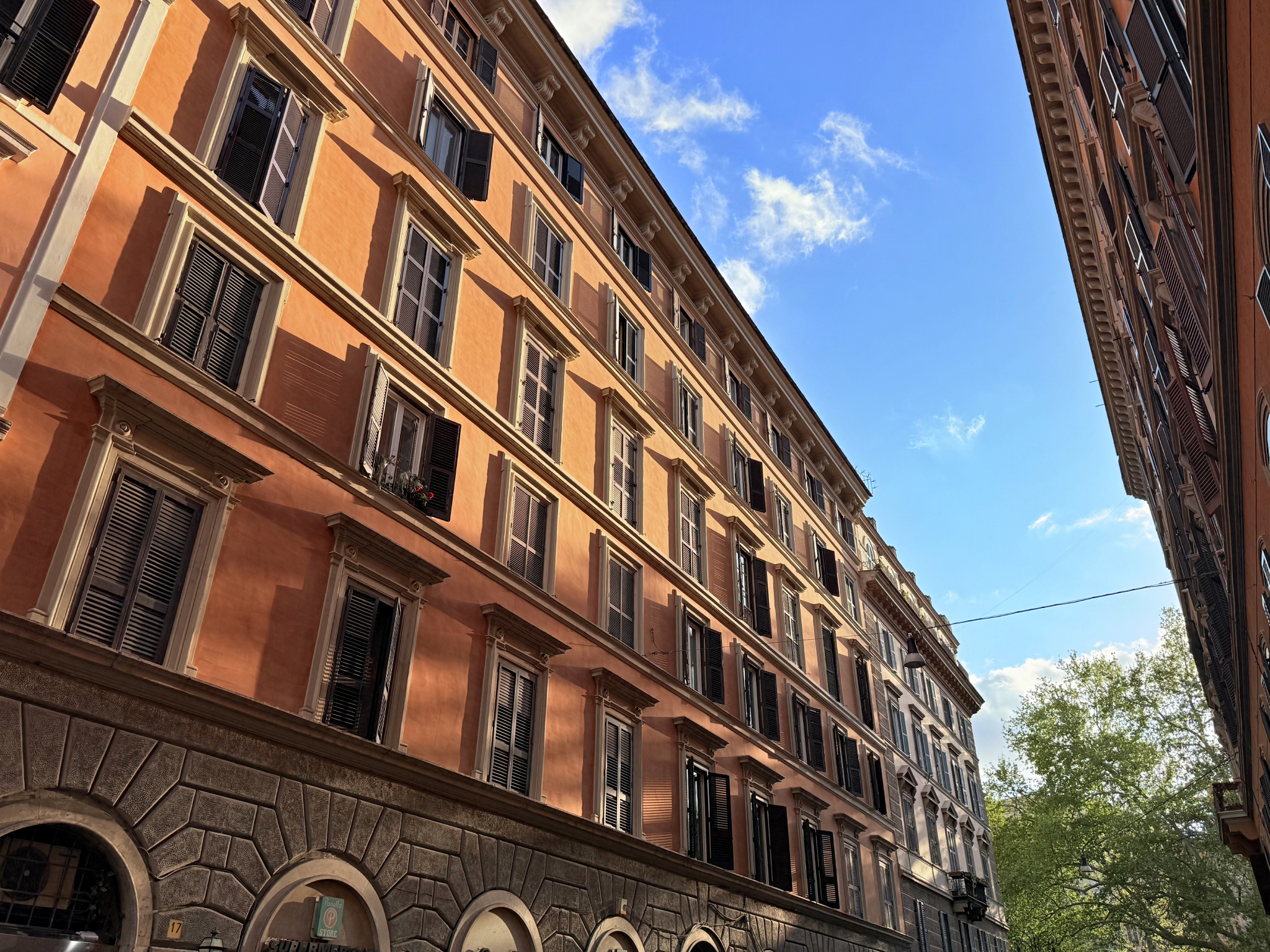
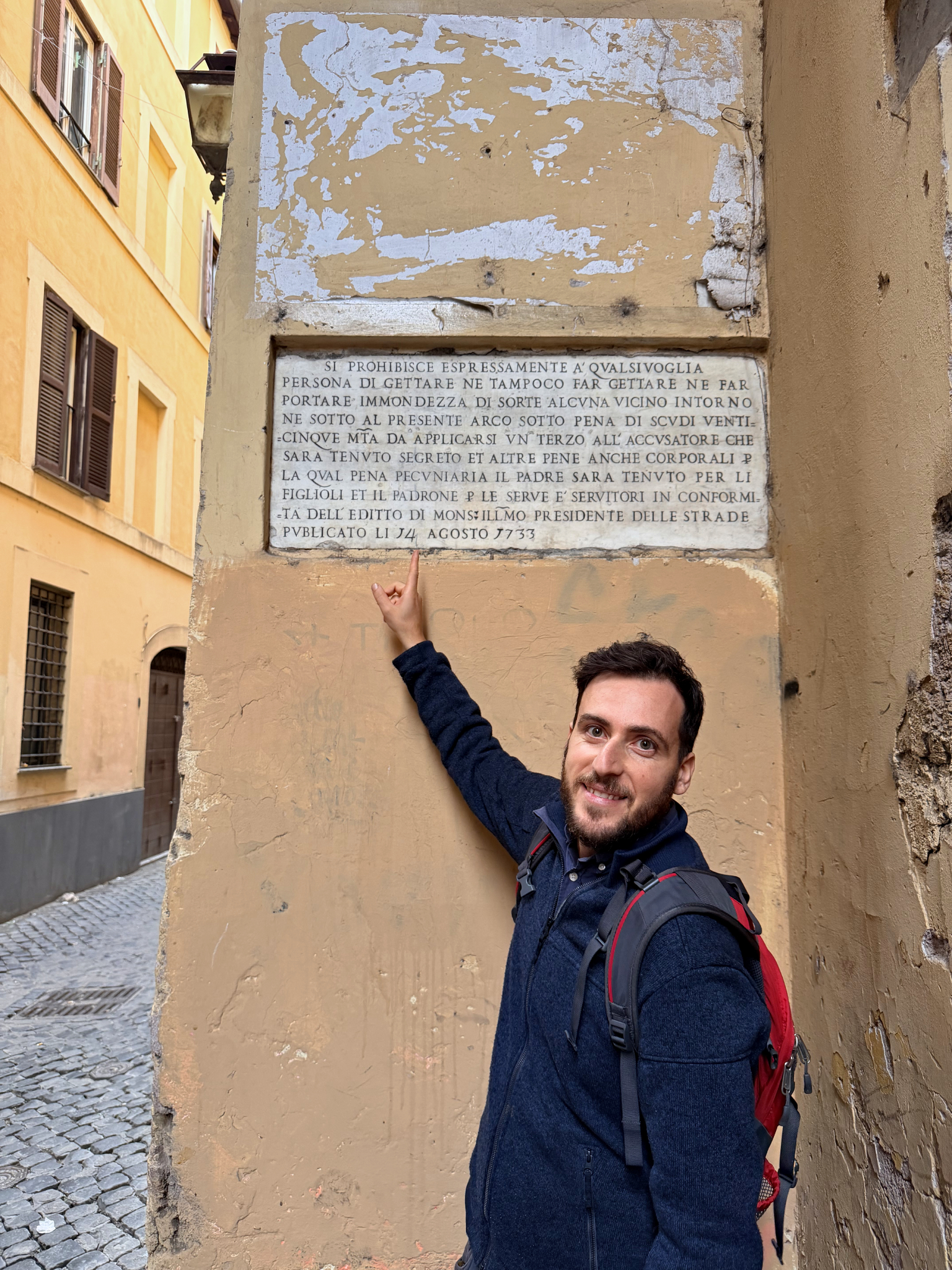
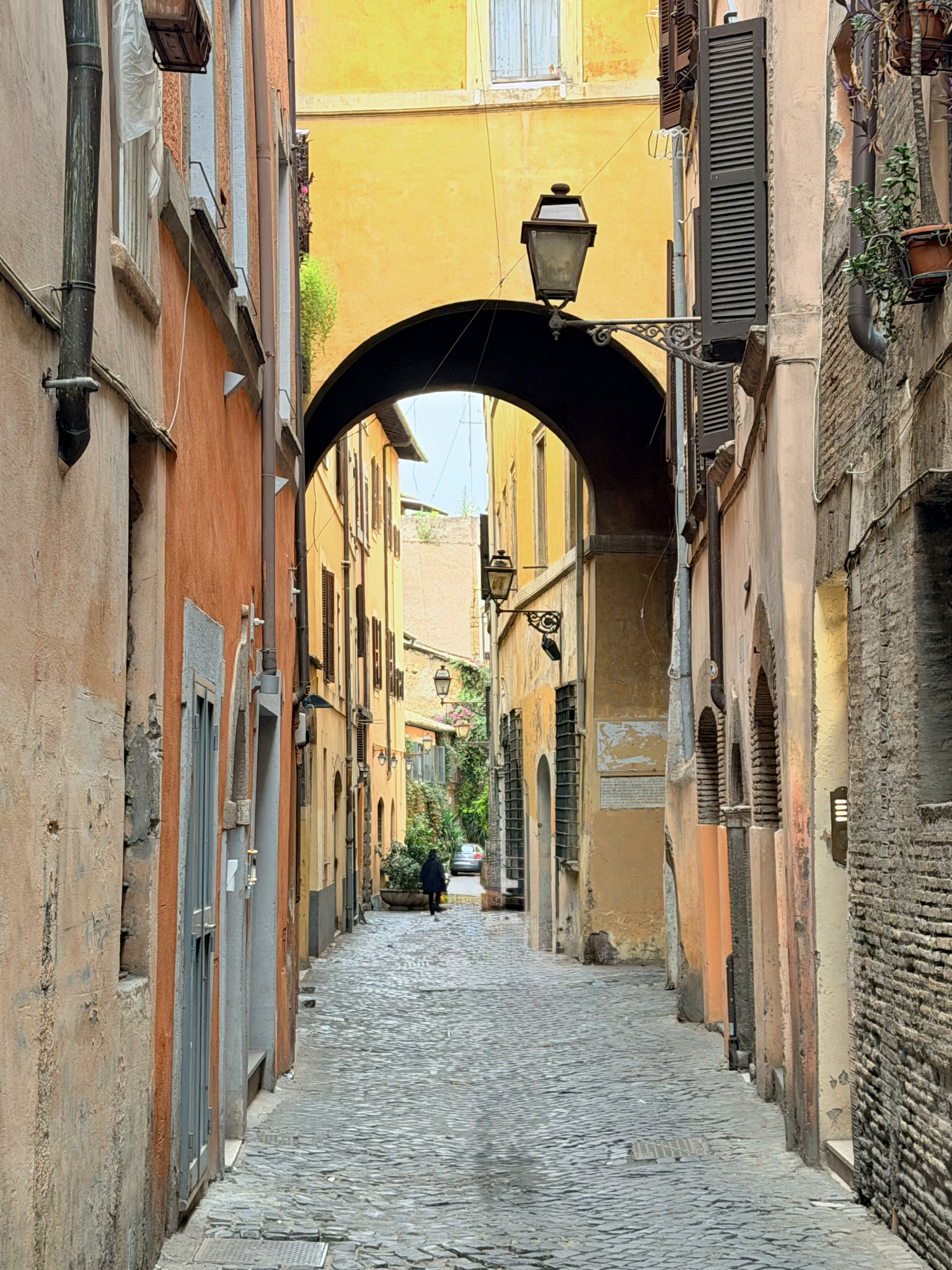
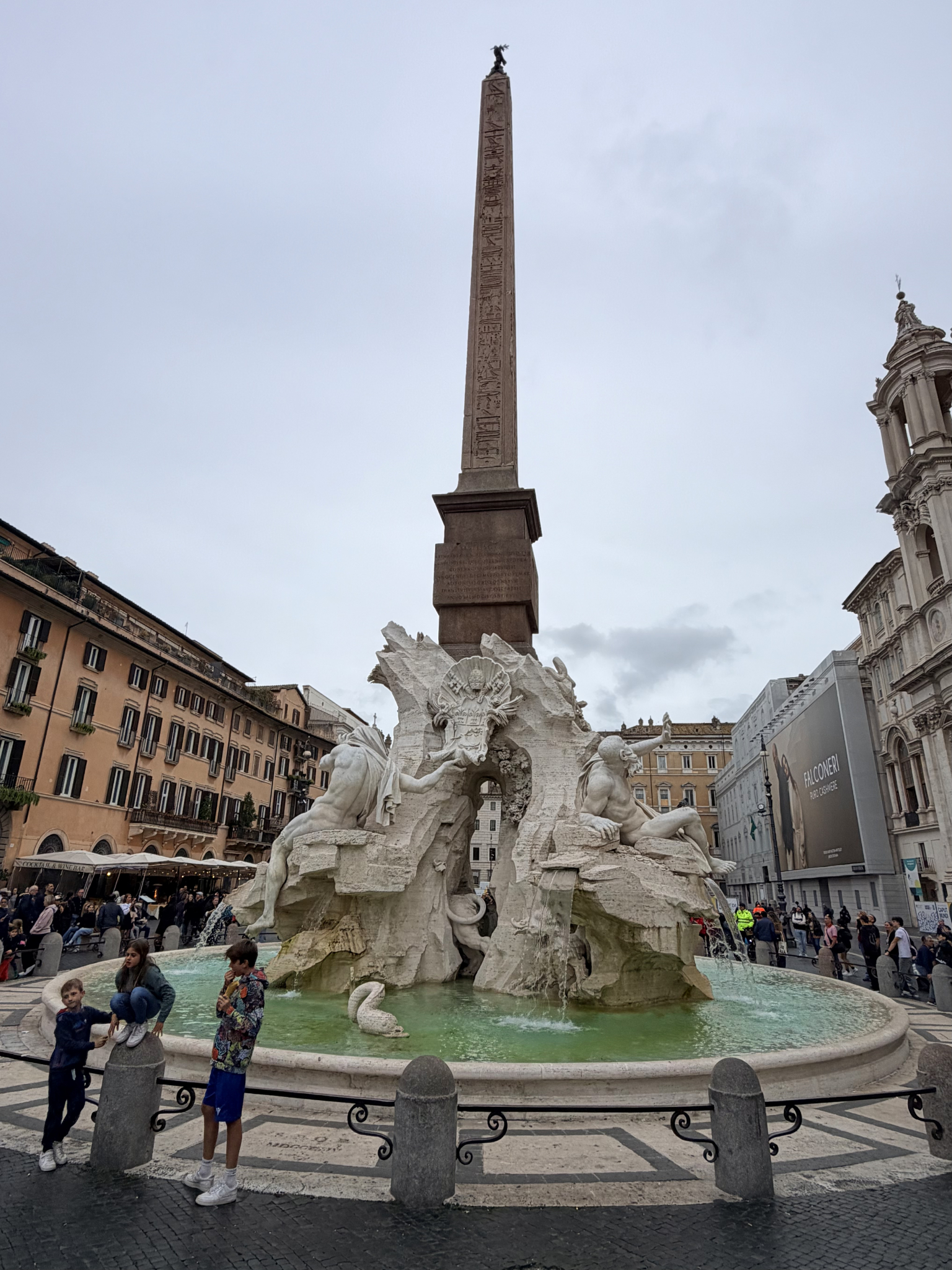
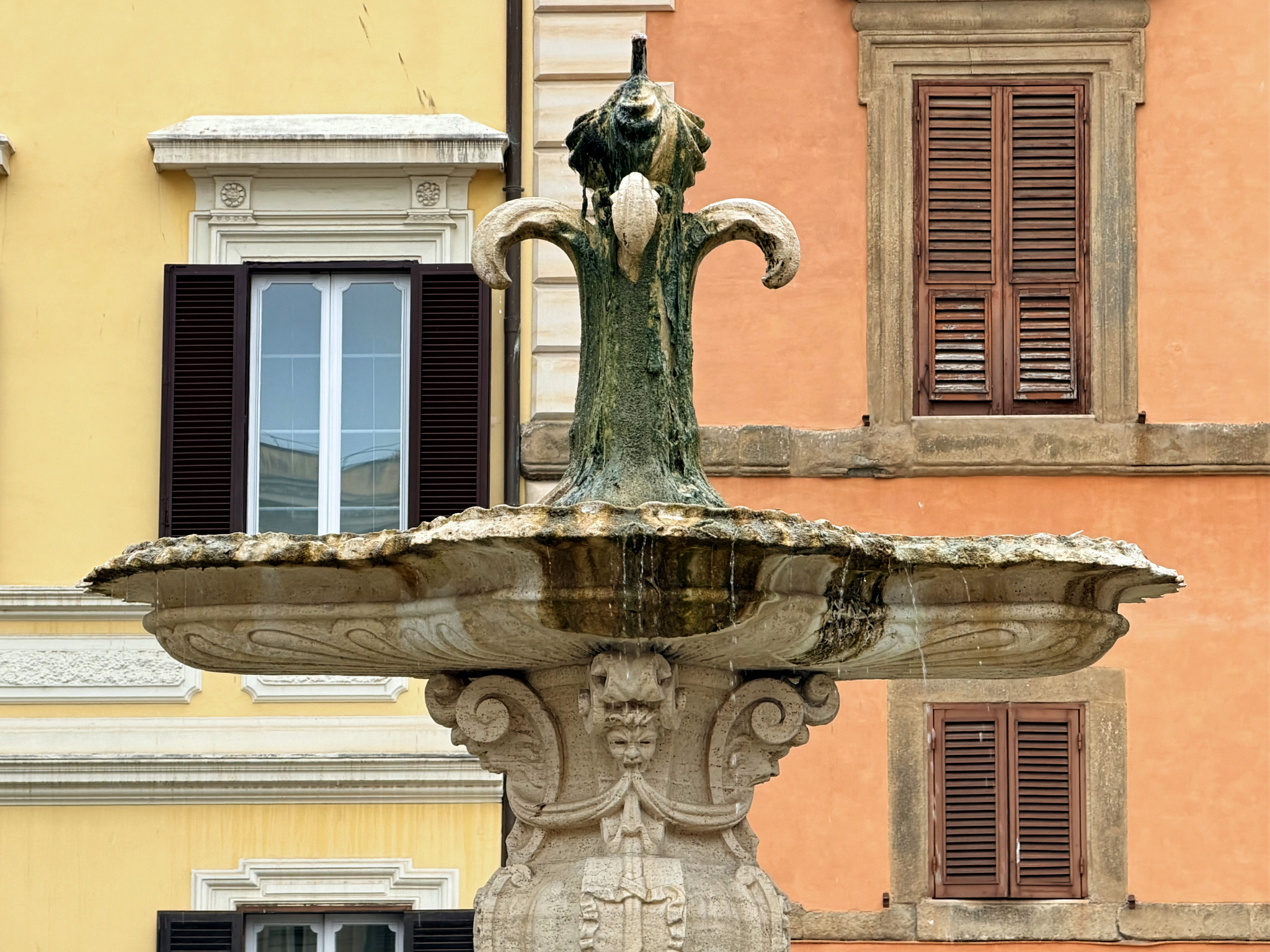
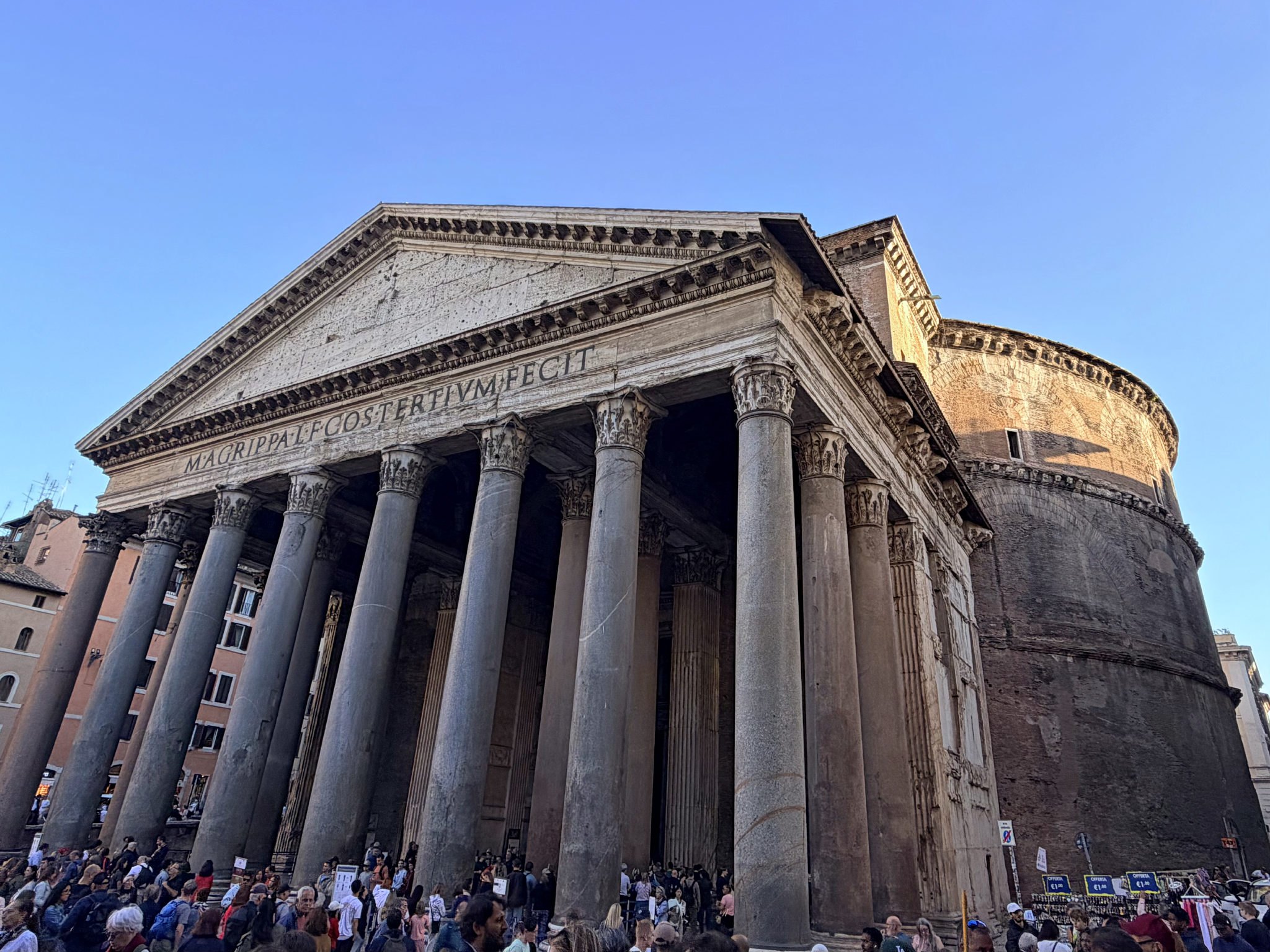
During our post-lunch passeggiata through Rione VI Parione, Julian pointed out the rhythmic ochre and terracotta palette—a color scheme once mandated by the city to replace a mismatch of wood and stone. This historic uniform provided a warm backdrop as we entered the sumptuous Baroque Piazza Navona and continued to the Pantheon. Both were teeming with tourists—a sharp departure from 2015, when we could simply walk right into the Pantheon without waiting in a line. Julian explained that the Pantheon’s 7th-century conversion from a pagan temple to a church is precisely what saved its magnificent dome and marble from being dismantled for building materials. It was a perfect example of a Roman theme: while the key sites were teeming, the quiet, calm soul of the city was often just a block or two away.
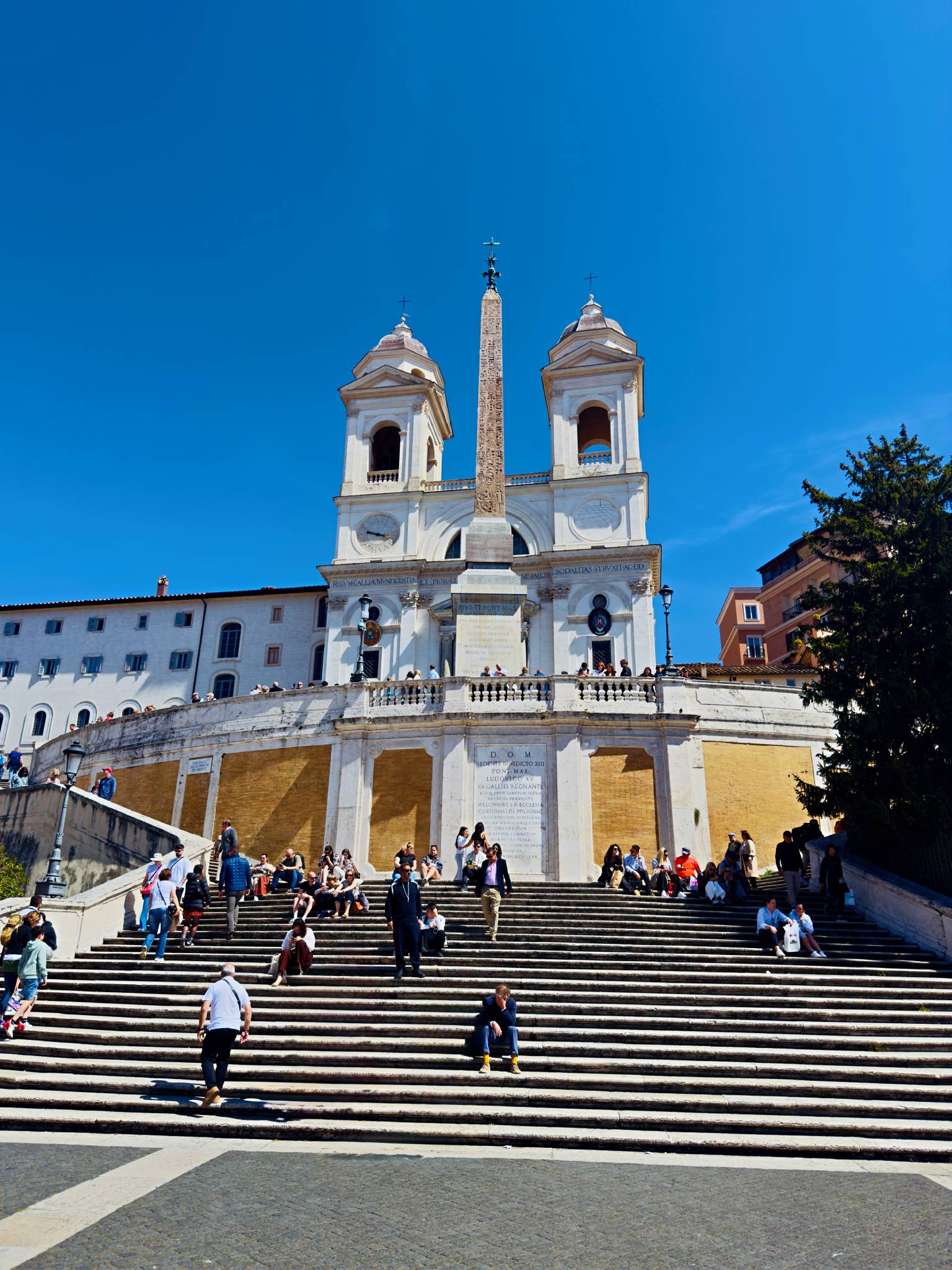
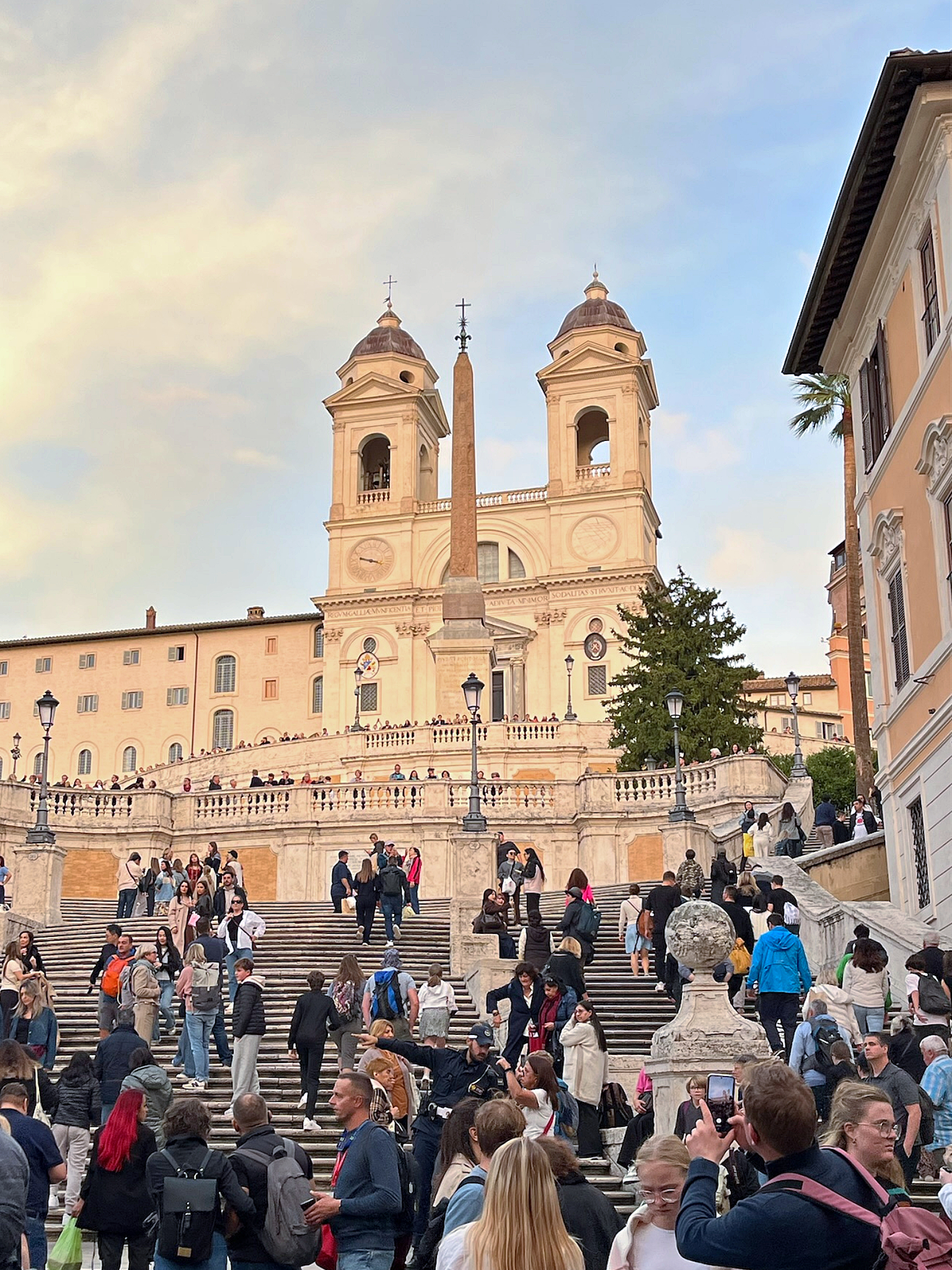
We moved on along Via di Campo Marzio to Piazza di San Lorenzo in Lucina for gelato at Vitti Roma dal 1898, a local staple that has been serving the neighborhood for over a century. We finished our tour at the Spanish Steps (Scalinata di Trinità dei Monti), where Julian explained they earned their name from the Spanish Embassy at the base of the square. He told us how the steps became a legendary meeting point for 19th-century expats and the literati, who were drawn to the area’s beauty and vibrant energy. We bade farewell to Julian with a group hug, having experienced a side of Rome we never would have found on our own.
Aperitivi and Artful Dining at Retrobottega
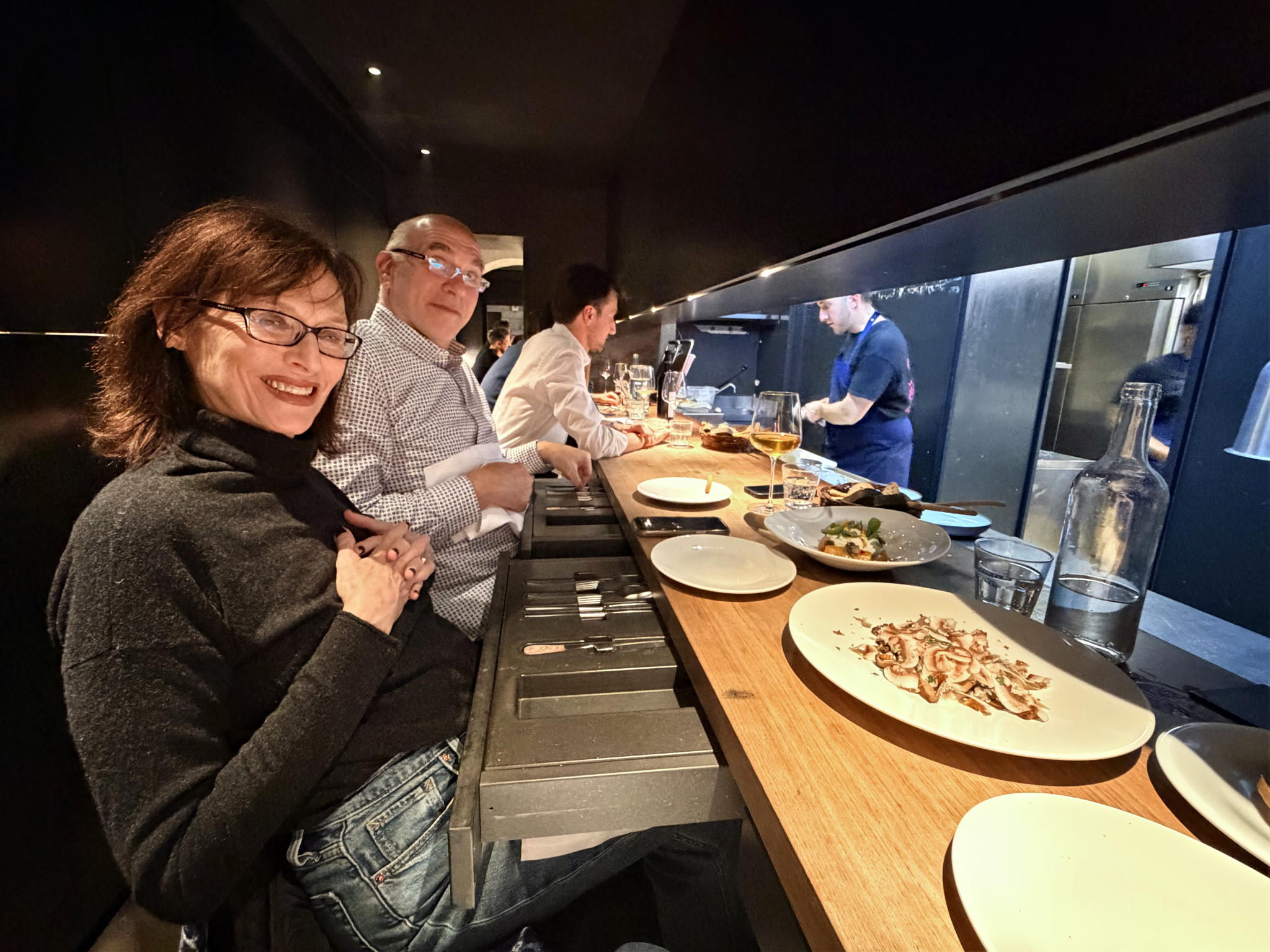
Charles and I stayed in the area after our tour and window-shopped around Via dei Condotti, coming across Artknit Studios, which sells beautiful knitwear made in mills and artisanal workshops across Italy. We each bought a merino cardigan, perfect for the cool fall weather waiting for us back in New York. Later that evening, after aperitivi at the hotel’s private rooftop bar, we had dinner at Retrobottega, a contemporary spot where we sat at the kitchen bar to watch the chefs perform their magic. We chowed down on delicious tortelli stuffed with sautéed savoy cabbage, parmigiano and served in a broth with bay leaf oil, and their secreto di maiale (secret pork) with confit Jerusalem artichokes and salted lemon.
Roman Retail: Navigating the Shops of Monti and the Centro Storico
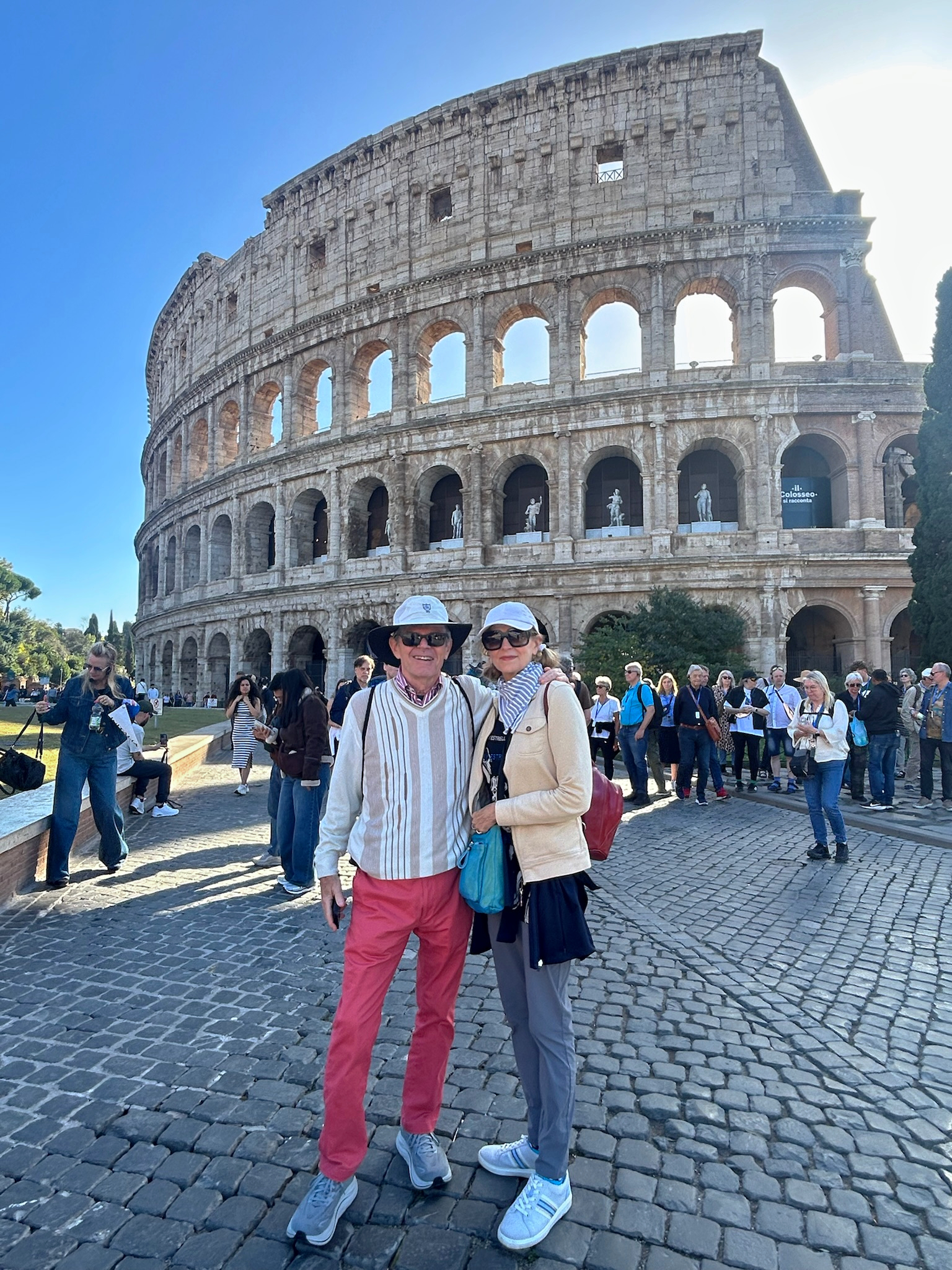
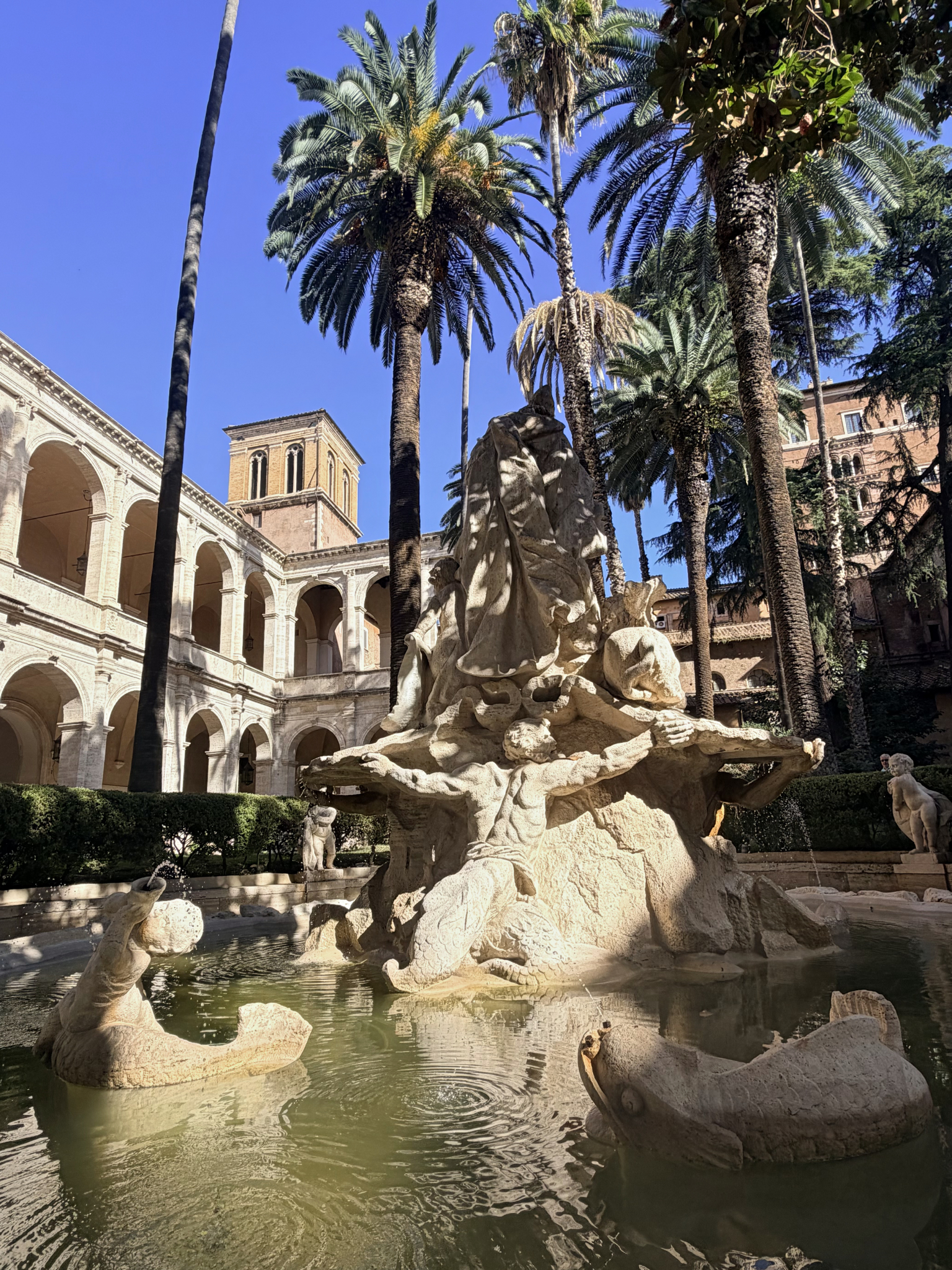
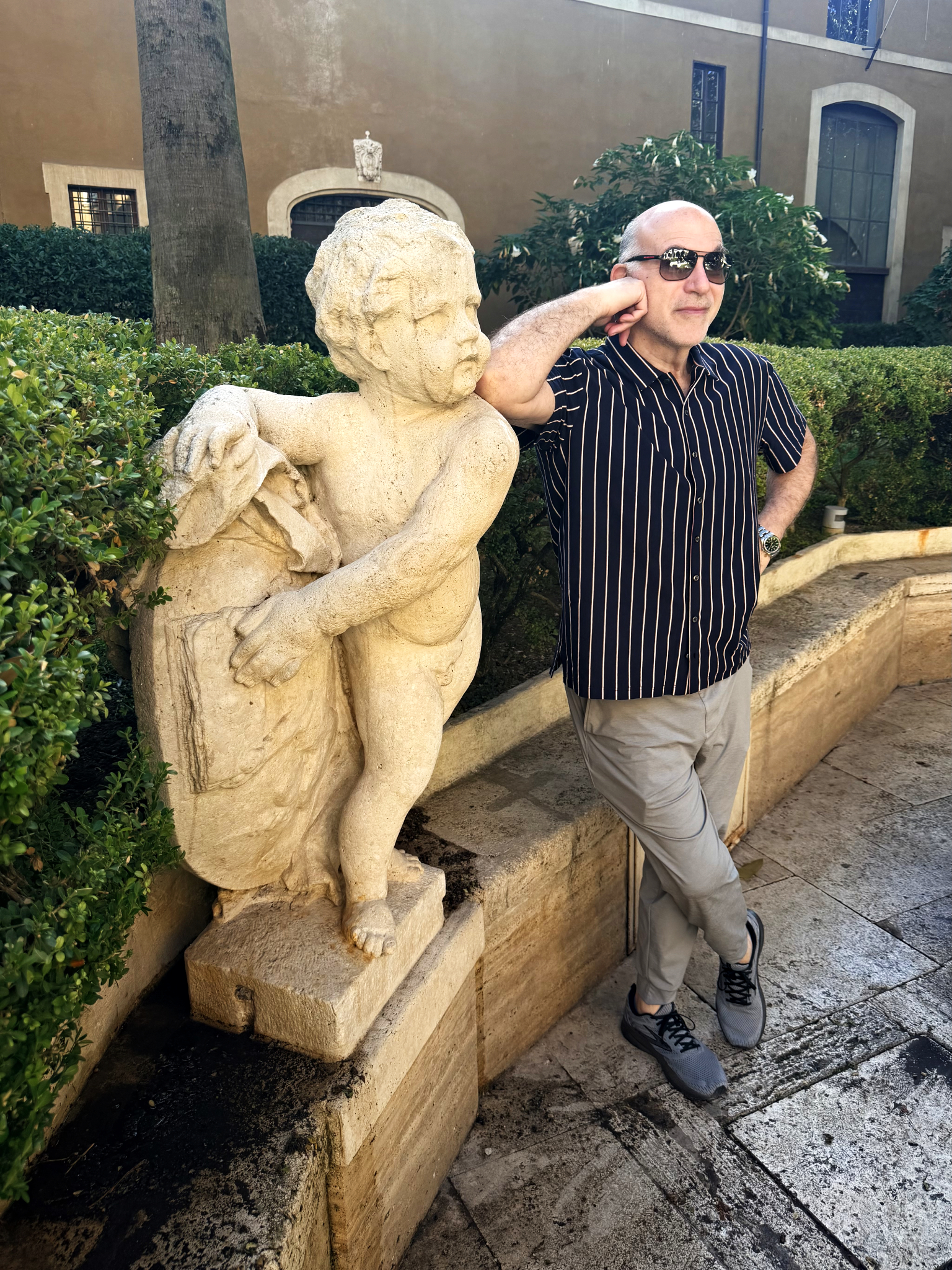
On our last day, Charles and I set out with no specific plans other than to shop and stroll, aided by another day of gloriously sunny, temperate Roman weather. While Richie, Tricia, and Karen headed off to explore the Colosseum and nearby ruins, I took the opportunity to meander through nearby Monti, browsing the curated vintage collections at Humana Vintage and Pifebo. After my solo shopping stint, I circled back to the hotel to pick up Charles, and together we stumbled upon the Palazzo Venezia just around the corner. We were pulled into its interior garden, which was open to the public—a hidden paradise of palm trees and porticoes where squawking parrots flitted through the trees above the fontana Venezia sposa il mare. It was one of those magical moments of discovery by chance.
A few blocks away, we came across a men’s store called Montezomolo near the back of the Pantheon and picked up luxury joggers in a gabardine-like fabric; they were such a hit that we ended up ordering several more colors online once we got home—after discovering they ship to the U.S. for free! We also ducked into Strategic Business Unit on Via del Governo Vecchio in the Centro Storico near Piazza Navona, a street lined with affordable local shops and quality fashion. There, I found a beautiful flannel woven in a heathered merlot.
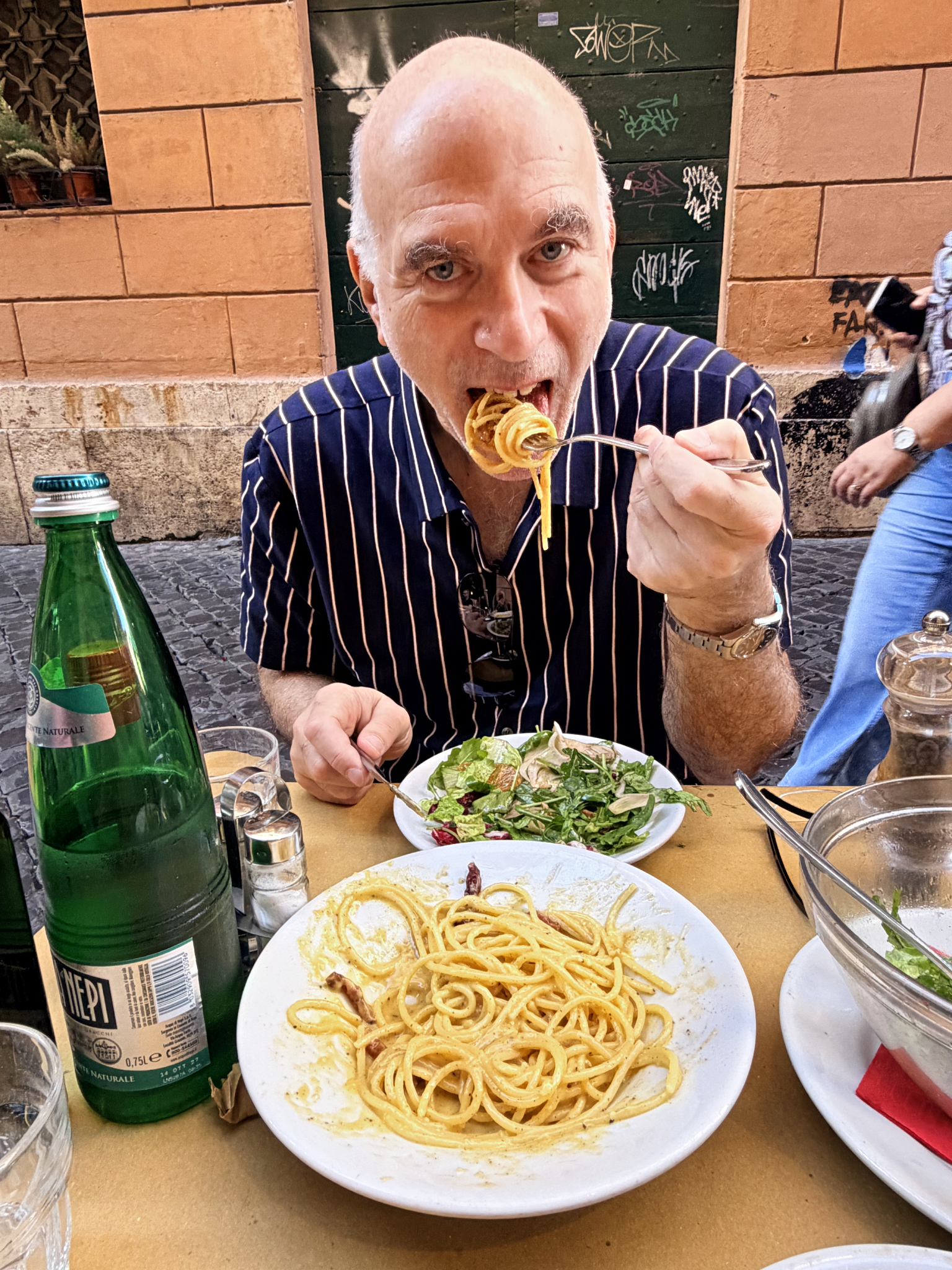
For lunch, we snagged an outdoor table at Il Corallo for one final, delectable carbonara. Tucked away on a charming side street, the restaurant provided the quintessential Roman dining experience, with the sun warming our table as we watched the city drift by. It was the perfect spot to toast to a successful trip, lingering over our wine and soaking in the lively, neighborhood energy one last time.
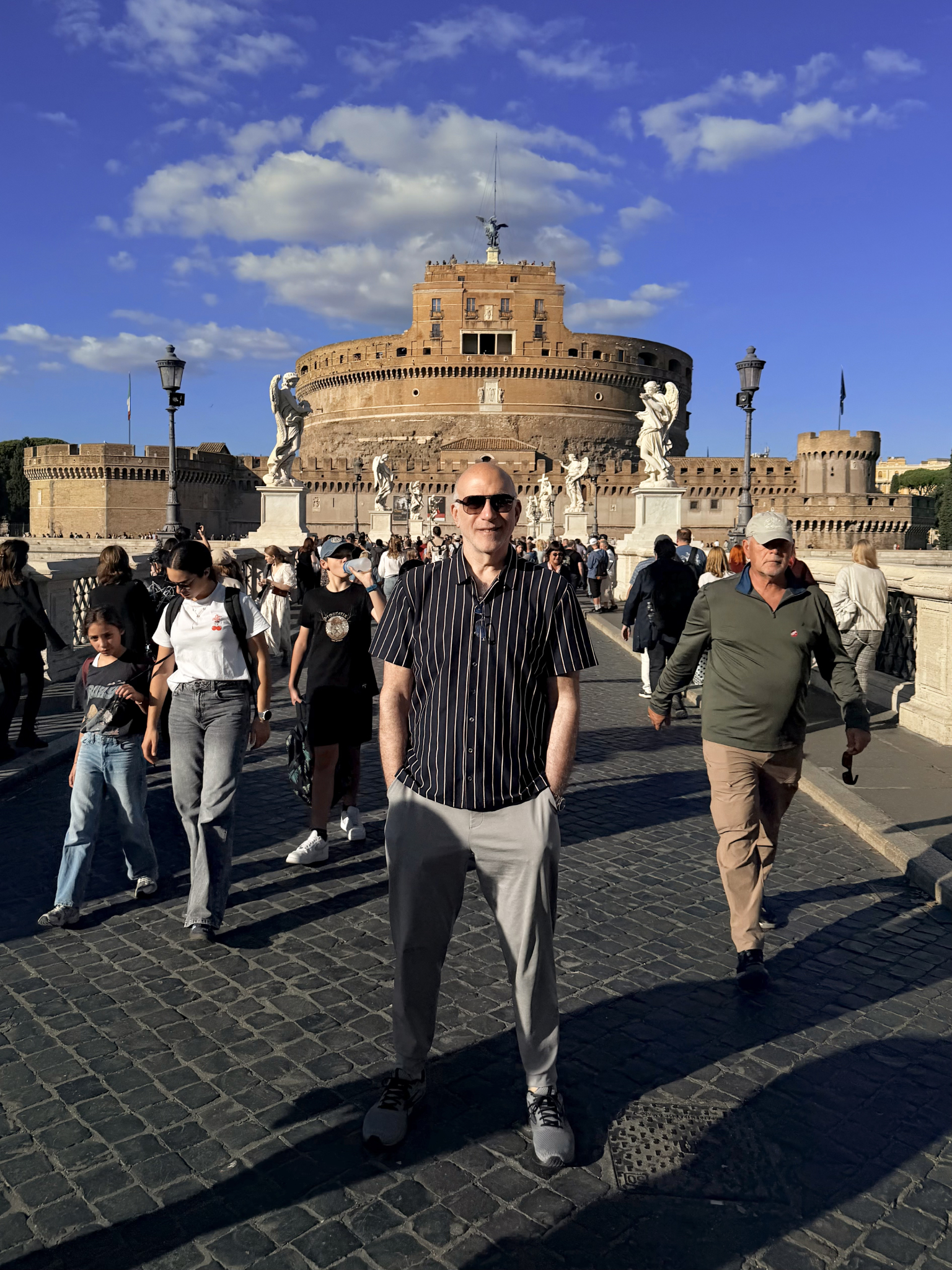
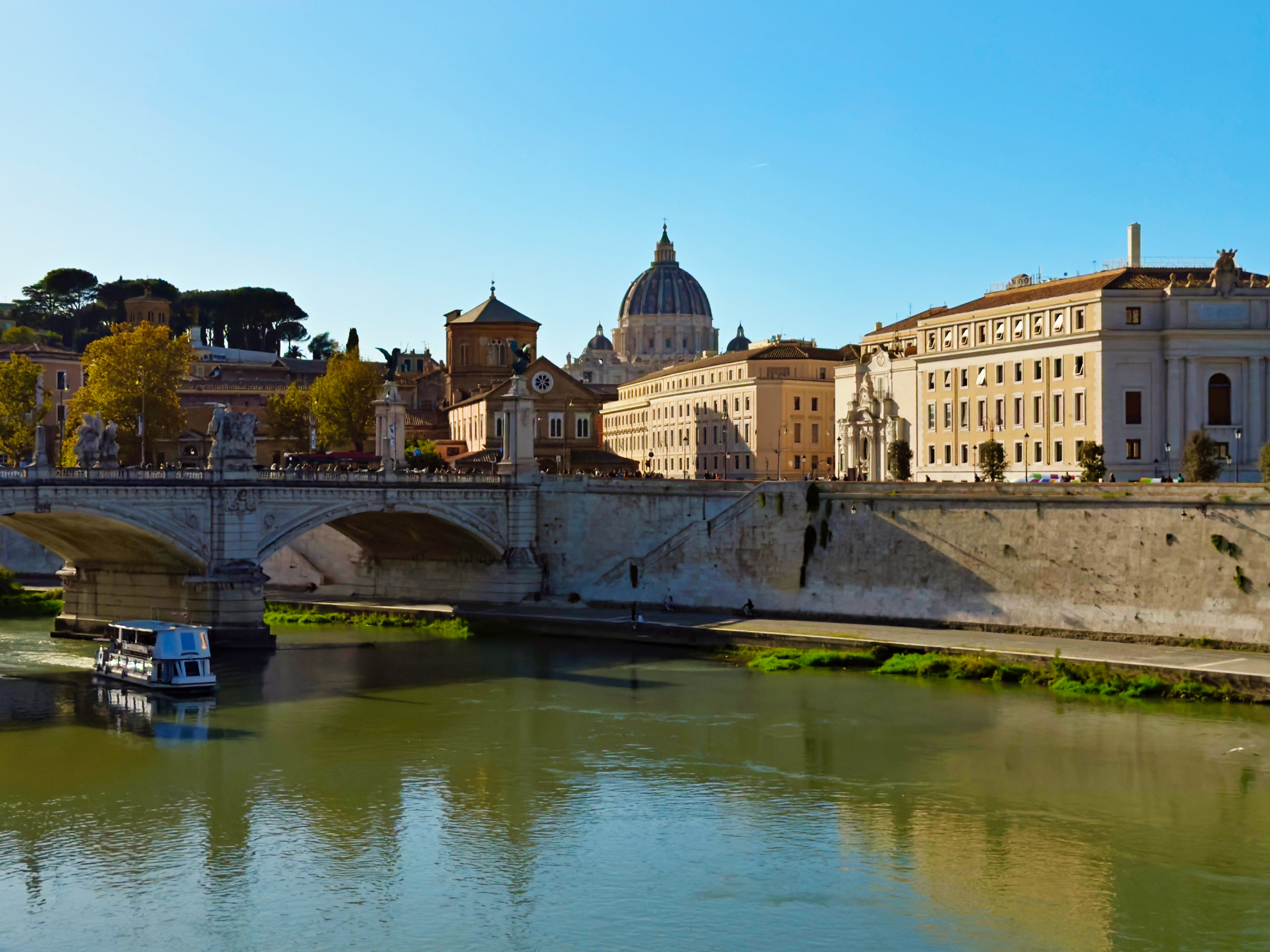
We then walked over to Ponte Sant’Angelo for the iconic views of Castel Sant’Angelo—which I had never seen in person all the times I had been to Rome—and of the Tiber with Saint Peter’s Basilica in the distance. We then ambled down Via dei Coronari, a treasure trove of historic shops filled with antiques, priceless art, and niche Italian labels. It was there that I discovered Massimo Alba and couldn’t resist a tangerine-colored corduroy shirt with a mao collar—a truly unique find.
A Garden Oasis at Le Jardin
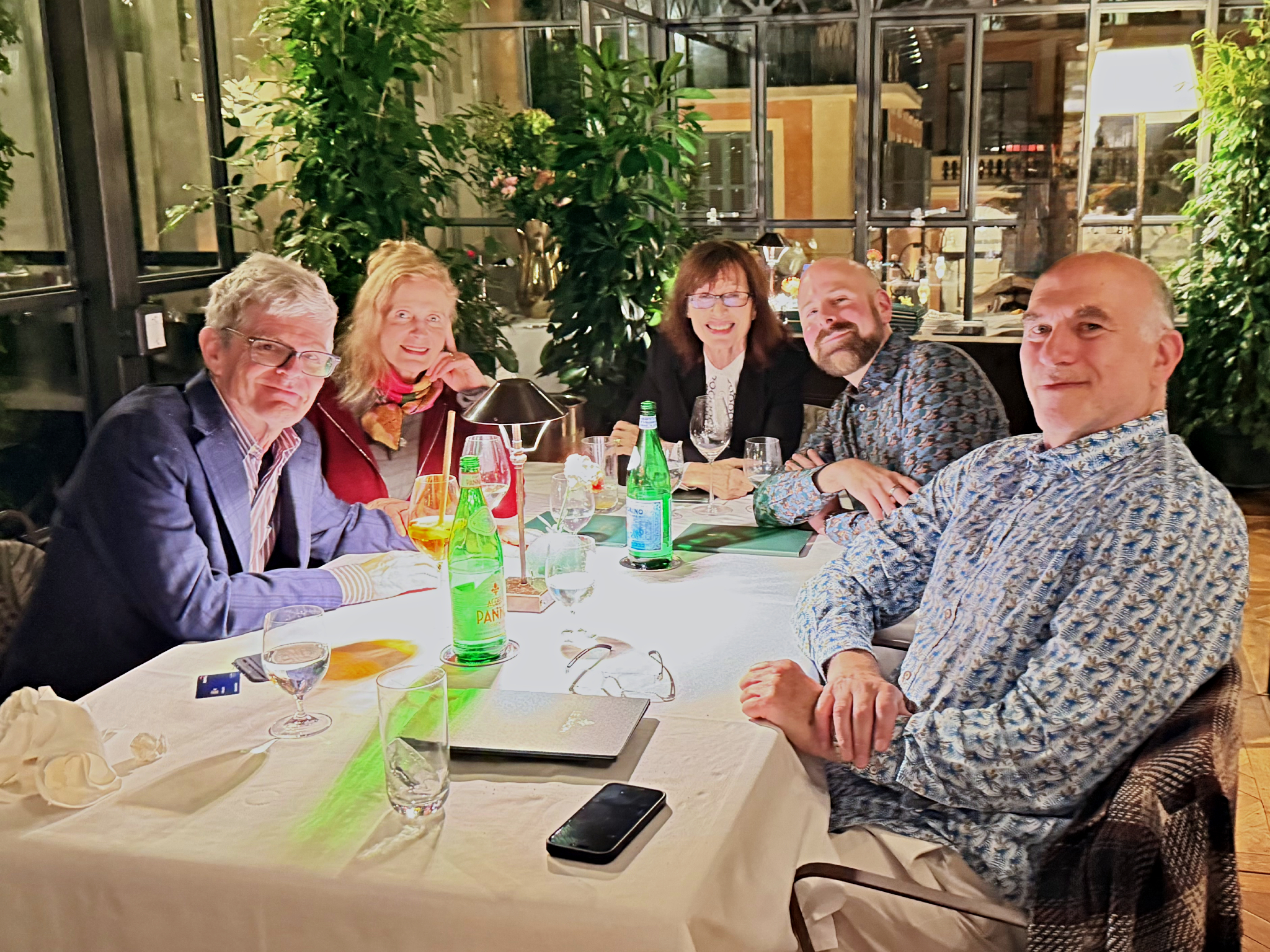
For our “last supper,” we headed to the luxurious Le Jardin at the Hotel de Russie. The setting is a true Roman sanctuary—a private, multi-tiered terrace garden that backs right up to the lush greenery of the Villa Borghese. While the meal itself was merely passable, the stunning, verdant atmosphere more than made up for it. Afterward, we went for one final gelato at Fatamorgana Croce, known for serving flavors you won’t find anywhere else in Italy. I opted for the goat cheese with fig, honey, and walnuts; it was pungent and sophisticated without being overly sweet, which is exactly how I like it.
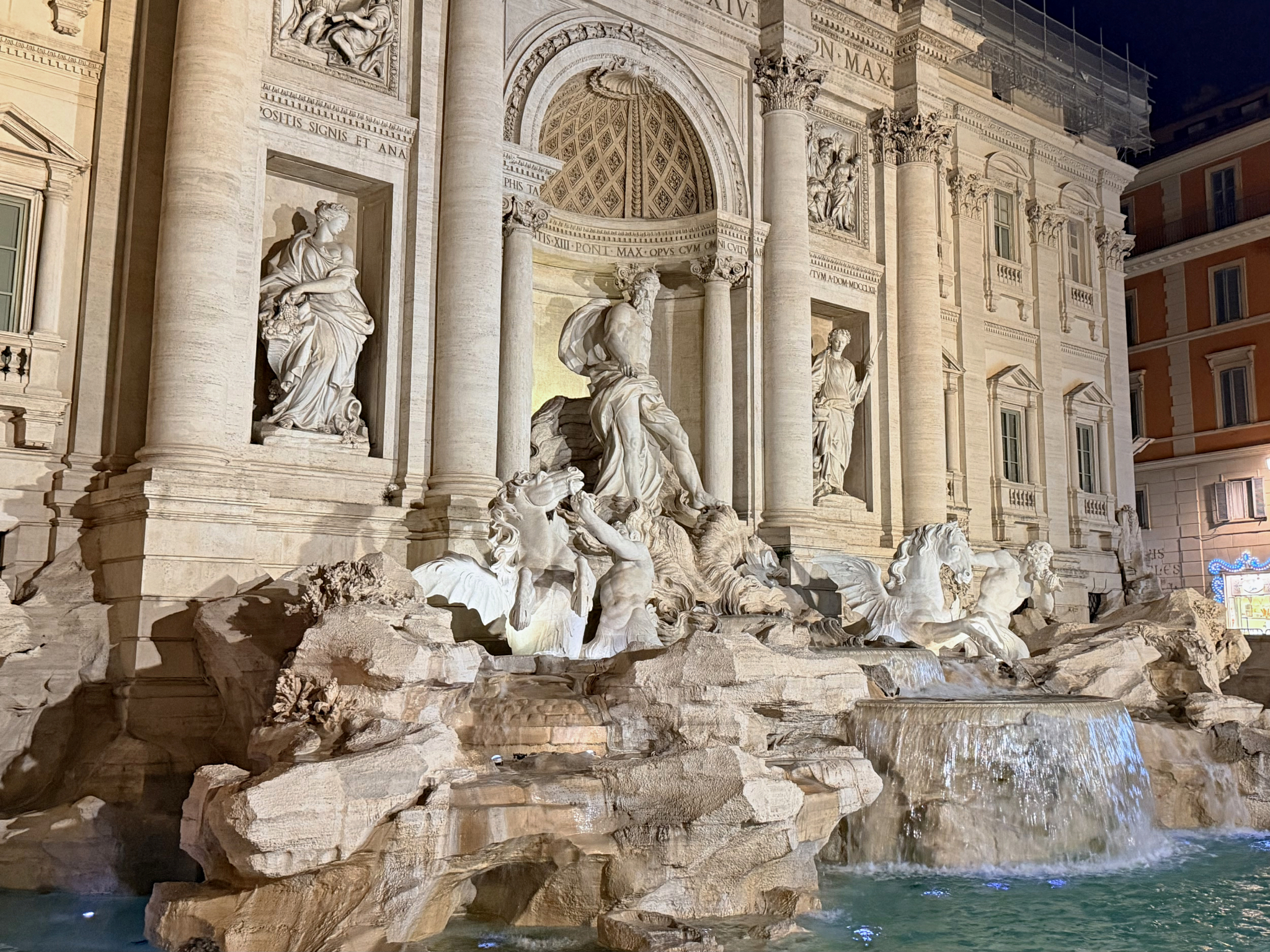
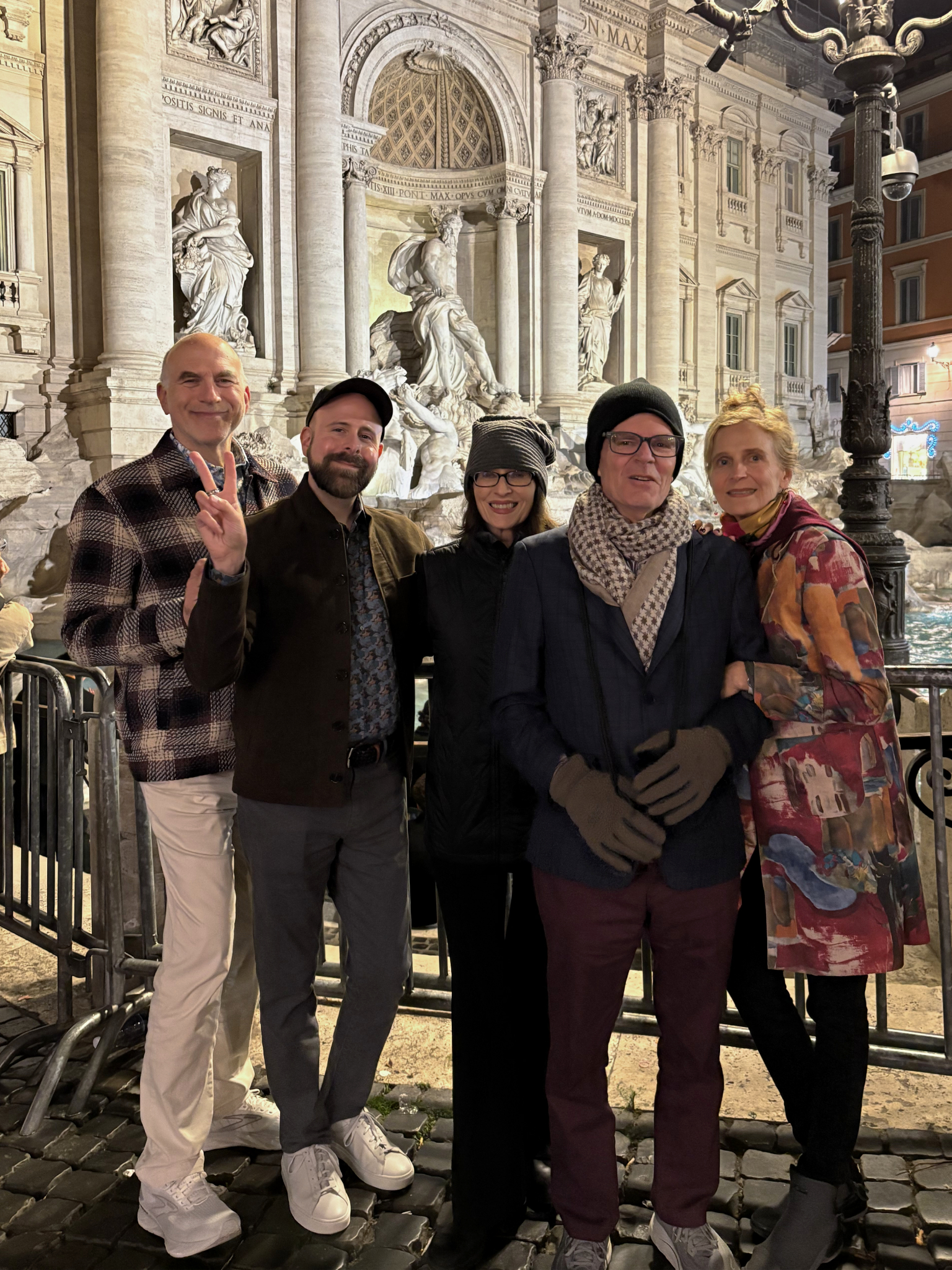
On our way back to the hotel, we finally made a stop at the Trevi Fountain. We had intentionally avoided it all week due to the overwhelming crowds, but by night, the mass of people had thinned out just enough for us to finally capture a nice photo of our group against the illuminated water.
Looking back, these two trips offered the perfect duality of Rome. While we shared some incredible, deeply informed “touristy” moments with Julian, the real magic was found in the spaces between—drifting through the vicoli with no real agenda, discovering hidden gardens, and simply soaking in the effortless rhythm of la dolce vita.

Last visited in October, 2025