Umbria, Italy
Postcards from Umbria: A 5-Day Guide to Italy’s Green Heart
Forget the crowded streets of Florence for a moment. Just a few hours south lies Umbria, a region of mist-covered valleys, silver olive groves, and hilltop towns that feel frozen in time. From ancient stone citadels to the rugged landscapes of the Sibillini Mountains, here is an insider’s guide to an authentic Umbrian road trip.
Day 1: From Tuscan Heights to Umbrian Nights
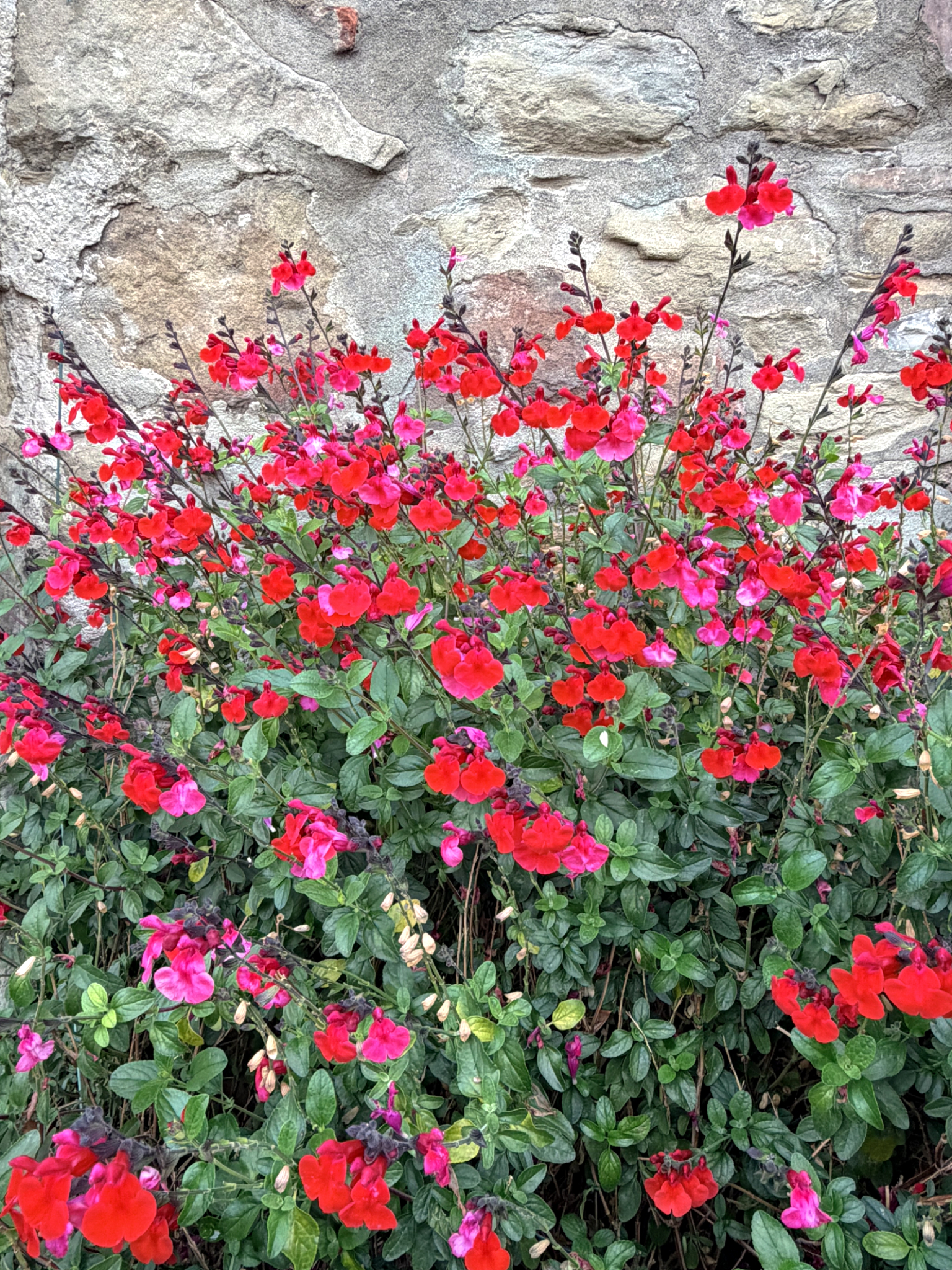
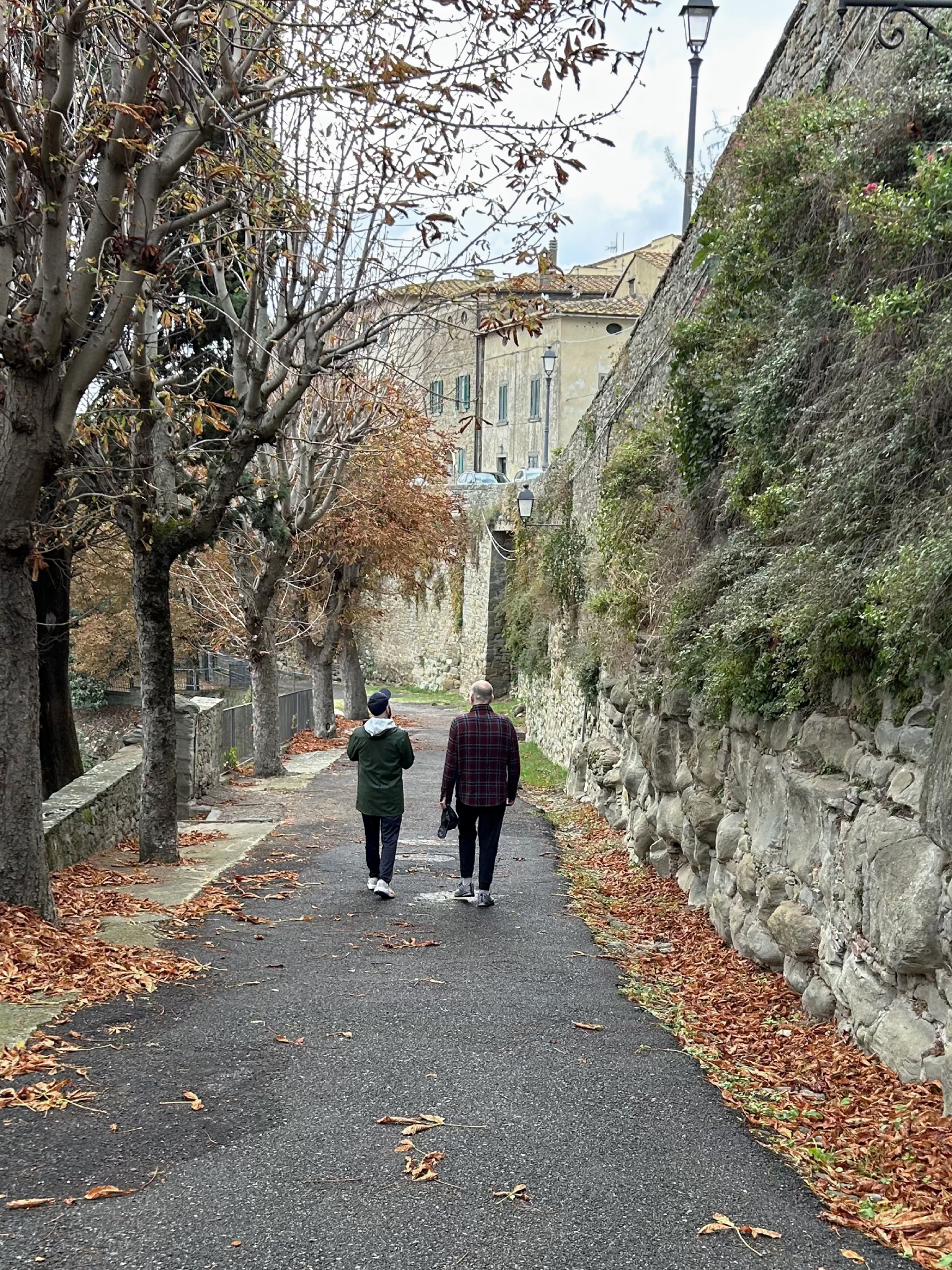
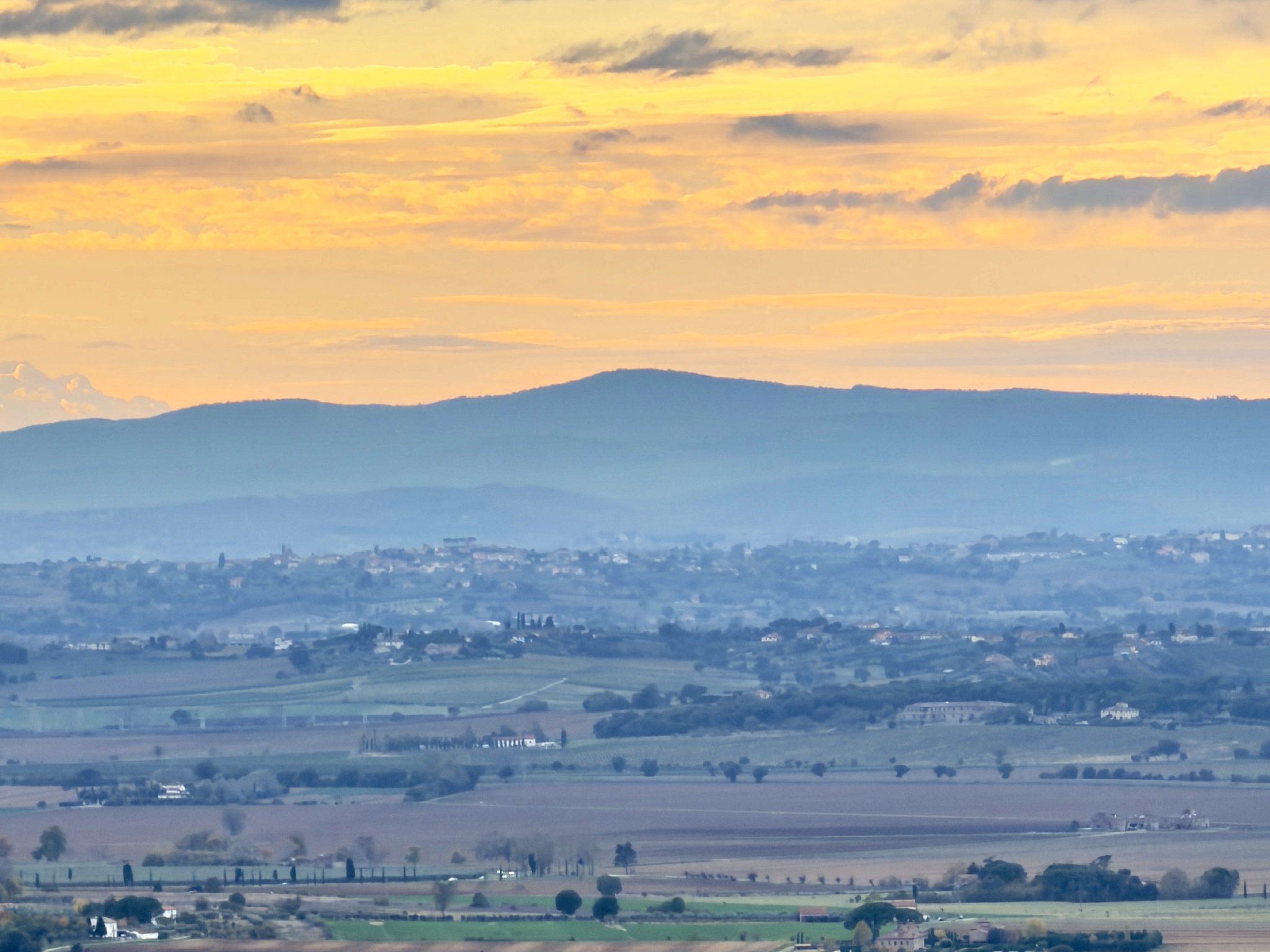
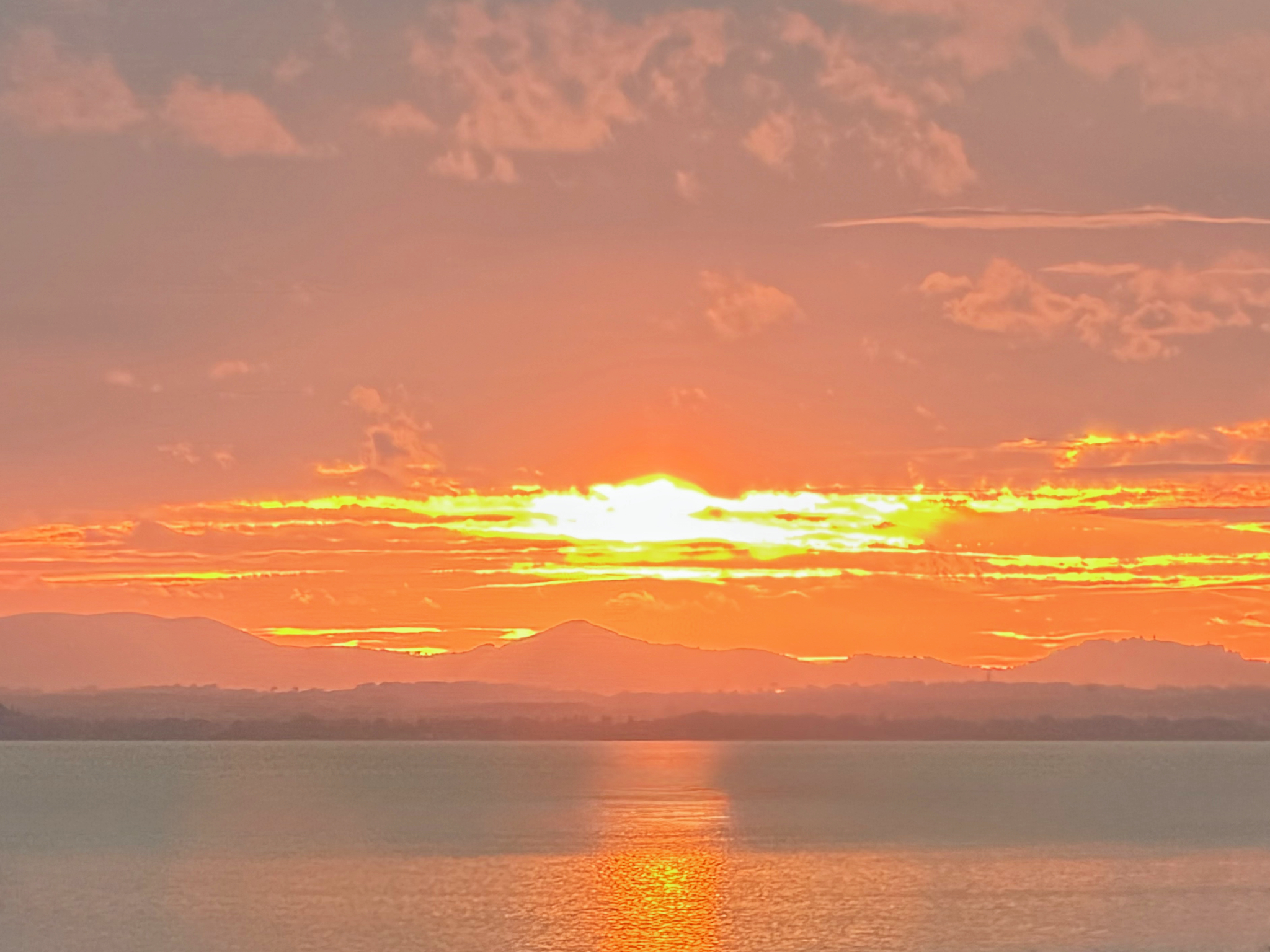
Our journey began with a drive from Florence, fueled by a successful stop at the secret Prada Space outlet in Levanella before crossing into the rugged beauty of the Chiana Valley. For our last stop in Tuscany, we climbed to the hilltop gem of Cortona. The views from the punto panoramico at the Piazza del Duomo are vast, stretching across the valley toward Lake Trasimeno.
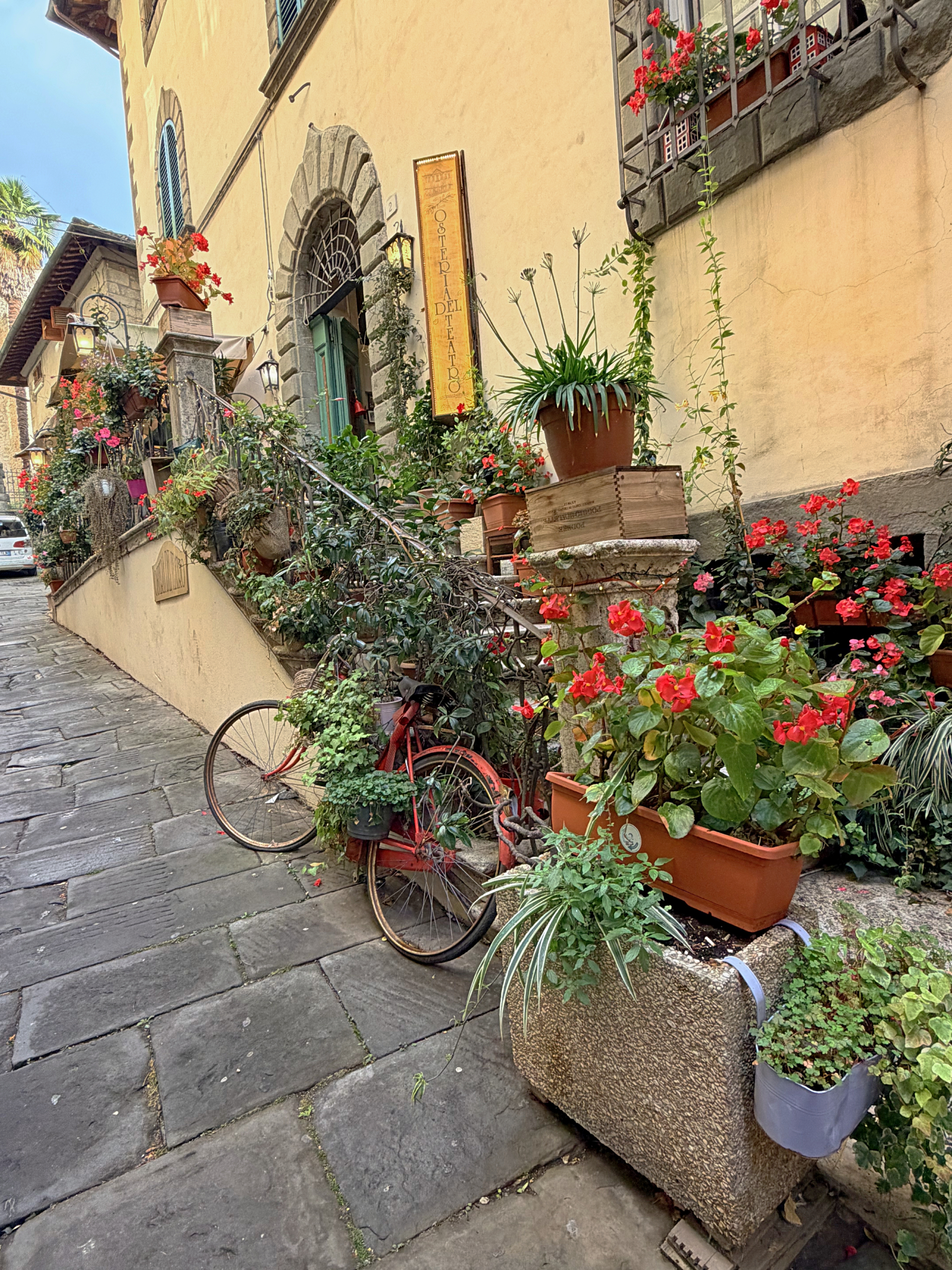
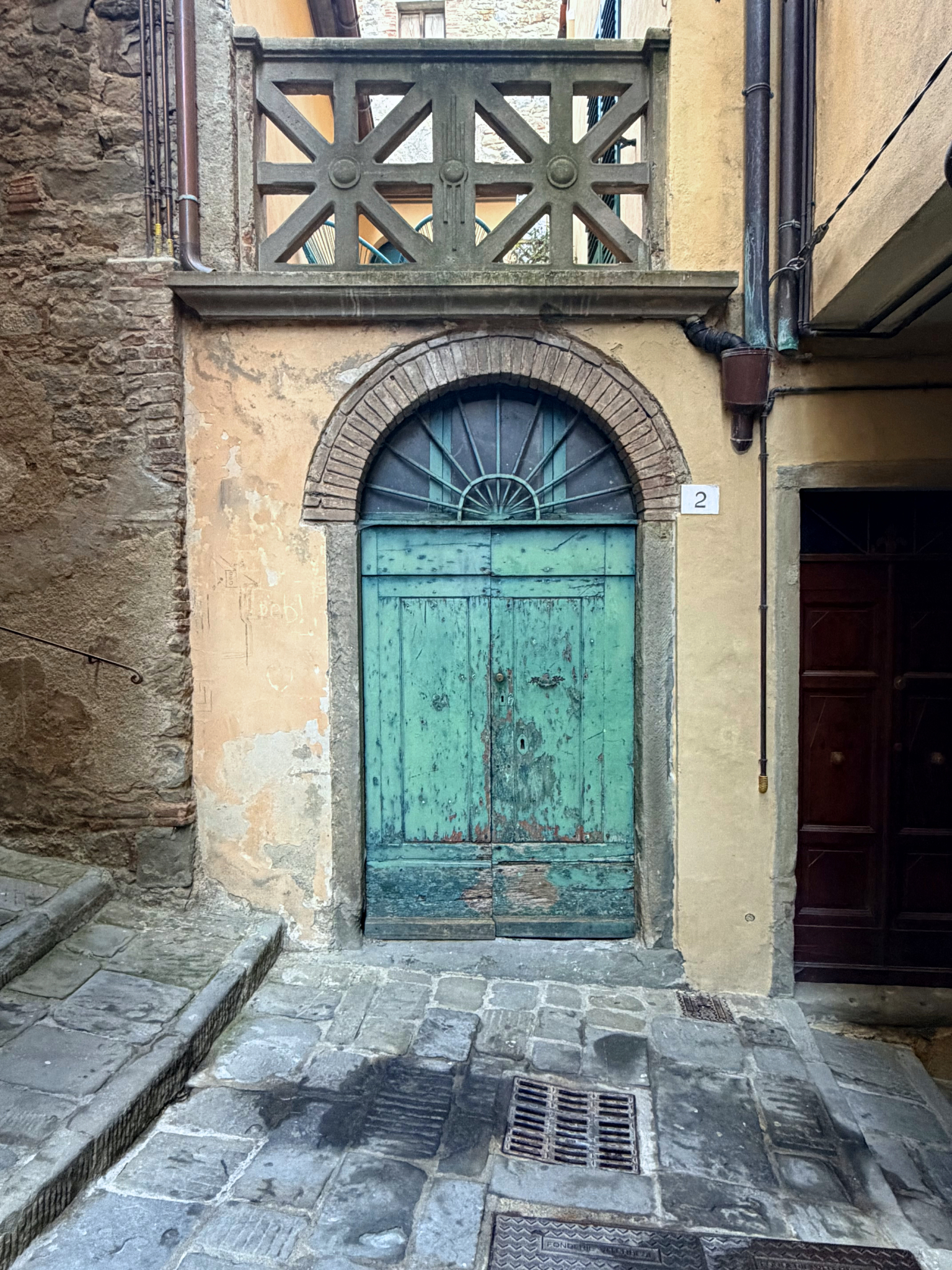
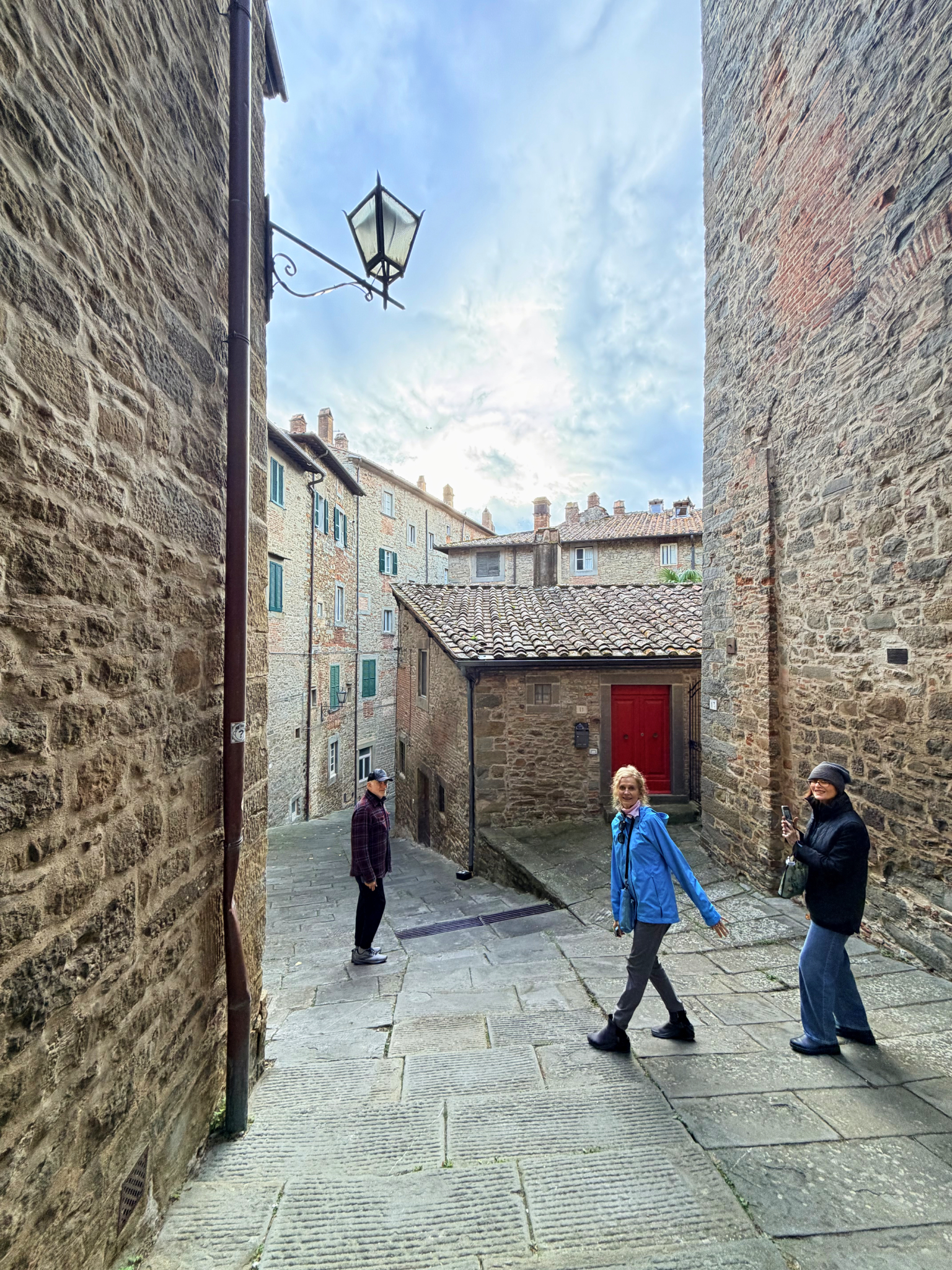
We hiked up to Piazza della Repubblica, the town’s civic heart, where the 13th-century Palazzo del Comune dominates the square with its iconic stone staircase. To truly feel the town’s pulse, we wandered the narrow vicoli that climb the hillside, where laundry hangs between medieval stone walls and every turn reveals a hidden courtyard.
Sanctuary in the Hills: A Steep Arrival
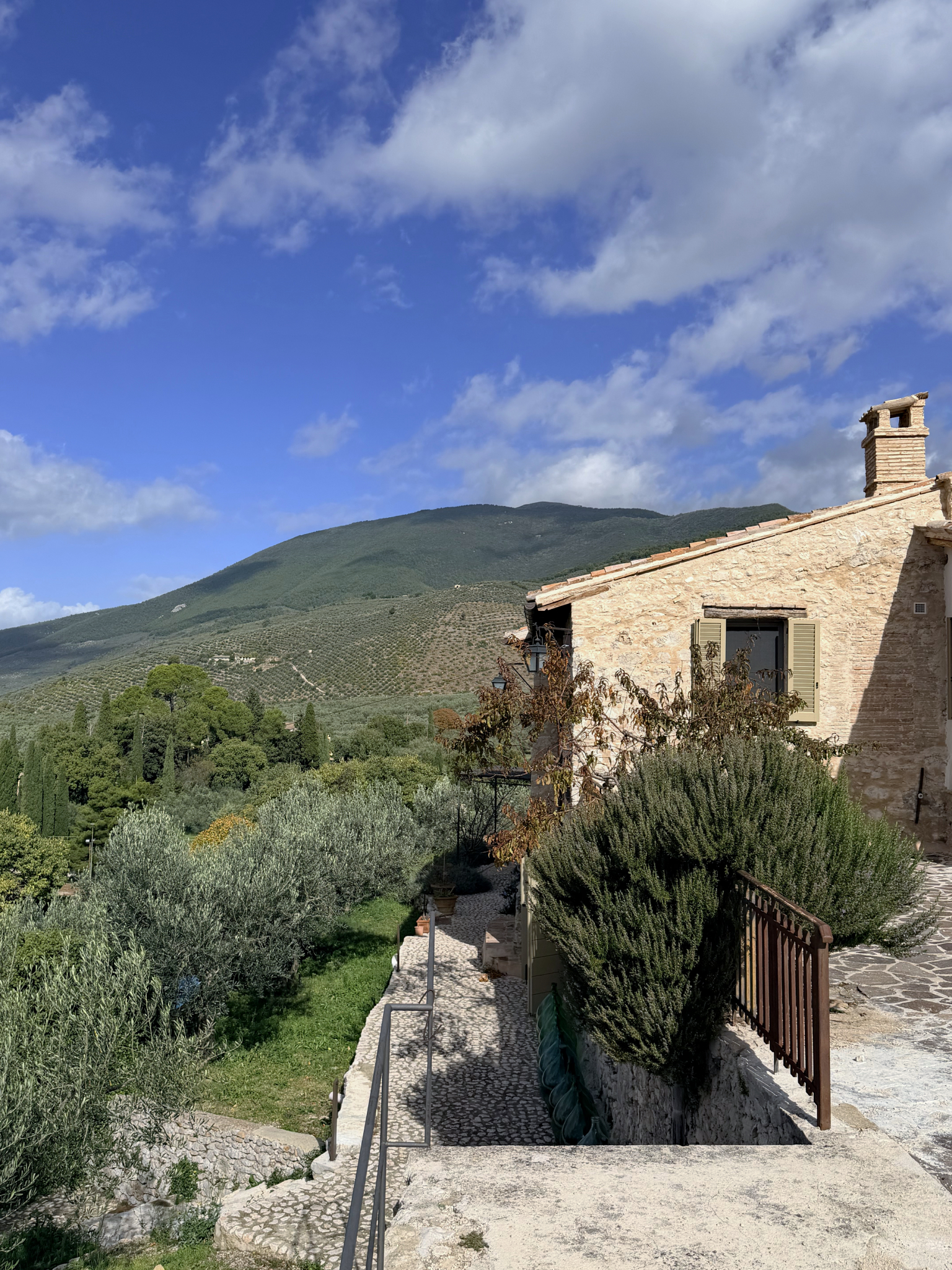
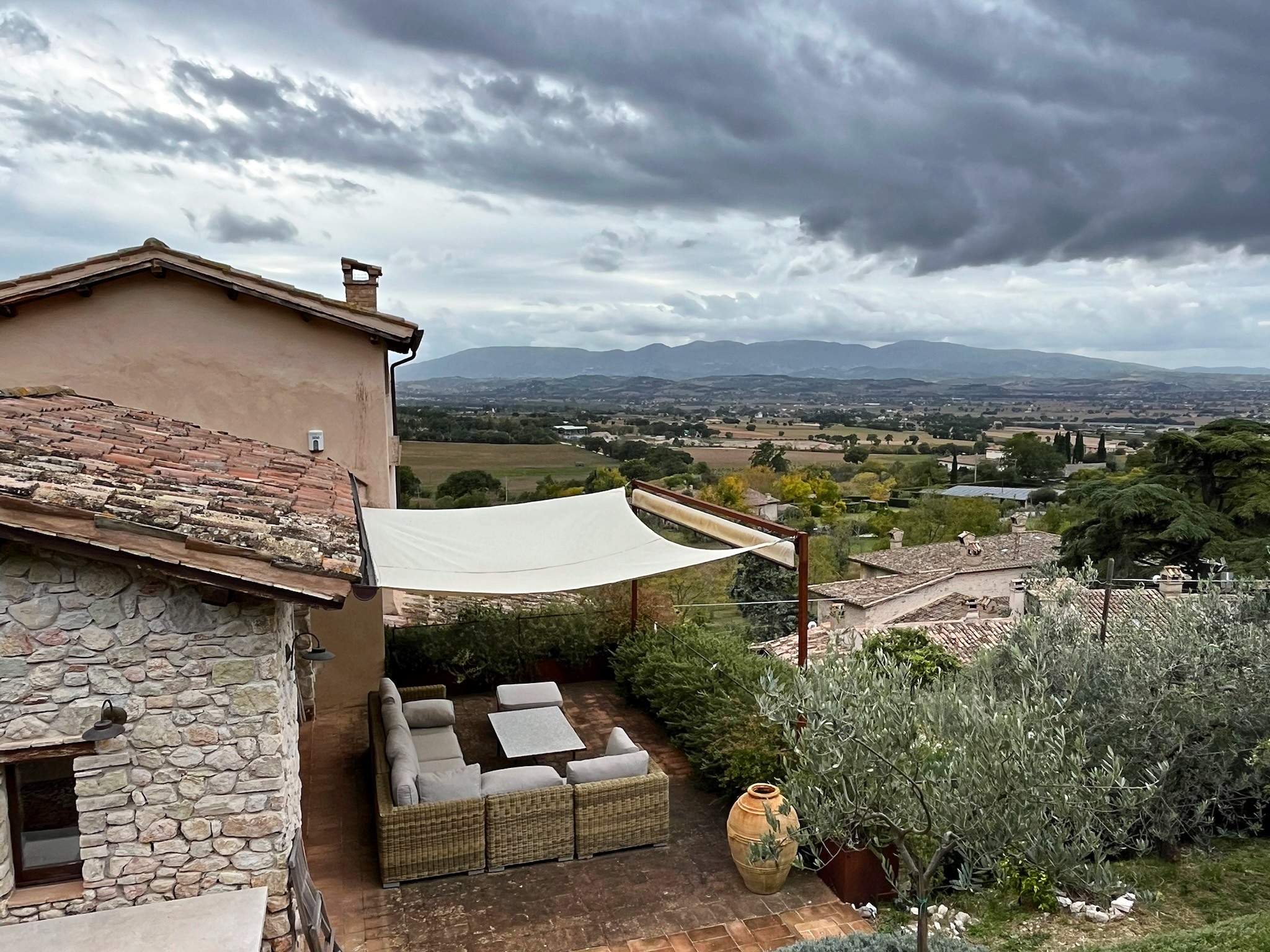
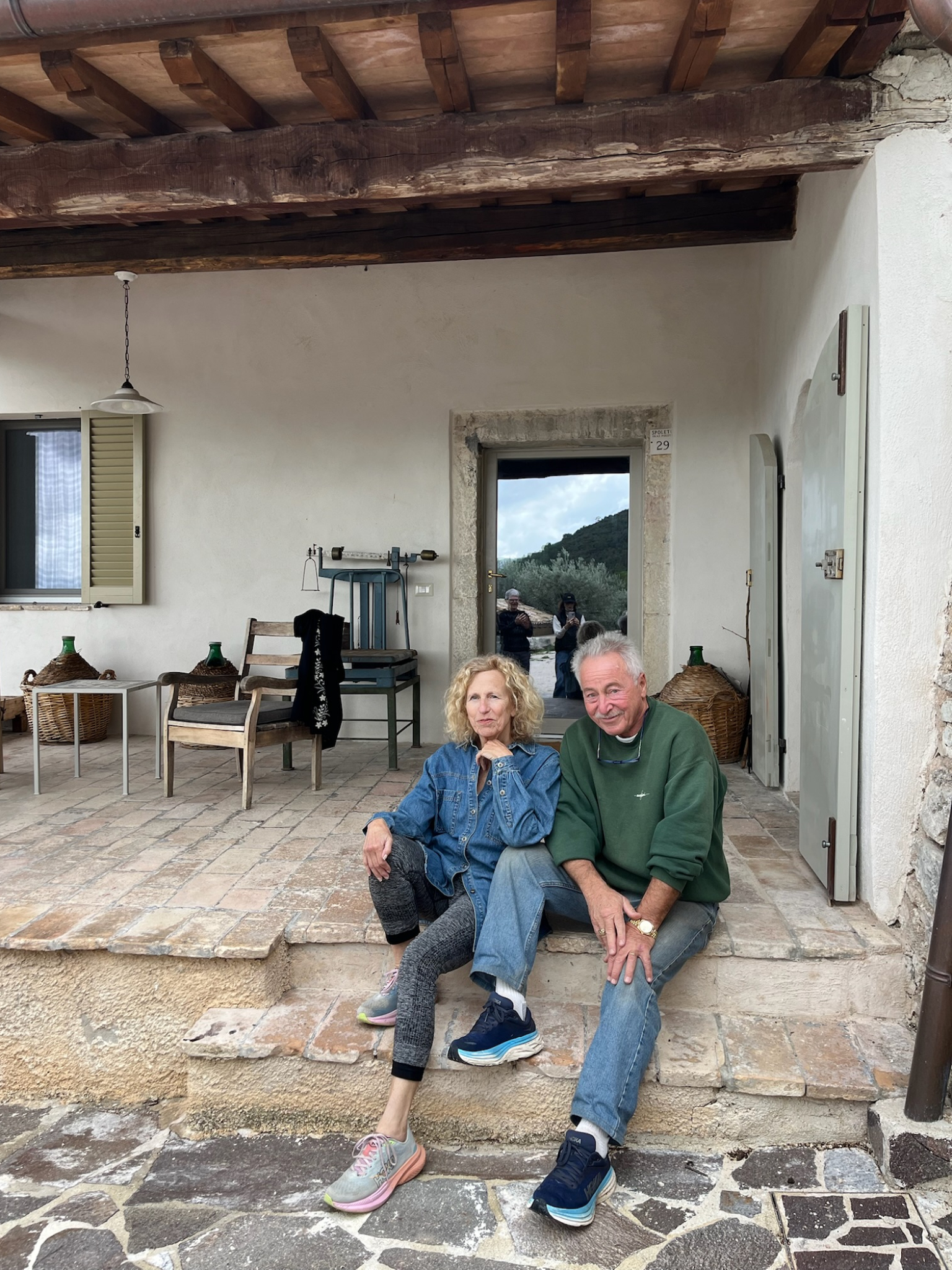
A 90-minute drive from Cortona brought us into the heart of Umbria to the tiny hamlet of Poreta. Karen’s childhood friend, Amy, and her husband Jim, own a villa there which they adoringly named Torre dell’Anima. They recently renovated a guest house just up the hill, and that is where we stayed for our retreat in the Umbrian countryside.
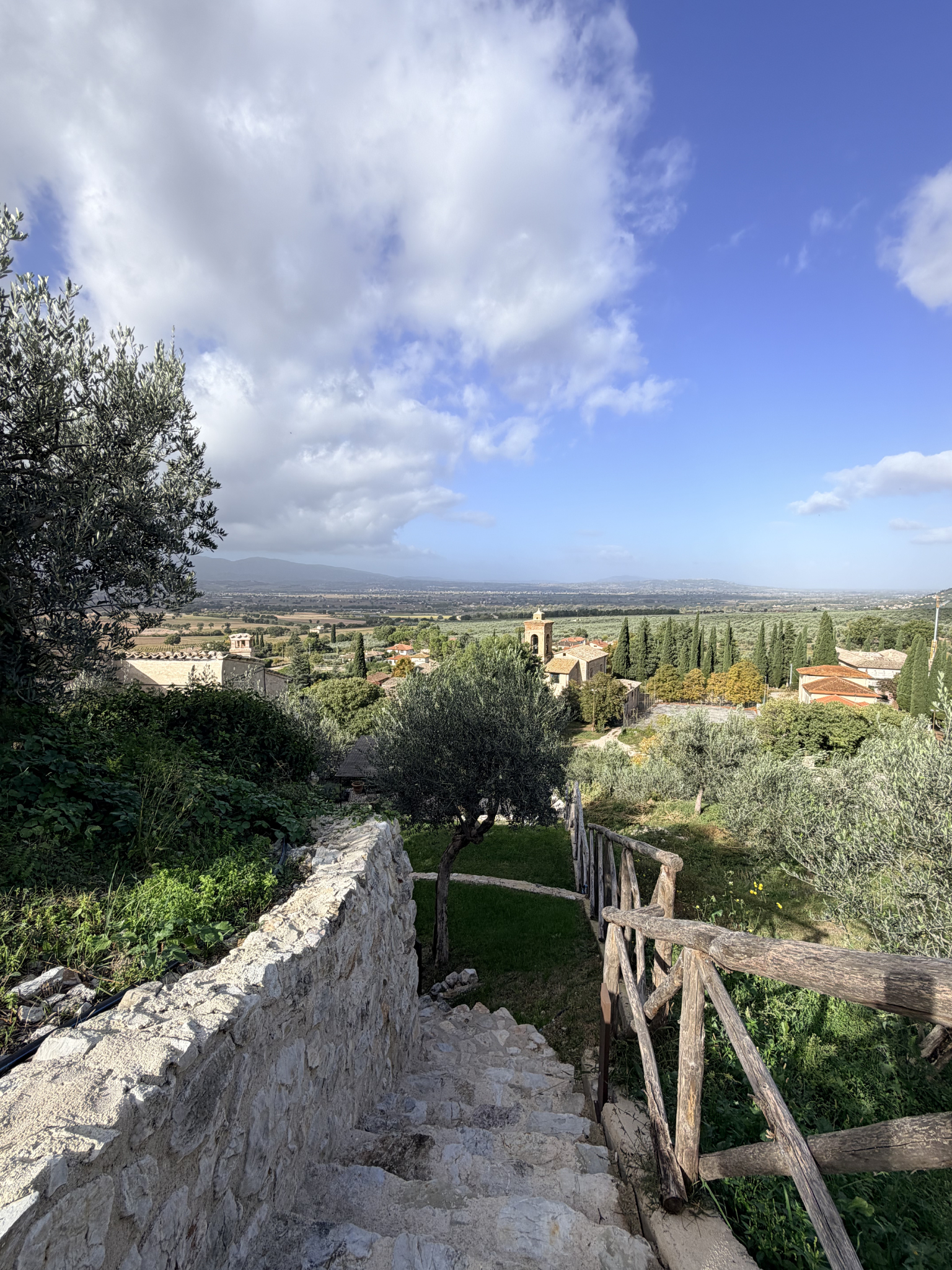
The ascent to the driveway of the guest house was a true “white-knuckle” experience, as Charles navigated a one-car lane along the edge of a cliff in the rain at night. However, the destination was worth every bit of angst. The house is stunning, carrying a rich history that Amy and Jim have carefully preserved. They acquired the property from an elderly brother and sister who grew up there; originally, the house had only three rooms and didn’t see working plumbing until the 1980s.
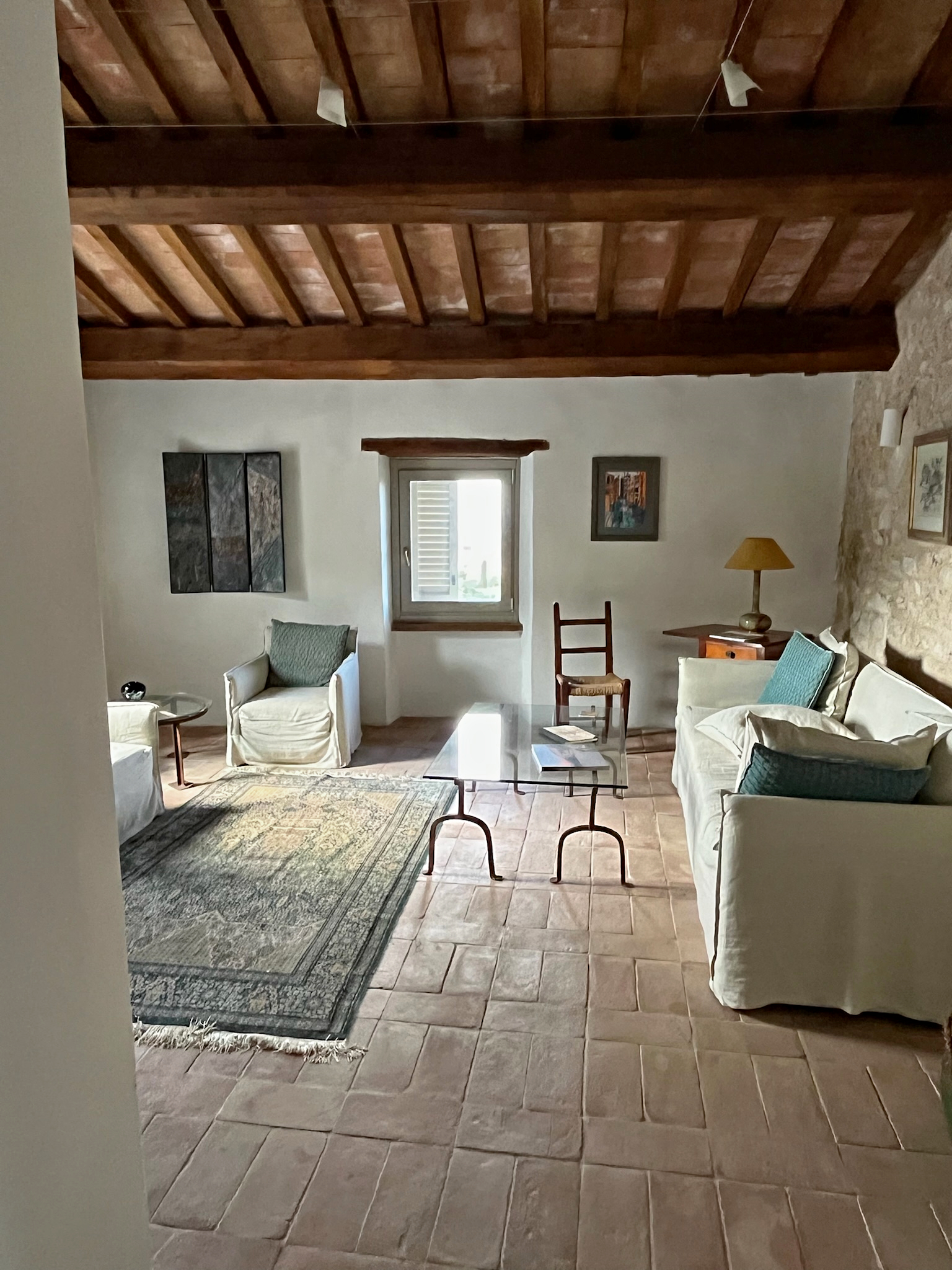
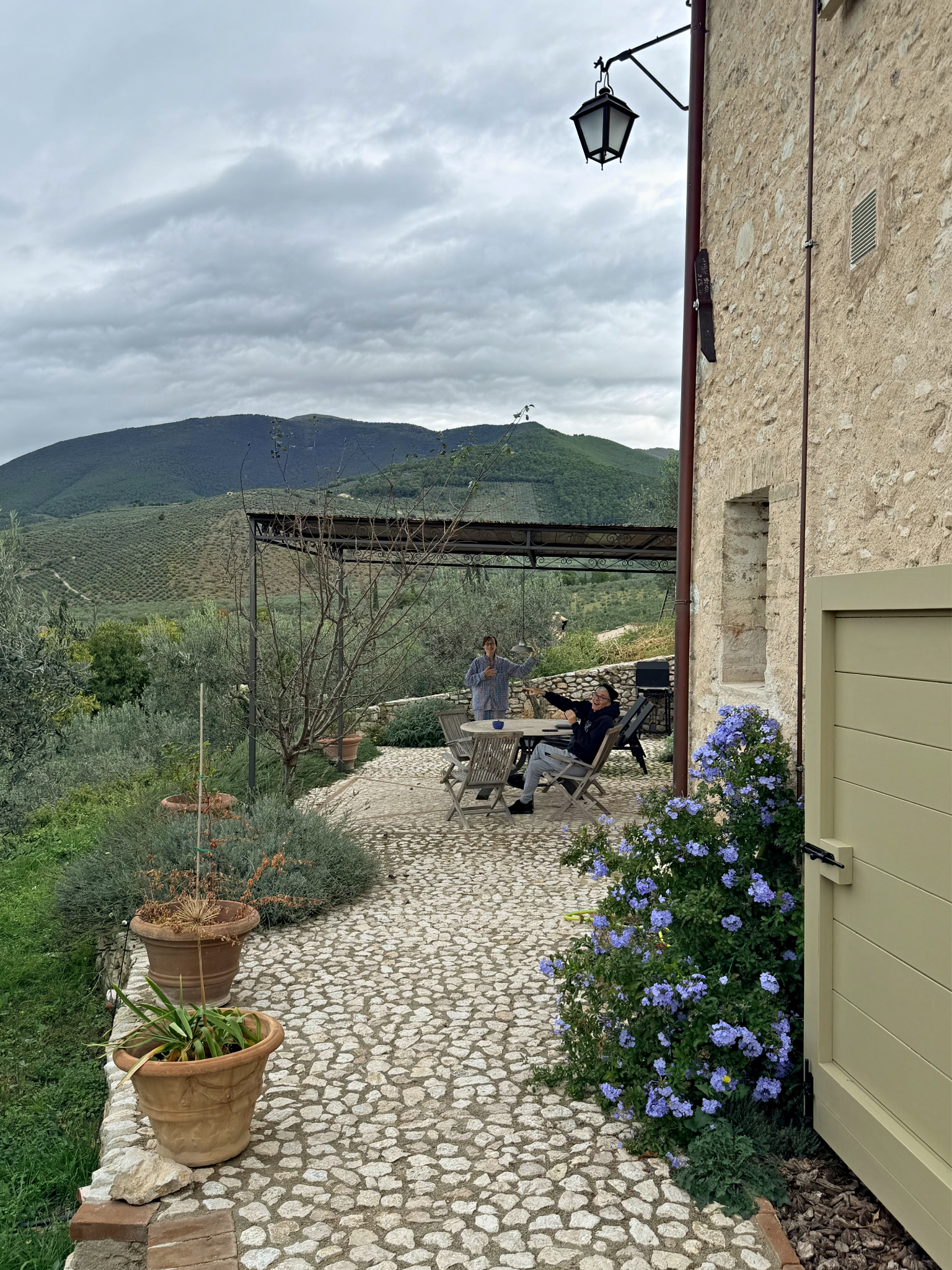
In a classic rural Italian layout, the bottom level was once reserved for goats and cows, with various storage spaces attached to the main house. All the spaces were combined into a lovely and very comfortable four-bedroom, four-bathroom villa. Dinner that first night was a quick walk downhill to Torre dell’Anima, where Jim had prepared a delicious pumpkin soup and whole roasted salmon—a simple, elegant meal that served as the perfect welcome to the warmth of Umbria.
Day 2: Hillside Hikes and the Balcony of Umbria
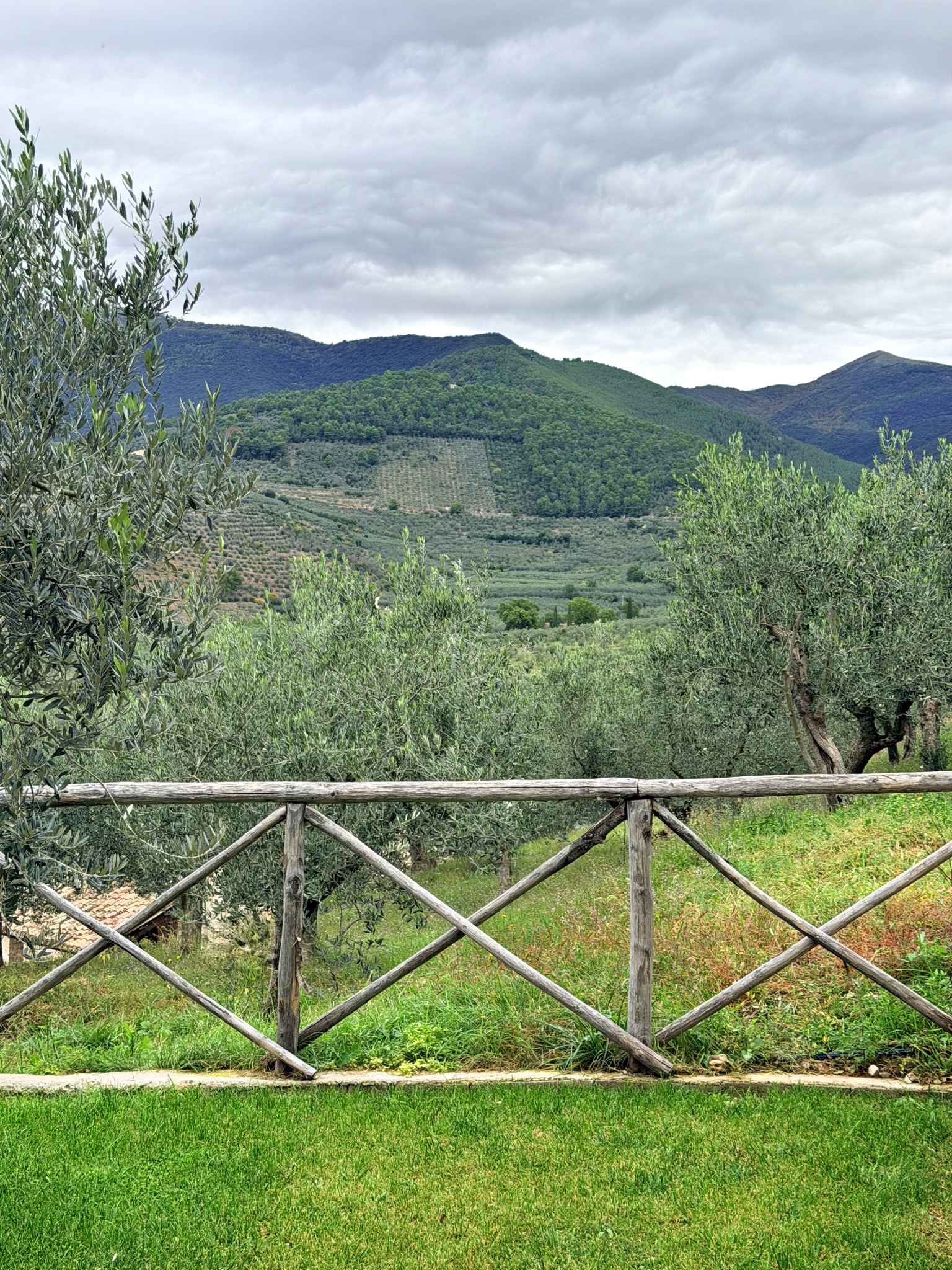
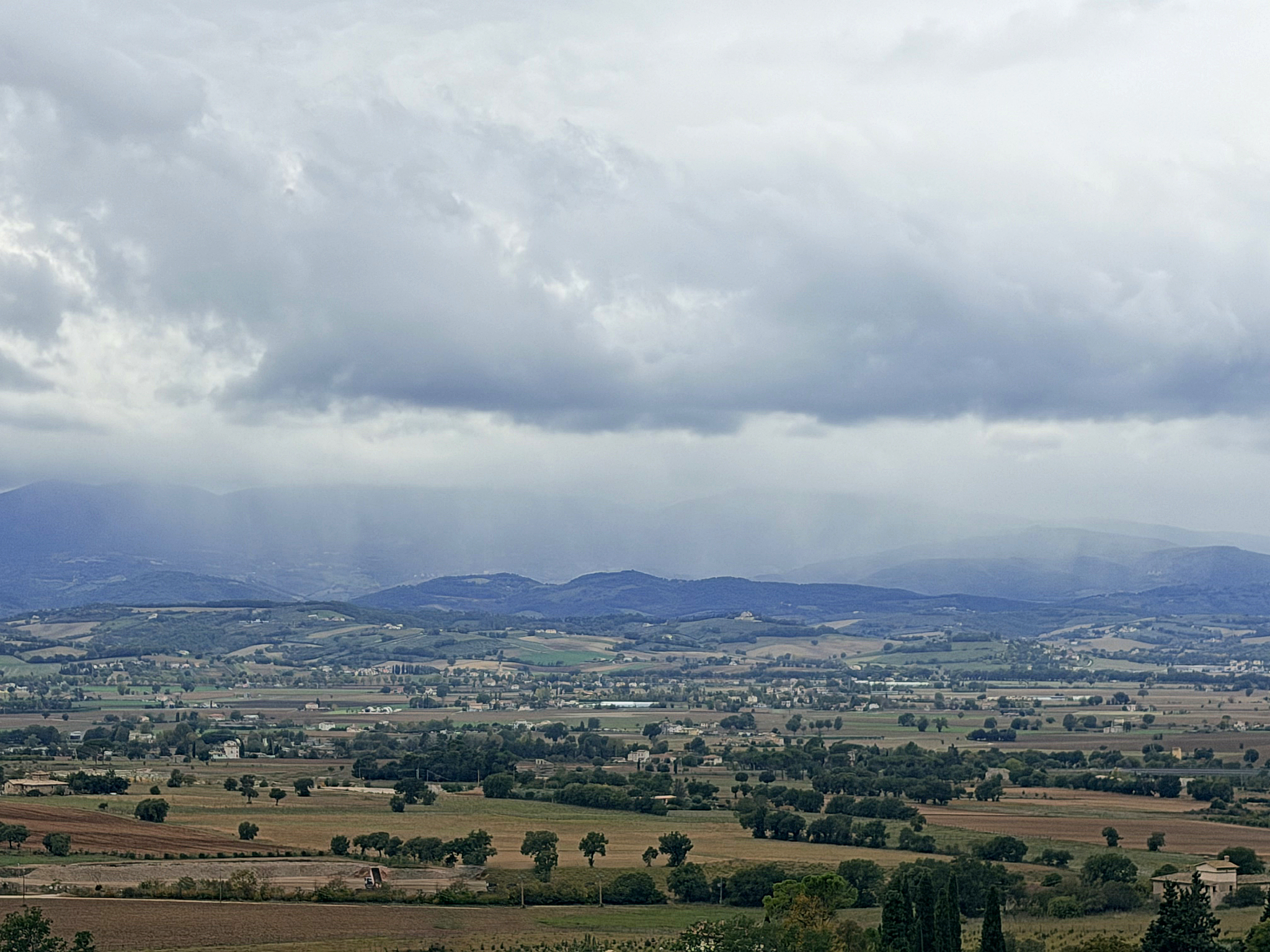
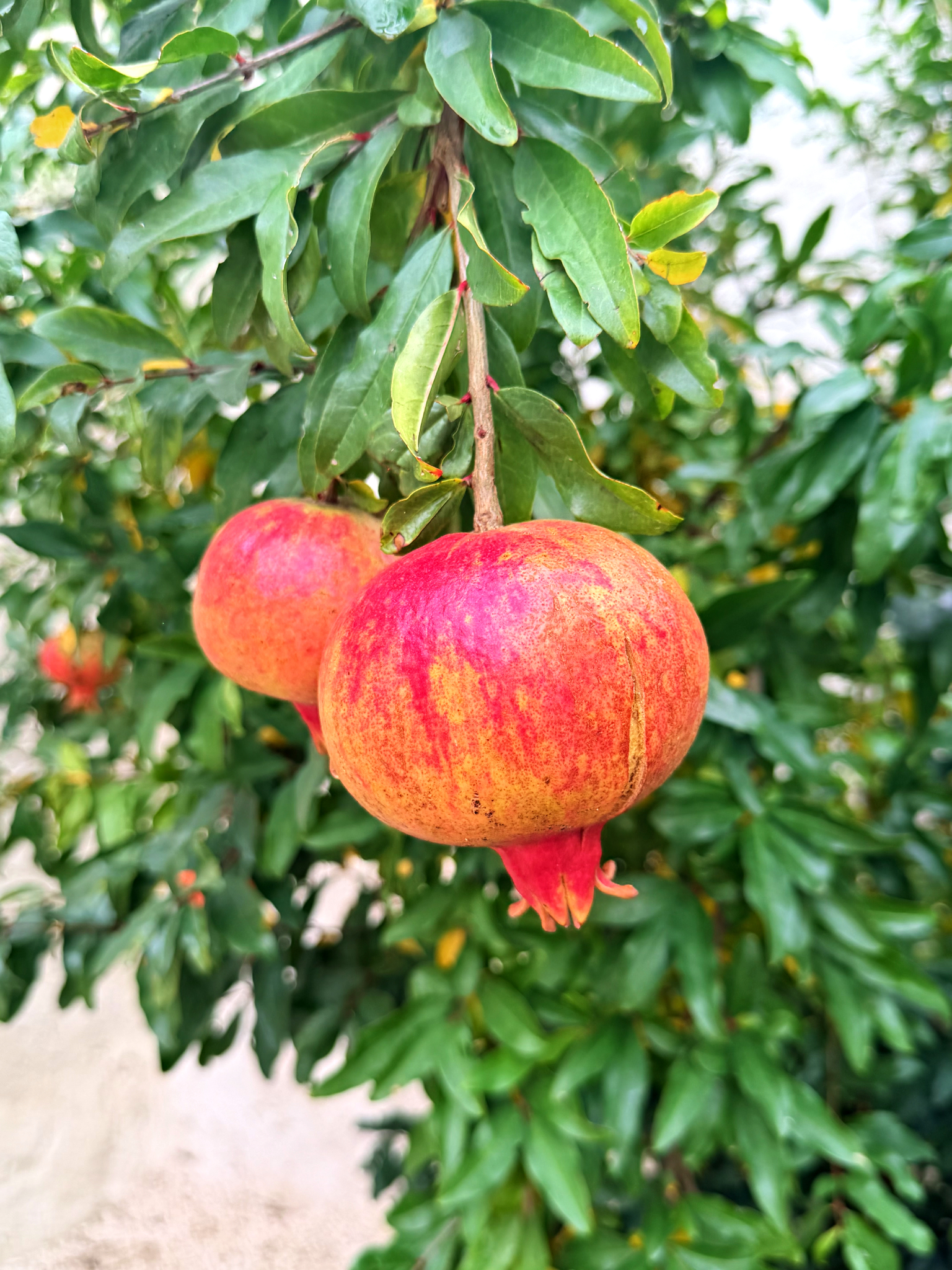
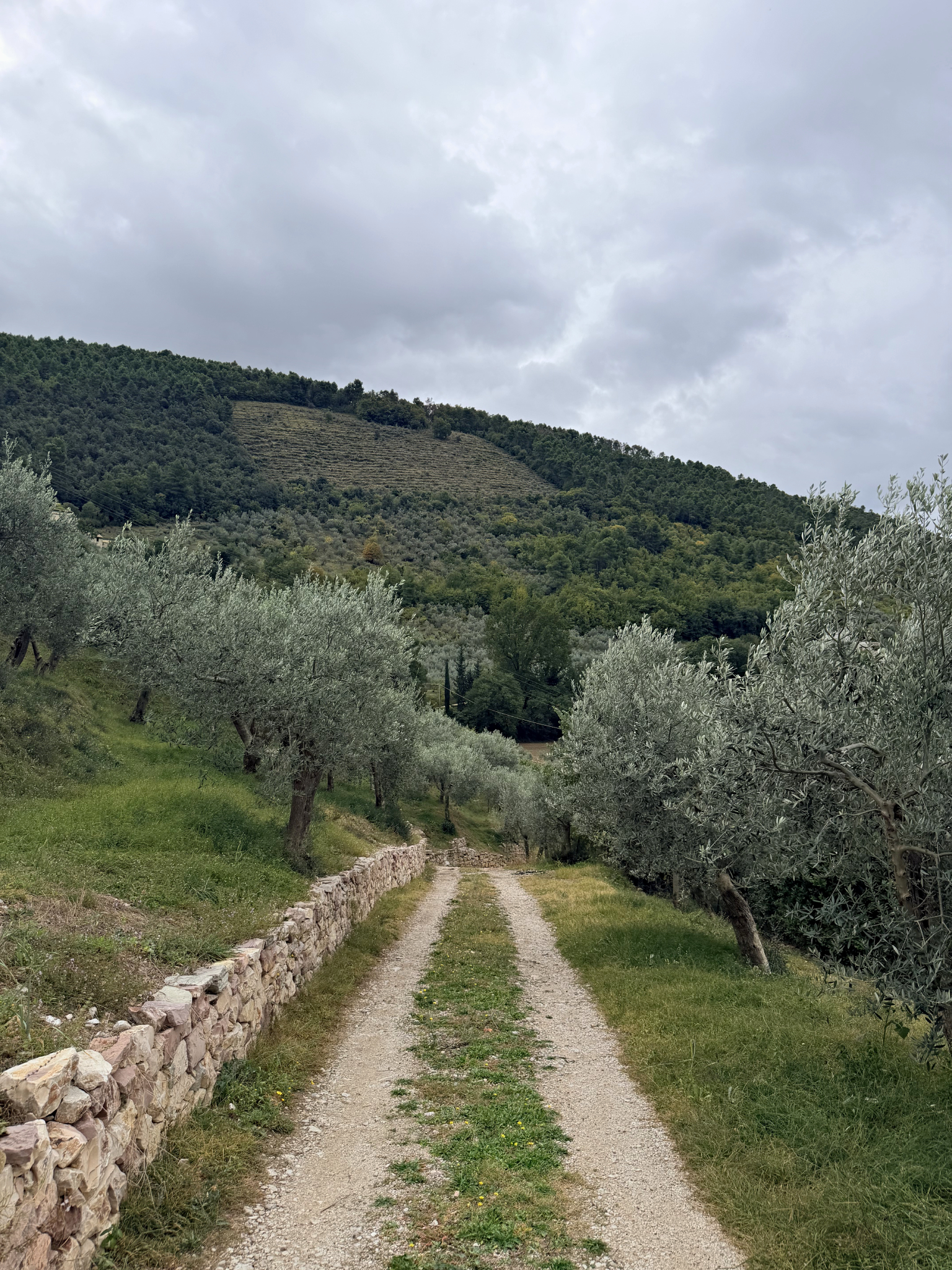
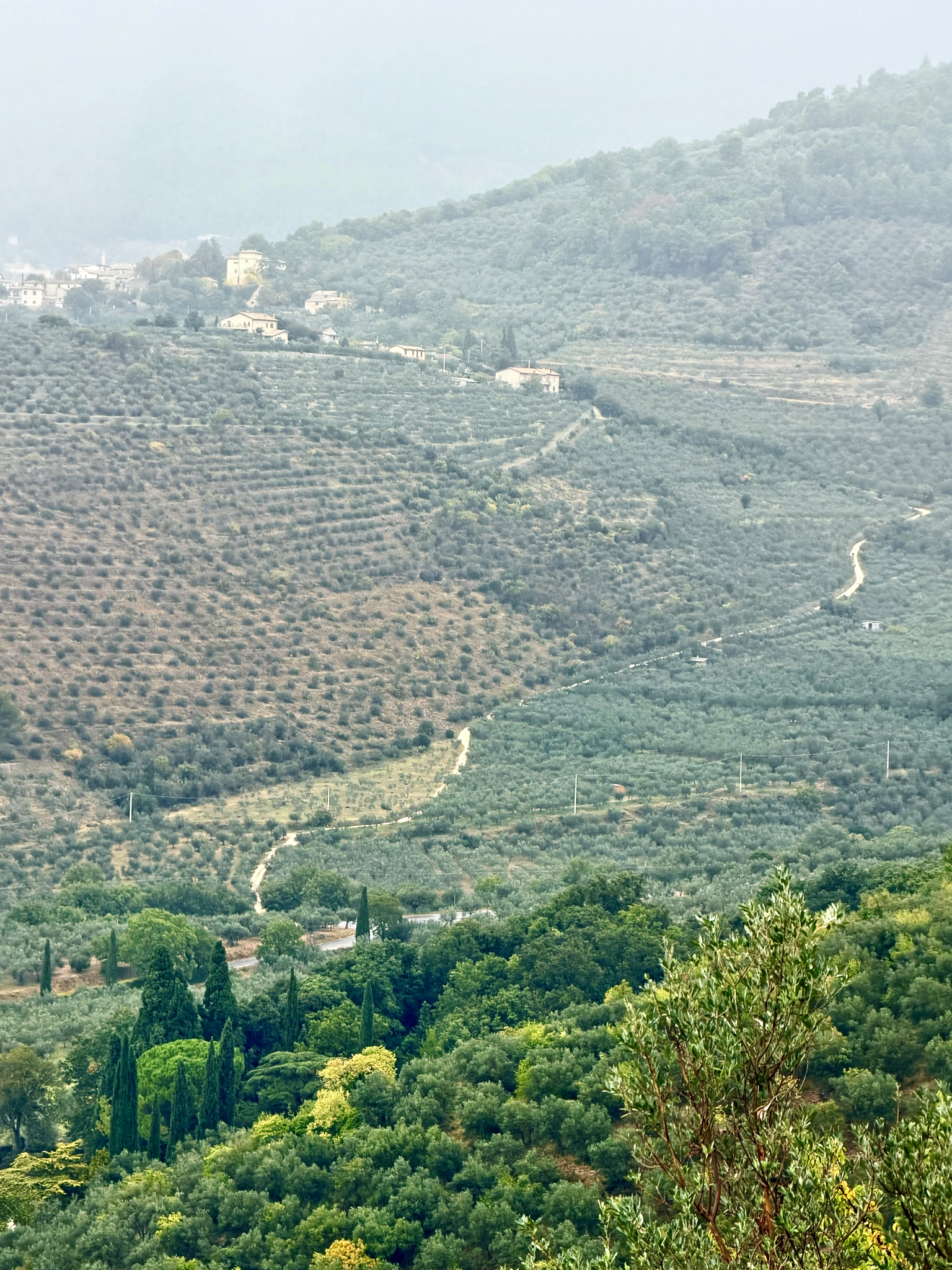
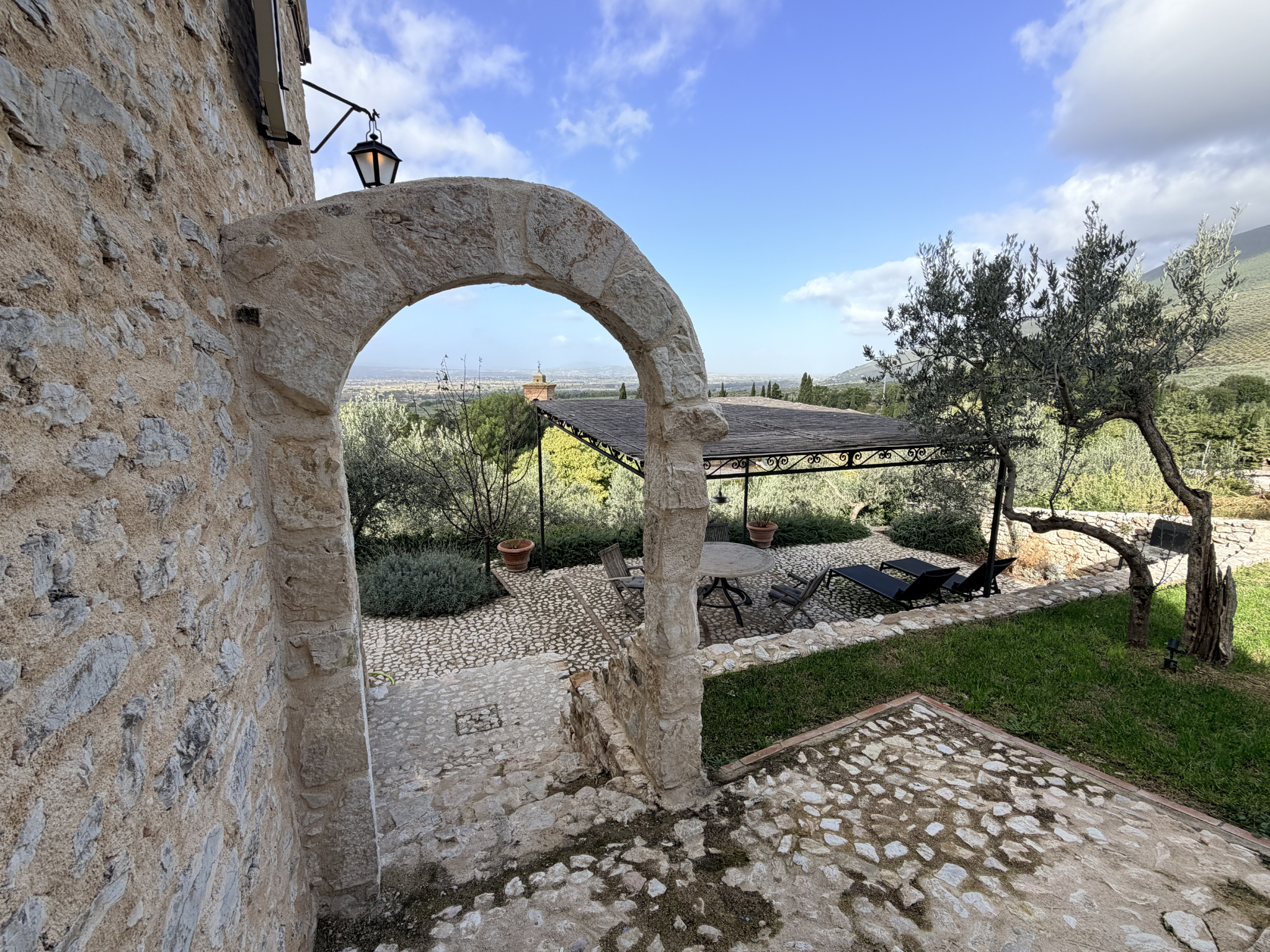
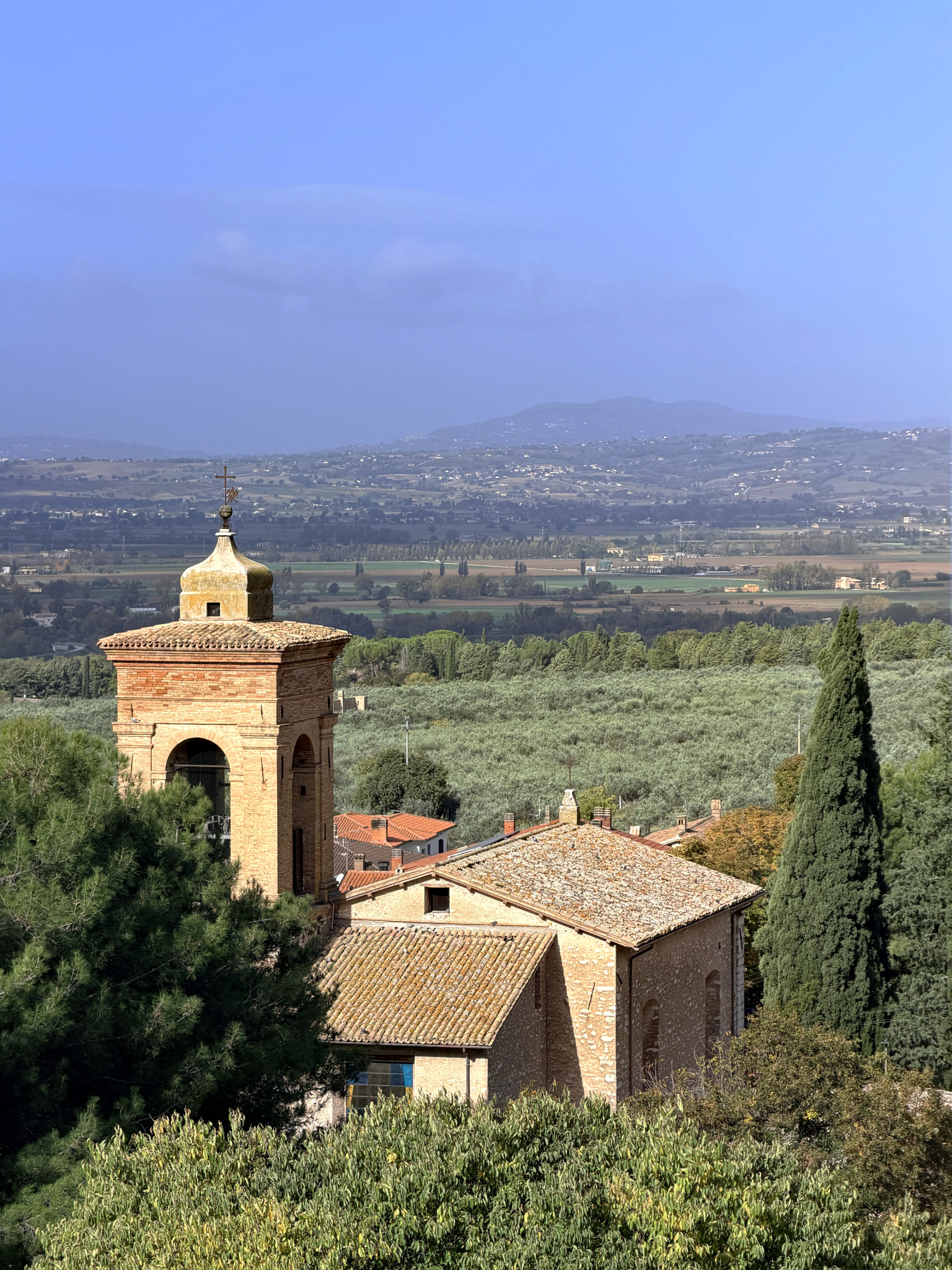
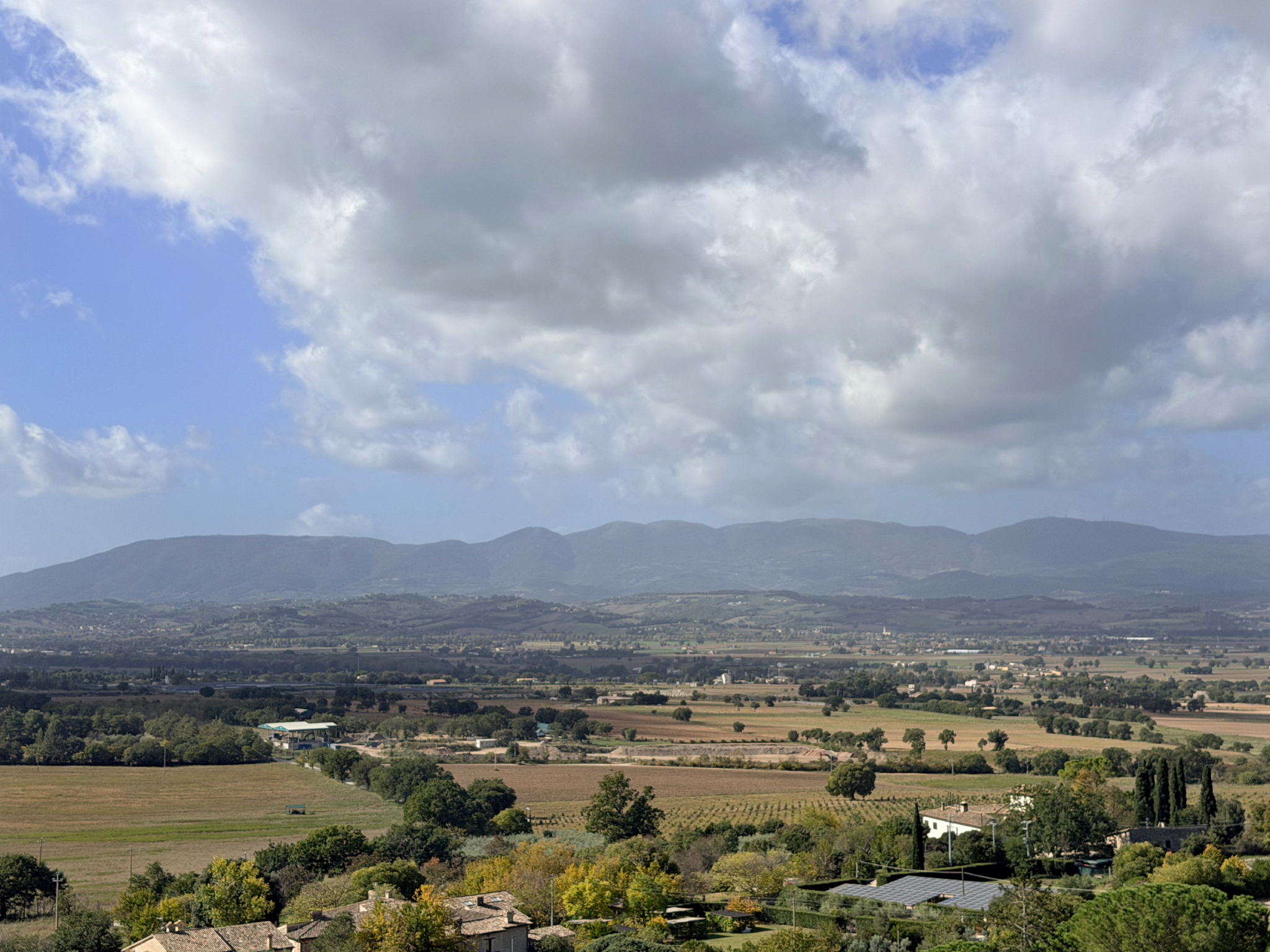
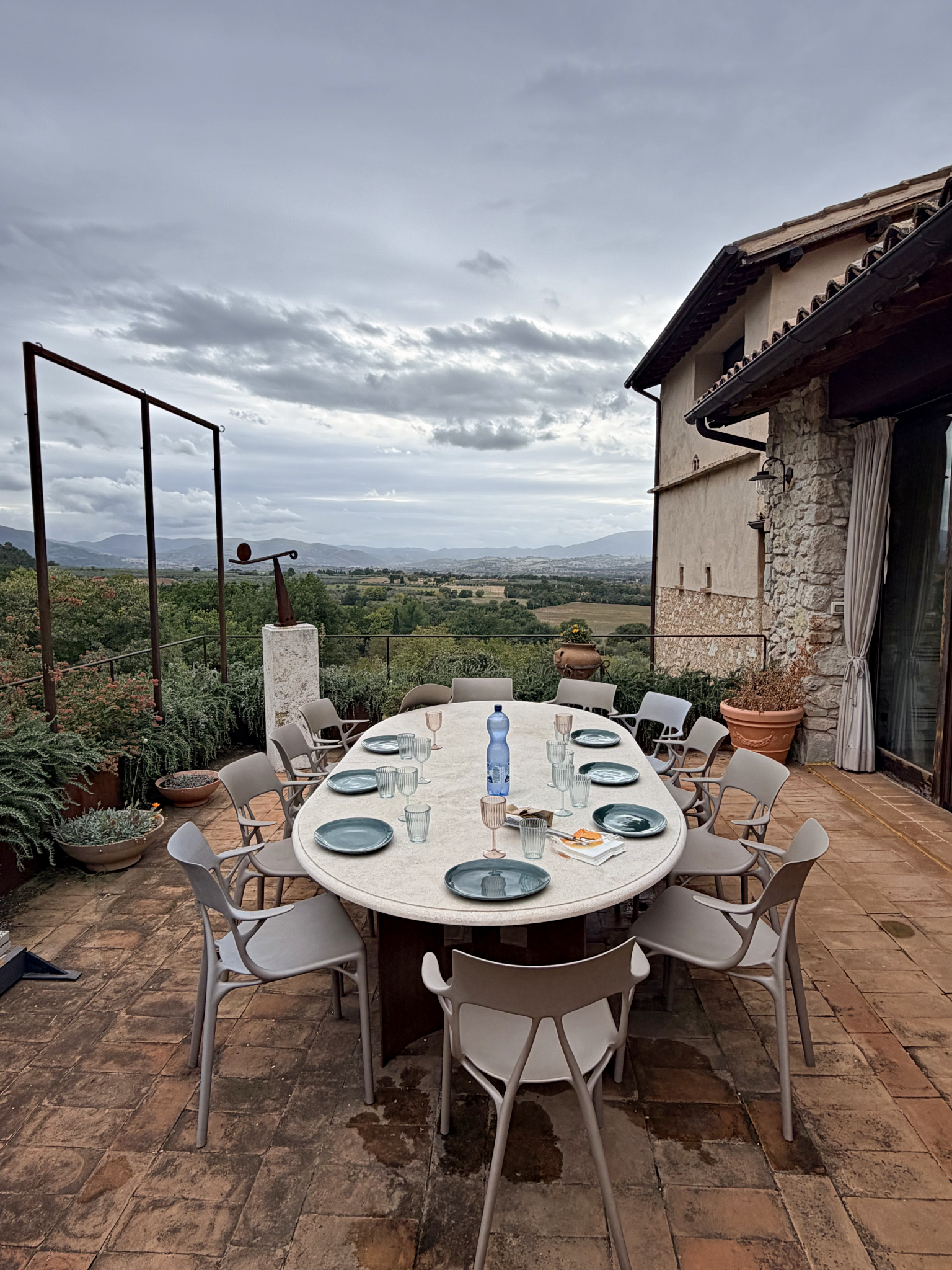
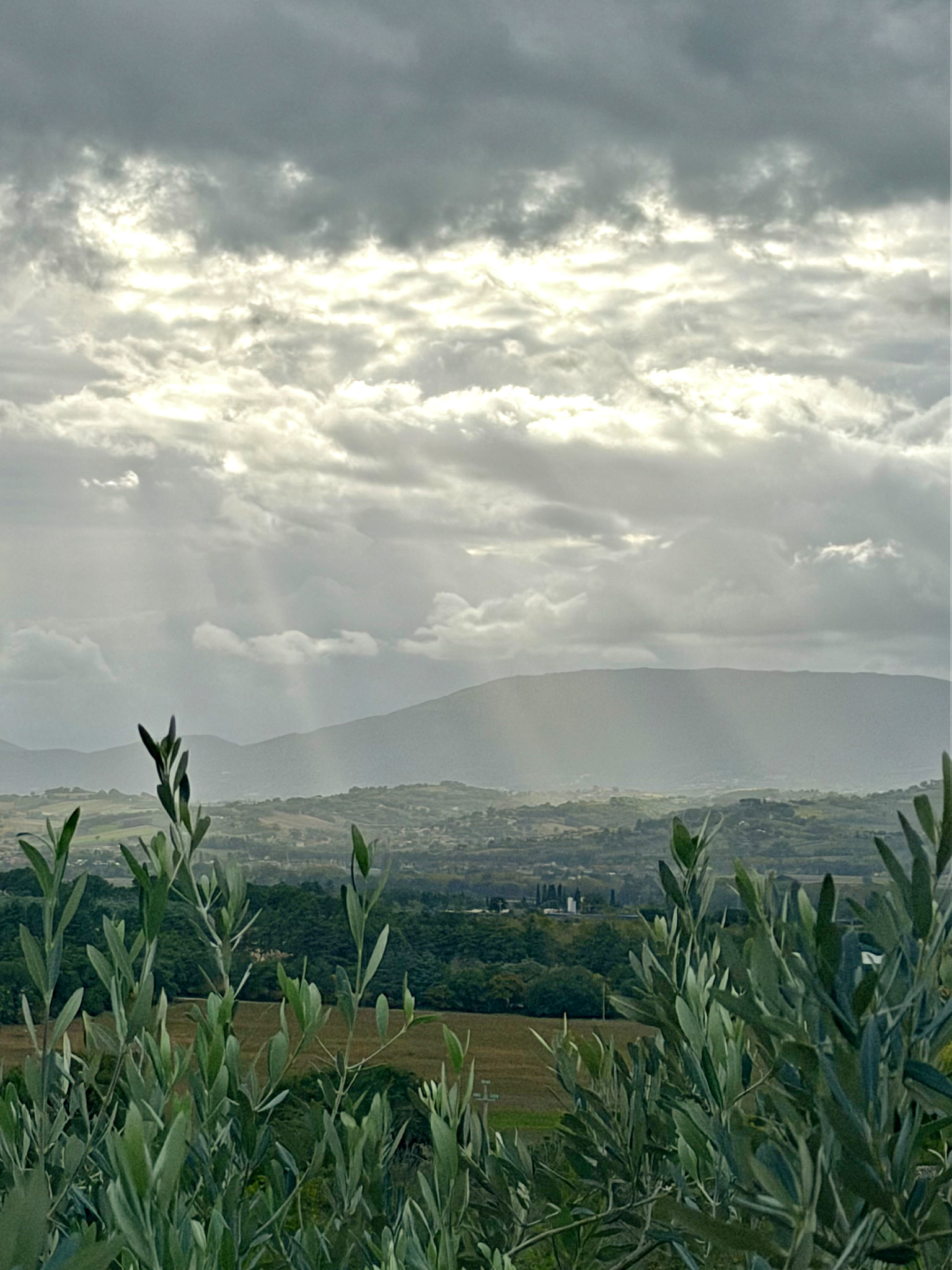
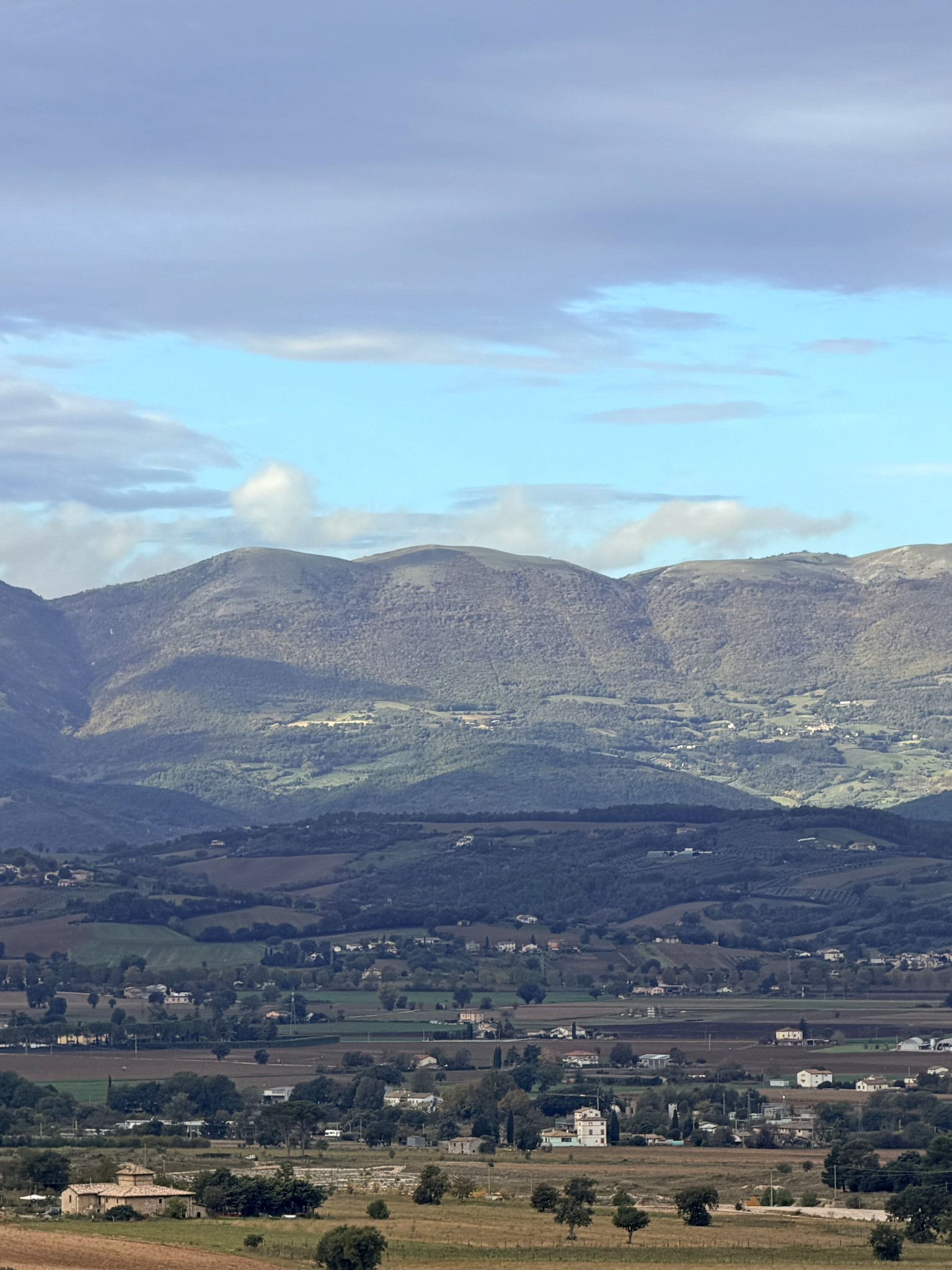
The next morning, I woke up to a verdant paradise. Seeing the property and surroundings in daylight was utterly breathtaking; the house cascades down a hillside surrounded by mature olive groves and terraces with views extending across the Val Umbra.
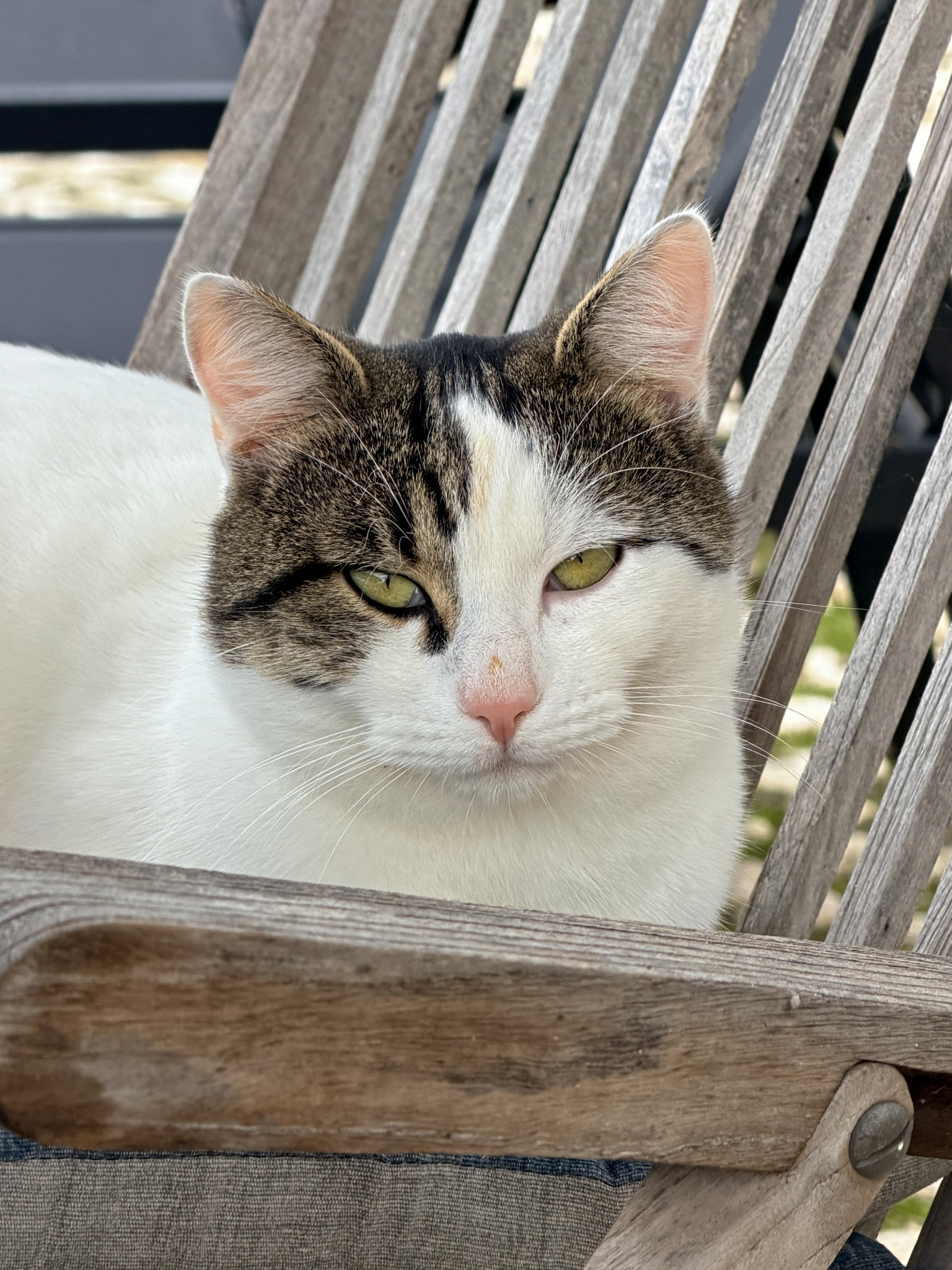
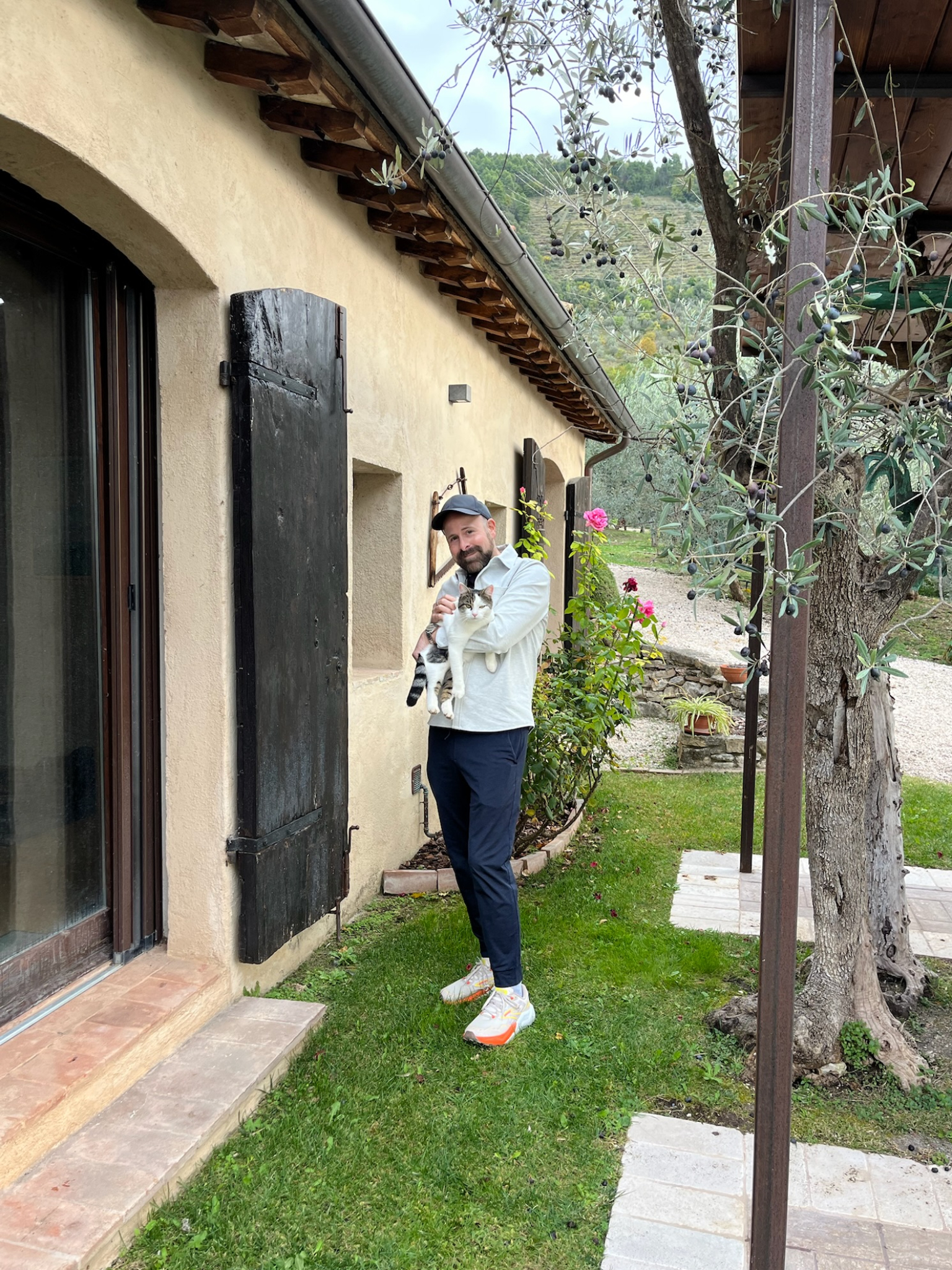
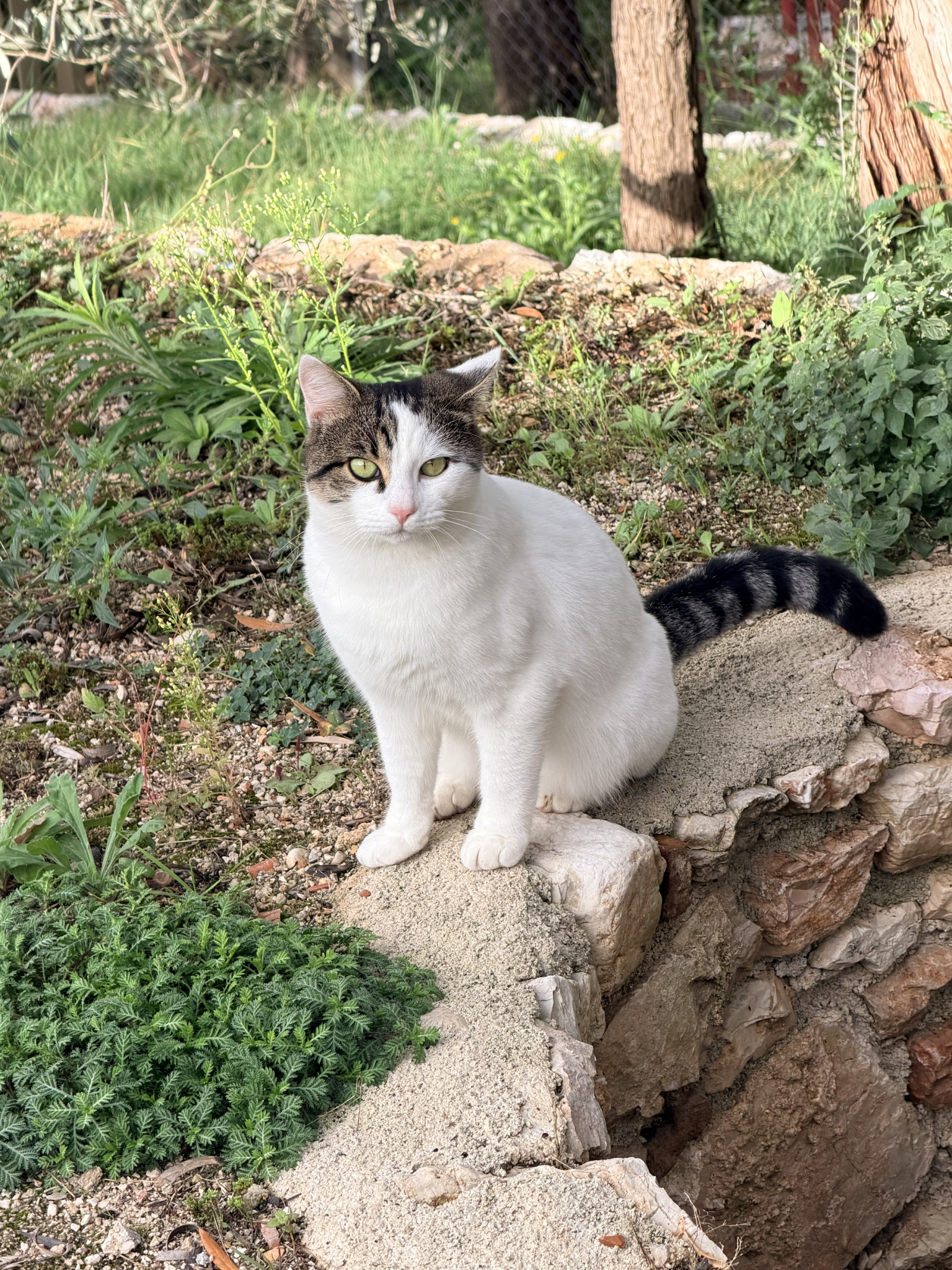
The day started under a pergola with fresh-baked cornetti from Forno Cucci in nearby San Giacomo, delivered personally by Jim. I was in heaven, biting into a flaky pastry beneath a pergola and sipping coffee to a riot of birdsong in the distant treetops. I even made a friend—a sweet, surprisingly clean feral cat I named Geppetto, who looked for me every time I stepped outside.
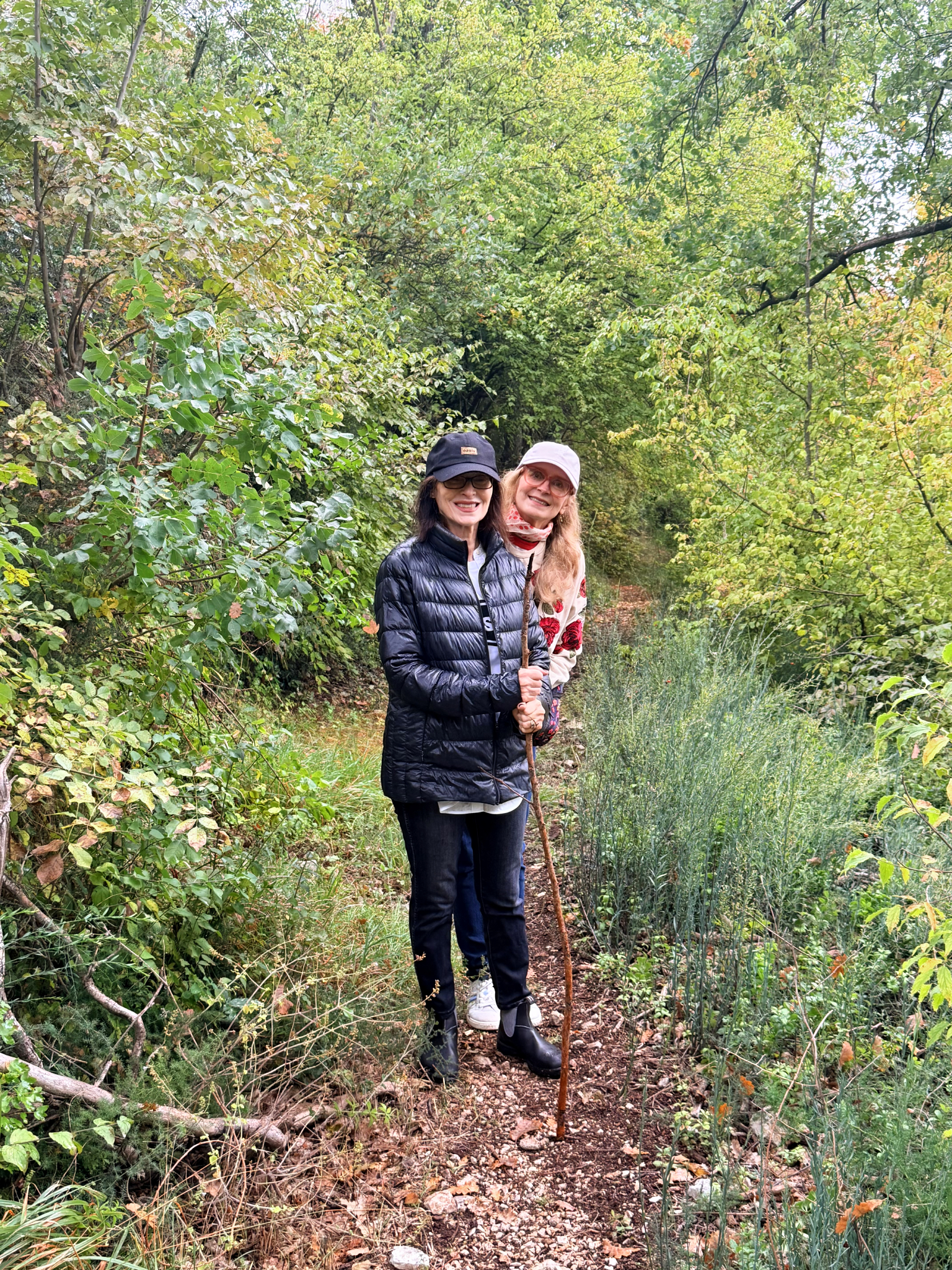
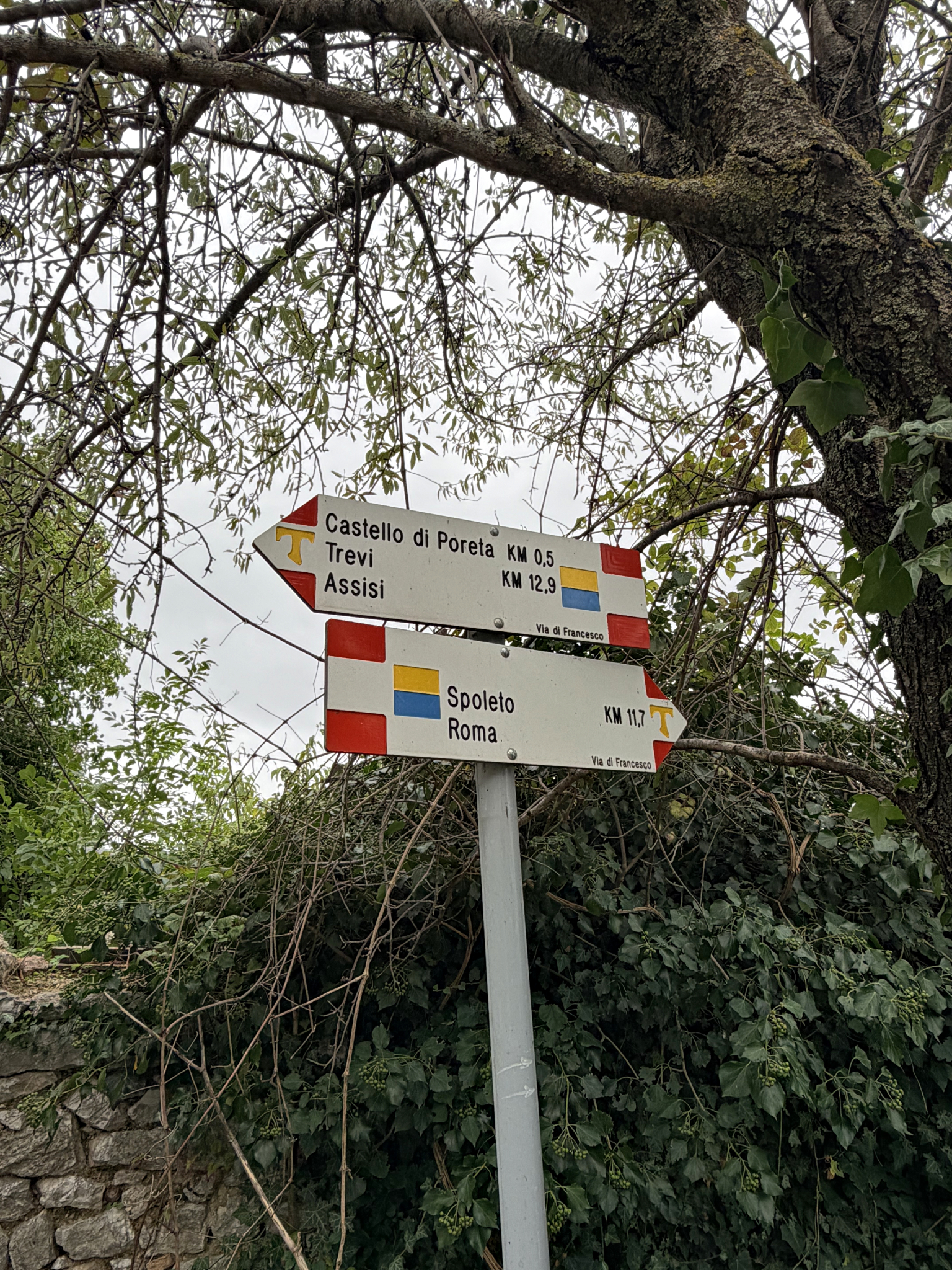
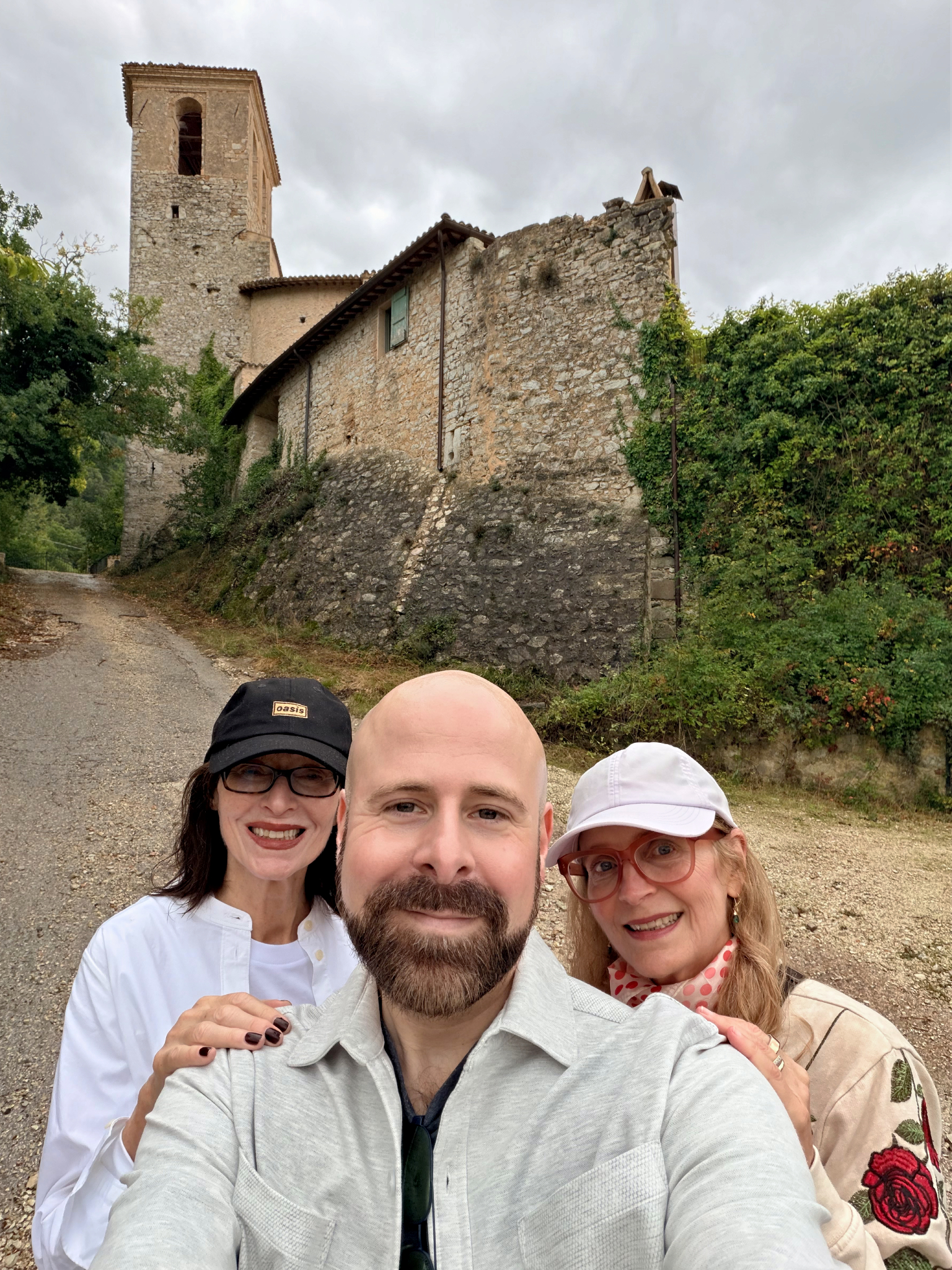
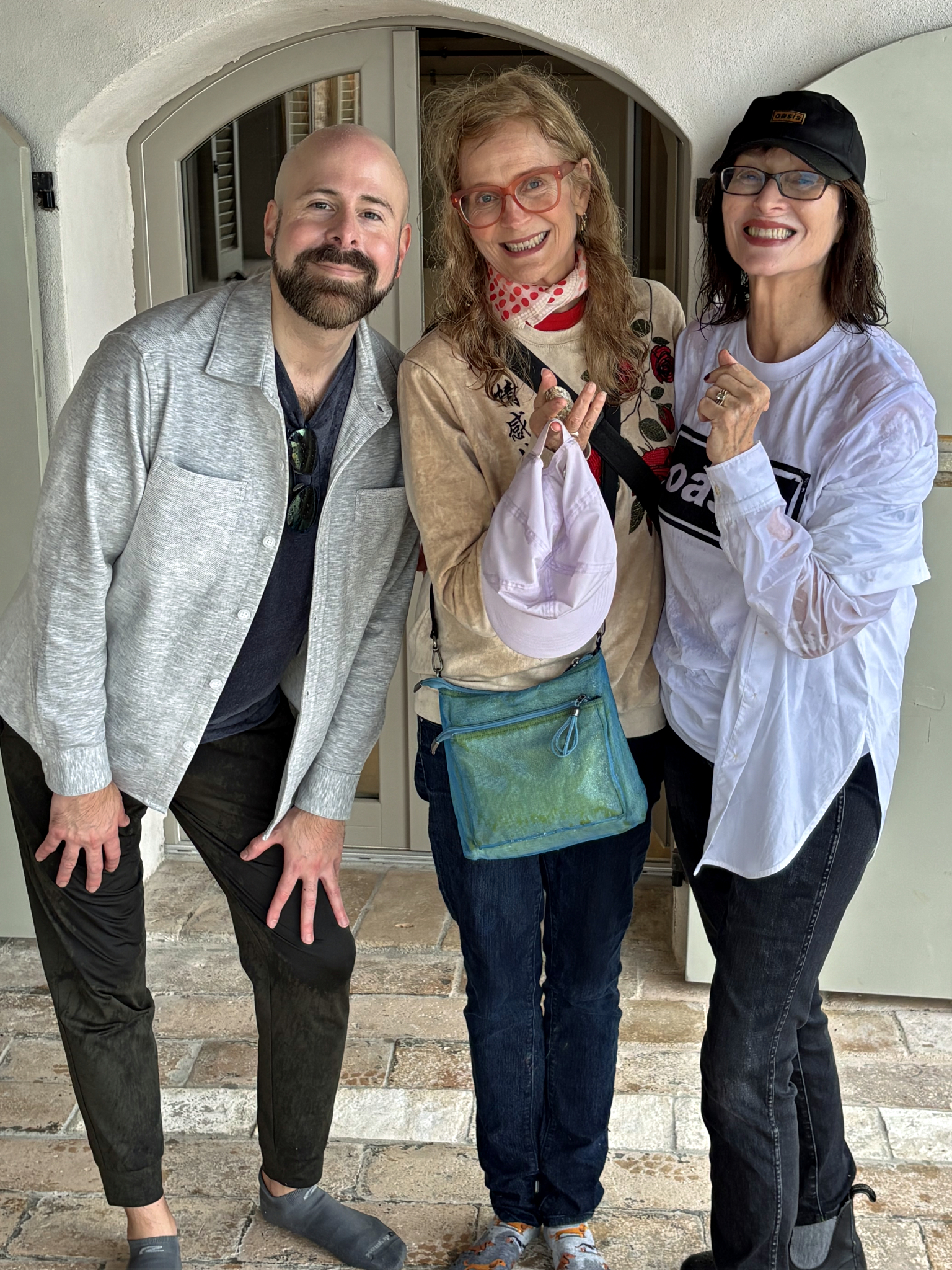
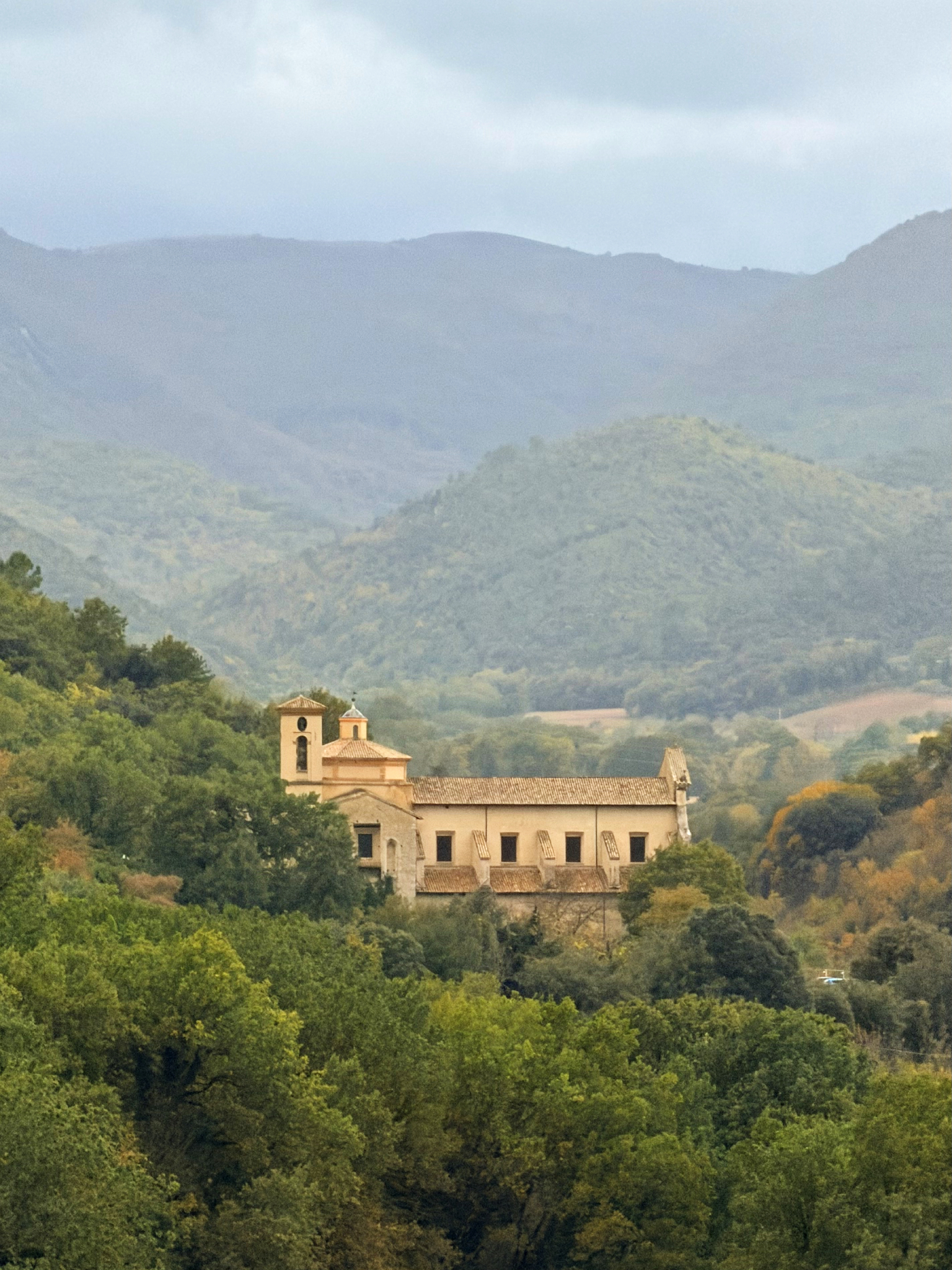
After the fast pace of Florence, everyone was looking forward to some peace and quiet. Karen, Tricia, and I hiked up to Castello di Poreta, a historic stronghold that was once turned into a restaurant but now sits vacant. We followed ancient mule paths that have been converted into a circuit of hiking trails with excellent signage. As we began our descent, the skies suddenly opened. While I typically harbor a deep-seated aversion to being caught in the rain fully clothed, there was an undeniable, almost ethereal magic in being thoroughly drenched alongside my friends as we navigated the ancient Umbrian hills.
Evening in Montefalco
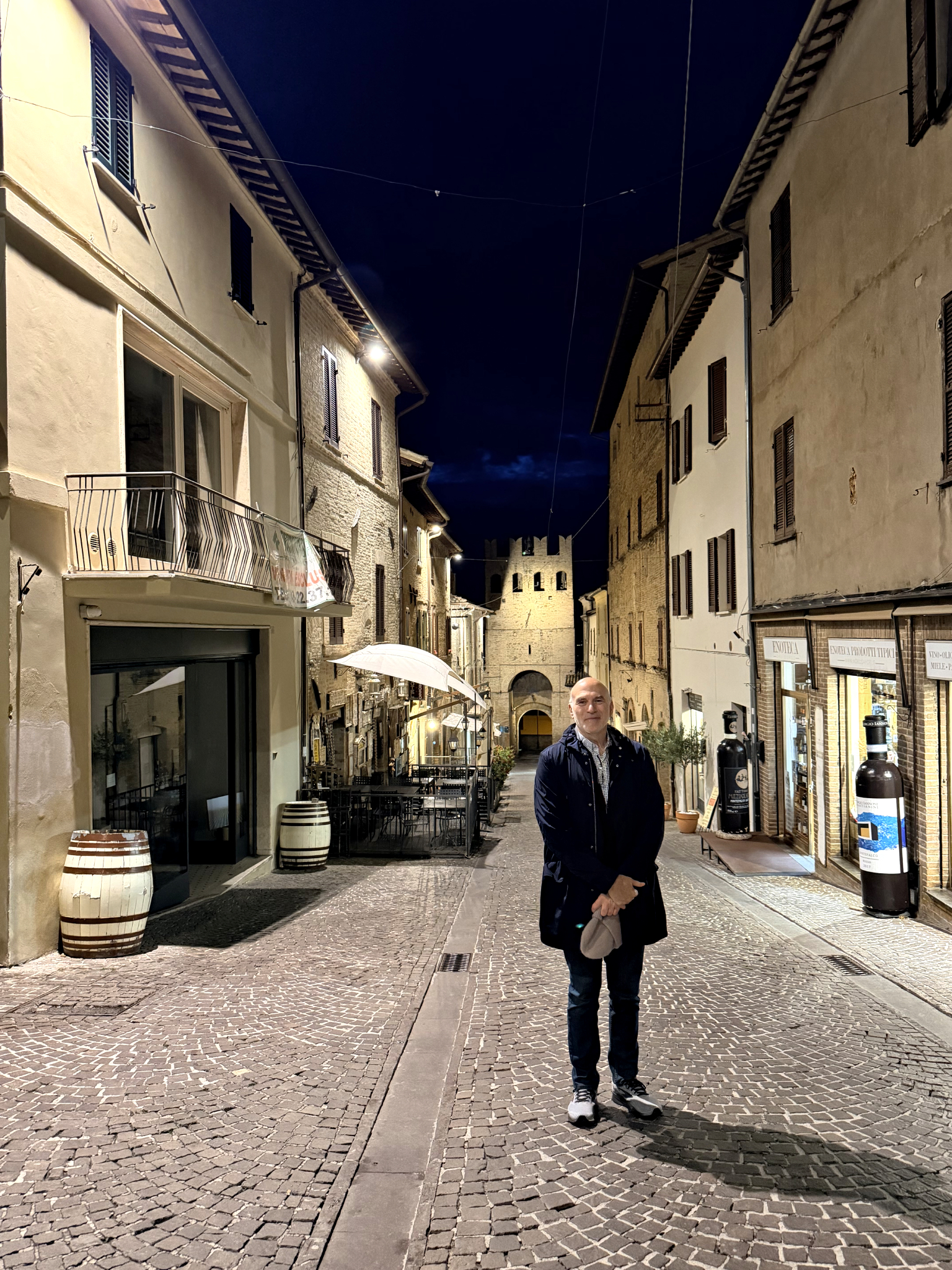
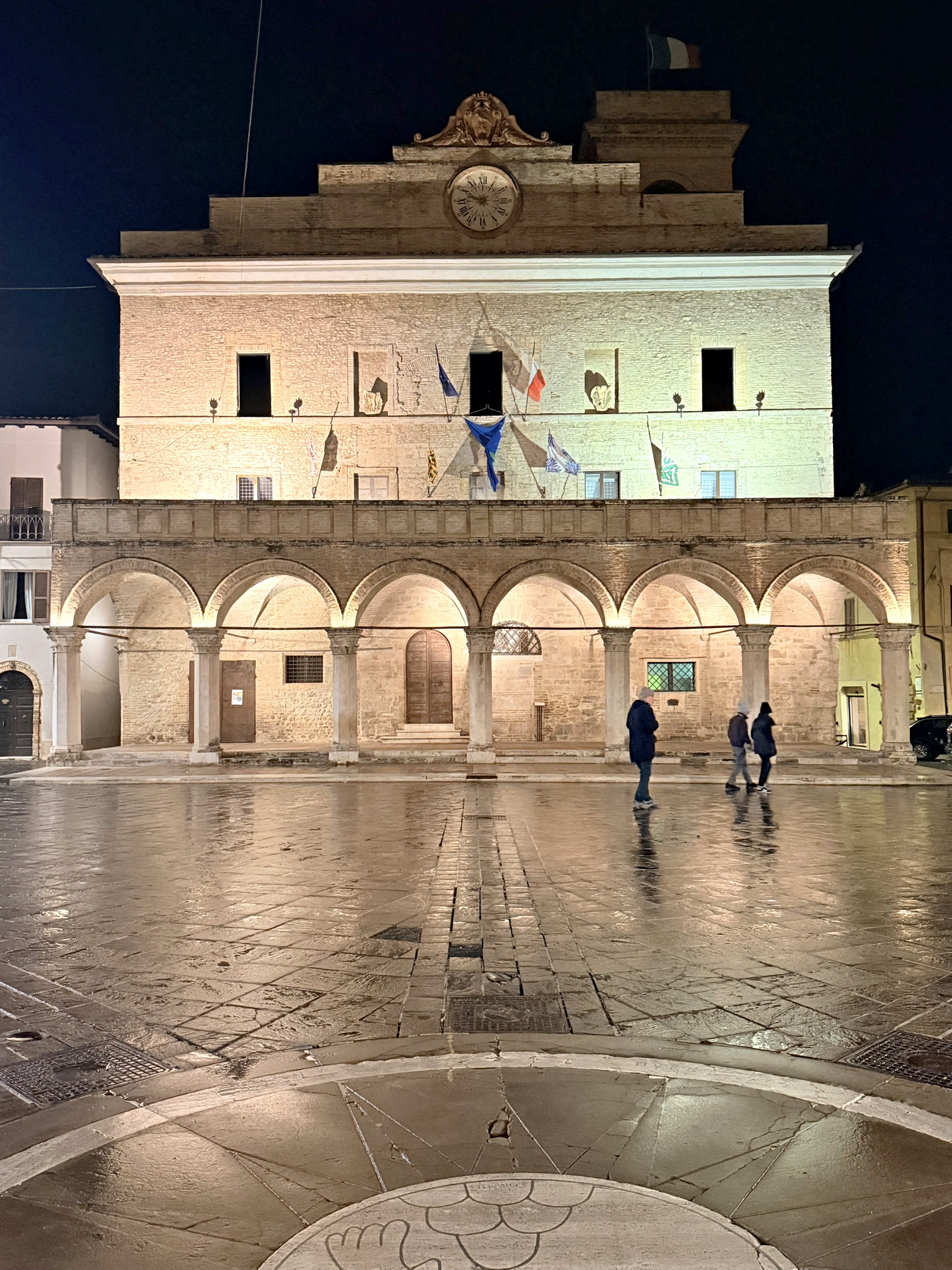
That evening, we drove across the valley to Montefalco, nicknamed La Ringhiera dell’Umbria (The Balcony of Umbria) for its sweeping views. Enclosed by 13th-century walls, the town’s circular layout radiates from the hilltop like a stone sun, a testament to its history as a strategic papal stronghold and a Renaissance art hub. We parked outside the ancient gates and wandered up Corso Goffredo Mameli, stopping to admire the exquisite handmade linens at Tessitura Pardi before heading to the heart of the town.
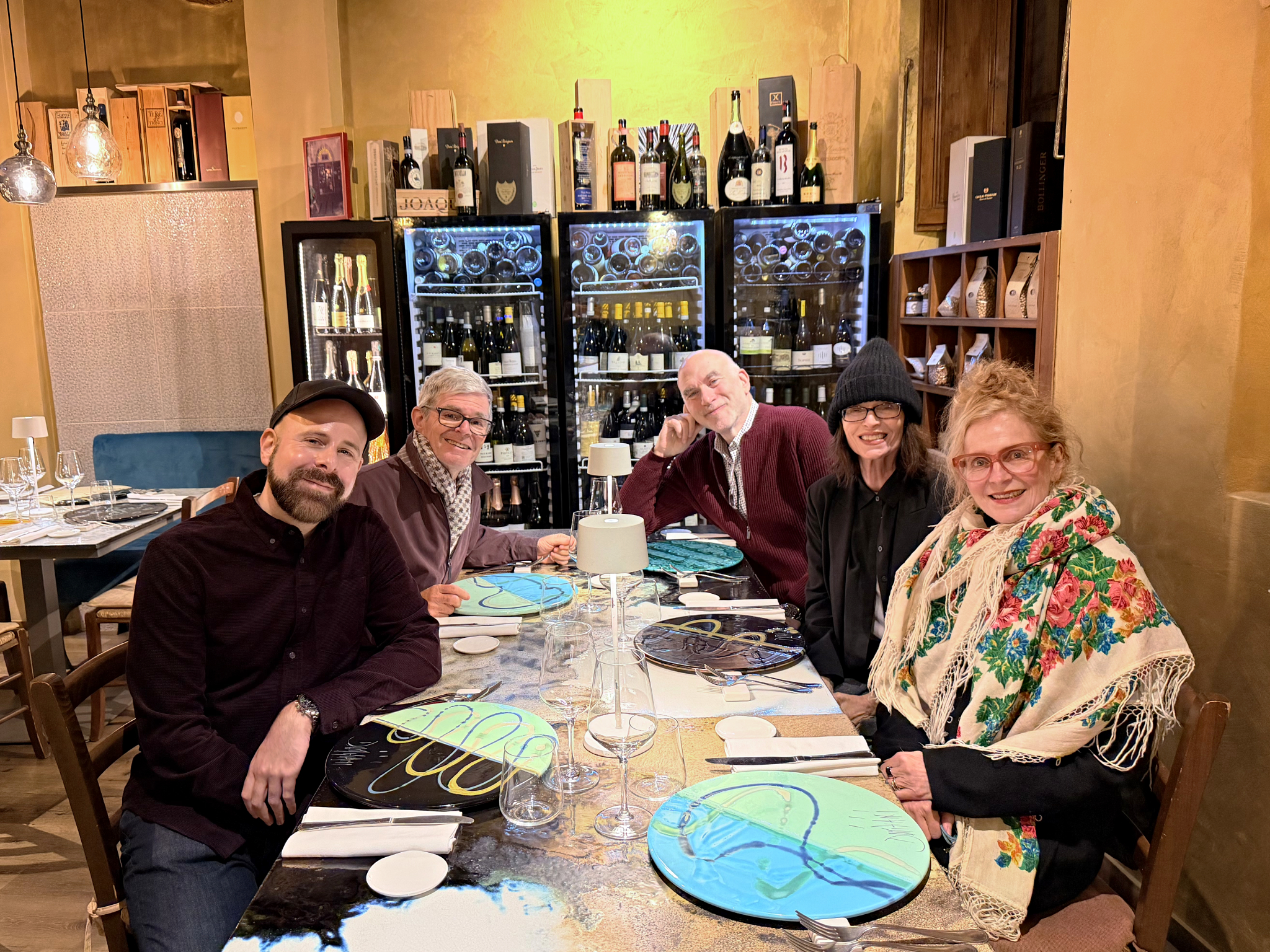
Dinner brought our group together at the renowned L’Alchimista on the Piazza del Comune, where we spent the night passing plates of unforgettable autumn flavors. We shared hand-rolled strongozzi with a vibrant sedano nero di Trevi (black celery) pesto, followed by duck breast with persimmon, a velvety chestnut and porcini soup, and a rich Sagrantino wine risotto with toasted walnuts. Toasted with glasses of crisp Orvieto Classico, the meal was a quintessential introduction to the region’s viticultural excellence and the perfect accompaniment to an evening of great company.
Day 3: The Grandeur of Perugia and the Spirit of Assisi
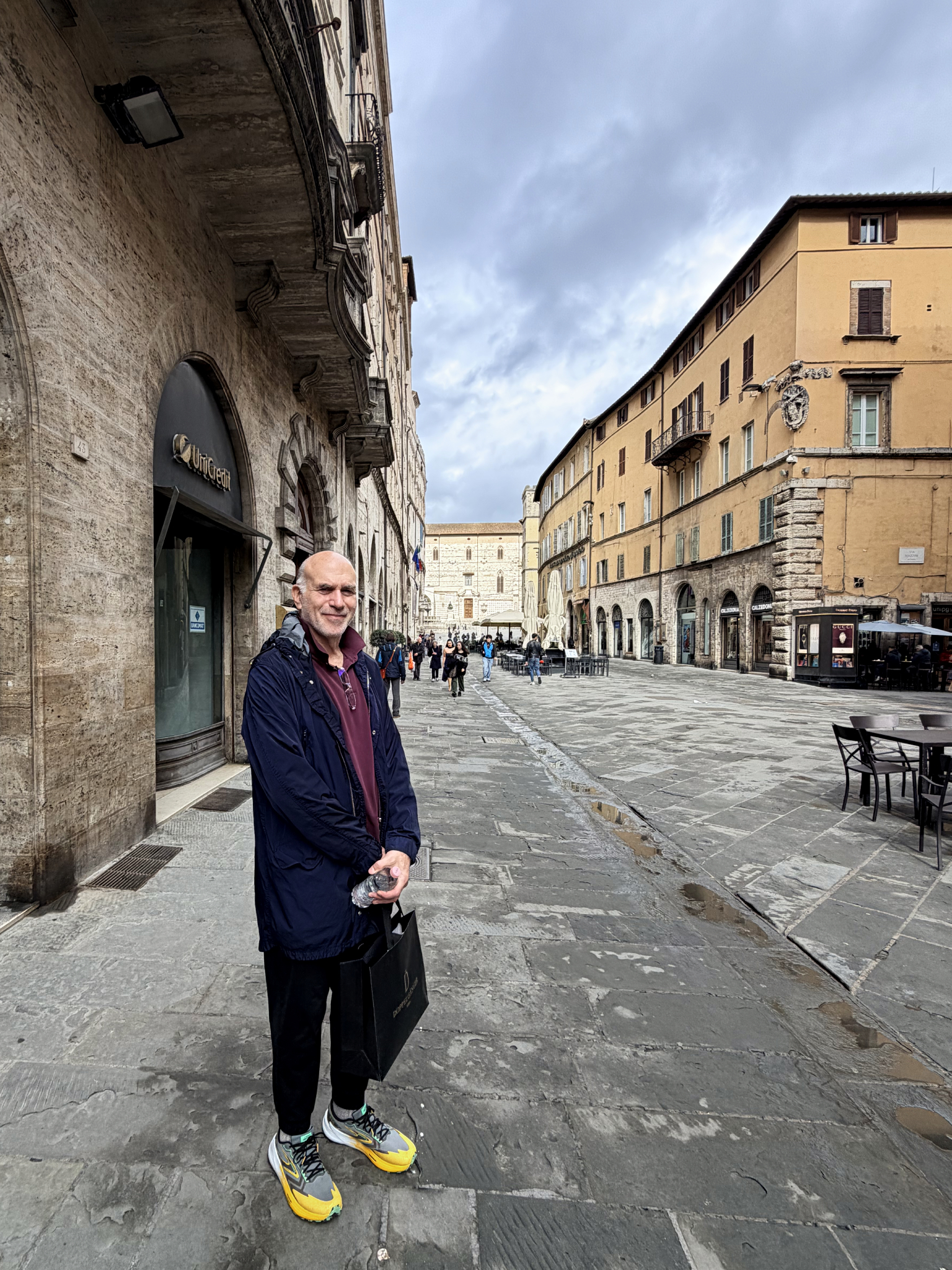
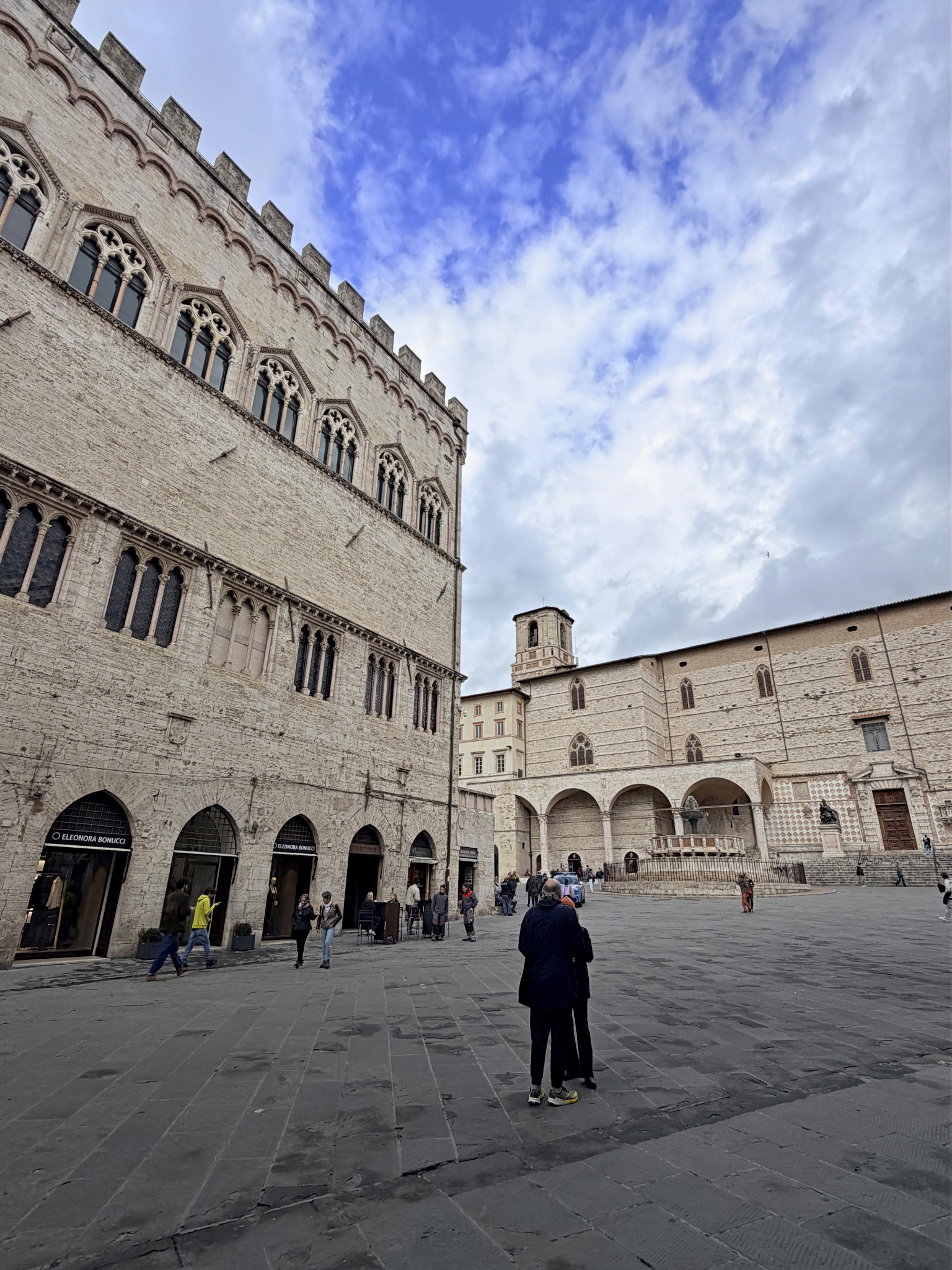
The next morning we drove an hour north to Perugia, the capital of Umbria. Having spent a magical day in Arezzo a decade ago, Charles and I have been obsessed with exploring Italy’s lesser-known cities, and Perugia was high on the list. The Centro is perched high on a hill; after parking, we took a series of impressive escalators built into the hillside that surface inside the “dungeons” of Rocca Paolina, which let out onto Corso Pietro Vannucci.
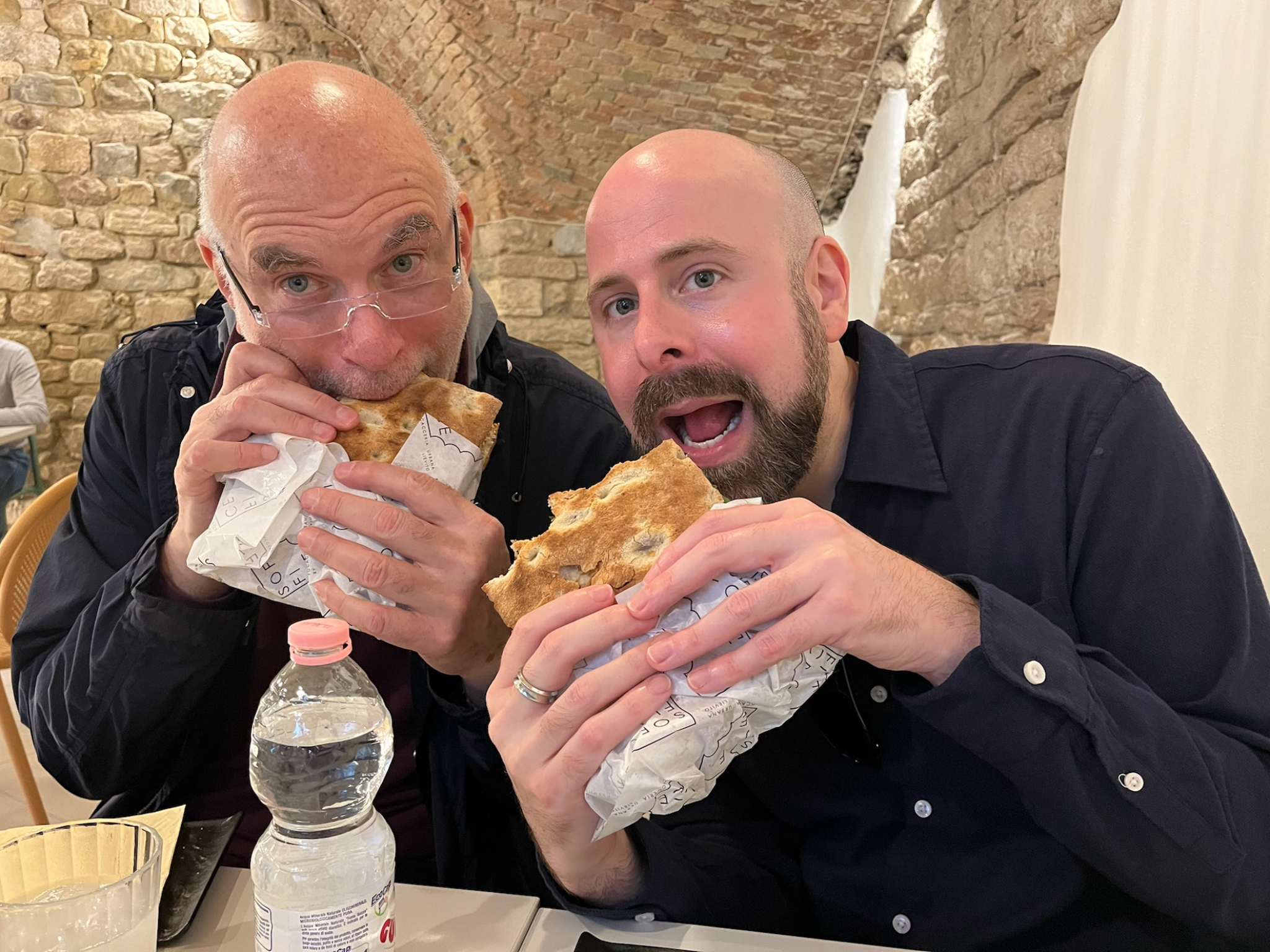
Perugia’s “Main Street” is lined with grand architecture and family-owned boutiques. I did some damage at Uberto Cantarelli, picking up a thick merino sweater with a johnny collar in a rich merlot and a navy corduroy hunting jacket with a satin lining. For lunch, we retreated to Focacceria Urbana, located in a subterranean grotto. I had one of the best panino of my life—the “Rustica,” featuring porchettina, caramelized onions, potato cream, and gorgonzola. Even our gluten-free companions, Karen and Tricia, were well looked after with a beautiful deconstructed spread of fresh ingredients.
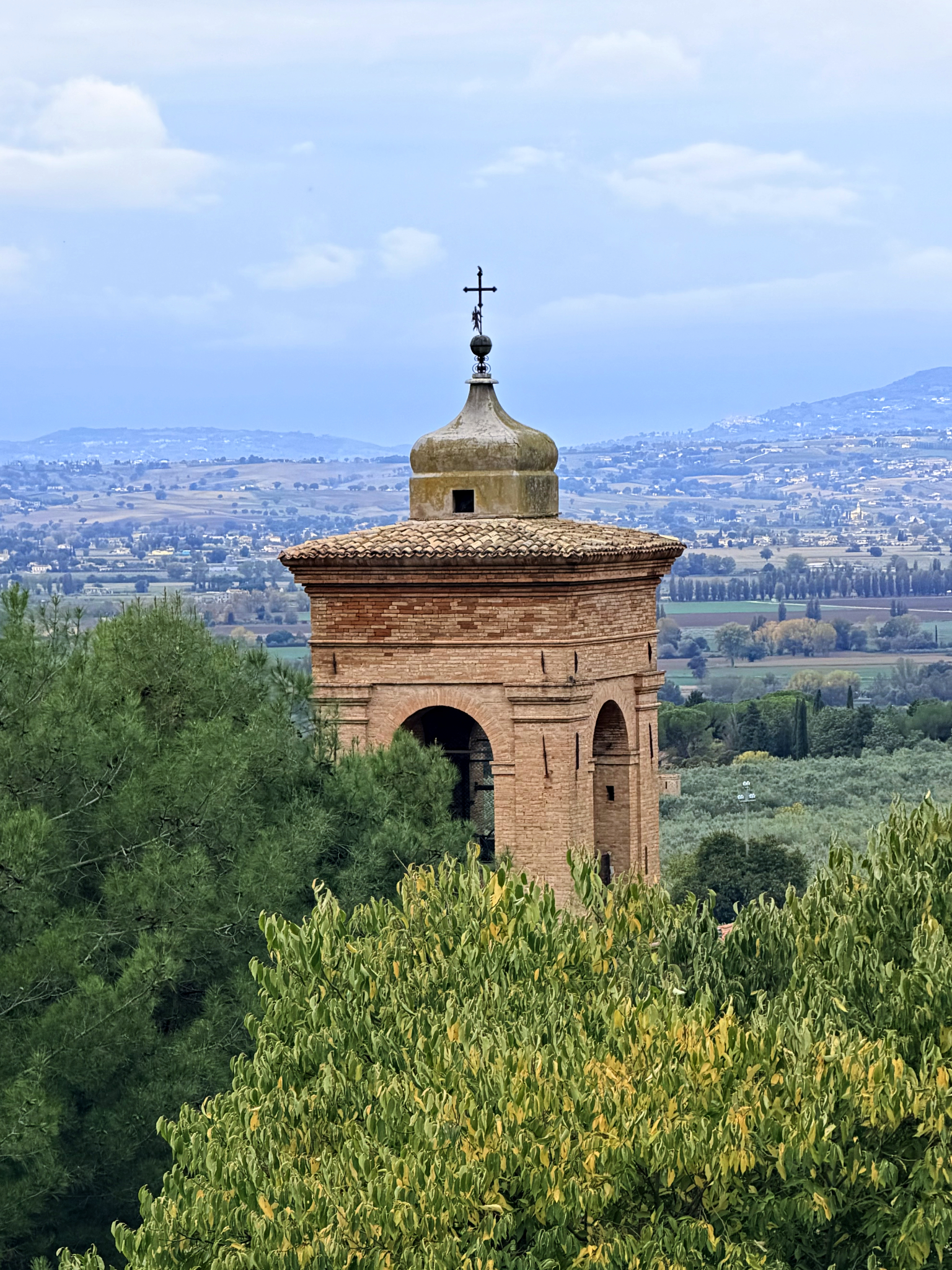
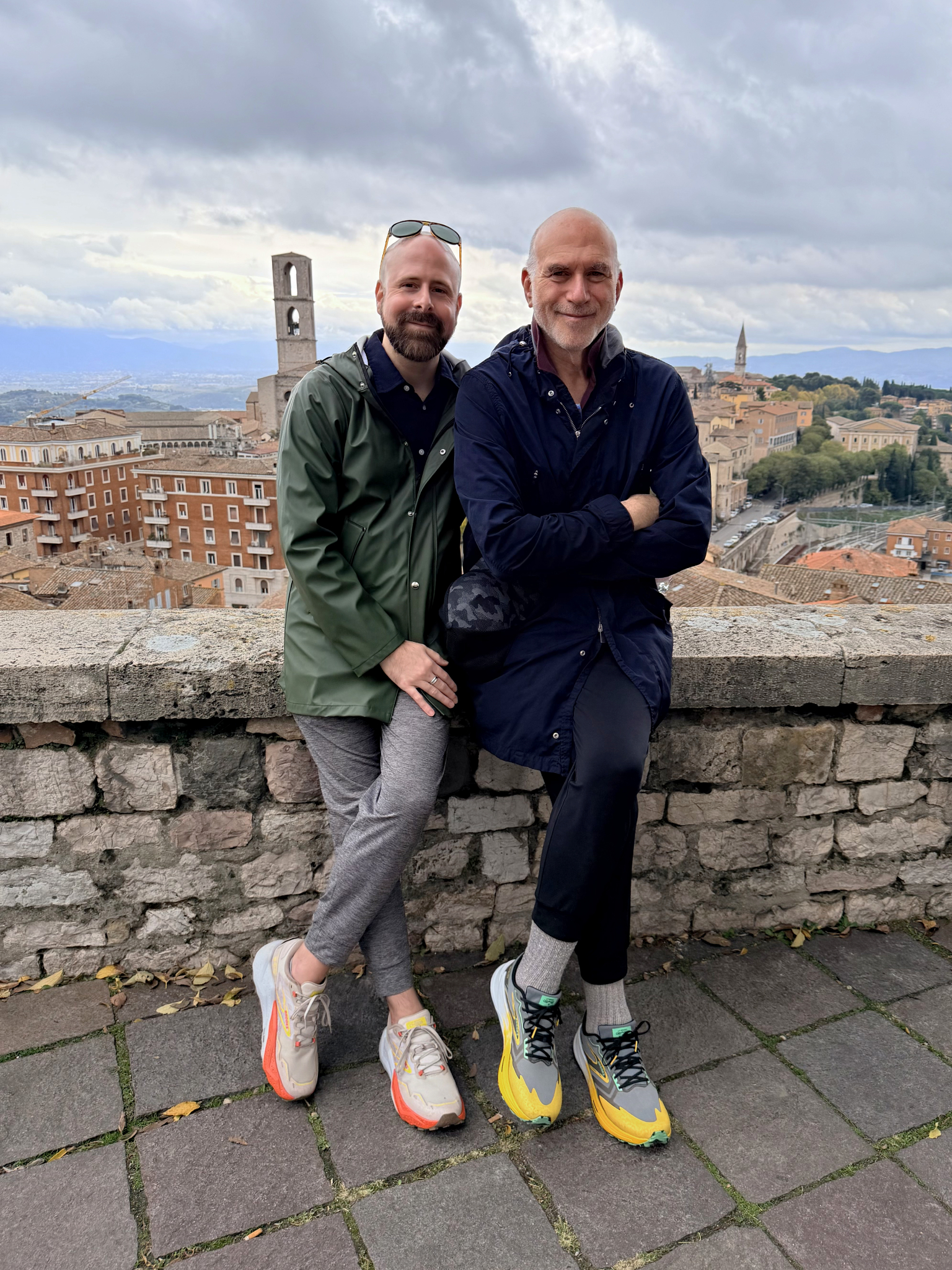
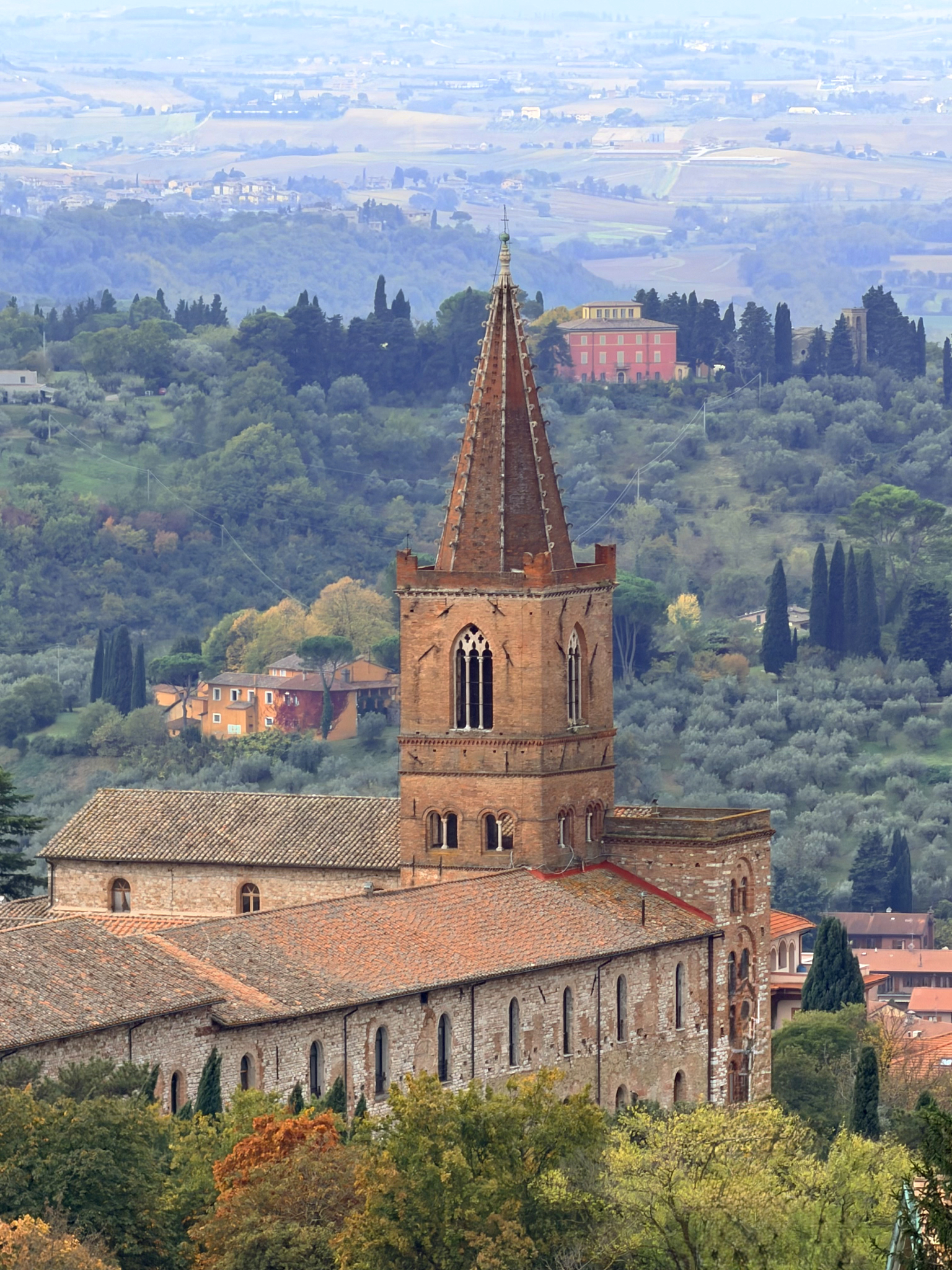
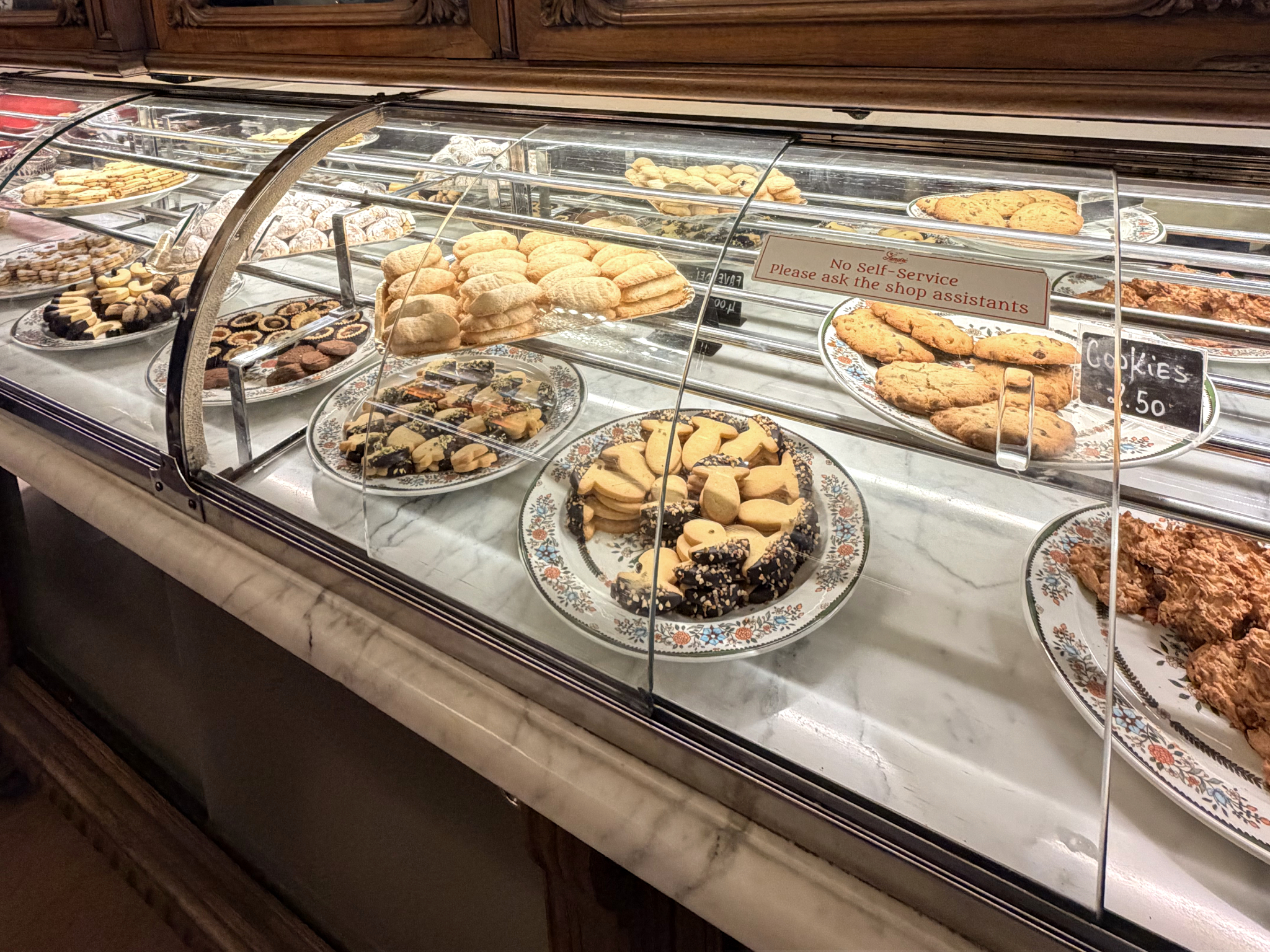
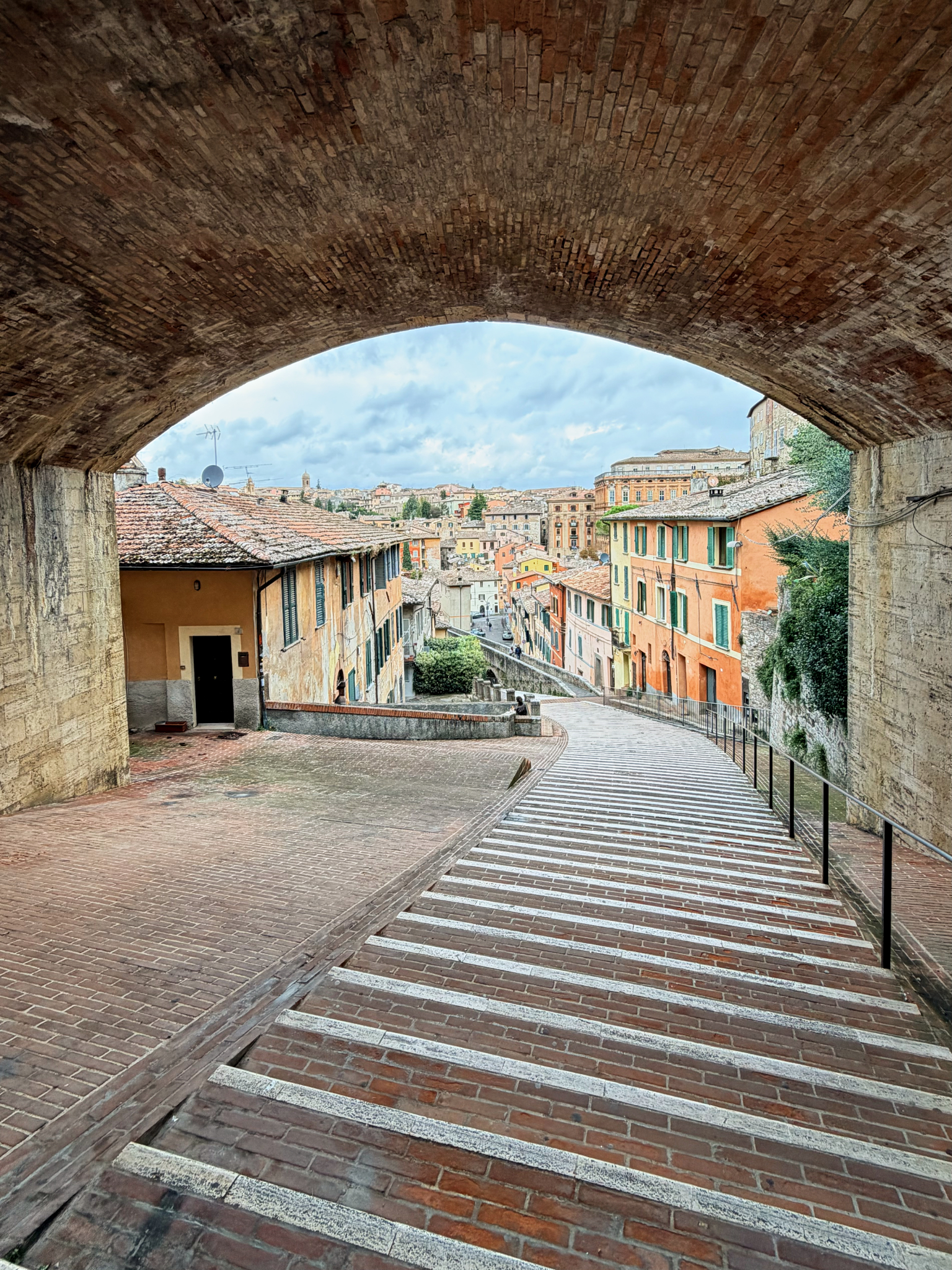
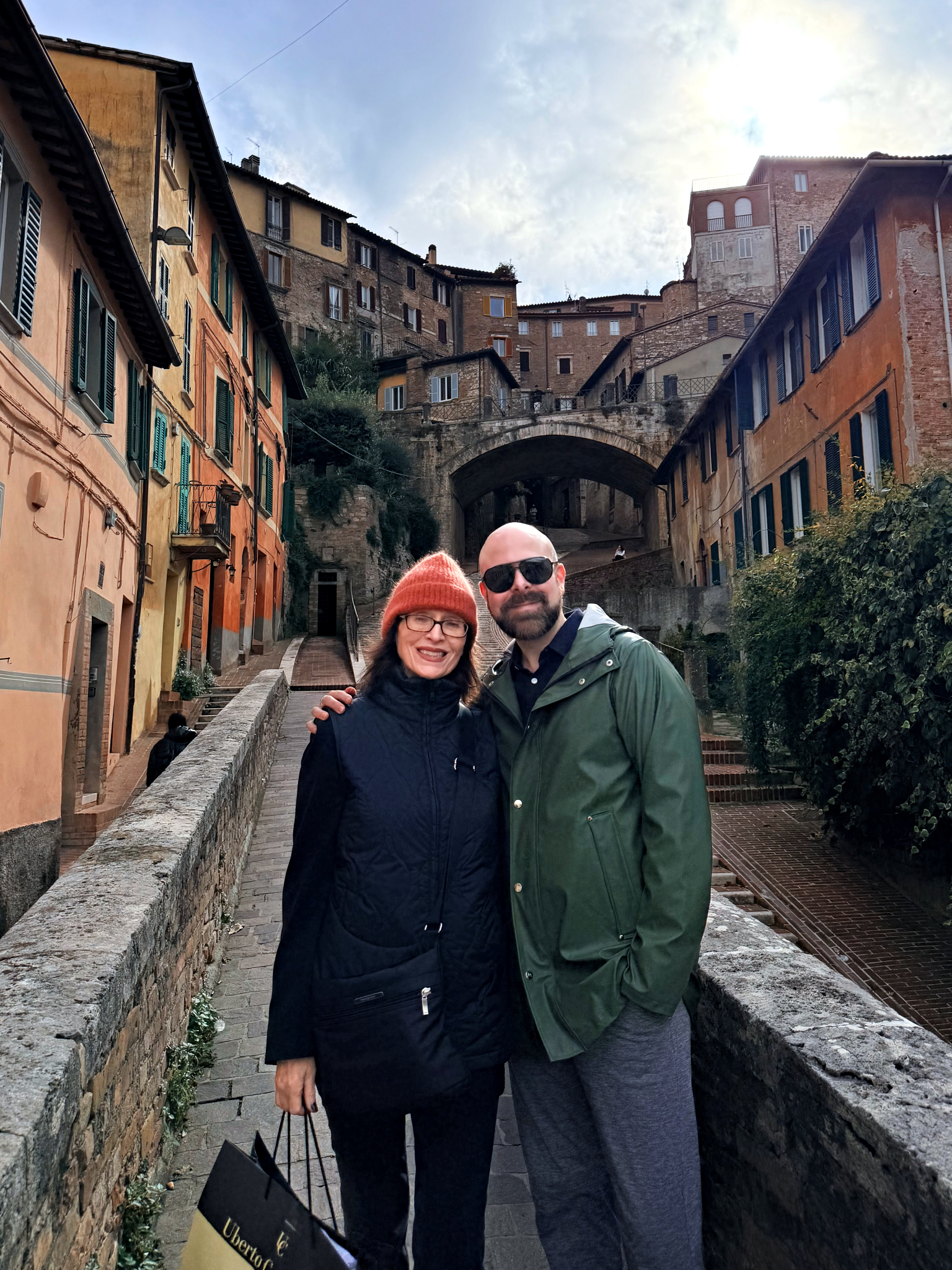
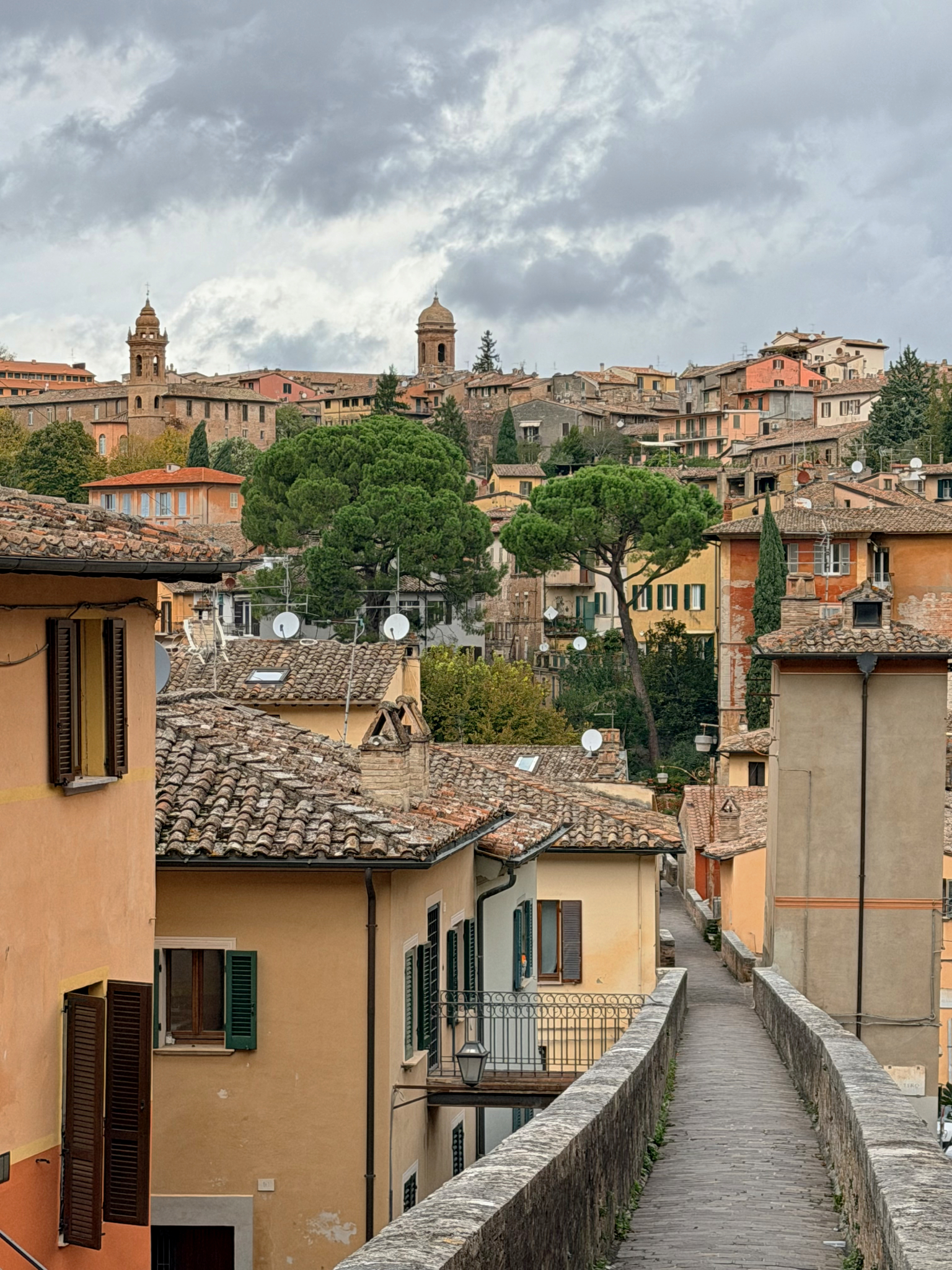
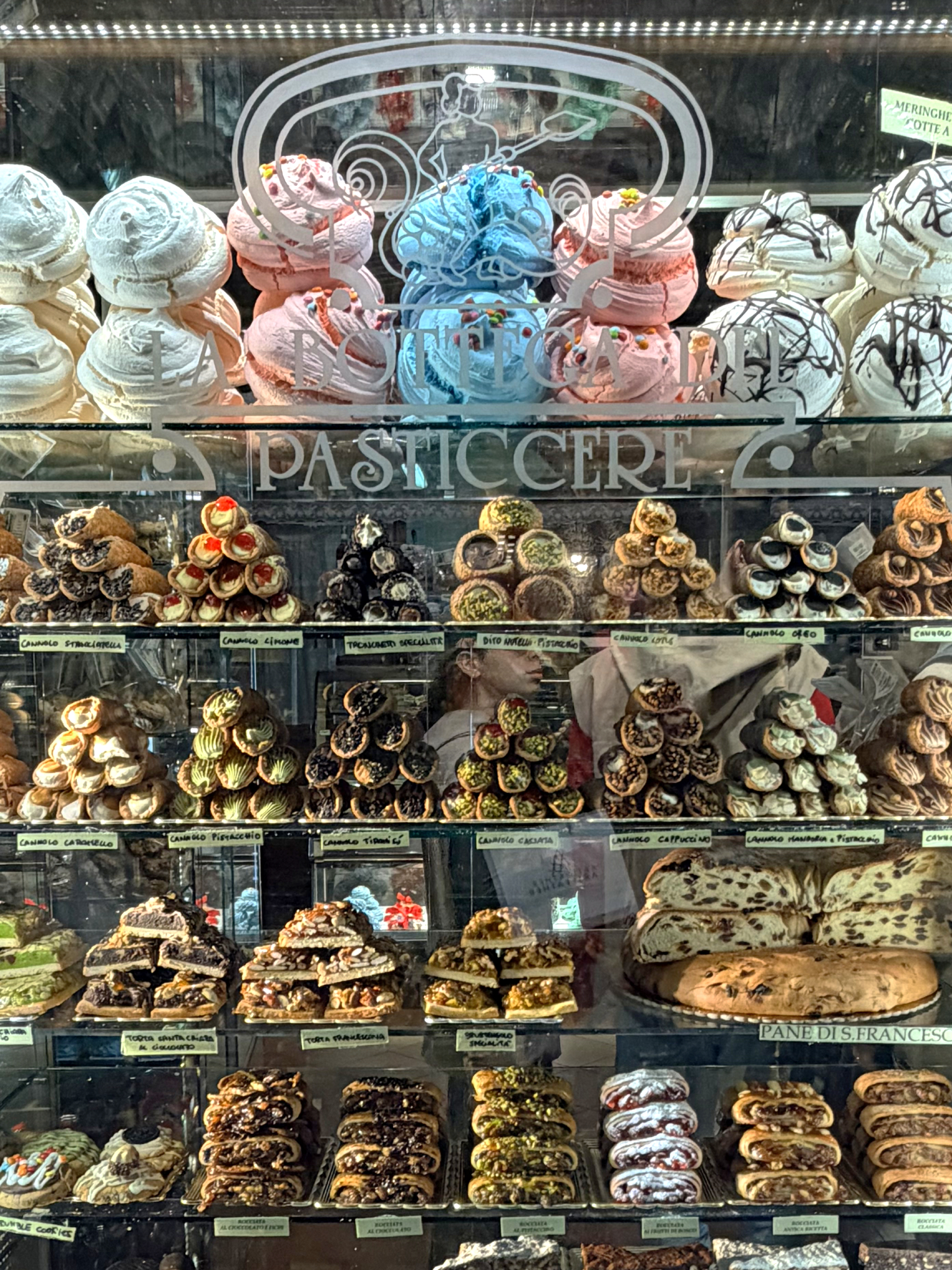
After lunch, we popped into Pasticceria Sandri, a classic Italian cafe dating back to 1860, for some sweet treats like the local Brustengolo, a “poor man’s” biscuit made from corn flour and mixed with raisins, pine nuts, walnuts, and apples. Yum! Perugia is home to some prestigious museums, but wanting to spend our time outdoors, we walked over to see the Scalinata dell’Acquedotto. This “stairway of the aqueduct” is a marvel of medieval engineering; built in the 13th century to bring water from Monte Pacciano to the city’s Fontana Maggiore, the top of the structure was eventually converted into a pedestrian bridge. Today, the narrow walkway flanked by colorful houses makes for a beautiful photo op. We finished our city walk at the Belvedere della Piazza Giovanni Battista Rossi Scotti (that’s a mouthful!), which offers sweeping views of the campanile of Chiesa di Santa Maria Nuova against the rolling hills.
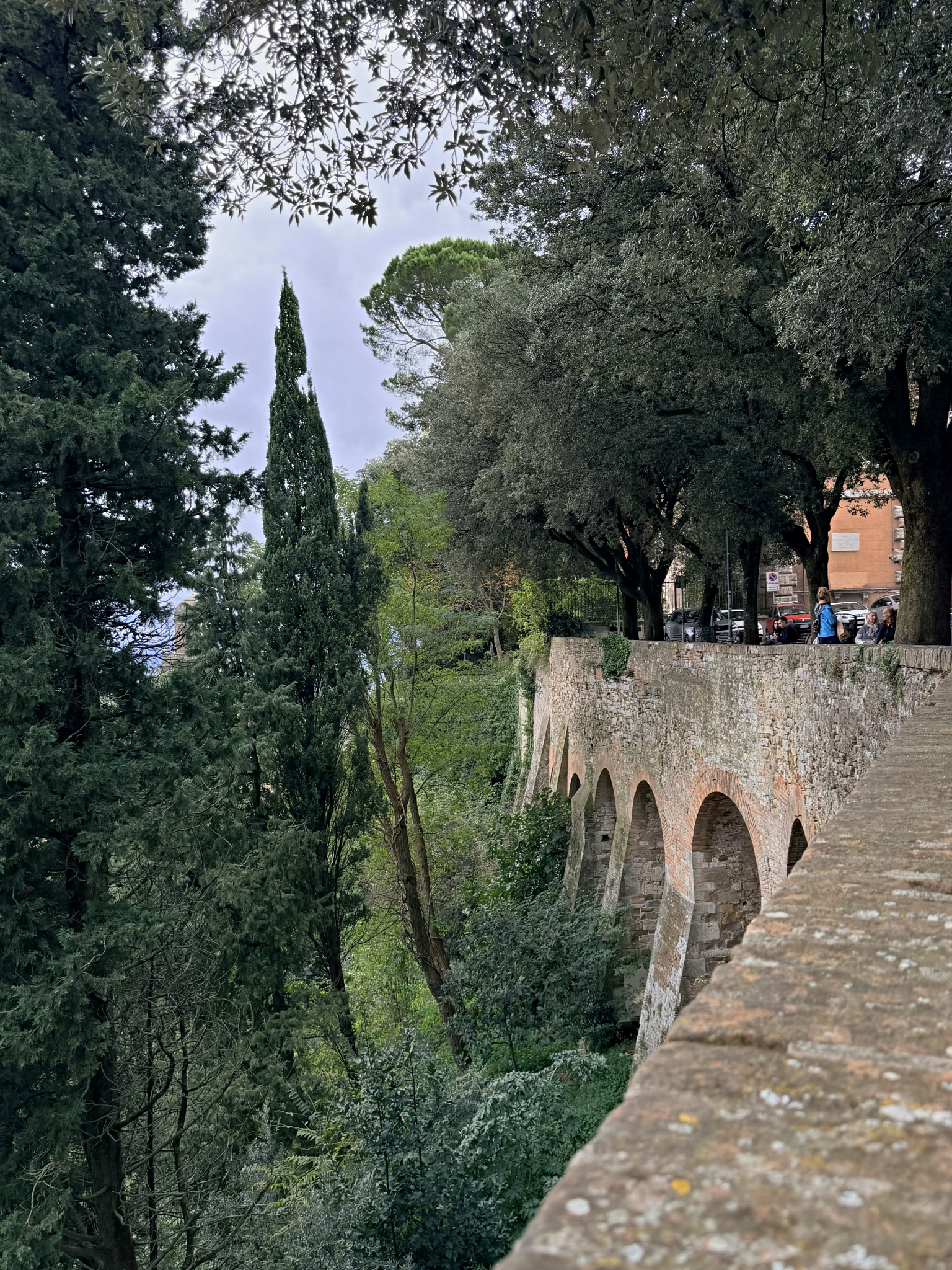
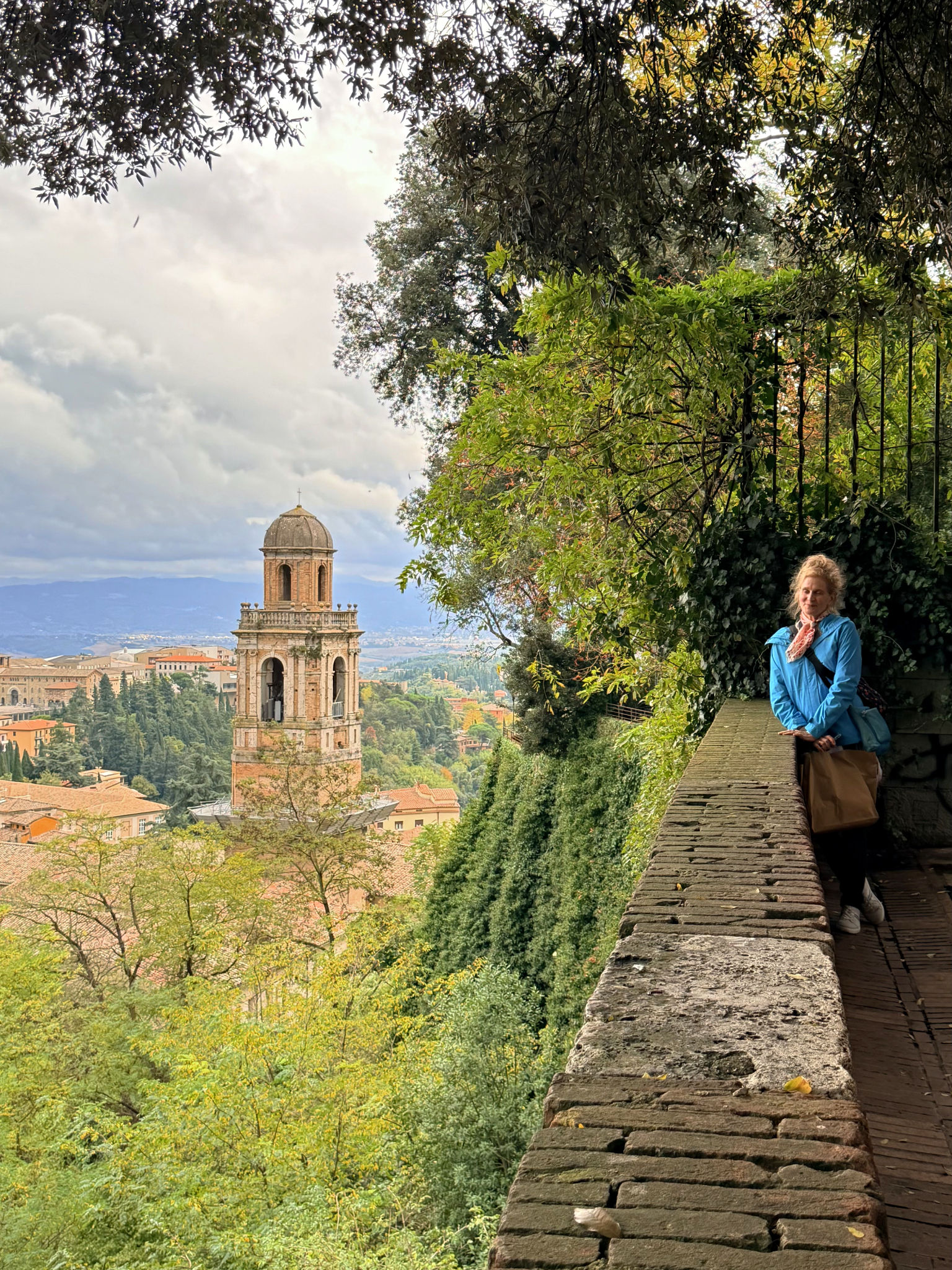
The Pilgrimage to Assisi
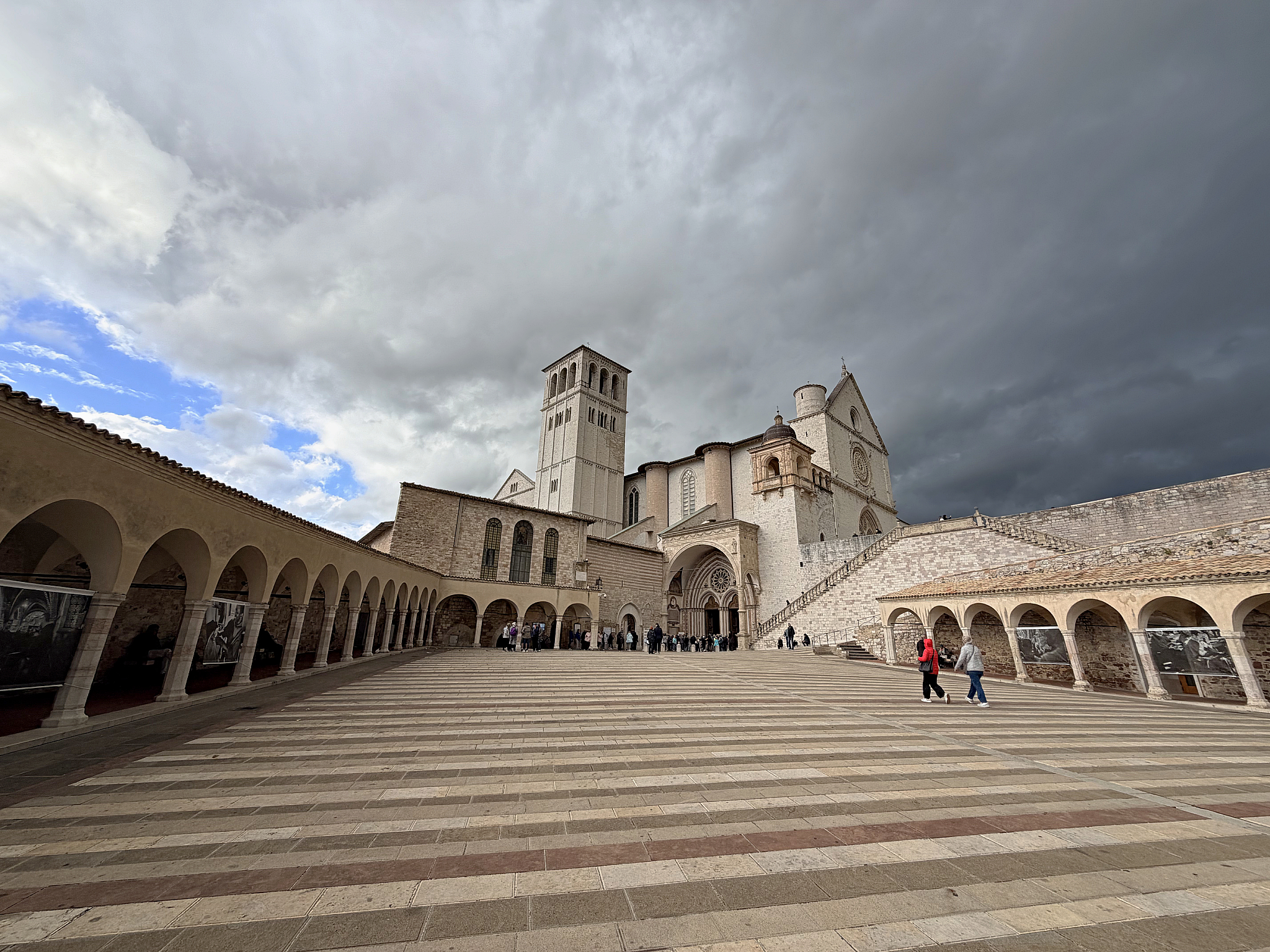
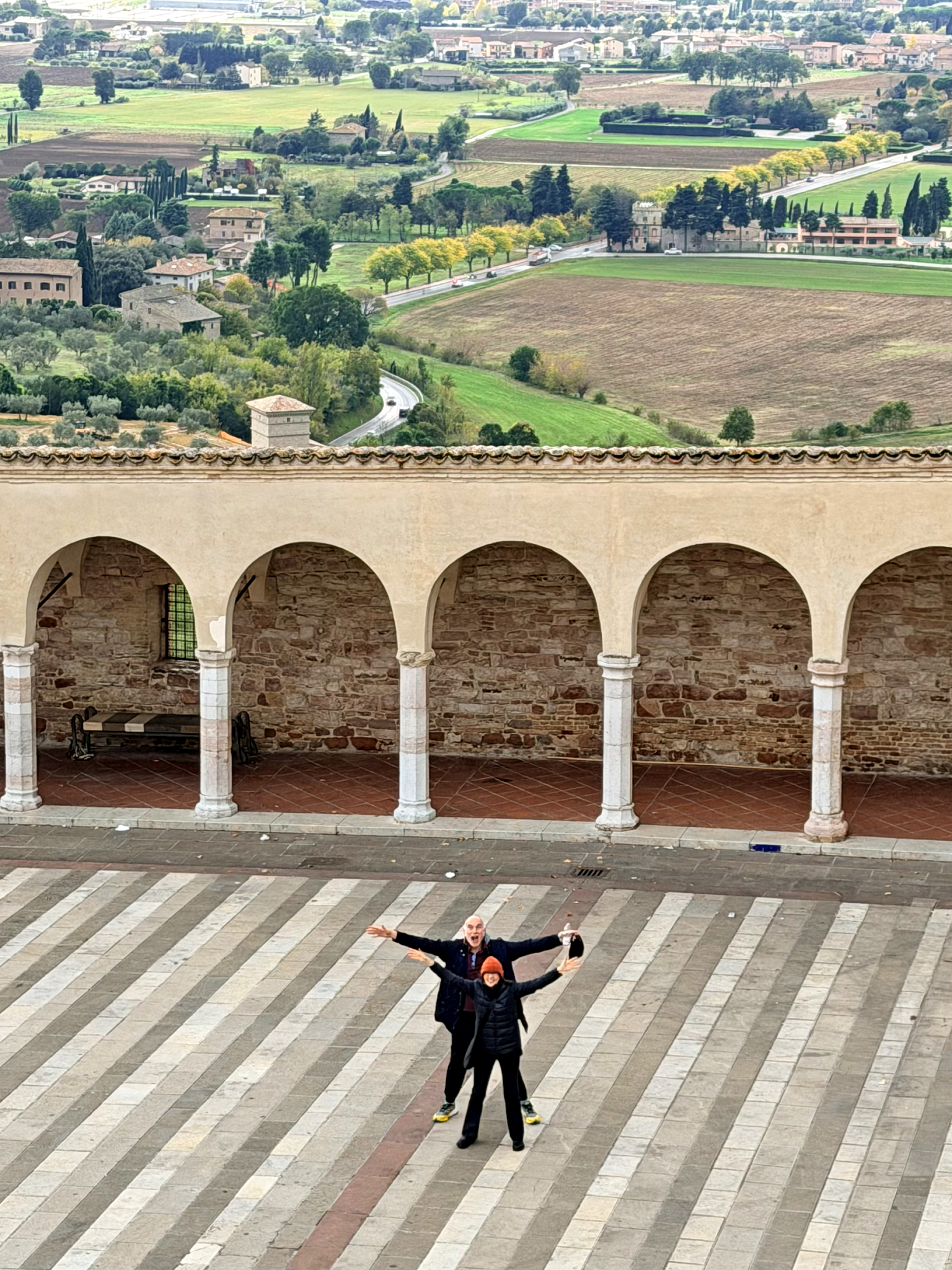
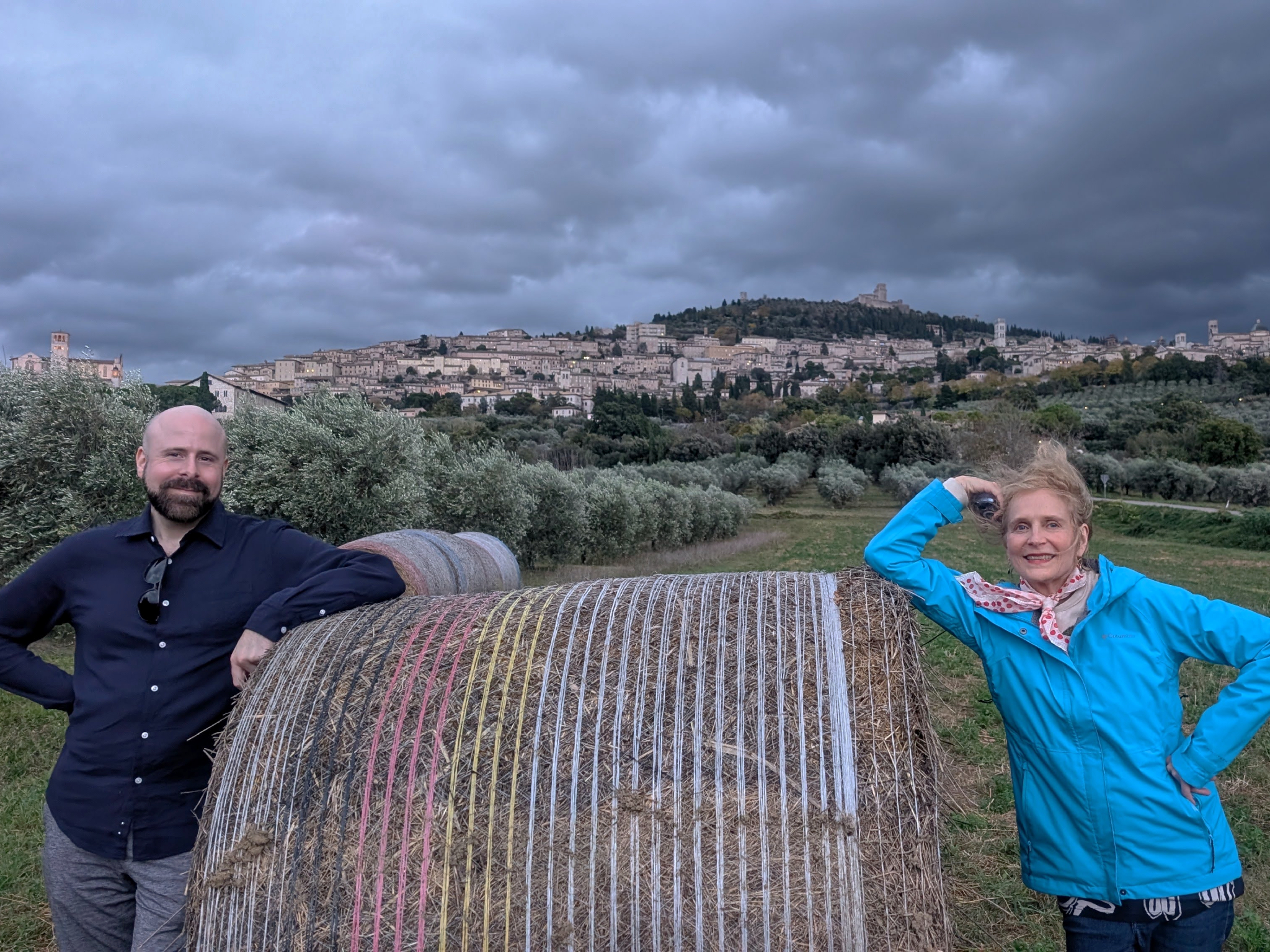
We ended the day in Assisi for a tour of the famous Basilica Superiore di San Francesco d’Assisi. Though our guide had to cancel due to a medical emergency, the timing of our arrival was perfect. We pulled up to the town in a windstorm just as the hoards of tour buses were departing.
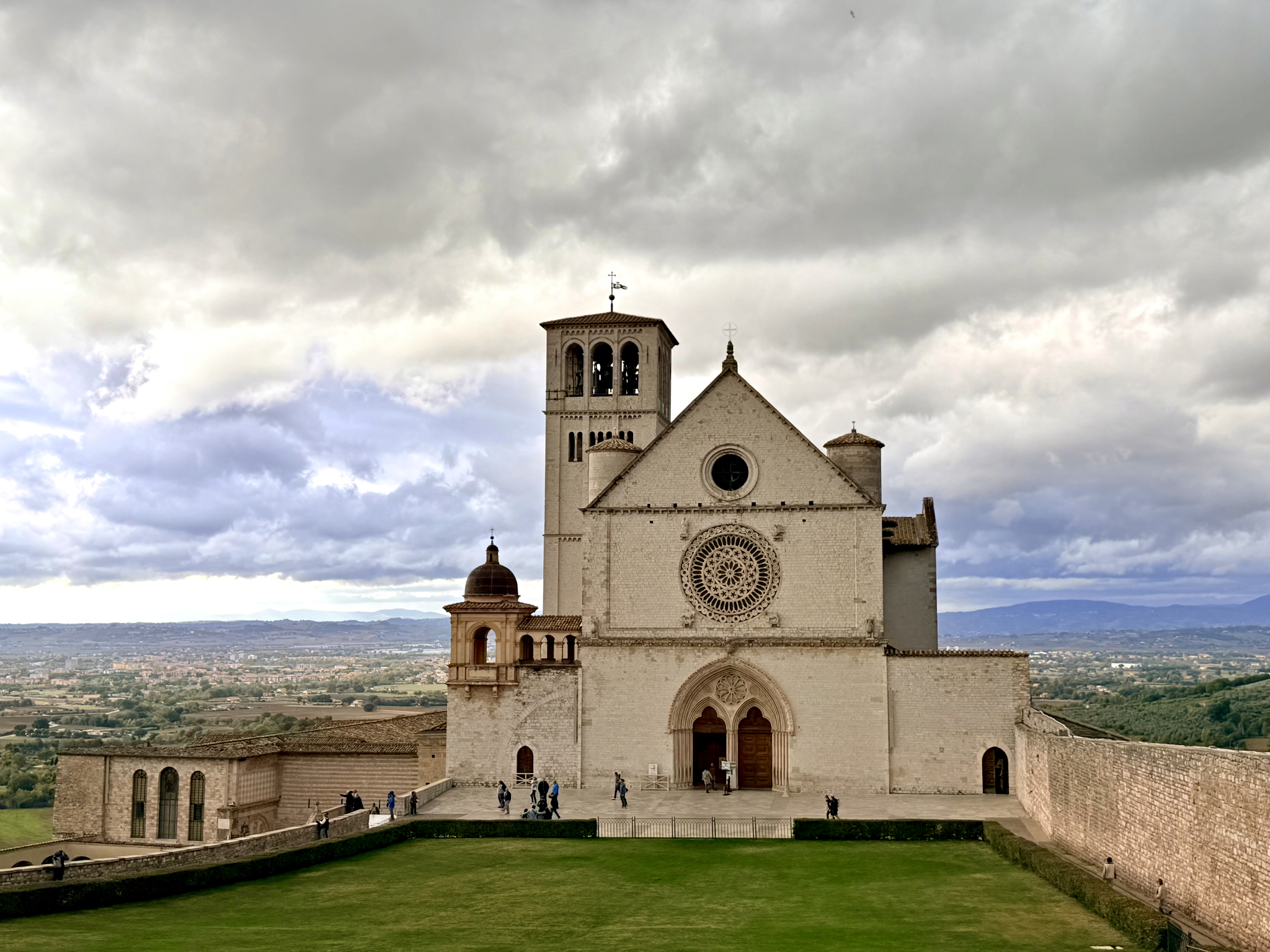
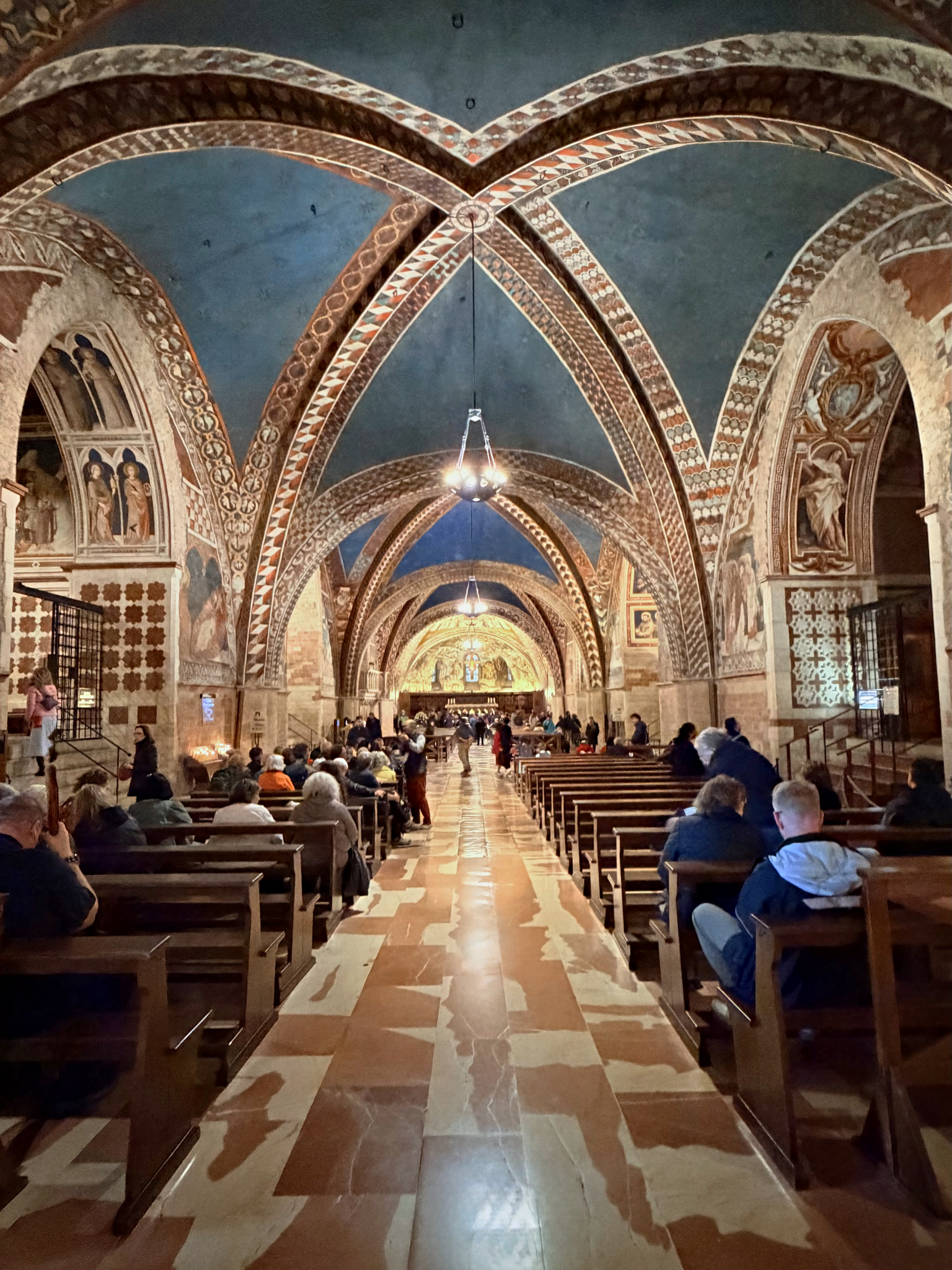
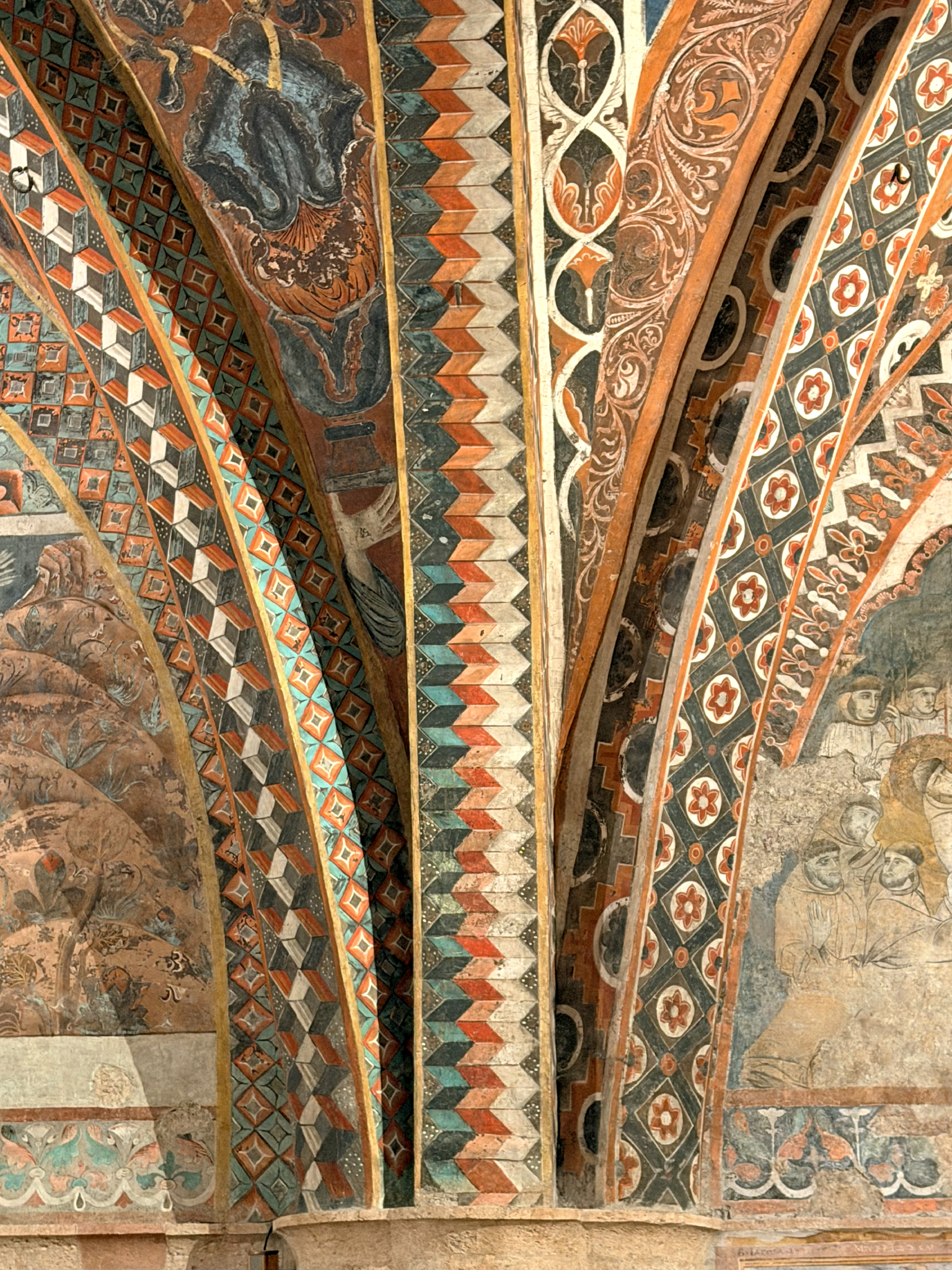
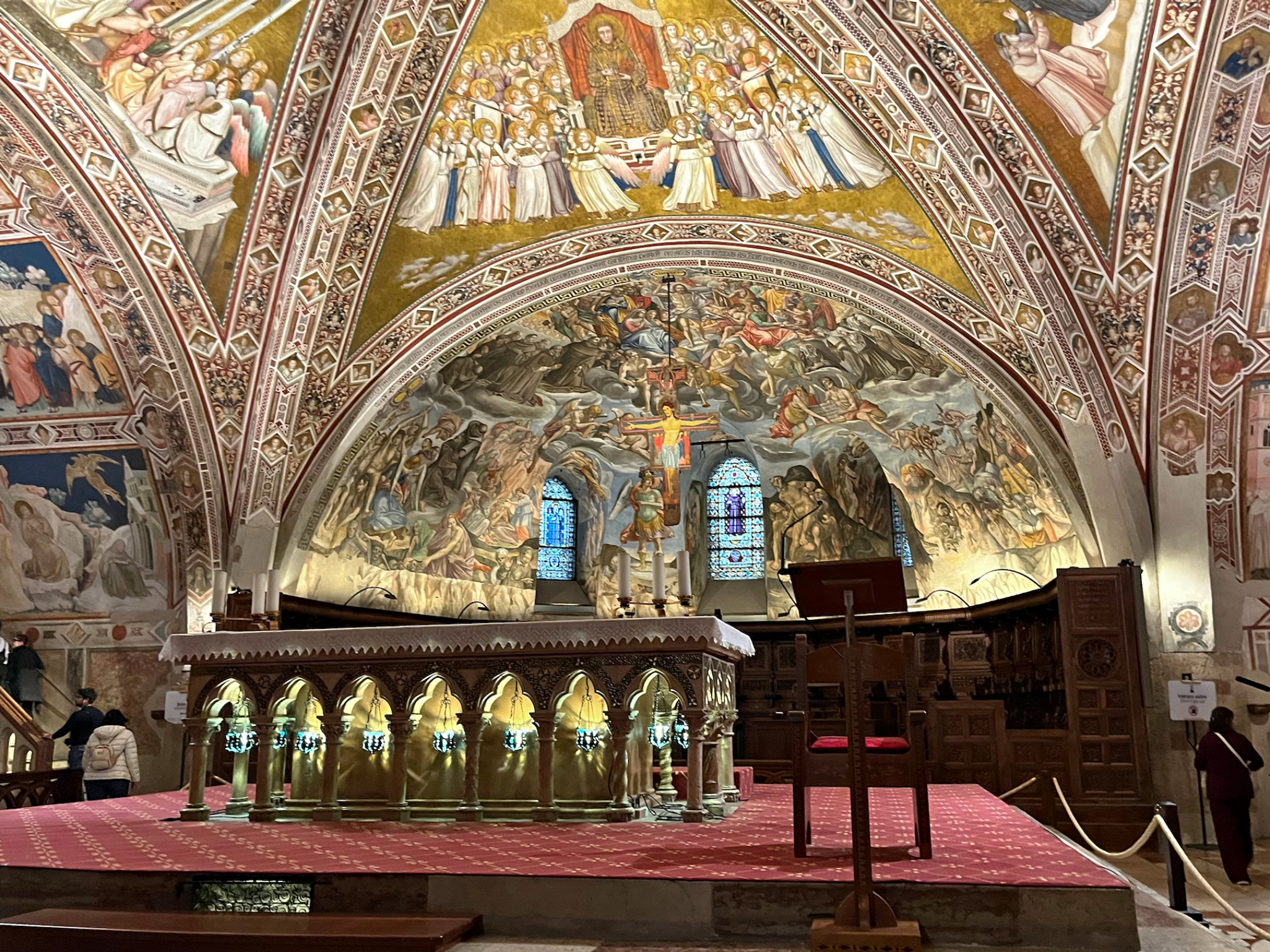
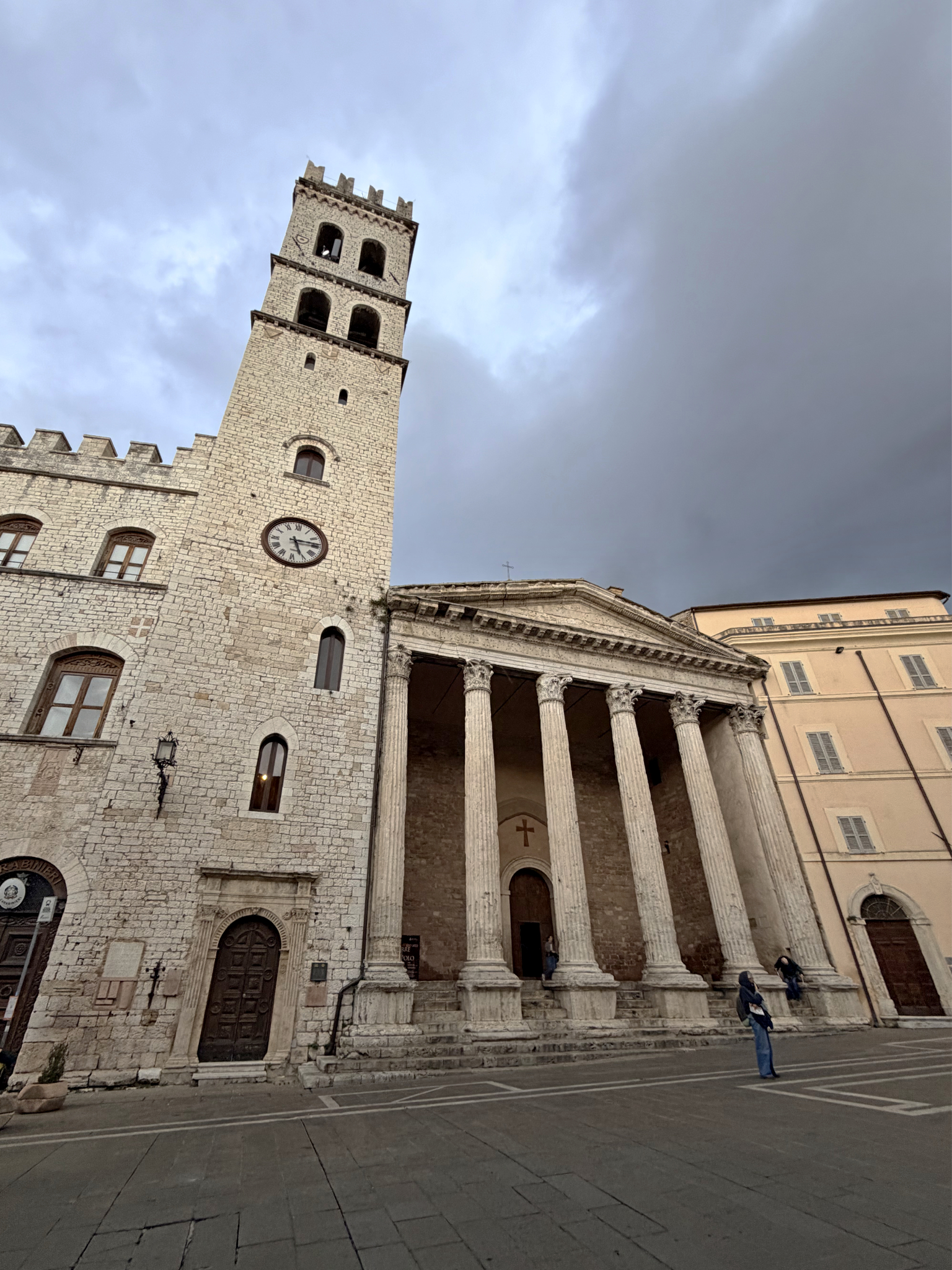
As we stood in the Piazza Inferiore di San Francesco, a massive gust of wind scattered the remaining tourists, leaving the square empty for a perfect photo op showcasing the horizontal brickwork leading to the cathedral. Inside, I was blown away by the detailed frescos, colors, and patterns covering every square inch of the interior. The Upper Basilica is home to the legendary fresco cycle attributed to Giotto, depicting 28 scenes from the life of Saint Francis. These works revolutionized Western art by introducing emotional realism and three-dimensional space. To see the vibrant lapis lazuli blues and intricate patterns in the rib vaulting—much of which was painstakingly restored after the 1997 earthquake—was truly moving.
That night, we dined at La Foresteria in Trevi. Amy and Jim joined us, and I’m glad Jim was driving because our van wouldn’t have fit through the narrow Porta Nova to enter the town. The restaurant is located within the historic Palazzo Paolelli, a grand estate handed down to the restaurant’s young proprietor and his wife from his parents and grandparents. The space has been beautifully restored, maintaining the grand architectural bones of the palazzo. We enjoyed a small but perfectly prepared menu featuring dishes like tender slow-cooked wild boar and hand-rolled pasta with local herbs, all shared over a bottle of delicious white biodynamic Pecorino wine.
Day 4: Truffles and the Sublime Piano Grande
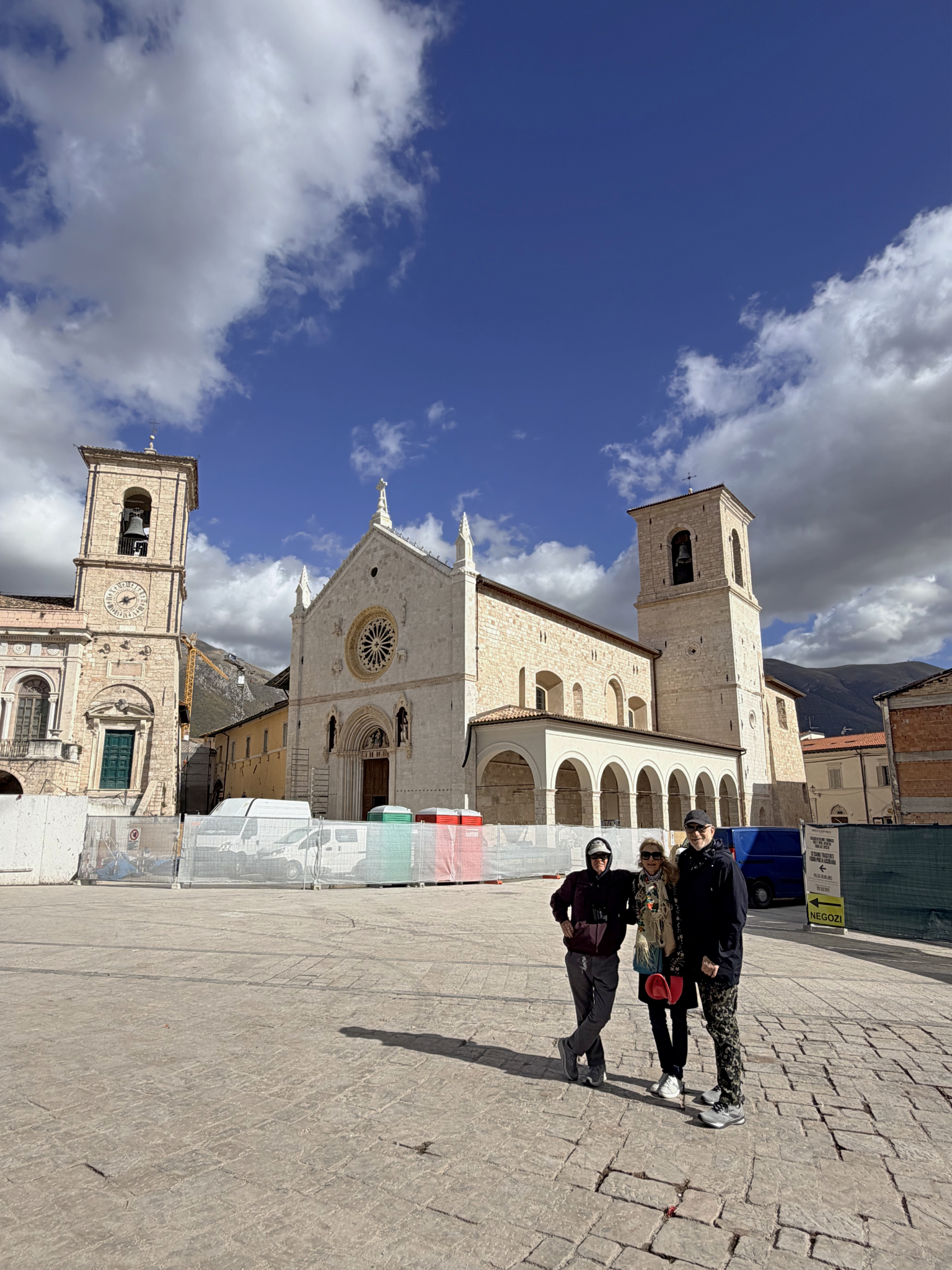
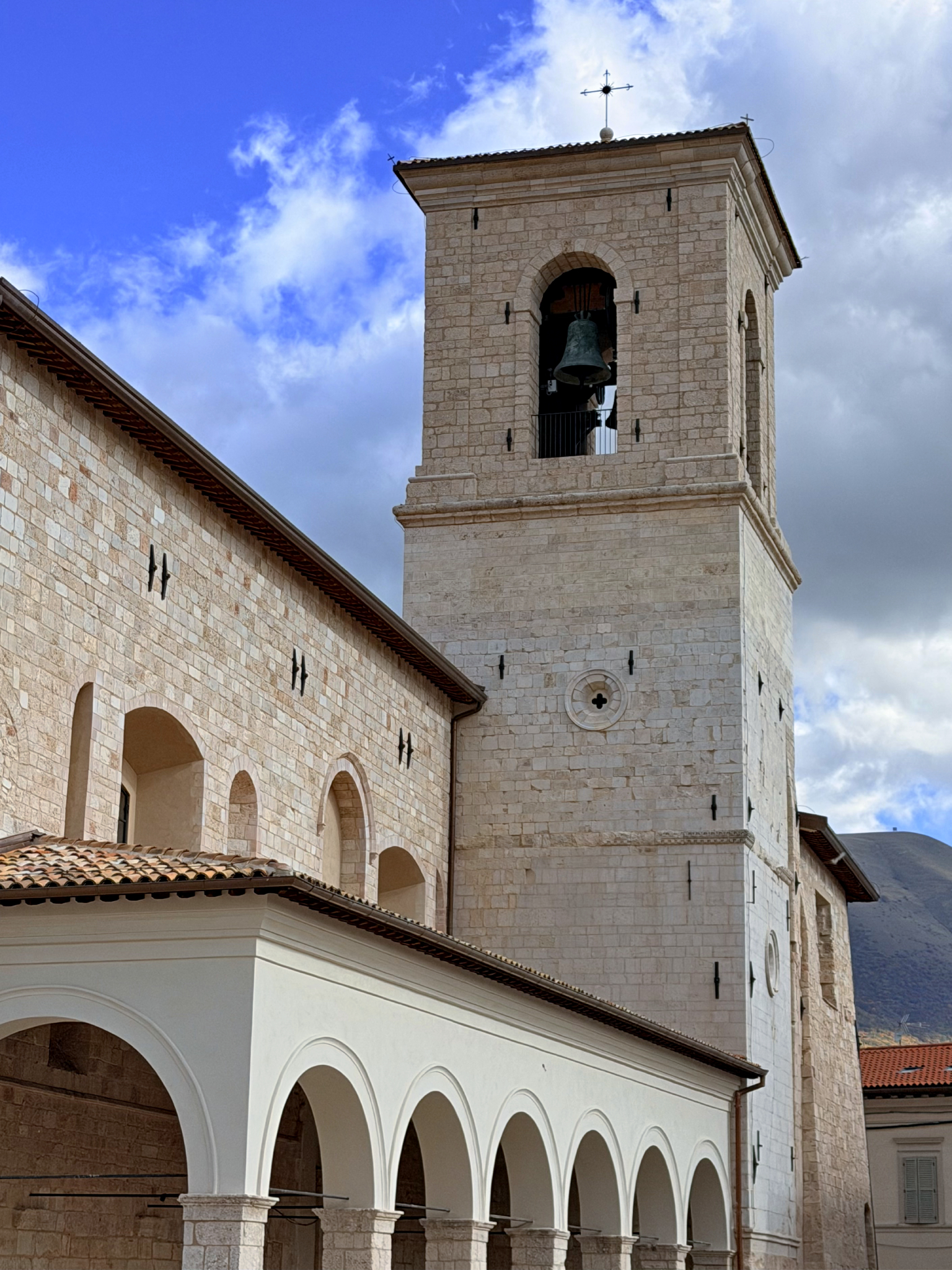
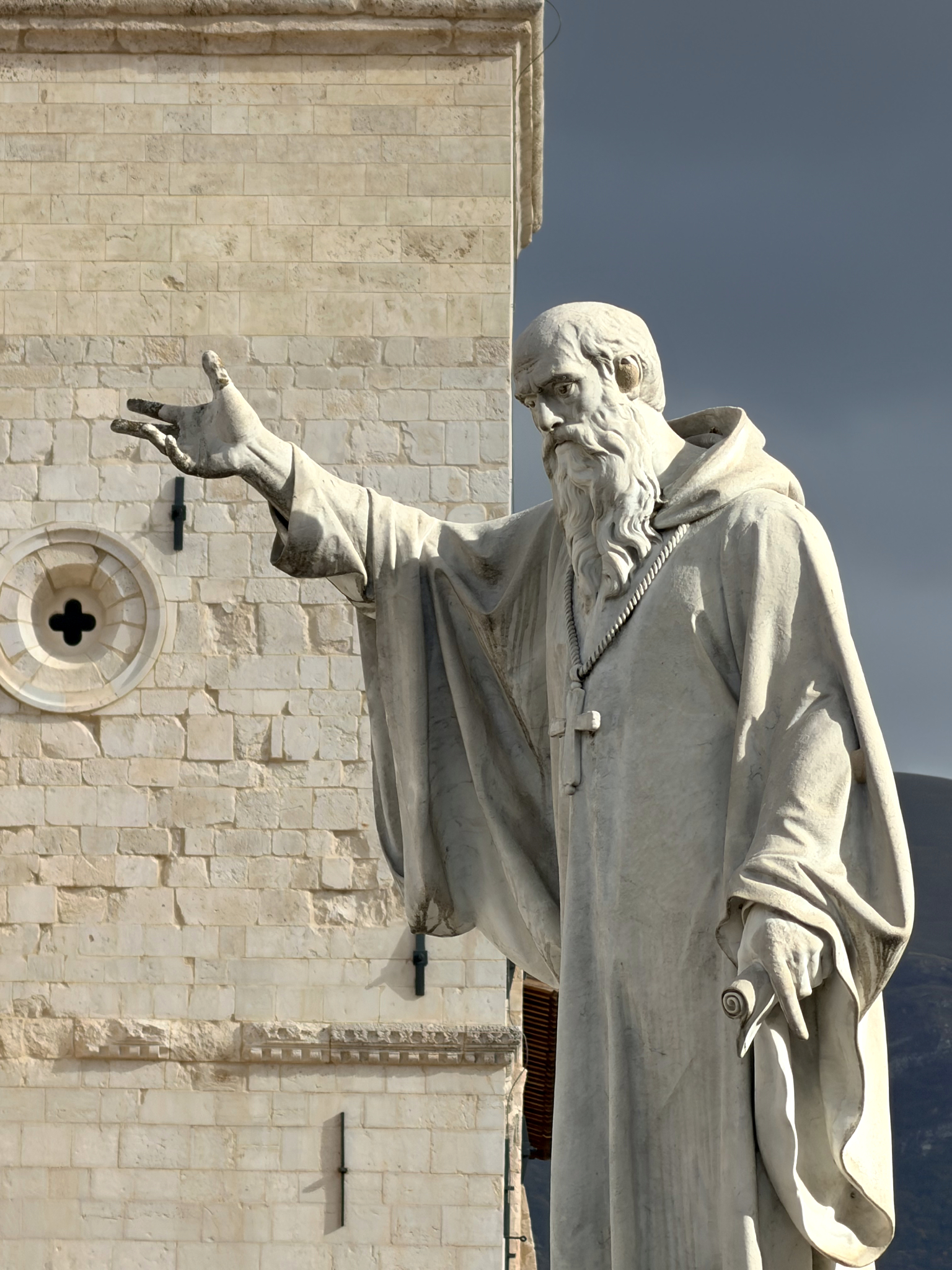
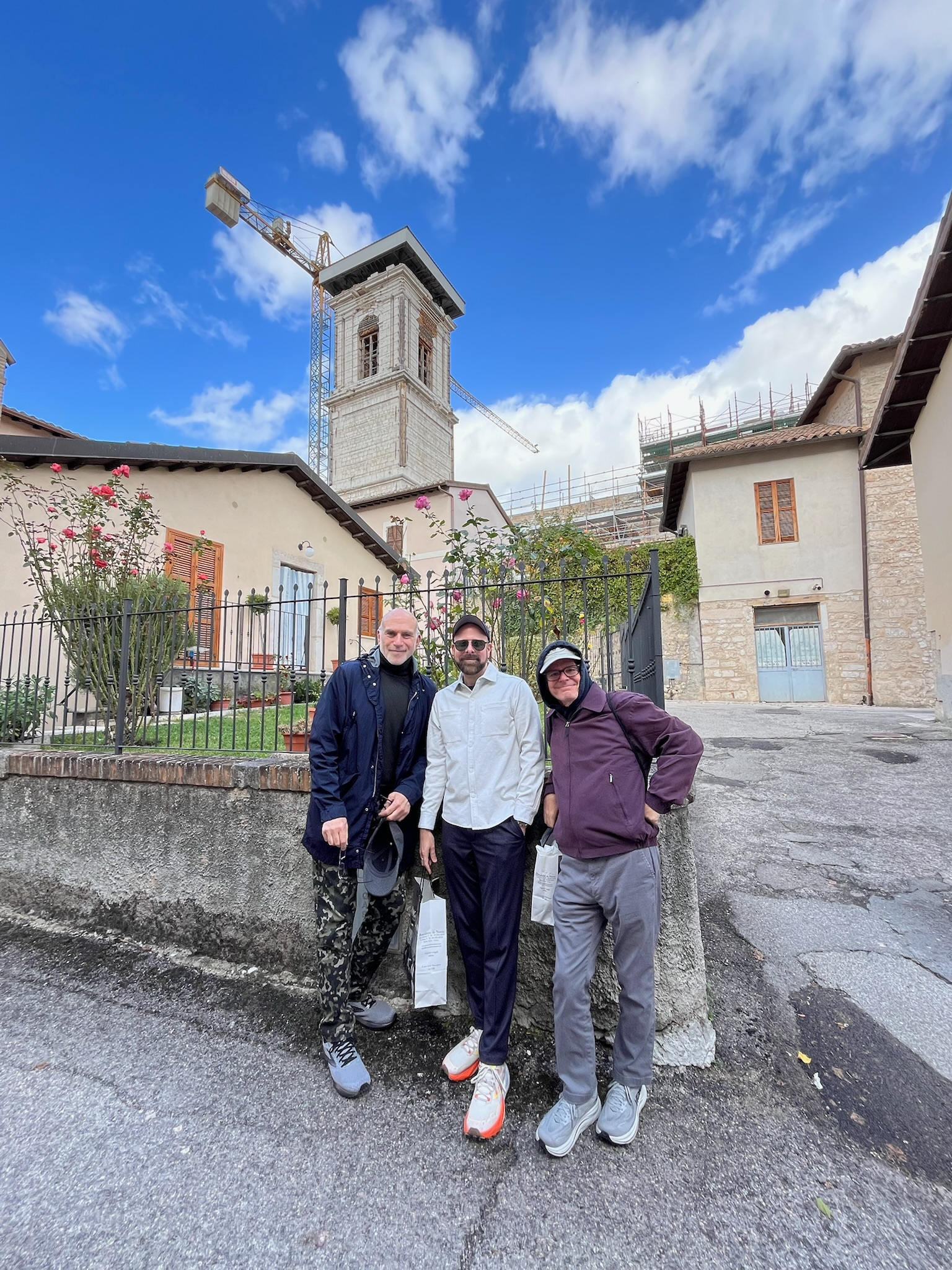
On the fourth day, Karen stayed behind to pick olives with Amy while the rest of us drove into the Valnerina, part of the Central Apennines. We stopped in Norcia, a town off the beaten path that is still bravely rebuilding from the devastating 2016 earthquake. Norcia is historically significant as the birthplace of Saint Benedict, but the 6.6-magnitude quake caused catastrophic damage, famously toppling the 14th-century Basilica of San Benedetto, leaving only its façade standing, and severely damaging the Concattedrale di Santa Maria Argentea.
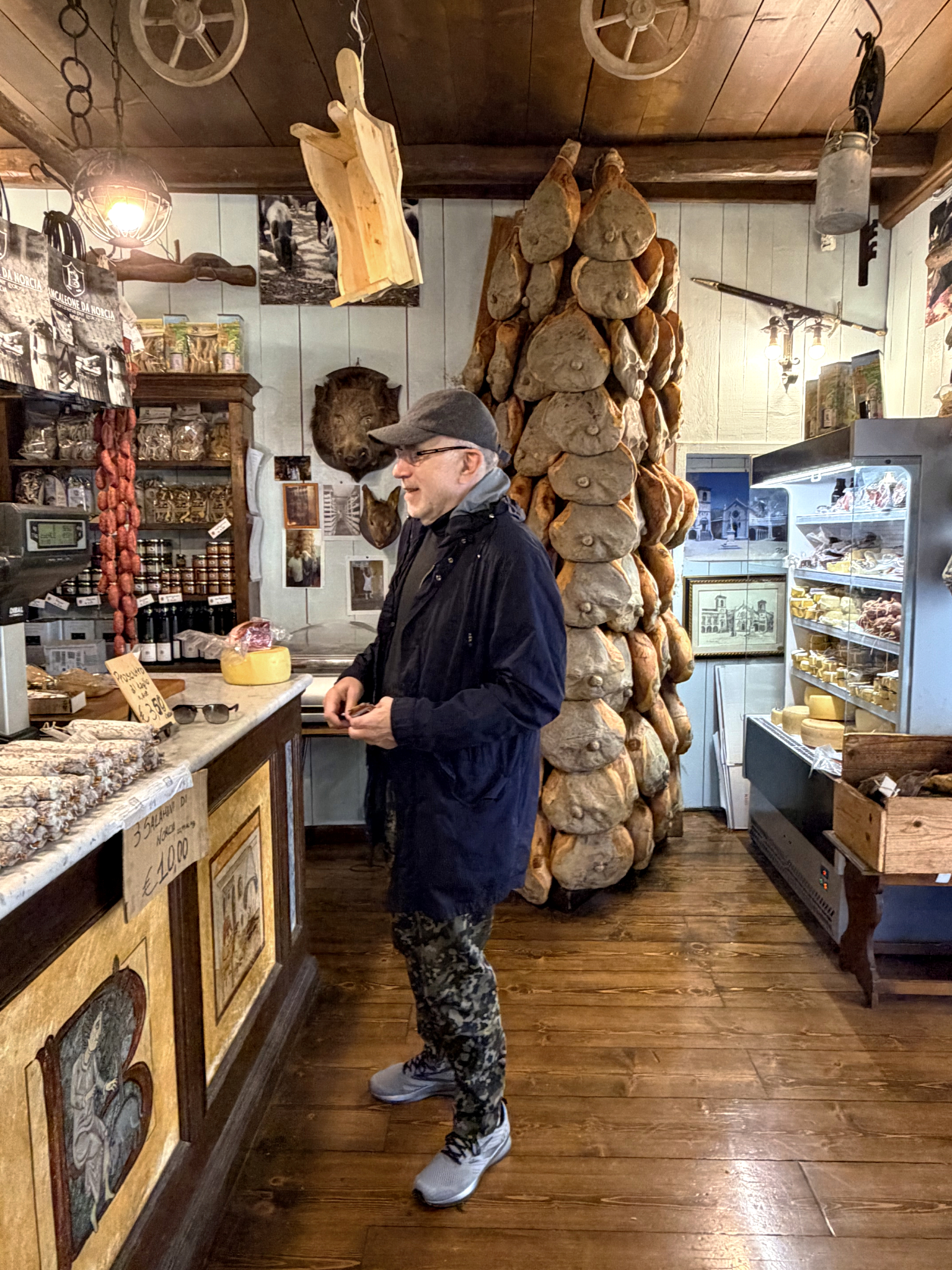
Despite the scars, Norcia remains the culinary soul of the region. It is the birthplace of the Norcineria—a term that refers to both a specialized pork butcher shop and the ancient art of curing meats. In Italy, a Norcino is a master of charcuterie, and the town’s shops are legendary for their Prosciutto di Norcia and wild boar sausages.
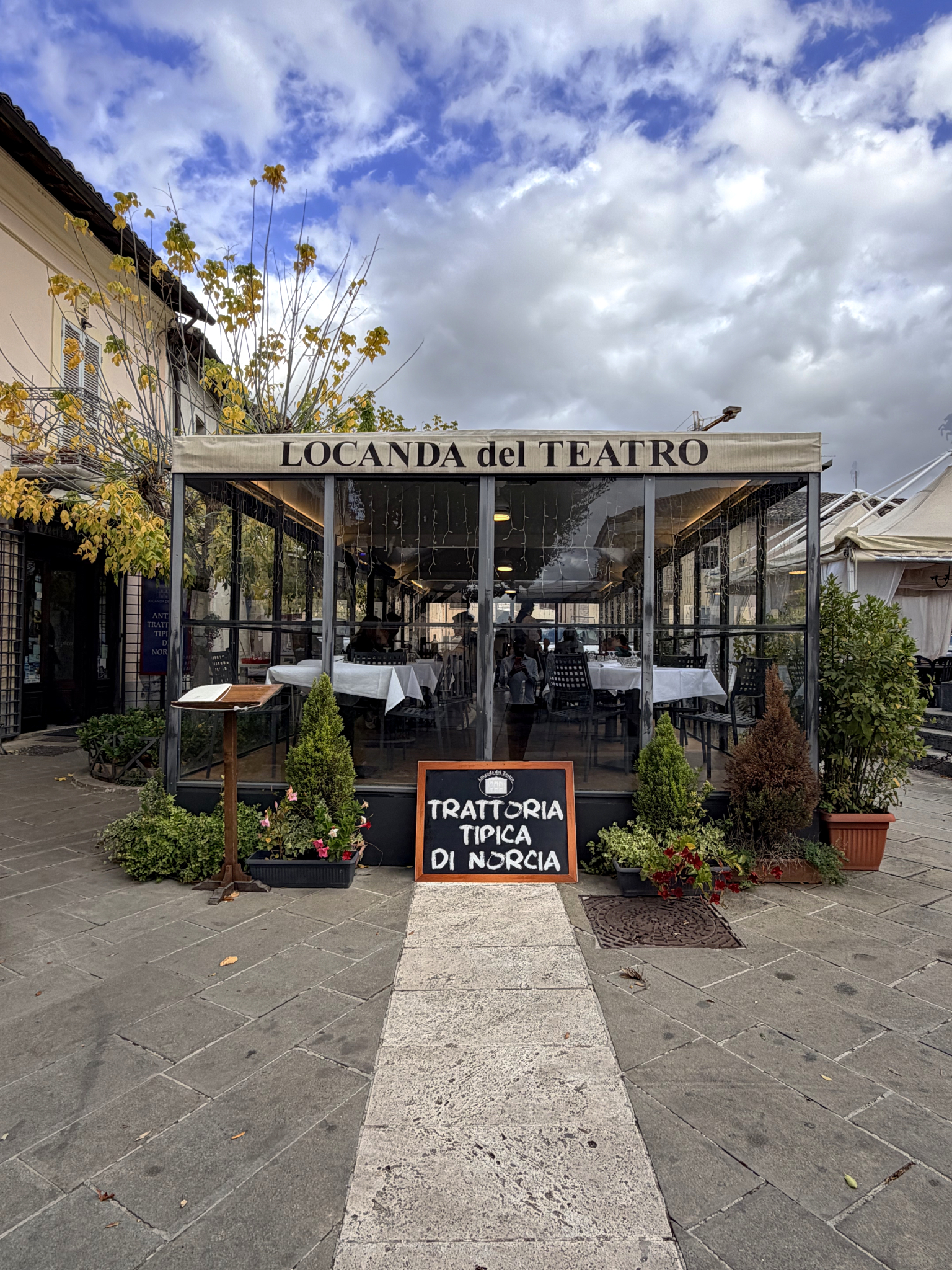
Lunch at Locanda del Teatro was a celebration of truffle season. We shared a massive plate of pappardelle with sausage, porcini, and black summer truffles, along with a truffle frittata and a bowl of the famous local lentils of Castelluccio. Afterward, we shopped at Brancaleone da Norcia, a historic norcineria, where we bought vacuum-packed salsiccia stagionata and pancetta to take back home. The pancetta is a gift that keeps on giving; I’ve used it in many soups and still have a small hunk in my freezer.
Crossing the Piano Grande
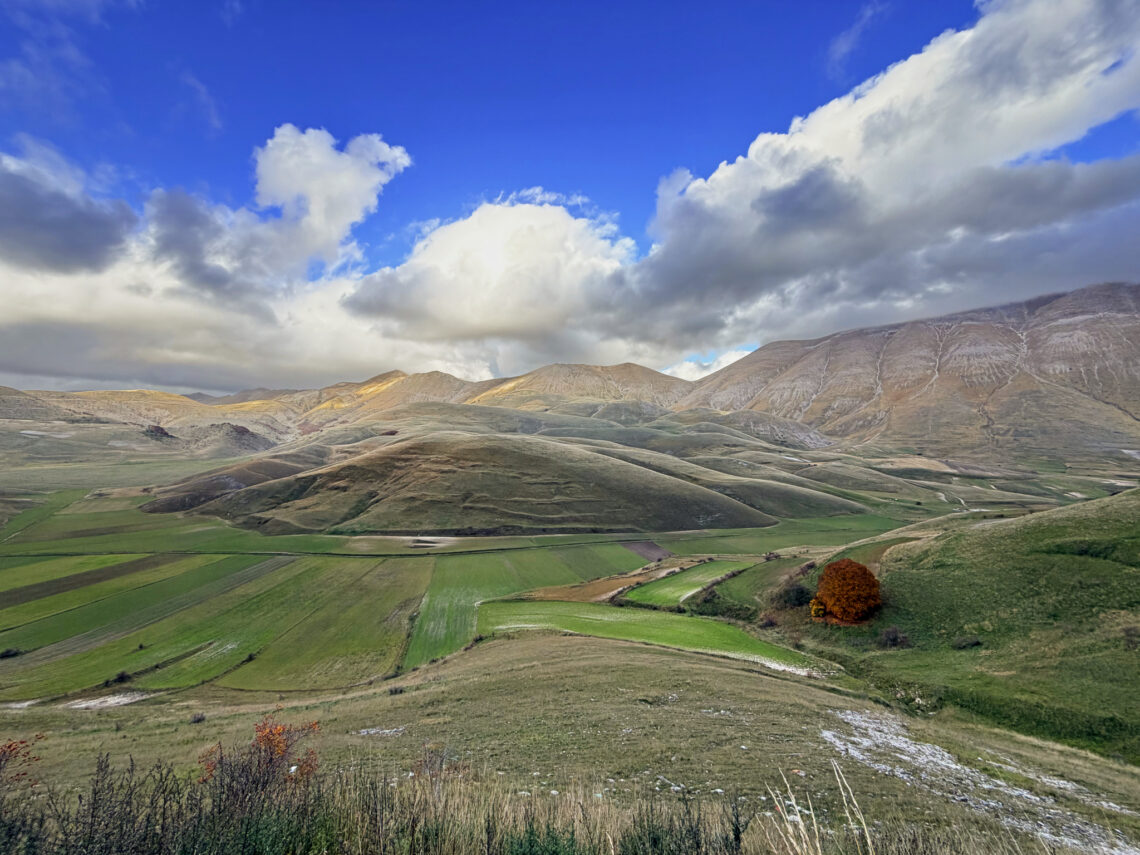
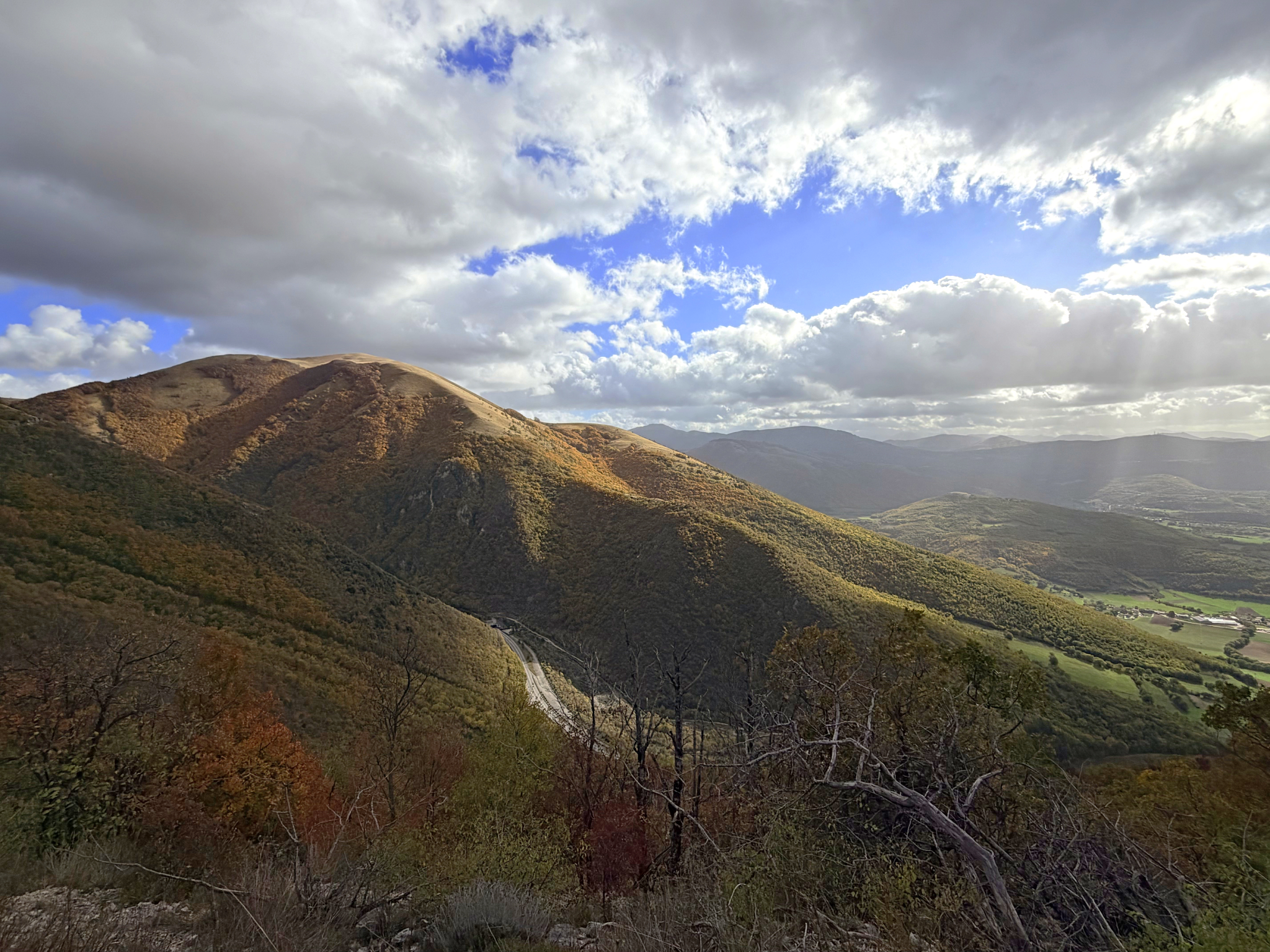
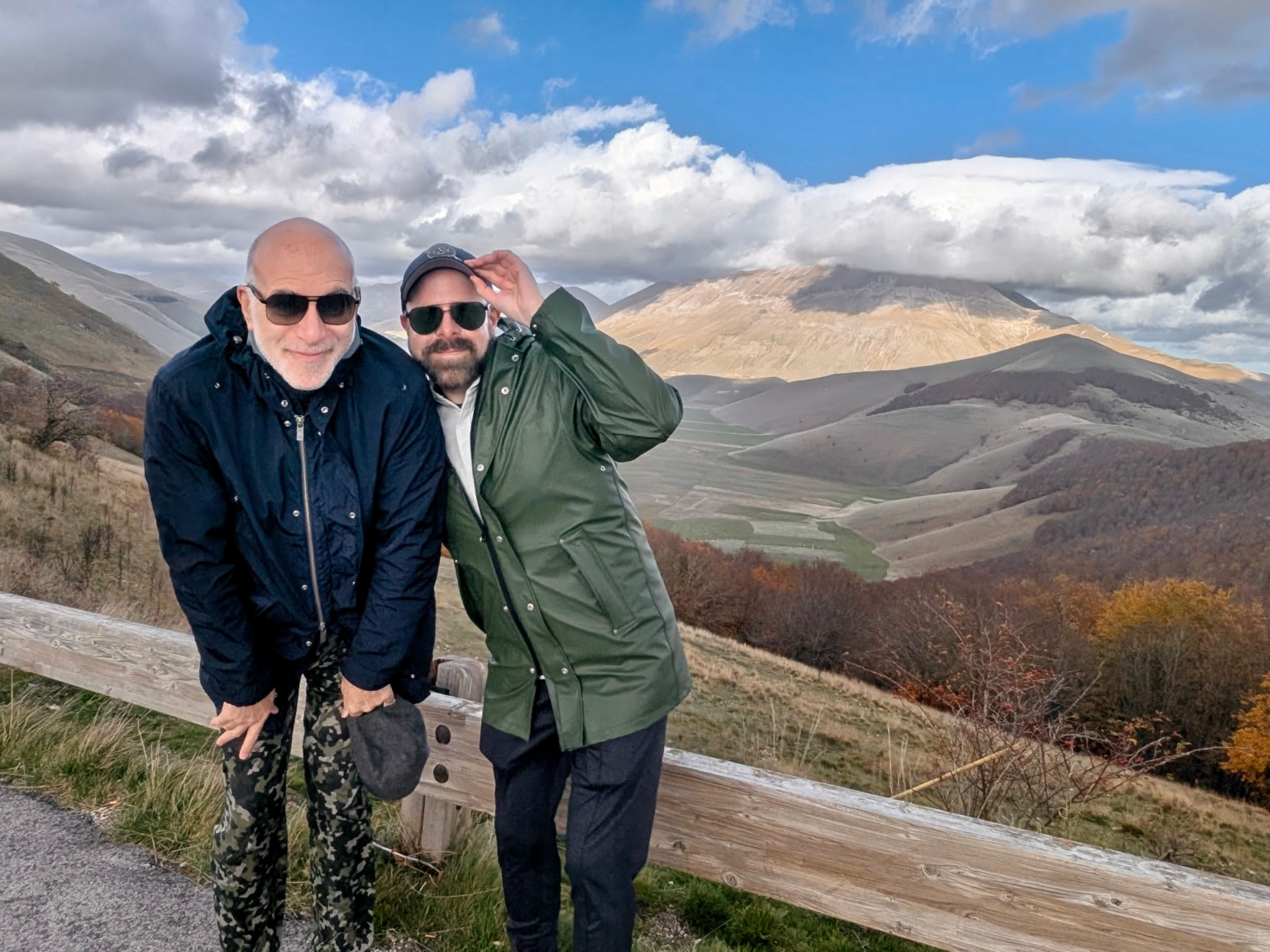
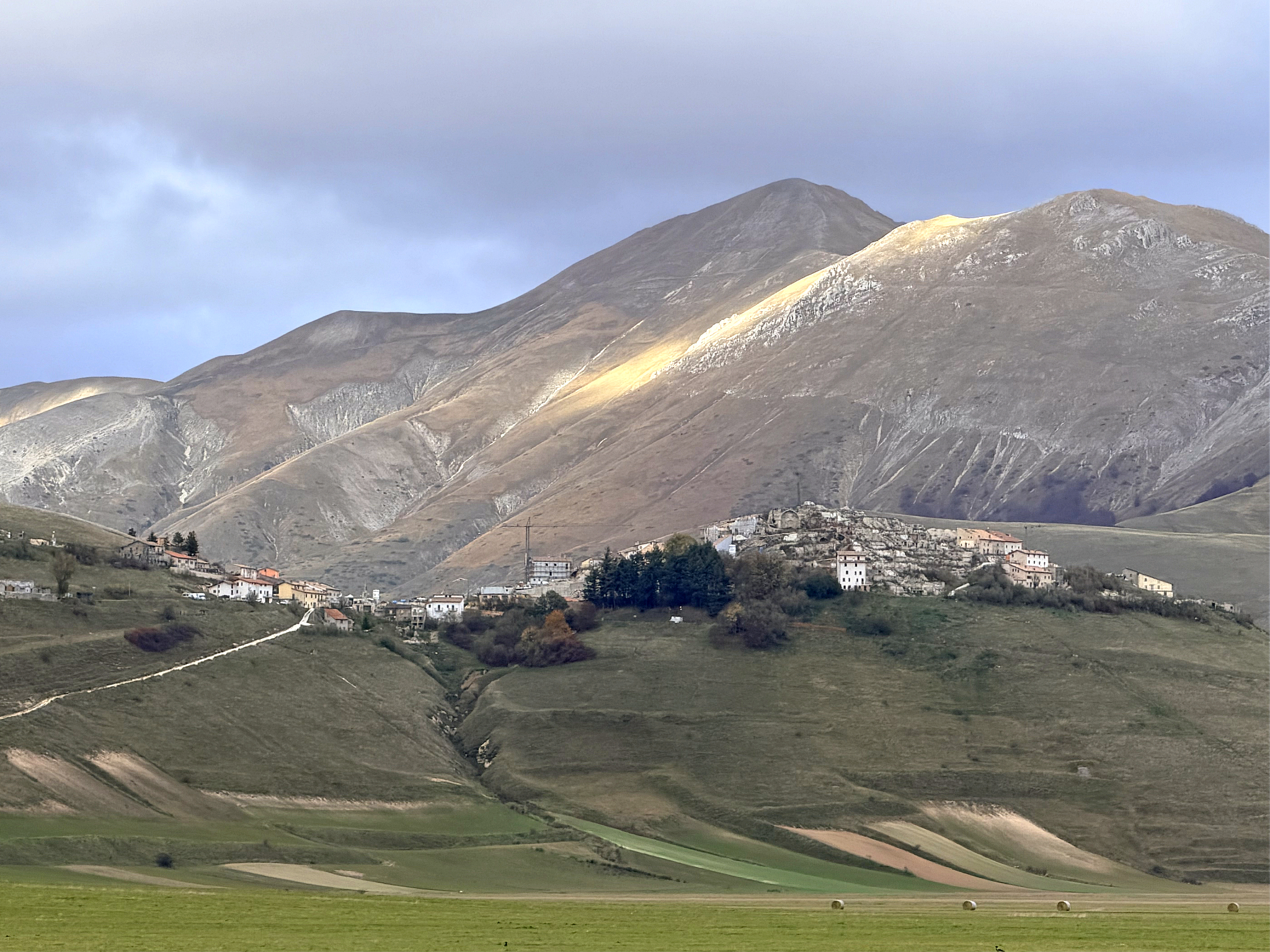
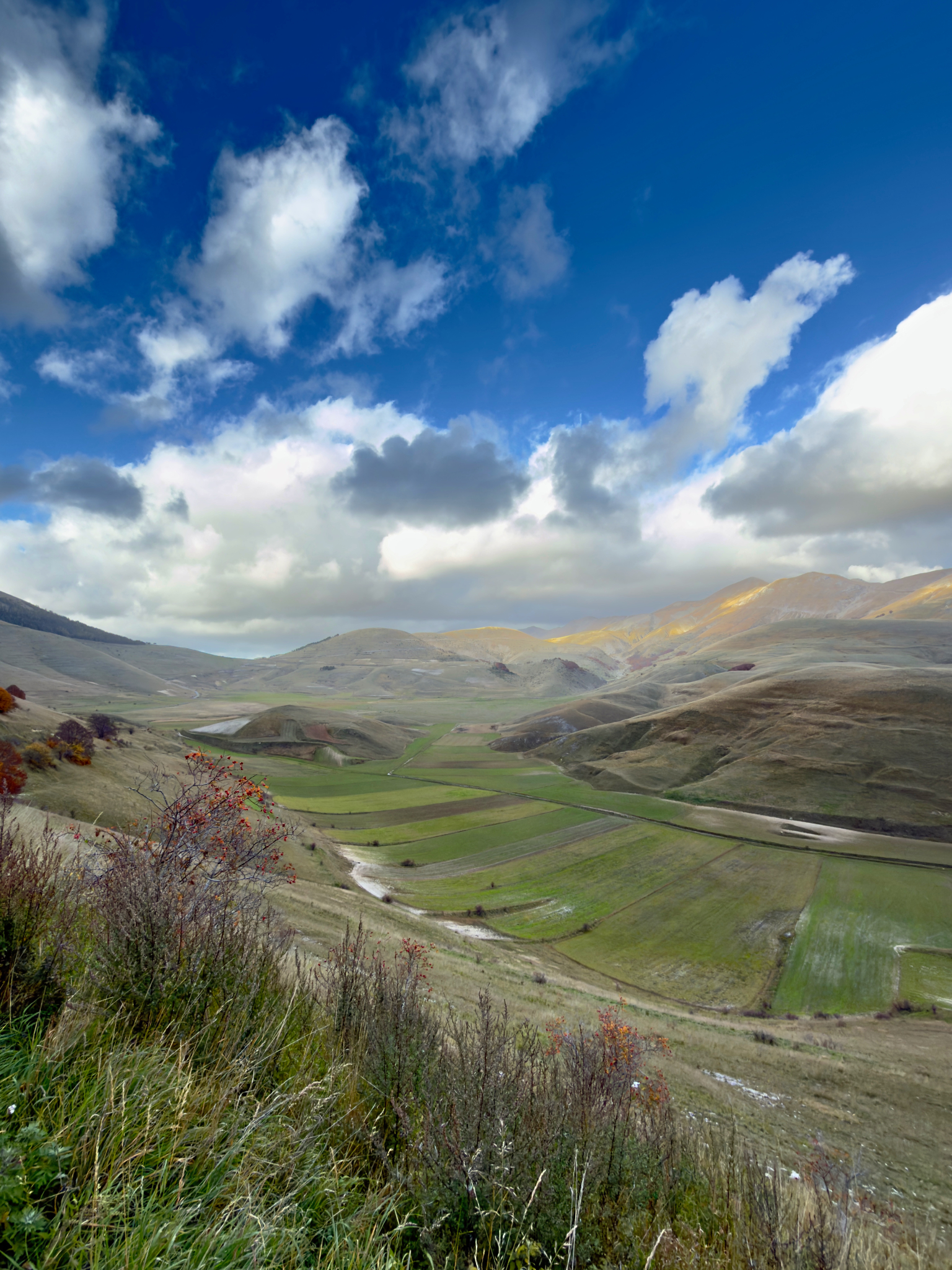
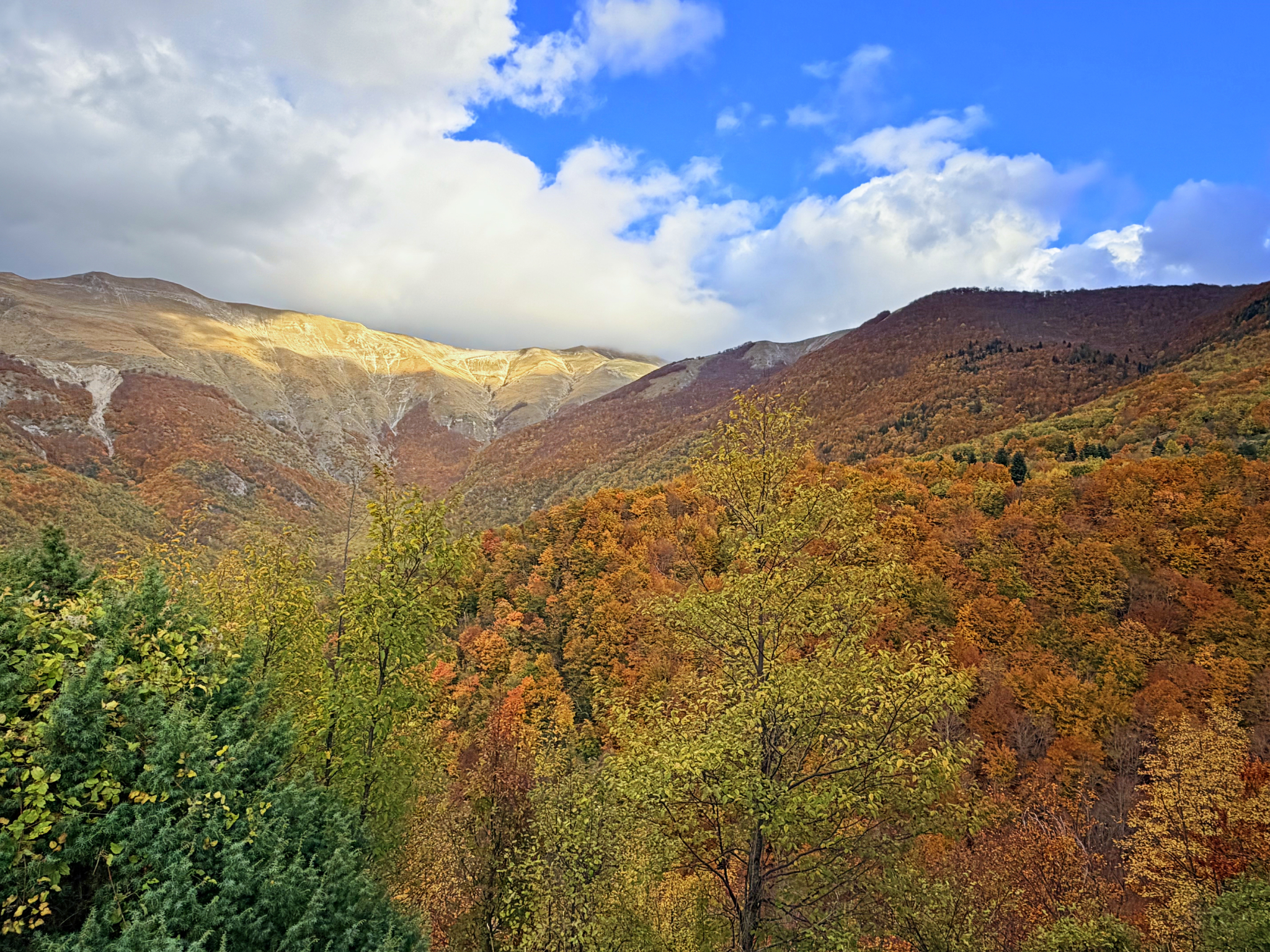
From Norcia, we ascended a winding mountain road into Monti Sibillini National Park, crossing the border between Umbria and Le Marche. At the ridge, the Piano Grande came into view—a vast, high-altitude karst basin that looked utterly sublime in the late afternoon light. This ancient lakebed, sitting at nearly 1,500 meters, is a geological marvel surrounded by the limestone peaks of the Sibillini range. Historically, the “Great Plain” has been the lifeblood of the mountain people, famous for the cultivation of the IGP Lentils of Castelluccio and the seasonal transhumance of sheep.
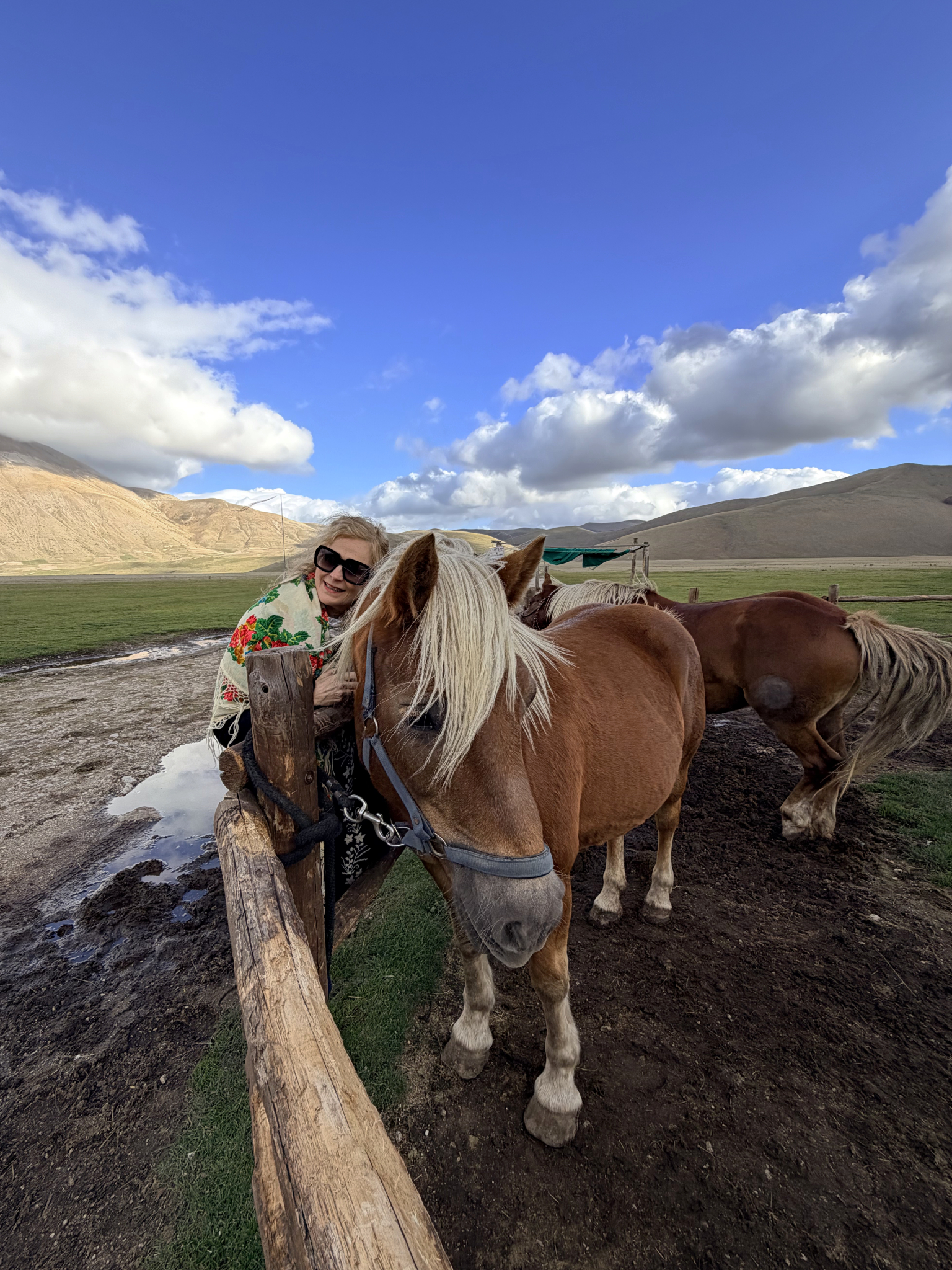
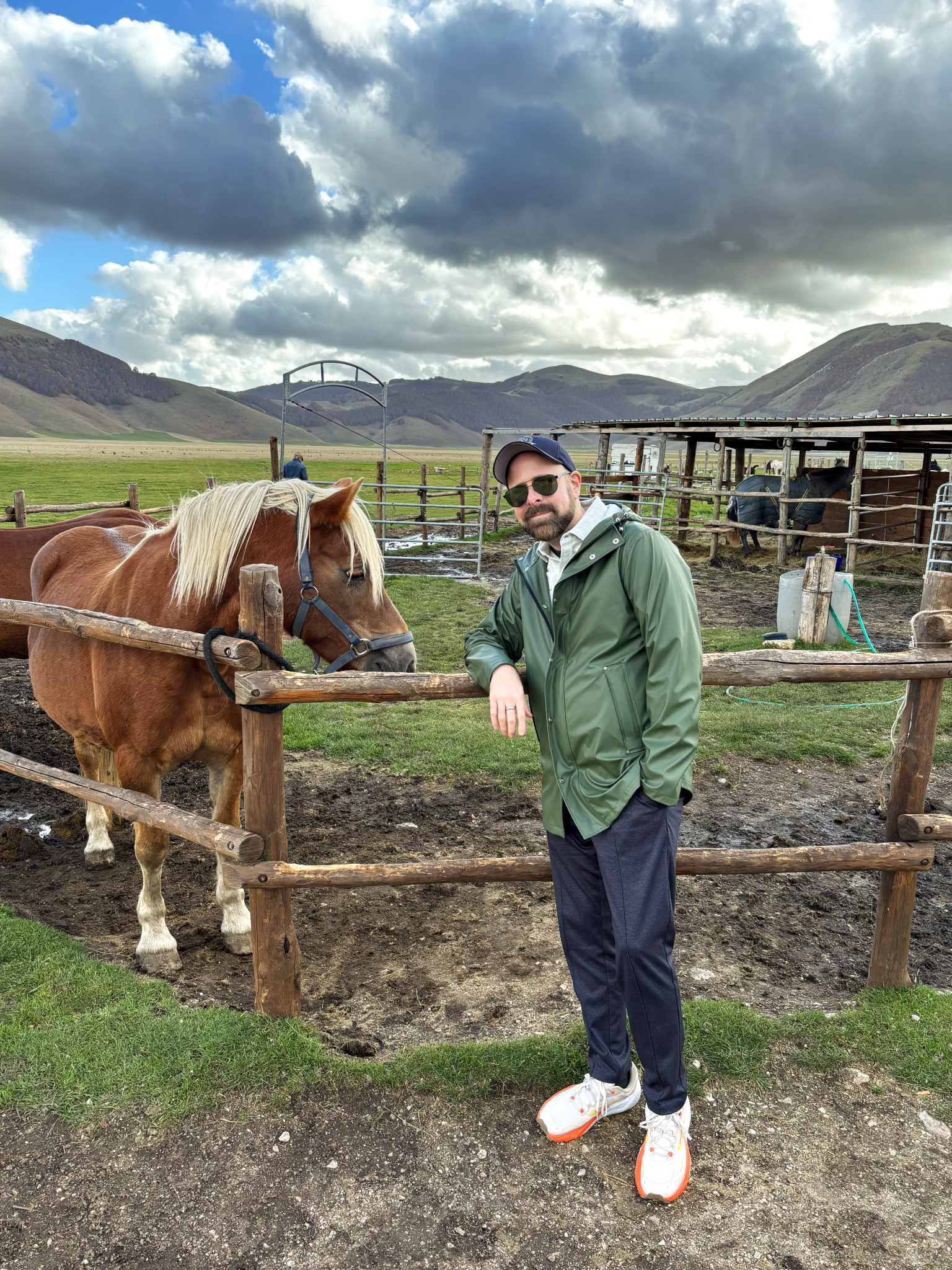
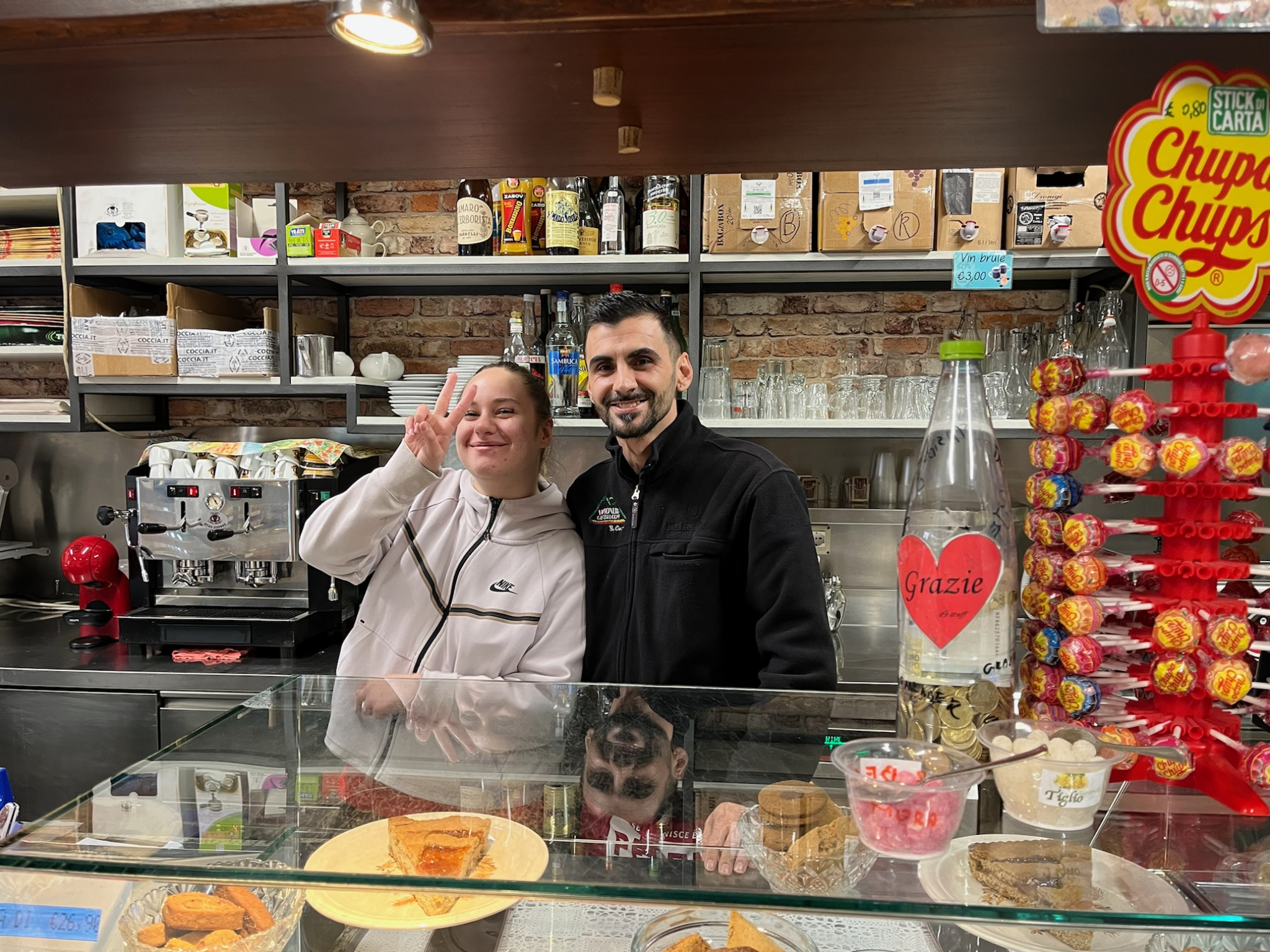
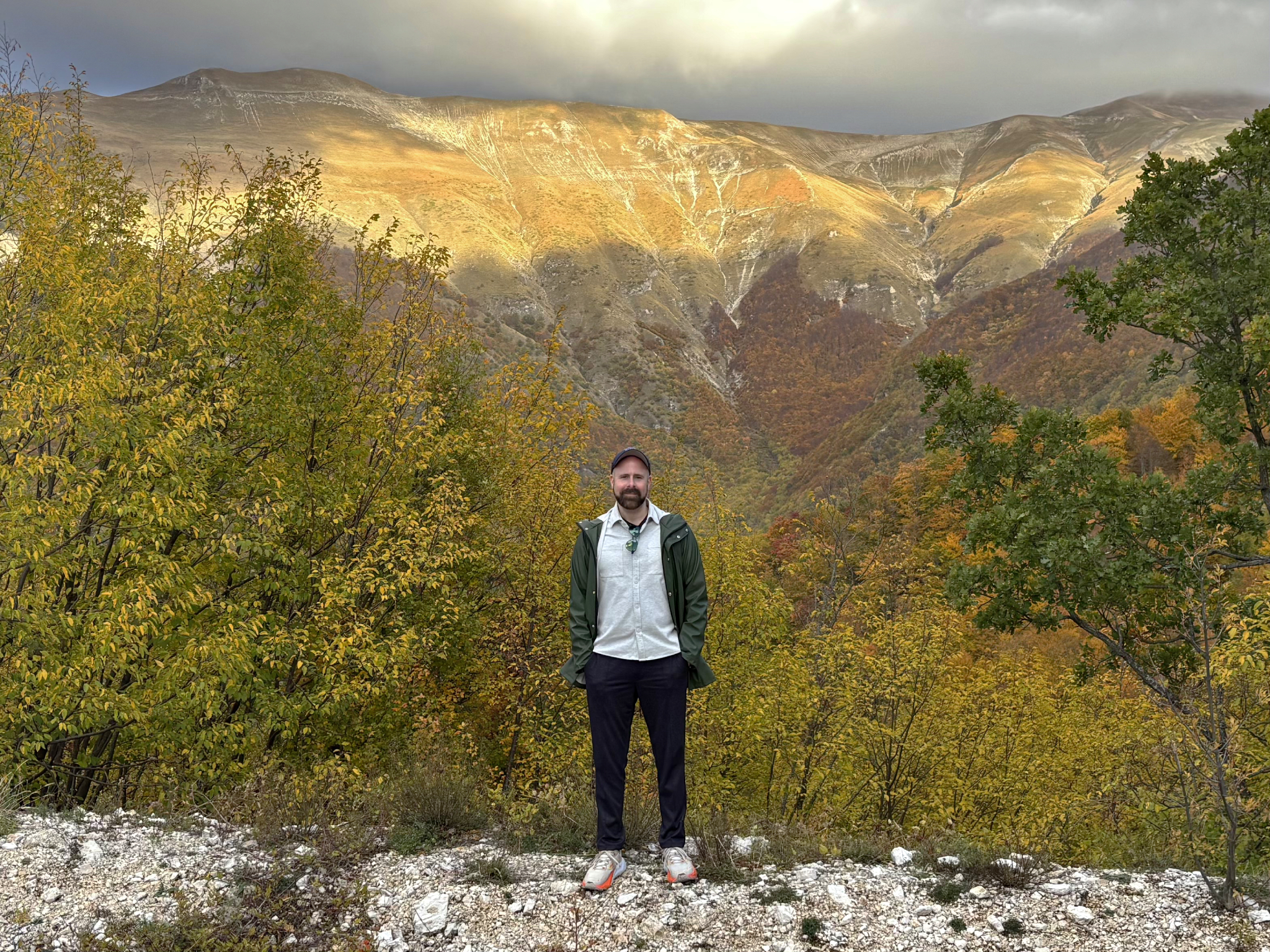
We descended into the valley, stopping at Sibillini Ranch to visit with some horses, before heading to Castelluccio di Norcia. The old town was decimated by the quake, so residents have set up temporary shops along the road. At Norcineria Castelluccio, we ducked in for warm beverages and famous biscotti made with lentil flour. The owner shared that he didn’t expect the town to be fully rebuilt for another 20 years, but he was thrilled to meet genuine New Yorkers. In a comical moment, Tricia and Richie broke out into a tap number to “New York, New York” for him and fellow patrons. We returned to Poreta via a circuitous route through the autumnal foliage of Castelsantangelo sul Nera and Visso, which are also still slowly rebuilding.
A Festive Milestone at Apollinare
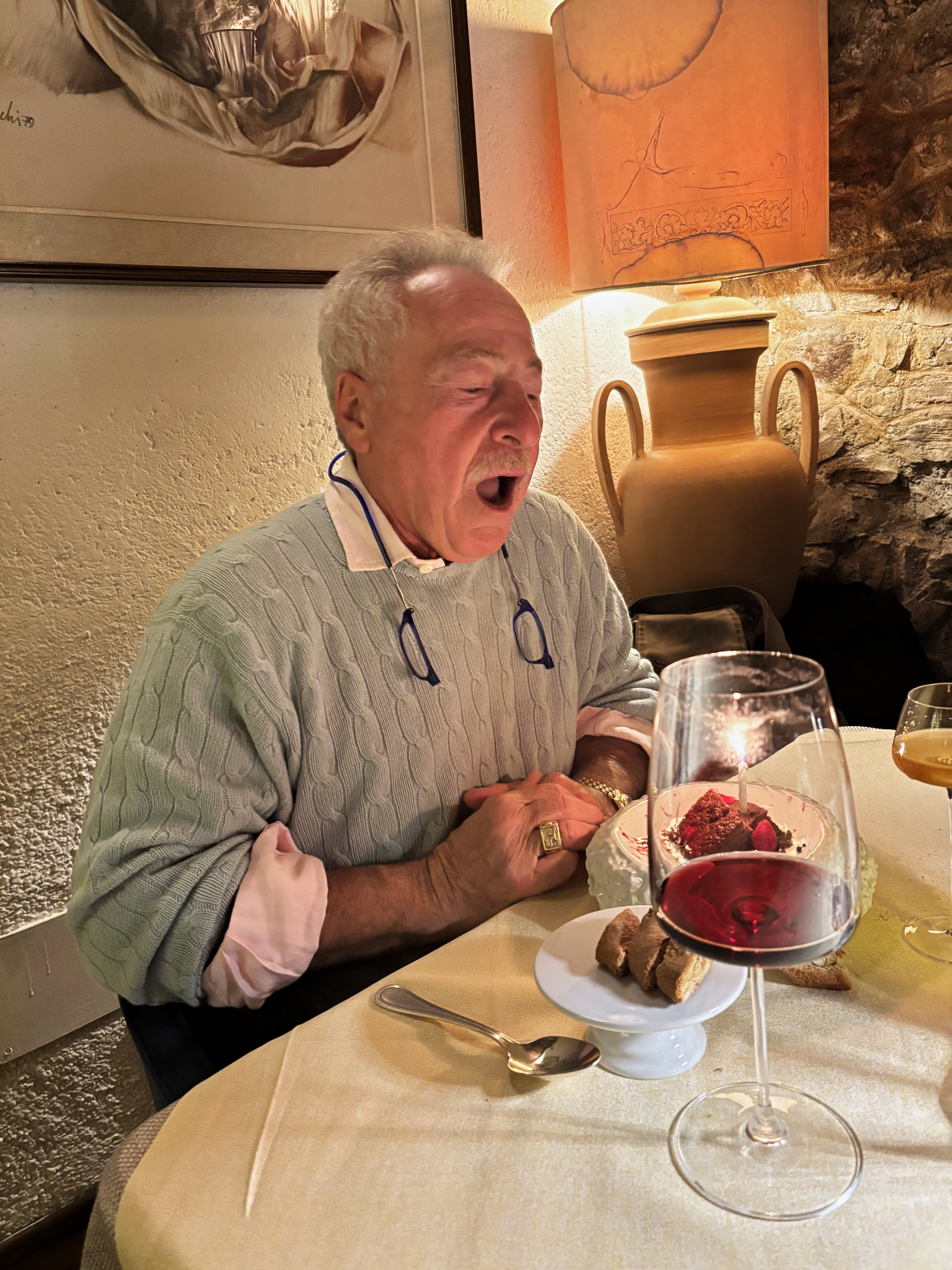
That night, we drove into Spoleto with Amy and Jim to celebrate Jim’s 80th birthday at Apollinare. This restaurant is a Spoleto institution, set within a beautifully restored 12th-century former church and monastery. The atmosphere is an elegant blend of ancient stone arches and contemporary design, providing a dramatic backdrop for a celebratory feast.
The menu at Apollinare is known for elevated Umbrian cuisine. We toasted Jim with local sparkling wine before diving into some of the restaurant’s signature dishes, including their renowned duck breast and local lamb prepared with innovative seasonal accents. The attention to detail, from the presentation to the wine pairings, made for a truly festive and memorable evening.
Day 5: An Umbrian Harvest
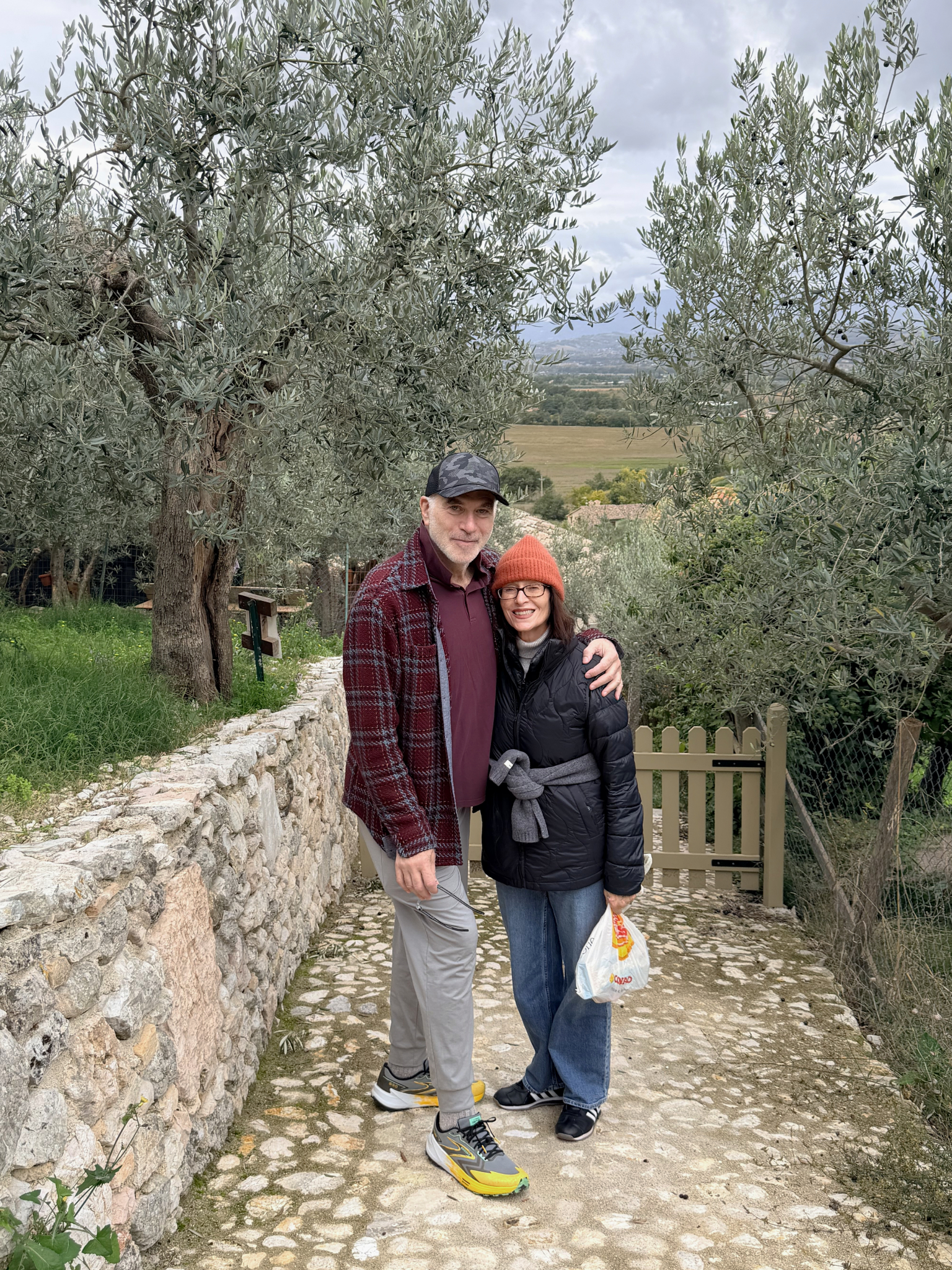
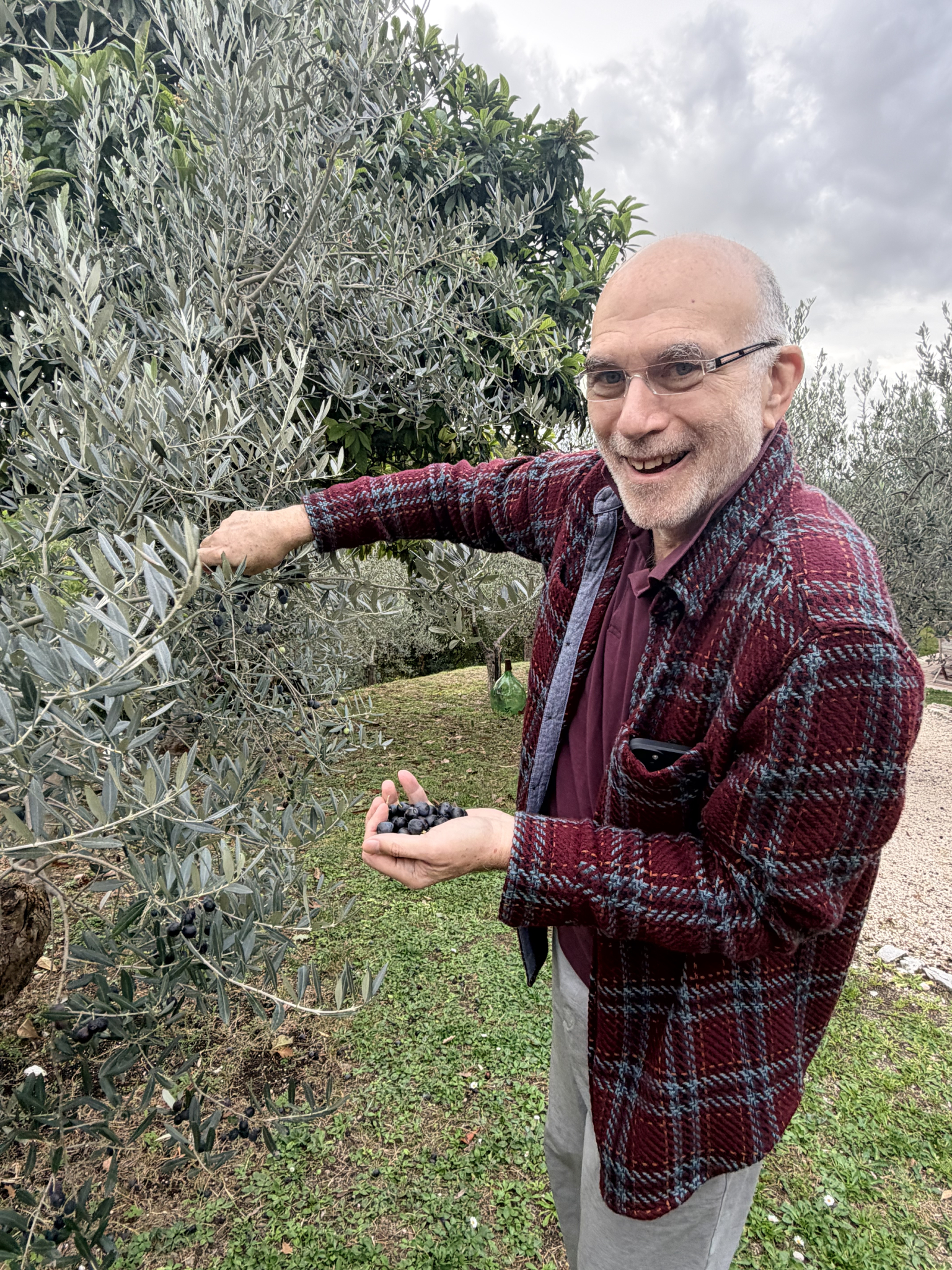
Our final day was dedicated to the traditions of the land. Karen and I joined Jim to pick up provisions, stopping first at Tartufi Alfonso Fortunati for truffle goods and then Norcineria Medei in Trevi for grilling sausages and Prosciutto di Norcia. Amy and Jim prepared a traditional feast on their scenic “sunrise terrace” overlooking the Val Umbra, followed by an afternoon of olive picking in the groves surrounding the villa.
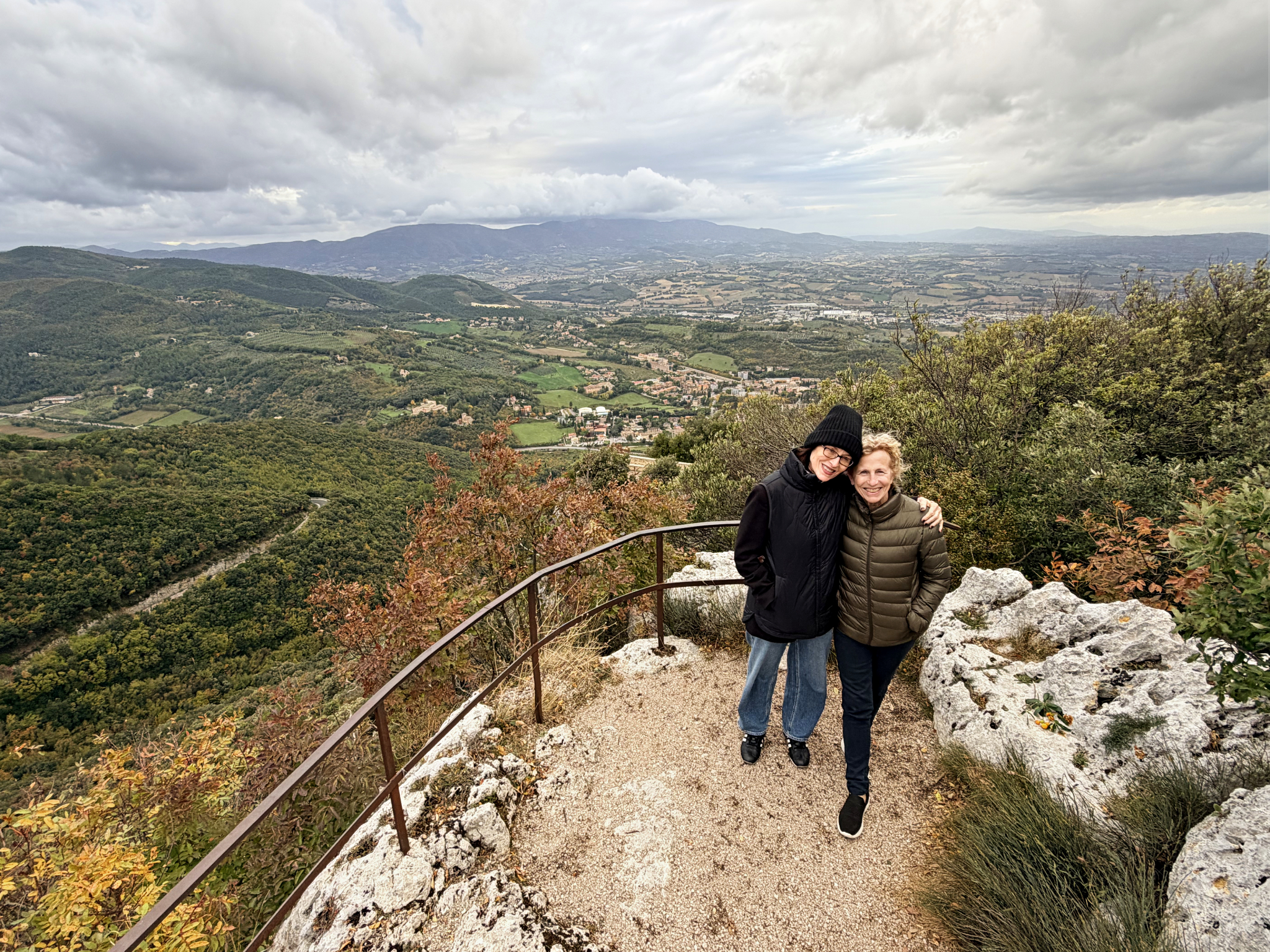
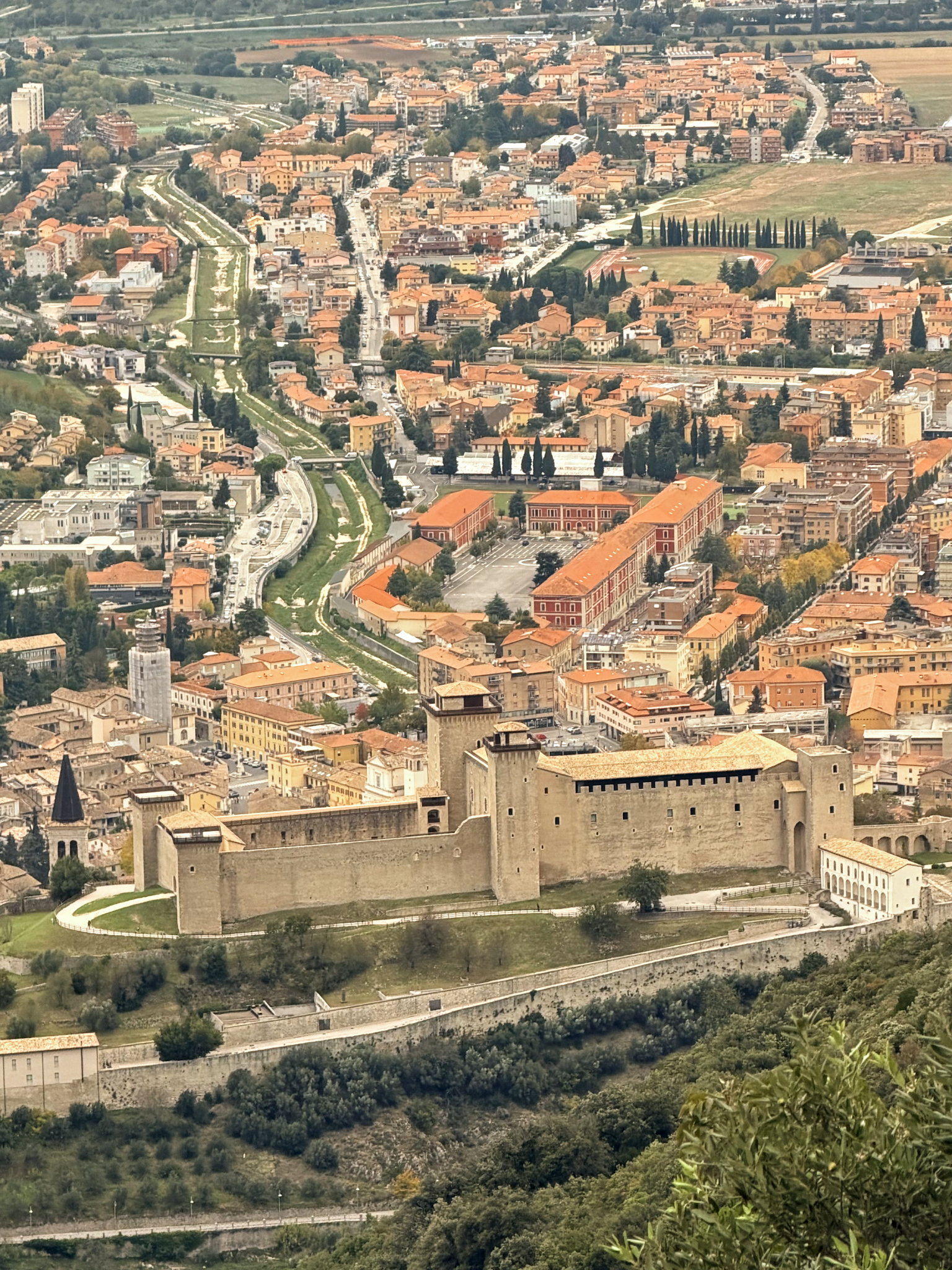
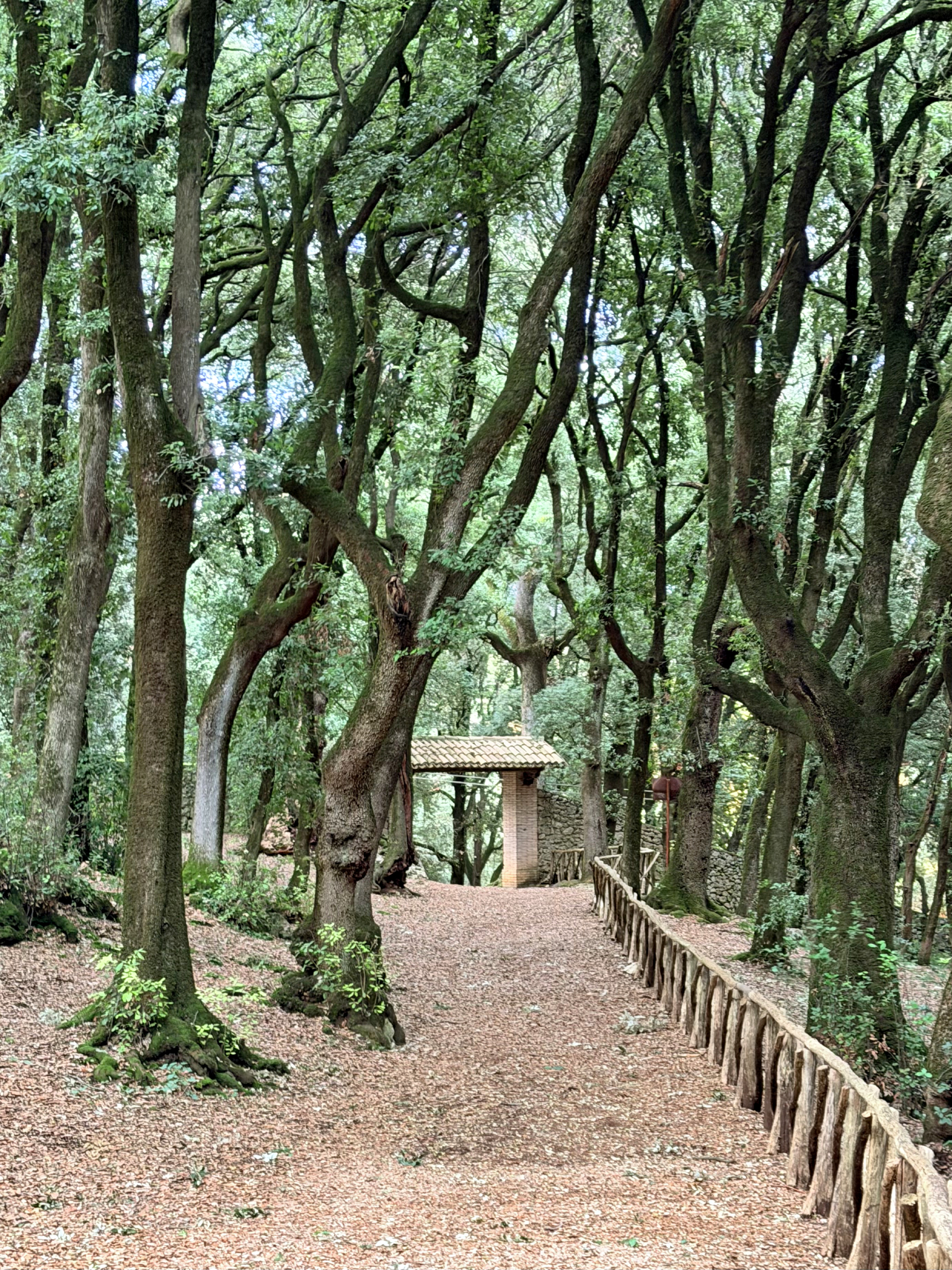
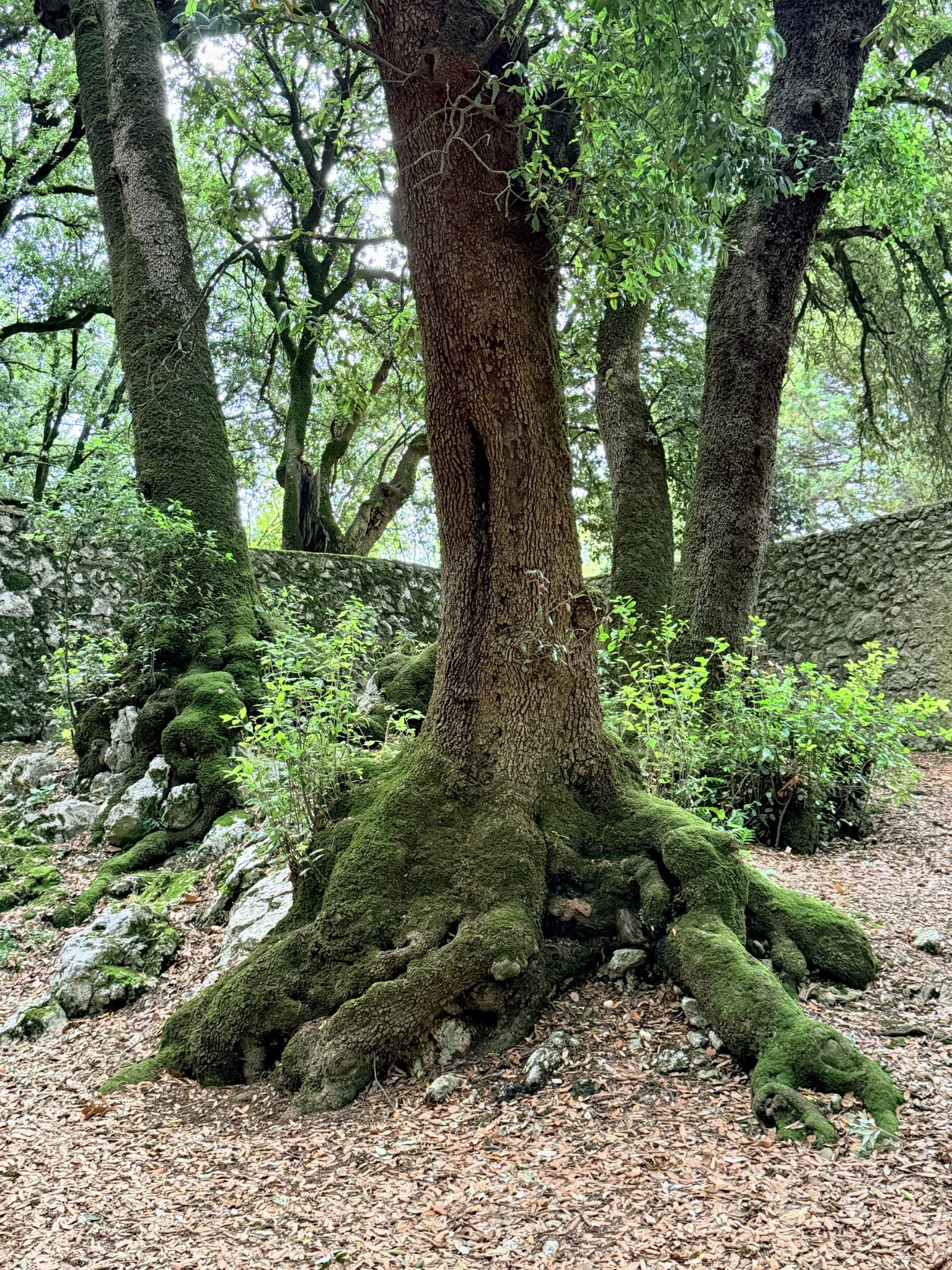
Later, we drove to the Bosco Sacro di Monteluco, an ancient “Sacred Forest” perched 800 meters above Spoleto. A site of spiritual retreat since the 5th century, the forest is a botanical rarity composed almost entirely of dark holm oaks. Unlike surrounding deciduous woods, these evergreens create a perpetual twilight that was a favorite retreat of Saint Francis. As we walked, the breeze swayed the intertwining branches high above us, adding an unmistakable sense of mystique to the air.
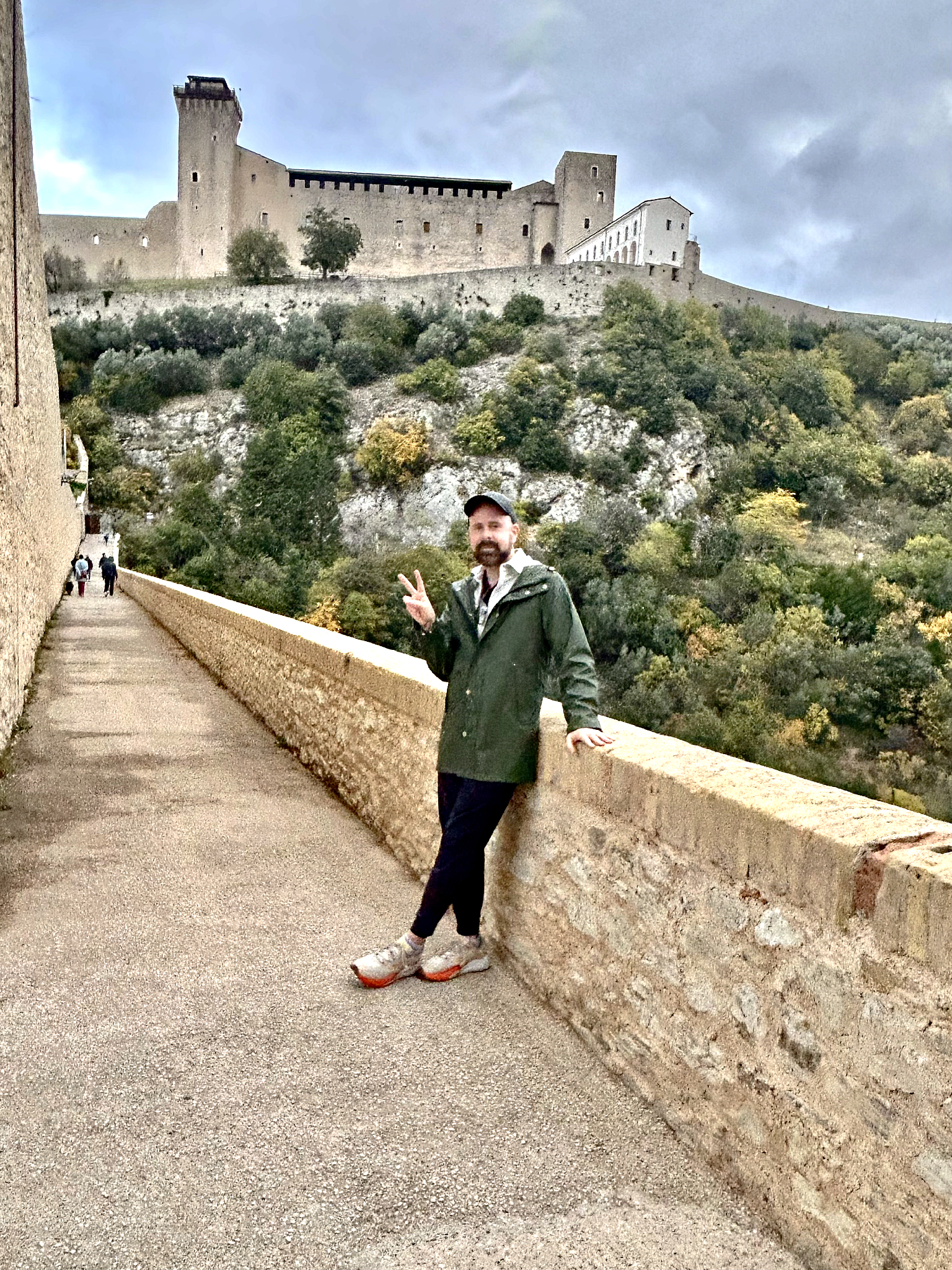
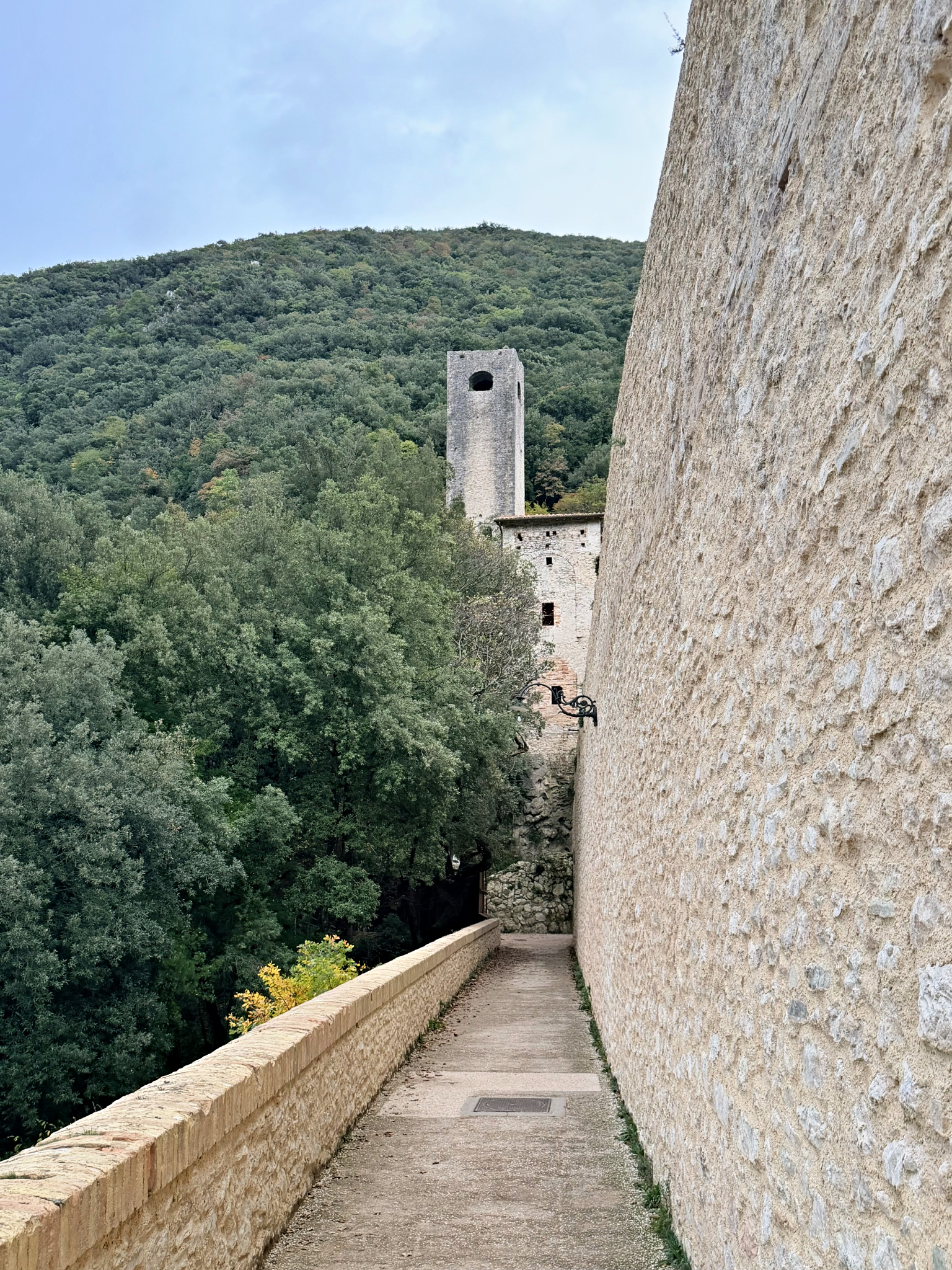
On the descent, we stopped at the Ponte delle Torri, a striking 13th-century bridge spanning a deep ravine. Standing nearly 80 meters high and stretching 230 meters across, this massive limestone structure served as both a bridge and an aqueduct. Its ten majestic arches once connected the city of Spoleto to the slopes of Monteluco. Walking across it provided a dizzying, spectacular perspective of the valley below.
A Final Umbrian Evening
For our final dinner, we stayed in and ordered local pizza from Locanda Di Champeaux. The thin, cracker-like crust topped with fiori di zucca and porcini was divine—the perfect, quiet end to an unforgettable journey. Reflecting on our time here, it wasn’t just the ancient stone or the truffle-laden pastas that stayed with us, but the rhythm of the hills and the warmth of the people who call this “green heart” home. Leaving Umbria felt like waking from a dream of a slower, more intentional Italy; the deep peace and solitude of these hills provided a much-needed sanctuary, centering us before we headed toward the beautiful, chaotic frenzy of Rome, our next and final stop.
Last visited in October, 2025