
Florence, Italy
Florence Revisited: A Tale of Two Octobers and the Timeless Magic of the Arno
Florence is a city that lingers in your mind long after you’ve returned home. Whether you are wandering the narrow, shadow-drenched medieval alleys or staring up at a frescoed ceiling, the “Cradle of the Renaissance” demands your full attention. I’ve had the pleasure of visiting twice now—first in October 2015 with Charles, and most recently in October 2025 with a larger troop of friends.
Looking back across a decade, the city has changed, as have we. Here is how Florence looked through my eyes, then and now…
The Oltrarno Allure: A 2015 Renaissance Dream
In 2015, Charles and I found our sanctuary in the Oltrarno district. While the crowds swirled around the Duomo across the river, the “other side of the Arno” felt like the city’s authentic heartbeat. We stayed at SoprArno Suites, a converted 16th-century palazzo that blends bohemian chic with aristocratic bones. Our room was truly palatial, featuring an original fresco on the ceiling that made waking up feel like an event—even if the bathroom was decidedly more “historic” in its cramped dimensions.
The Oltrarno is where the real artisans live, and in those early days, it served as our quiet base of operations. This side of the river has always felt more grounded, populated by local workshops and hidden piazzas that offer a necessary reprieve from the high-octane tourism of the city center.
Icons of the San Giovanni District
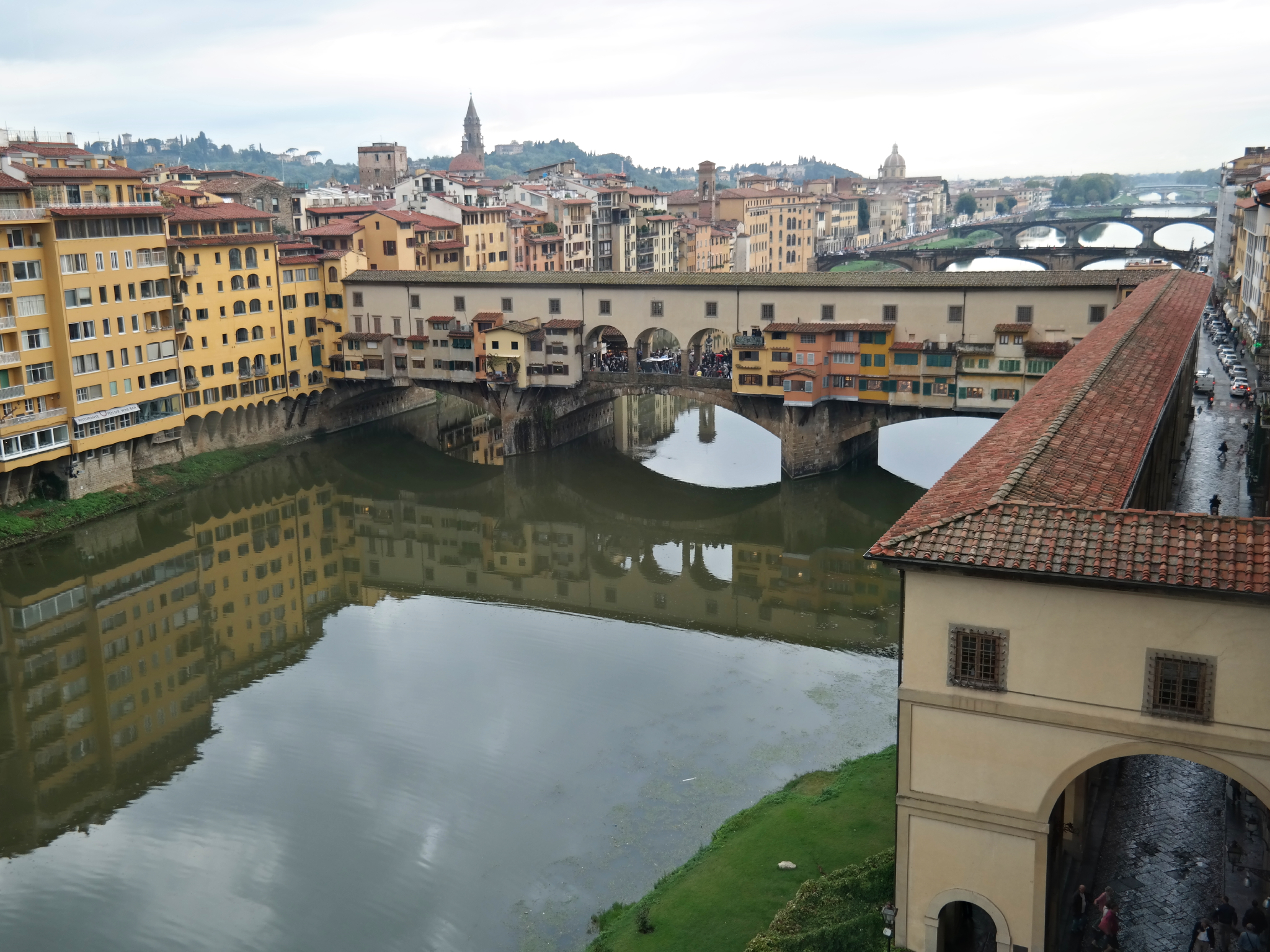
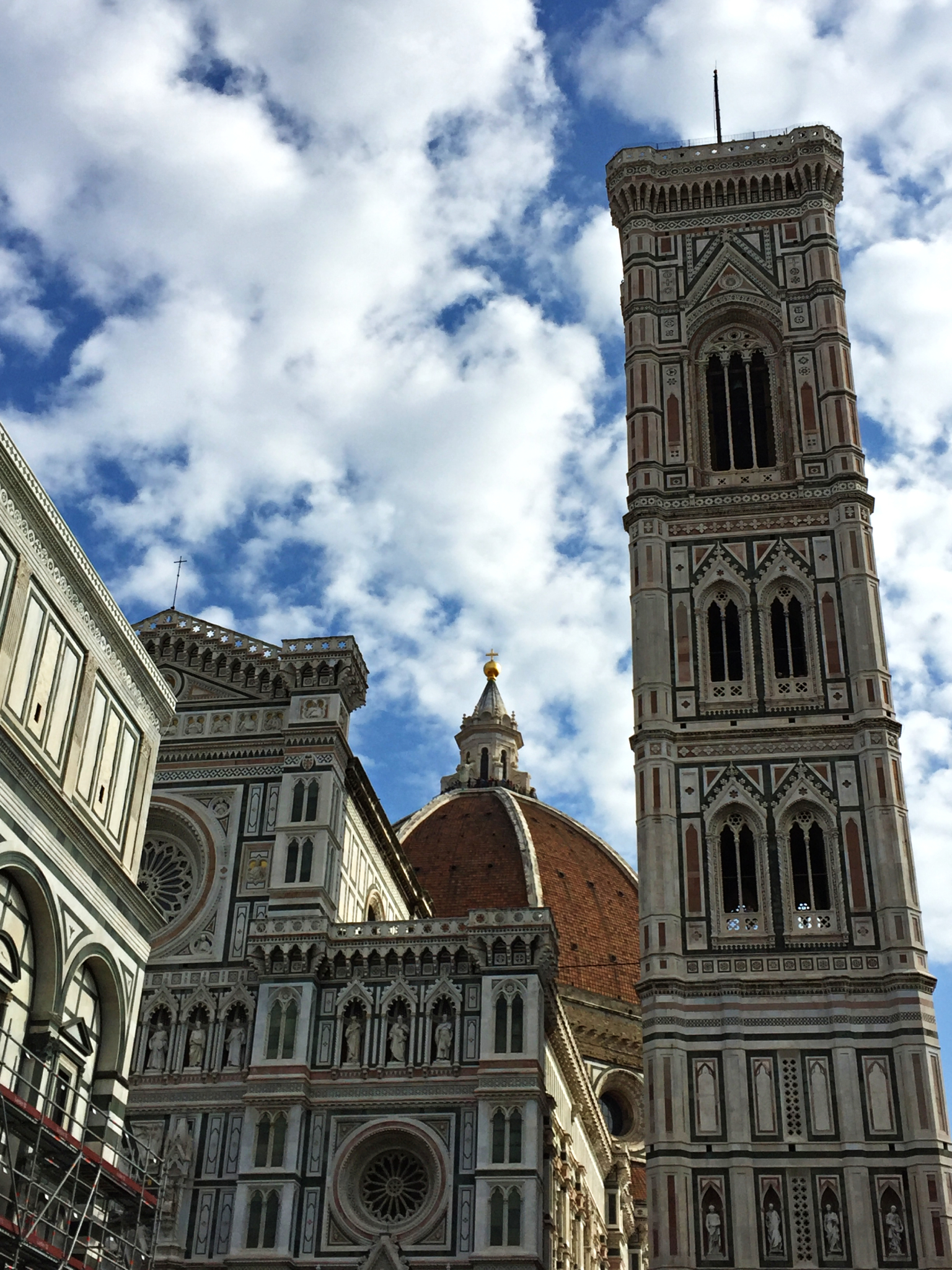
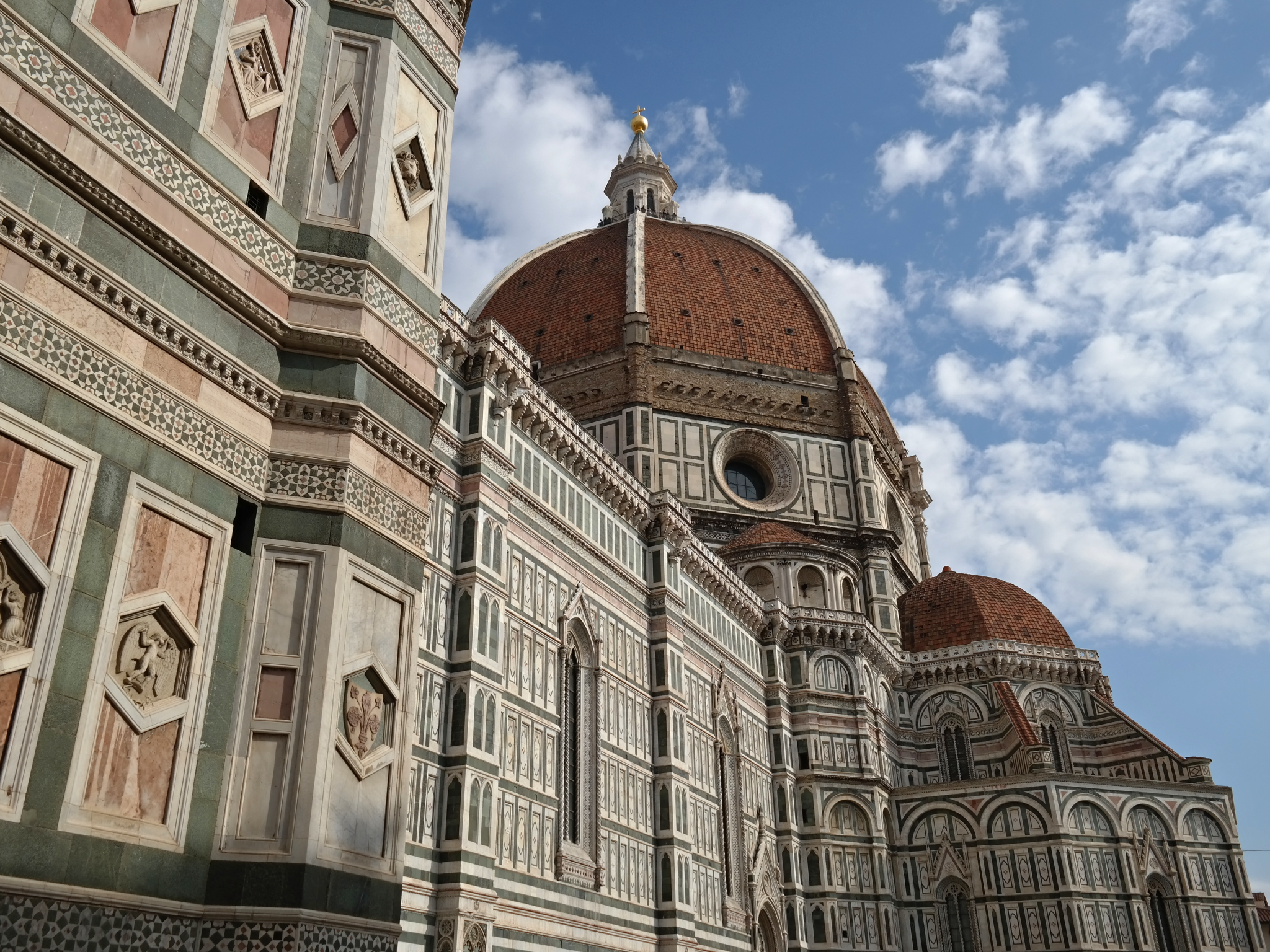
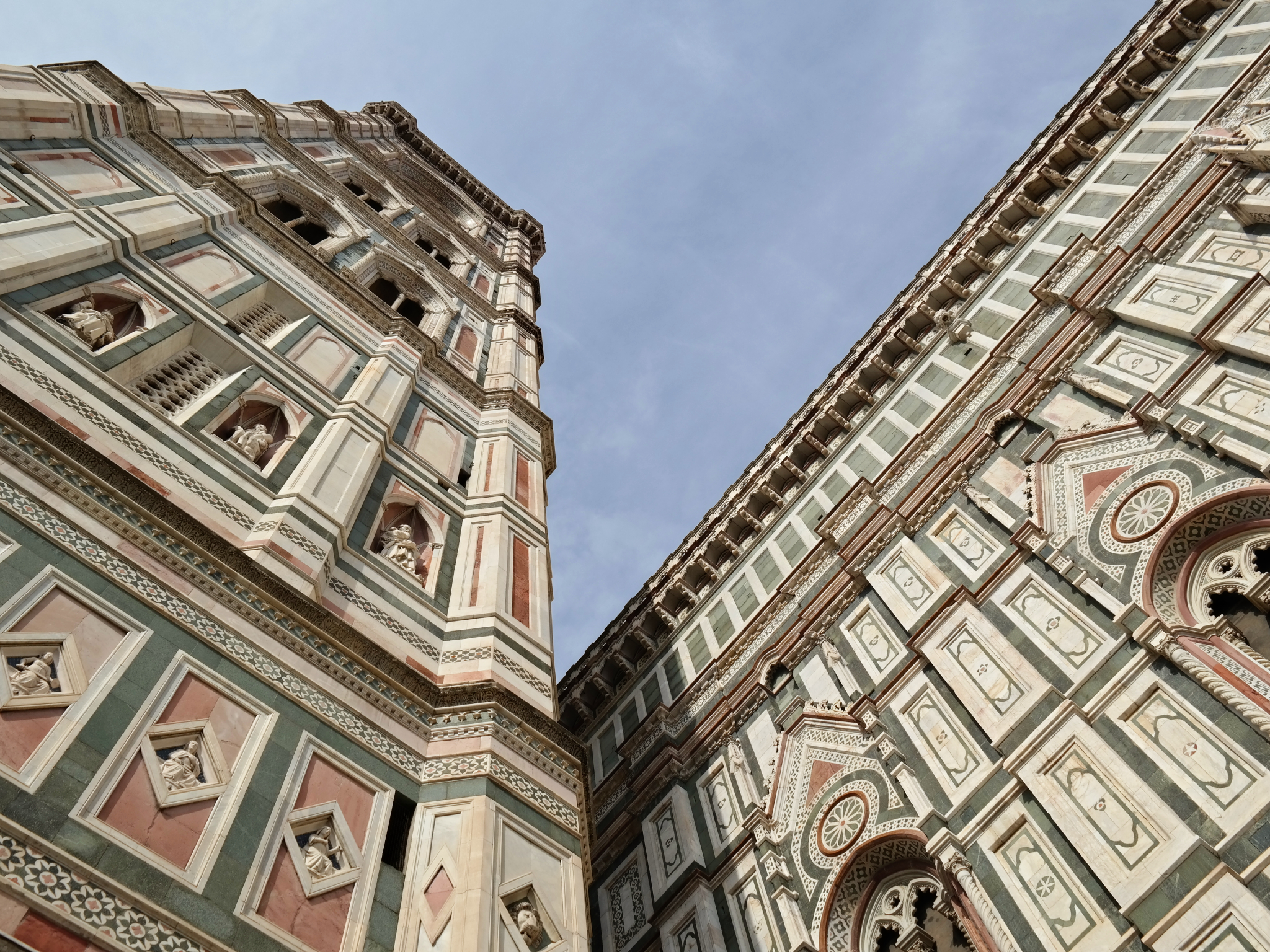
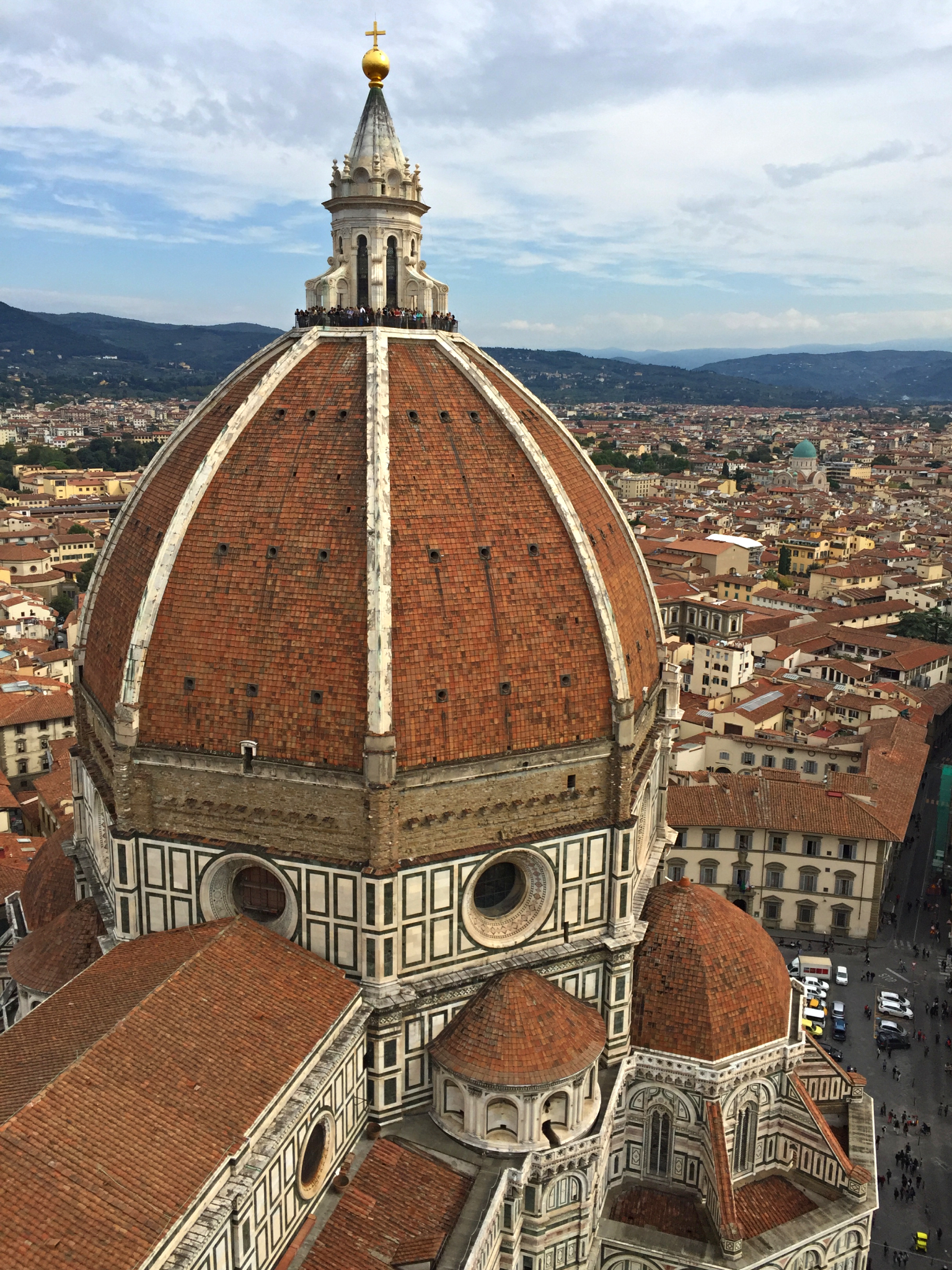
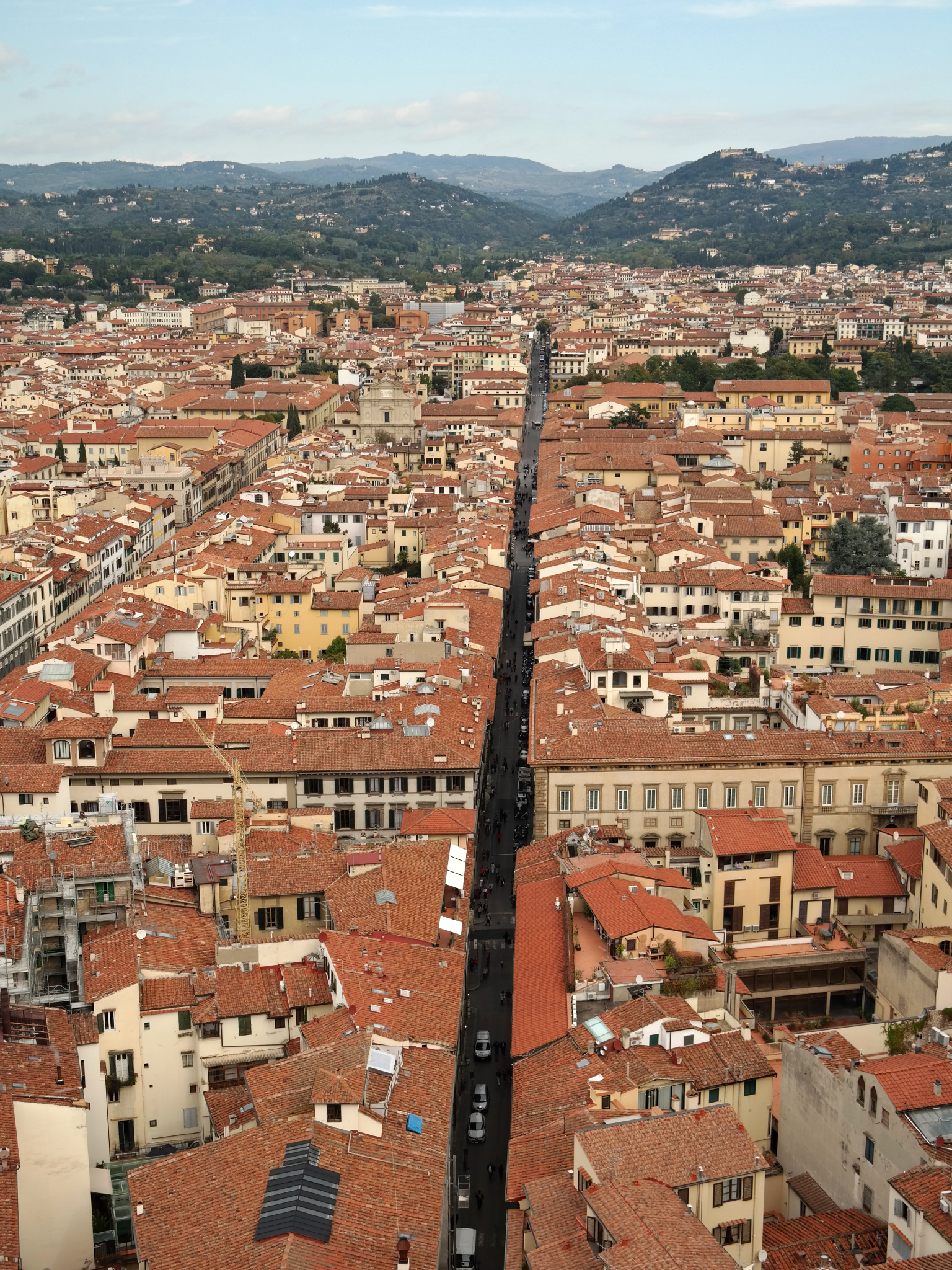
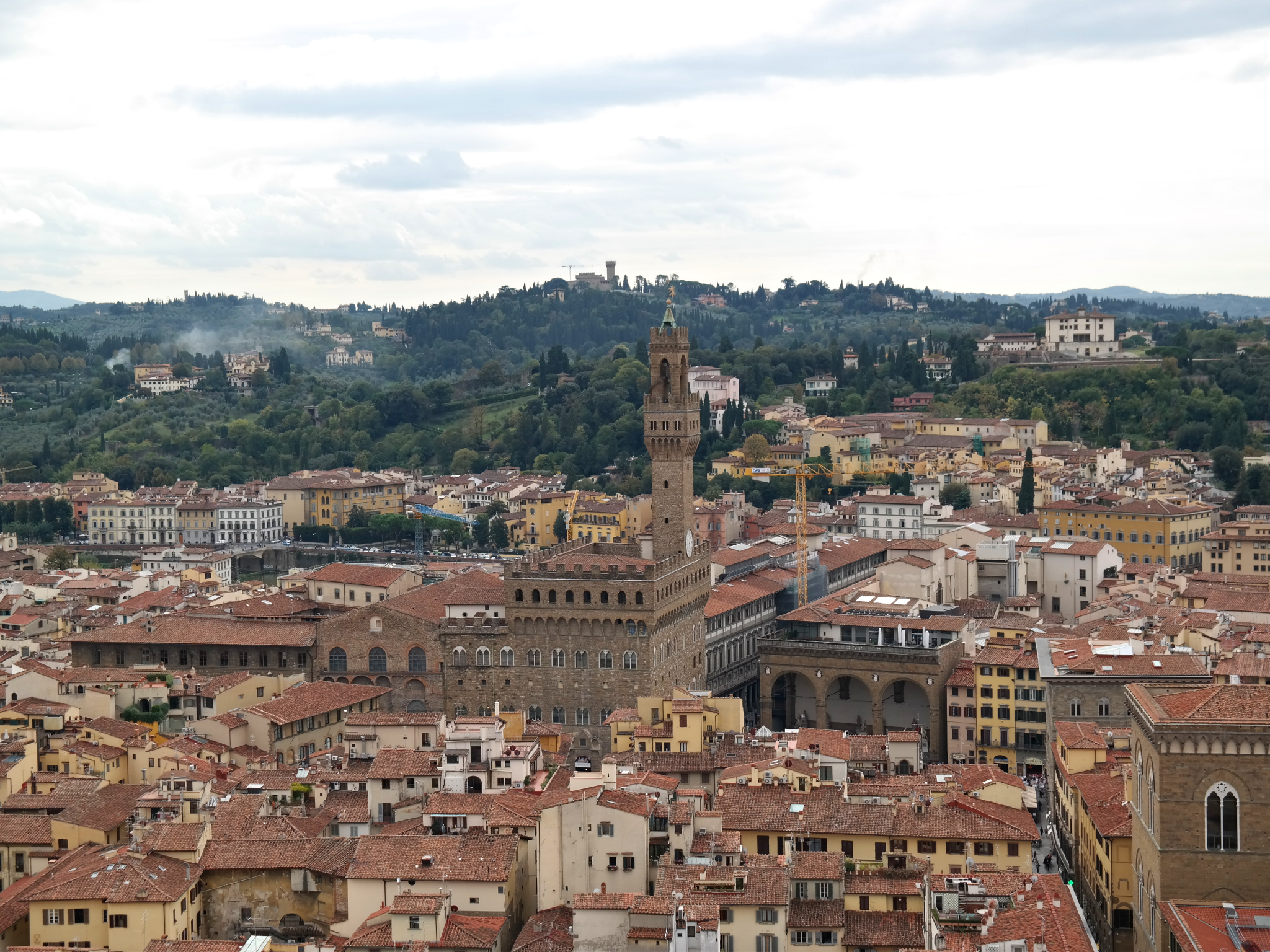
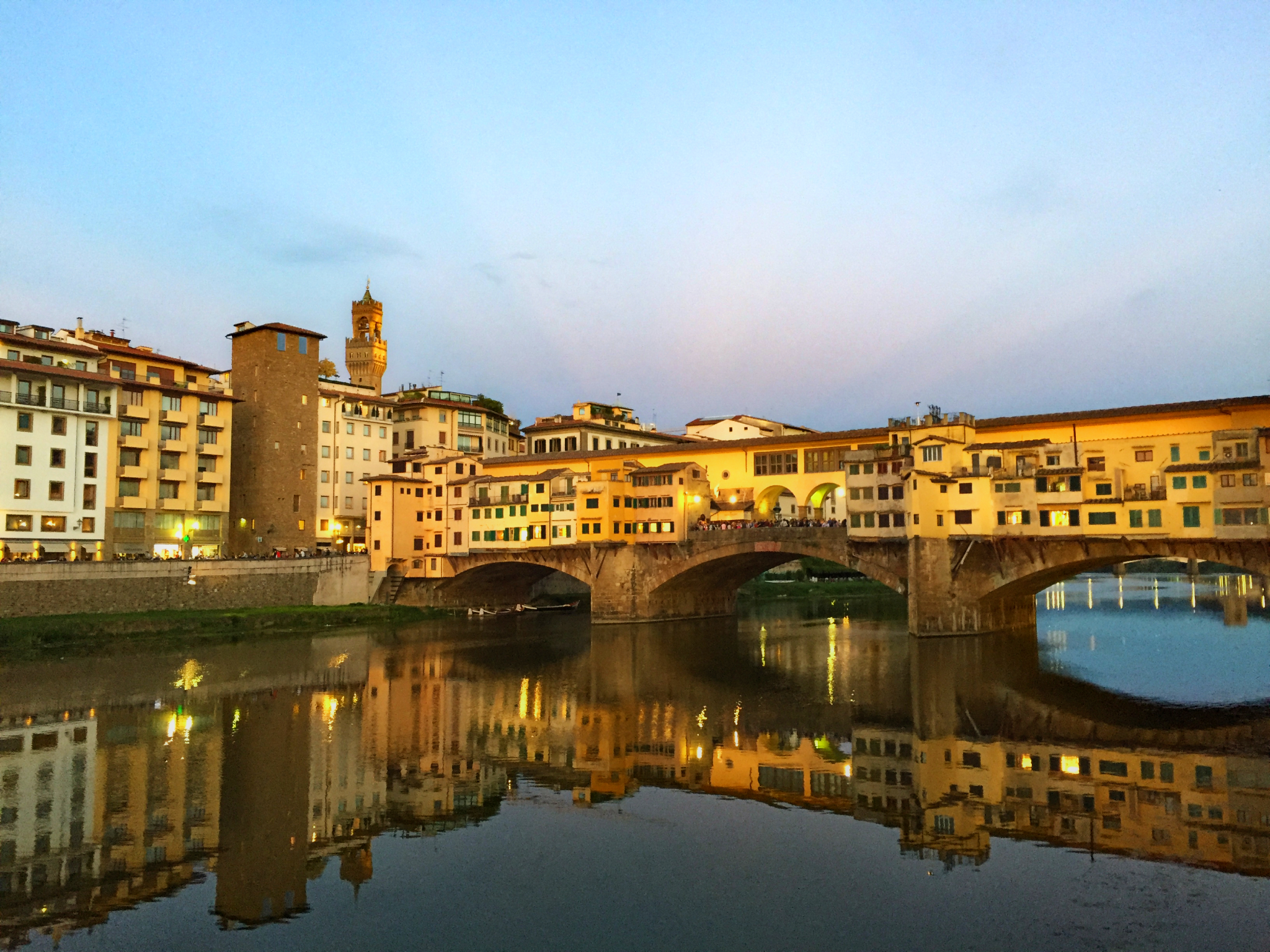
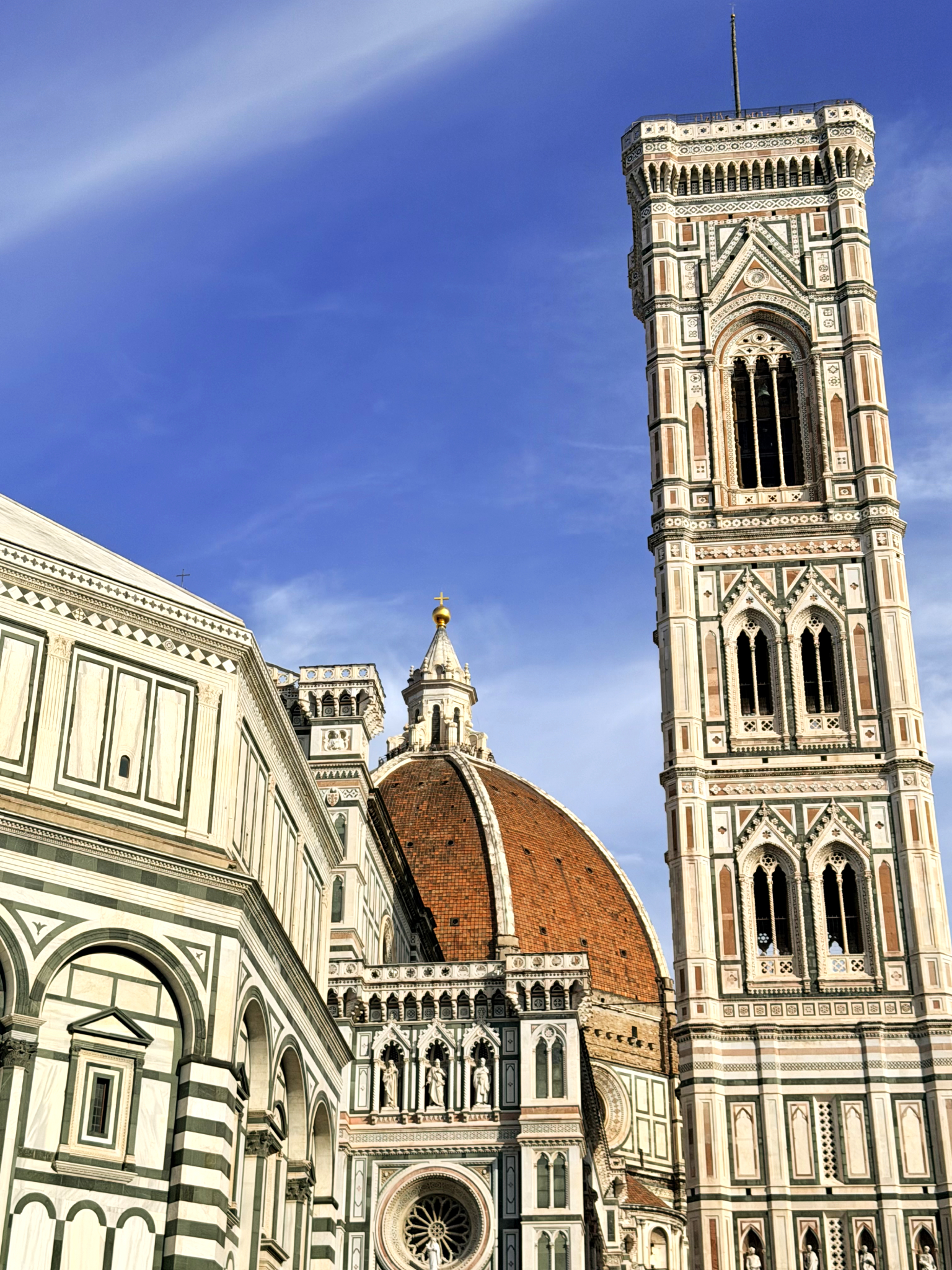
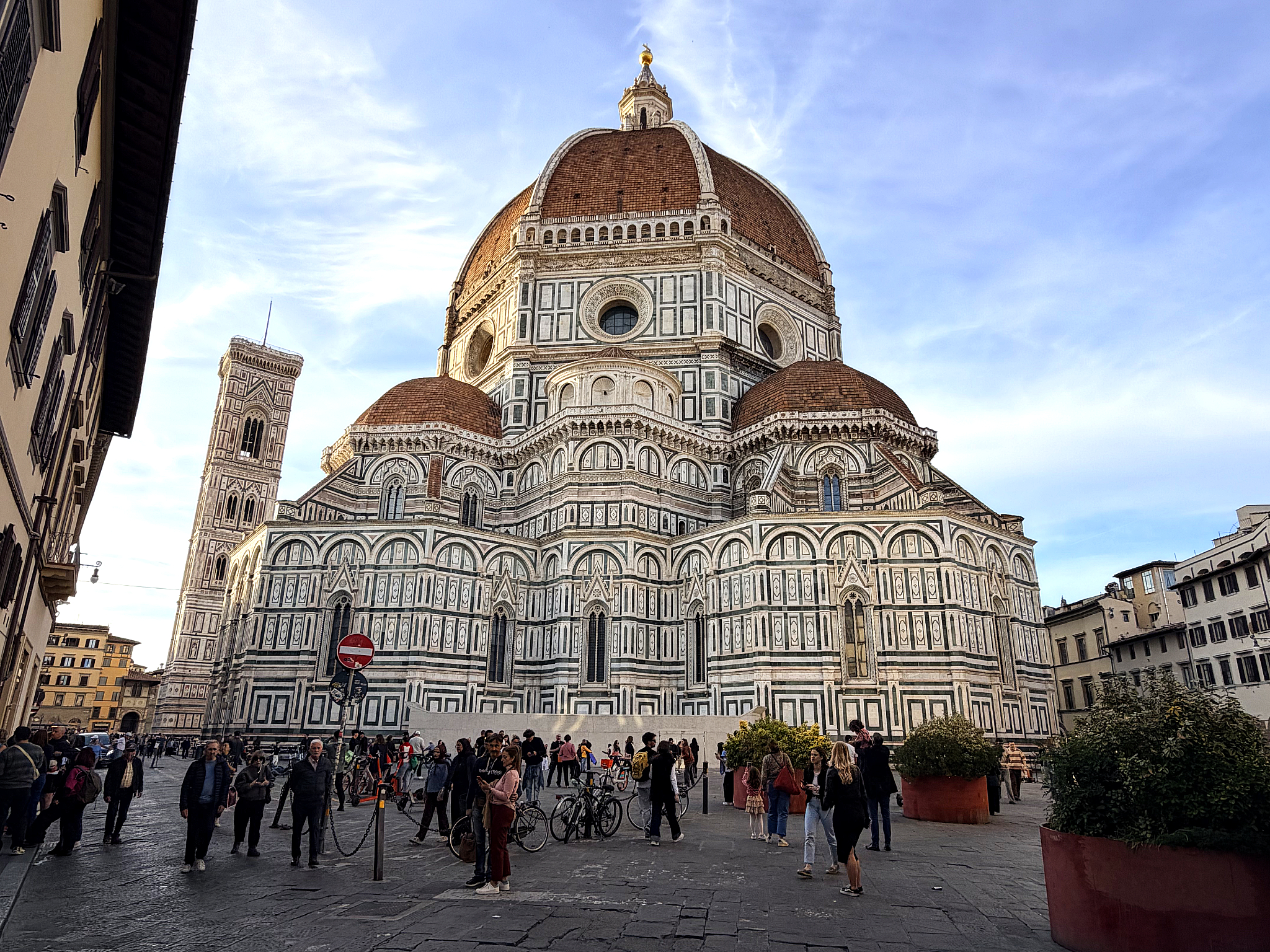
We would often begin our mornings by crossing the historic Ponte Vecchio, weaving through the narrow, atmospheric streets of the San Giovanni district until the Cathedral of Santa Maria del Fiore—the Duomo—finally exploded into view. The sheer scale of Brunelleschi’s dome, still the largest brick dome ever constructed, is a feat of engineering that feels like a genuine miracle every time it catches the light. To truly appreciate the skyline, we committed to climbing the campanile, Giotto’s Bell Tower. The ascent is narrow and winding, but the reward is a staggering, bird’s-eye perspective of the cathedral’s red-tiled roof and the sea of Tuscan hills beyond.
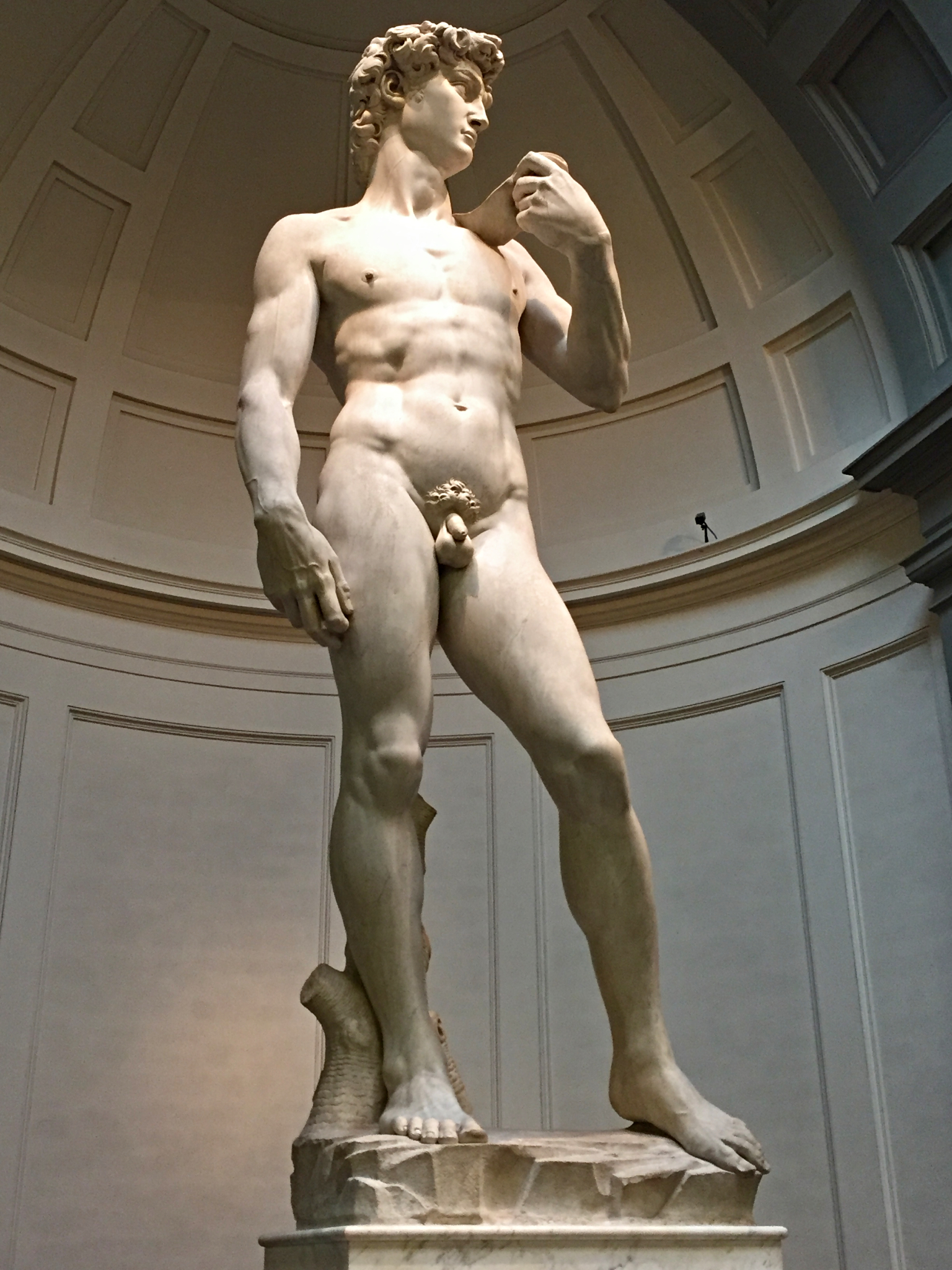
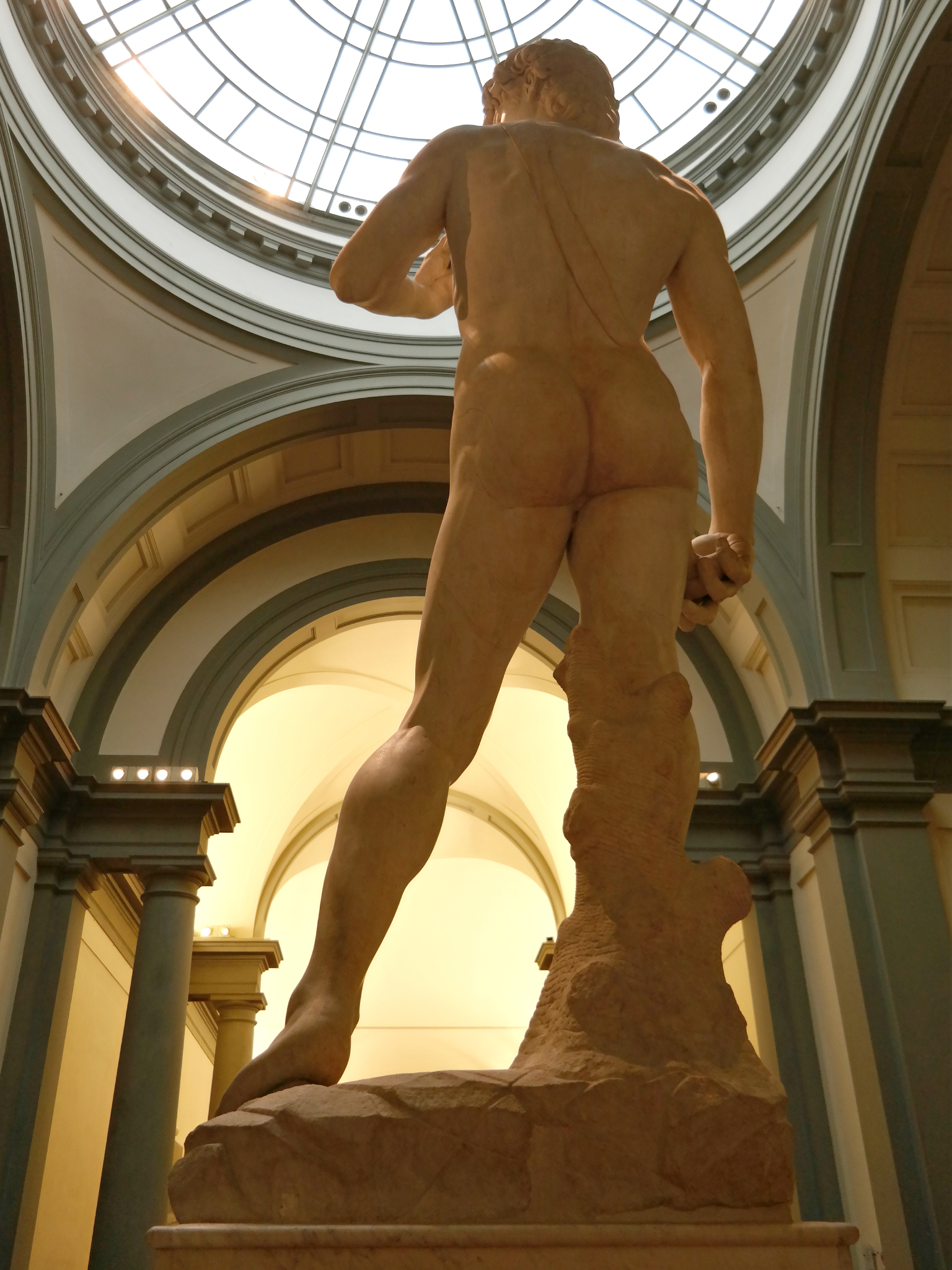
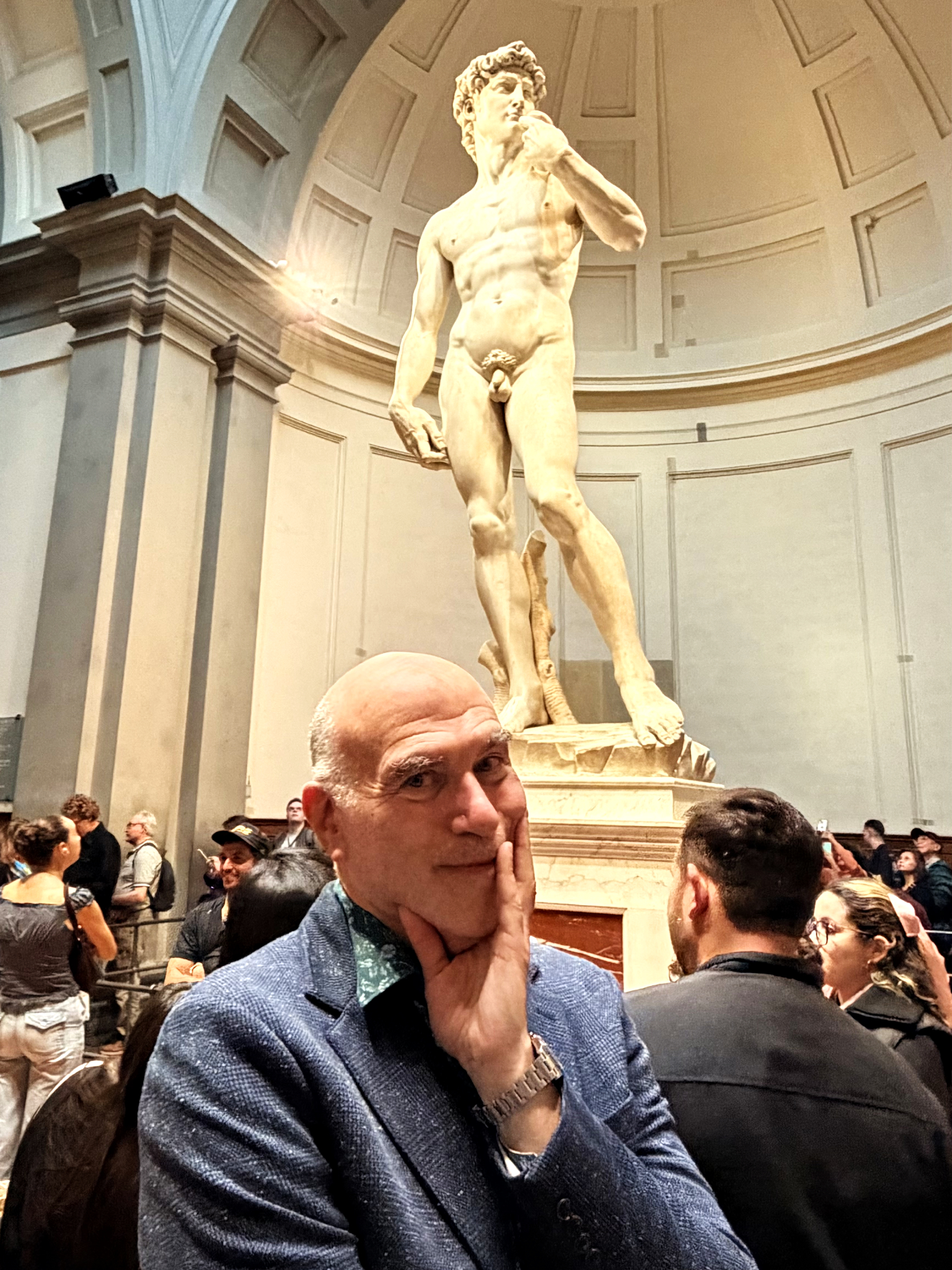
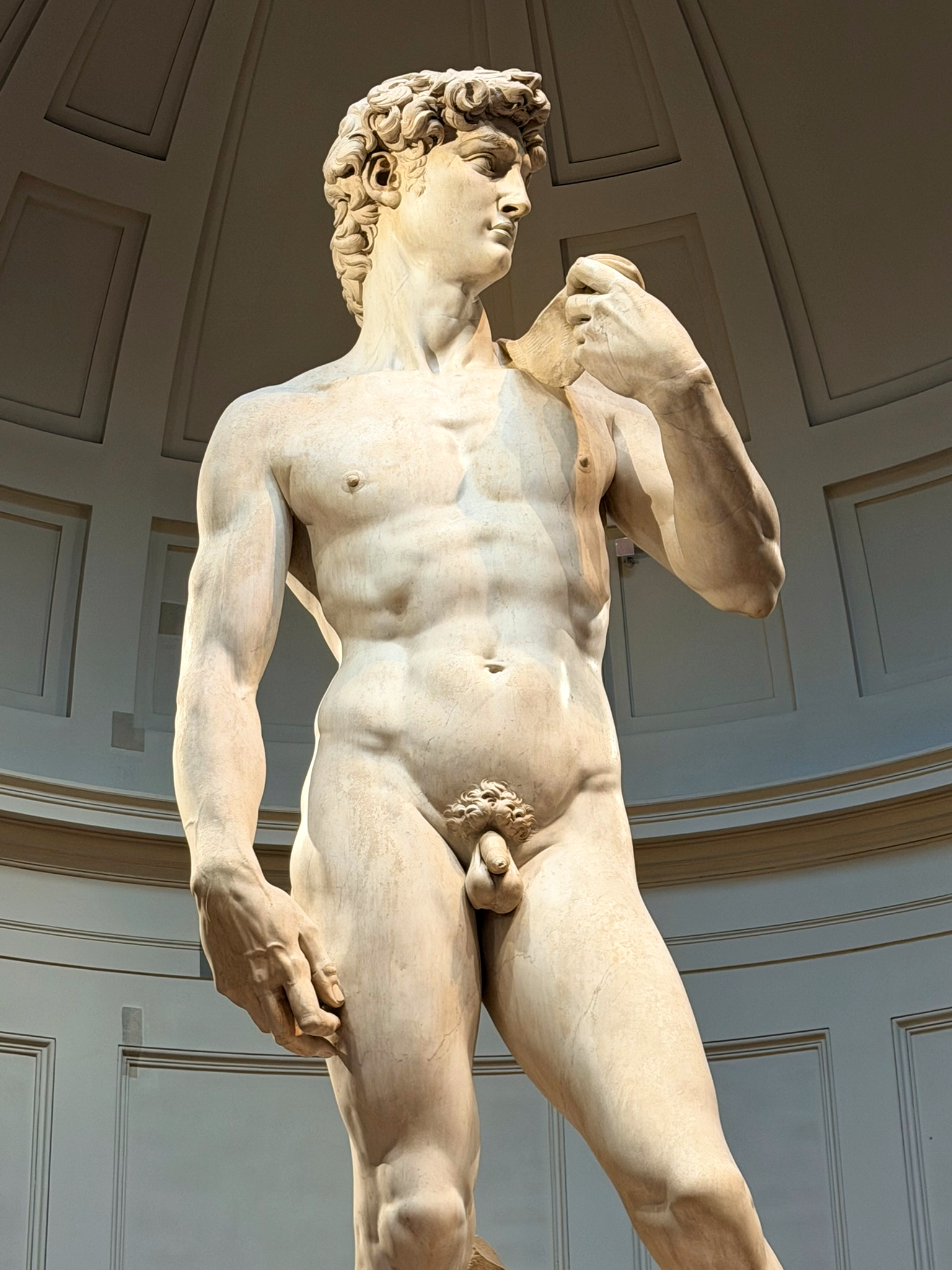
Of course, no first pilgrimage to Florence is complete without a visit to the Galleria dell’Accademia to stand before Michelangelo’s David. Seeing that tour de force for the first time is a true rite of passage; the mastery of the marble is utterly transcendent, from the delicate pulsing veins in his hand to the intensity of his focused gaze.
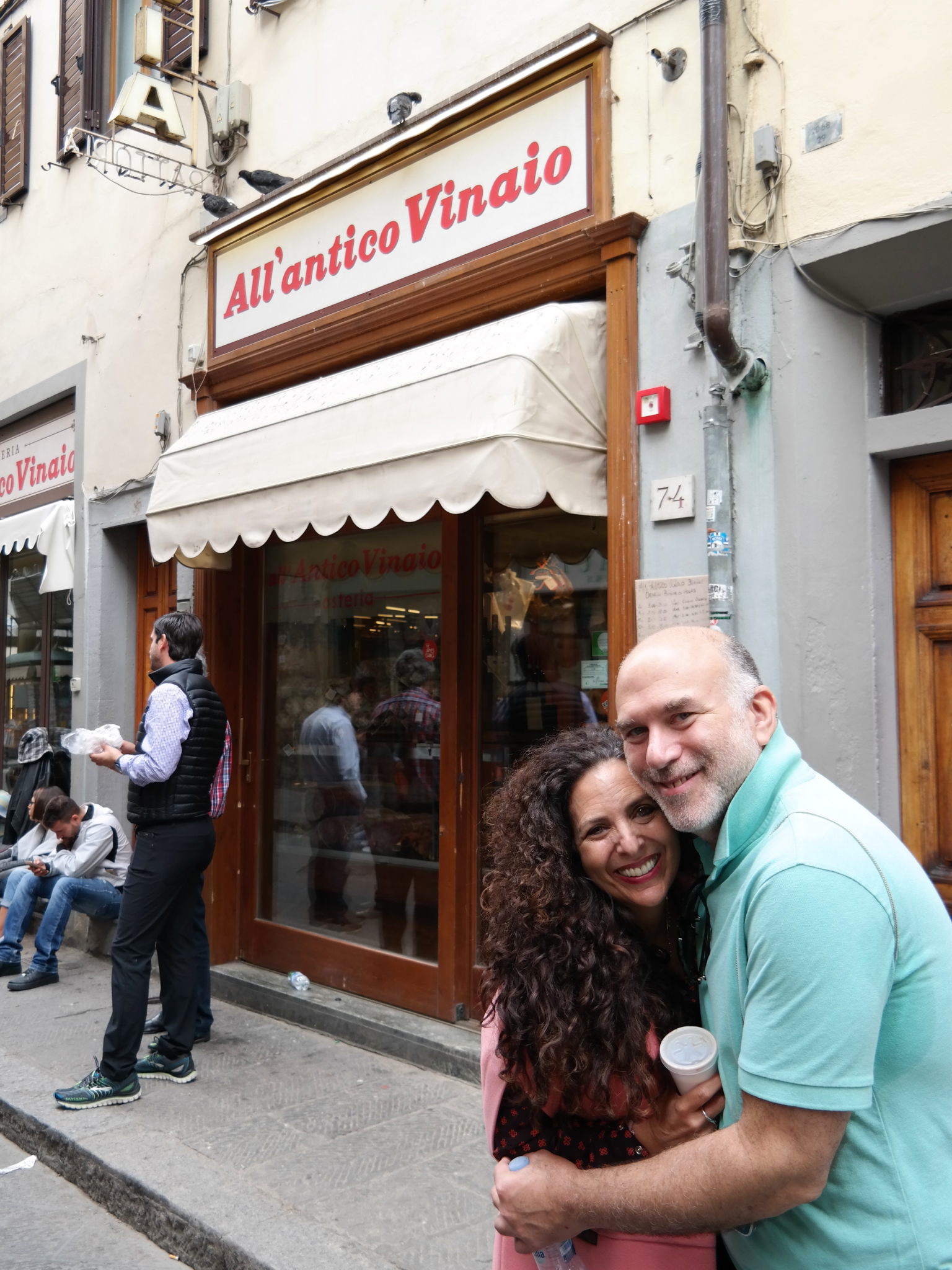
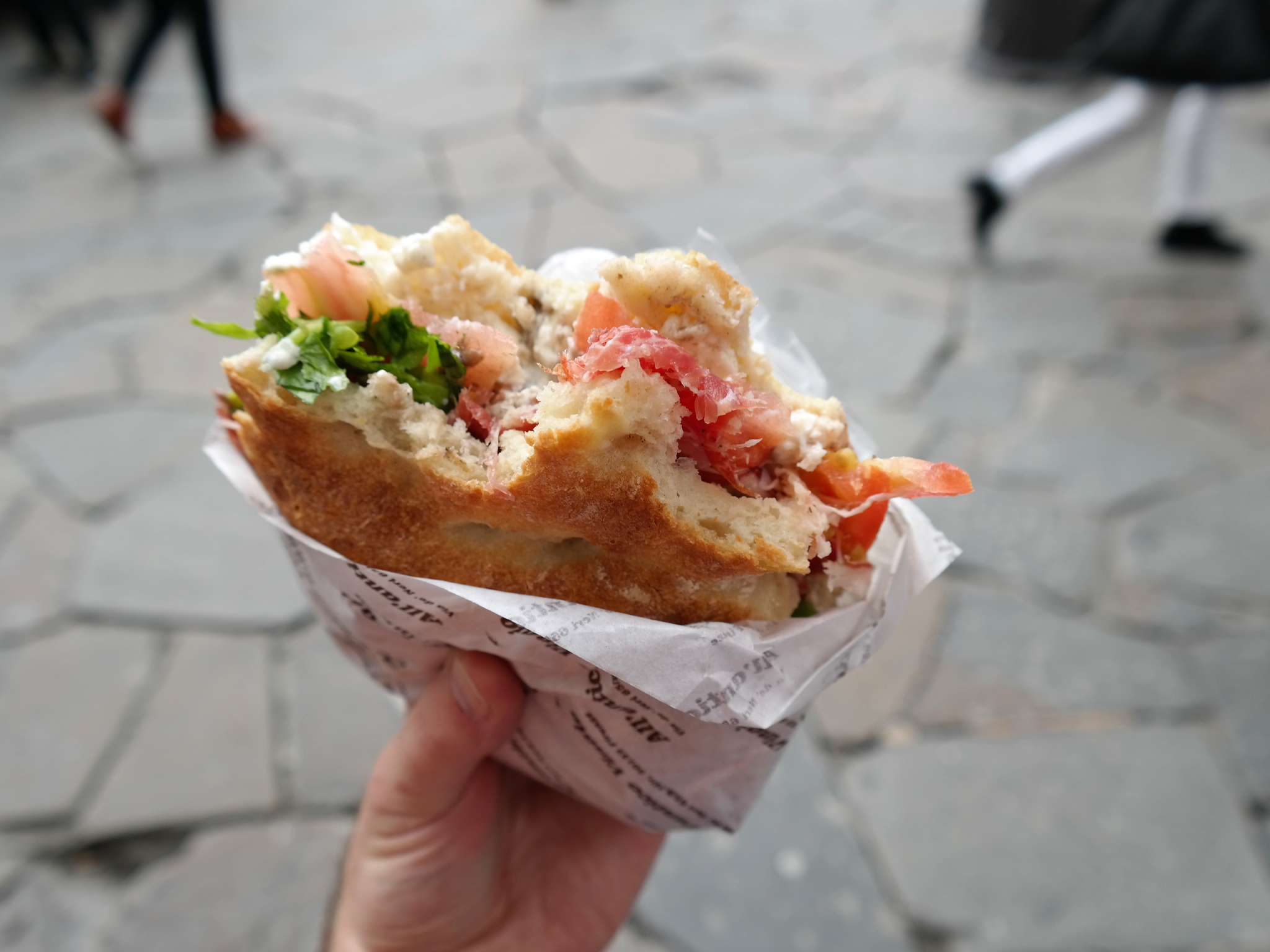
For a more social Florentine experience, we met our friend Sharon for lunch at All’Antico Vinaio. Back then, the line for those legendary panini was long but manageable. We spent the wait passing an umbrella back and forth with fellow travelers to dodge the pigeons perched on the eaves above. Sadly, Sharon’s reflexes weren’t quite fast enough—she ended up getting “gifted” by a pigeon, a moment of hilarity that remains one of our most cherished memories of the trip.
Scent and Statues: AquaFlor and the Boboli
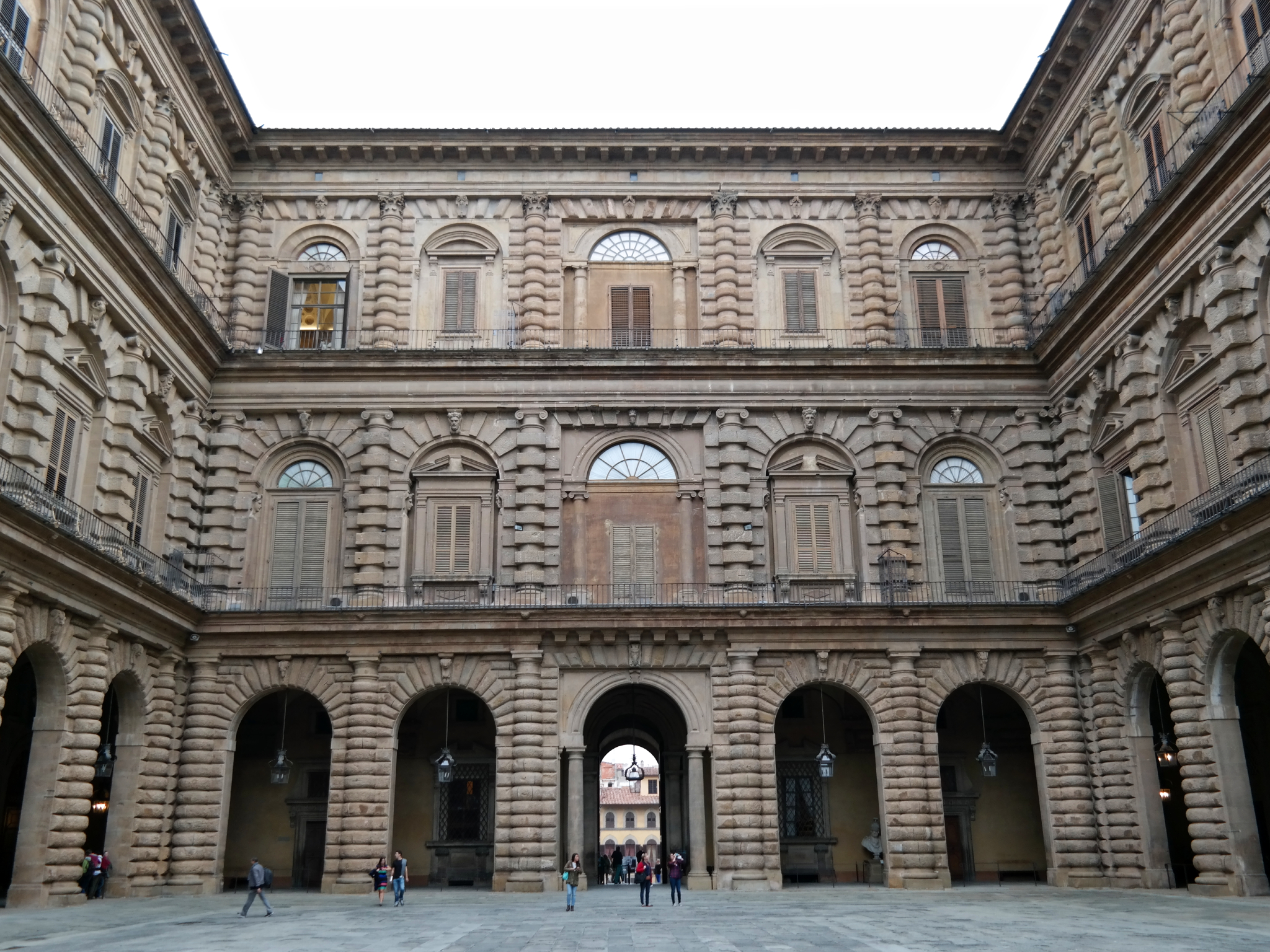
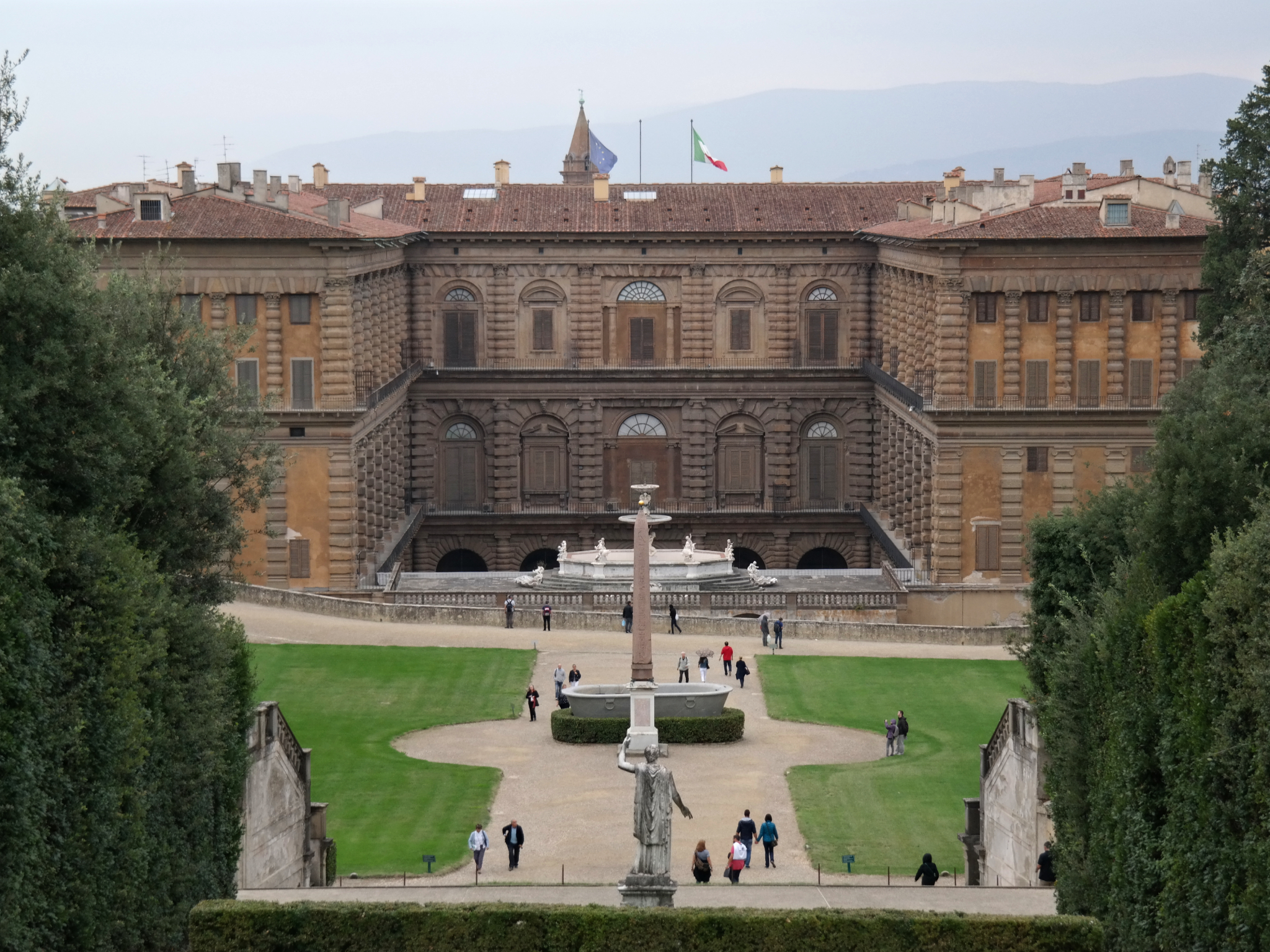
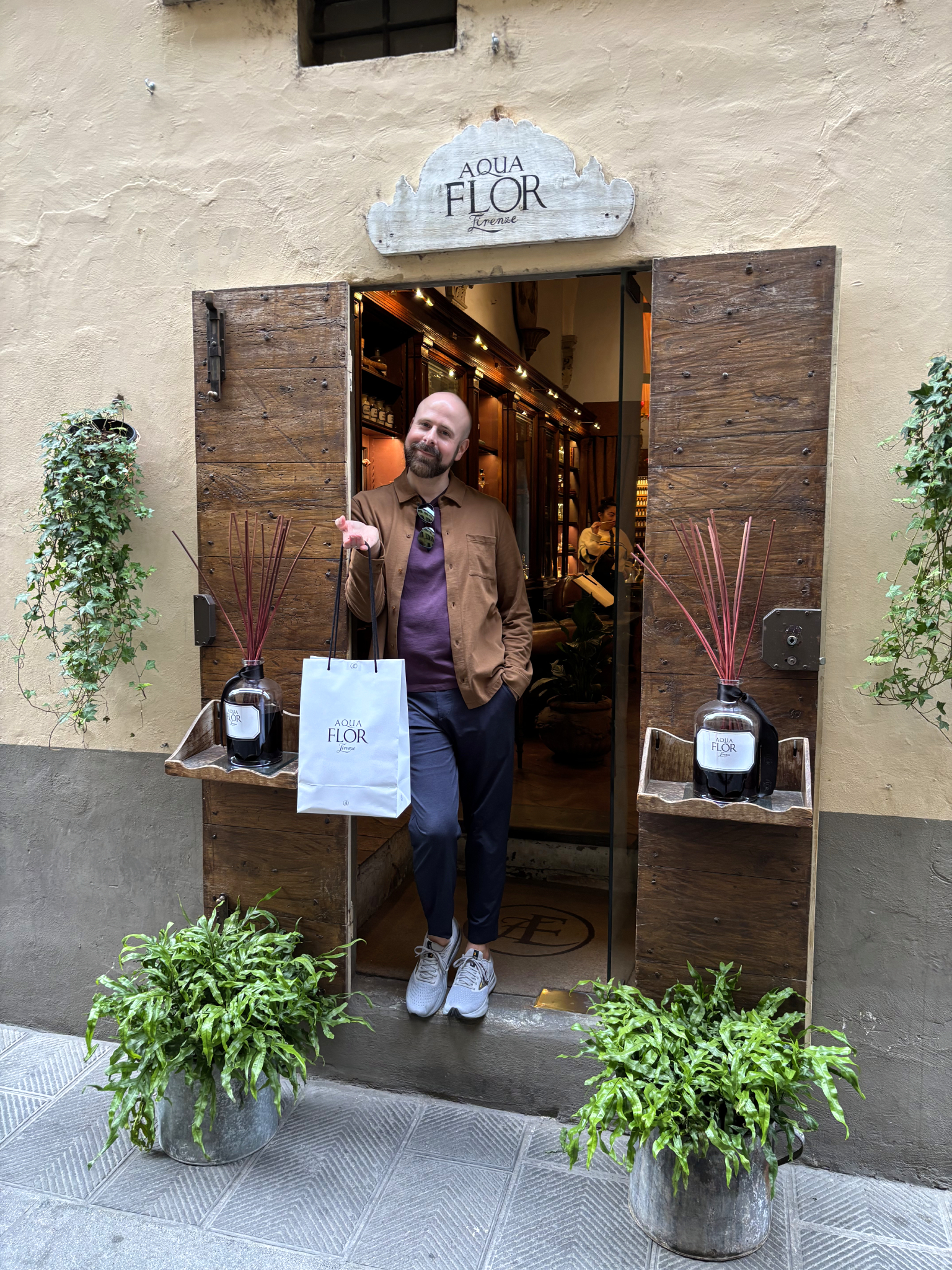
We also discovered AquaFlor, an olfactory wonderland housed in a Renaissance palace. Founded by master perfumer Sileno Cheloni, it offers a bespoke fragrance experience that feels like stepping back into a Medici-era apothecary. Afterward, we roamed the Boboli Gardens in the rain. These gardens, originally designed for the Palazzo Pitti in the 16th century, are the blueprint for Italian garden design—grand, symmetrical, and hauntingly beautiful under a grey Tuscan sky.
We ended that trip at Cibreo, a culinary institution where there is no printed menu. The proprietor sat with us, reciting the evening’s offerings from memory. We feasted on a hearty, traditional Florentine meal that included their rich duck terrine, a comforting dish of traditional Tuscan beans, and a massive, perfectly prepared pork chop.
A Decade of Discovery: Finding New Magic in a Changing City
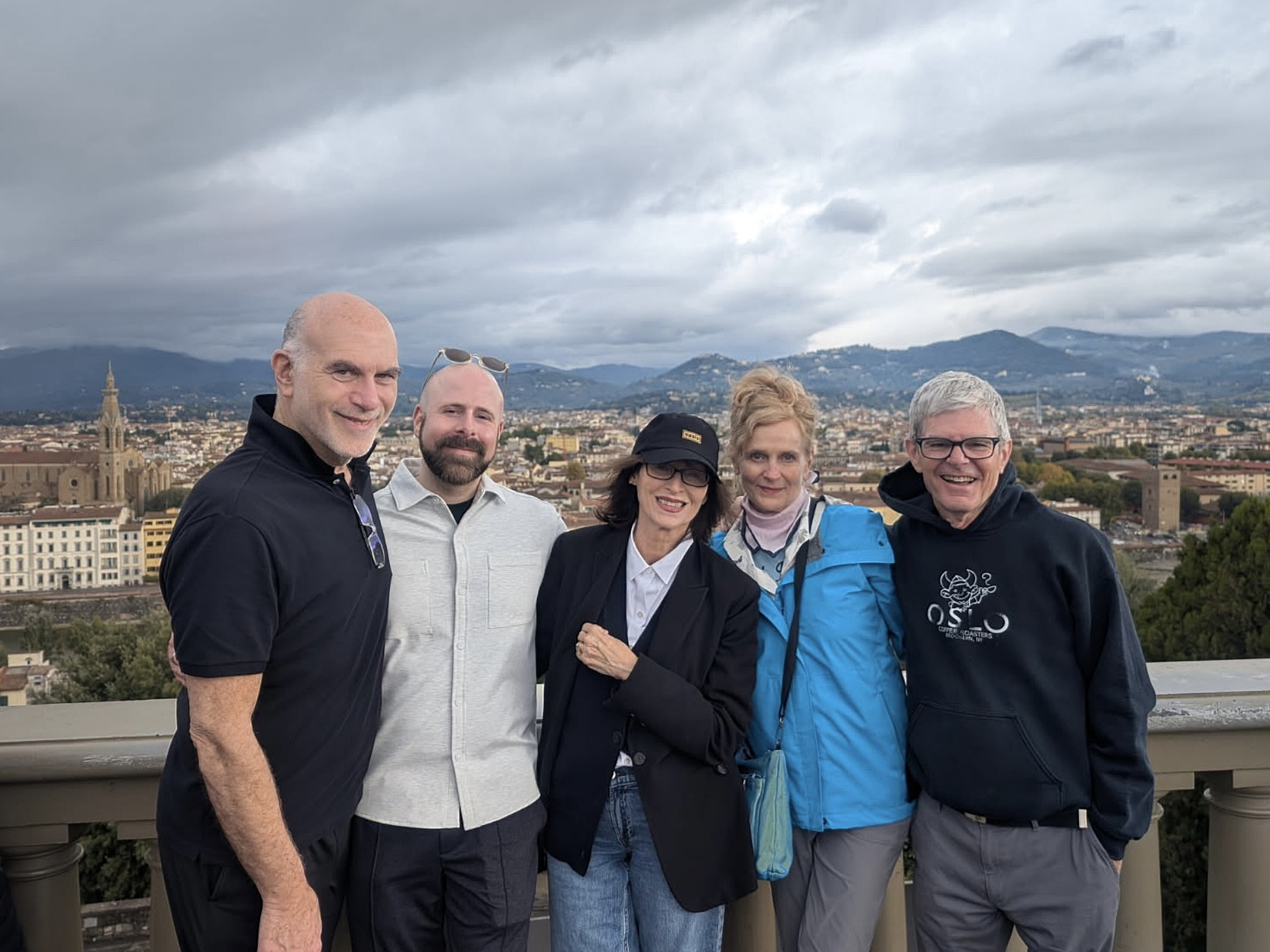
Fast forward to October 2025. We returned to Florence after a few days in Venice with our friends Karen, Richie, and Tricia. Since Karen and Richie had never been, we felt we simply couldn’t visit Italy without showing them the Tuscan capital. While it was sad to discover the city has become significantly more touristed since our last visit, we still managed to find those pockets of awe-inspiring magic.
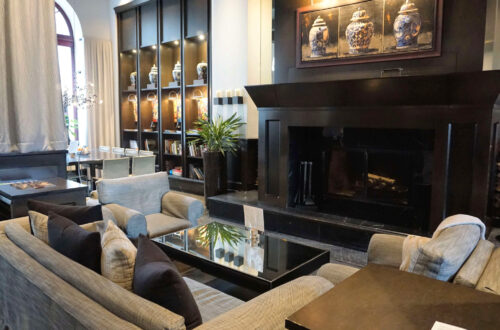
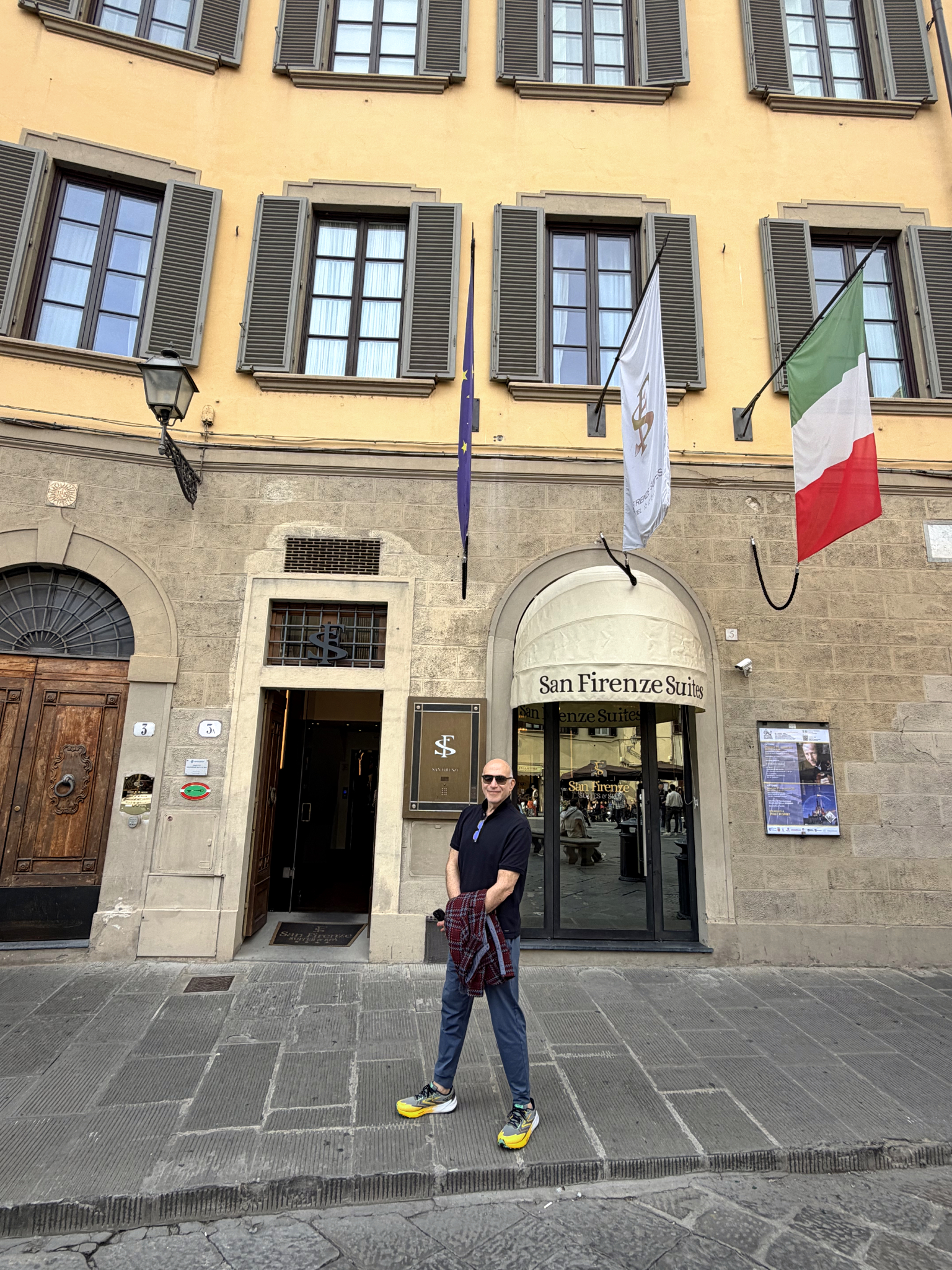
We stayed at San Firenze Suites, situated right in the heart of the centro just a block from Piazza della Signoria. To me, the hotel felt a little stodgy, but the rest of the group absolutely loved the classic atmosphere, and the location truly could not be beat for a short stay.
Reunited with David (and a bit of Drama)
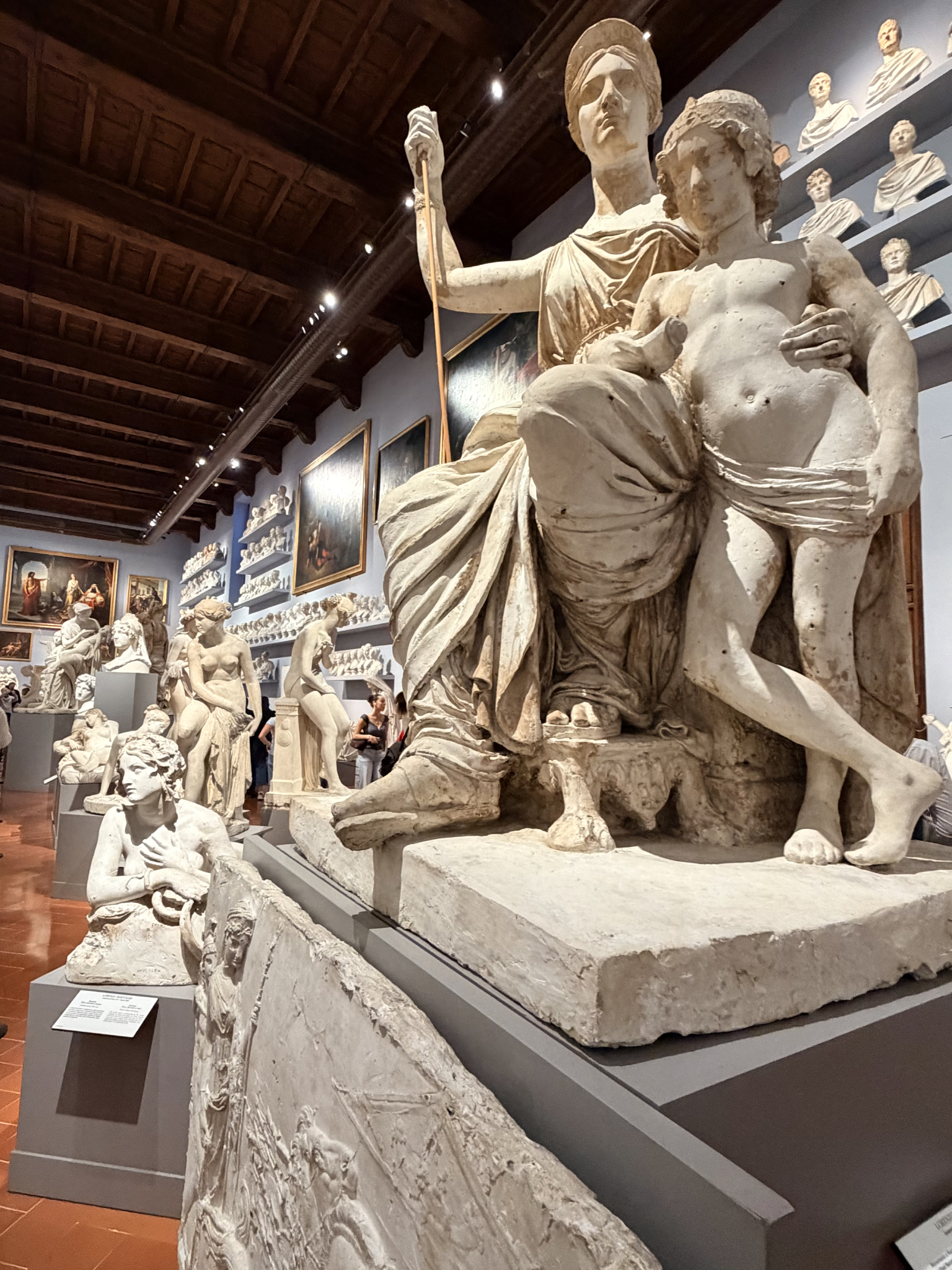
With only a day and a half to explore, I booked a private tour through GetYourGuide (I’m linking to this so you know NOT to book with them) for the Galleria dell’Accademia. After a debacle with our guide—who was less than truthful about skip-the-line access—we ended up touring the museum on our own.
Despite the initial drama, being in the presence of the David again was a sublime experience. It remains one of the absolute highlights of the entire trip. Afterwards, we enjoyed a delightful meal at Salotto Portinari Bistrot. Located inside the Corte Cosimo I palazzo, the setting is breathtaking—a masterful restoration of a historic space that feels both ancient and cutting-edge. We shared an array of refined dishes, including a delicate tuna tartare and perfectly al dente agnolotti, all served with an elegance that matched the grand architecture of the space.
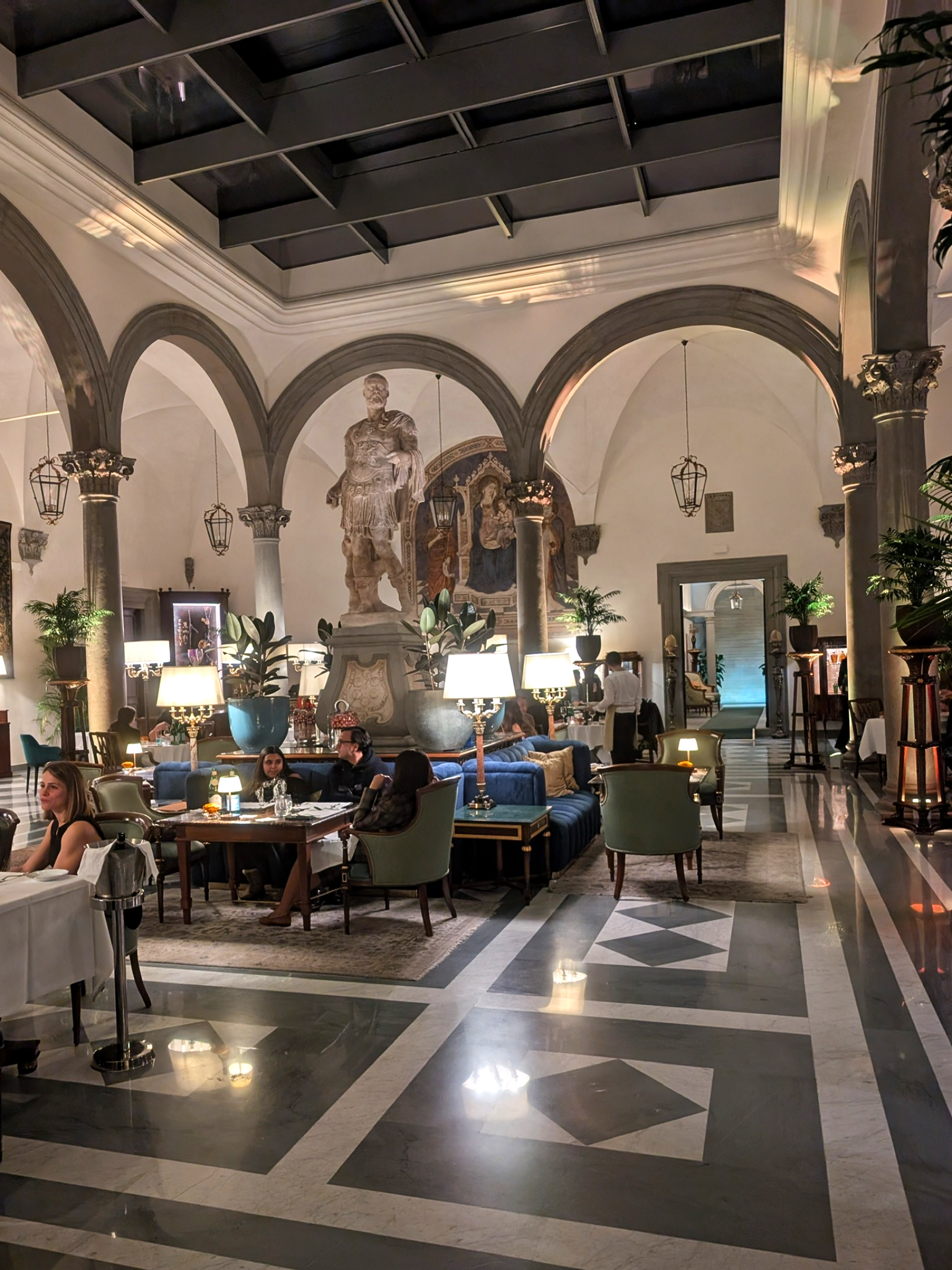
From Sacred Art to Shifting Shadows
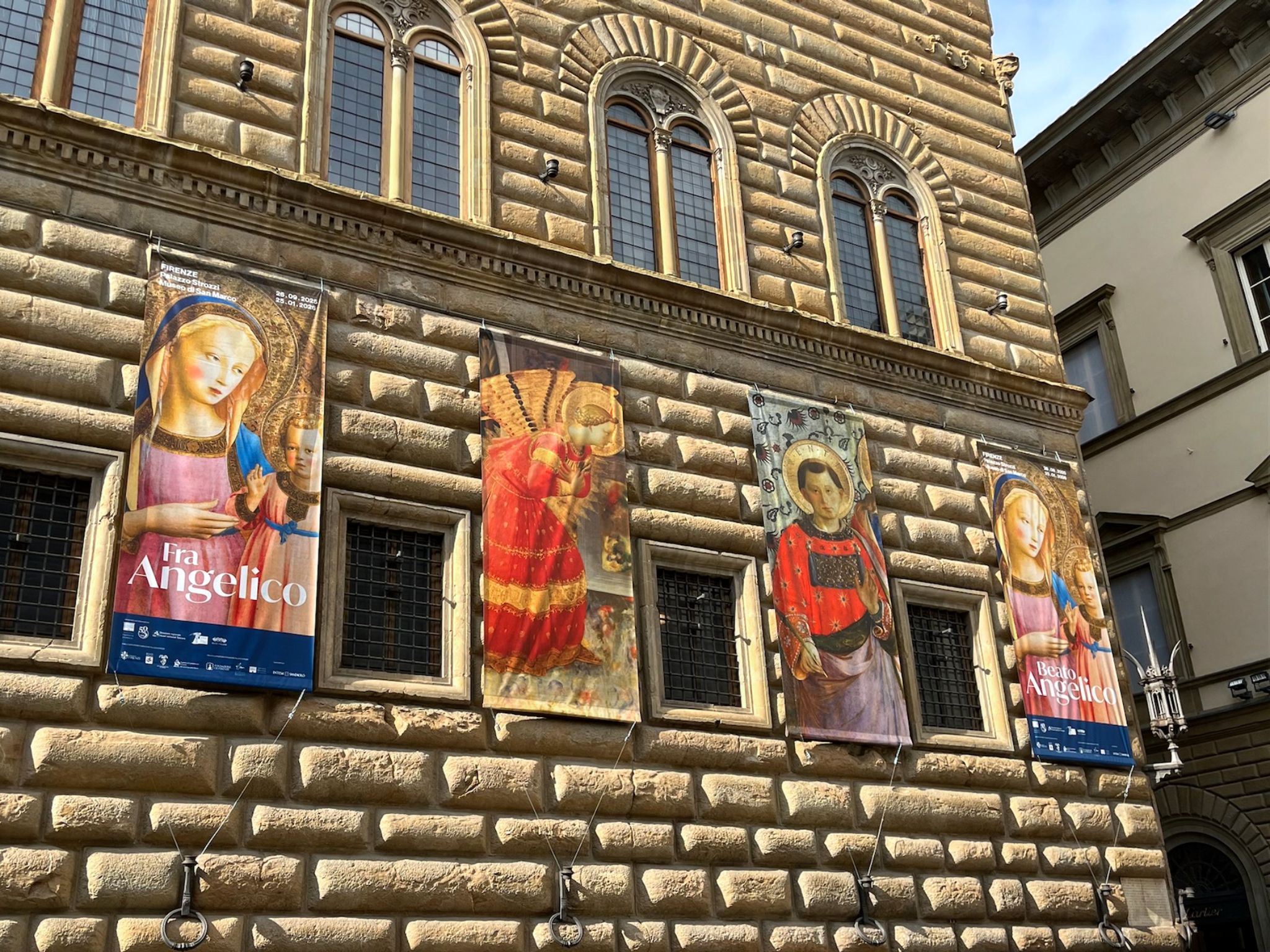
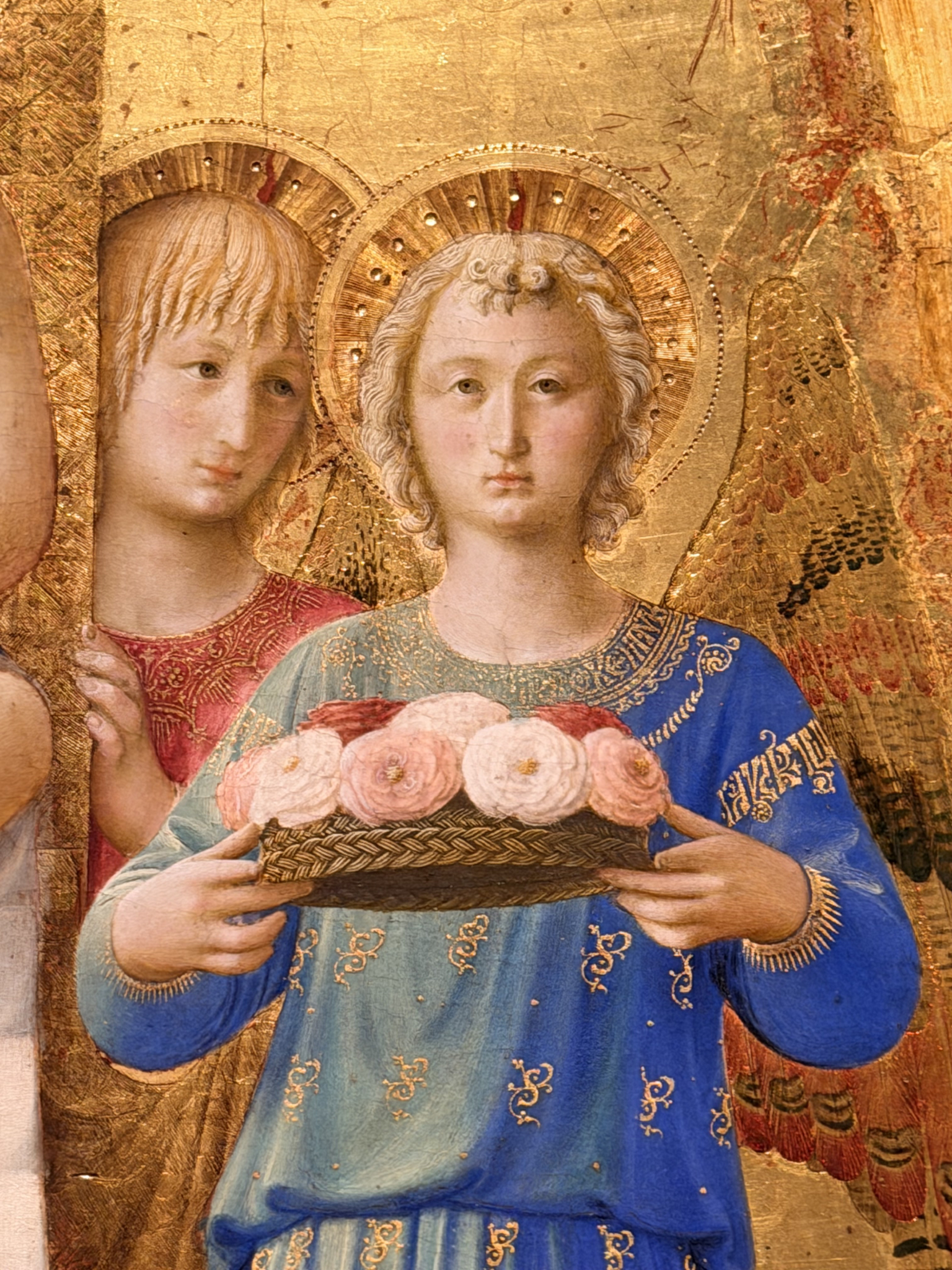
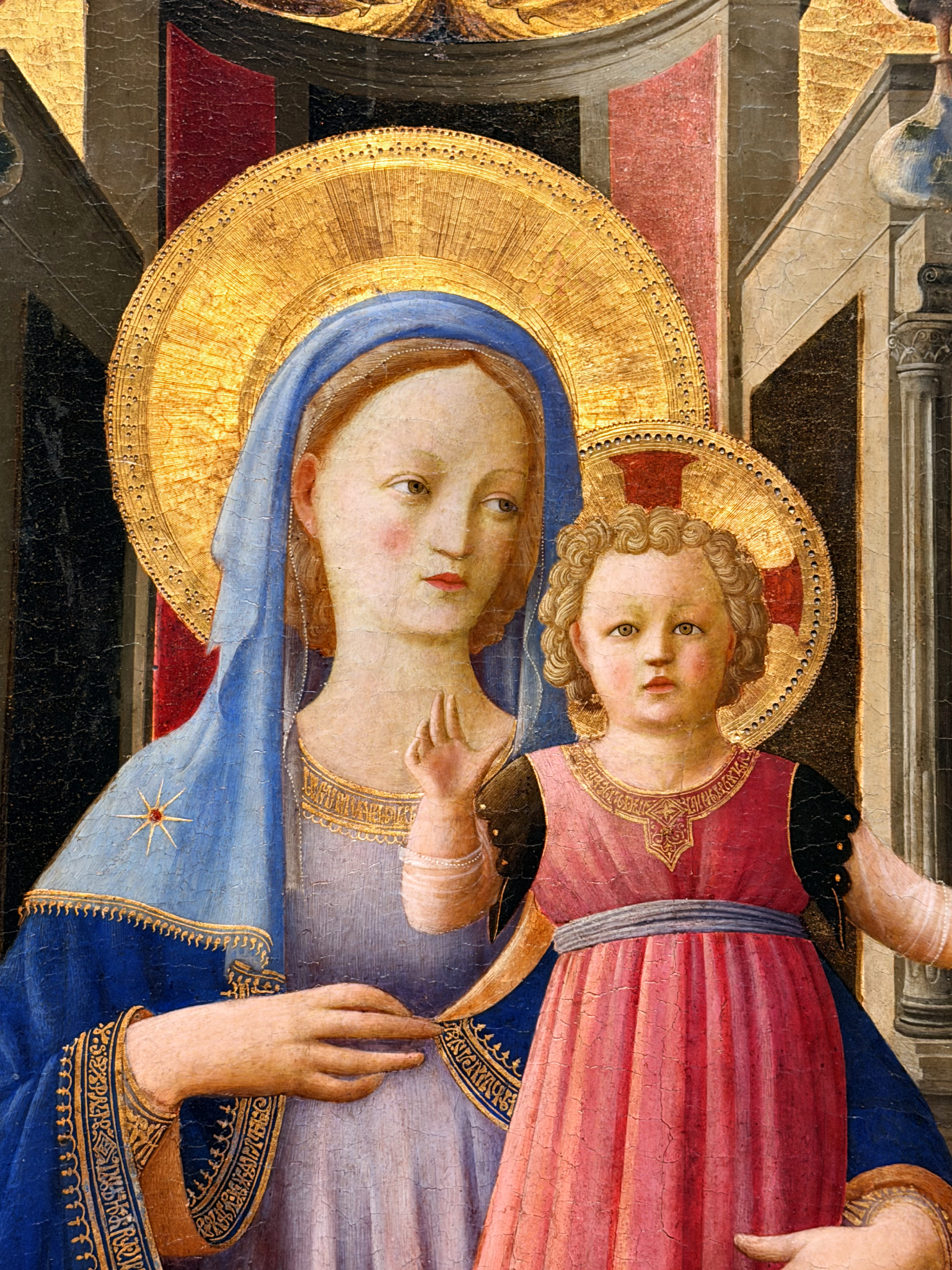
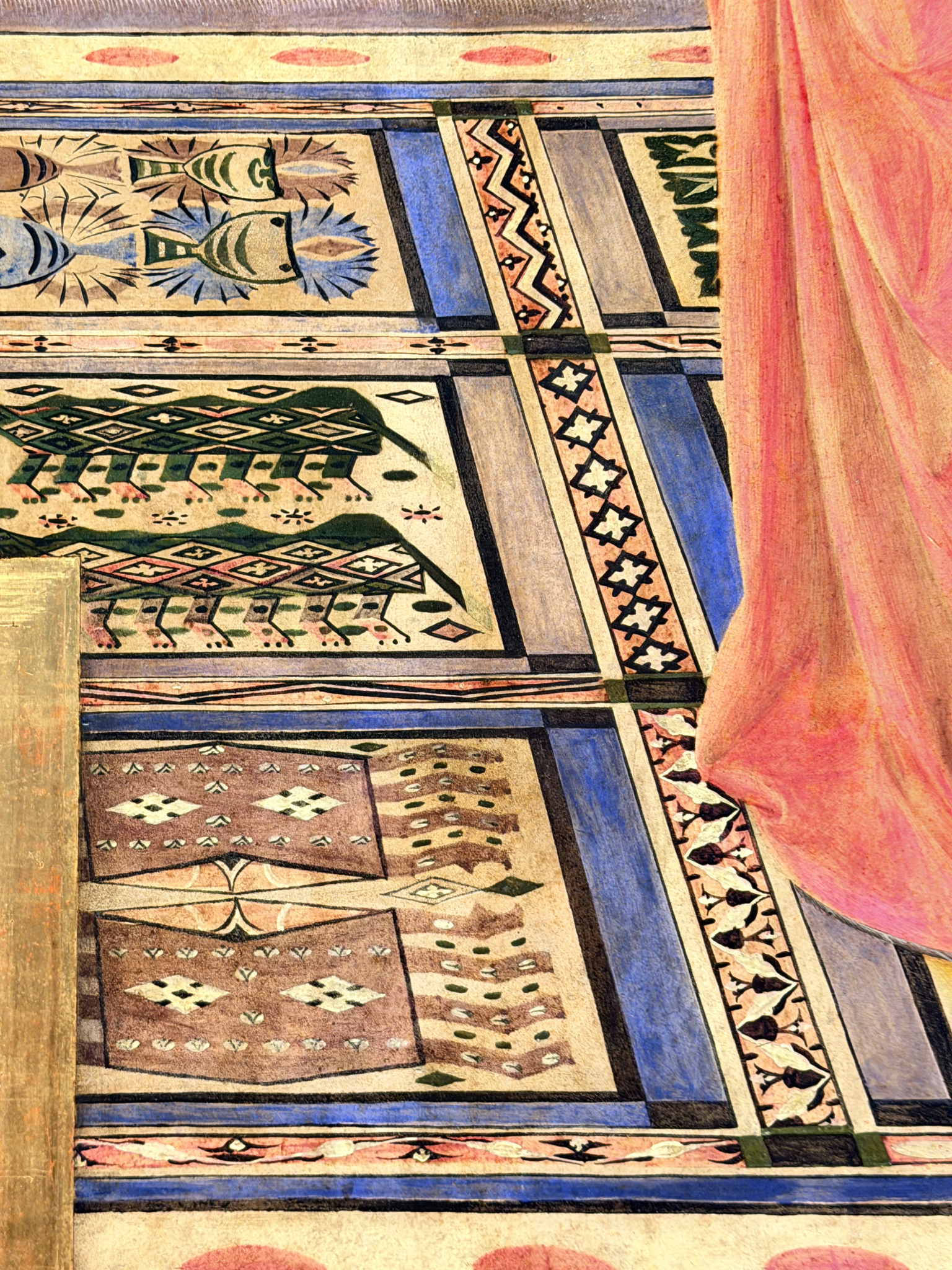
The next morning began at Palazzo Strozzi for the Fra Angelico exhibit. Fra Angelico was a 15th-century Dominican friar whose work serves as a sublime bridge between the spiritual grace of the Gothic tradition and the humanism of the early Renaissance. I found myself mesmerized by his usage of vibrant, ethereal colors—pinks and blues that seem to glow from within.
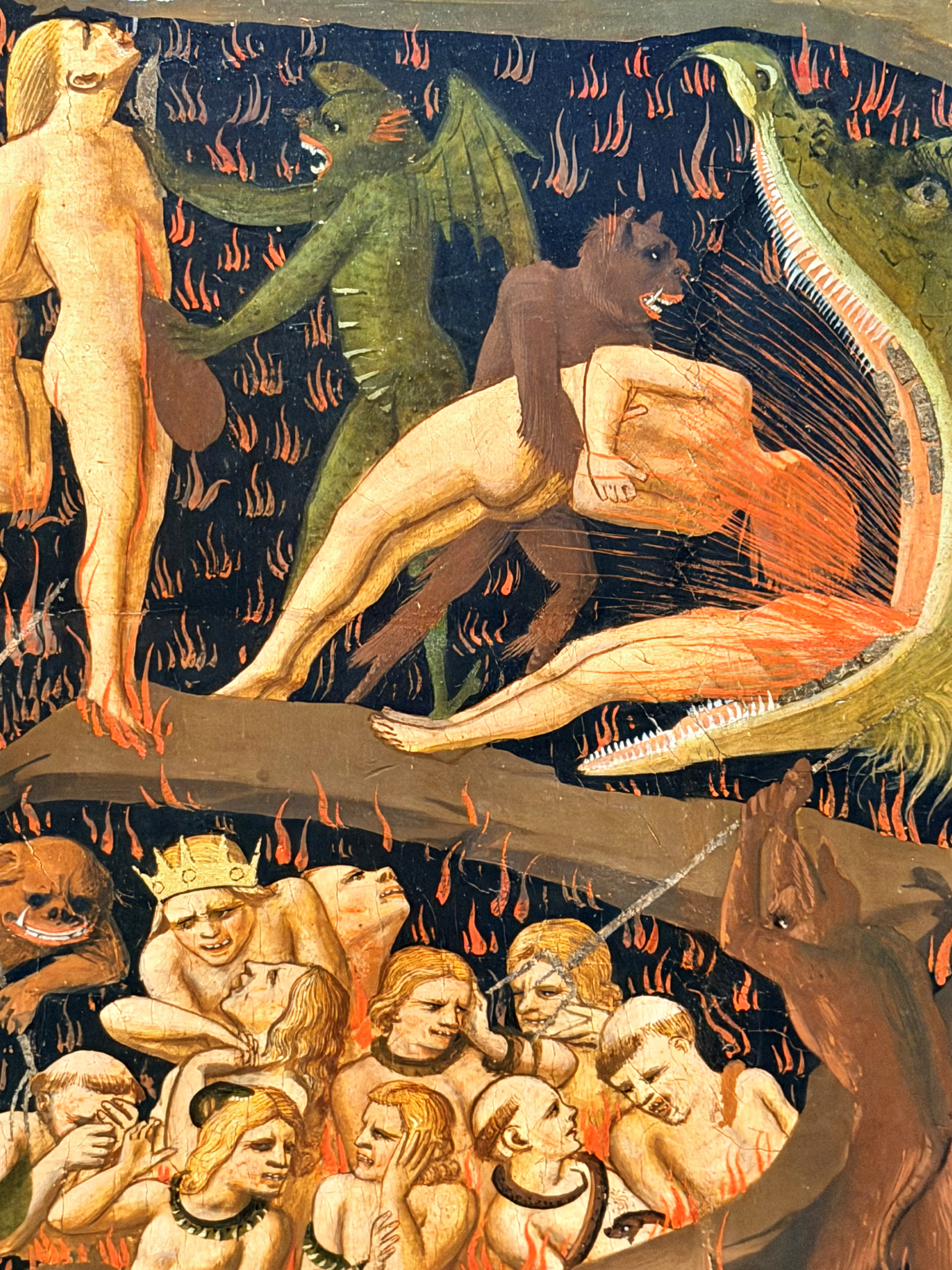
However, the exhibition also highlighted the starker, more terrifying side of Renaissance theology. In contrast to his heavenly light, we saw vivid, haunting depictions of the damned—like the macabre beheading of Saints Cosmas and Damian or the nightmarish monsters dragging souls into the Mouth of Hell. As a group, we couldn’t help but remark on the visceral nature of how the Church historically used such imagery to scare the faithful into submission.
Rooftop Views and a Rosé-Fueled Remix
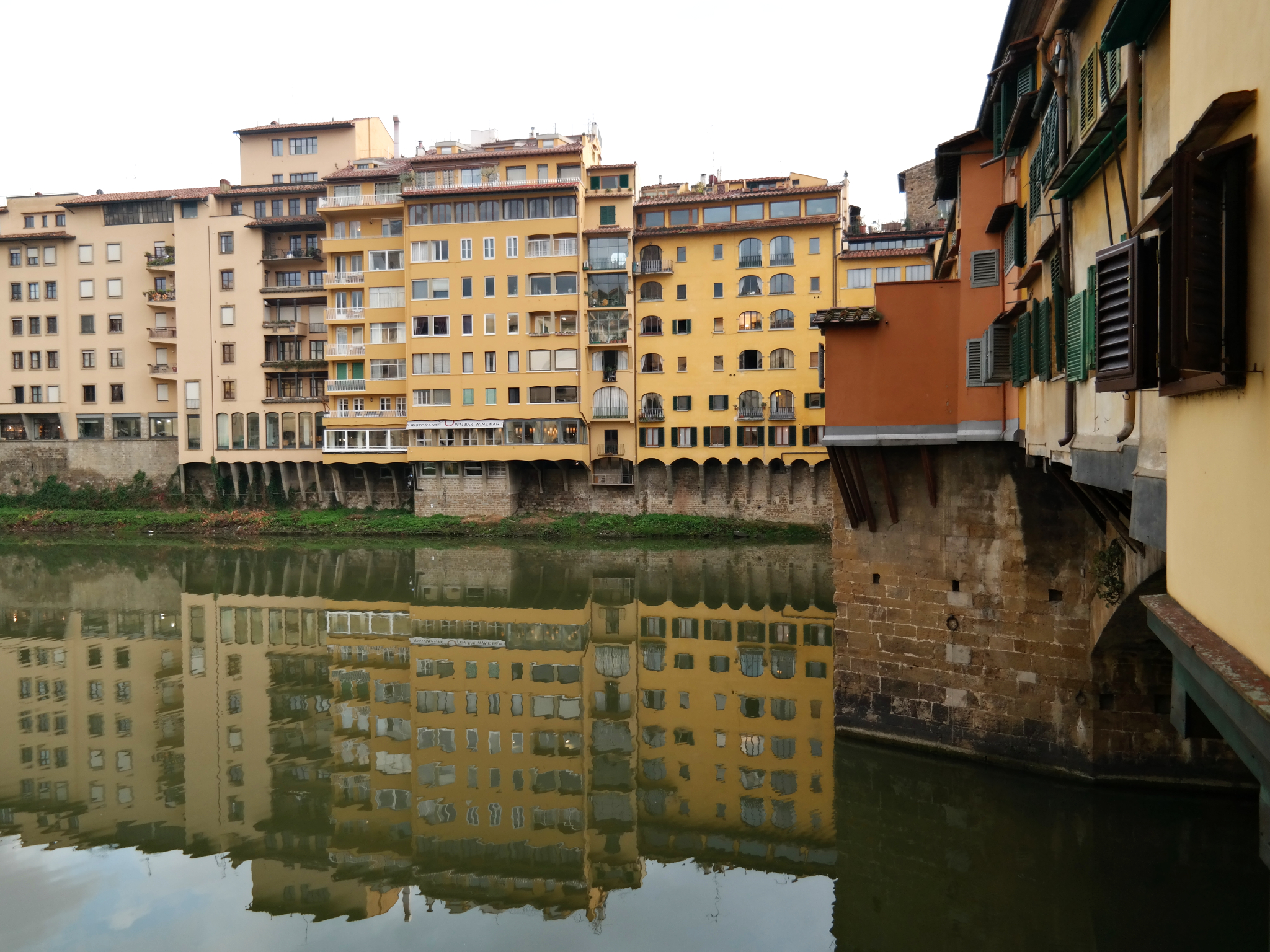
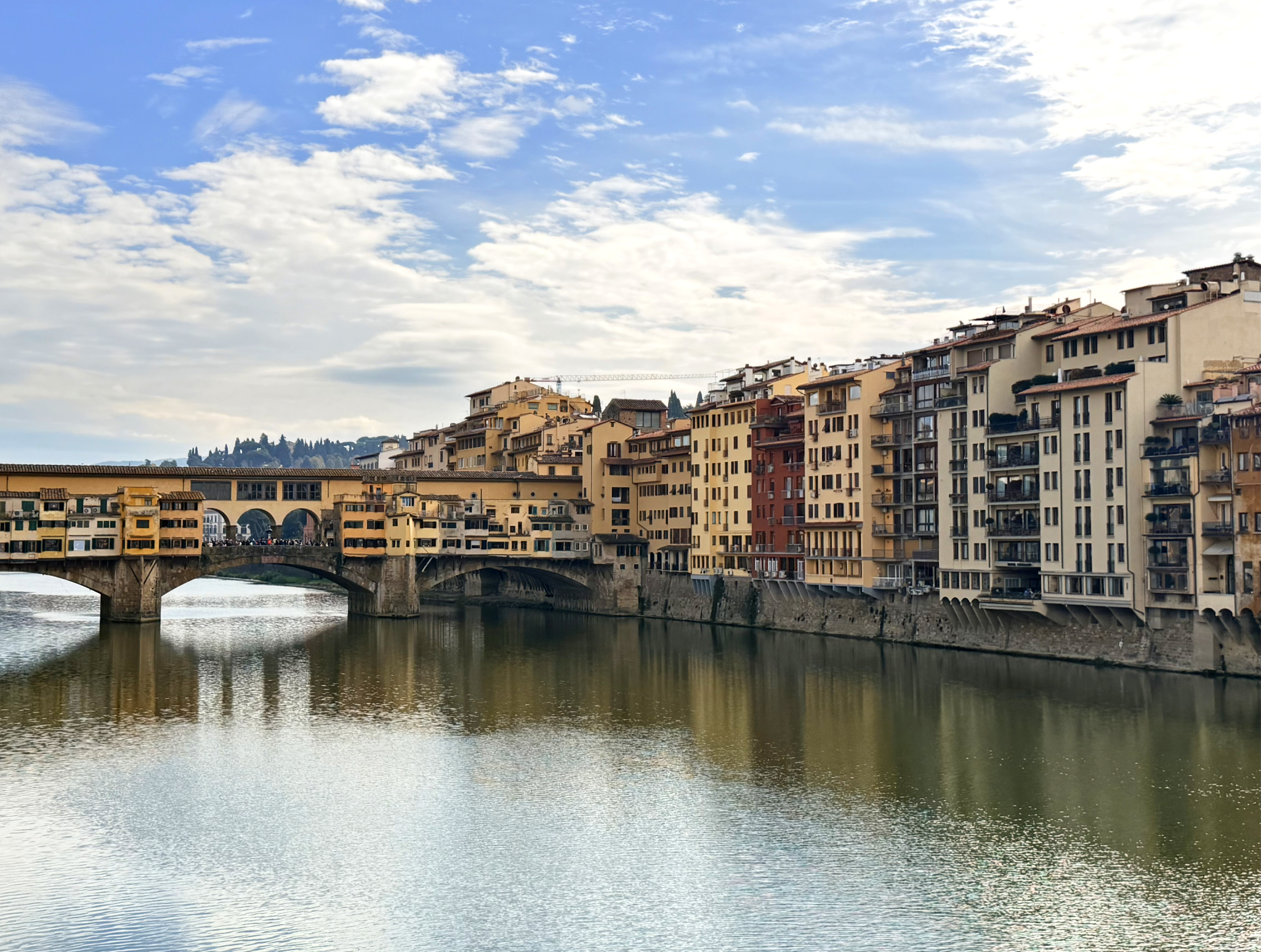
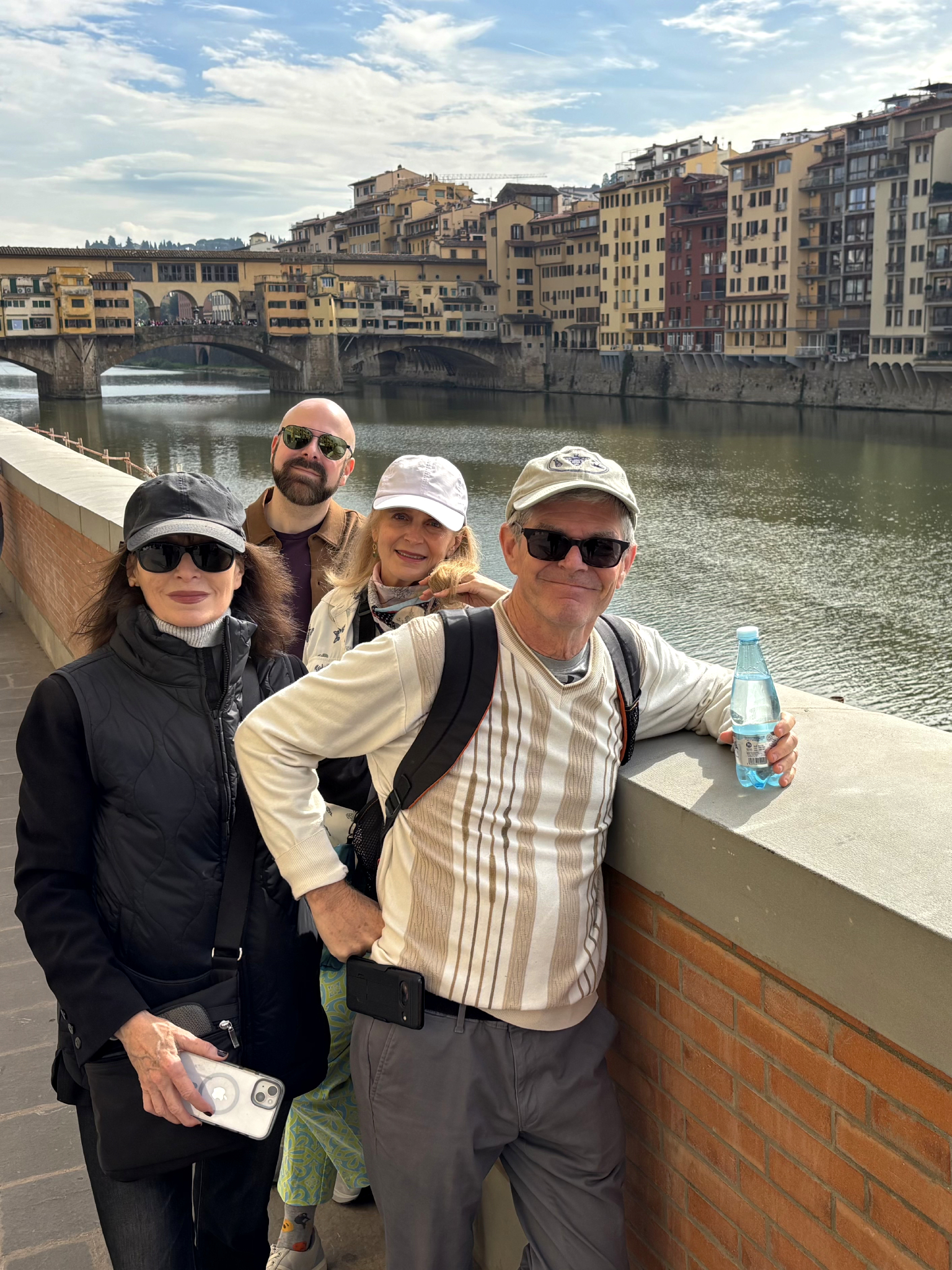
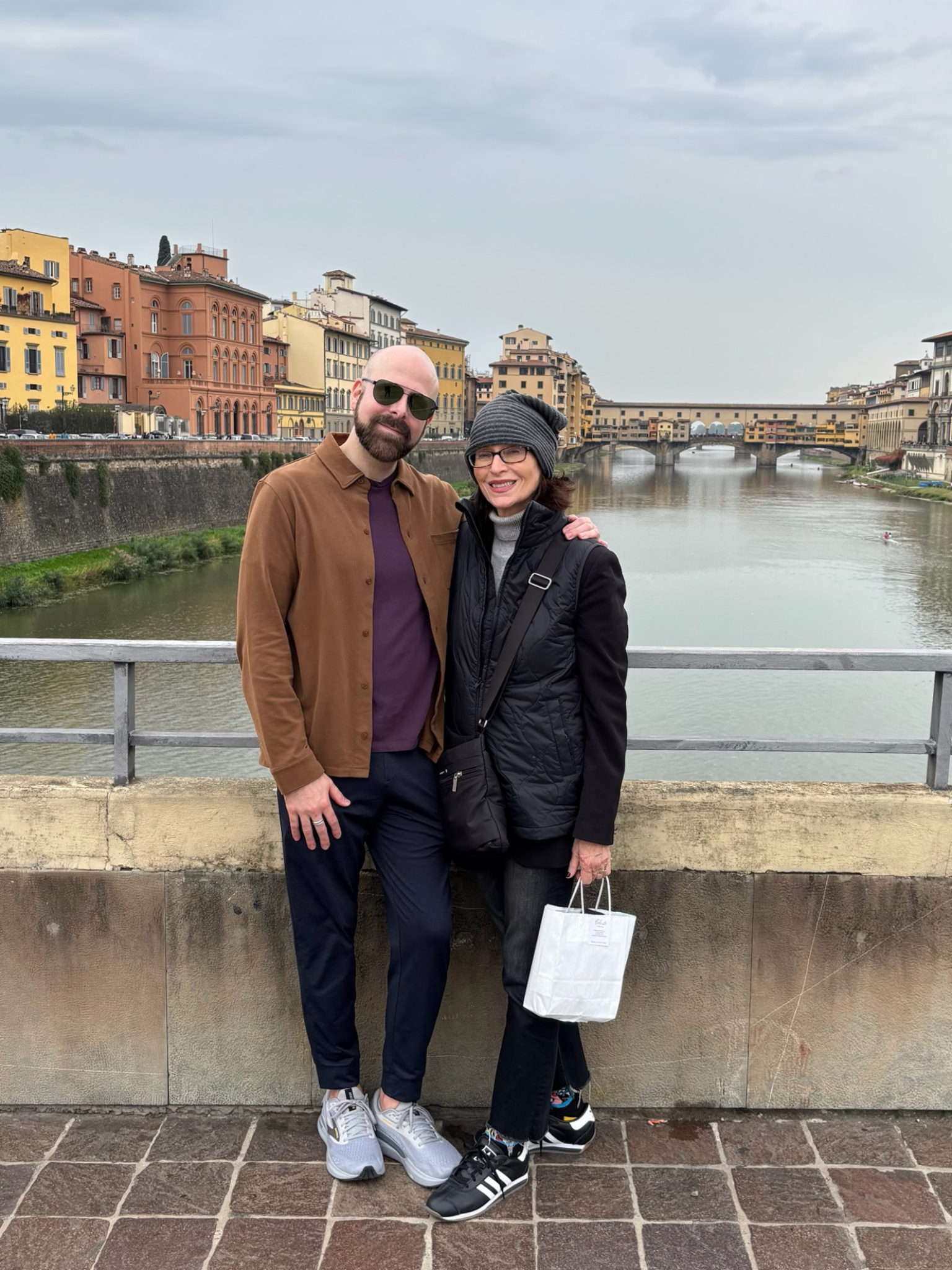
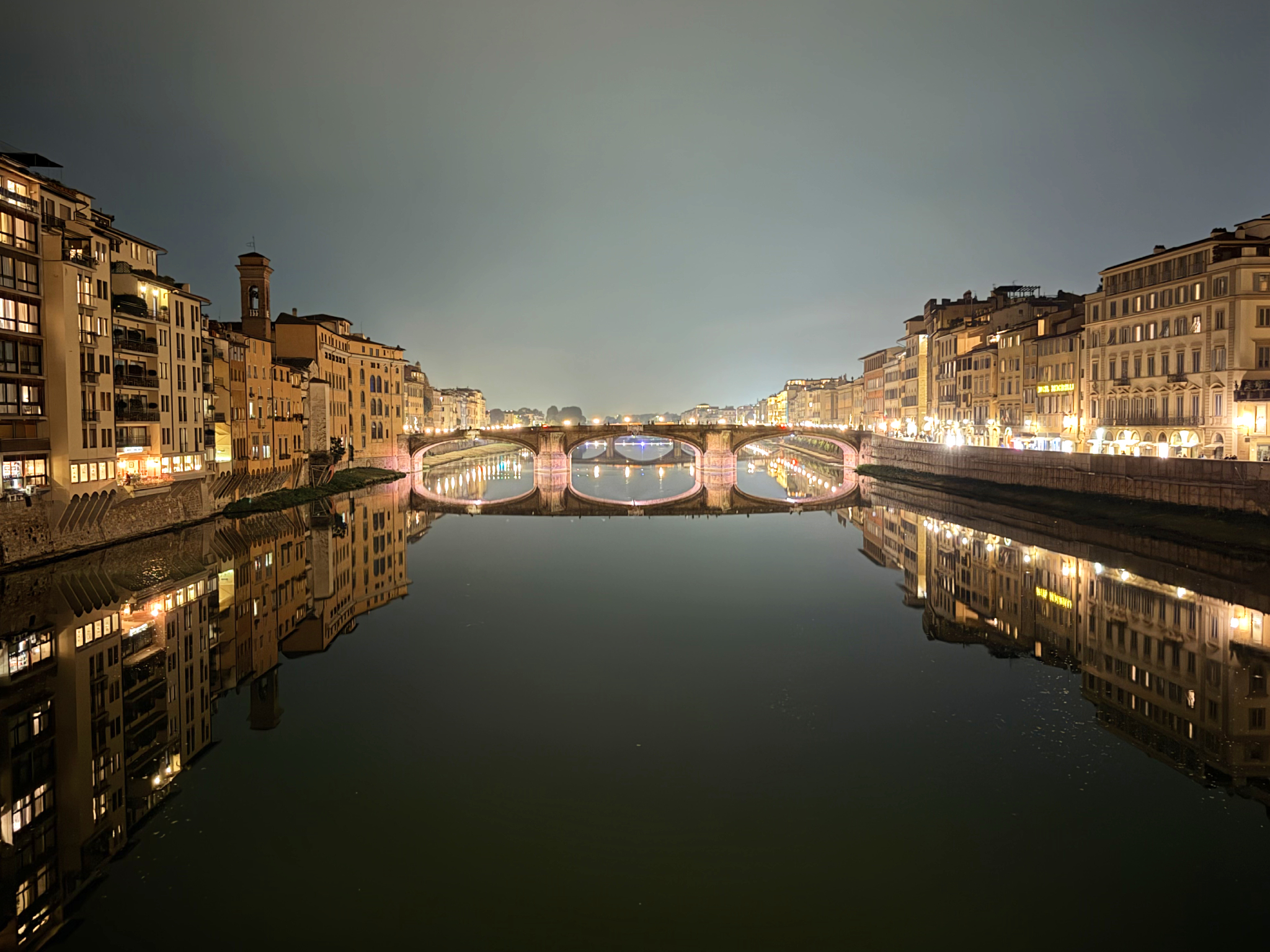
We eventually walked down to the Lungarno so the group could see the historic Ponte Vecchio. Since the Uffizi Gallery is closed on Mondays, we skipped it this time—which, frankly, was a relief given the memories of the suffocating crowds from ten years ago.
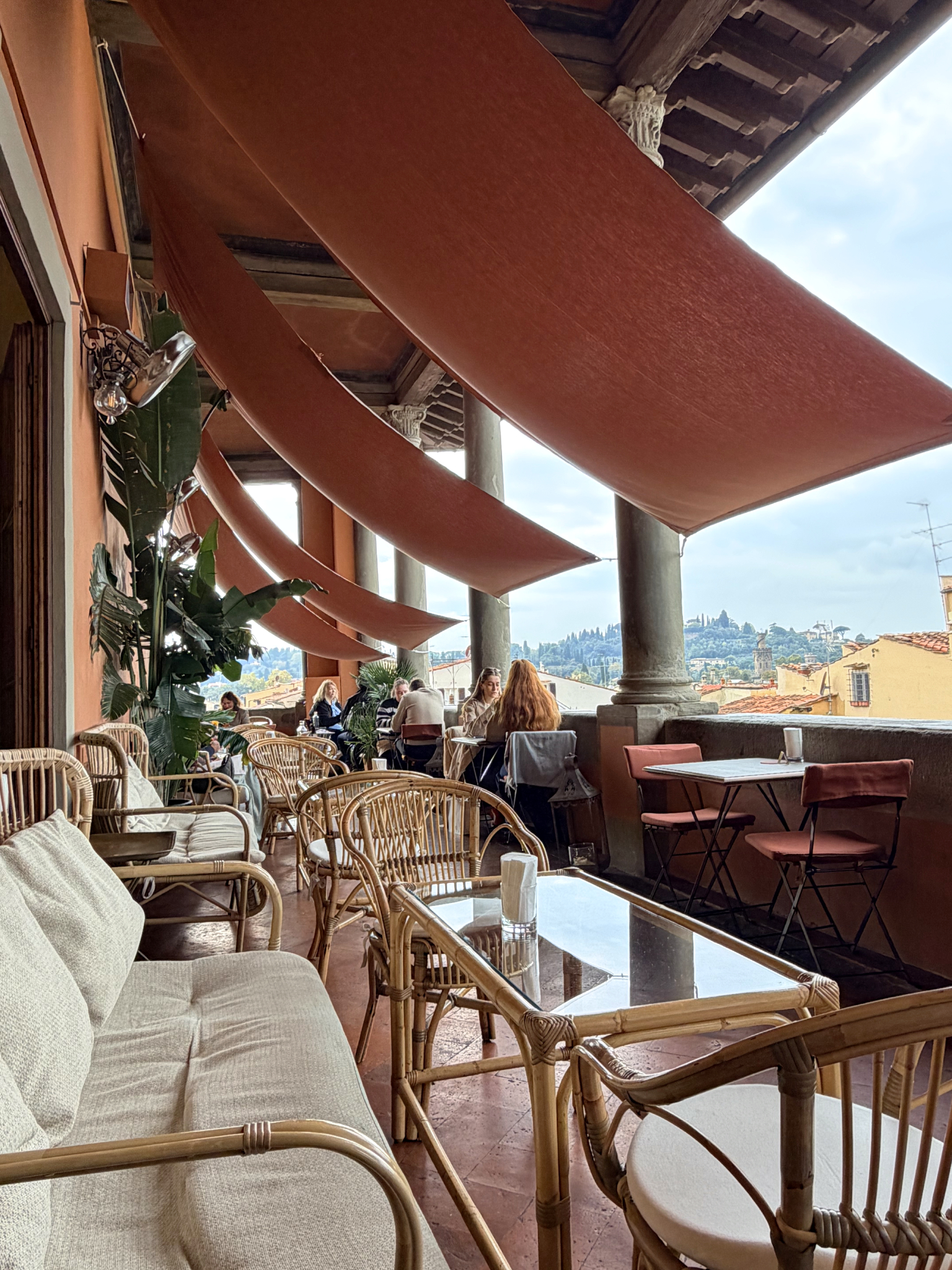
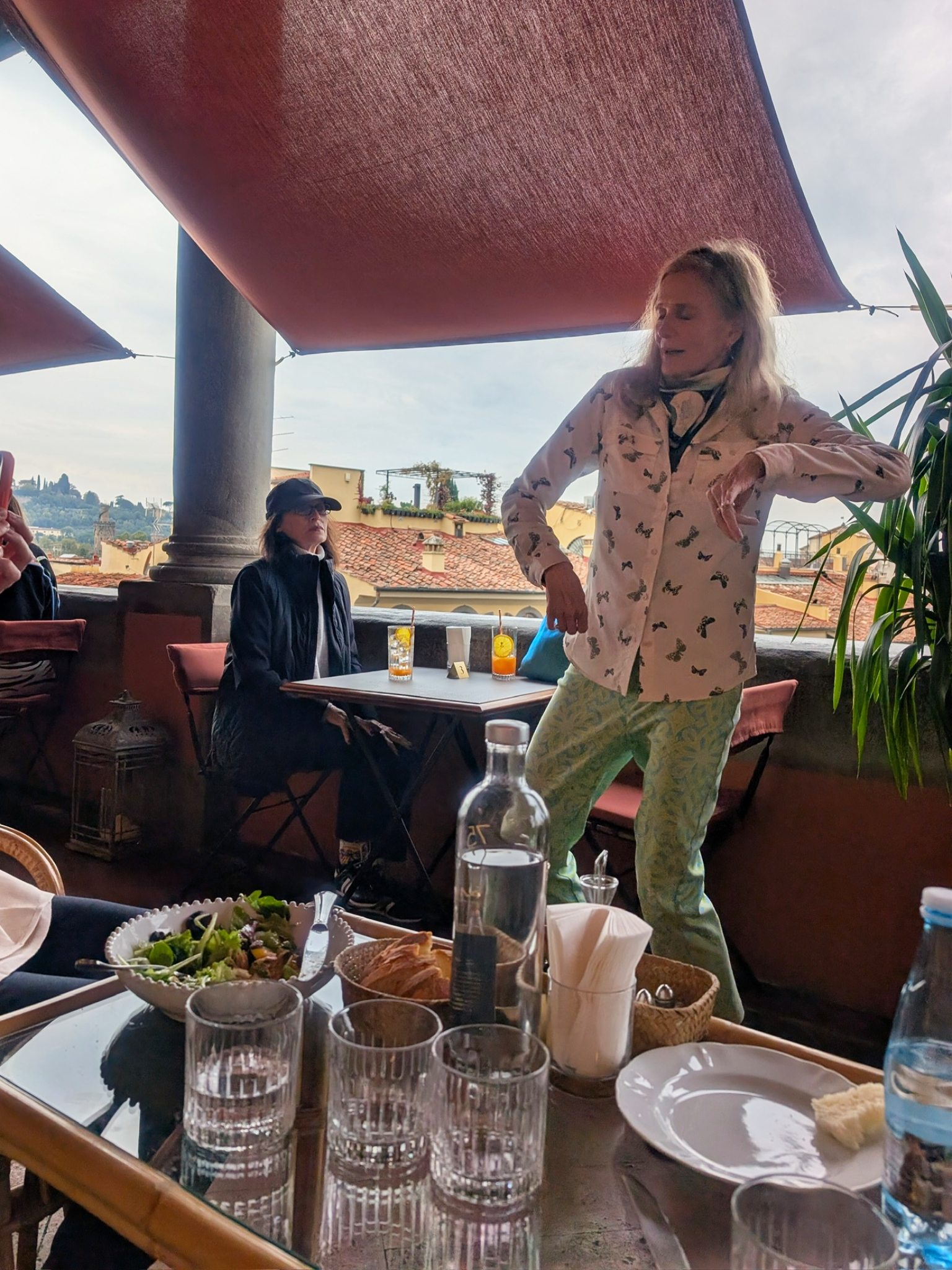
Instead, we crossed back into the Oltrarno for lunch at the Loggia Roof Bar at Hotel Palazzo Guadagni, a stunning terrace overlooking the terracotta rooftops. It was here that Tricia, who is a trained dancer, spontaneously performed a dance to “APT.” by ROSÉ & Bruno Mars. It was a fun, uplifting moment of pure joy.

Abstract Art and the Rubbermaid Revelation
After lunch, Charles and I headed back to Traslucido Antiquariato XX Secolo on Via Maggio. On our first trip ten years ago, we had purchased a striking Abstract Expressionist piece by a mid-century Italian artist there—a painting that now holds pride of place in our dining room upstate. We were eager to revisit the gallery to see what other treasures they had unearthed in the decade since. While the store is still curated with incredible taste, we quickly realized that the prices had certainly exploded since our last visit!
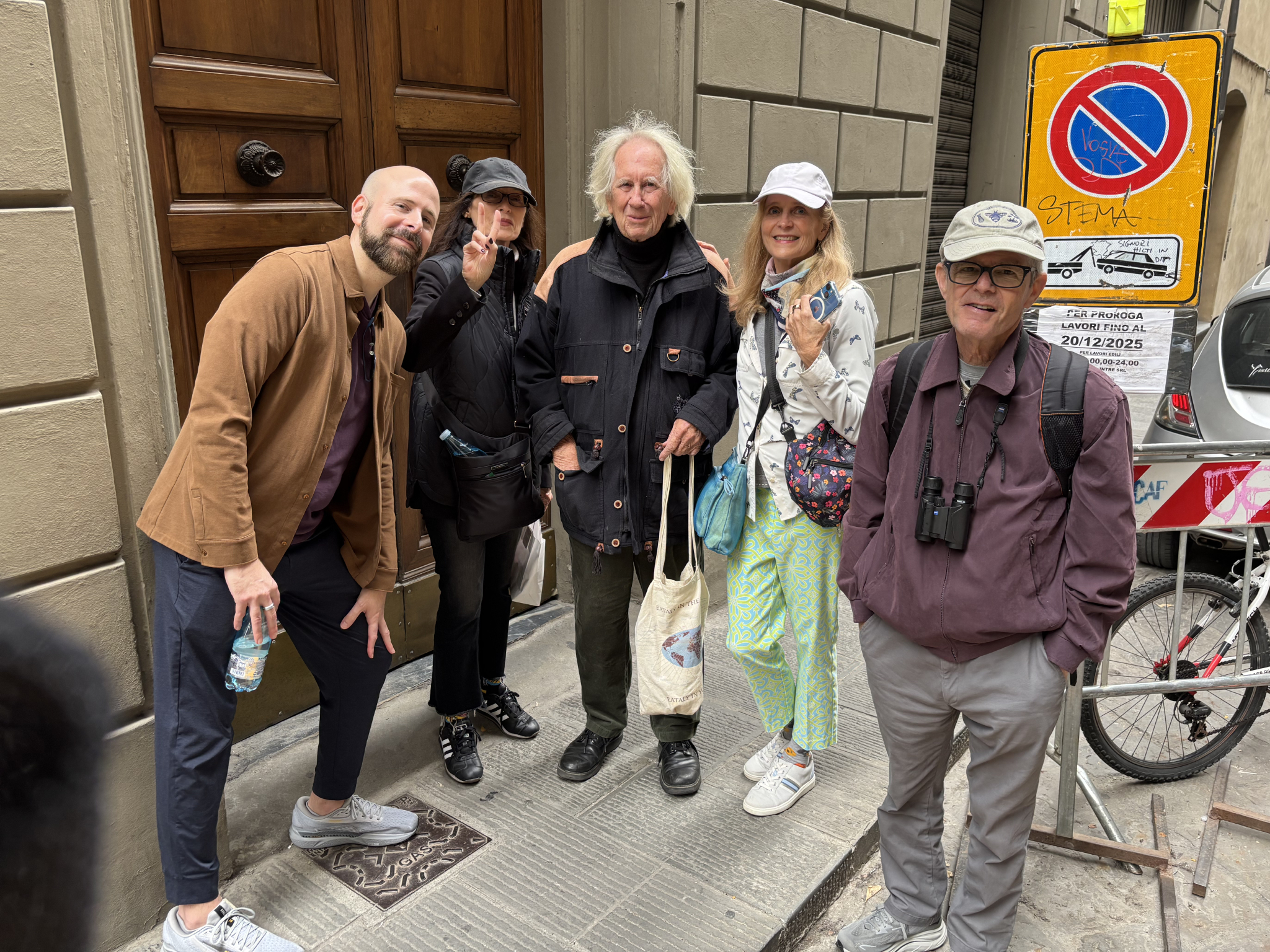
I had been most looking forward to the Bardini Gardens, but when we arrived, the gates were locked; they had decided to close an hour early. While we sat on the curb sulking, a gentleman named John Moore emerged from a nearby apartment. He claimed to be one of the inventors of Rubbermaid products and had moved overseas for a better quality of life. It was a bizarre, hilarious exchange that brought some levity to our disappointment.
The Ultimate Finale: Inside the Cupola
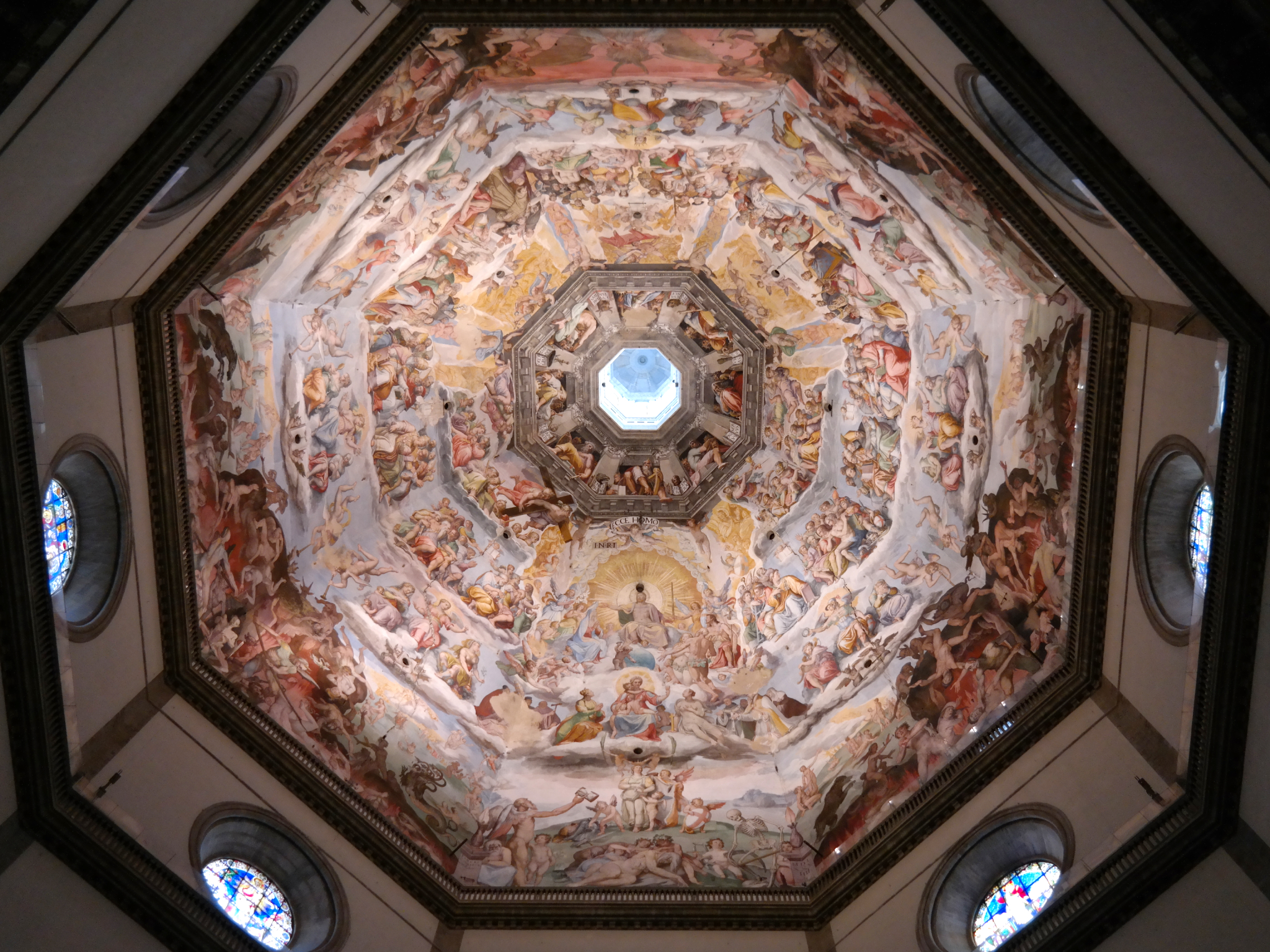
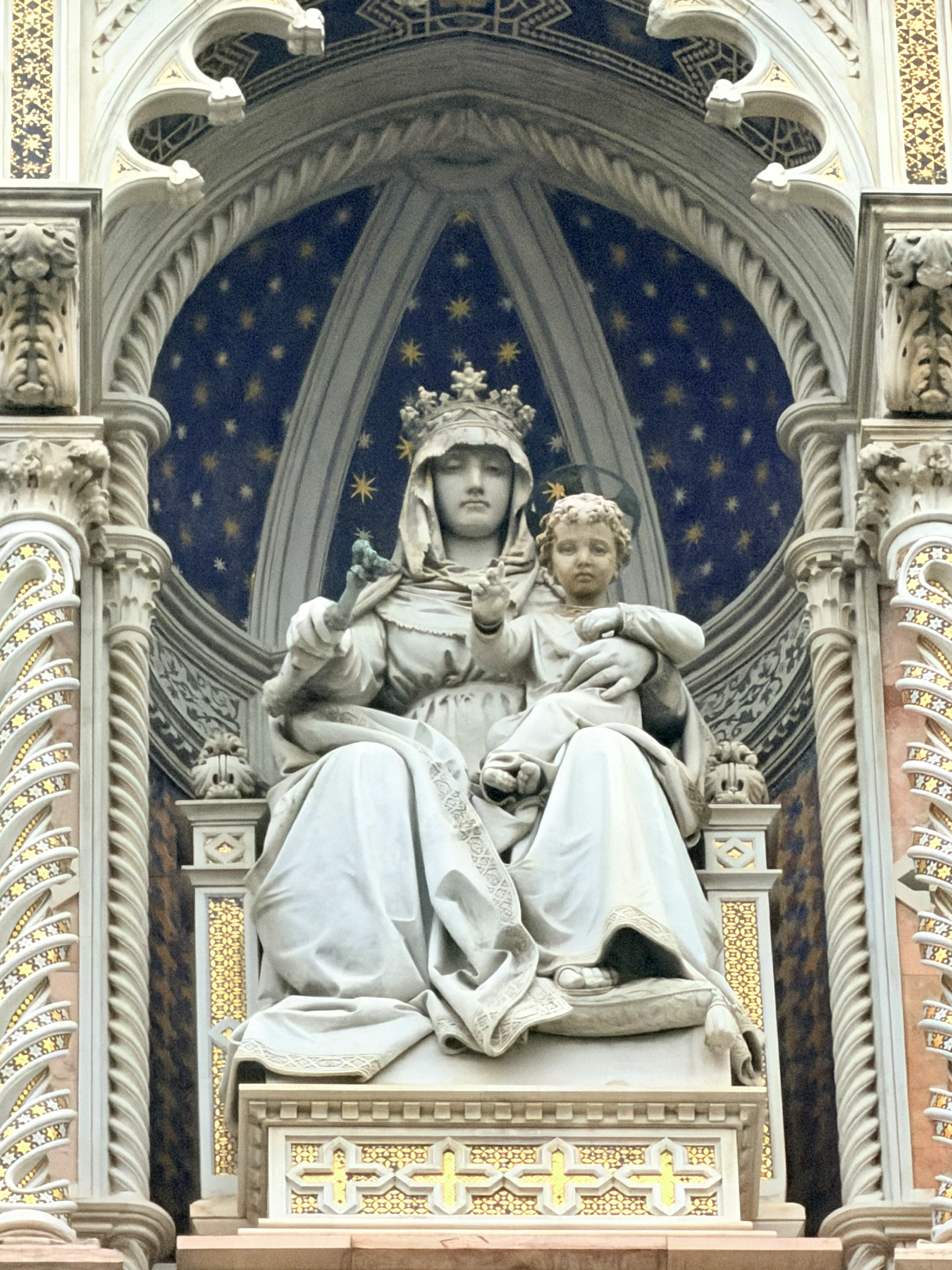
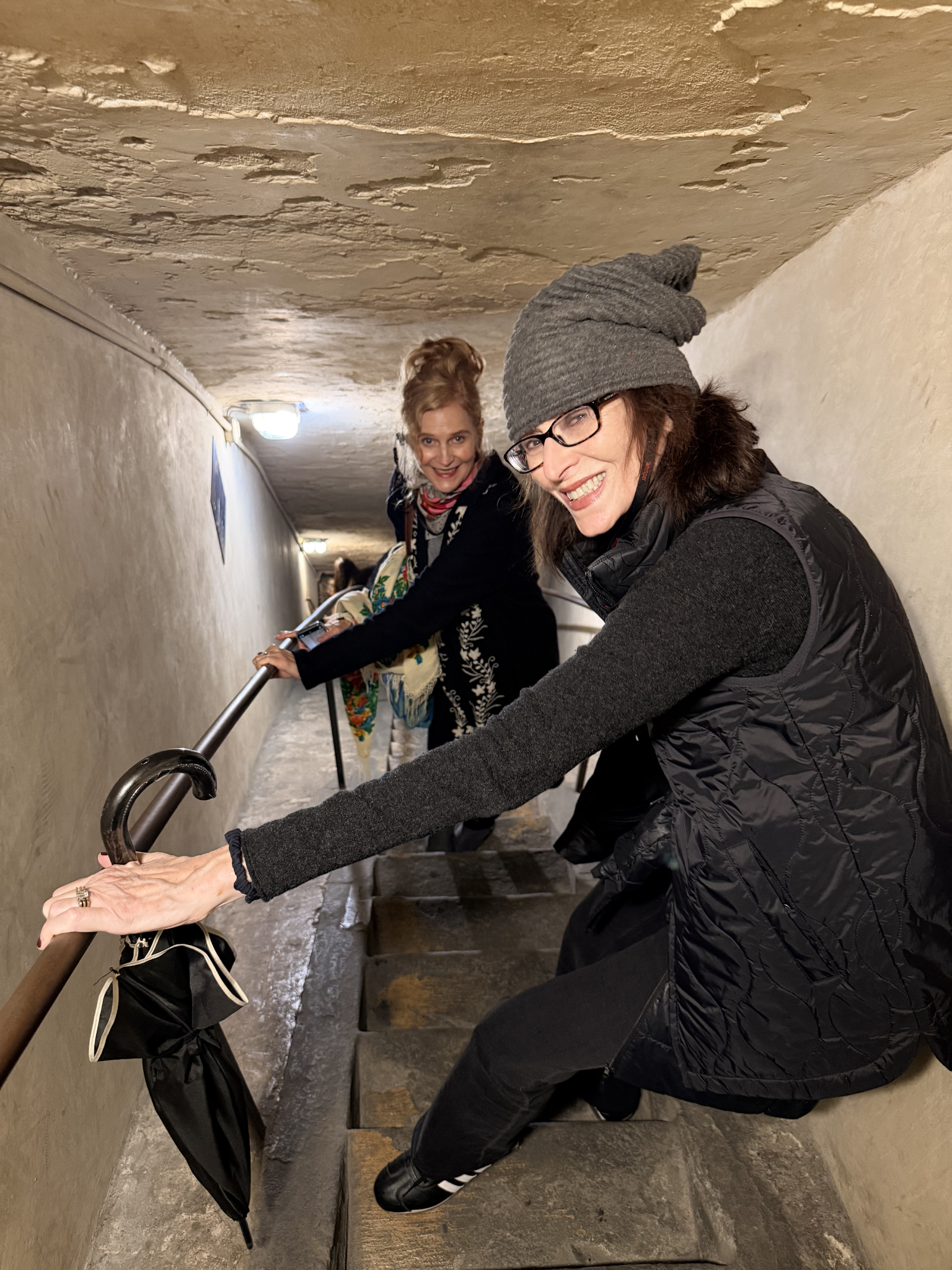
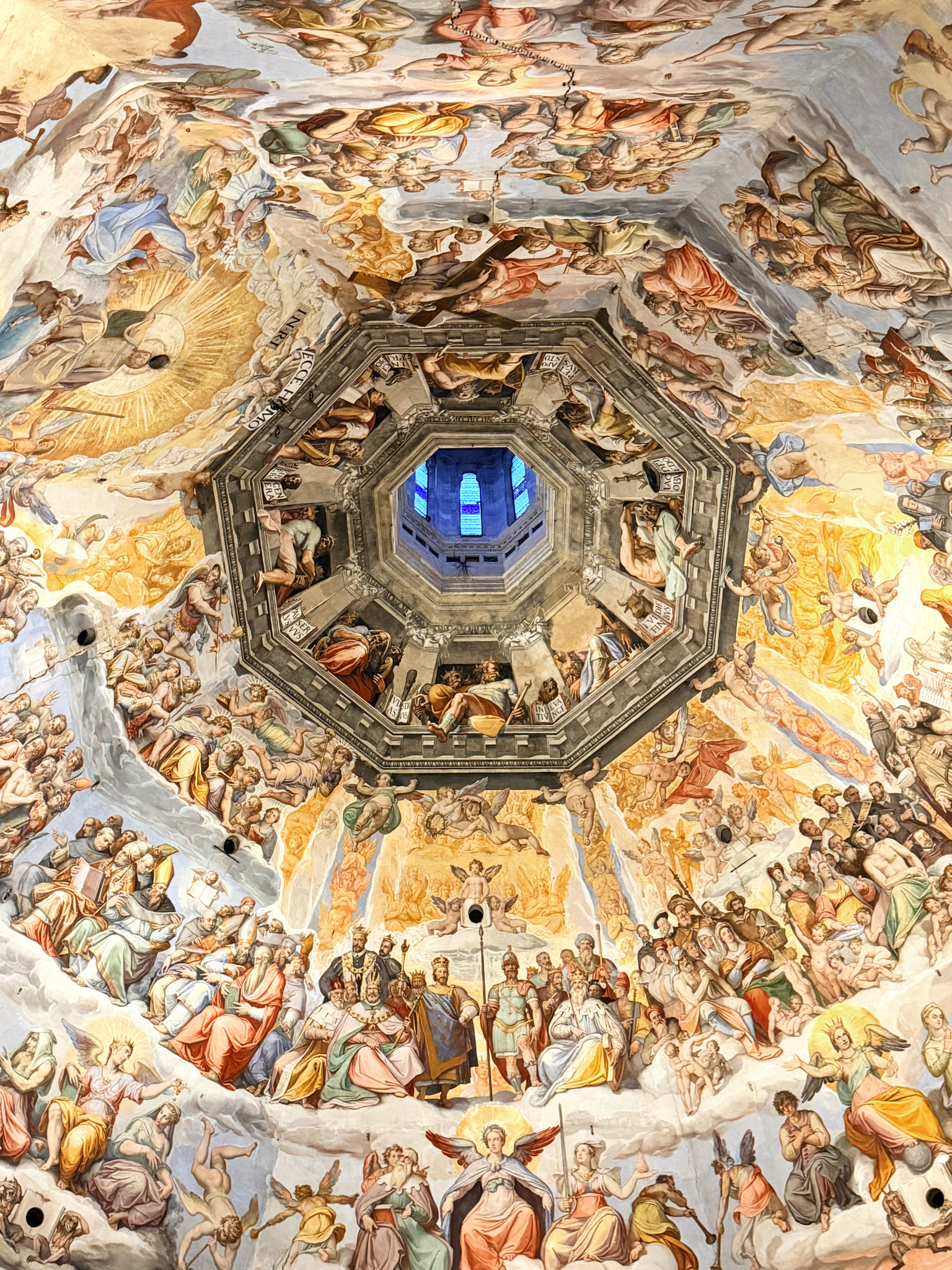
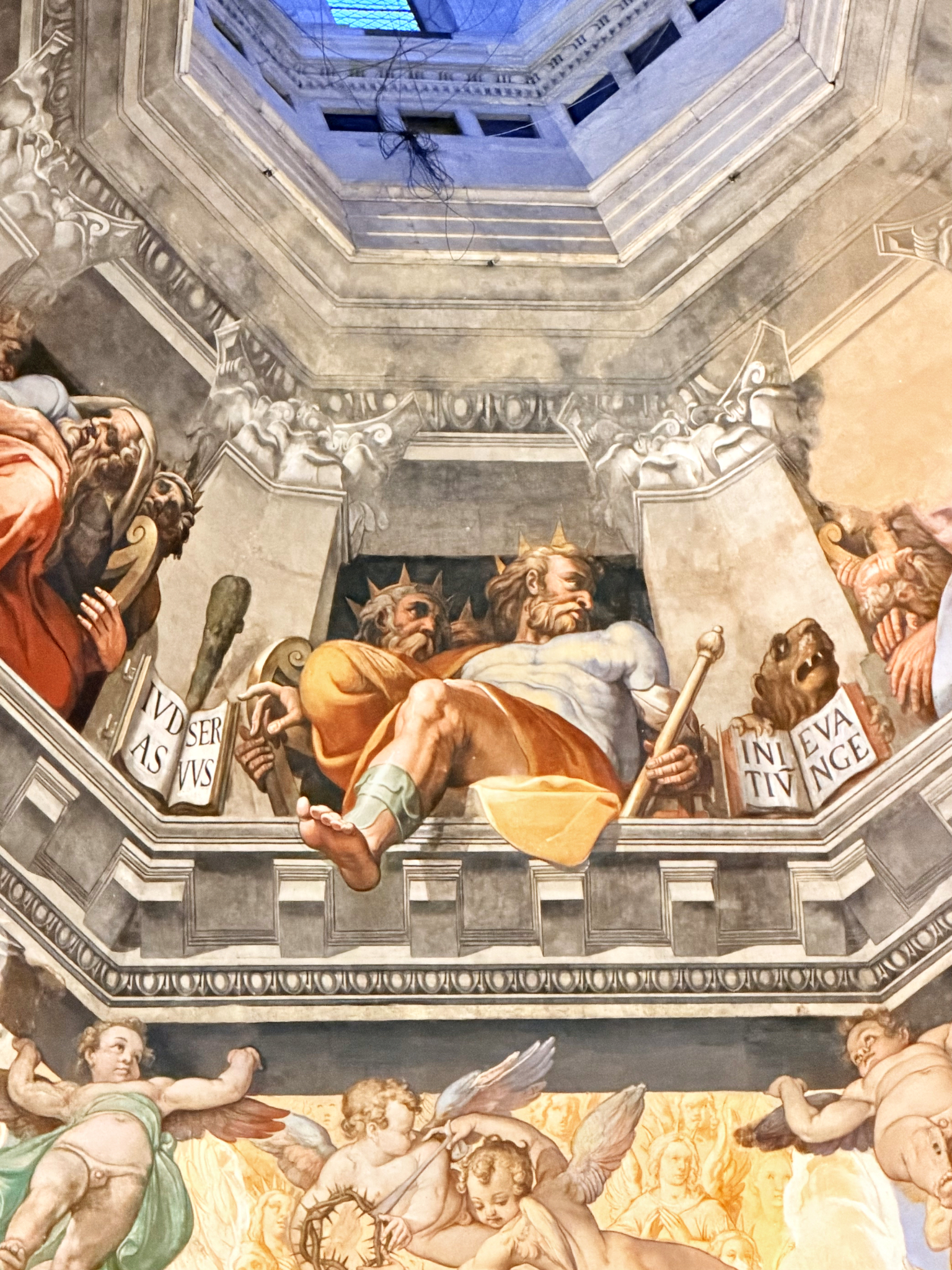
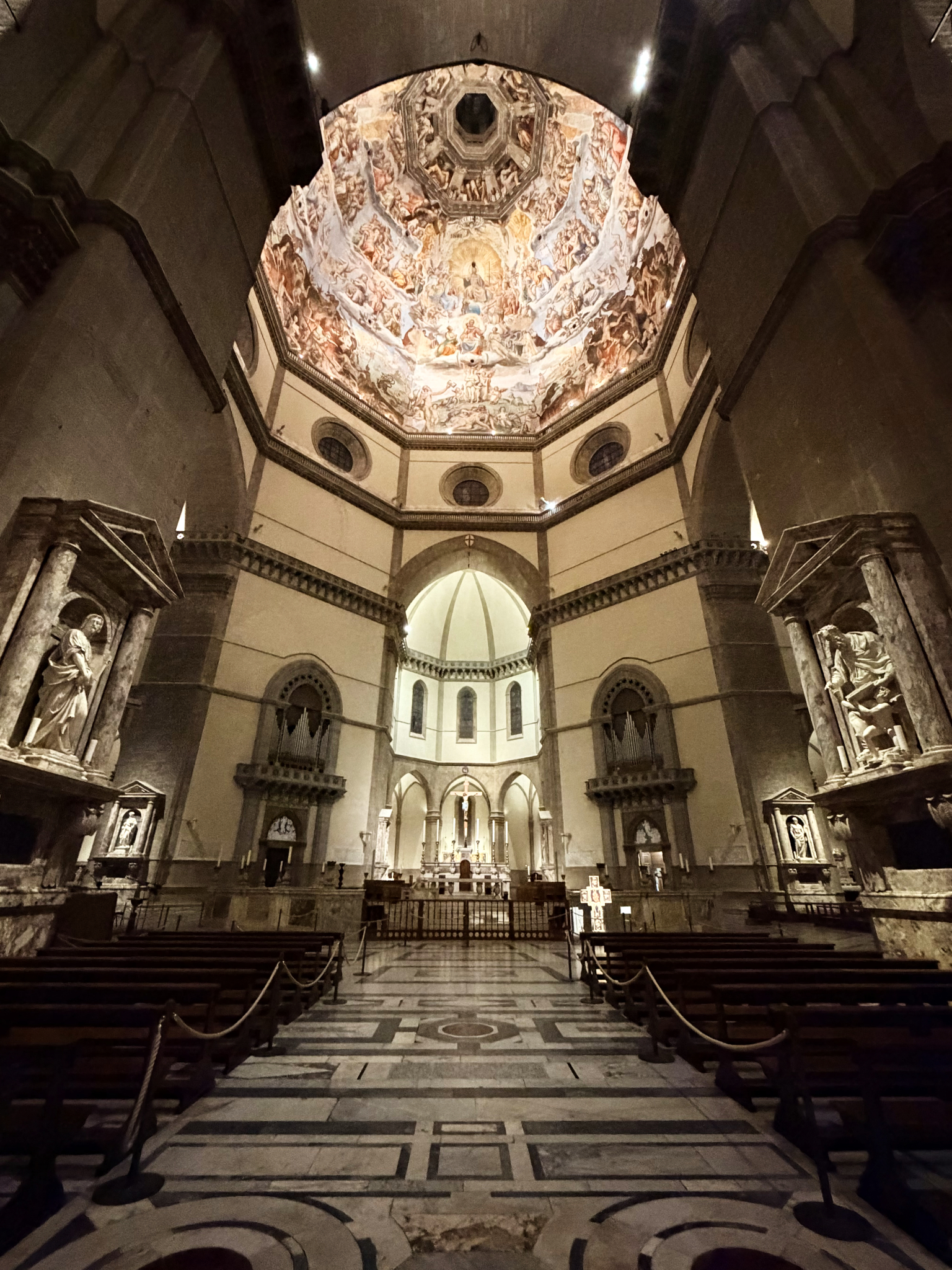
We regrouped for the pièce de résistance: a special after-hours tour of the Duomo. Avoiding the midday swarms is the only way to truly experience the spiritual gravity of this space. We climbed the hundreds of winding stone steps to the first viewing platform, which brought us face-to-face with the massive frescoes of The Last Judgment. Started by Giorgio Vasari in 1572 and finished by Federico Zuccari, these paintings cover over 3,600 square meters of surface. Seeing the intricate details of the saved being pulled toward heaven and the damned facing vividly rendered torments—all from just a few feet away—is a perspective very few travelers ever get to see.
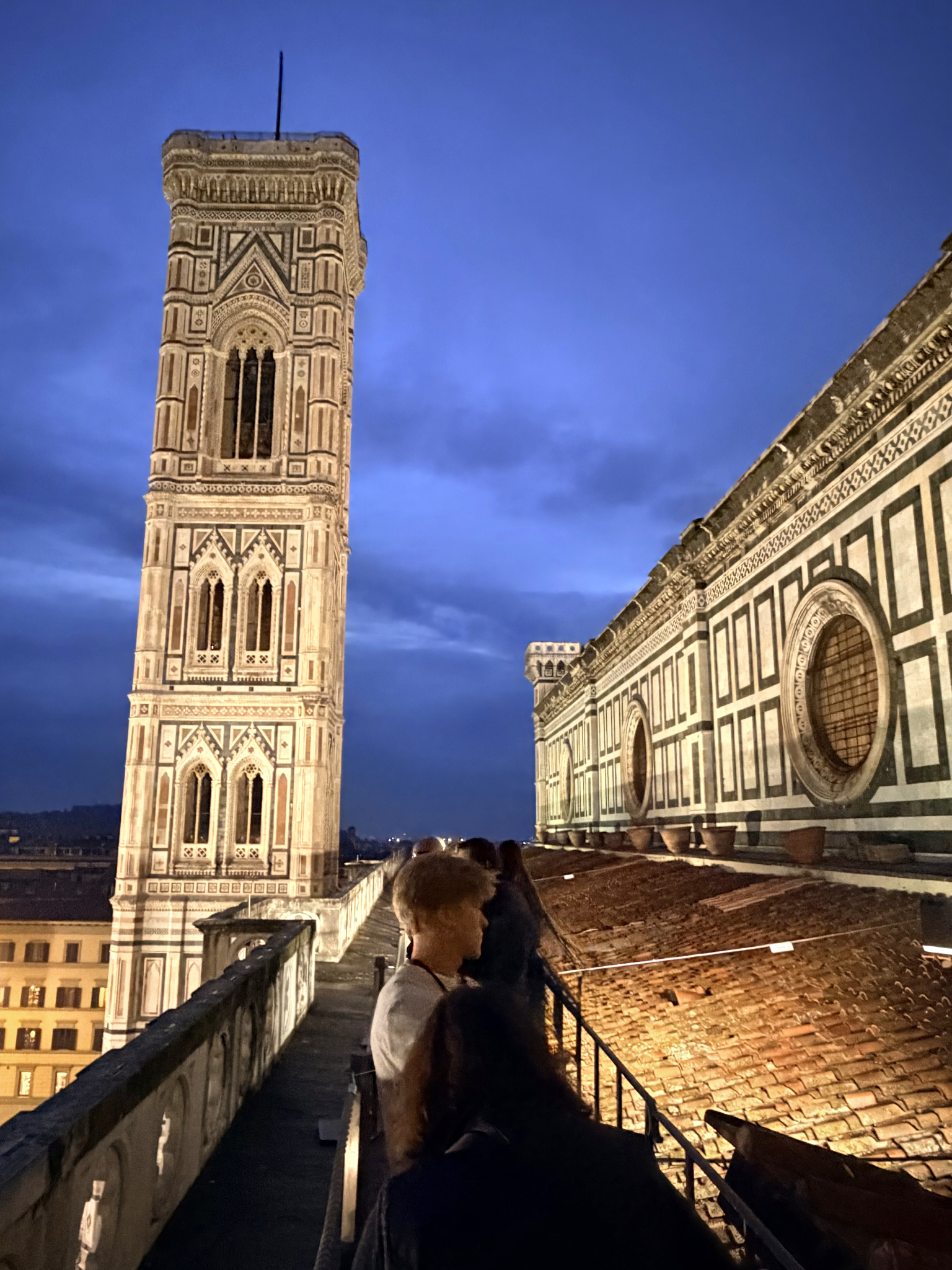
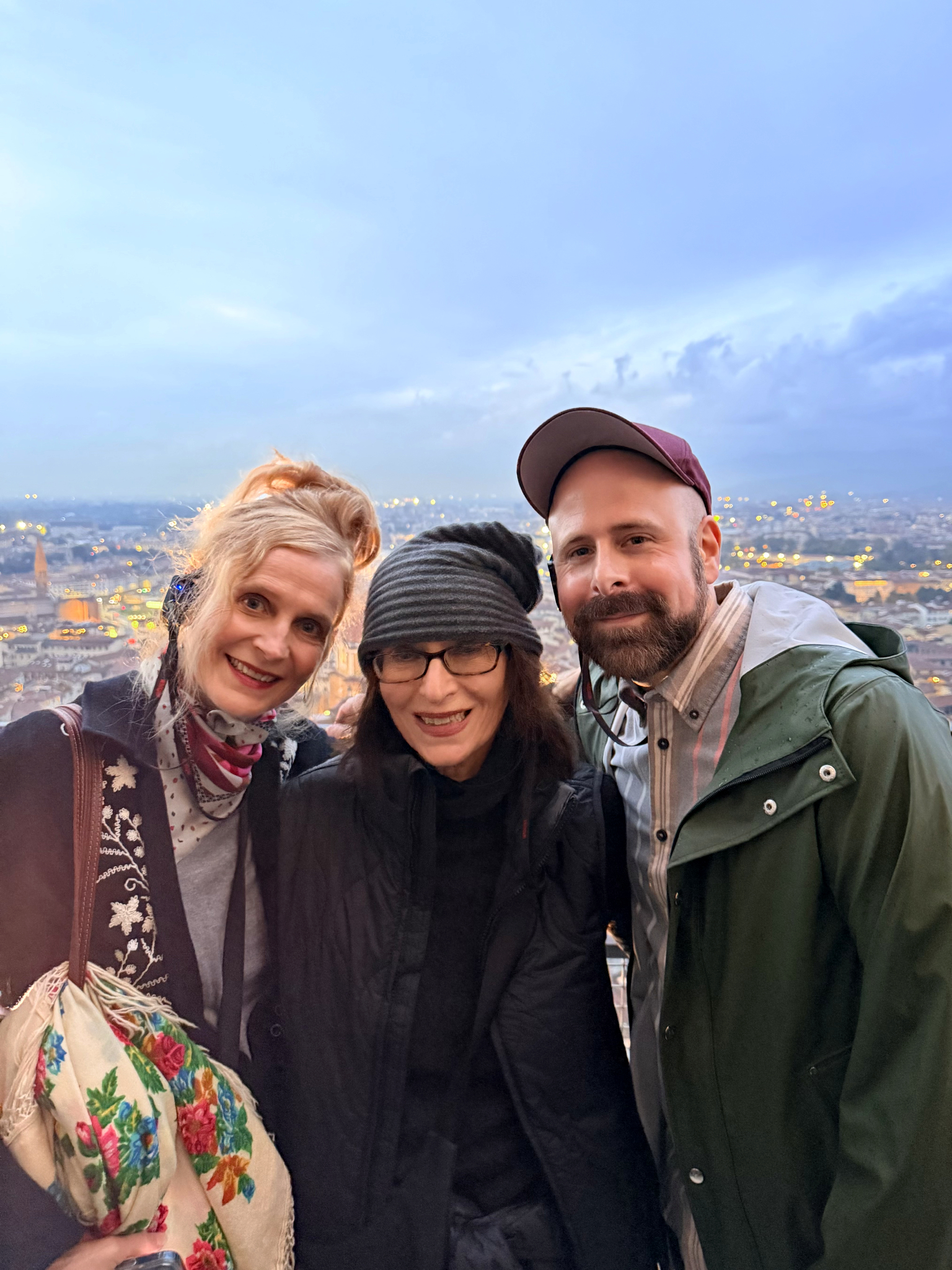
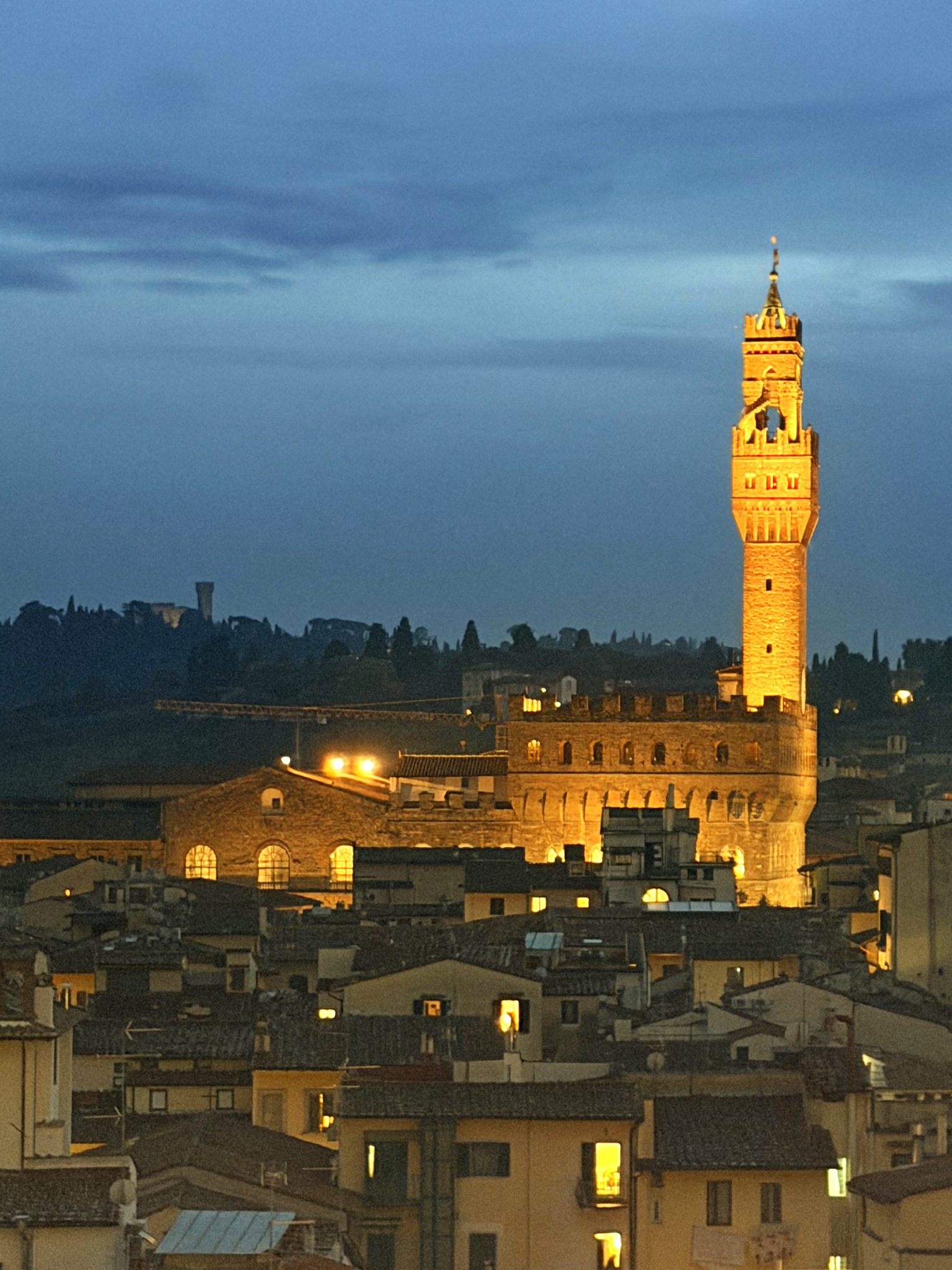
The journey didn’t stop there. We continued our ascent, walking through the exclusive north and south terraces of the cathedral, which offer a unique vantage point of the marble “lace” of the exterior. Finally, we climbed to the very top of the dome and out onto the lantern terrace. Standing at the highest point in the city, we were treated to staggering, 360-degree panoramic views of the Florence city lights and the dark, rolling silhouettes of the surrounding Tuscan countryside.
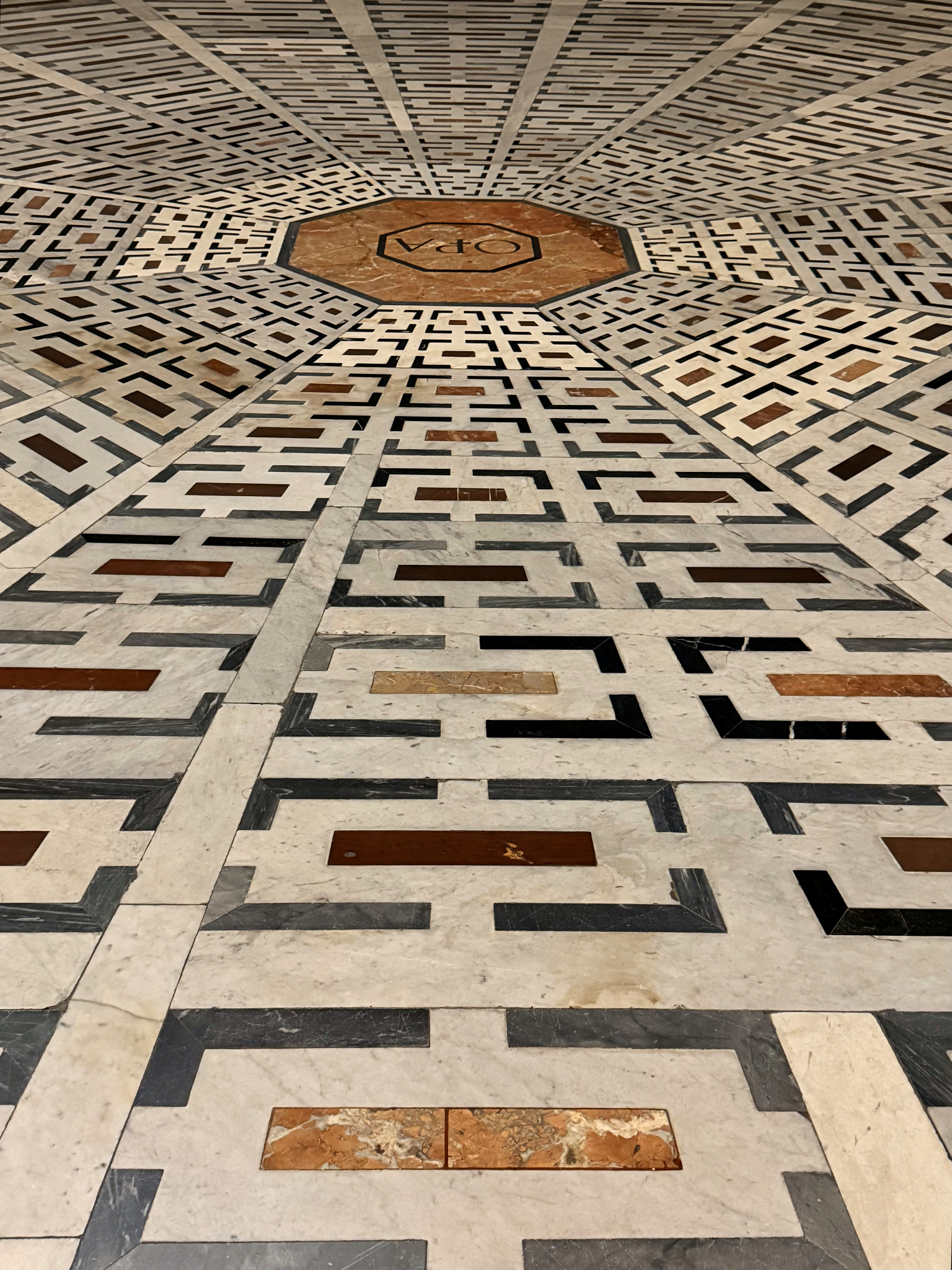
To conclude the tour, we descended back into the heart of the cathedral. We stood within the vast, silent nave to witness the official closing of the cathedral—a quiet, solemn ritual that felt worlds away from the busy, modern streets just outside the heavy doors.
Bistecca and a Prada Pilgrimage
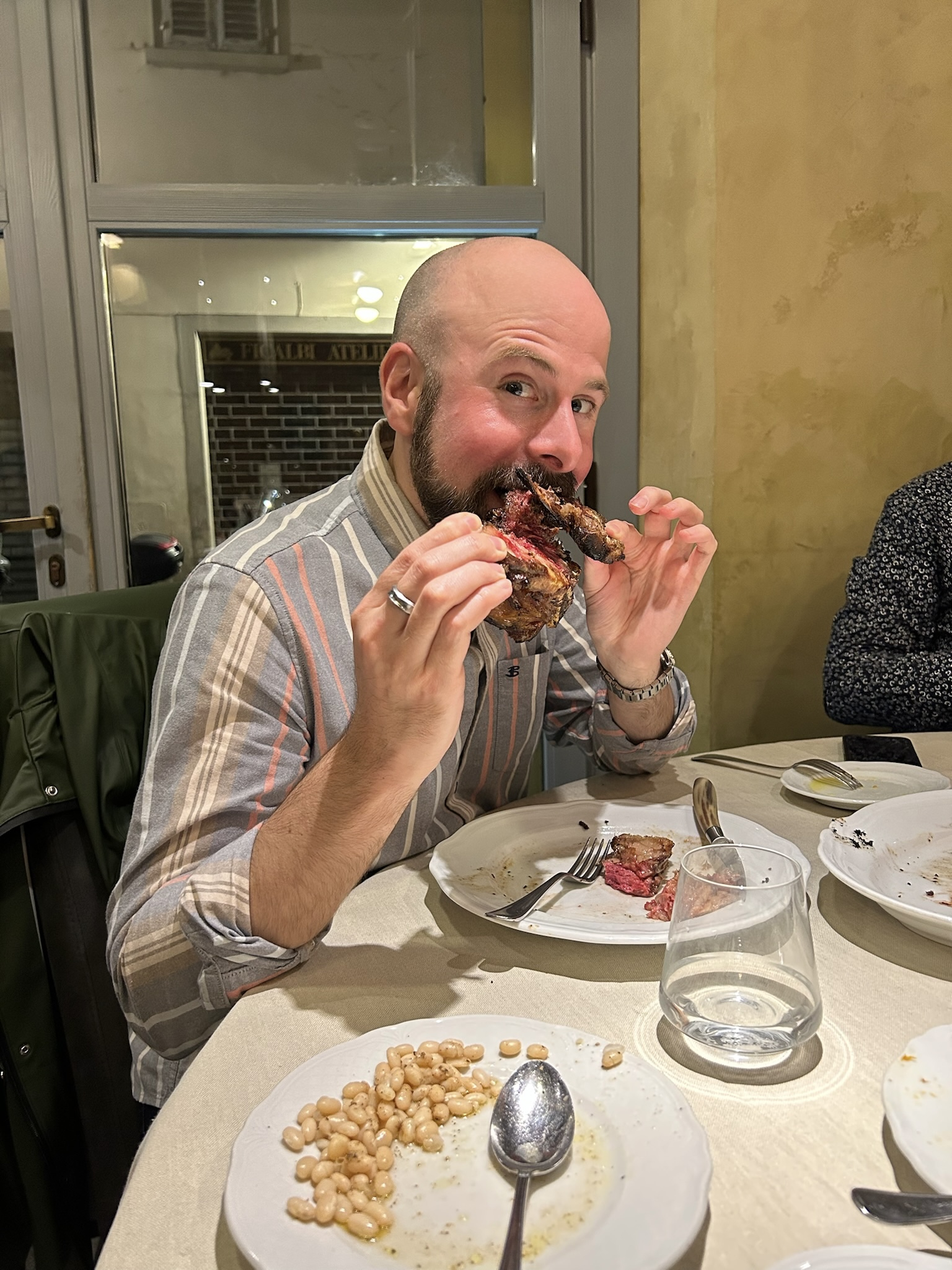
We celebrated our final night at Osteria dell’Enoteca, a refined spot in the Oltrarno. We shared the renowned bistecca alla fiorentina—a massive, thick-cut T-bone traditionally sourced from Chianina cattle and grilled over charcoal. It was the perfect, hearty conclusion to our stay.
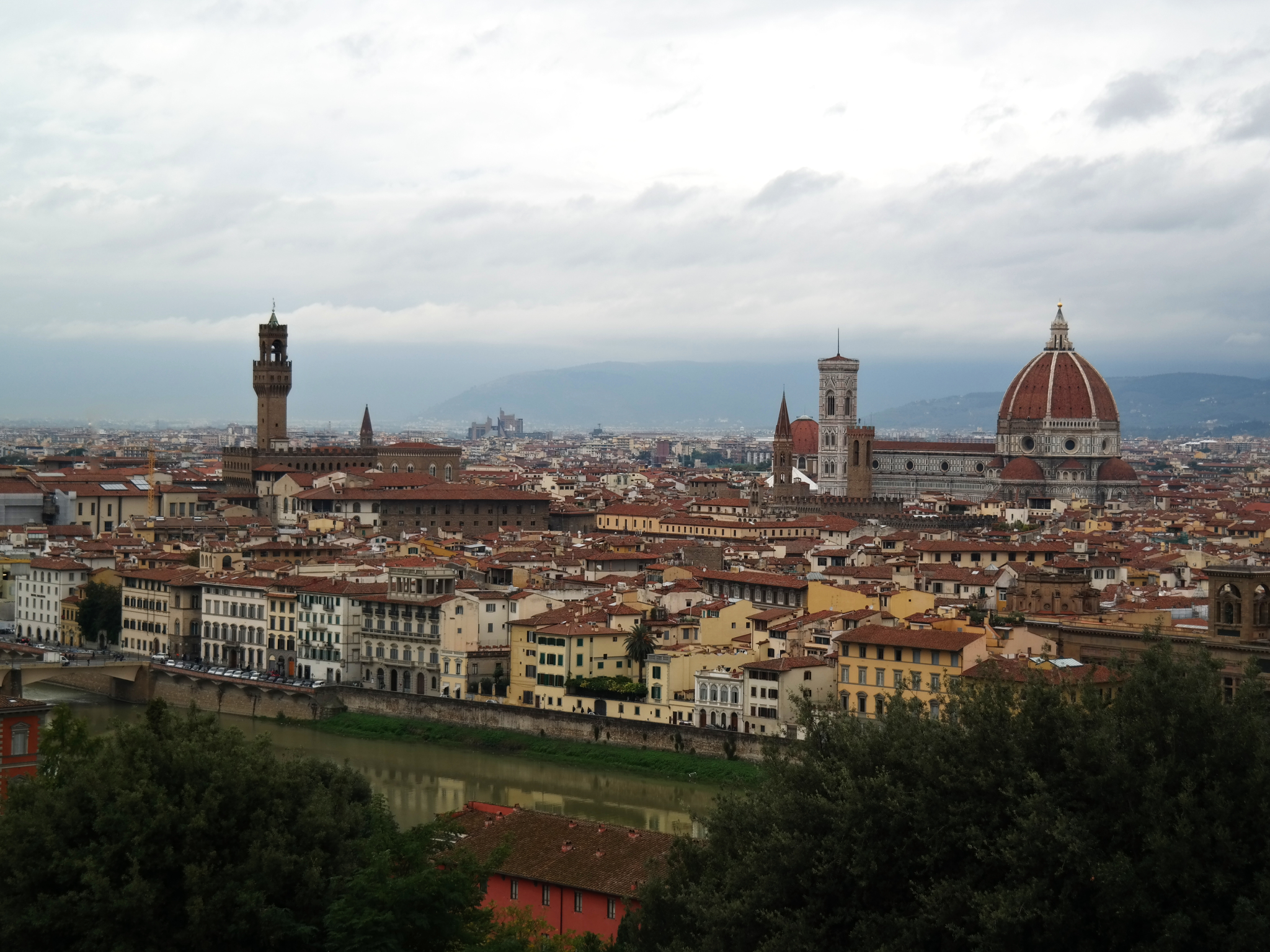
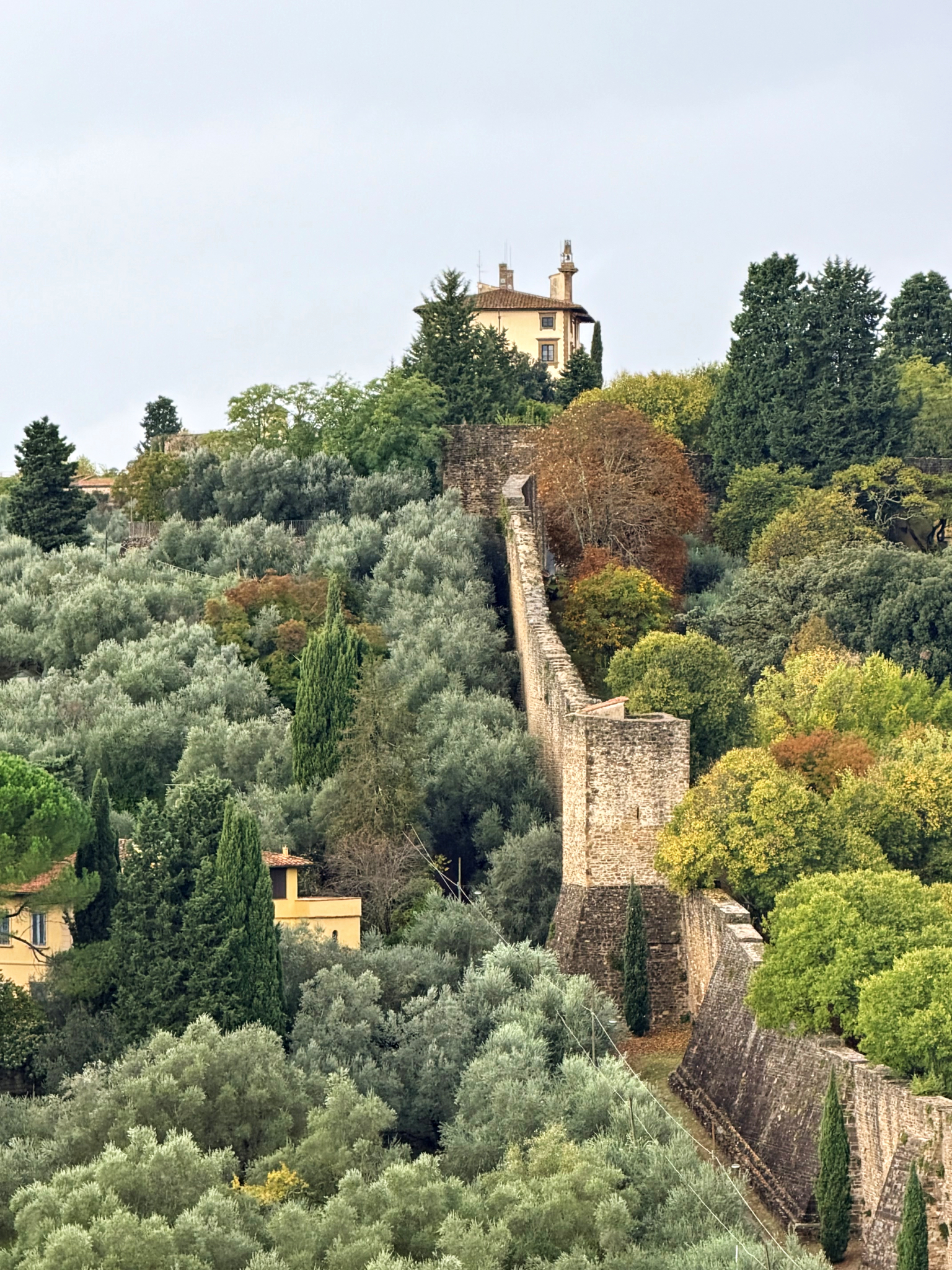
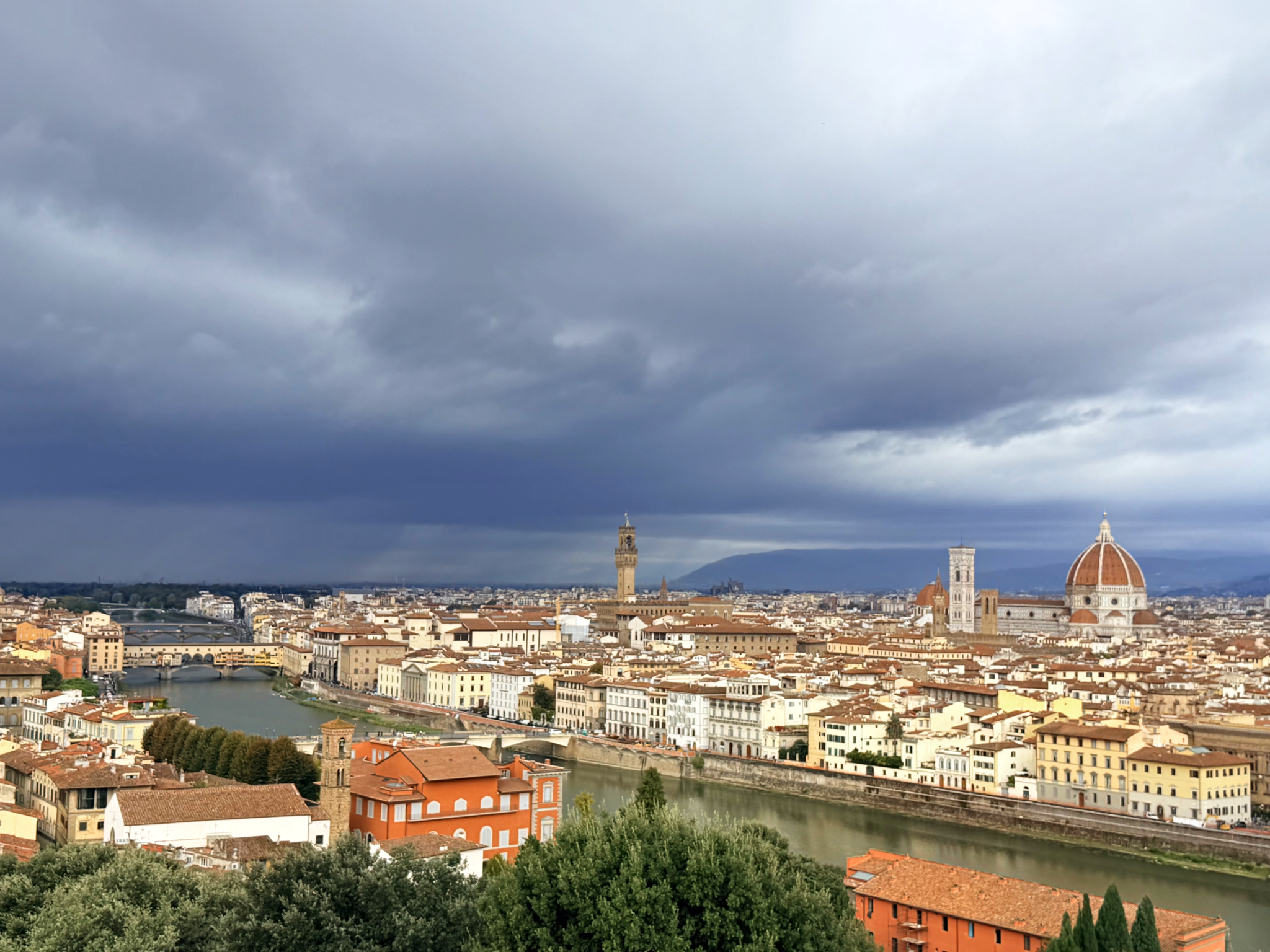
The next morning, we picked up a rental car, but before heading south to Umbria, we made two mandatory stops: Piazzale Michelangelo for one last look at the skyline, and the “secret” Prada outlet in Montevarchi. It was a fortuitous stop on our route, and let’s just say, none of us left empty-handed.
Last visited in October, 2025