
The Langhe, Italy
The Langhe: Vineyards, Hilltop Villages, and the Flavors of Piedmont
While the grand piazzas of Turin offer a regal introduction to Italy’s northwest, the true magic of Piedmont reveals itself as you head south toward the hills. This is a region where history isn’t just found in books, but in the preserved architecture of medieval hamlets and the silken texture of a hand-cut tajarin. In the fall of 2023, Charles and I along with some friends set out to explore the Langhe – a UNESCO-protected landscape of rolling vineyards and hilltop “balconies” – discovering a world where rustic tradition and modern luxury sit comfortably side-by-side.
Piedmont’s Jewish Heritage: Uncovering Hidden Synagogues
Our transition from city to countryside began with a moving look at the Piedmontese Jewish heritage. This history dates back to the 14th century, defined by a cycle of Savoy tolerance and ghetto-enforced restrictions.
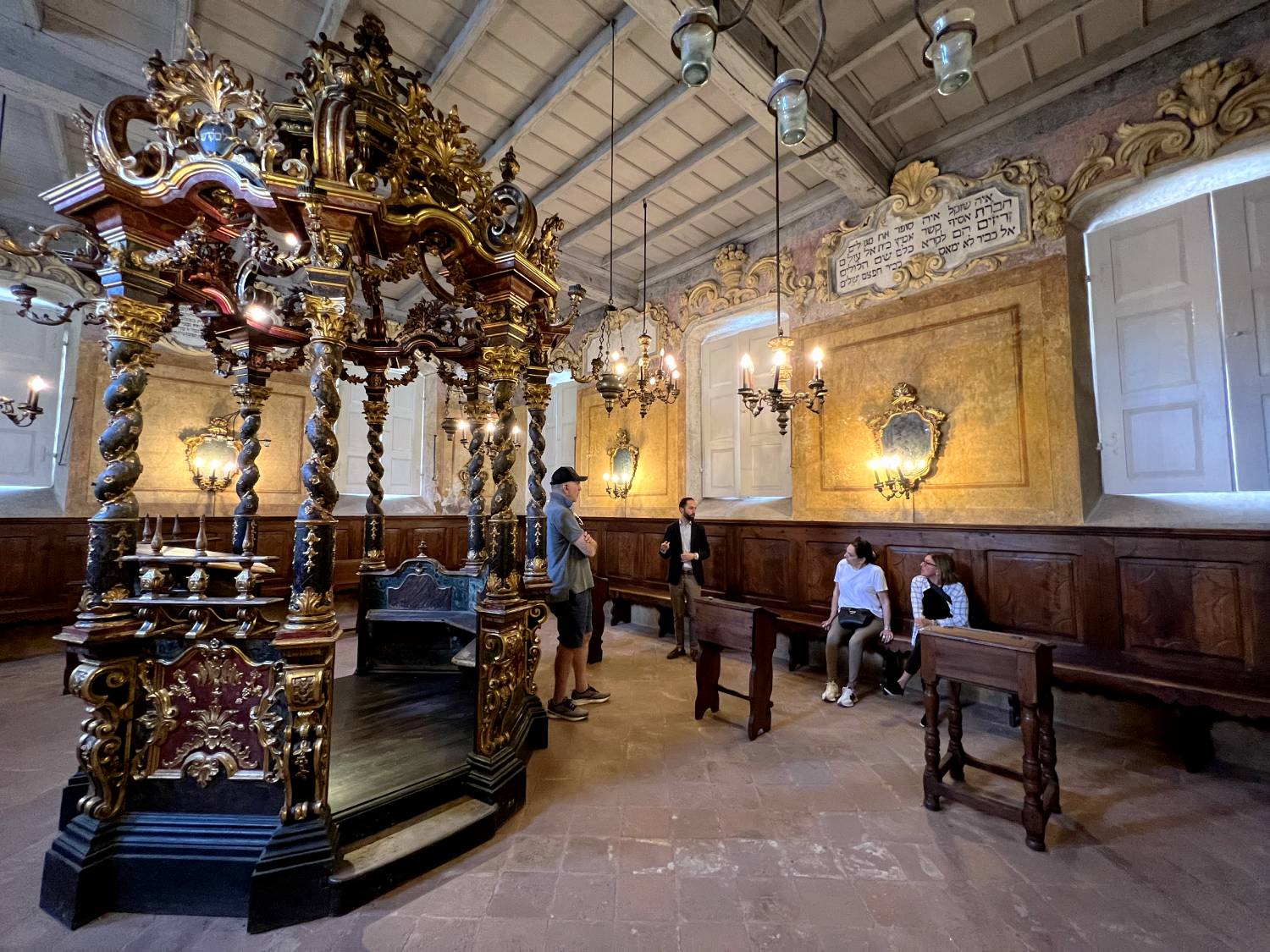
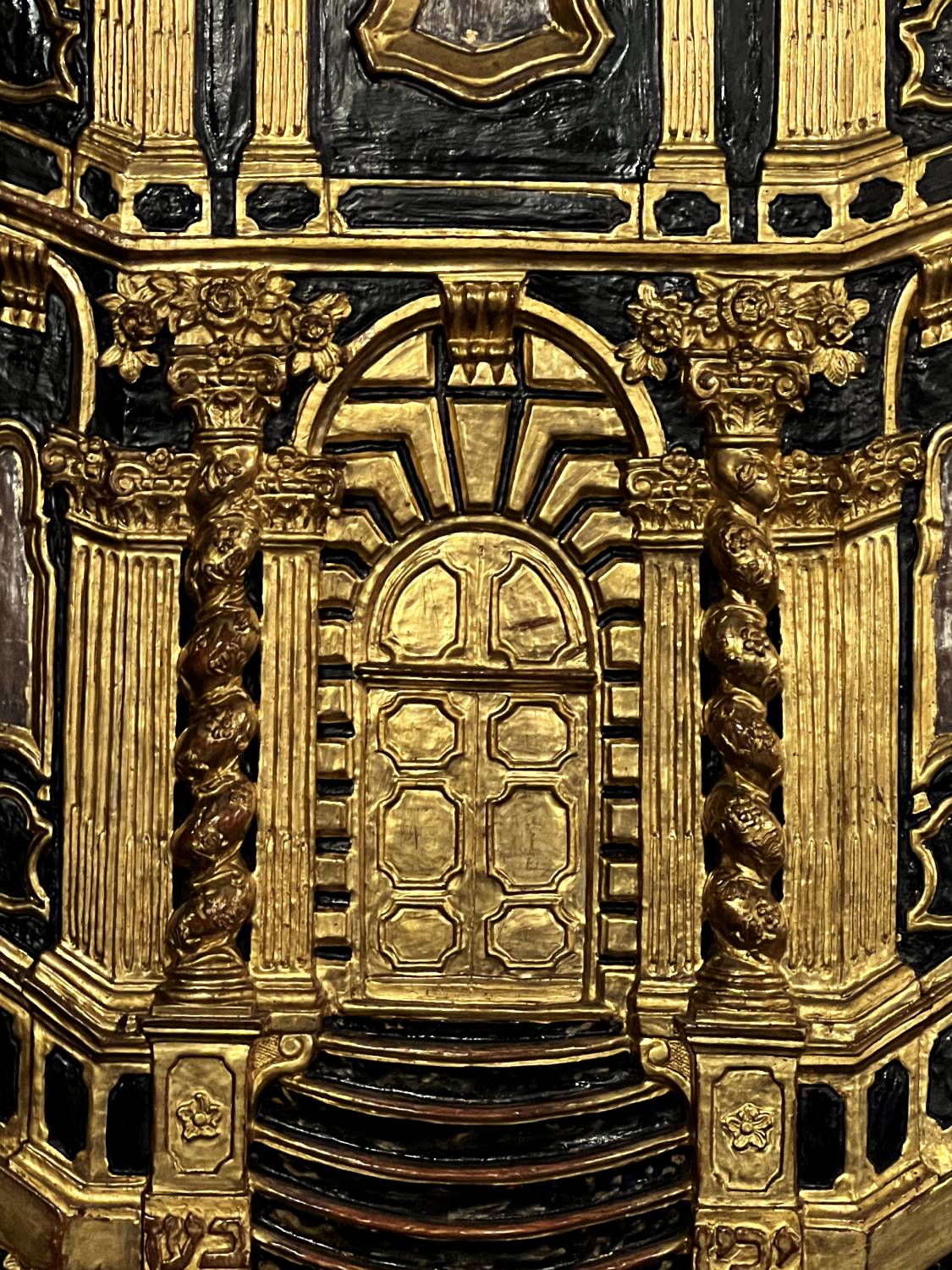
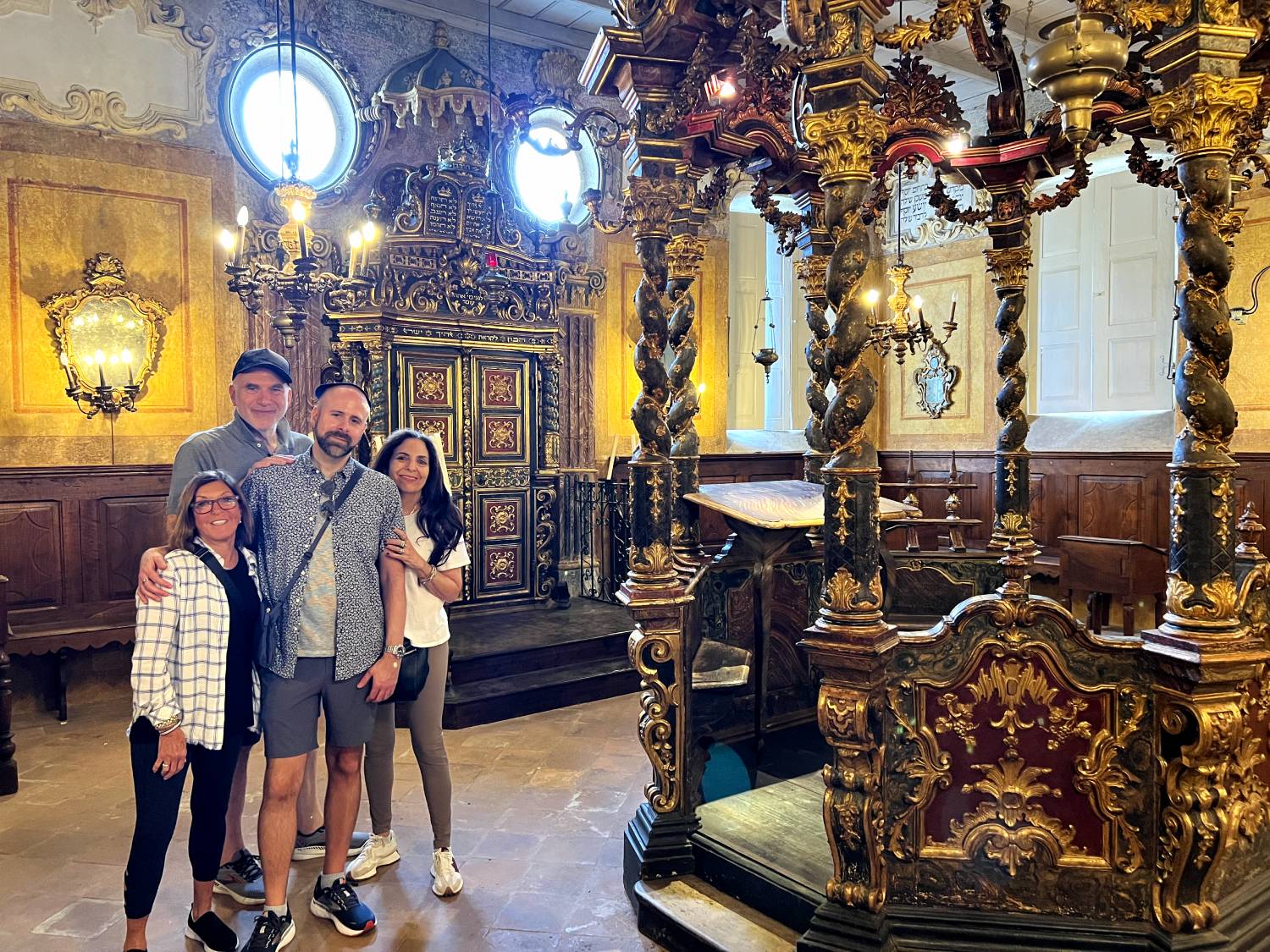
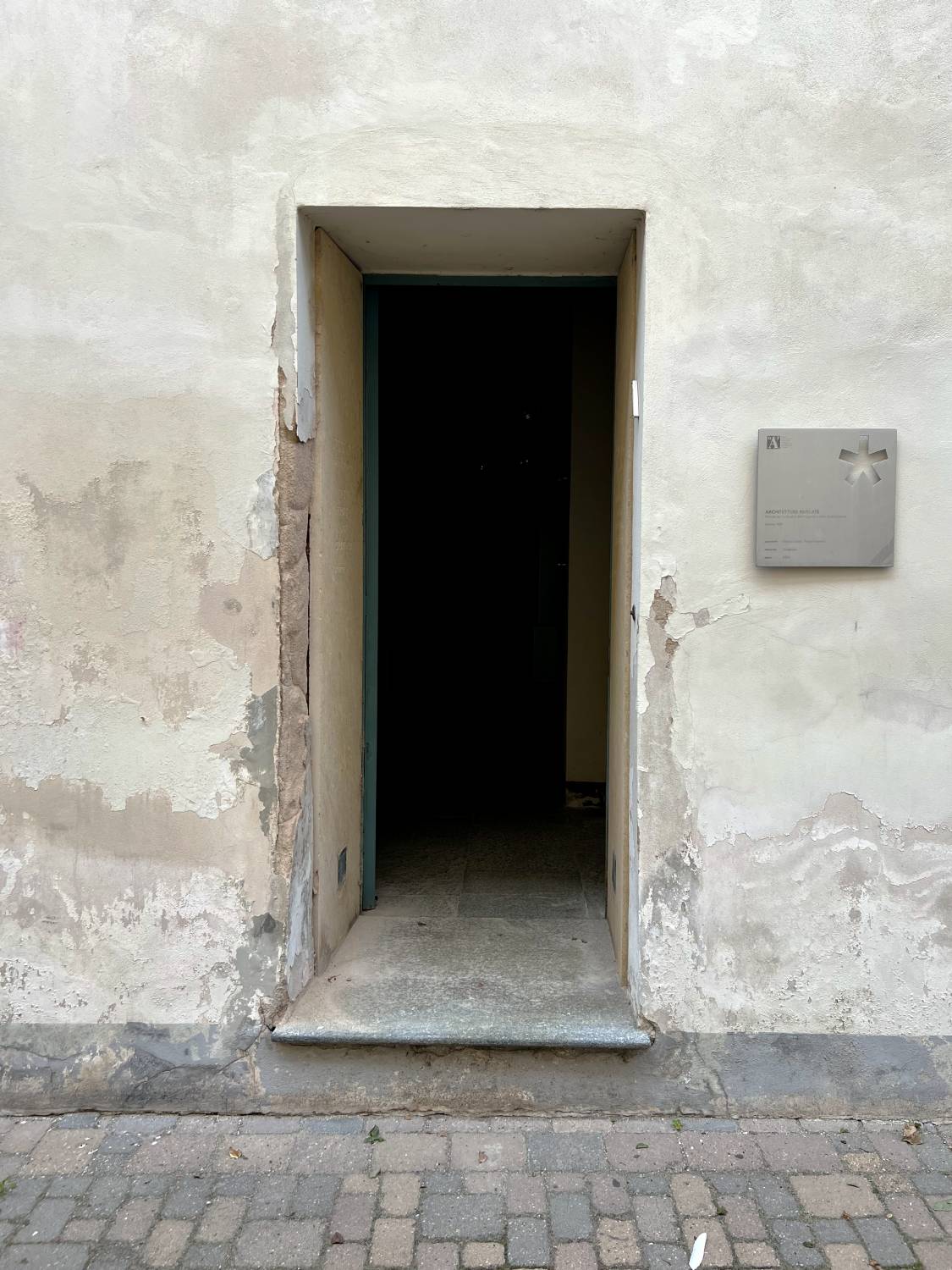
In Carmagnola, we met our guide from the Comunità Ebraica di Torino, Baruch, in front of a nondescript two-story building. Behind an ordinary door lies what is often called one of the most beautiful synagogues in the world. Established on the top floor to avoid detection, the interior of the Carmagnola Synagogue is a Baroque masterpiece of intricate woodwork and gold leaf. As Baruch explained, the community’s specialized woodcarvers created a sanctuary of incredible majesty that remains a vital cultural landmark today.
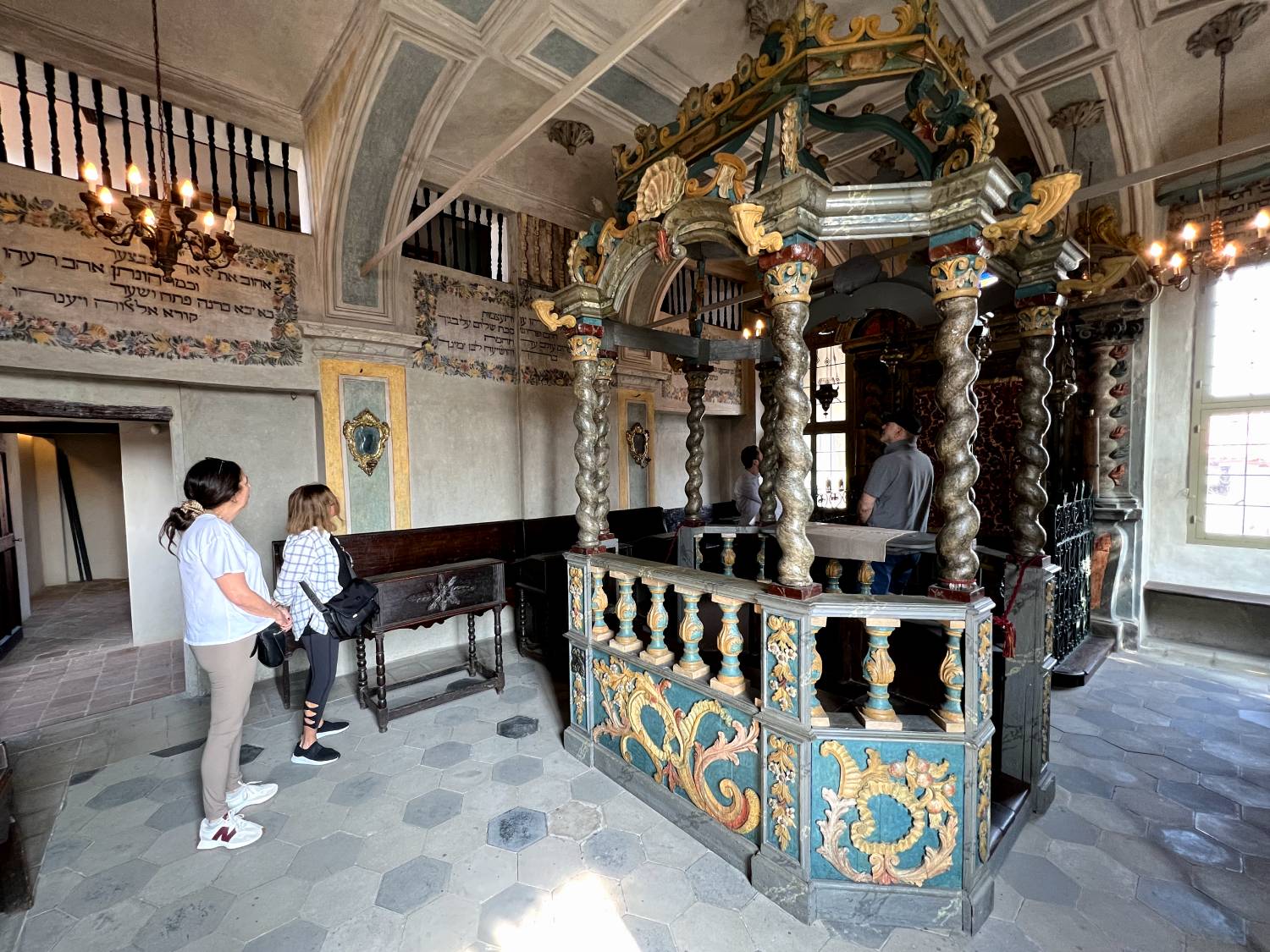
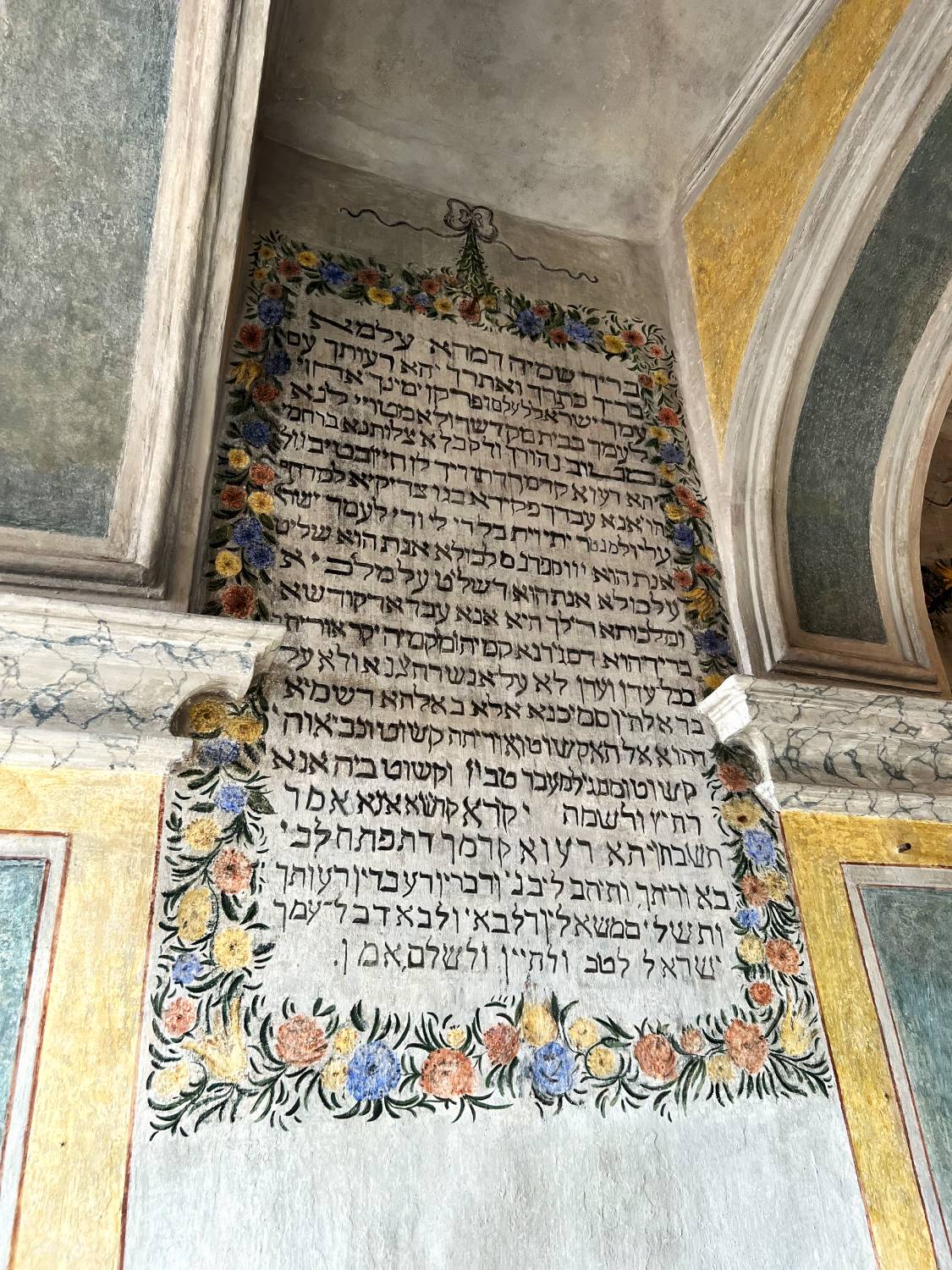
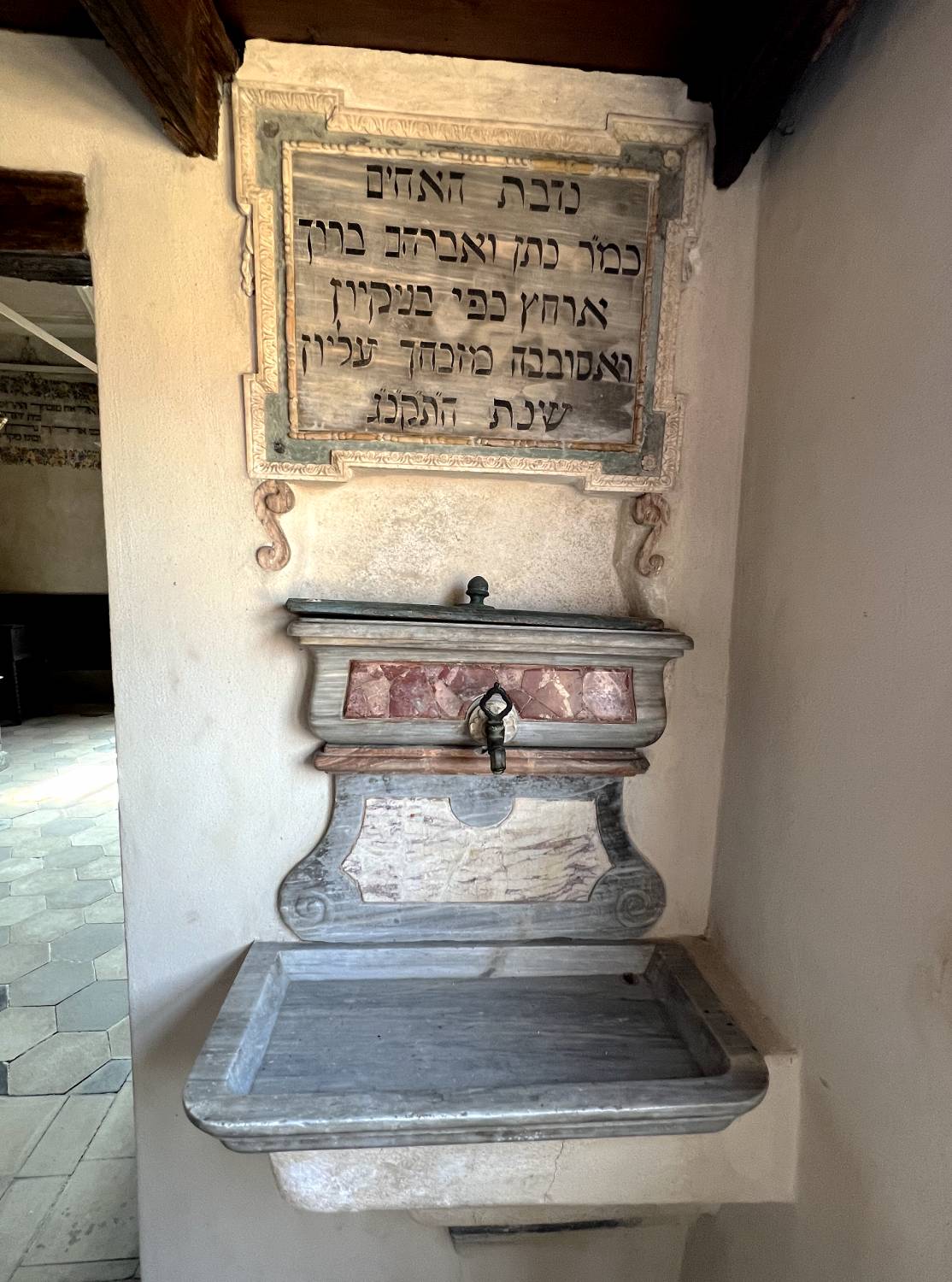
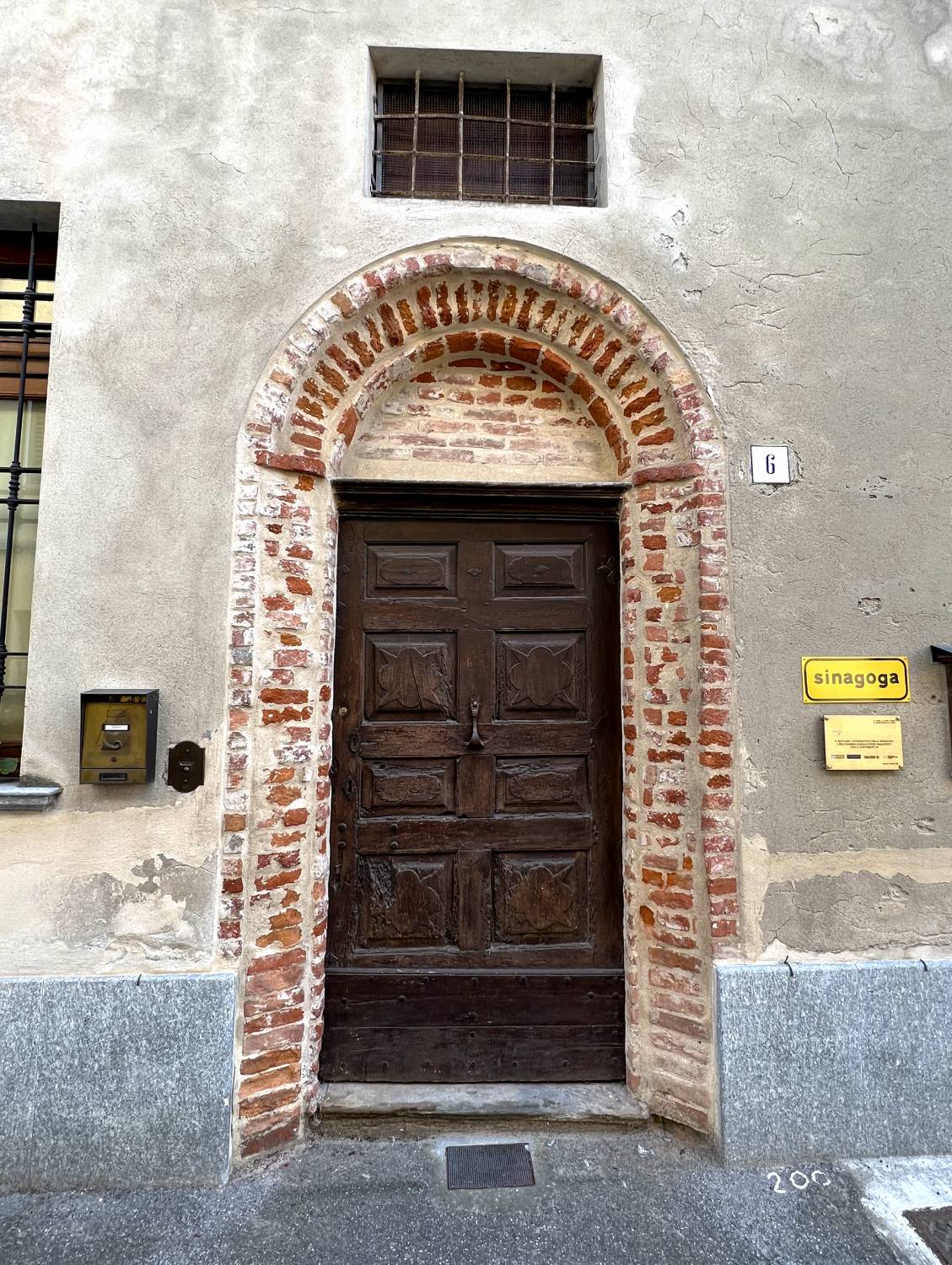
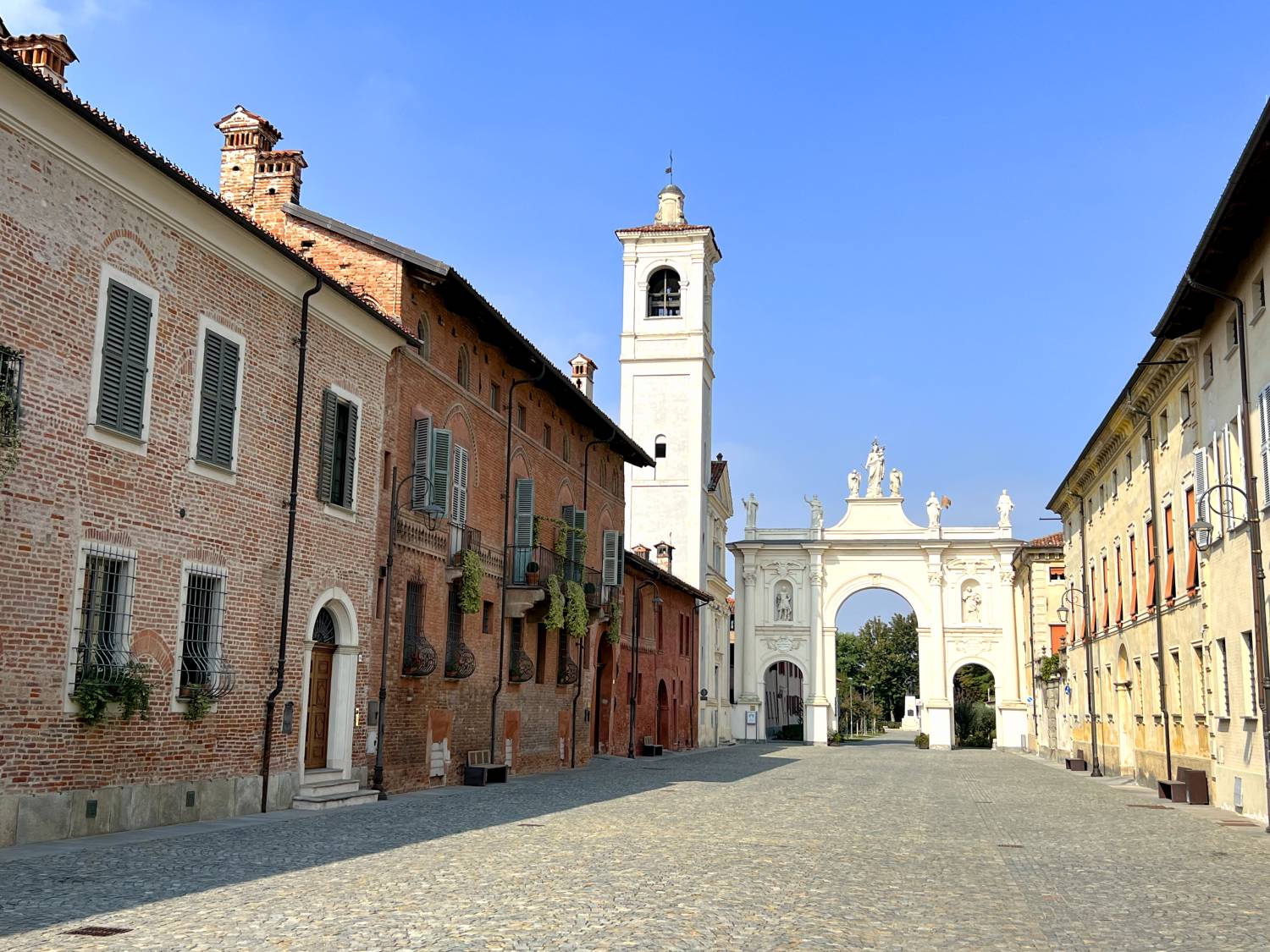
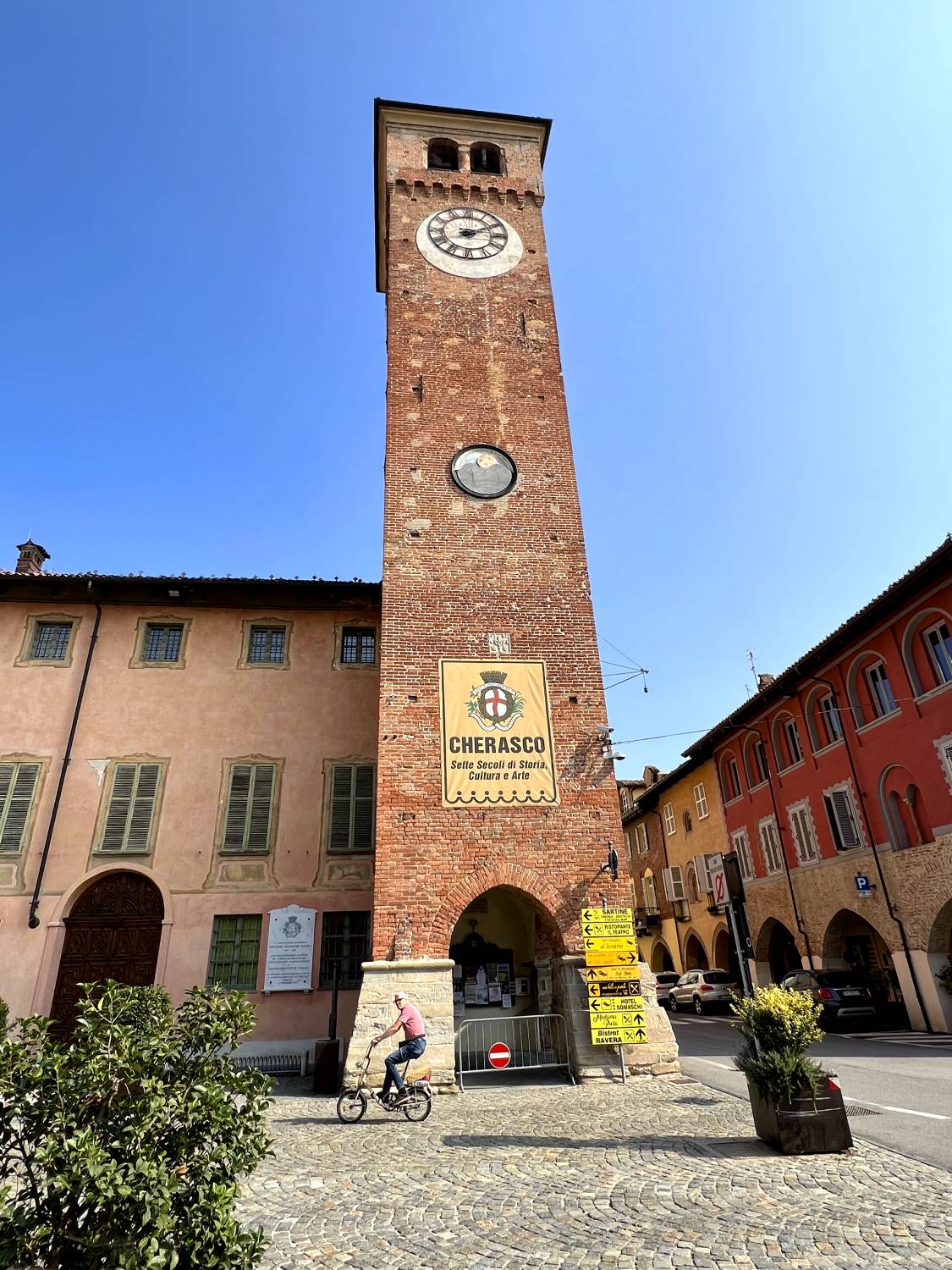
Thirty minutes south in Cherasco, we found another “discreet” sanctuary hidden within a former ghetto. Despite its smaller scale, the Cherasco Synagogue is magnificently adorned with twisted Solomonic columns and rare floral frescoes encircling Hebrew prayers on the walls. Natural light poured through a small courtyard window, making this sacred space feel remarkably airy and bright.
Casa di Langa: A Luxurious Eco-Conscious Retreat
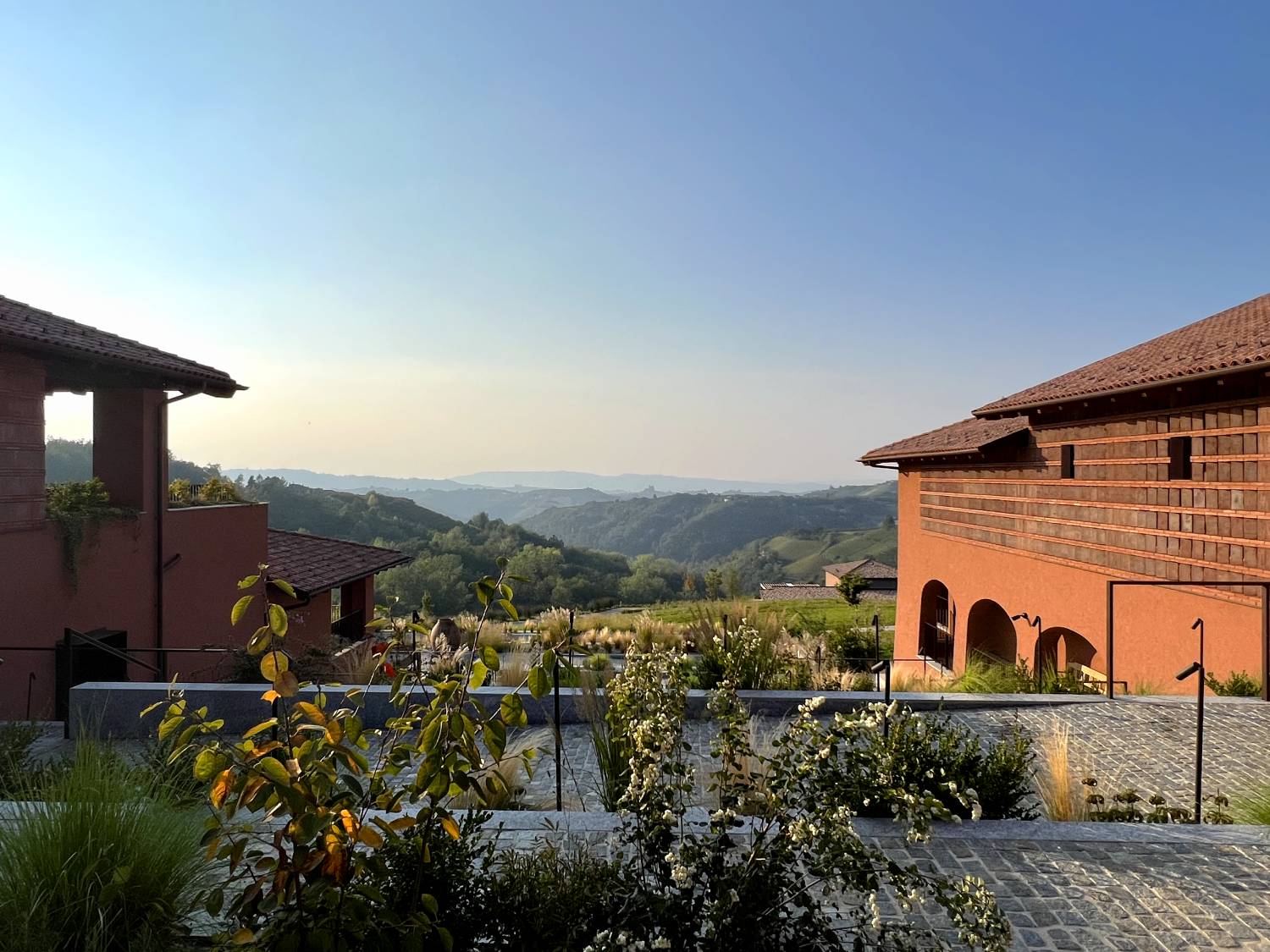
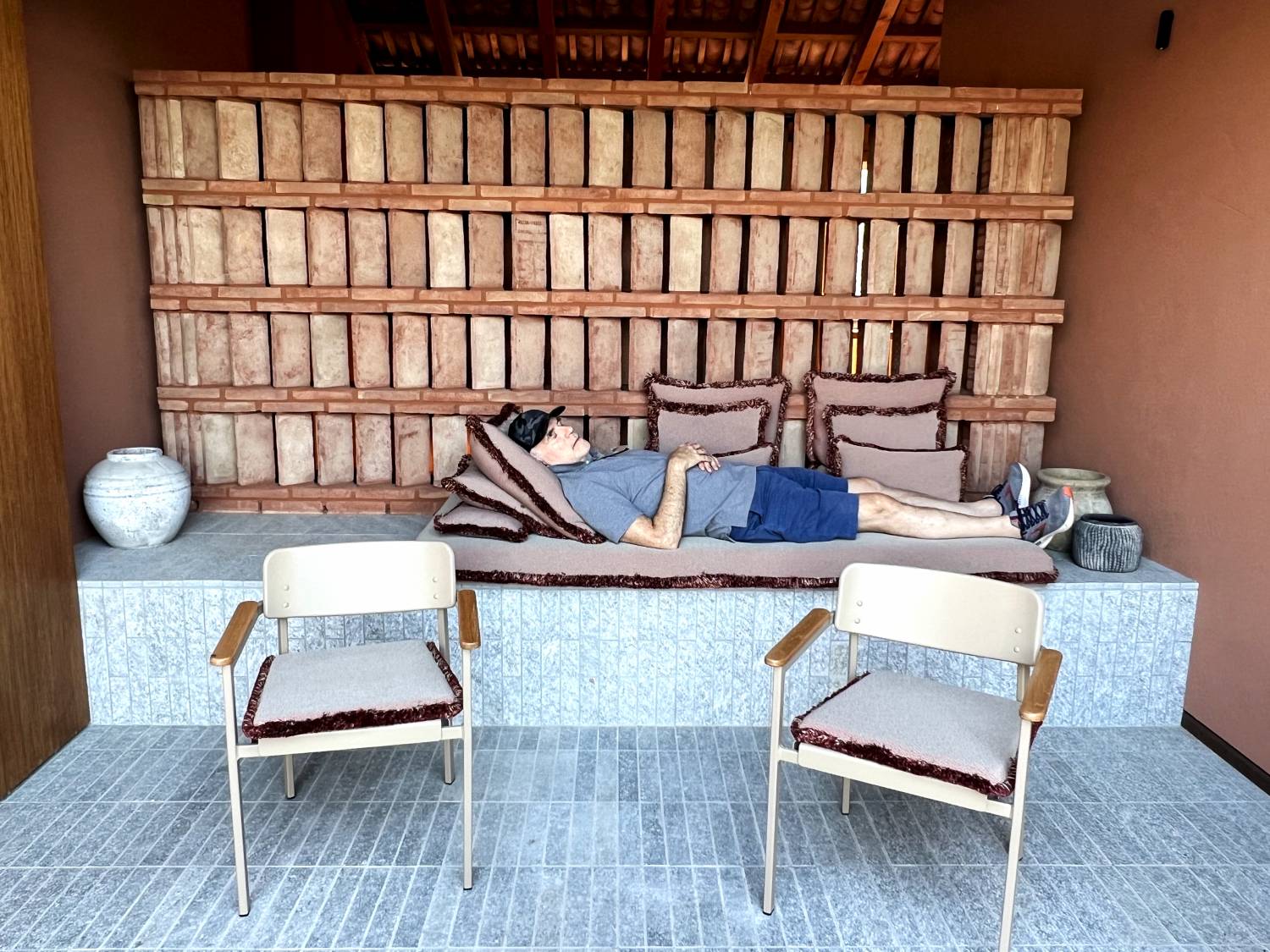
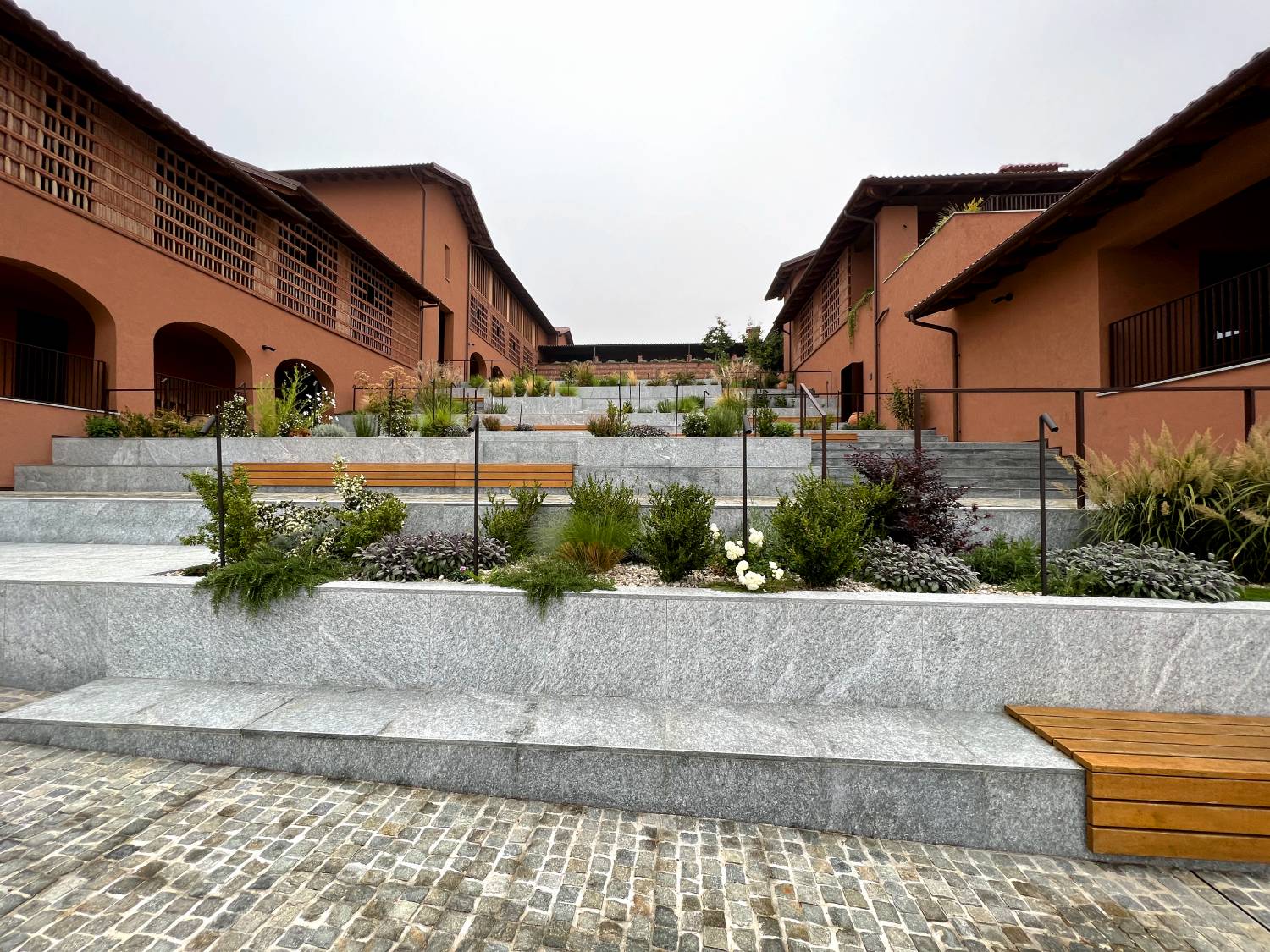
Leaving the towns behind, we ascended the switchbacks of the Langhe wine region, eventually reaching the gates of Casa di Langa. The hotel is an architectural marvel, cascading down a ridge in a format that mirrors the 100 acres of terraced vineyards and old-growth walnut and cherry groves surrounding it.
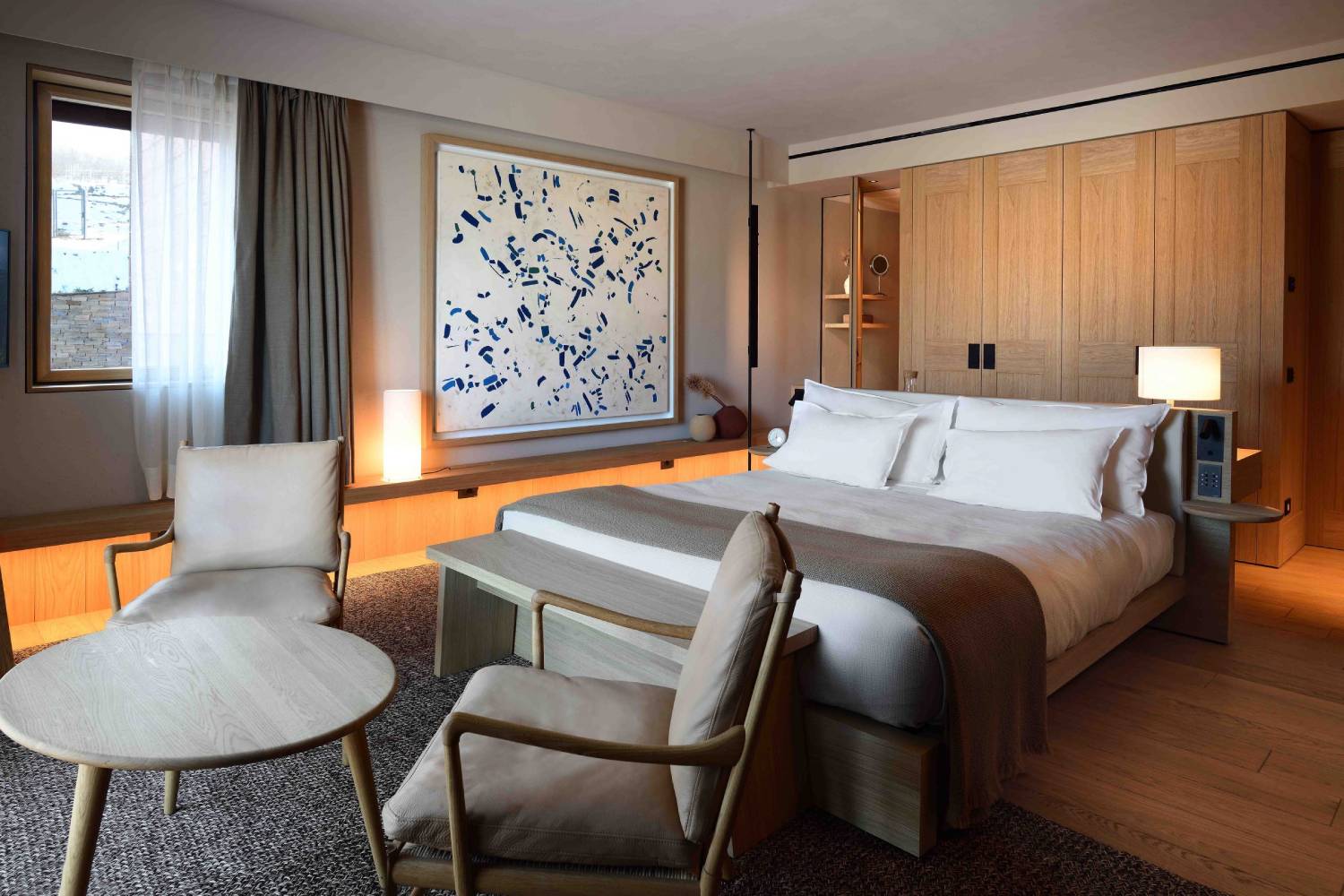
Charles and I stayed in a luxurious junior suite, a sanctuary of relaxation featuring muted tones and locally crafted furnishings. The bathroom was heavenly, equipped with a soothing rain-effect shower and Le Labo toiletries, but the true gem was the private terrace looking out toward the village of Albaretto della Torre. I spent my mornings there with the room’s high-end yoga gear, stretching as the sun rose over the neighboring ridge.
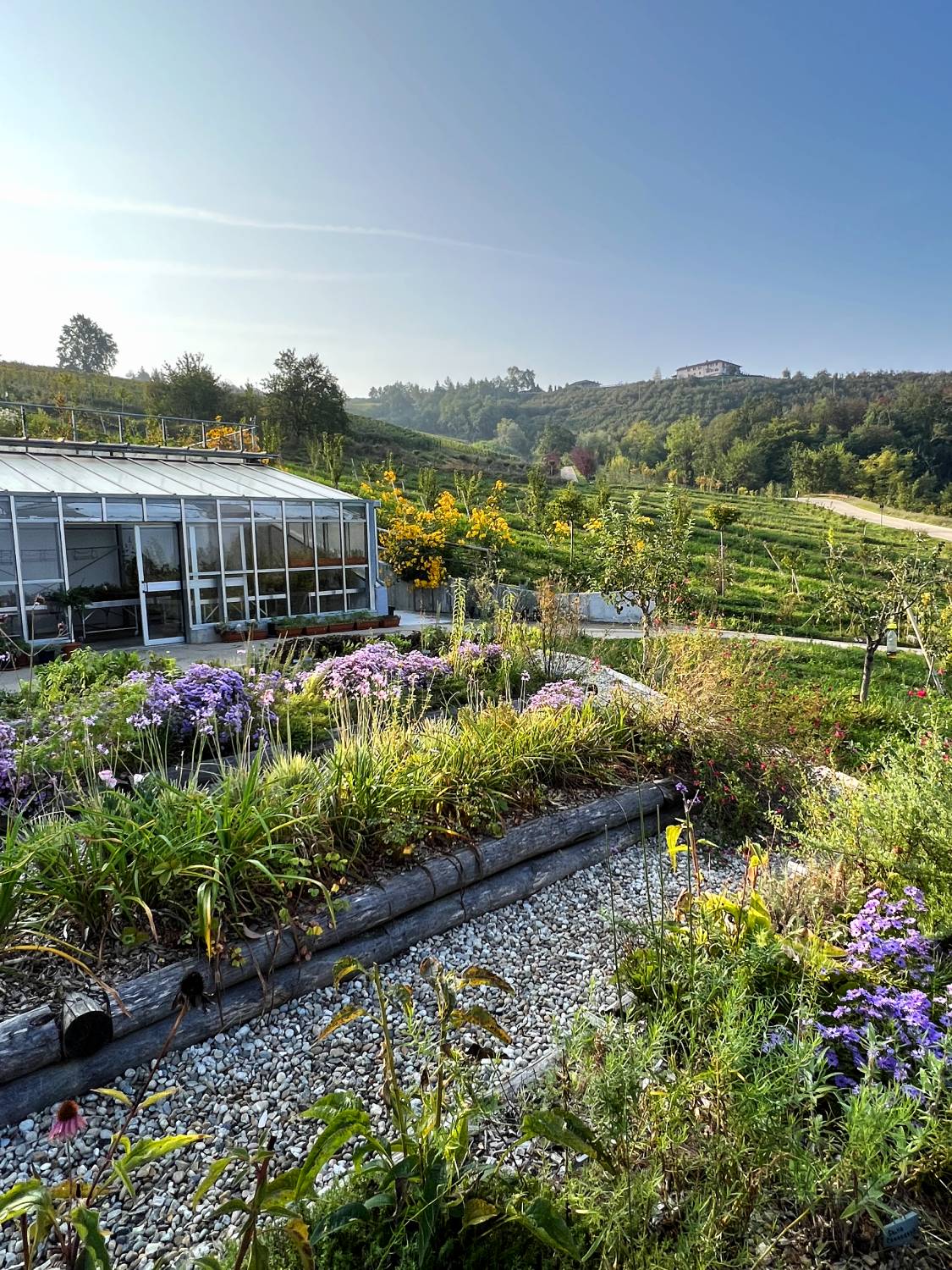
What truly impressed me, however, was the property’s deep commitment to sustainability. Eco-friendly practices are woven into the experience through biodegradable room cards, a strict zero single-use plastic policy, and the use of recycled water for irrigation. Even the grounds are part of a working ecosystem; behind the hotel, a proper orto (vegetable garden) and an active giardino delle erbe supply the onsite restaurant, Fàula, with the heady aromas of rosemary and sage. At the base of the hill sits a salt-water infinity pool – a welcome respite during the 85°F autumnal heatwave we experienced.

A Day in the Vineyards: From Serralunga d’Alba to the Torre di Barbaresco
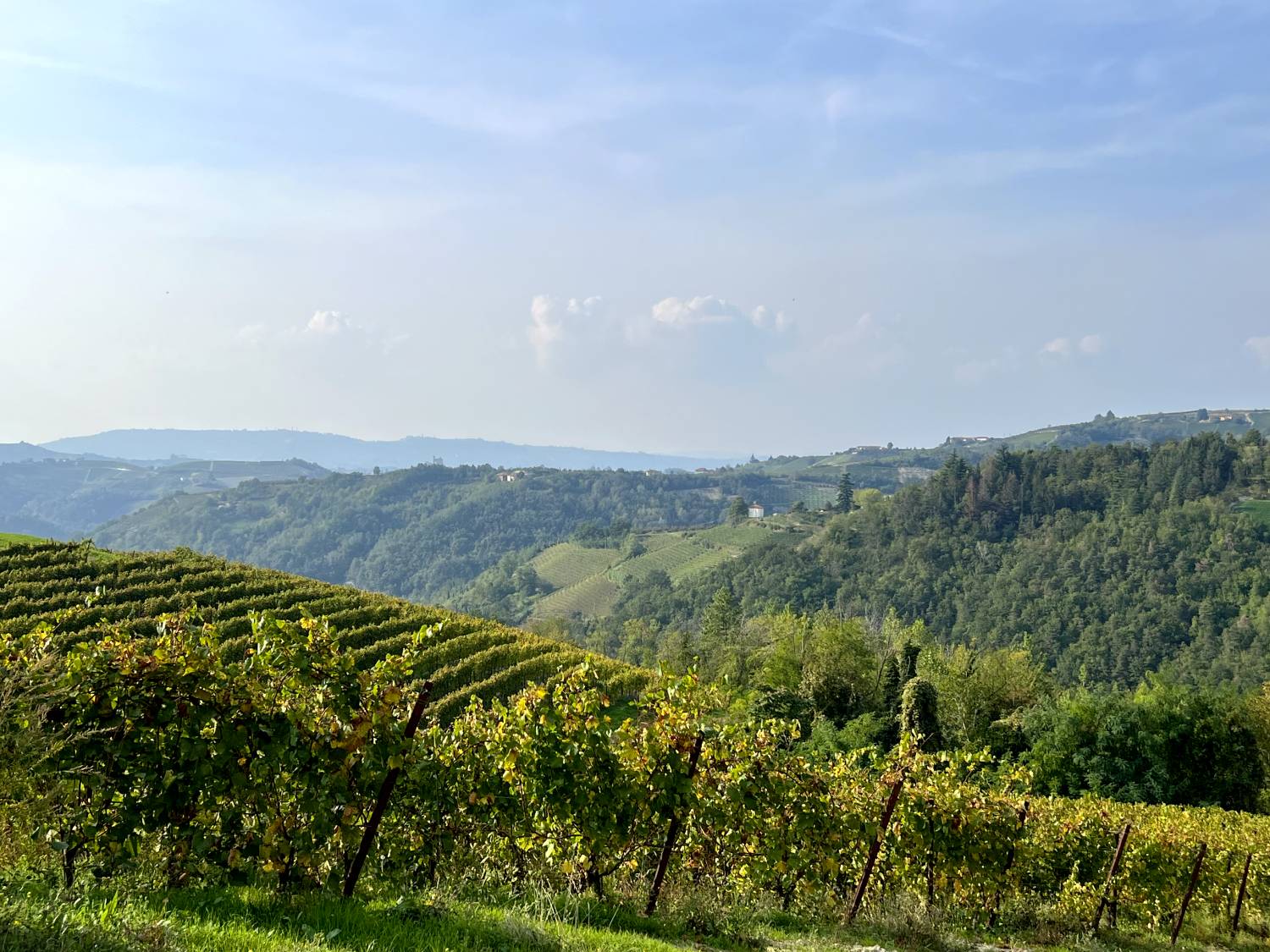
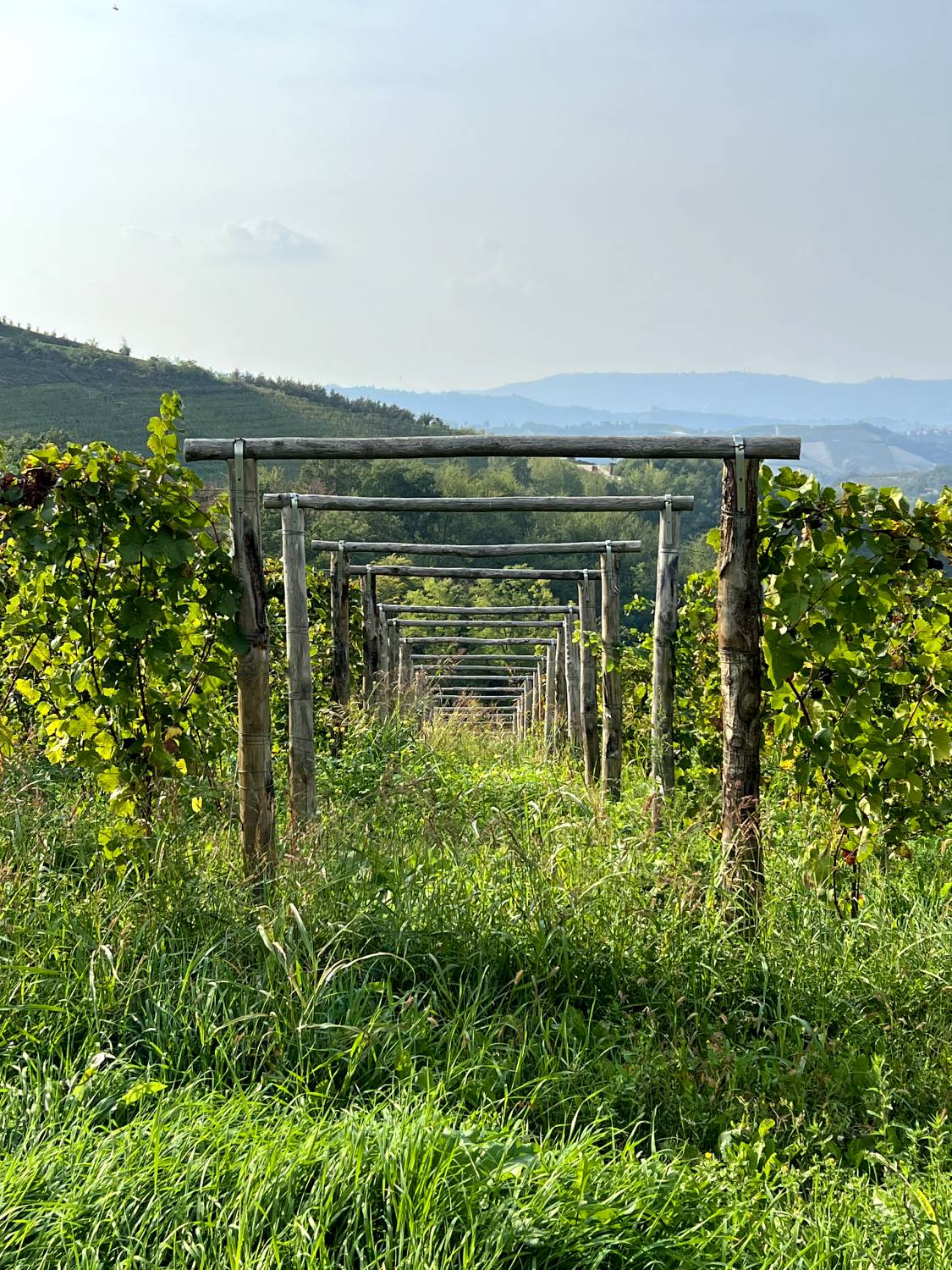
To truly understand the “King of Wines,” we spent a day on a private wine tour, tracing the nuances between the region’s two most famous Nebbiolo-based appellations. We began at Azienda Agricola Pira Luigi in the shadow of the majestic castle of Serralunga d’Alba. Here, we received a masterclass in the Nebbiolo, Barbera, and Dolcetto grapes. The highlight was descending into the cool, quiet wine caves beneath the estate to see the massive Slavonian oak barrels where the Barolo ages, a silent witness to the patience required in Piedmontese winemaking.
For lunch, our guide had arranged a table at Ristorante Iride. We sat outdoors, overlooking the vine-striped hills under a pale autumn sun – it felt like being inside a Renaissance landscape painting. We indulged in a traditional dish of Agnolotti del Plin, the tiny, “pinched” pasta pillows filled with savory roasted meats and tossed in a simple, rich butter and sage sauce that allowed the quality of the pasta to shine.
We rounded out our afternoon by heading east to the Barbaresco zone to visit Azienda Agricola Grasso Fratelli. In contrast to some of the more polished estates, this was a wonderfully authentic experience. The production area and caves felt lived-in and less manicured, reflecting the family’s hands-on heritage. We concluded the tasting in their rustic room located right within the family home, sipping elegant Barbarescos while hearing stories of the vines that have been in their care for generations.
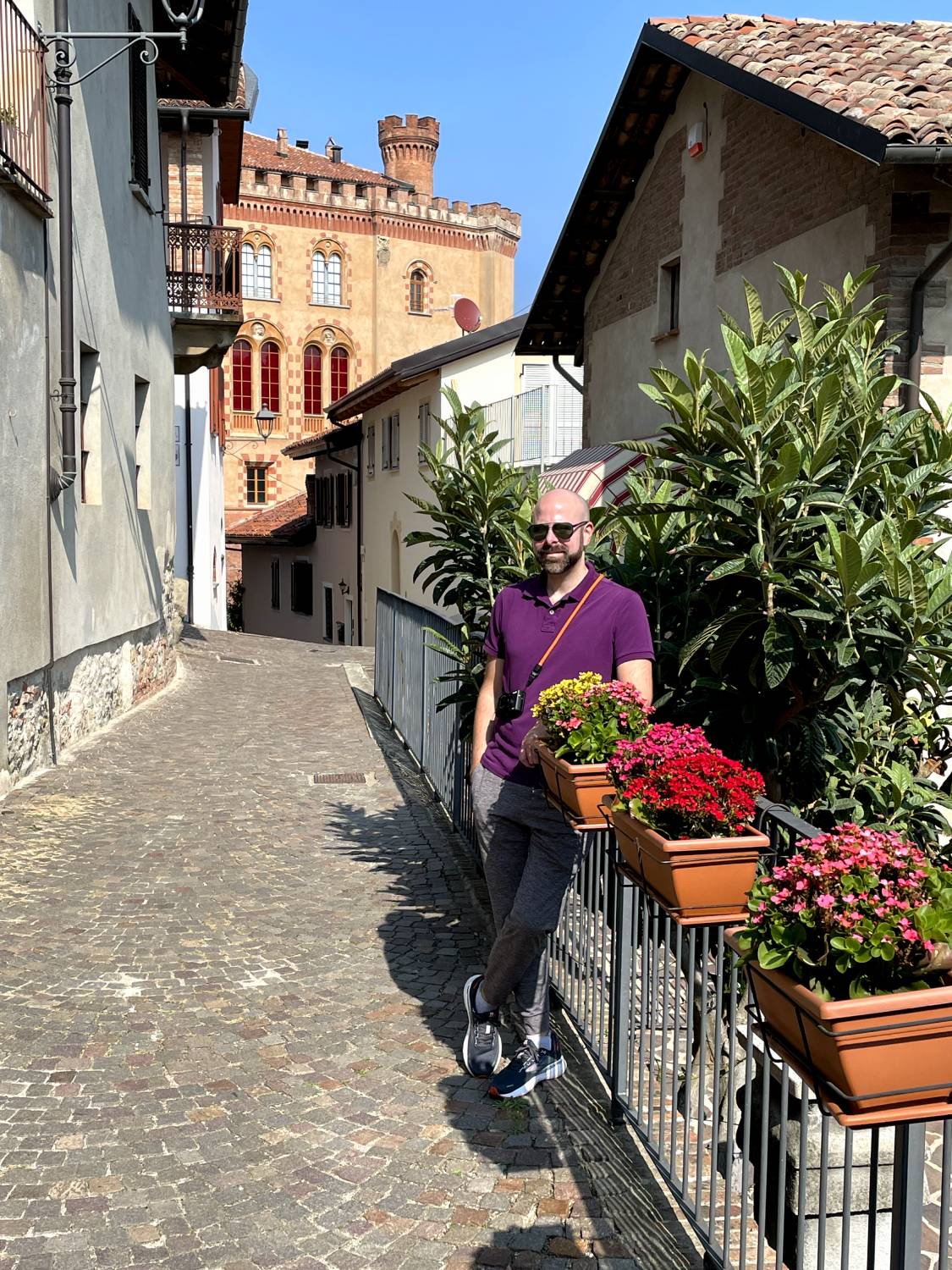
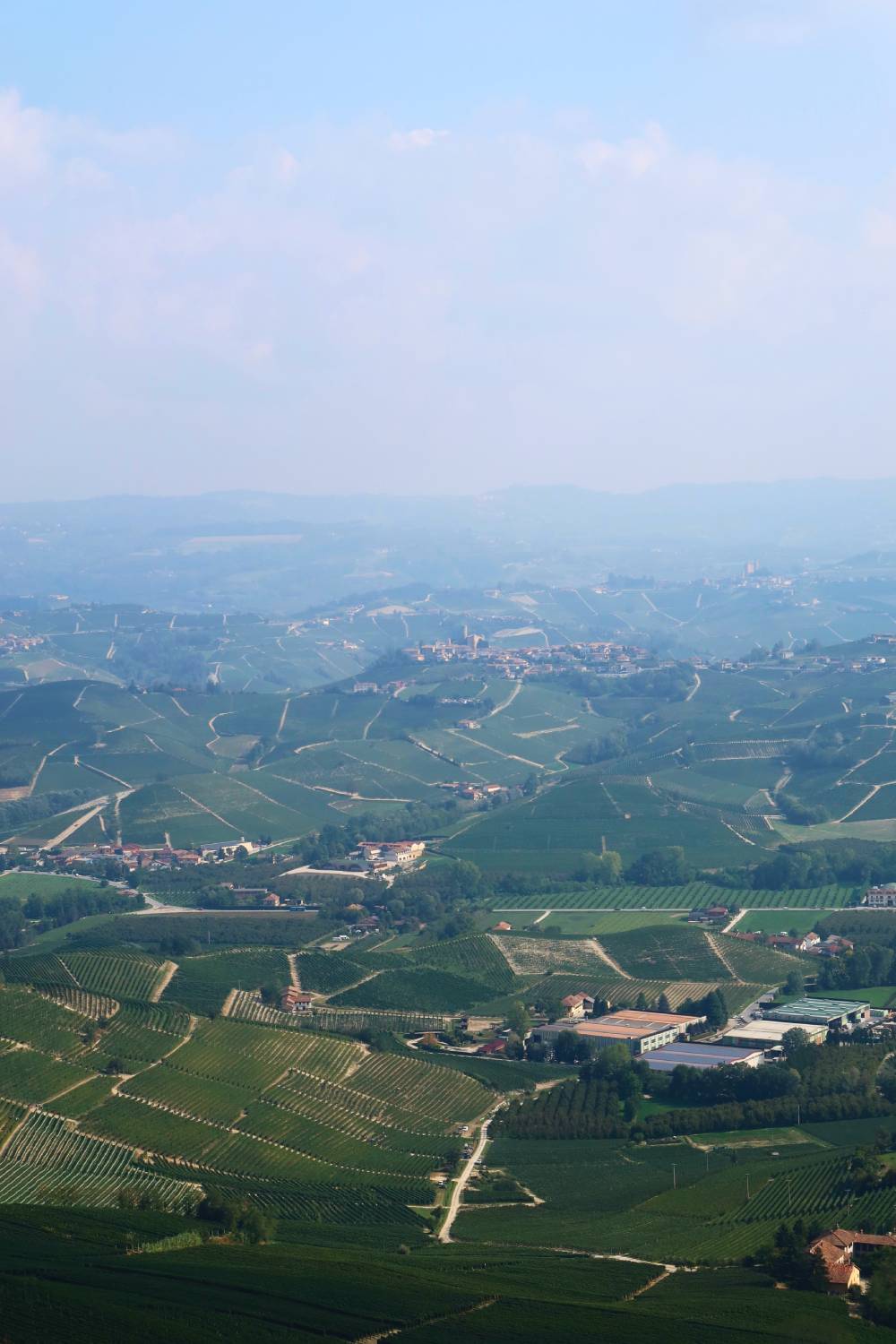
Before heading back to Casa di Langa, we explored the village of Barbaresco. I took the lift to the top of the Torre di Barbaresco, an 11th-century medieval tower that stands sentinel over the Tanaro River. From the observation deck, I was treated to a birds-eye view of the entire Langhe region – a tapestry of gold and green ridges that perfectly summarized the scale and beauty of our journey.


Langhe Hilltop Villages: Exploring Monforte d’Alba, Barolo, and La Morra
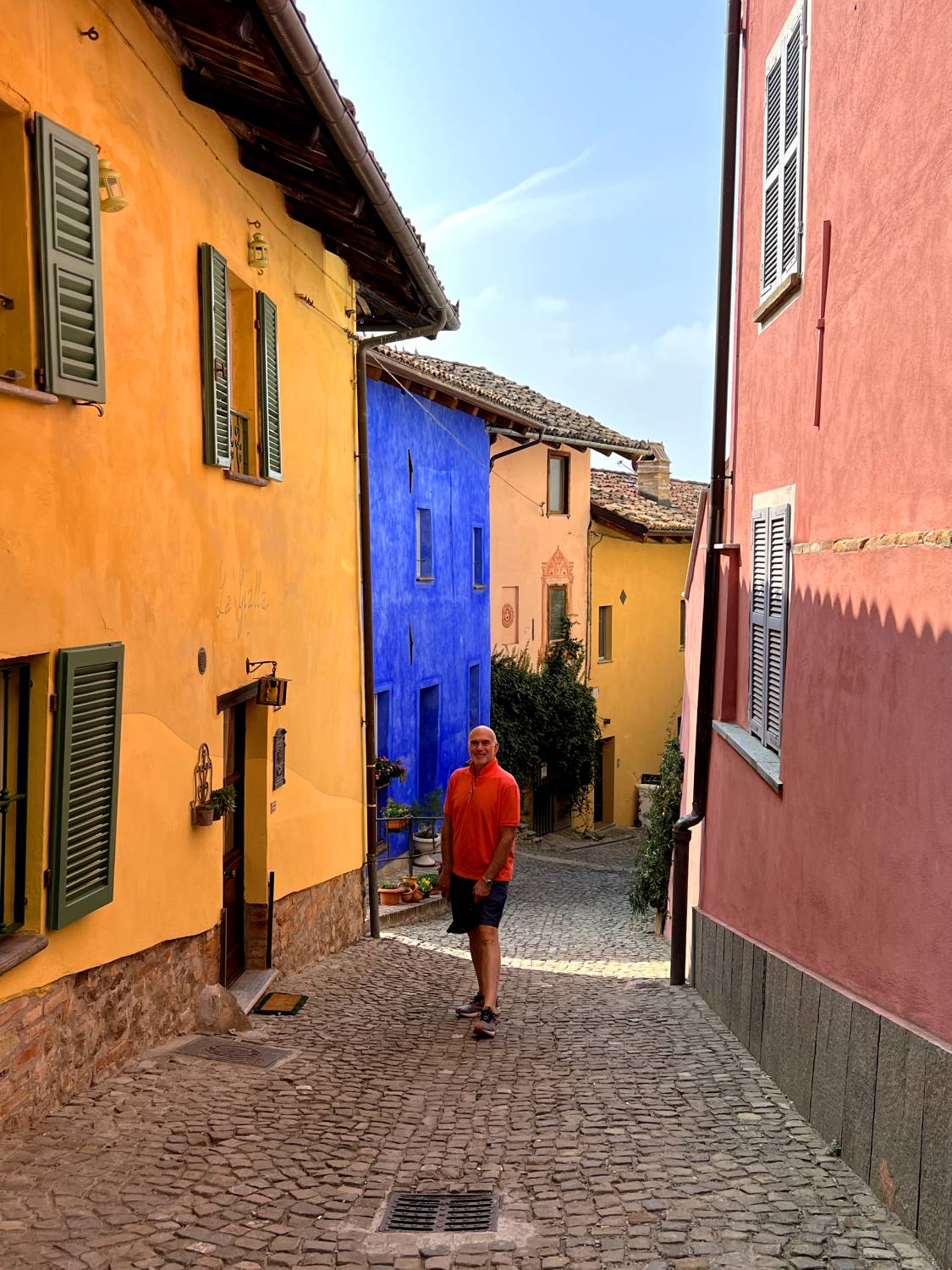
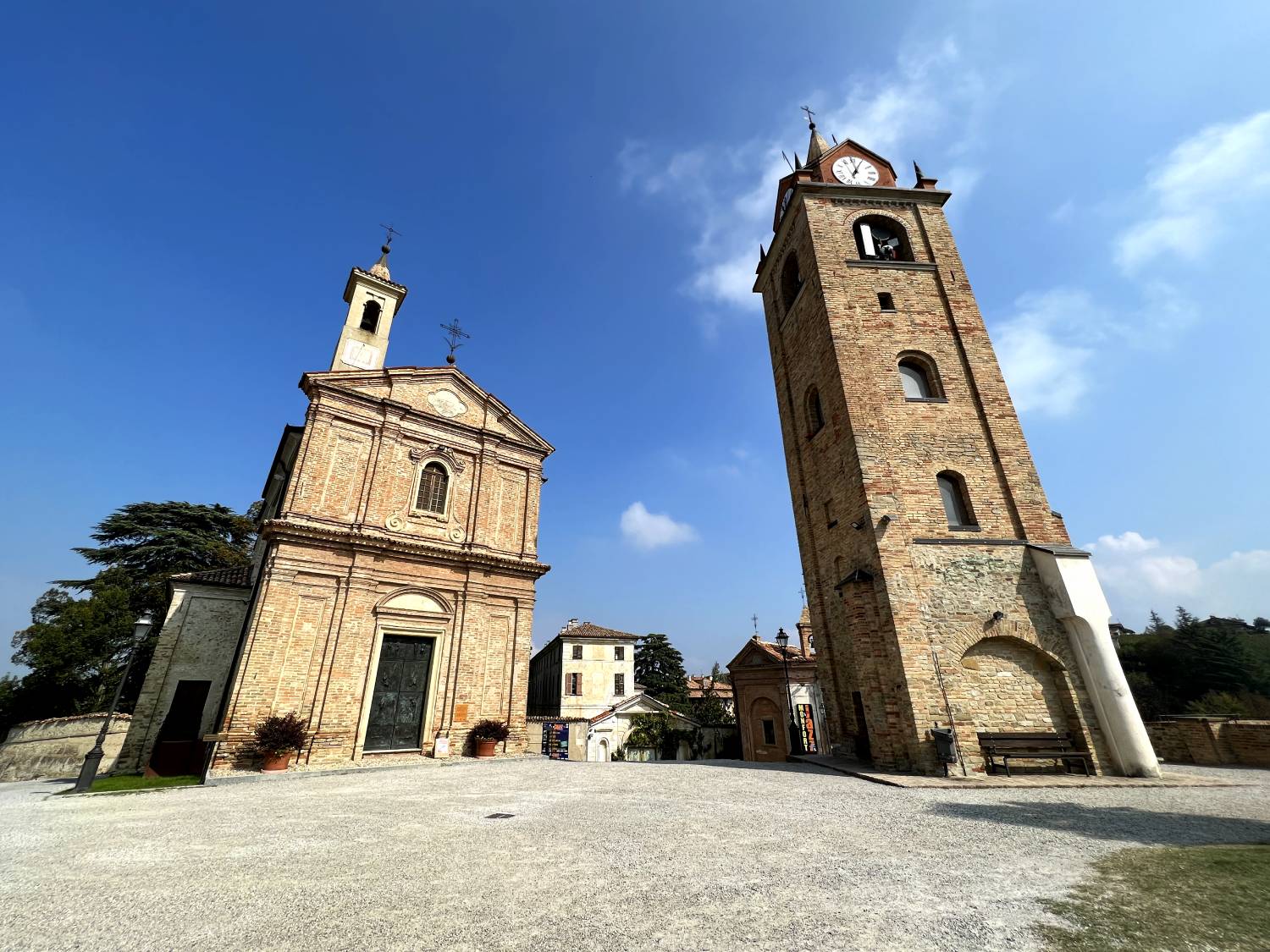
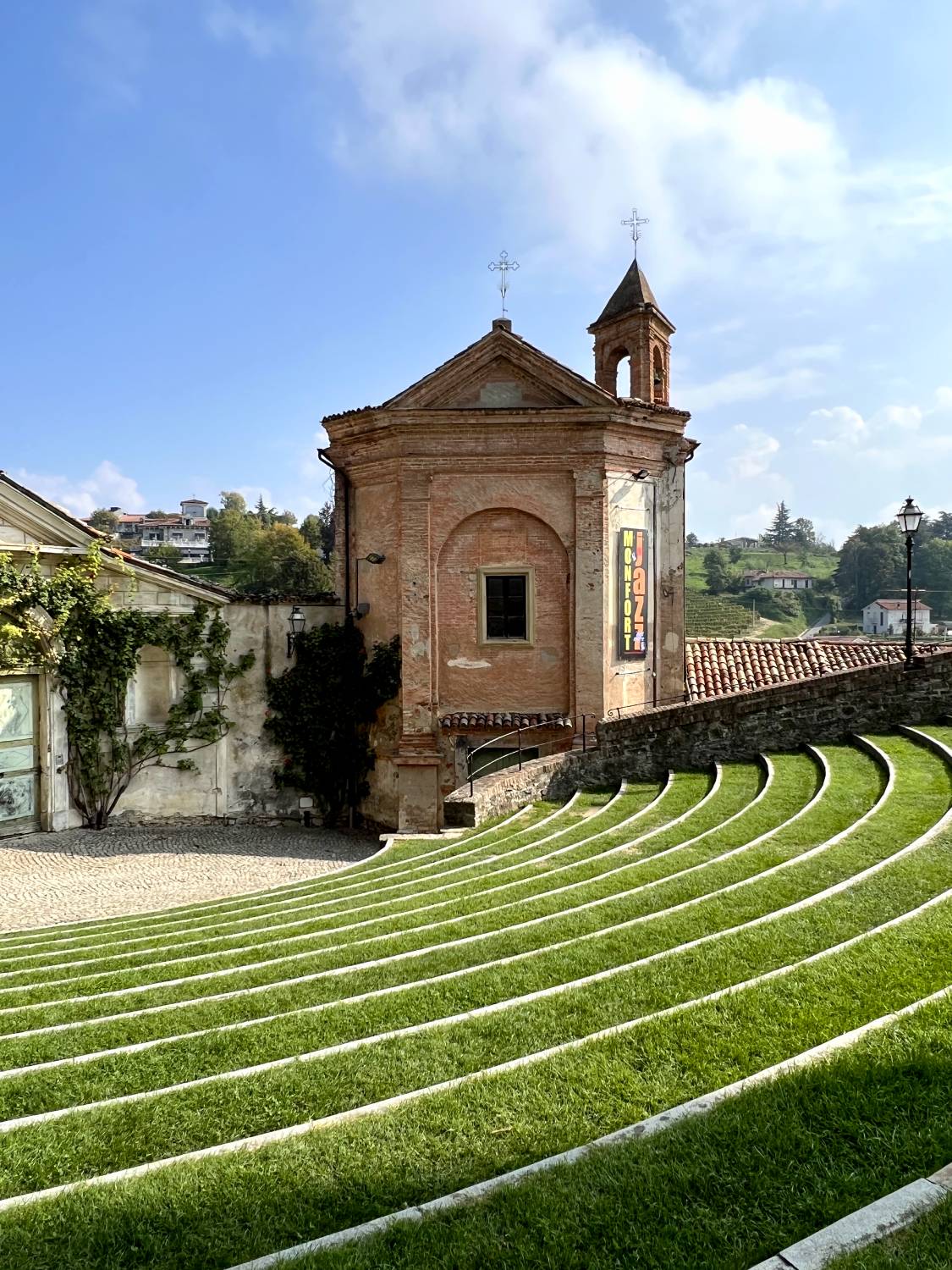
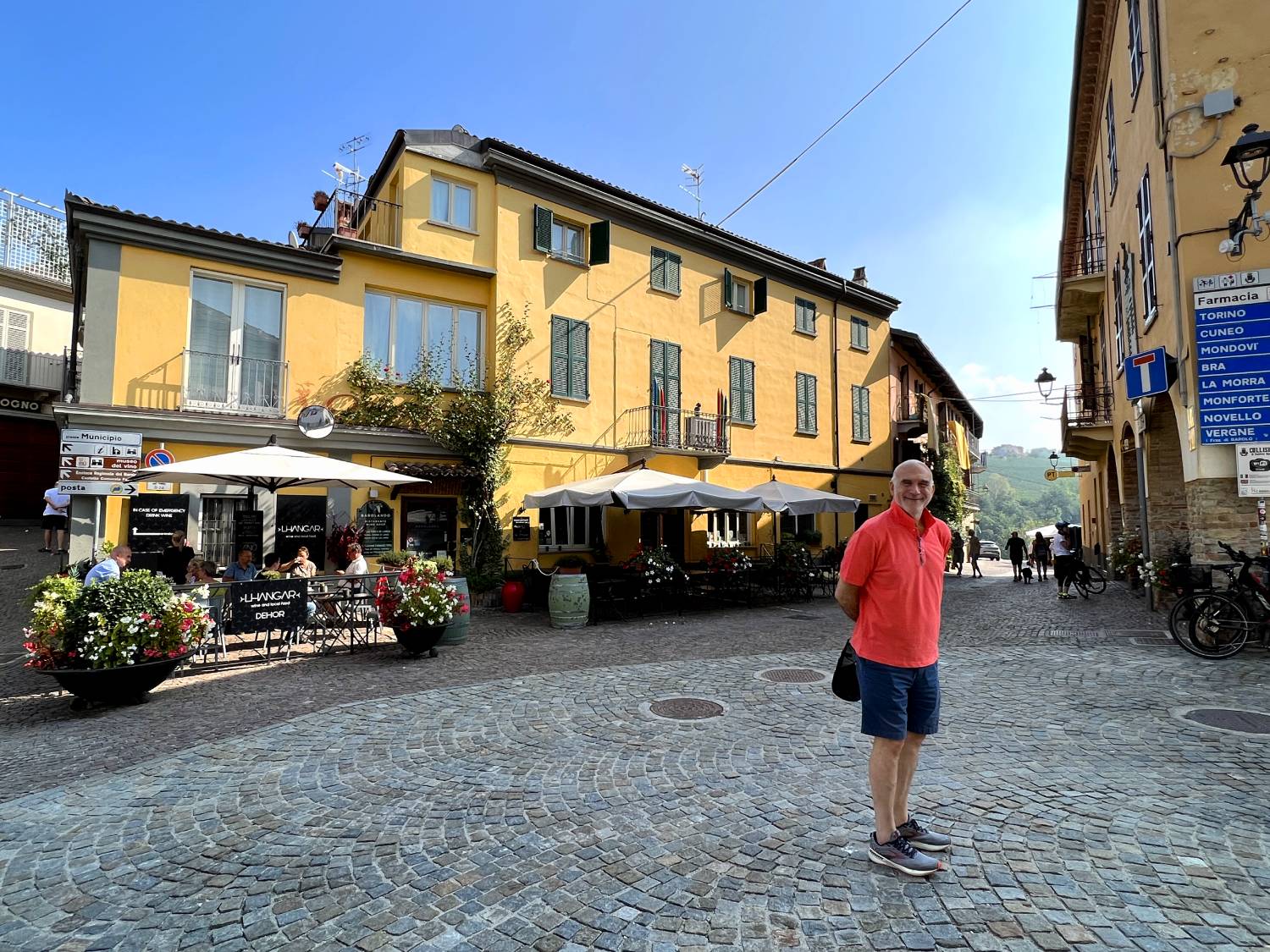
One afternoon, we ventured out to explore the “balconies” of the Langhe. Our first stop was Monforte d’Alba, a short, scenic, albeit windy drive from Casa di Langa. Monforte is a charming sight of pastel buildings and terracotta roofs tumbling down a steep rise. I climbed to the very top of the town, where a sweet little chapel and campanile overlook the Auditorium Horszowski. This outdoor amphitheater, named for the legendary pianist who inaugurated it in 1986, is still used for jazz concerts and film screenings. I would love to return to experience a jam session under a moonlit sky; the atmosphere is purely cinematic.
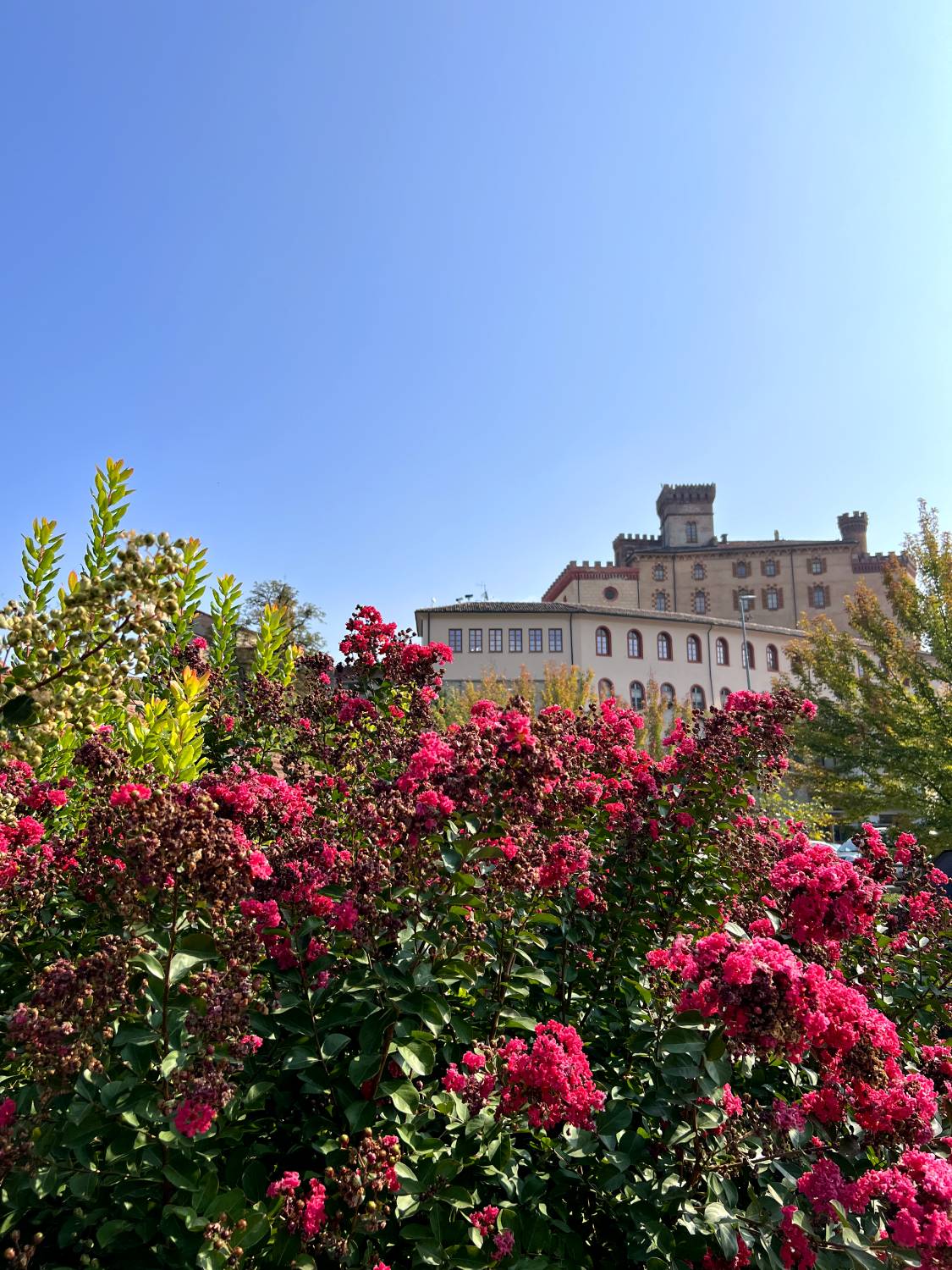
Next, we made our way to Barolo, set atop a small plateau and surrounded by rolling hills. The village is crowned by a majestic medieval castle that now houses the Regional Barolo Wine Enoteca. While the cobblestone streets and the WiMu Museo del Vino are beautiful, Barolo was also the most touristy spot of our trip. Several buses were letting off loads of sightseers during our visit, so we didn’t stick around for long – but its essence as the celebration of wine culture is undeniable.
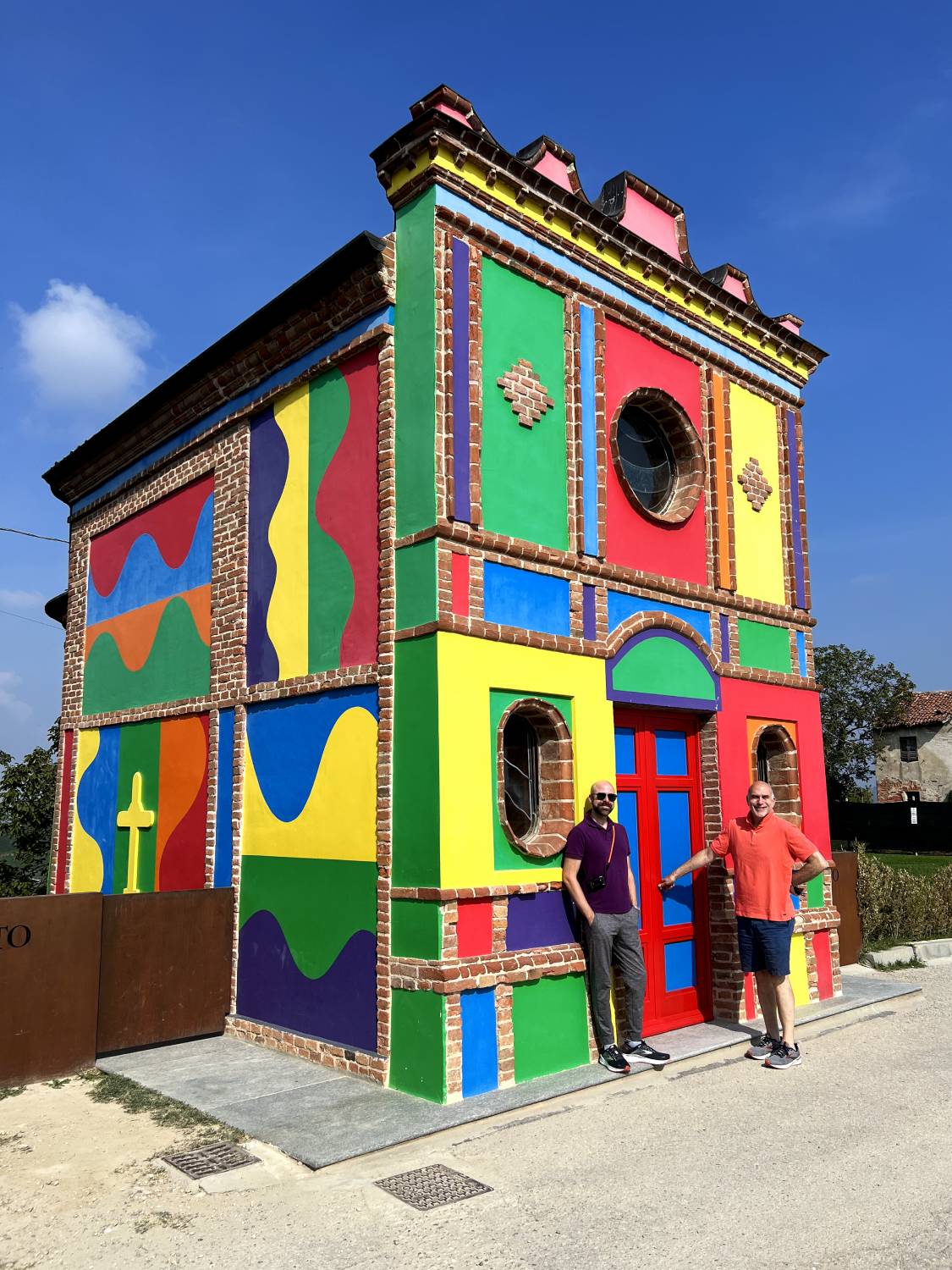
Between Barolo and La Morra, we found the Cappella delle Brunate, a unique art installation that bursts with color against the serene green vineyards. Originally a small 1914 chapel, it was transformed in the 1990s by artists Sol LeWitt and David Tremlett. Now owned by the Ceretto family, this kaleidoscope of vibrant patterns is one of the most photographed – and unexpected – sights in the Langhe.
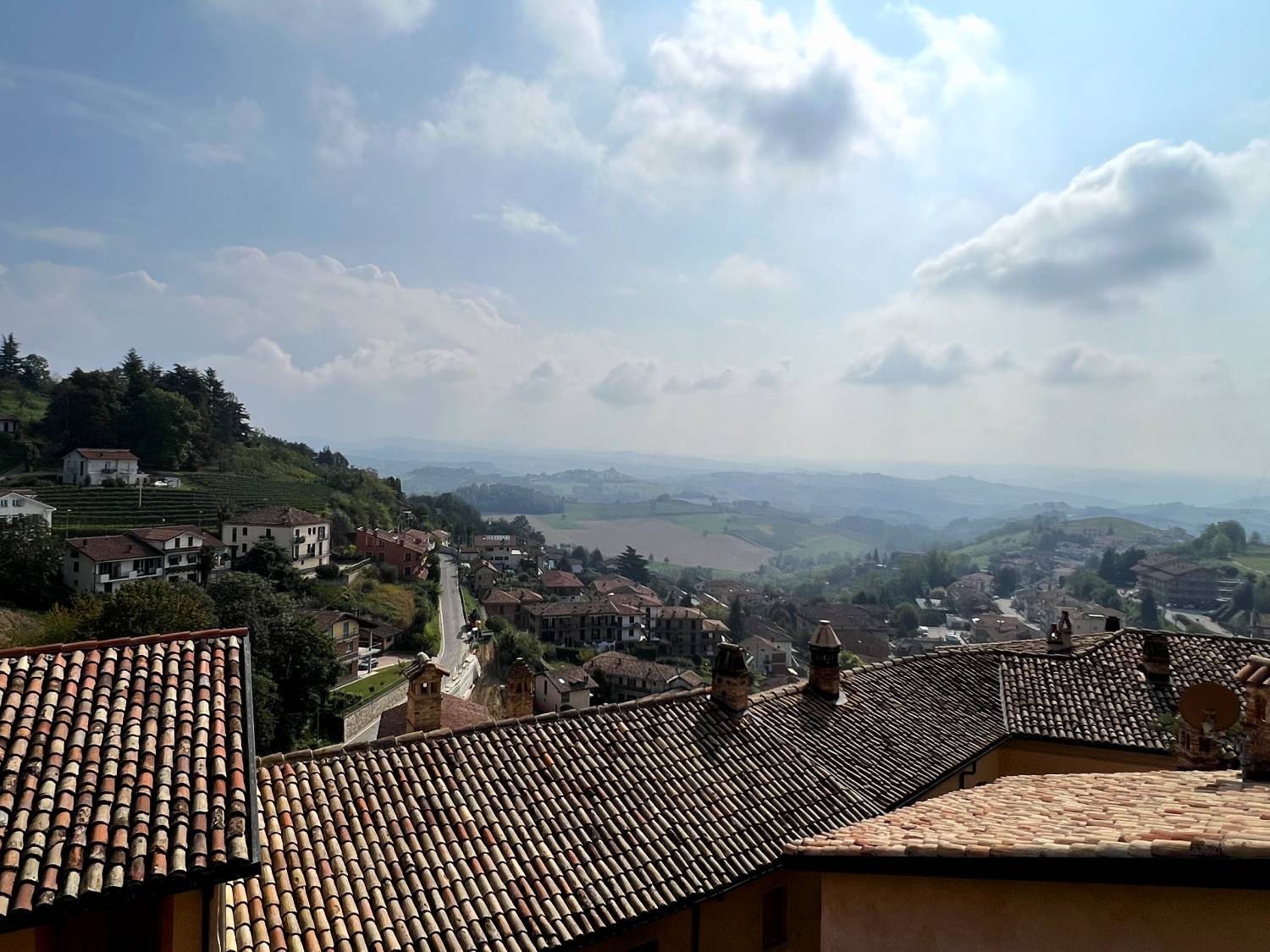
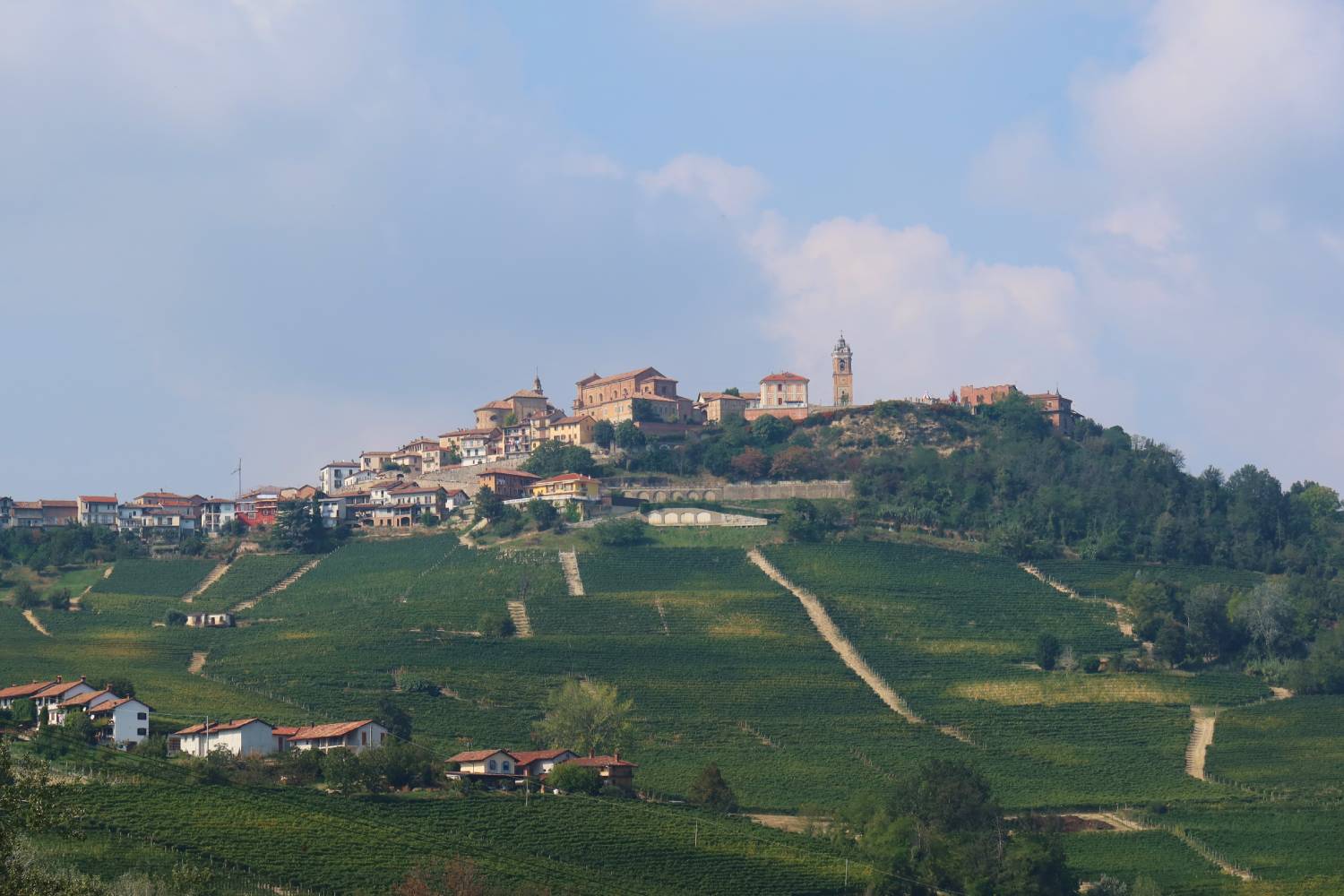
We finished our ascent at La Morra, nicknamed the “balcony of the Langhe” due to its panoramic position. From the belvedere on Piazza Castello, the rolling vineyards unfurled beneath us as far as the eye could see, with medieval villages dotting the crowns of distant promontories. I had visited La Morra years ago on a dreary, foggy day; seeing it now, with the 17th-century parish church of San Martino glowing in the autumn sun, felt like finally seeing the region in high definition.
Piedmont’s Culinary Scene: From Rustic Trattorias to Michelin Stars
If Turin is the intellectual heart of Piedmont, the Langhe is undoubtedly its stomach. This is the birthplace of the Slow Food movement, a landscape where the rhythm of life is dictated by the harvest and the hunt. Here, dining is an act of reverence – whether you are tucked into a candlelit village trattoria or seated in a world-class temple of gastronomy. From the golden richness of egg-yolk tajarin to the intoxicating, earthy perfume of the white truffle (tartufo bianco), the Langhe offers a culinary experience that is as grounded in the soil as it is refined by history.
Fàula (Casa di Langa): This Michelin-recognized establishment boasts breathtaking panoramic views of the Langhe hills. Innovative dishes highlight the bounty of the onsite gardens and greenhouse. For my secondo, I had a roasted venison saddle with red cabbage and celeriac. The cabbage and celeriac provided the perfect earthy foil for the savory, minerally richness of the meat.
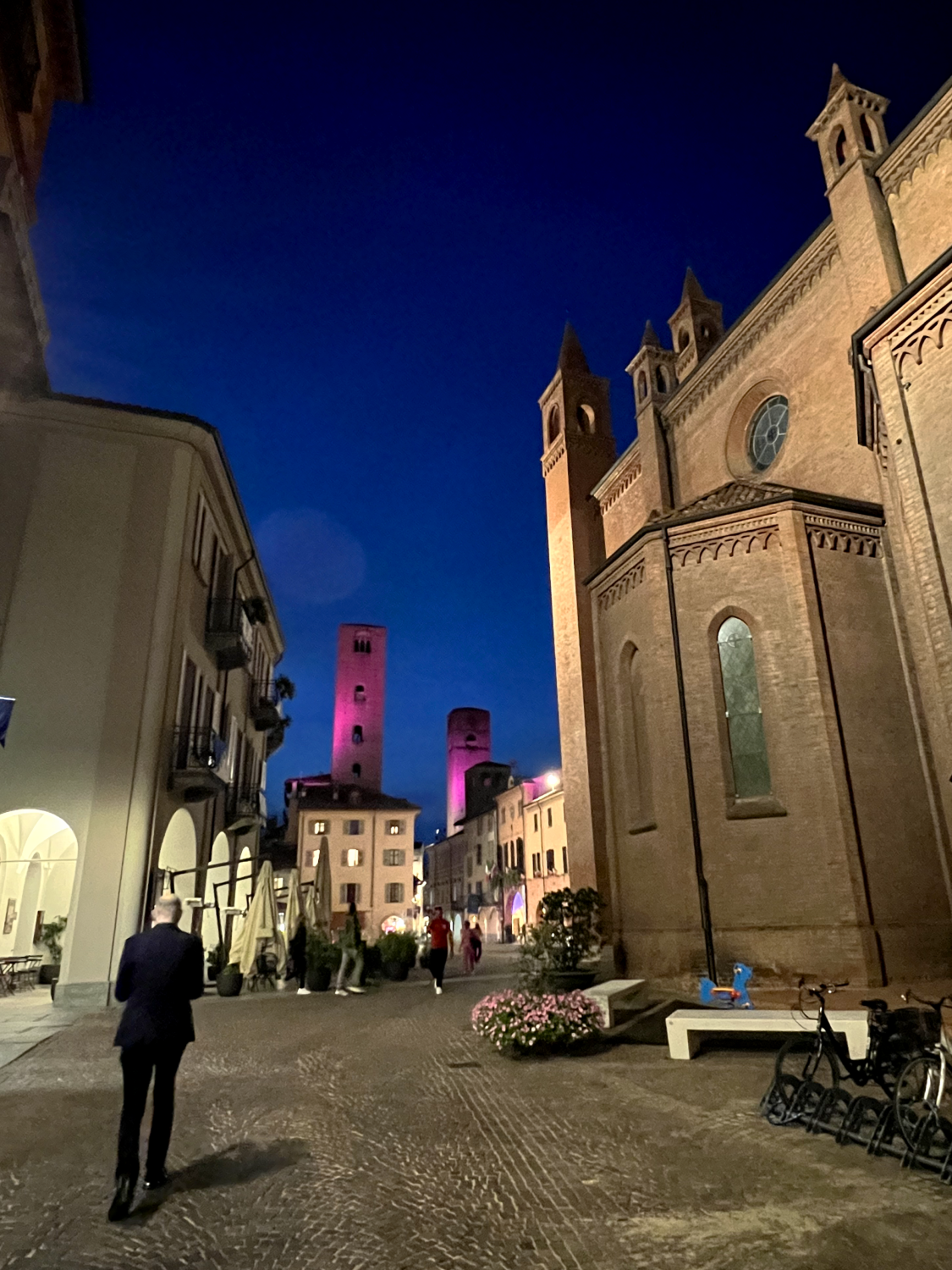
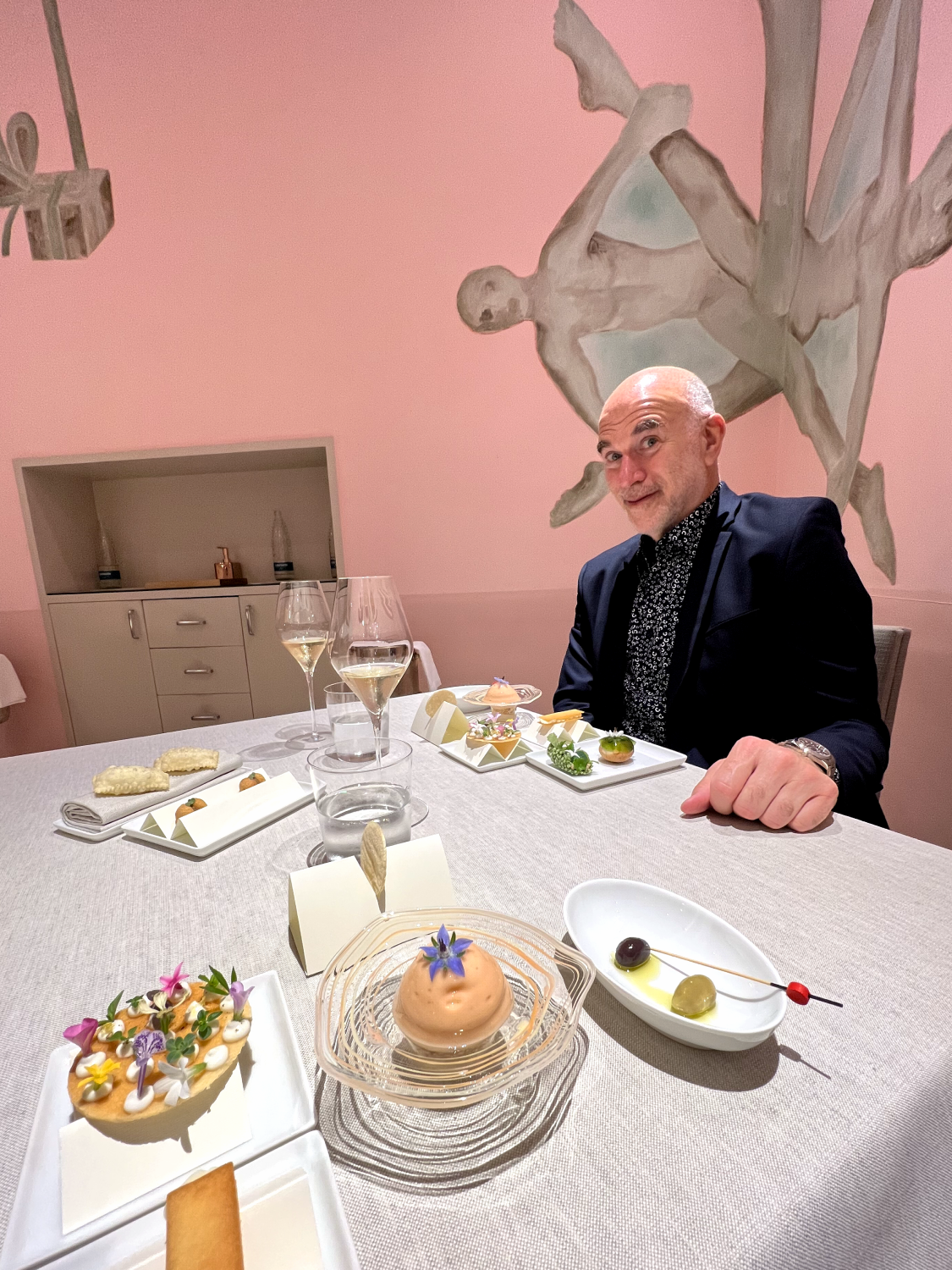
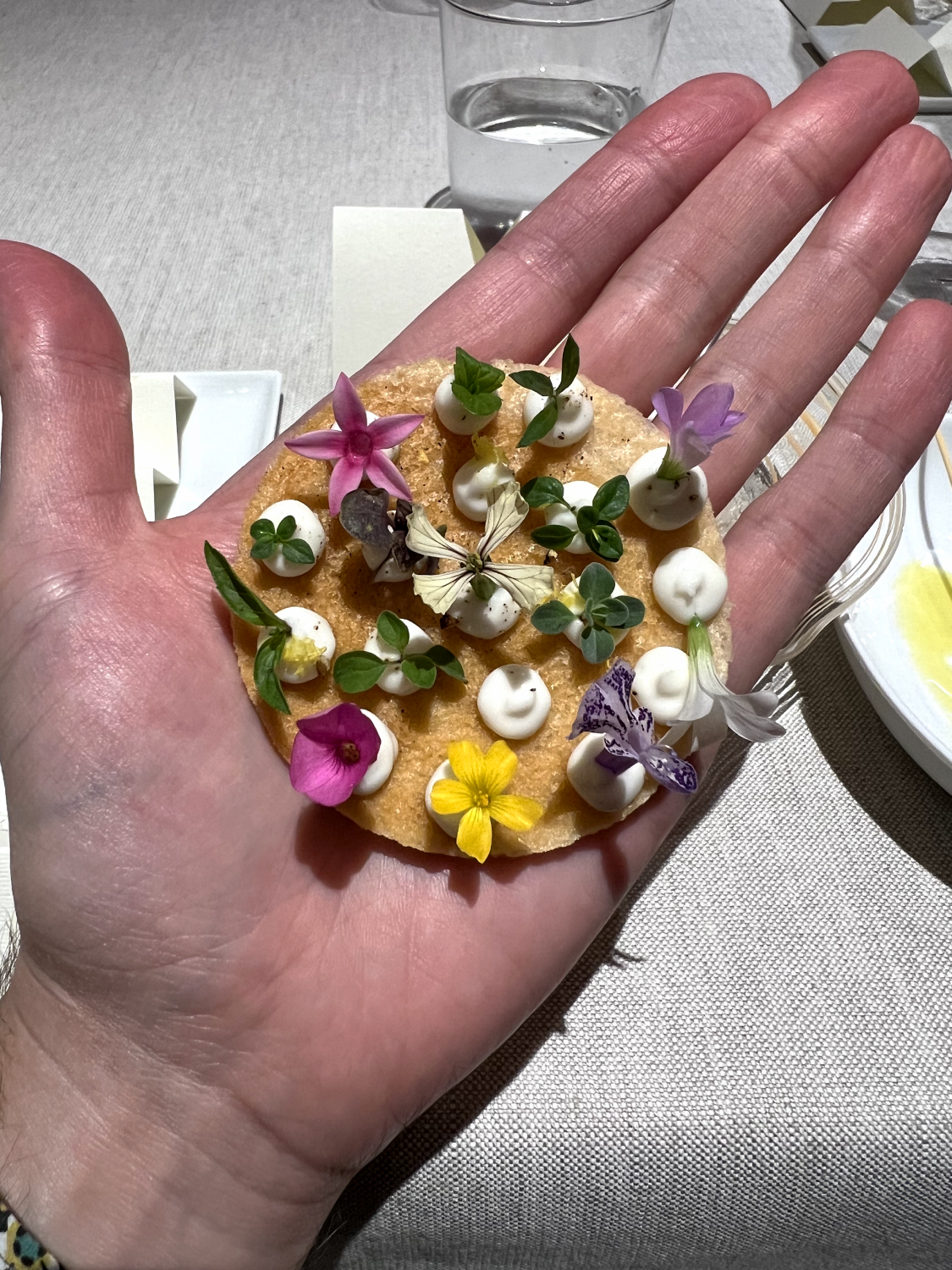
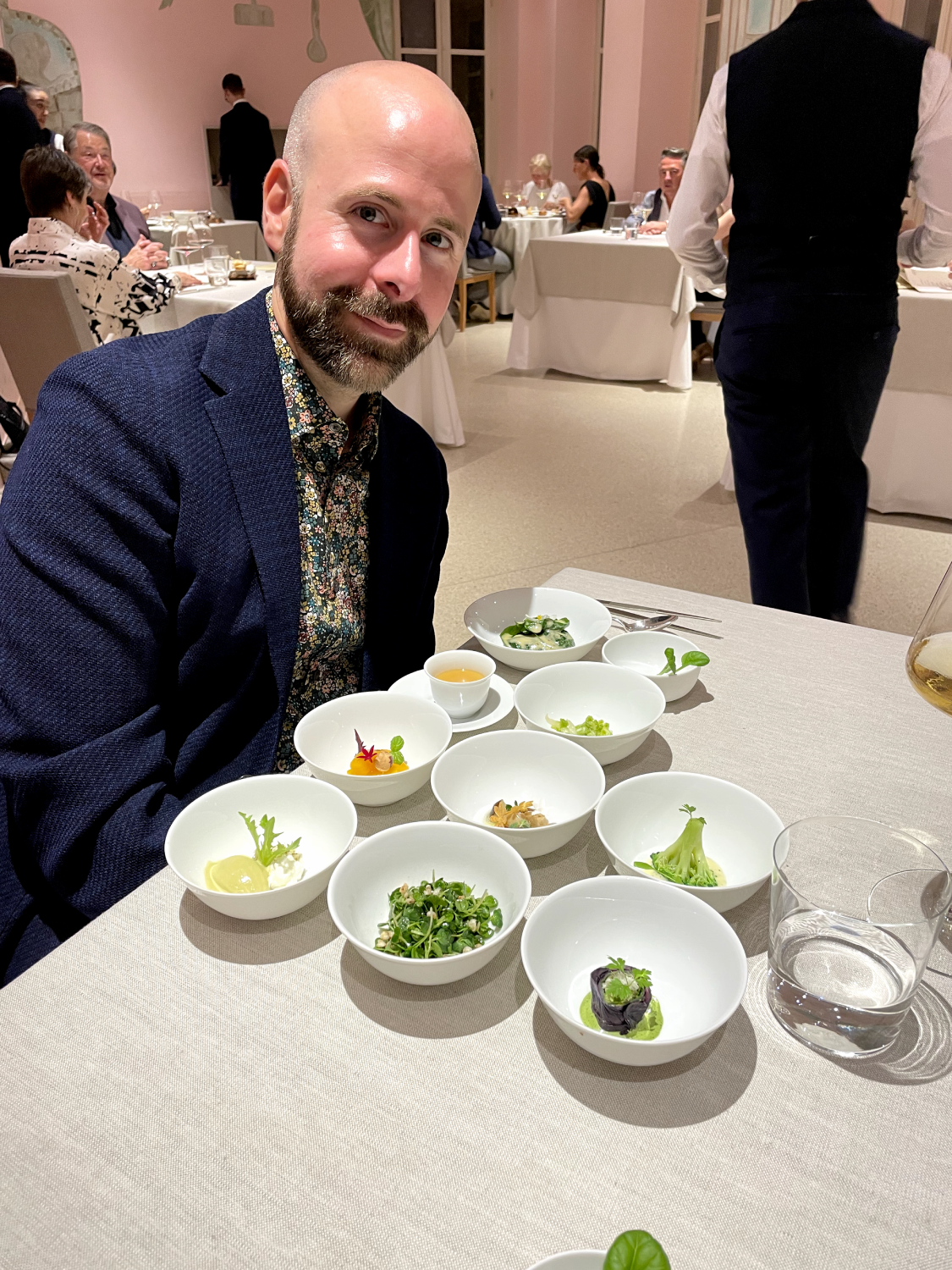
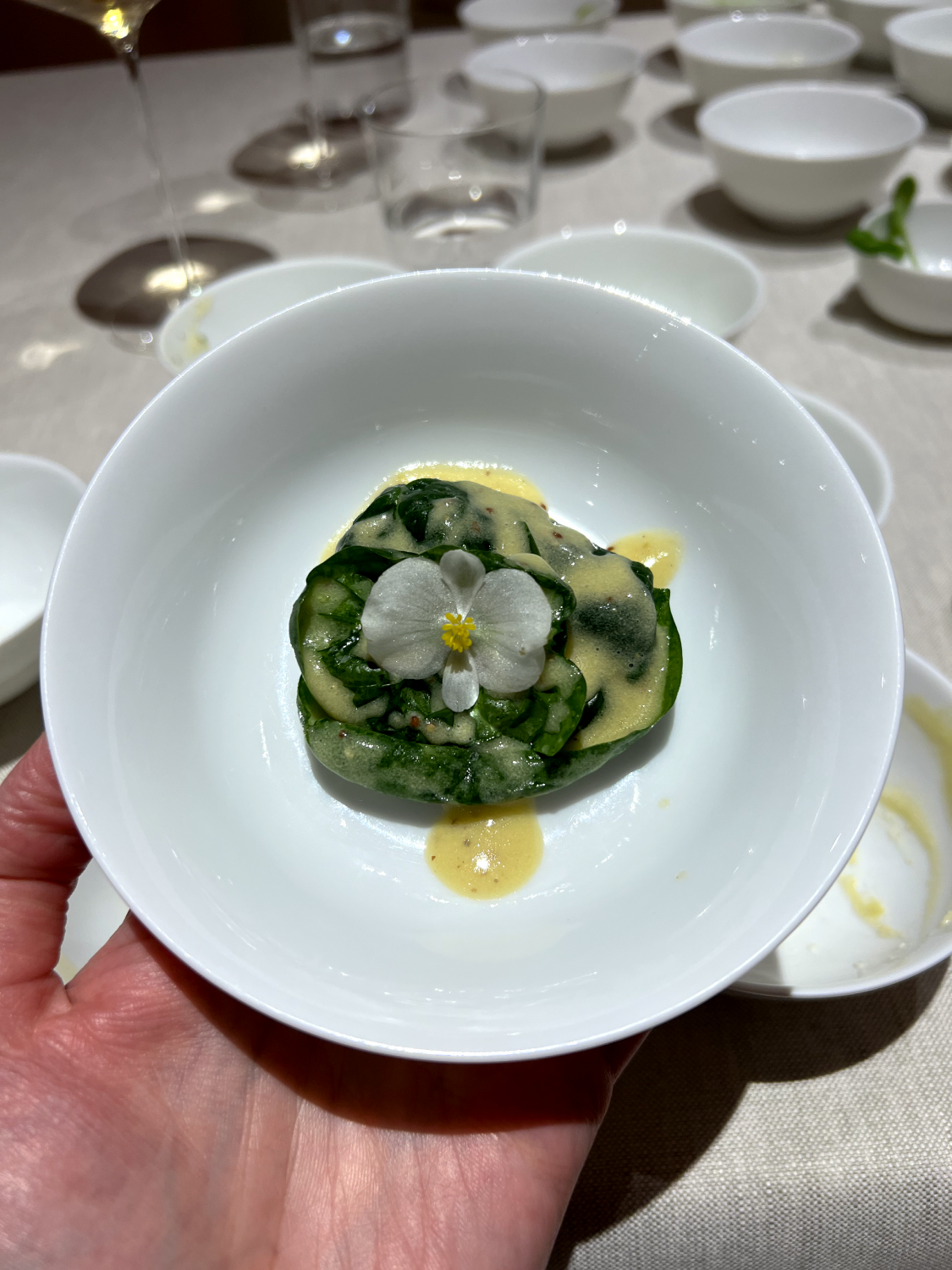
Piazza Duomo (Alba): A three-Michelin-starred temple of fine dining in Alba, Piazza Duomo is consistently recognized as one of the world’s best. Accessed via an alley, you step into a pink dining room adorned with frescos by Francesco Clemente. The most memorable moment was the amuse-bouche, the Turino aperitivi. A fanfare of small plates emerged from the kitchen – a colorful array of nine bites. The most striking was a parmigiano wafer topped with garlic creme and edible flowers, while the most delicious was a foie gras bomb that literally melted in the mouth.
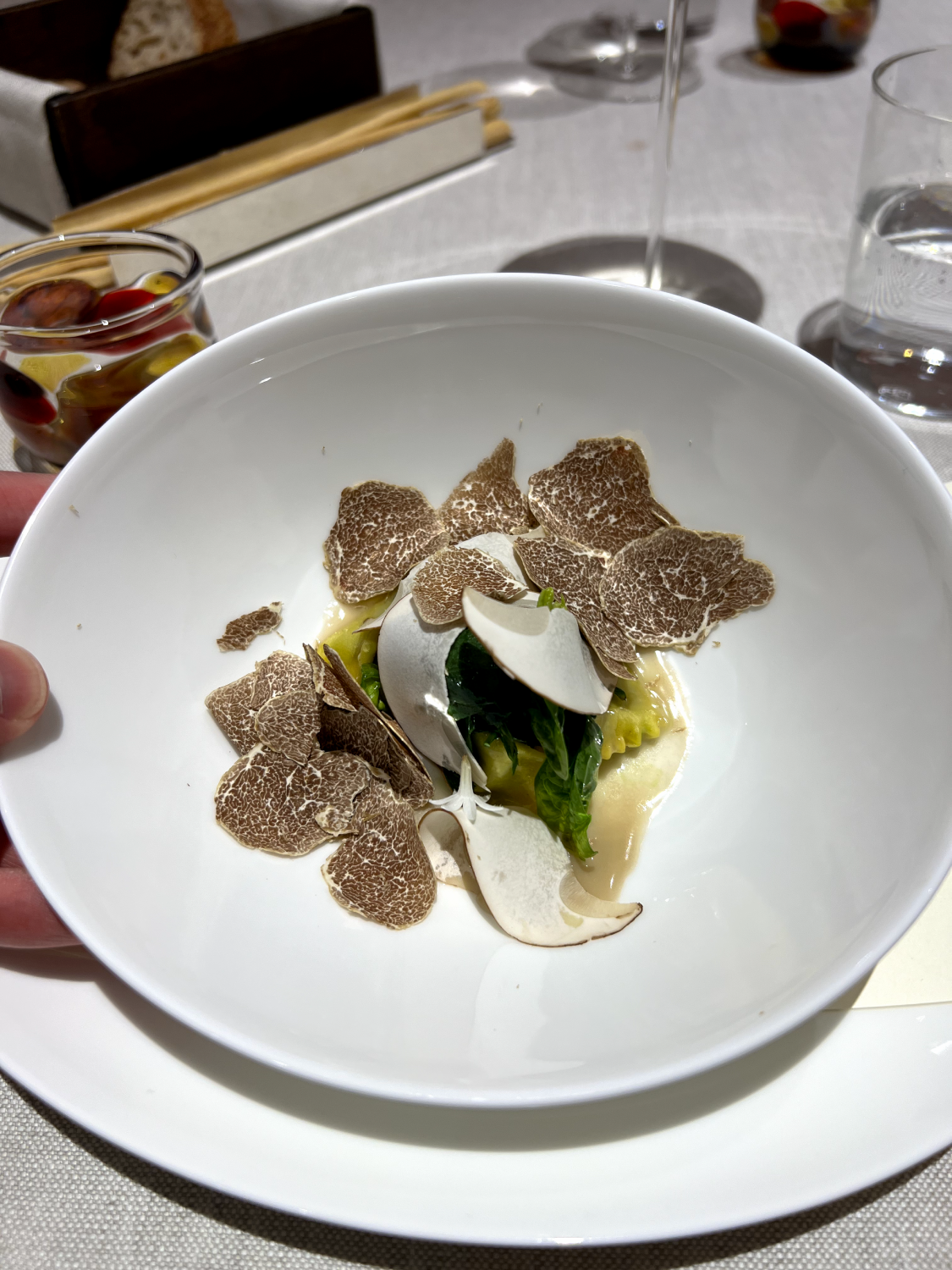
Trattoria La Coccinella (Serravalle Langhe): Run by the three Dellaferrera brothers since 1998, this cozy space with warm yellow walls and vintage lamps is the epitome of the “Ladybug” – simple pleasures and fresh ingredients. For my primo, I ordered a pasta special of tajarin with porcini mushrooms and castelmagno cheese, topped with freshly shaved white truffle. It was the very definition of fall flavors in Piedmont.
Last visited in October, 2023