Tremezzina, Italy
Statues and Summits: The Best of Villa Carlotta and San Martino
In October of 2019, I did something a little different – I took a solo trip to Italy. Being between jobs by choice, I had a rare pocket of time and some stashed-away savings, so I decided to lean into my favorite pursuit: traveling.
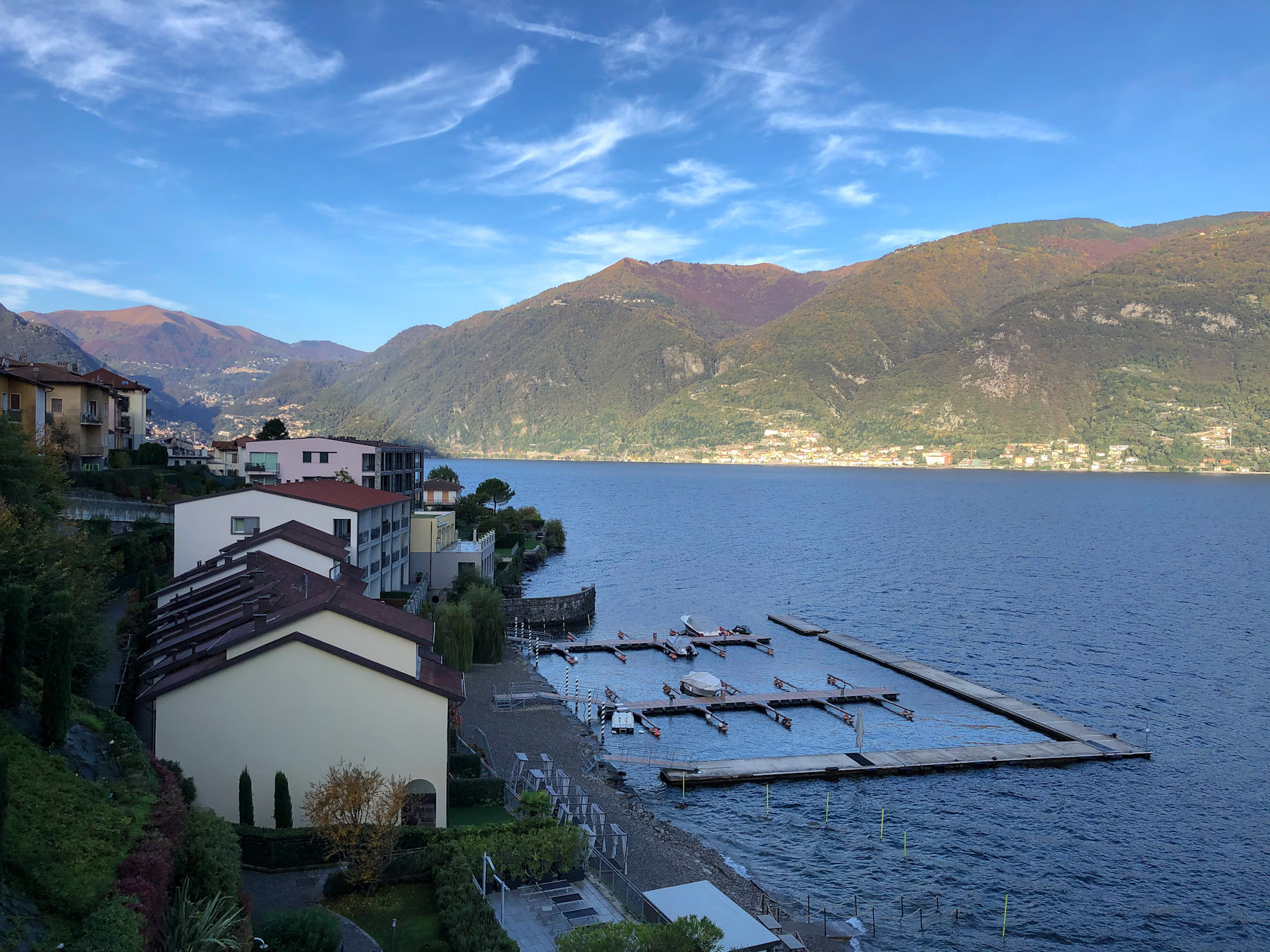
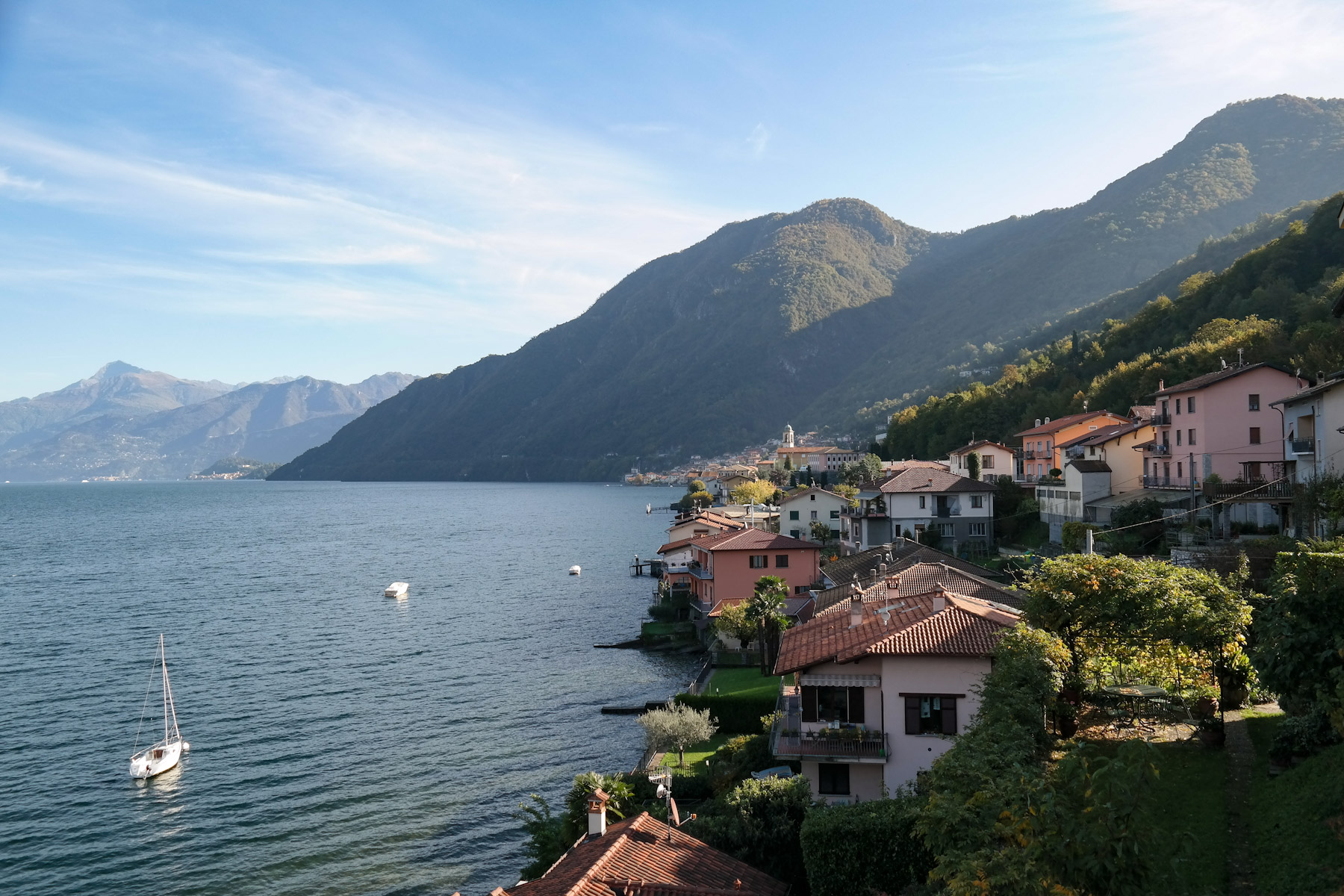
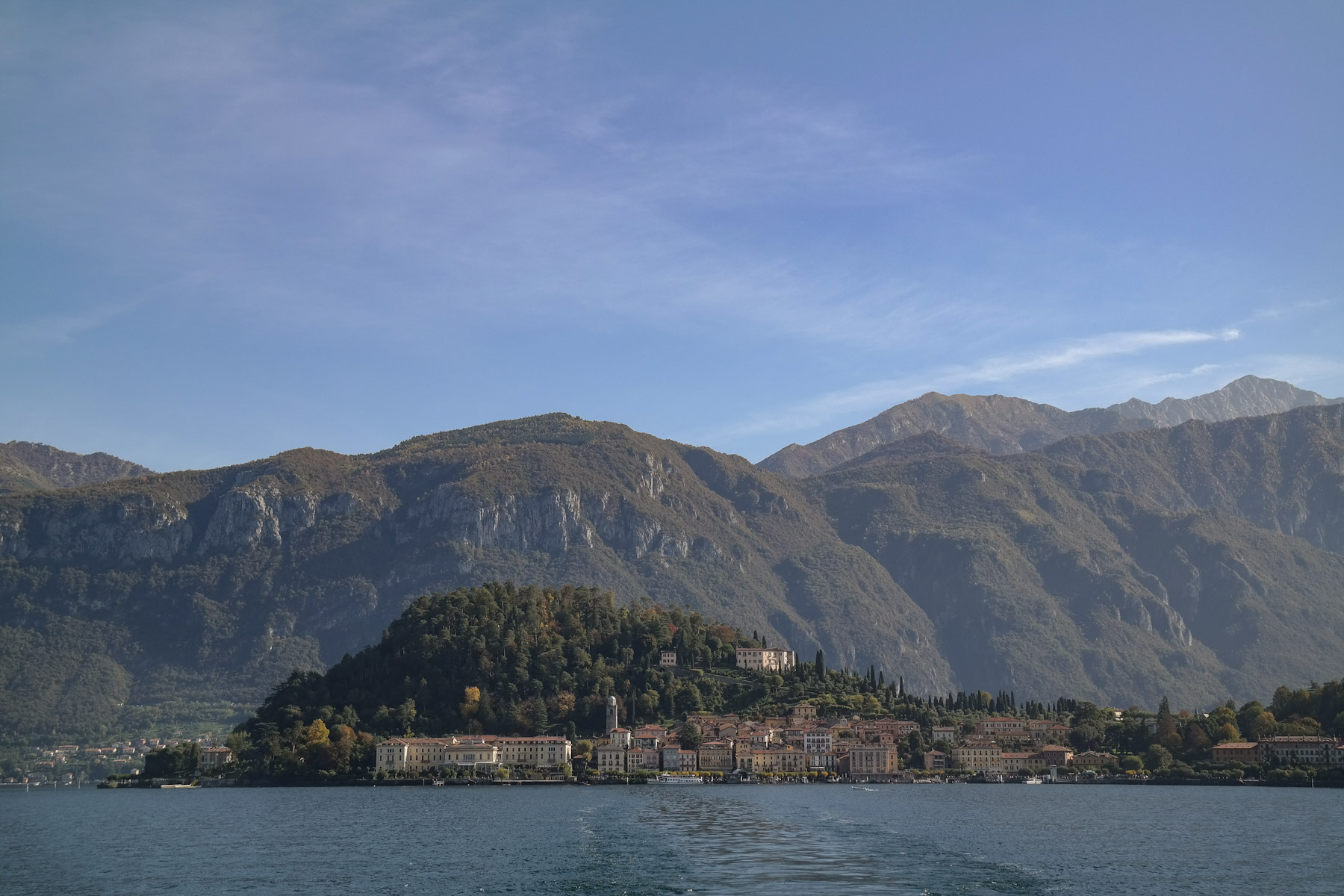
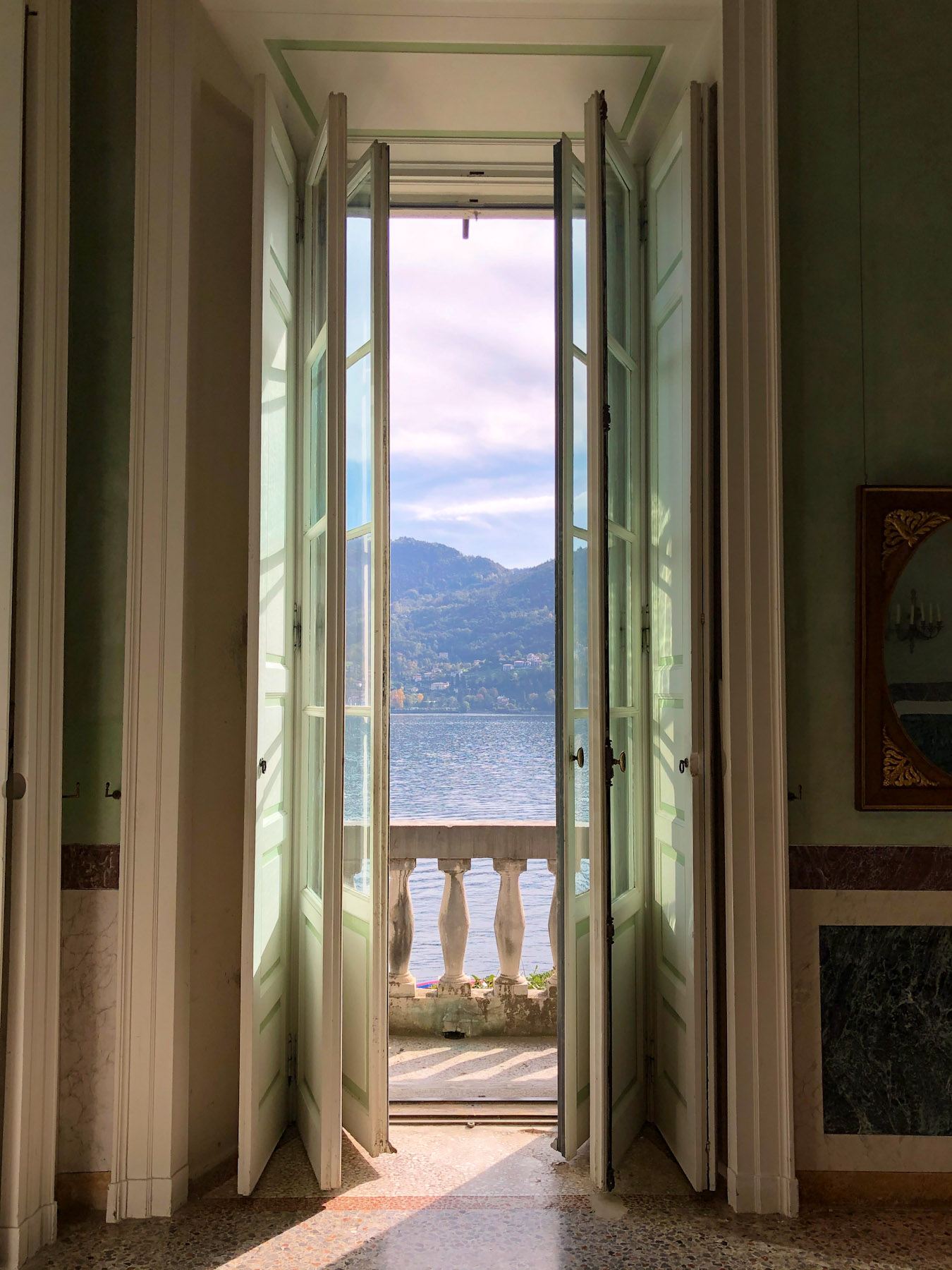
After checking into a Deluxe Room at the Filario Hotel in Lezzeno – where I spent a fair amount of time on my private balcony simply “ogling” the mountain-and-lake scenery – I set out to explore the Tremezzina shore. My itinerary for the day was a study in contrasts: the manicured, aristocratic elegance of Villa Carlotta followed by a rugged, spiritual ascent to Chiesa di San Martino.
The Grandeur of Villa Carlotta
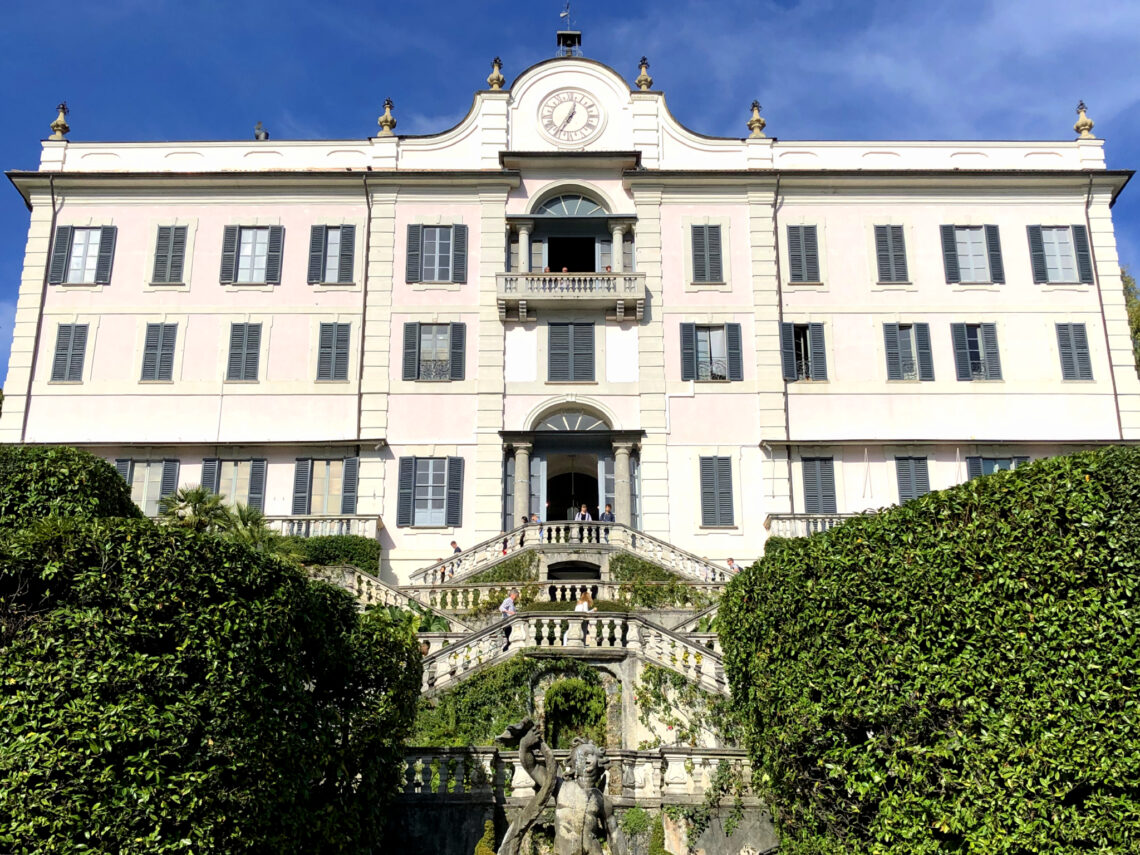
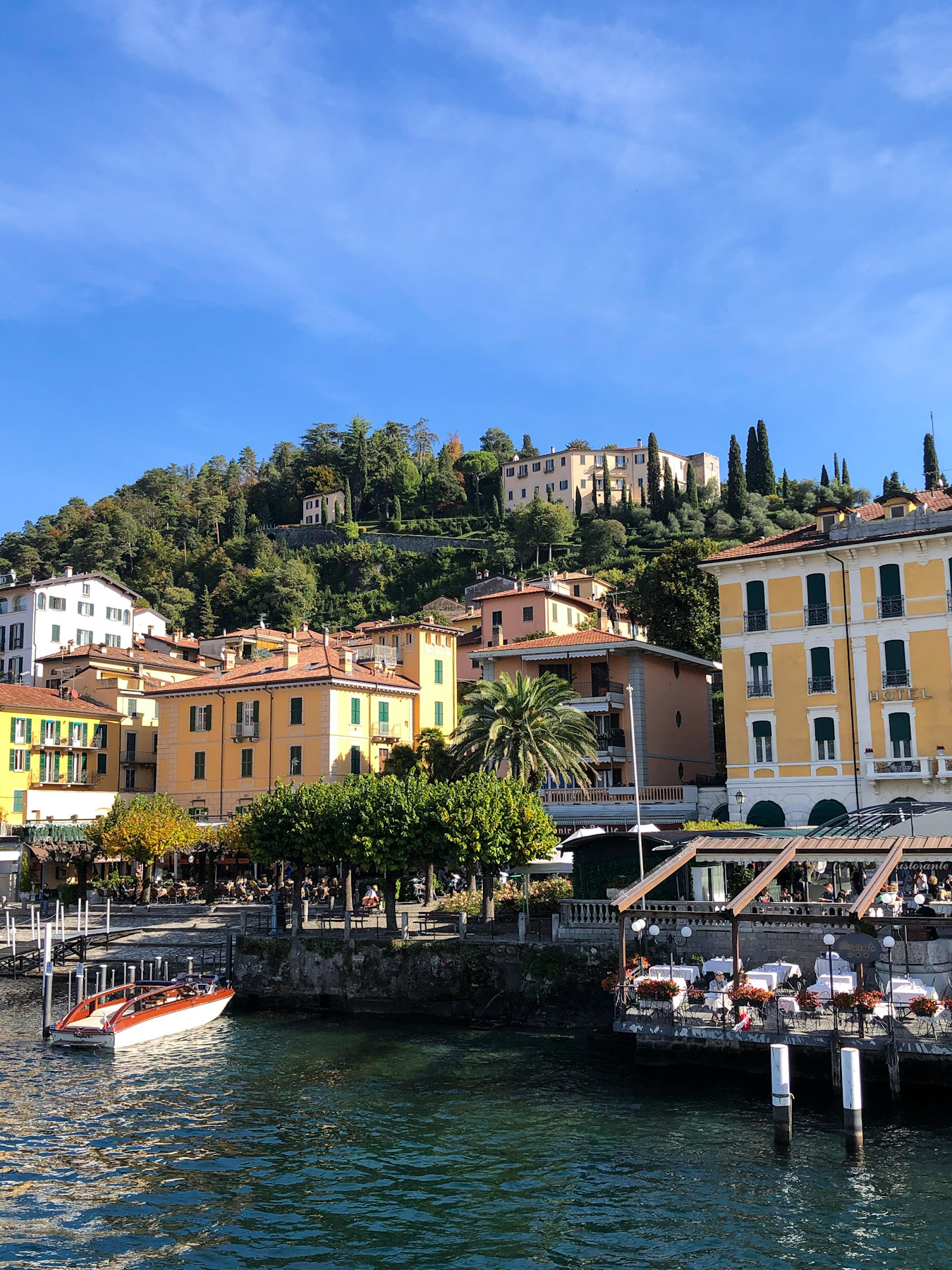
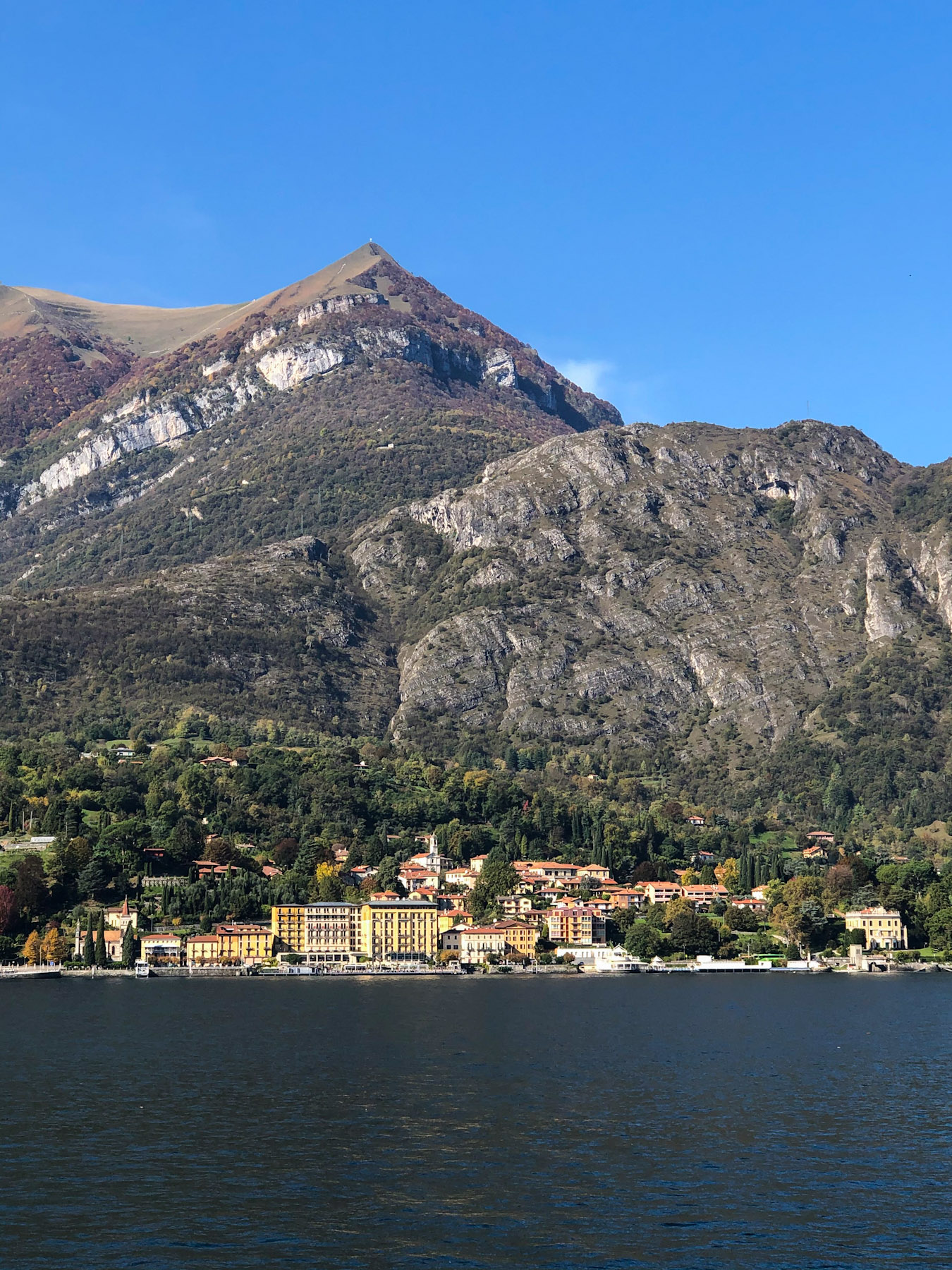
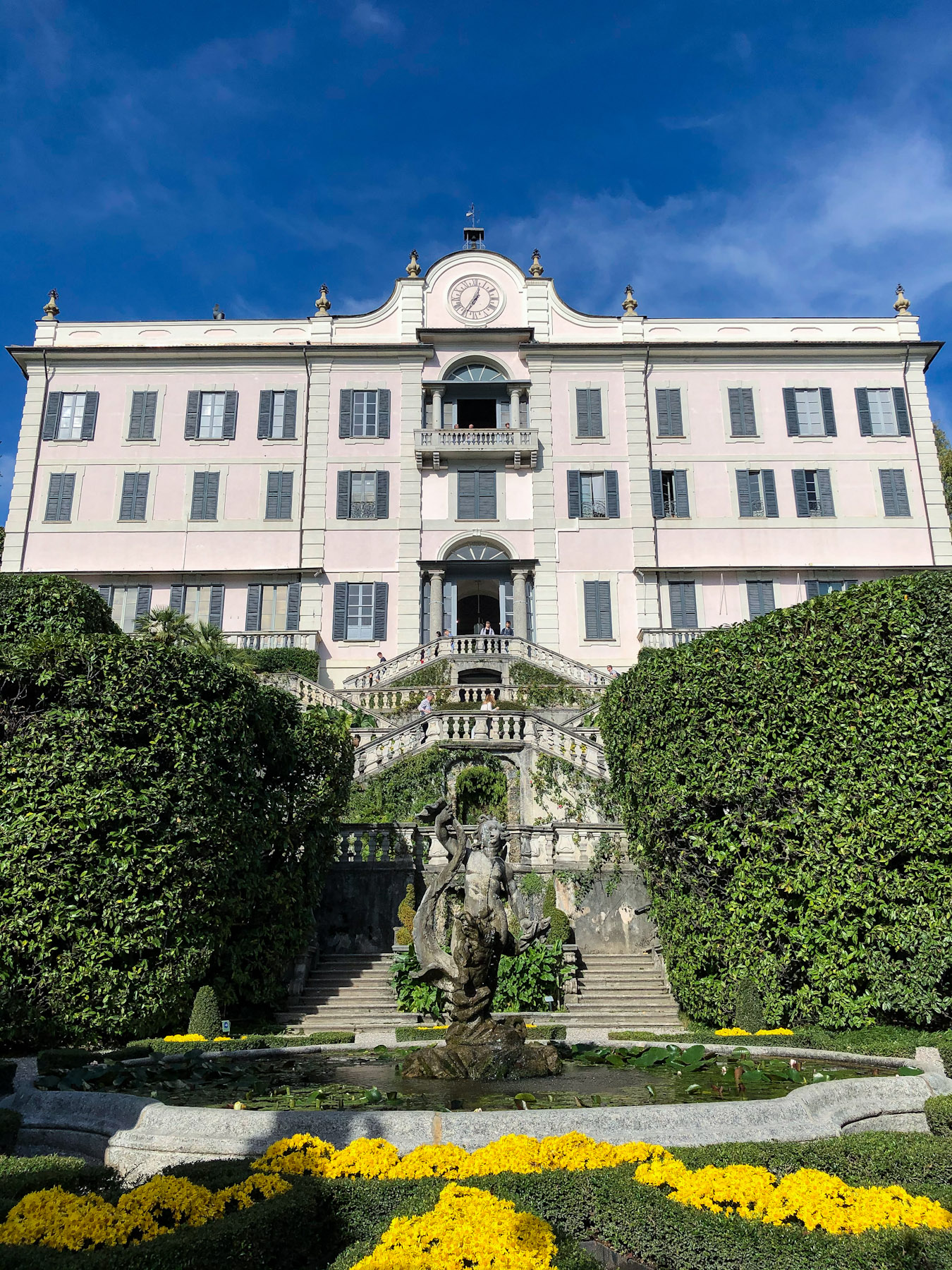
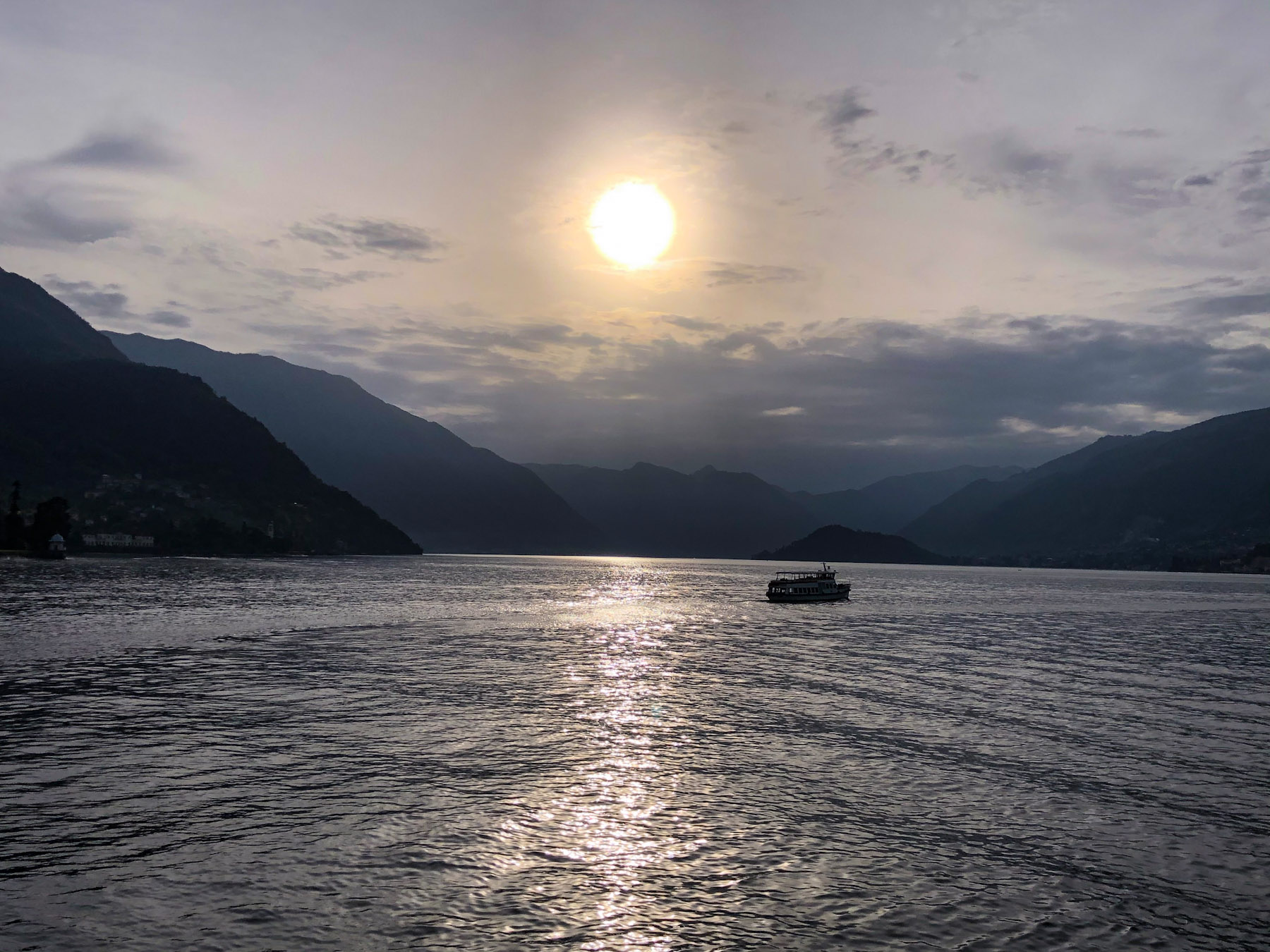
Experience has taught me that the best cure for jet lag is to stay moving, so I planned a day that was nothing short of bustling. After catching the traghetto from Bellagio to Cadenabbia, I made my way to Villa Carlotta, a 17th-century masterpiece of sculpture and botany.
The villa takes its name from Princess Charlotte of Prussia, who received it as a wedding gift in 1847. Its history is as dramatic as its architecture; confiscated from “enemy hands” by the Italian state during WWI, it is now meticulously preserved by the Ente Villa Carlotta Foundation.
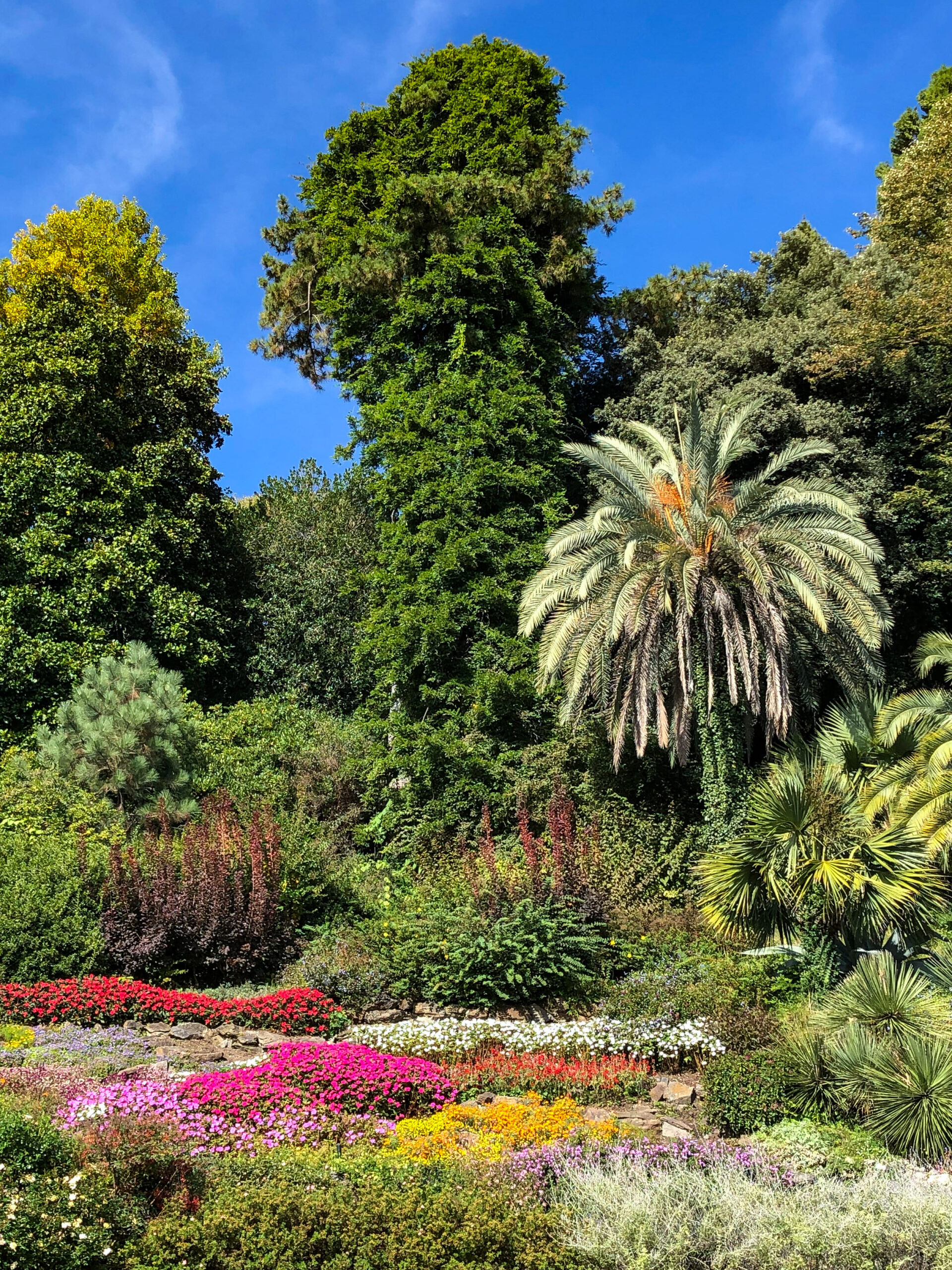
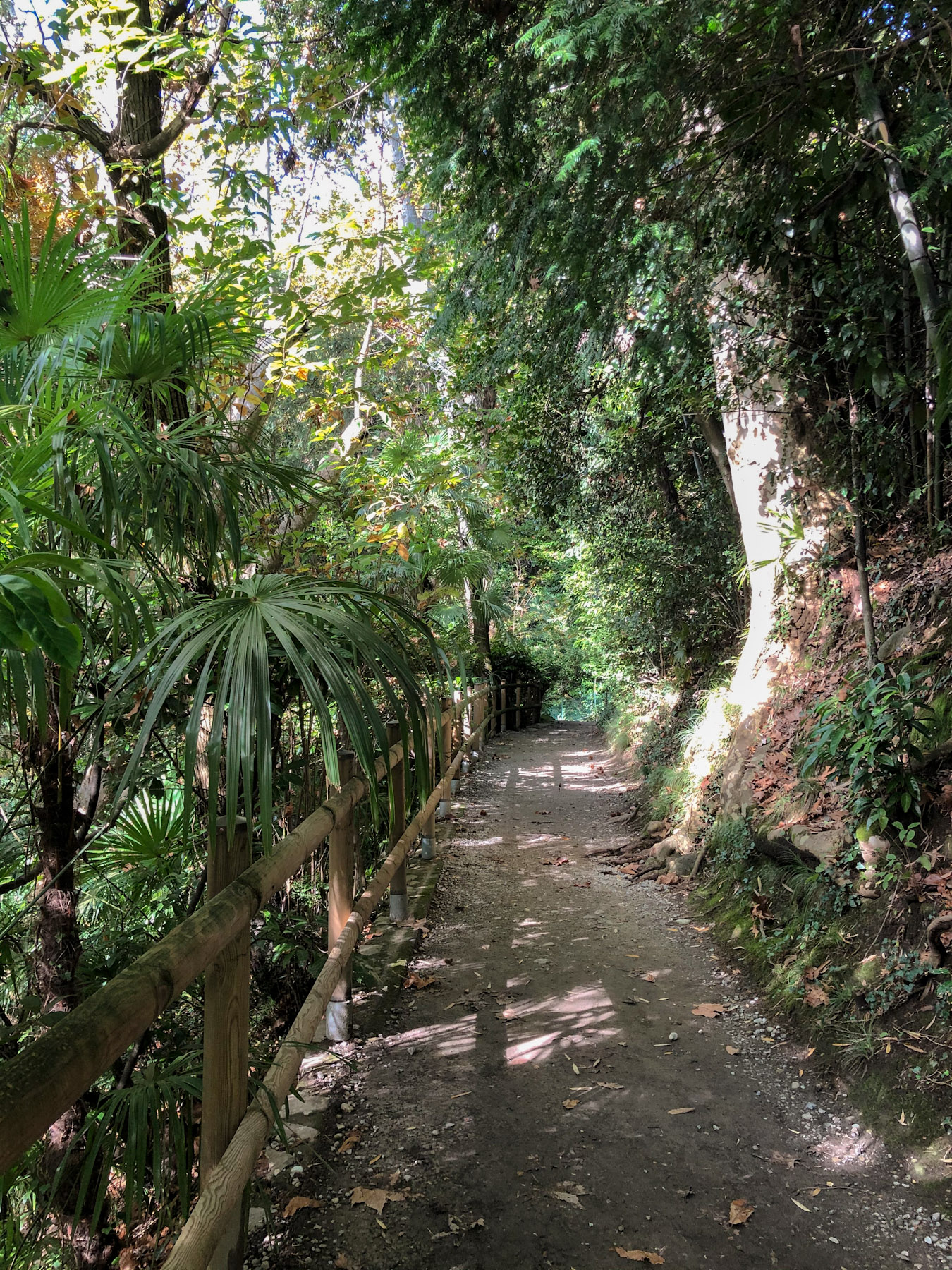
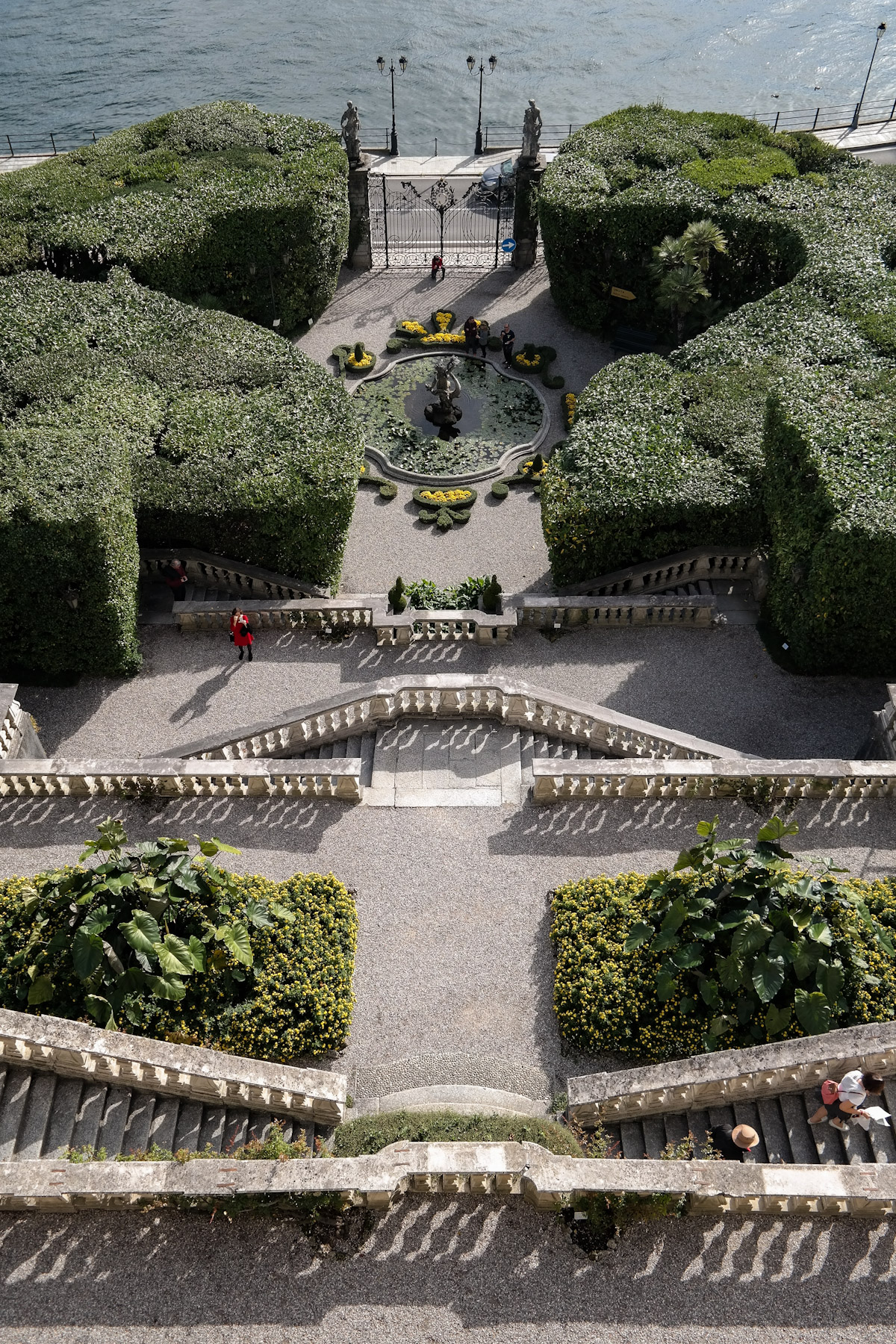
I headed for the gardens first (naturally). While I was six months too late to see the rhododendrons in their springtime riot, the rock garden was still bursting with color. I was particularly drawn to the Valley of Ferns, a lush, sunken hillside commissioned by Duke Georg II that feels like a prehistoric sanctuary. Stately giants – sweet chestnuts, dawn redwoods, and umbrella magnolias – stand guard throughout the 20-acre estate, creating a sense of ancient grandeur.
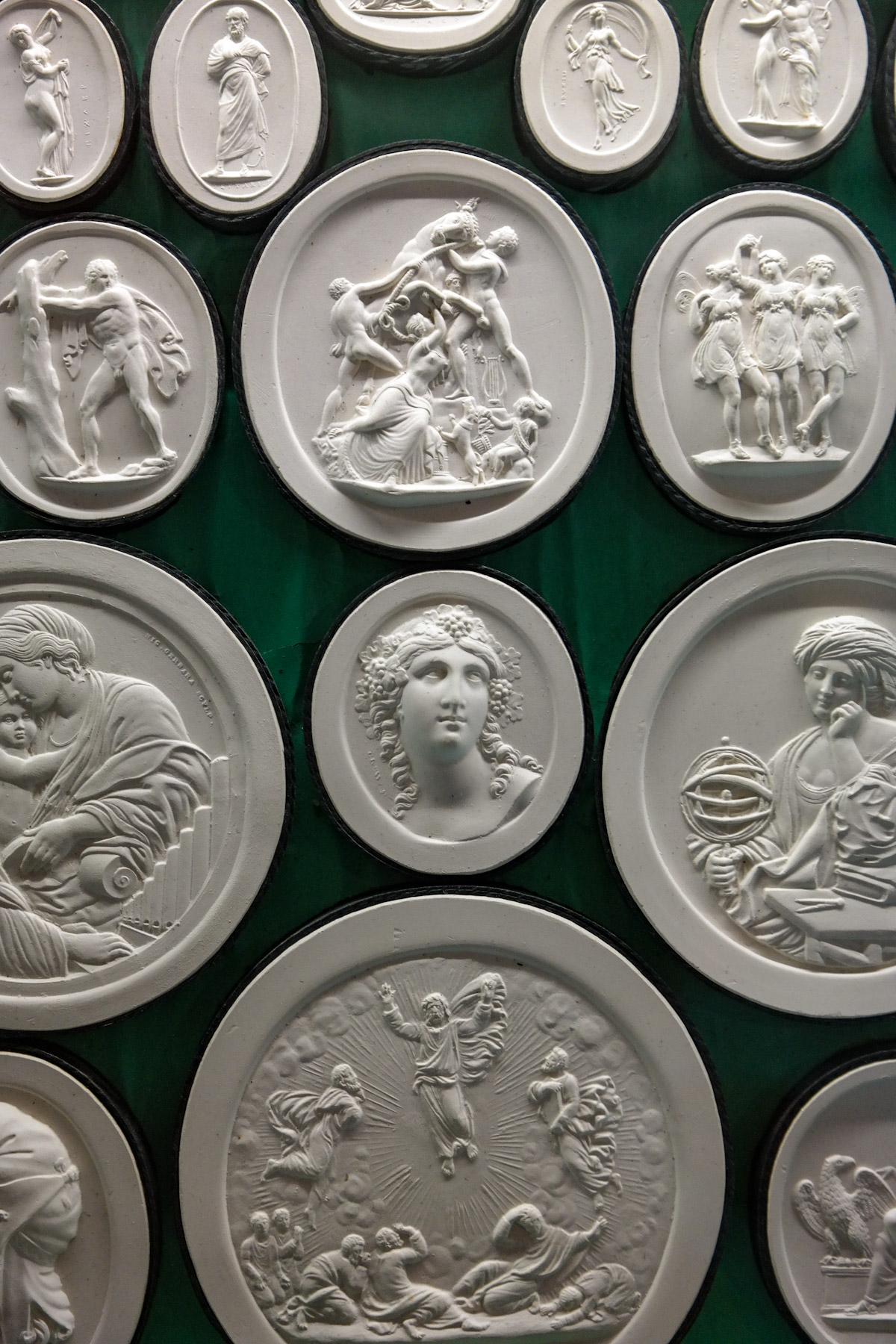
Inside, the villa houses a world-class sculpture collection. I spent a good while admiring the near-perfection of Cupid and Psyche (an 1818 replica by Canova’s star student, Adamo Tadolini) before becoming completely hooked in the Cameos Room. Seeing 400 meticulously carved plaster cameos depicting Italy’s greatest landmarks felt like viewing a miniature Grand Tour through a magnifying glass.
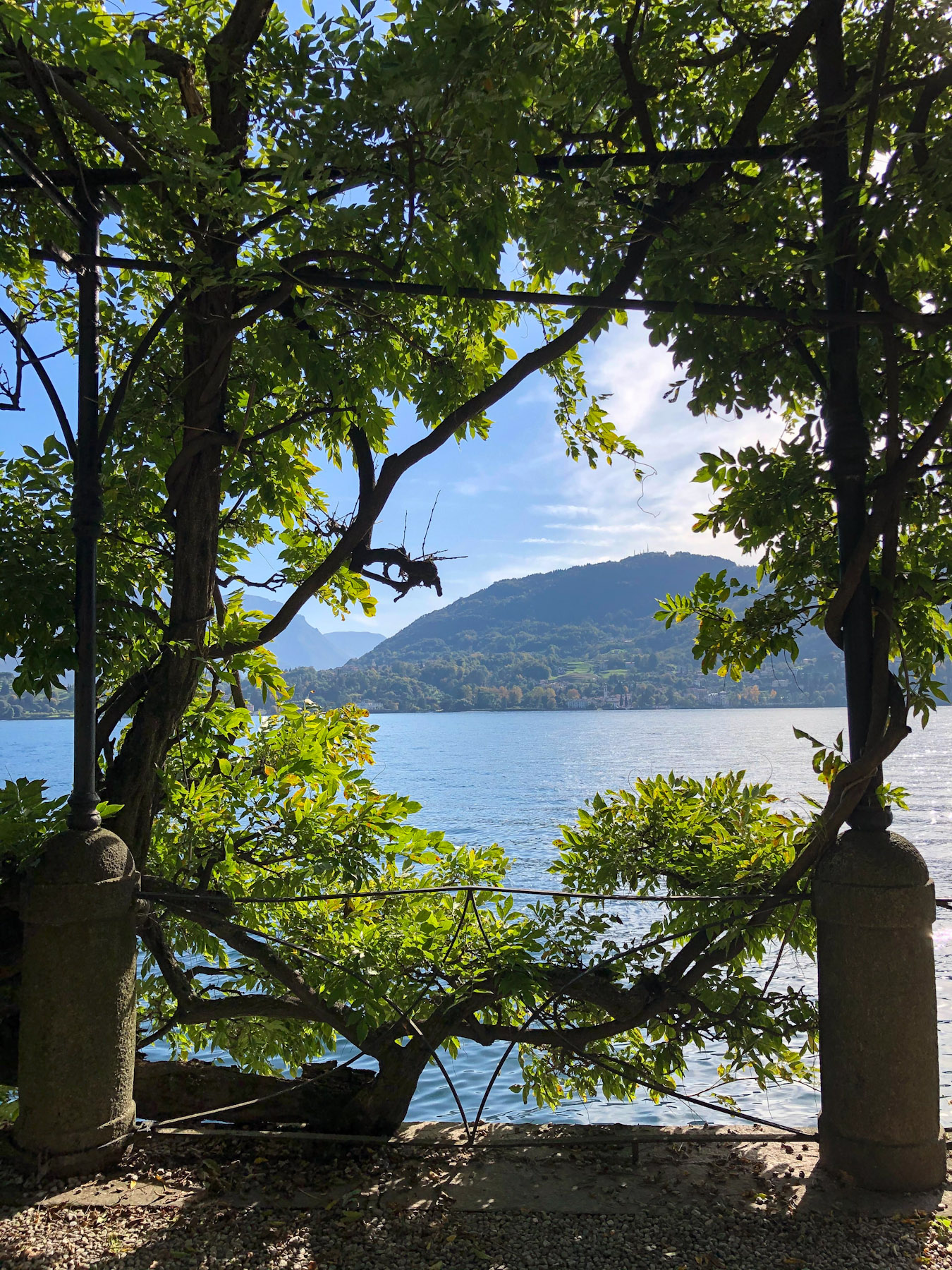
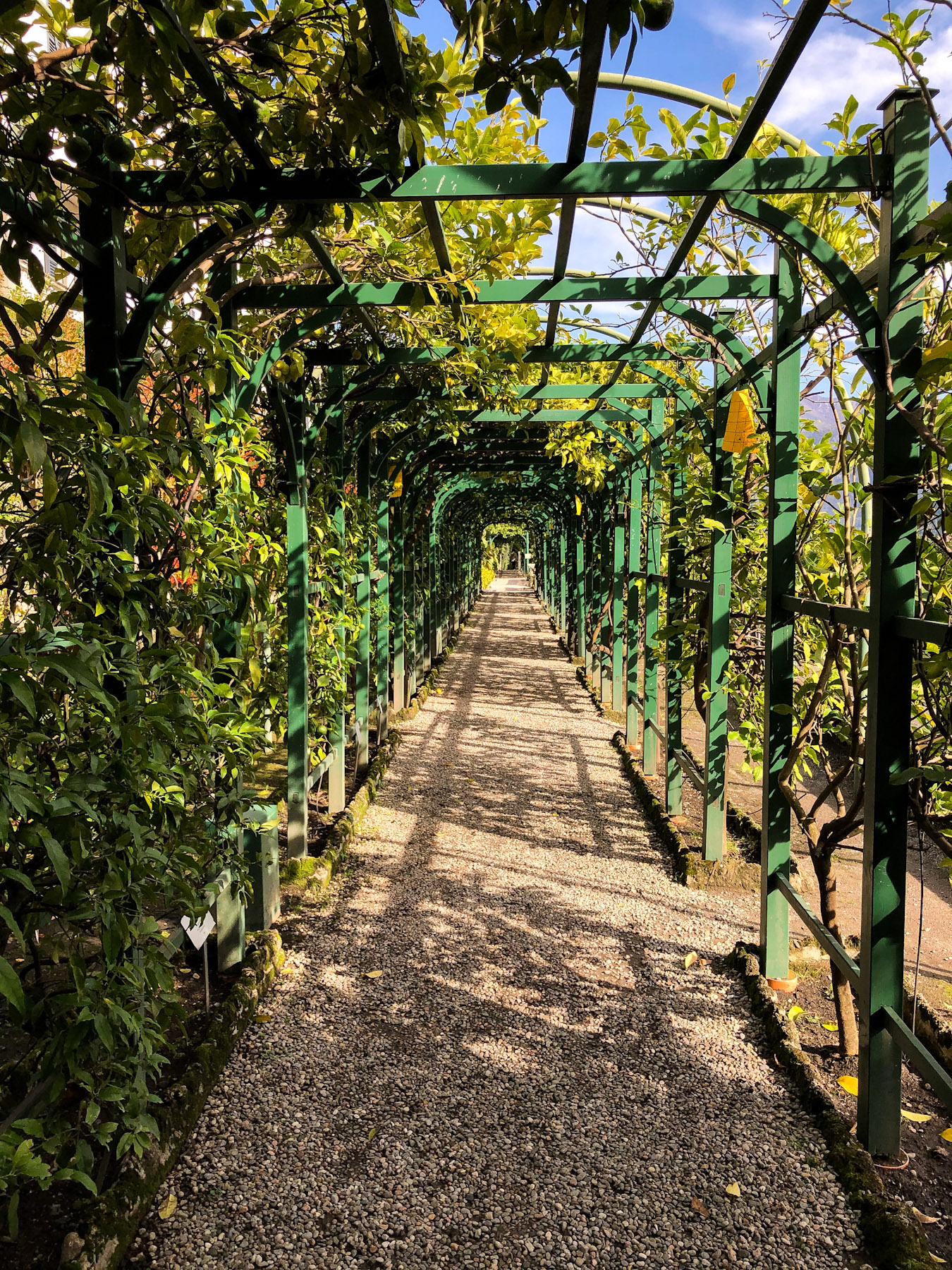
Before departing, I took a final loop through the Giardino vecchio. The hydrangeas were fading under the mid-autumn chill as I traipsed through the Citrus Tunnel. A few late-summer “hangers-on” still clung to the branches, though the trees would soon be wrapped in plastic for the winter. I ended the visit by descending the five flights of the original tiered Italian gardens, reaching the lakefront just as the afternoon light began to mellow.
From Paninis to Panoramas
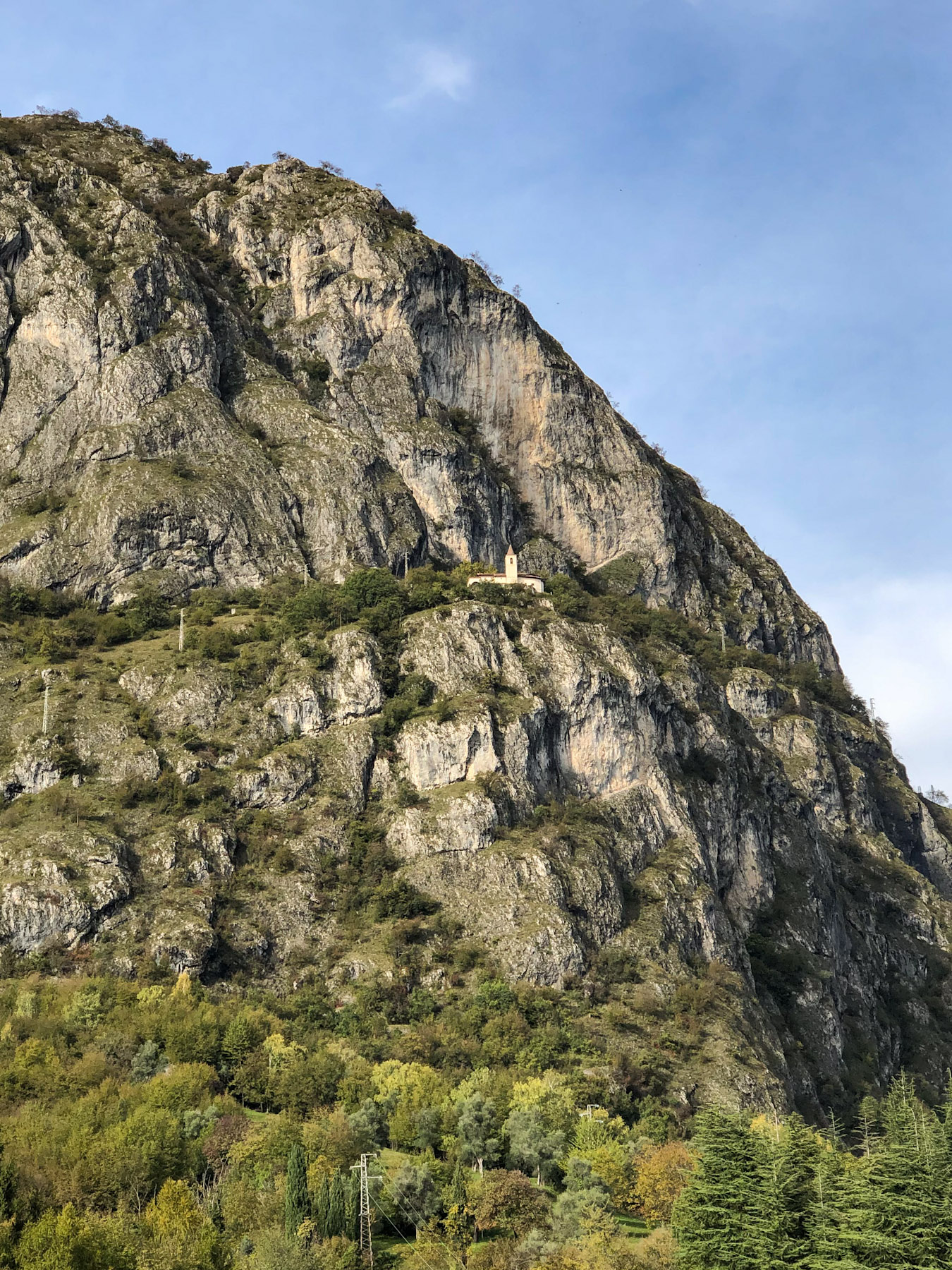
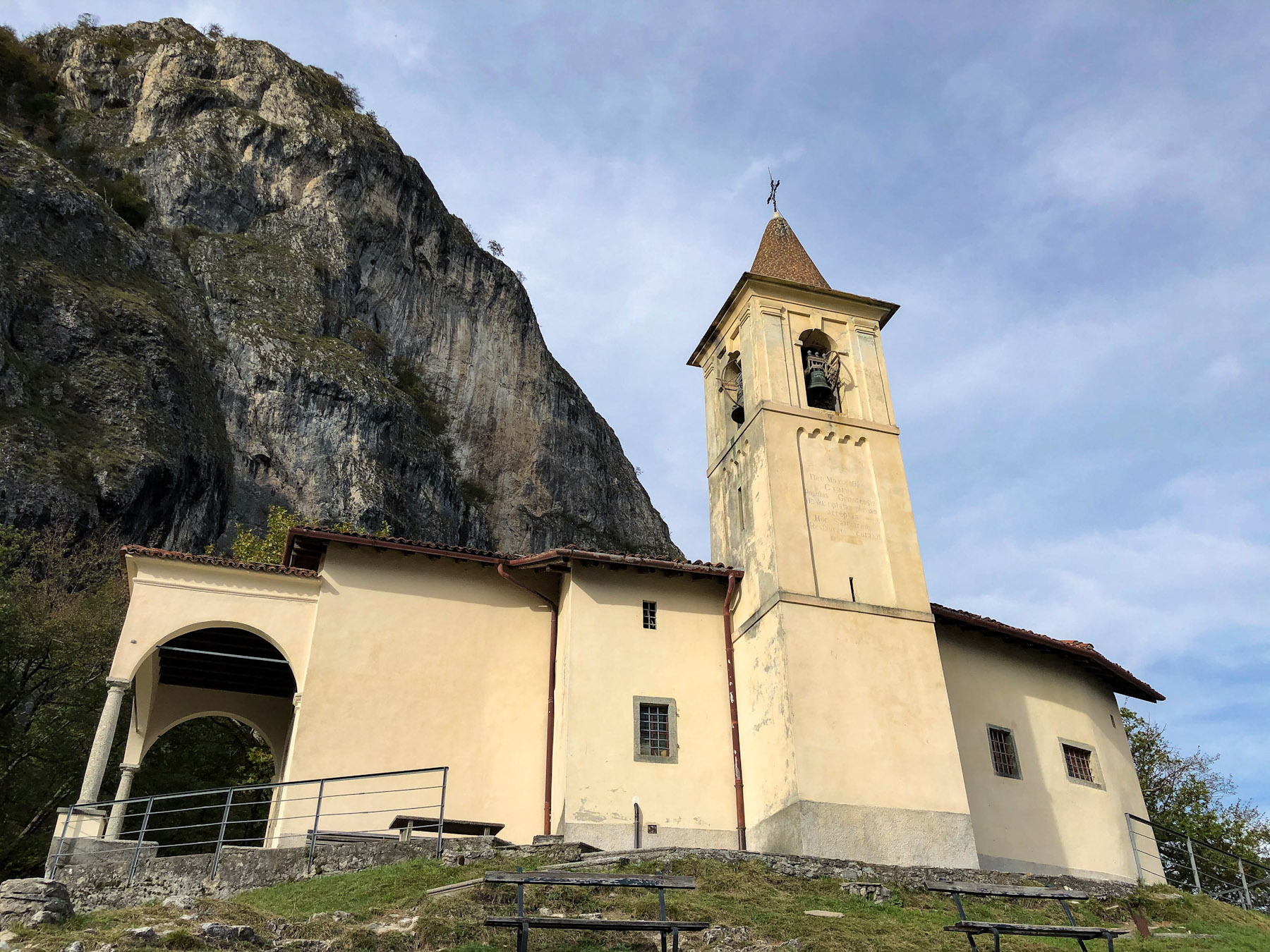
After a quick panini lunch, I shifted gears from art history to physical exertion. My goal was the Chiesa di San Martino, a tiny white chapel that, from the shore, looks as though it’s been glued to a vertical rock face high above Griante.
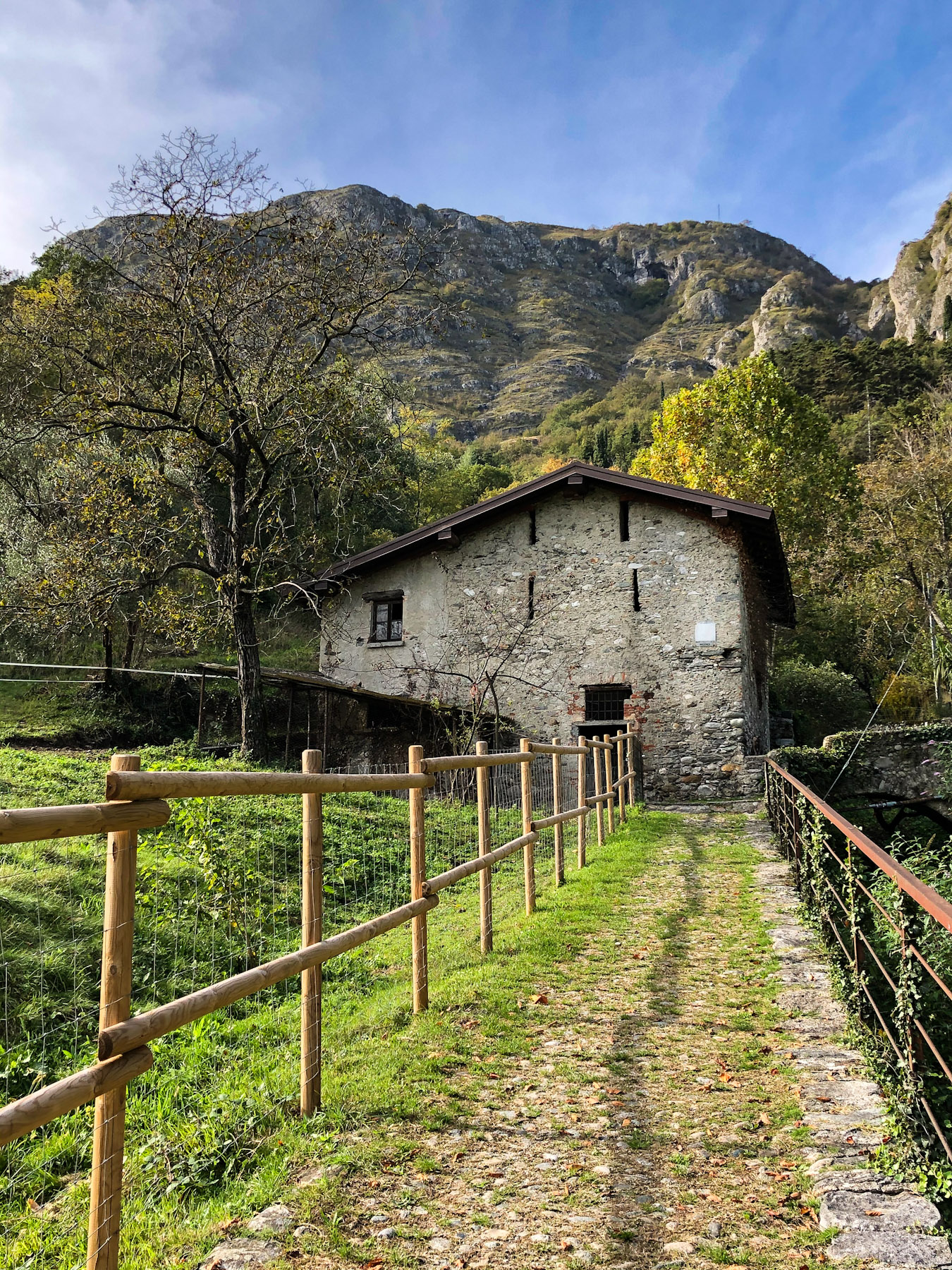
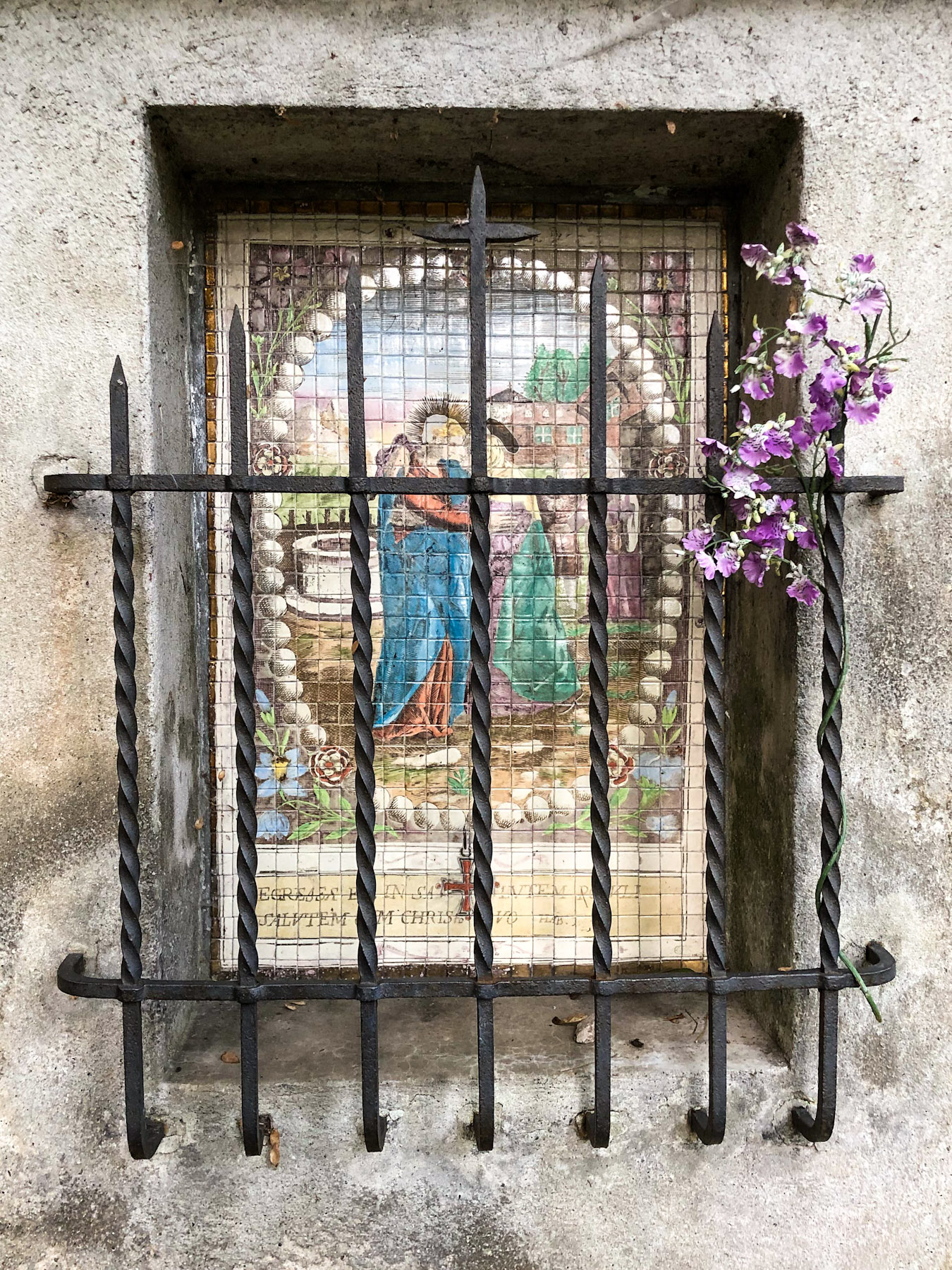
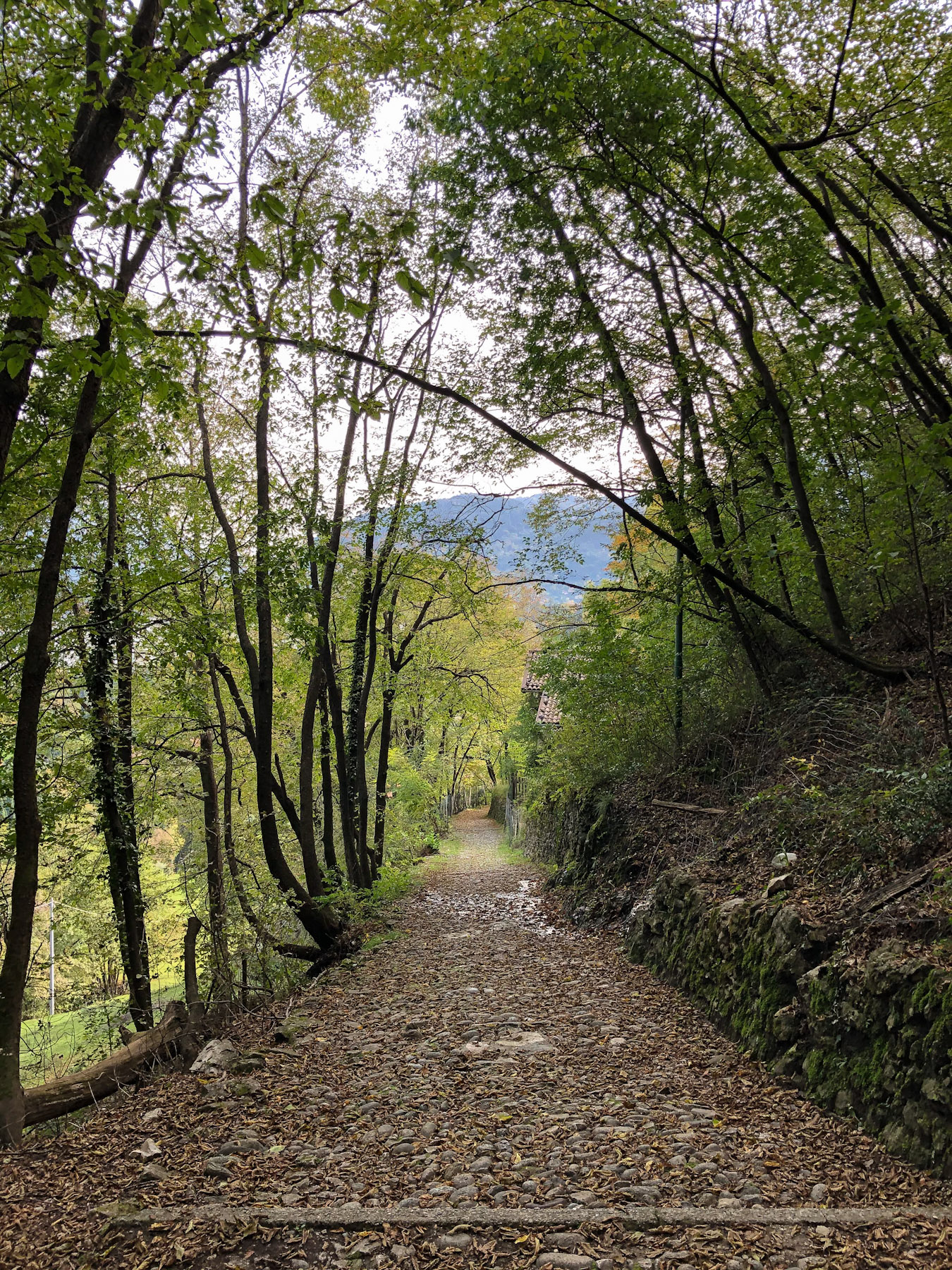
The ascent began in the hills above the Cadenabbia ferry dock. I crossed a footbridge over the Torrente del Ronconi before turning sharply upward. The path is a beautifully maintained stretch of inlaid cobblestones that winds past a series of chapels depicting the Stations of the Cross. I noticed small offerings of plastic flowers left at the mosaics – a quiet, local touch that marked the trail’s history as a site of pilgrimage.
The hike is a bit of a “leg-burner,” but the views reward you at every hairpin turn. Just as the incline began to test me, I reached the gate to the churchyard.
Finding Serenity at the Top
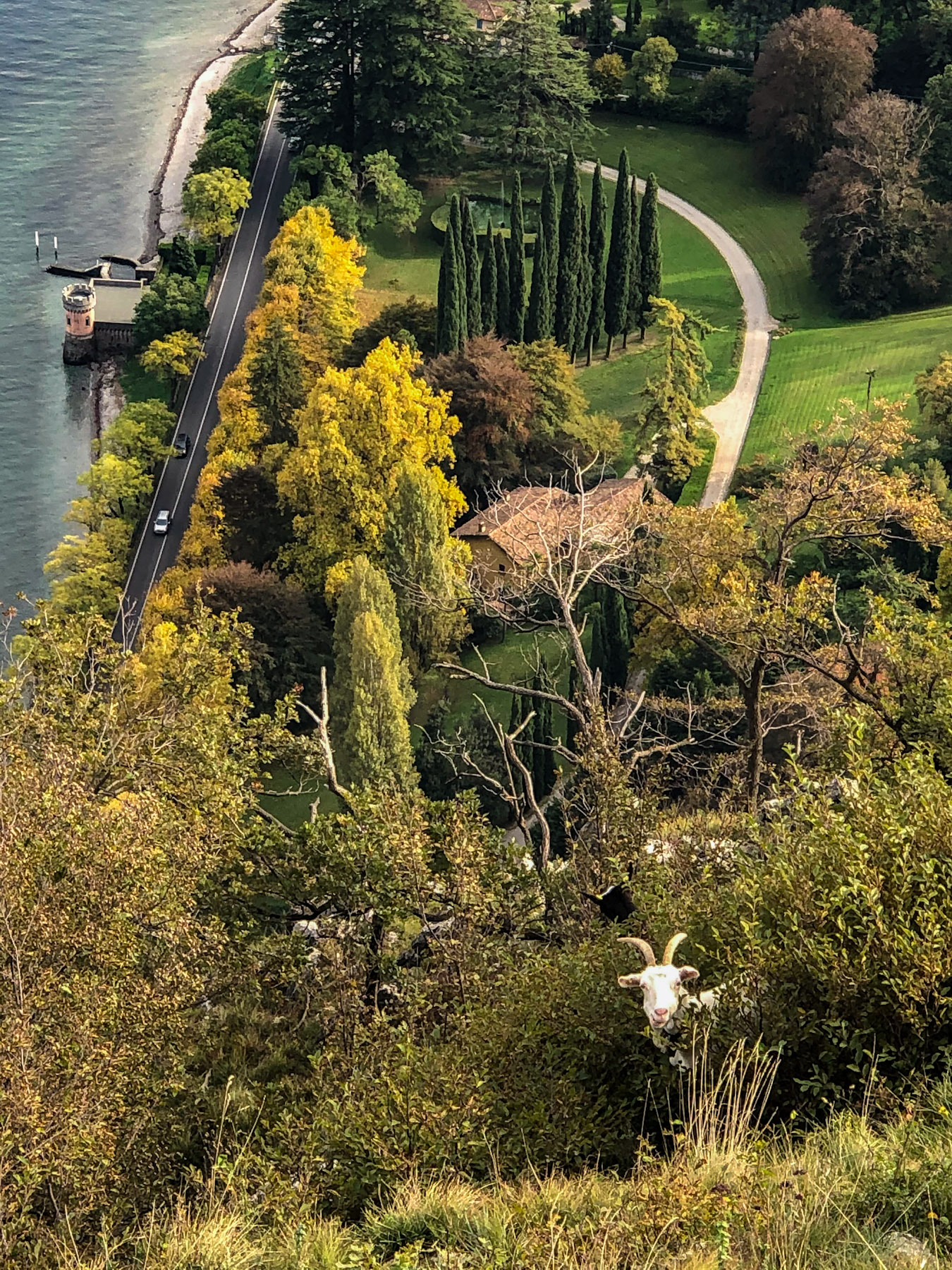
The Chiesa di San Martino sits on a grassy knoll at the foot of a sheer precipice, and as I arrived, I found I had the place almost entirely to myself – save for a few goats chomping contentedly on mountain scrub.
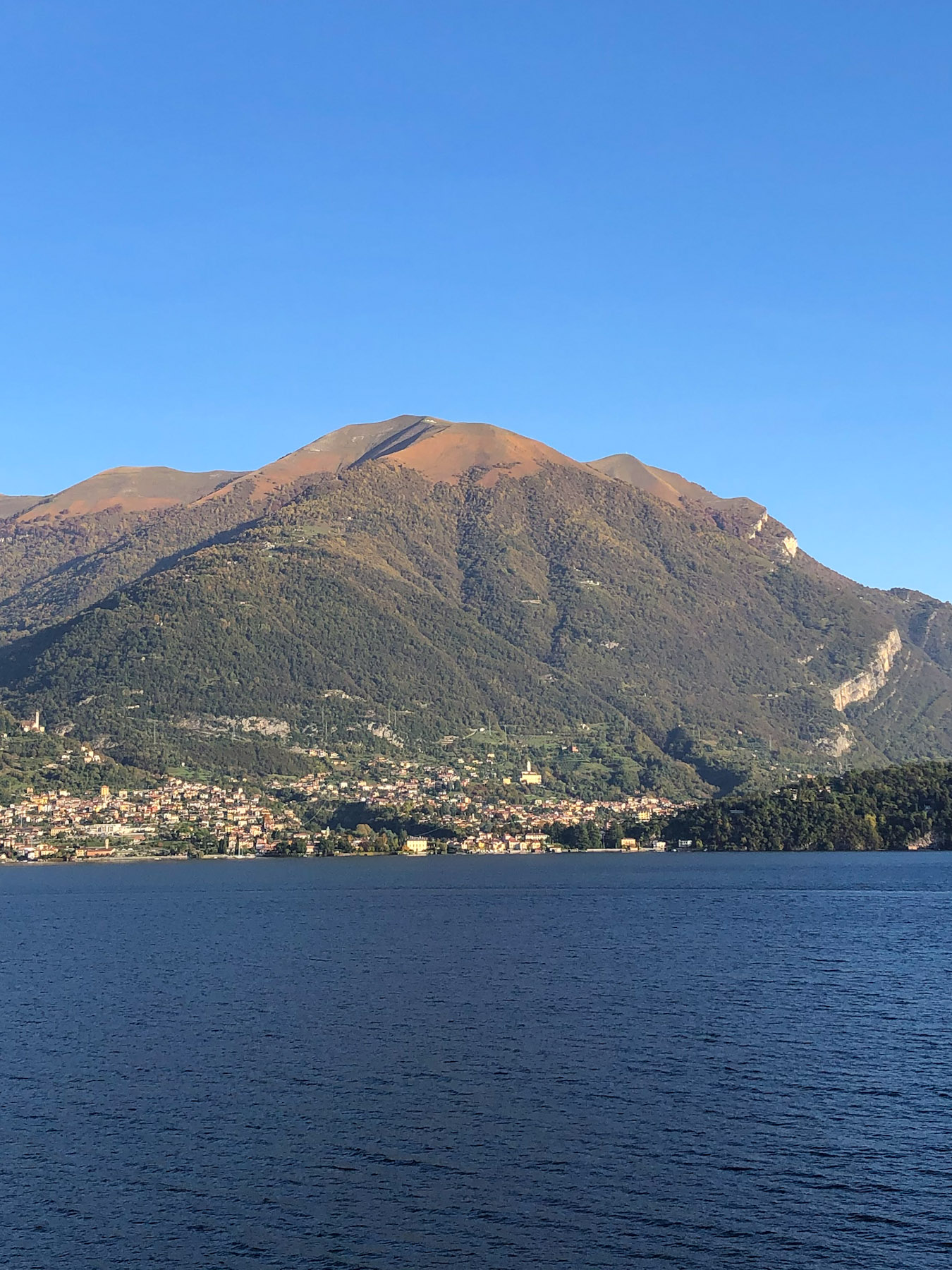
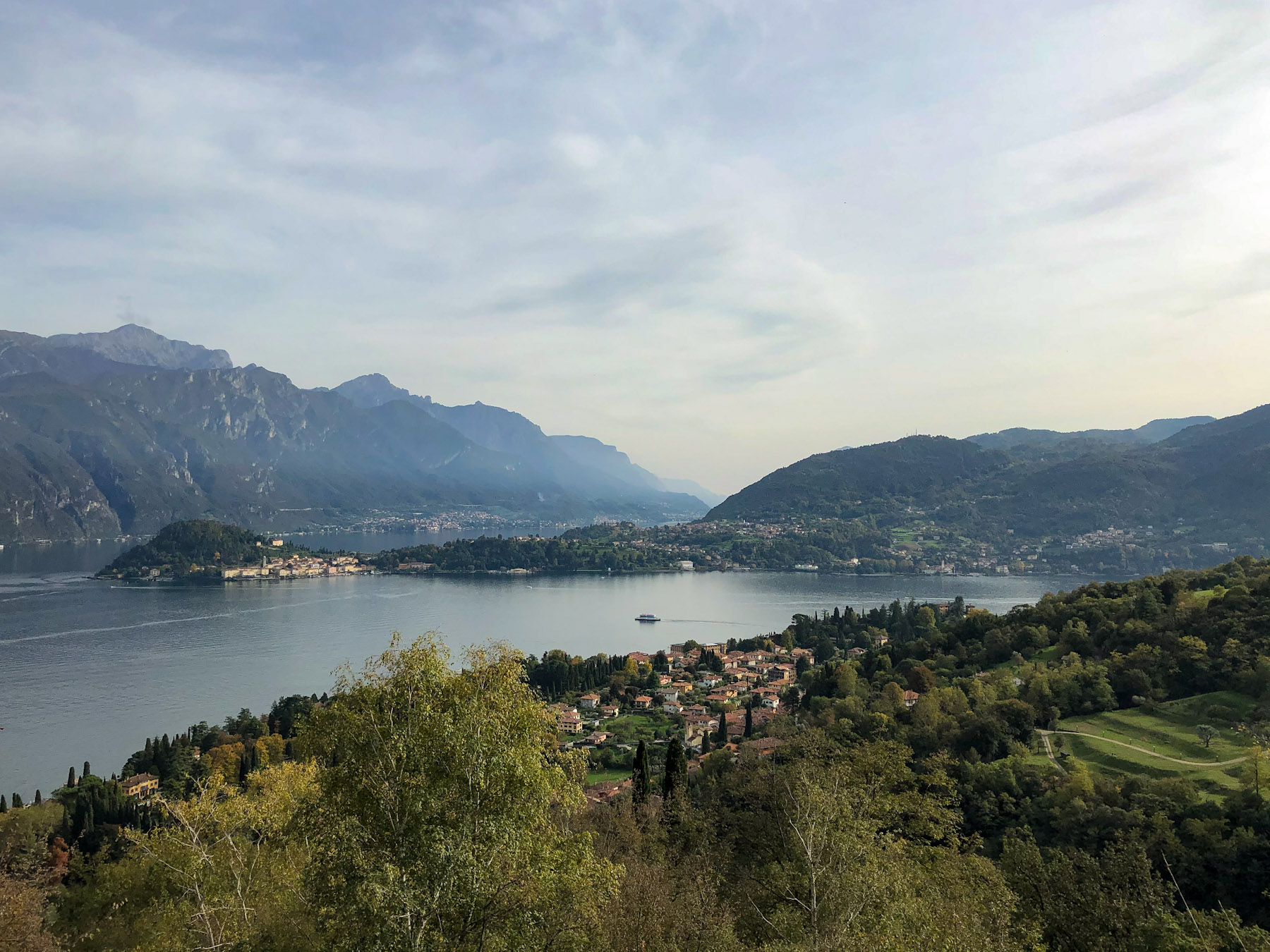
The church was locked, but the “view from the pews” outside was spectacular. From this height, the lake splits into its two famous branches: the Ramo di Como and the Ramo di Lecco. I could trace the entire peninsula of the Larian Triangle and watch as a thin veil of fog began to settle over the water.
I bade farewell to my goat companions and began the descent. Looking back up at the white chapel against the grey stone, it felt like the perfect conclusion to a day in Tremezzina: a mix of human-made beauty and the raw, overwhelming power of the Italian Alps.


Last visited in October, 2019