
Milan, Italy
A Tale of Two Milans: From Porta Nuova Spires to Navigli Nights
Milan is a city that demands a second look. I’ve ventured to Italy’s fashion capital twice: first in September 2018 with Charles following a dreamy stint on Lake Como, and again the following year in October 2019 on a solo pilgrimage back to Northern Italy. Both times, I found a city brimming with soul, scent, and some of the world’s most profound art.
Modern Luxury and Skyline Views in Porta Nuova
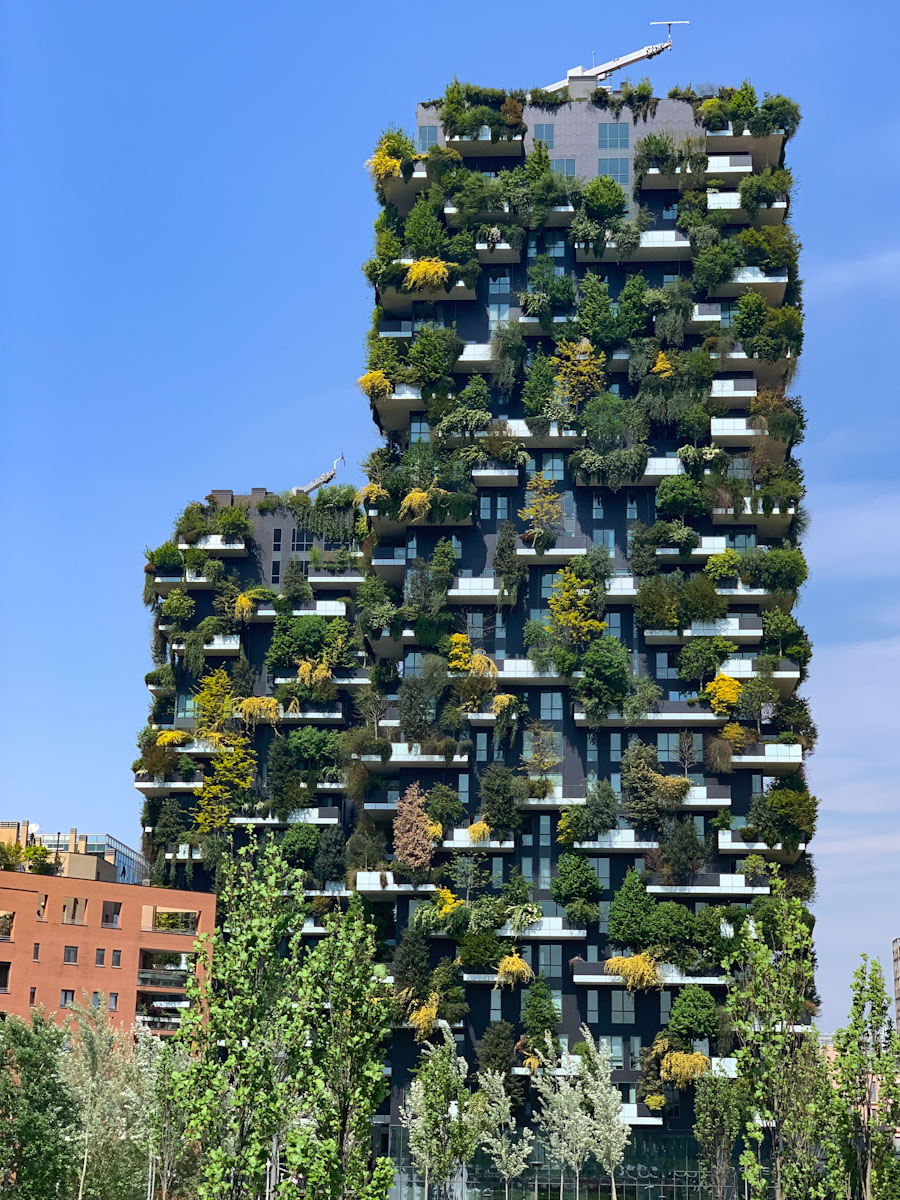
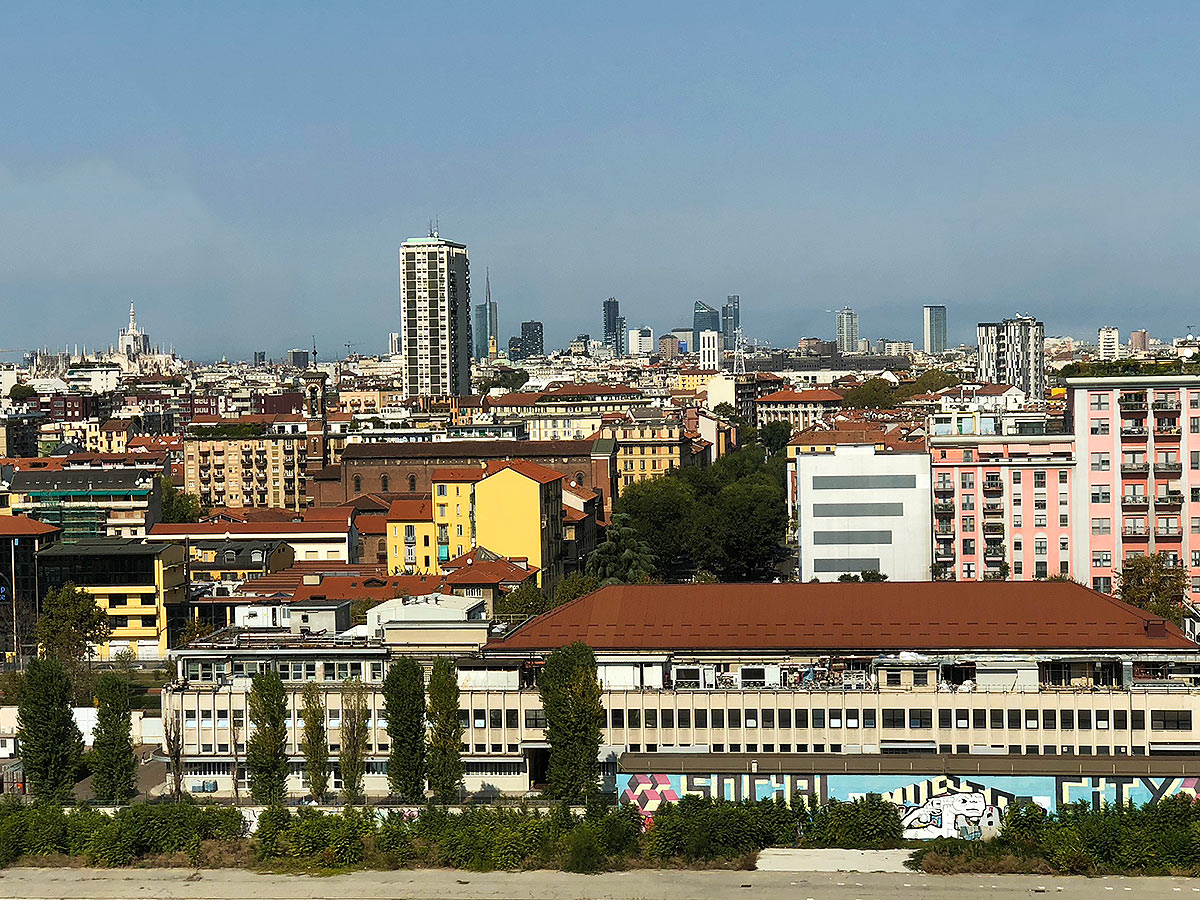
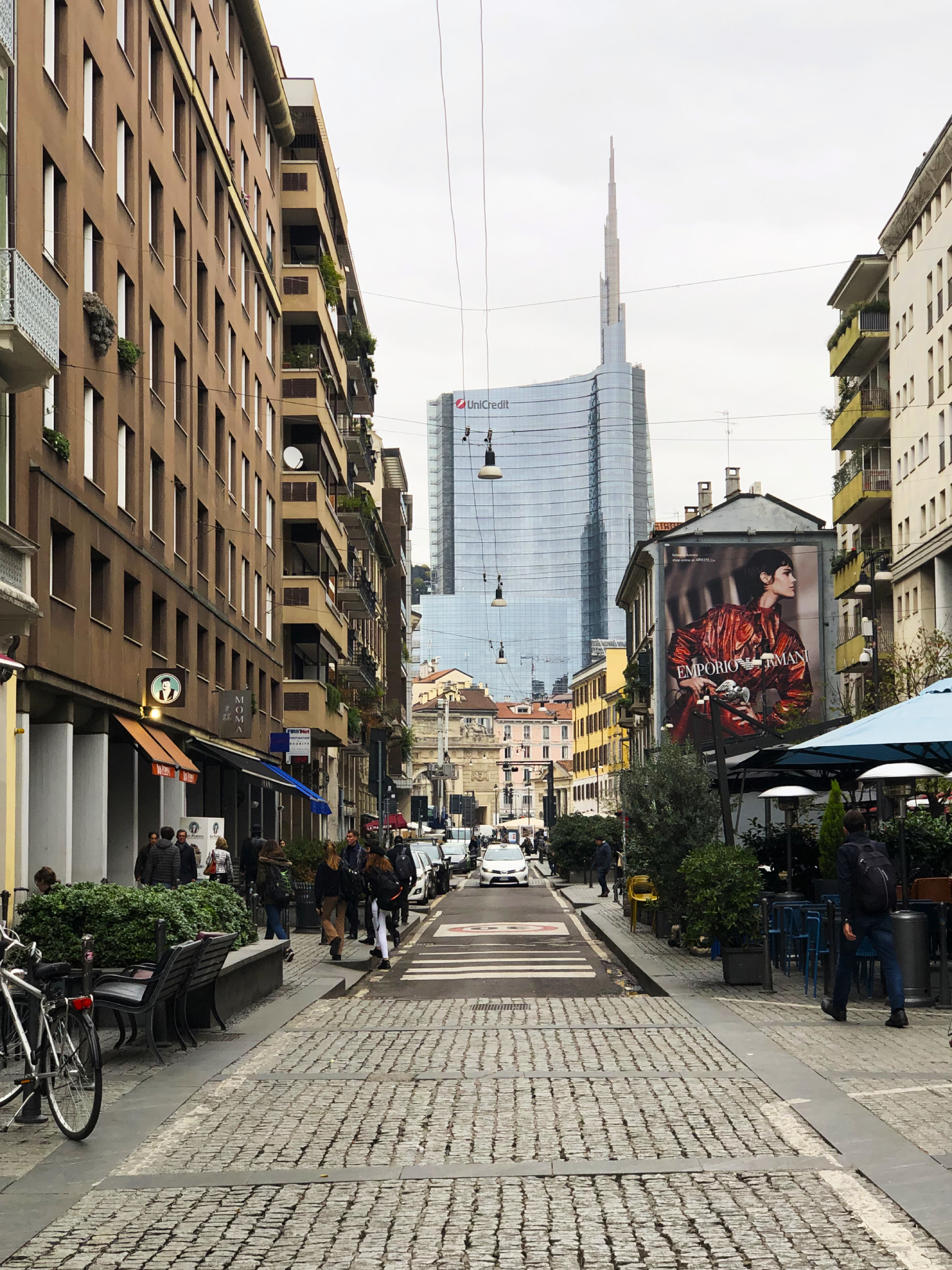
For our 2018 stay, we chose the ME Milan Il Duca on Piazza della Repubblica, right near Centrale station where we dropped off our rental car—incredibly convenient. We stayed in a Junior Suite that was as spacious as it was modern. Breakfast was served at the Radio Rooftop Bar, which offered panoramic views of the new Porta Nuova skyscrapers, including the famous Bosco Verticale (Vertical Forest). These residential towers are a marvel of metropolitan reforestation, draped in over 900 trees that create a living, breathing facade.
Historic Icons: Duomo, Galleria, and the Quadrilatero d’Oro
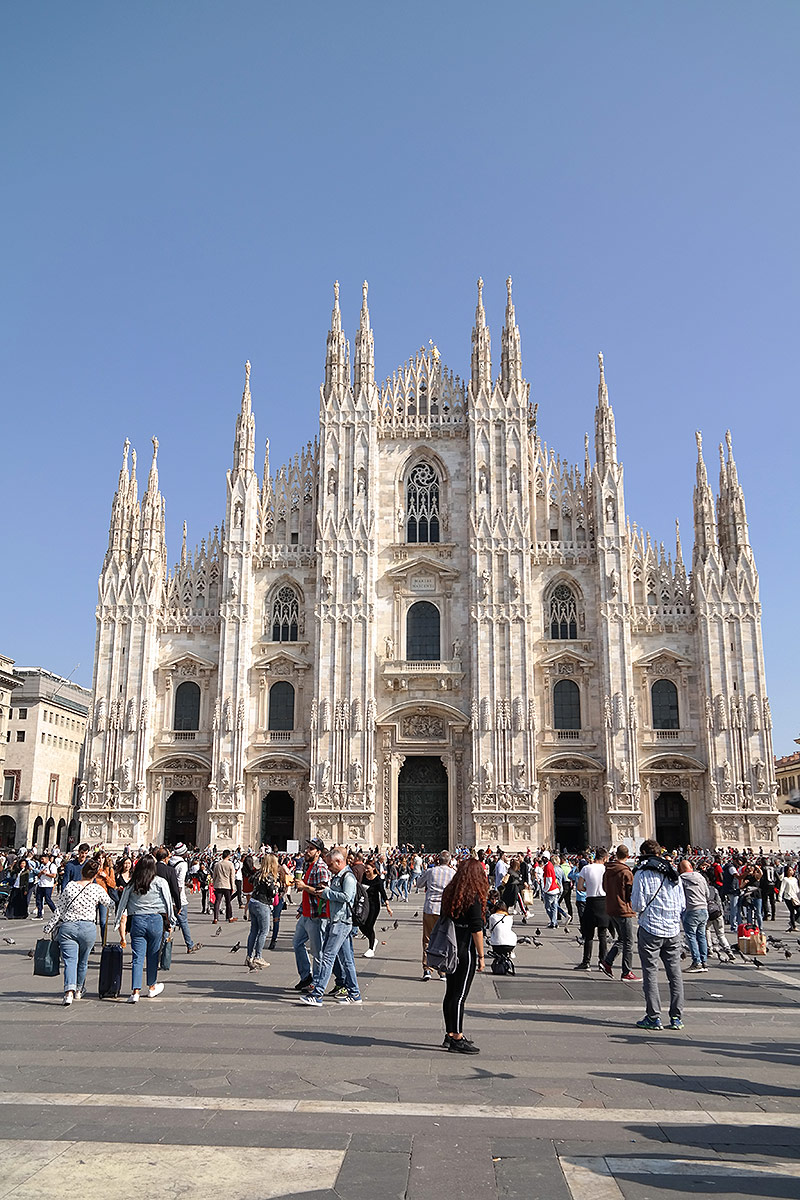
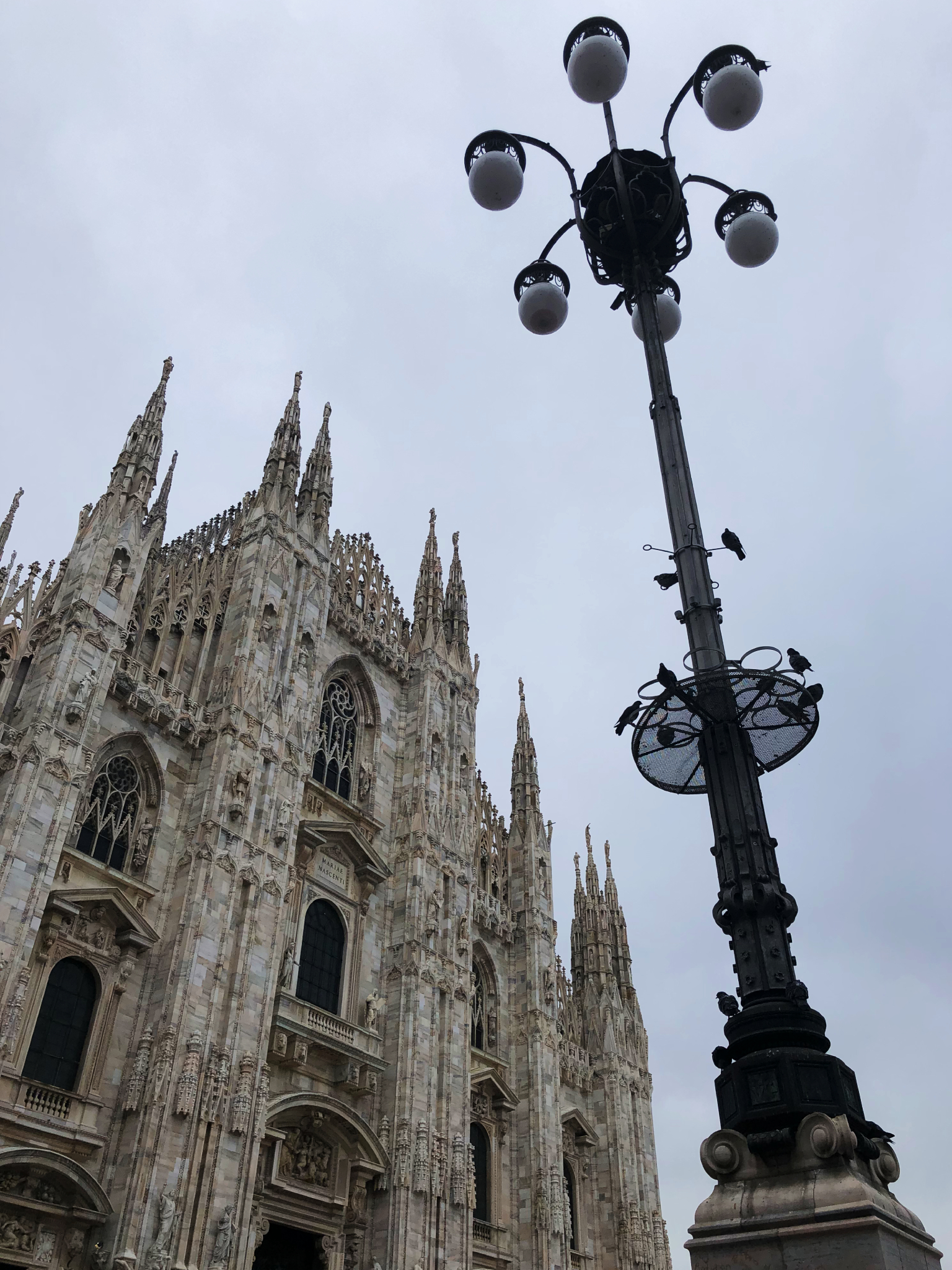
Our first day was spent exploring the city’s timeless icons, starting with the Piazza del Duomo. The Duomo di Milano is a staggering feat of endurance; it took nearly six centuries to complete, resulting in a prickly forest of 135 spires and over 3,400 statues. It is the largest church in Italy (since St. Peter’s is technically in Vatican City), and its pearly Candoglia marble gives it a ghostly glow that never fails to impress.
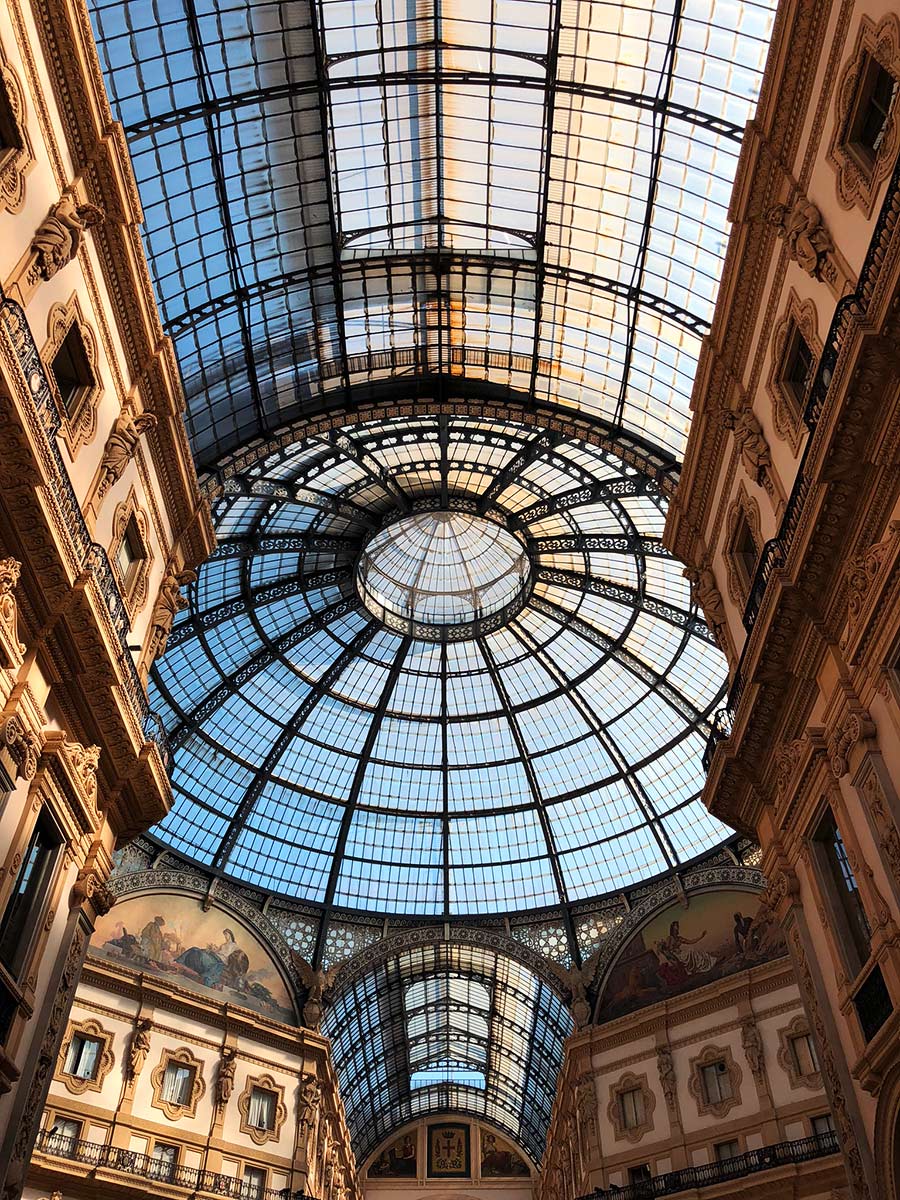
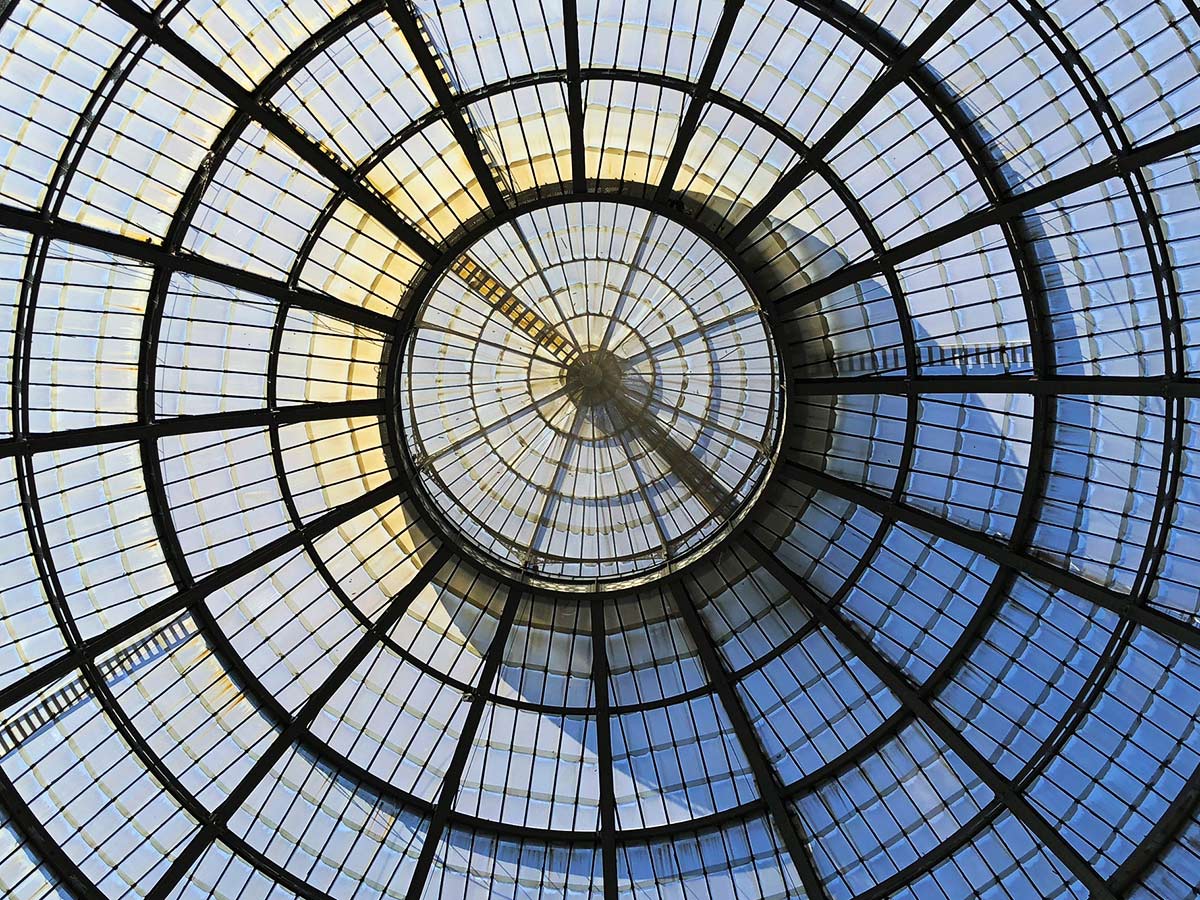
Just a few steps away, we entered the Galleria Vittorio Emanuele II. Often called “il salotto di Milano” (Milan’s drawing room), this four-story double arcade was completed in 1877 and remains one of the world’s oldest shopping malls. Its soaring iron-and-glass vaults and intricate floor mosaics represent the height of 19th-century grandeur.
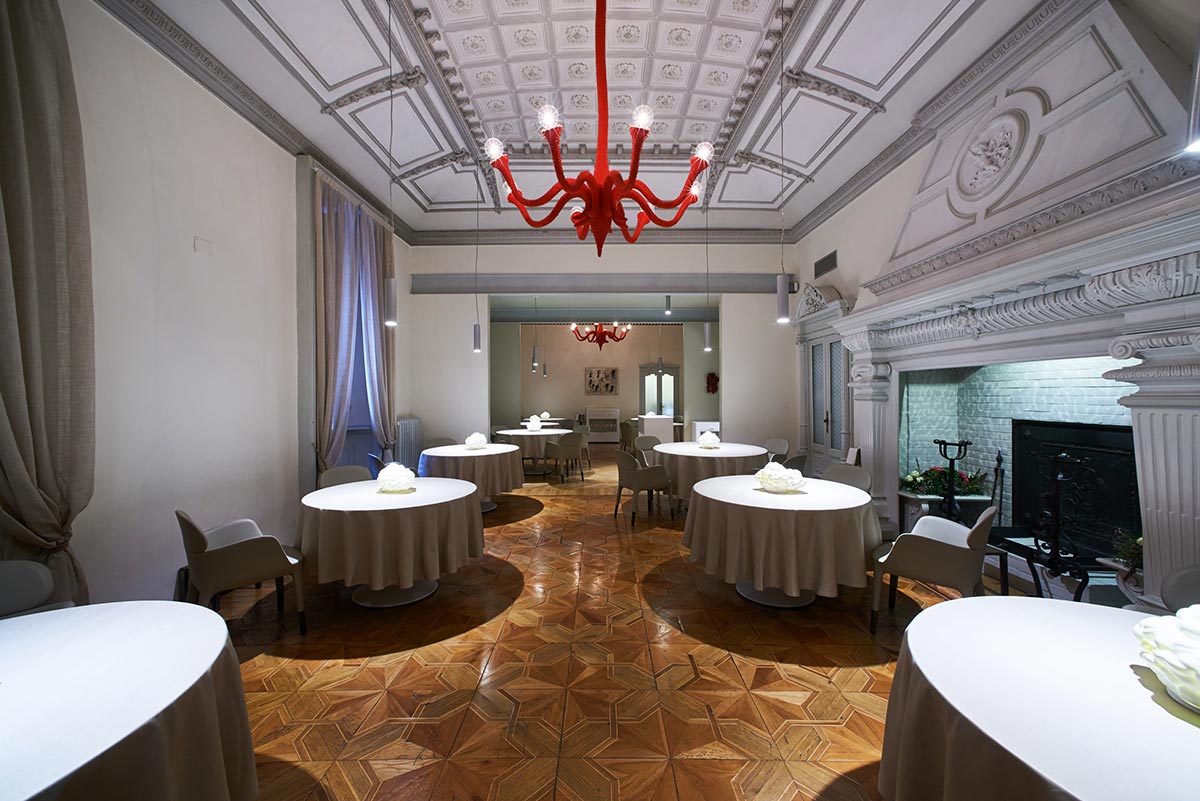
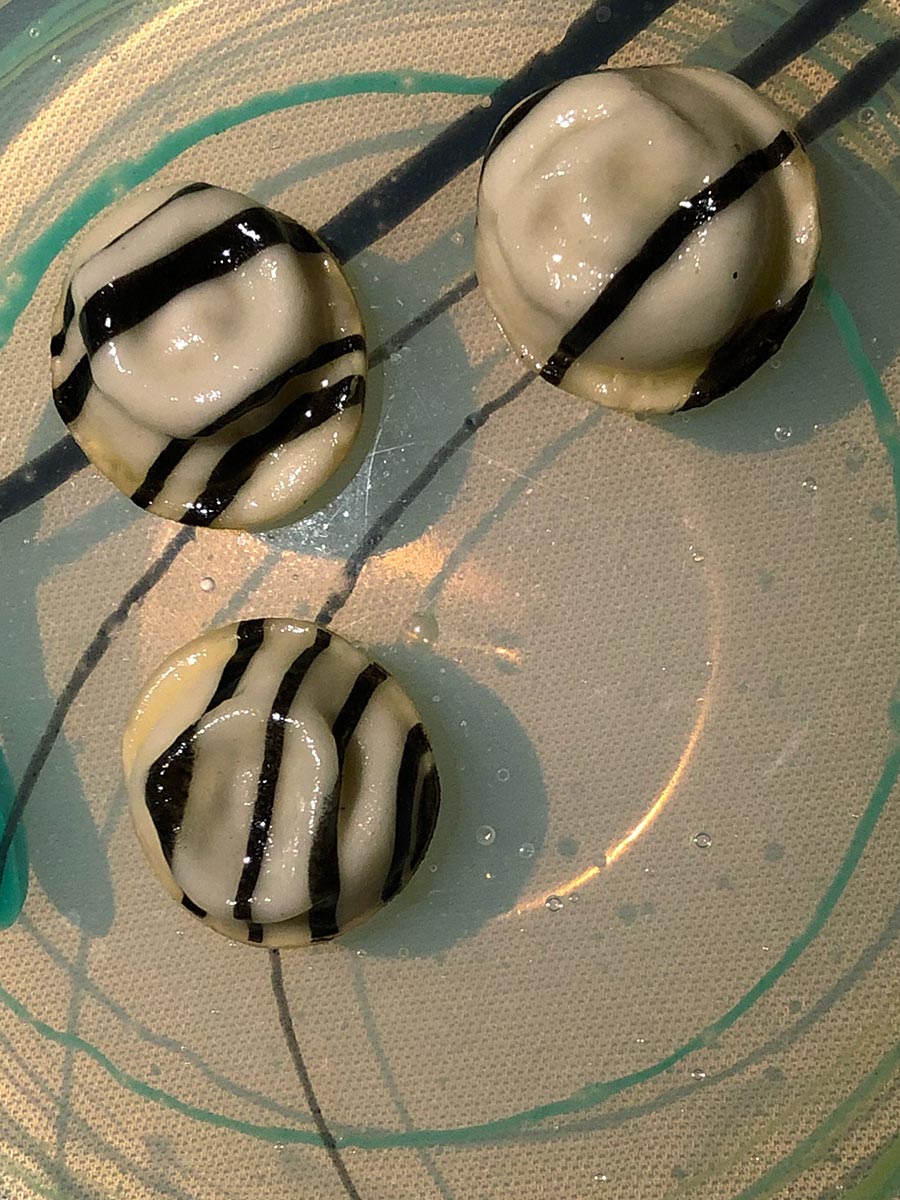
After a stroll through the Quadrilatero d’Oro—Milan’s high-fashion heart where the world’s elite brands reside—we visited Peck on the recommendation of Charles’s brother. We stocked up on gourmet treasures like truffle butter, truffle honey, and artisanal chocolate bars that looked like works of art. Later that night, we took a taxi to the Navigli neighborhood for a reservation at the Michelin-starred Contraste, where the inventive menu turned dinner into a theatrical event.
Art, Opera, and Late-Night Pizza in Brera
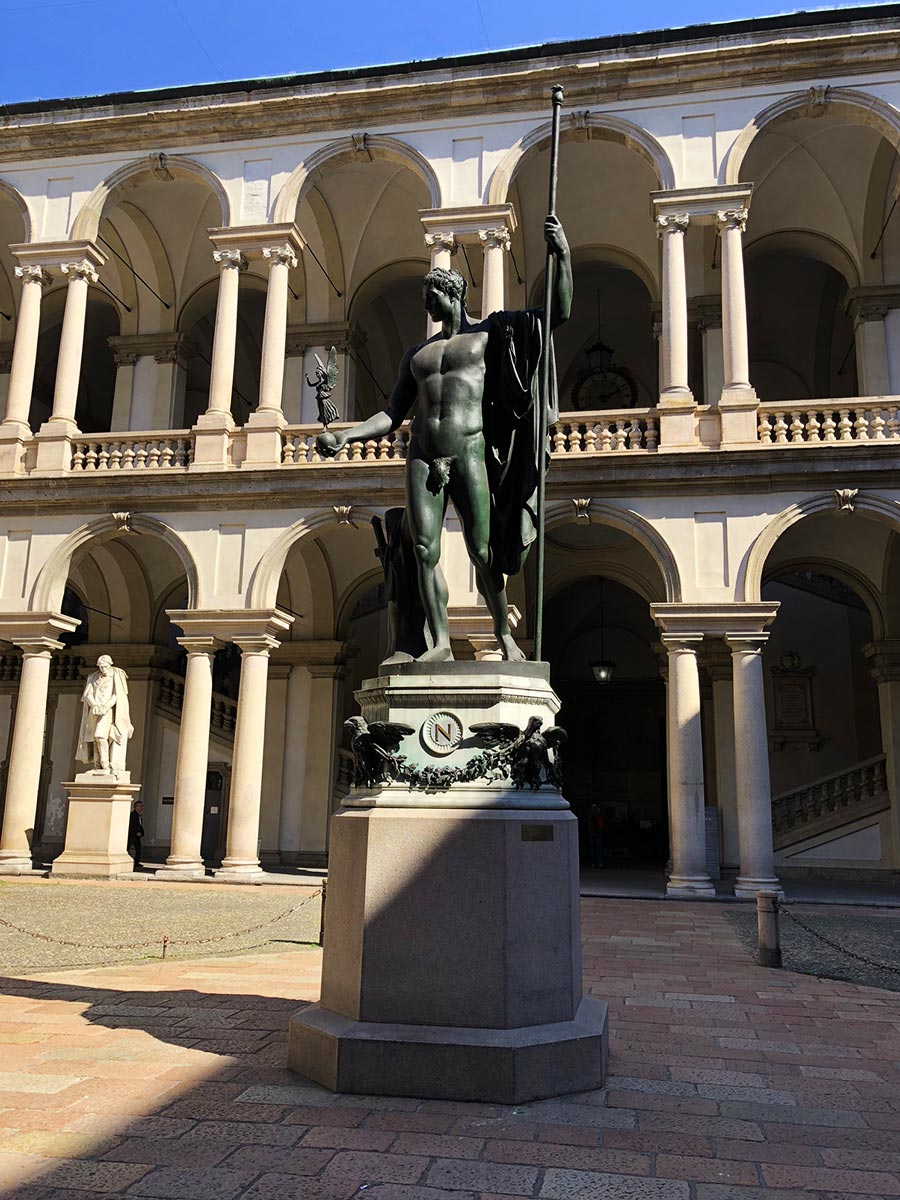
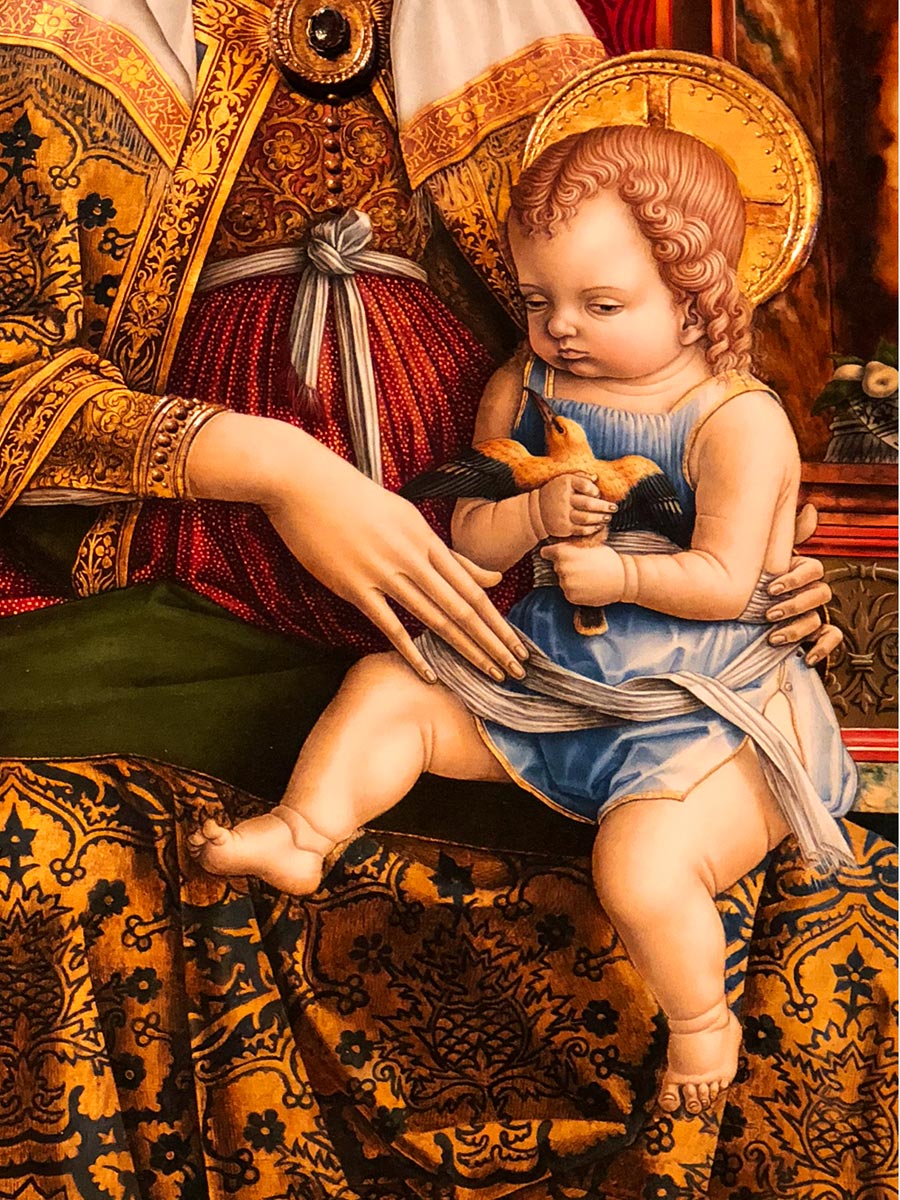
The next day was dedicated to the Brera neighborhood and the eponymous Pinacoteca di Brera. This is no ordinary museum; it was established by Napoleon in the early 1800s to house the most significant paintings from all the territories conquered by the French army. Walking through its halls is a journey through the soul of the Italian Renaissance, featuring heavyweights like Raphael’s The Marriage of the Virgin and Mantegna’s Lamentation over the Dead Christ. One of the museum’s most charming features is the glass-walled restoration laboratory, where you can watch experts meticulously preserving centuries-old canvases in real time.
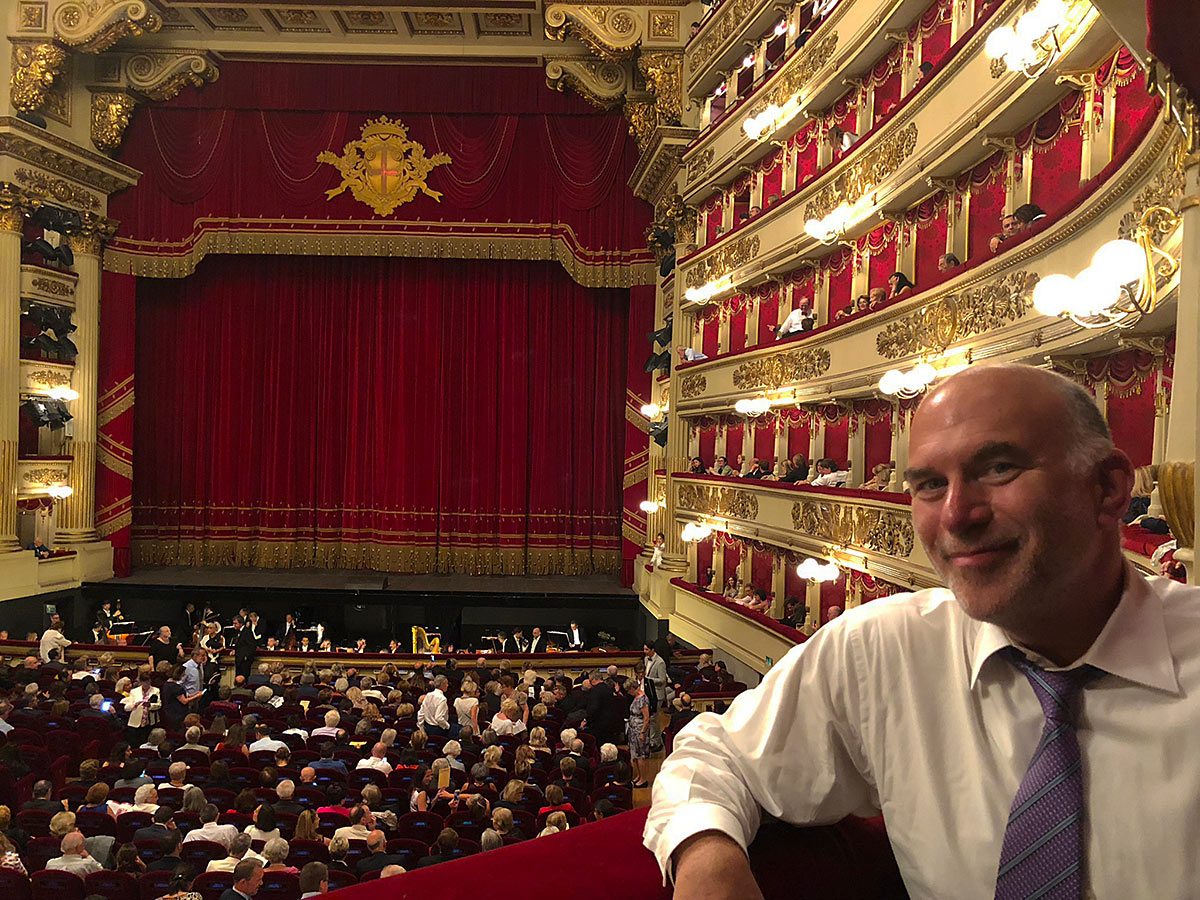
I fell in love with the boutiques along Via Solferino and did some serious damage at Libero Milano. That evening, we had a private box at Teatro alla Scala to see Verdi’s Ernani, with sets designed by one of Charles’s clients. The box was stifling with no airflow, but it felt authentically Milanese—exactly how opera has been experienced for centuries. Afterward, we grabbed late-night pizza at Dry, a hip spot with a young, stylish crowd.
Fondazione Prada and Our New Fragrance Obsession
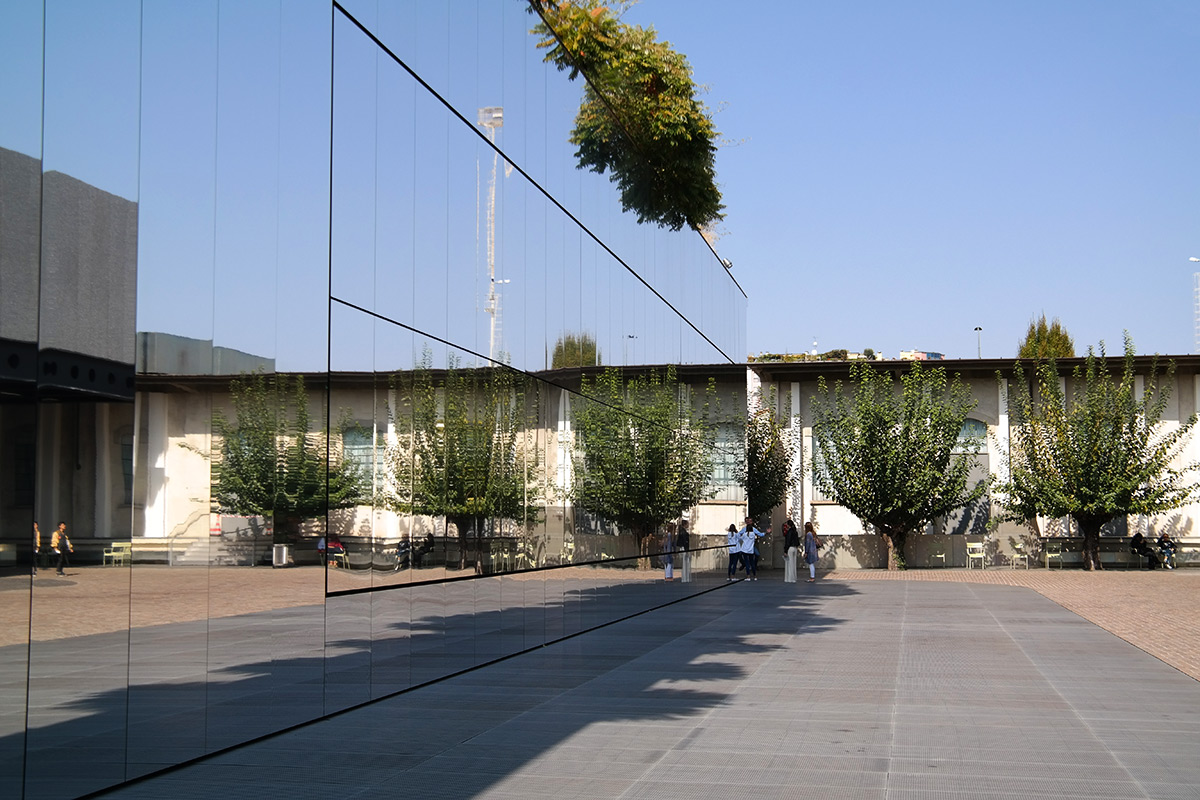
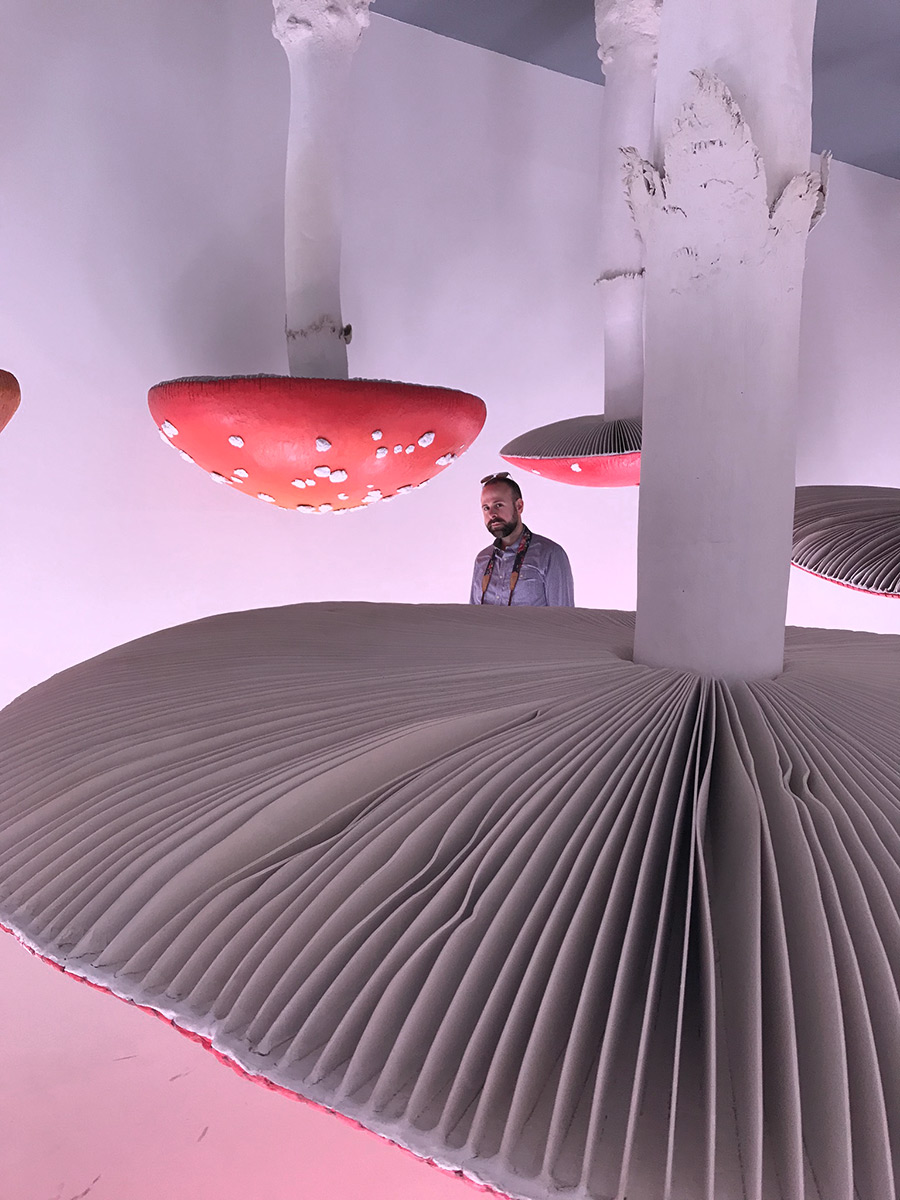
On our final day, we took the metro to Fondazione Prada in the Porta Romana district, an architectural landmark designed by Rem Koolhaas that masterfully blends a century-old distillery with bold new structures, most notably the four-story Haunted House clad entirely in 24-karat gold leaf. Inside, the art is equally daring; we particularly loved the Upside Down Mushroom installation by Carsten Höller, which plays with perspective as you wander through a suspended forest of giant fungi. It is a space where fashion meets philosophy, serving as the perfect bridge between Milan’s industrial heritage and its avant-garde future.
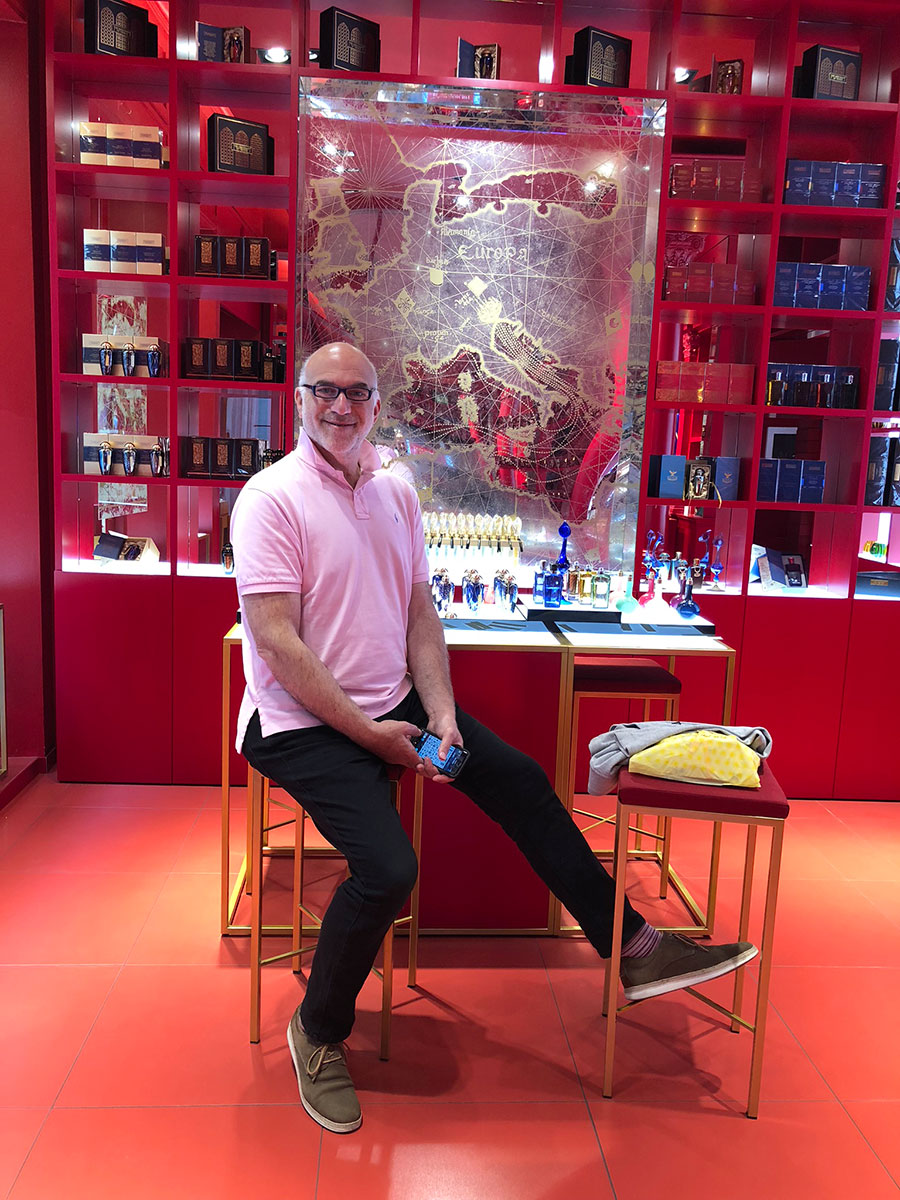
Returning to the center, we had our ninth consecutive pizza for lunch at Pizzacoteca di Brera, dining al fresco right on Via Brera. Later, we stumbled upon The Merchant of Venice, an exquisite boutique that feels more like a curated museum than a perfumery. The brand is deeply rooted in the historical “Mude” (maritime trade routes) of Venice, and the shop is filled with stunning Murano-style glass flacons that look like treasures from another era. We became instantly obsessed and purchased a bottle of Venetian Blue from their Nobil Homo collection—a magnetic fragrance with mossy, smoky base notes that perfectly captures the spirit of the modern seafaring dandy. After a gelato at Vero, we wandered up to Porta Garibaldi and the legendary 10 Corso Como, followed by a stop at Zàini Milano for their heavenly dark-chocolate-dipped jellies. Our final 2018 meal was at Savini Tartufi, a haven for truffle aficionados.

October 2019: A Scent-Inspired Solo Return to Navigli
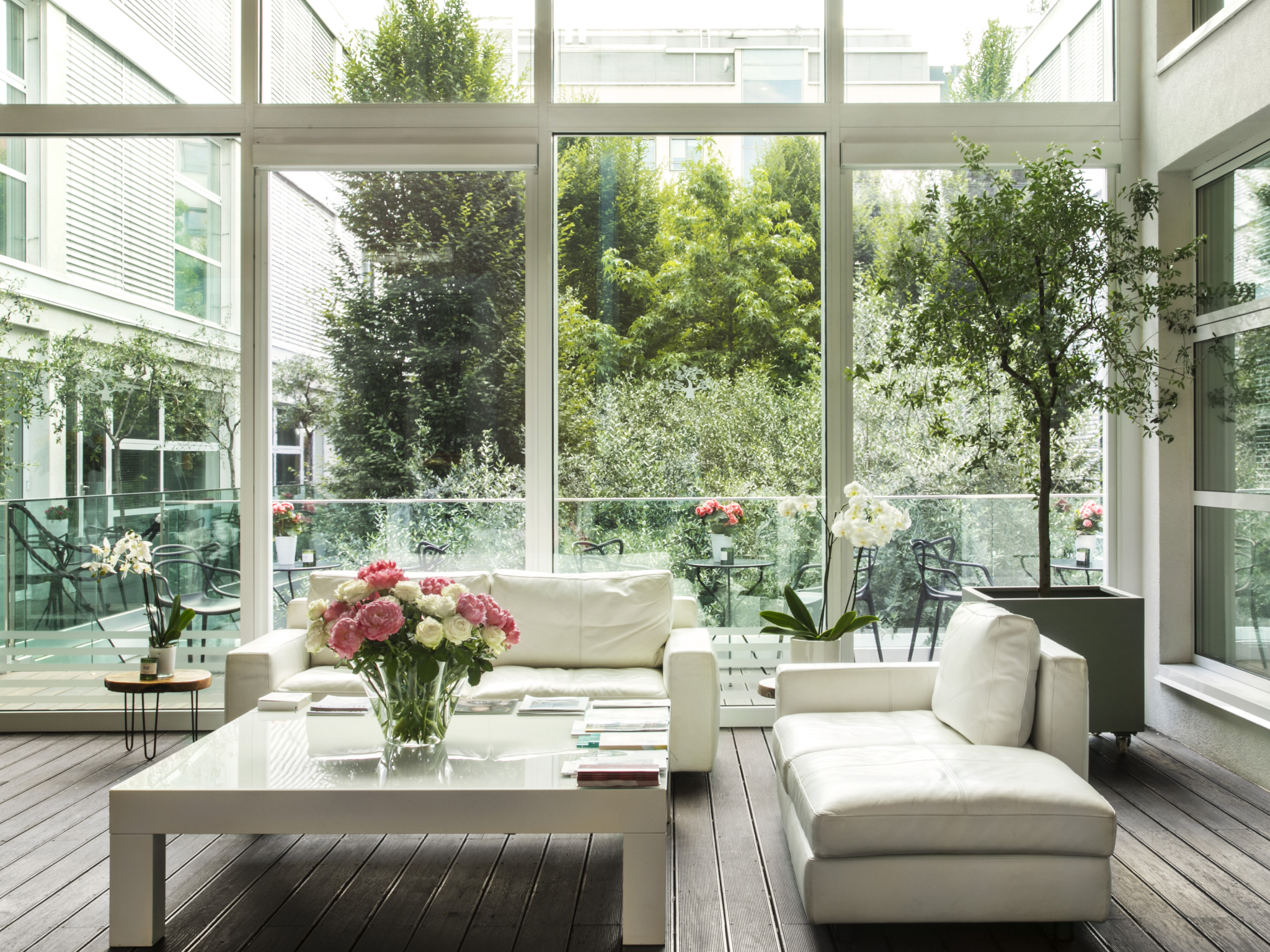
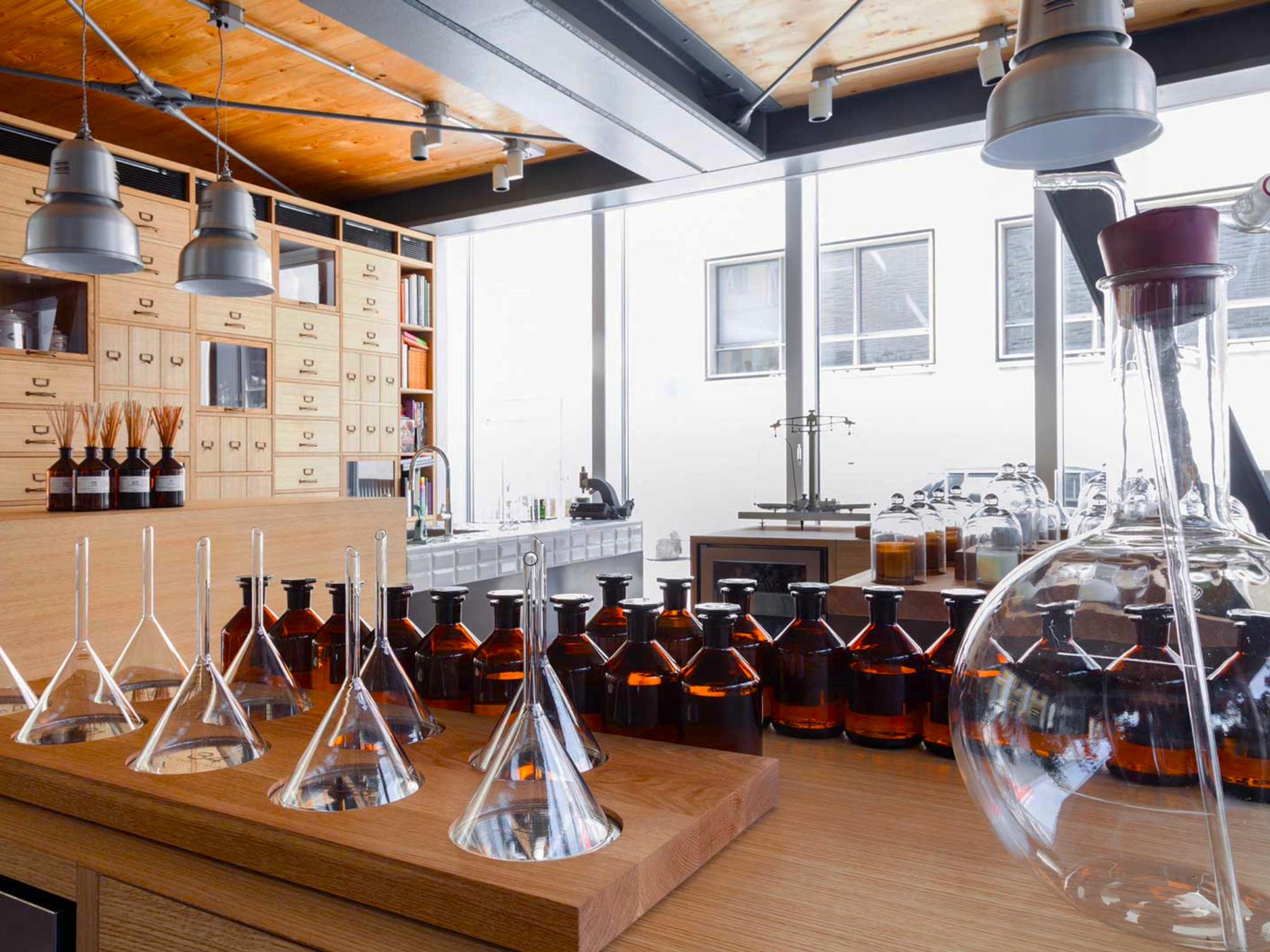
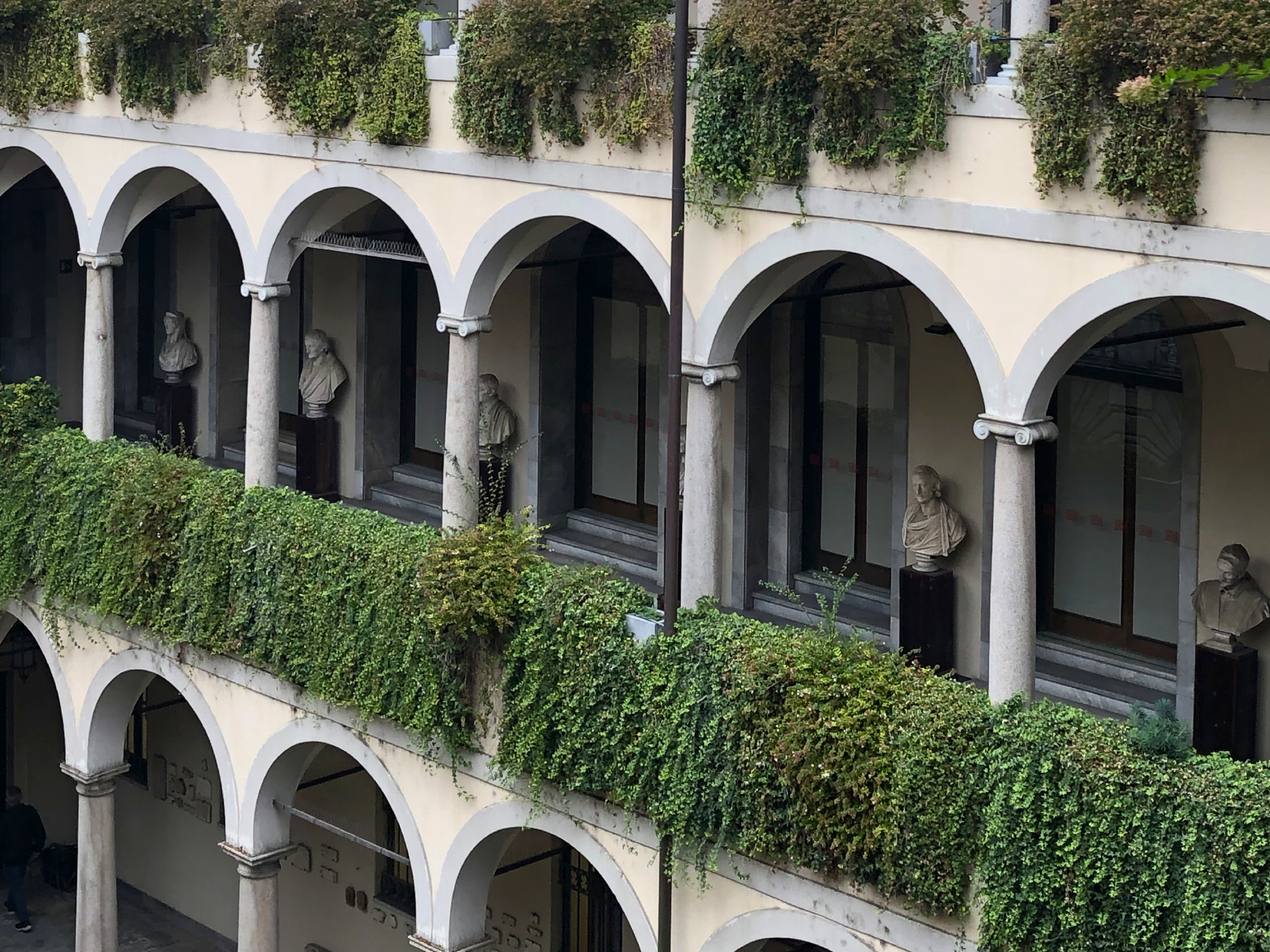
Returning in October 2019, I stayed at Magna Pars L’Hotel à Parfum in Navigli, an uber-contemporary “all-suite” hotel built on the site of the historic Martone perfume factory and designed around a lush, hidden courtyard. Every room is dedicated to a specific olfactory note—mine was 23 Neroli—and the experience extends into the connected LabSolue Perfume Laboratory, a stunning “olfactorium” of amber glass and iron pharmacy shelves. There, I had an immersive session with an expert Lab Tender to explore their library of essences, eventually purchasing Ulivo (olive wood) and Legno di Rosa (rosewood), two sophisticated, woody fragrances that I still treasure today.
Tracing the Hand of Da Vinci at the Pinacoteca Ambrosiana
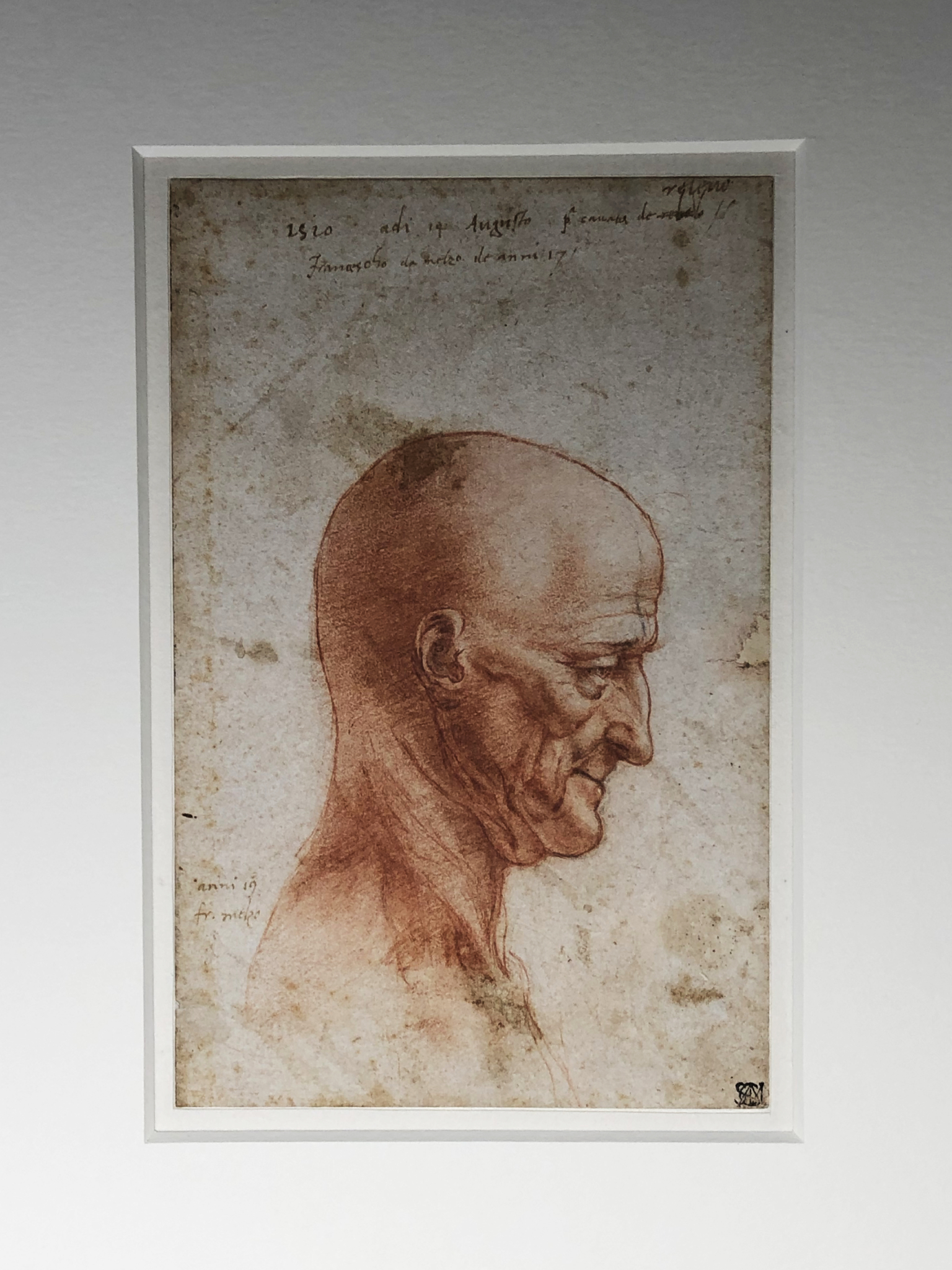
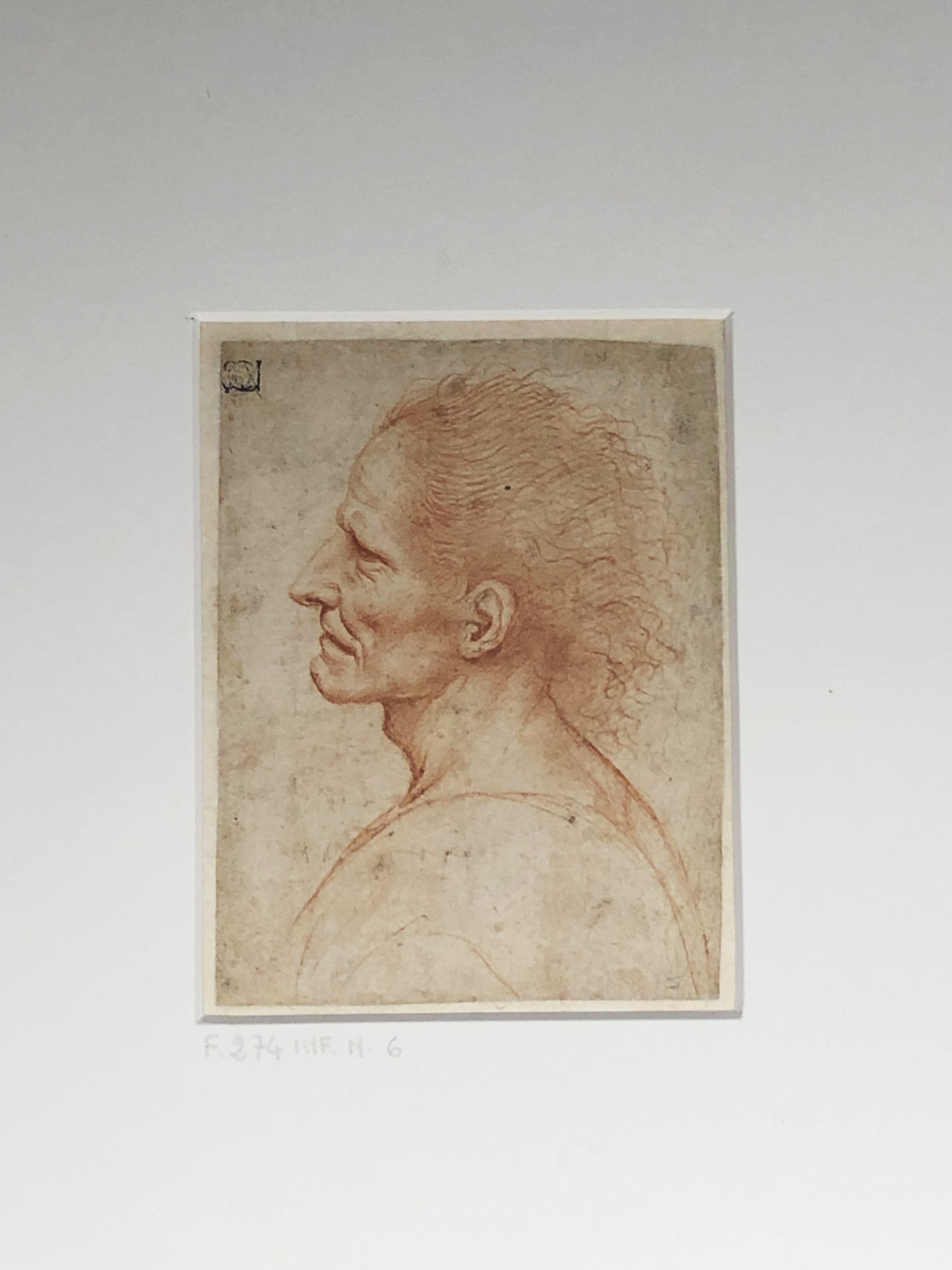
My first day began at the Pinacoteca Ambrosiana for a special Leonardo da Vinci exhibition that felt like a quiet communion with a genius. The show featured 15 original drawings, including eight leaves from the Codex Atlanticus, the massive twelve-volume set of manuscripts and designs that represents the most extensive collection of Leonardo’s life work. Seeing these small, fragile, and centuries-old sketches under heavy protective glass was a moving experience; you could see the minute cross-hatching of his red chalk and the frantic, brilliant flow of his handwriting. It wasn’t just art—it was a glimpse into the raw machinery of his mind. Afterward, I returned to Brera to pick up a deconstructed jacket at Manuel Ritz on Via Solferino and discovered Boggi Milano, where I bought two stunning wool and silk scarves—one for myself and one for Charles.
Modern Art Reflections and the Quest for the Perfect Panini
That afternoon, I visited the Museo del Novecento for the Filippo de Pisis retrospective. His expressive, pained works resonated with me; I could sense he was a fellow queer artist even before reading the descriptions. That night, I braved Trippa for dinner. While I’m glad I tried the namesake dish, the texture wasn’t for me! The next morning, I explored Porta Genova, hitting DMAG for vintage finds and visiting the Armani/Silos museum. For lunch, I headed to the historic Panini De Santis for “The Dodo”—a simple, perfect combination of bresaola, caprino cheese, and arugula.
A Last Supper and a Final Feast at Il Faro
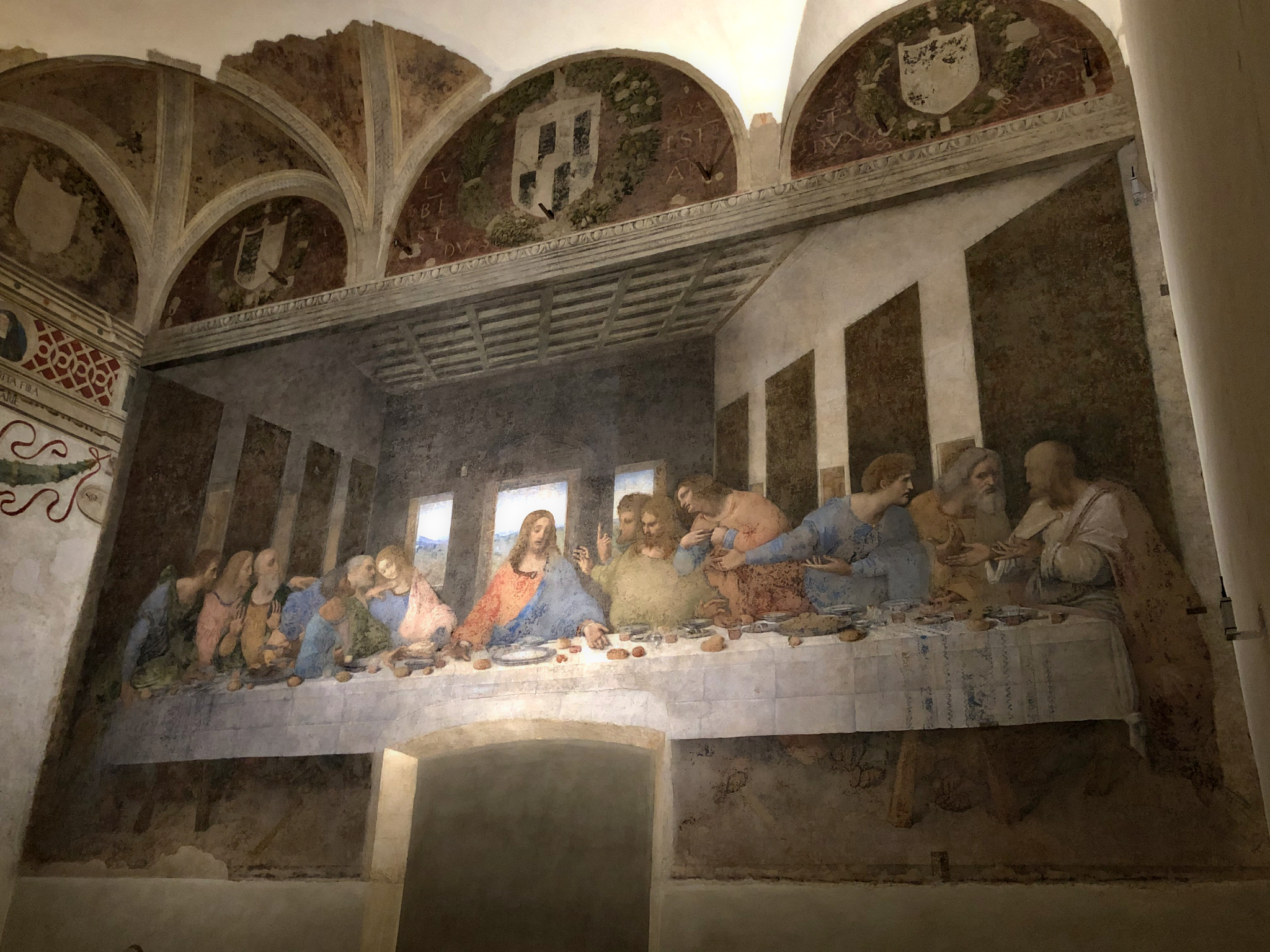
Continuing the Da Vinci theme, I joined a small group tour that culminated at the Basilica di Santa Maria delle Grazie to see The Last Supper. Seeing the mural in the refectory is a profound, almost spiritual experience; Leonardo abandoned traditional fresco techniques for an experimental “dry” method to achieve greater detail, which is why the work appears so ethereal and fragile today. I was deeply moved by the photos in the antechamber showing the room in ruins after an Allied bombing in 1943; the only reason the masterpiece survived was because of a massive, makeshift scaffolding of sandbags and wooden planks—a true miracle of preservation.
After the tour, I returned to Zàini to restock those delicious jellies (a decision that proved prophetic, as they were a much-needed treat during the long months of the pandemic). My “last supper” was at Ristorante Il Faro, a local seafood institution, where I had an incredible lobster and lemon pasta. It perfectly followed the golden rule of Italian cuisine: only 2-3 ingredients, but they must be the best ingredients in the world.
Why Milan Calls Me Back
From the high-tech spires of Porta Nuova to the quiet intensity of a Da Vinci sketch, Milan is a city of layers. It’s a place where fashion, history, and flavor collide in the most sophisticated way possible.
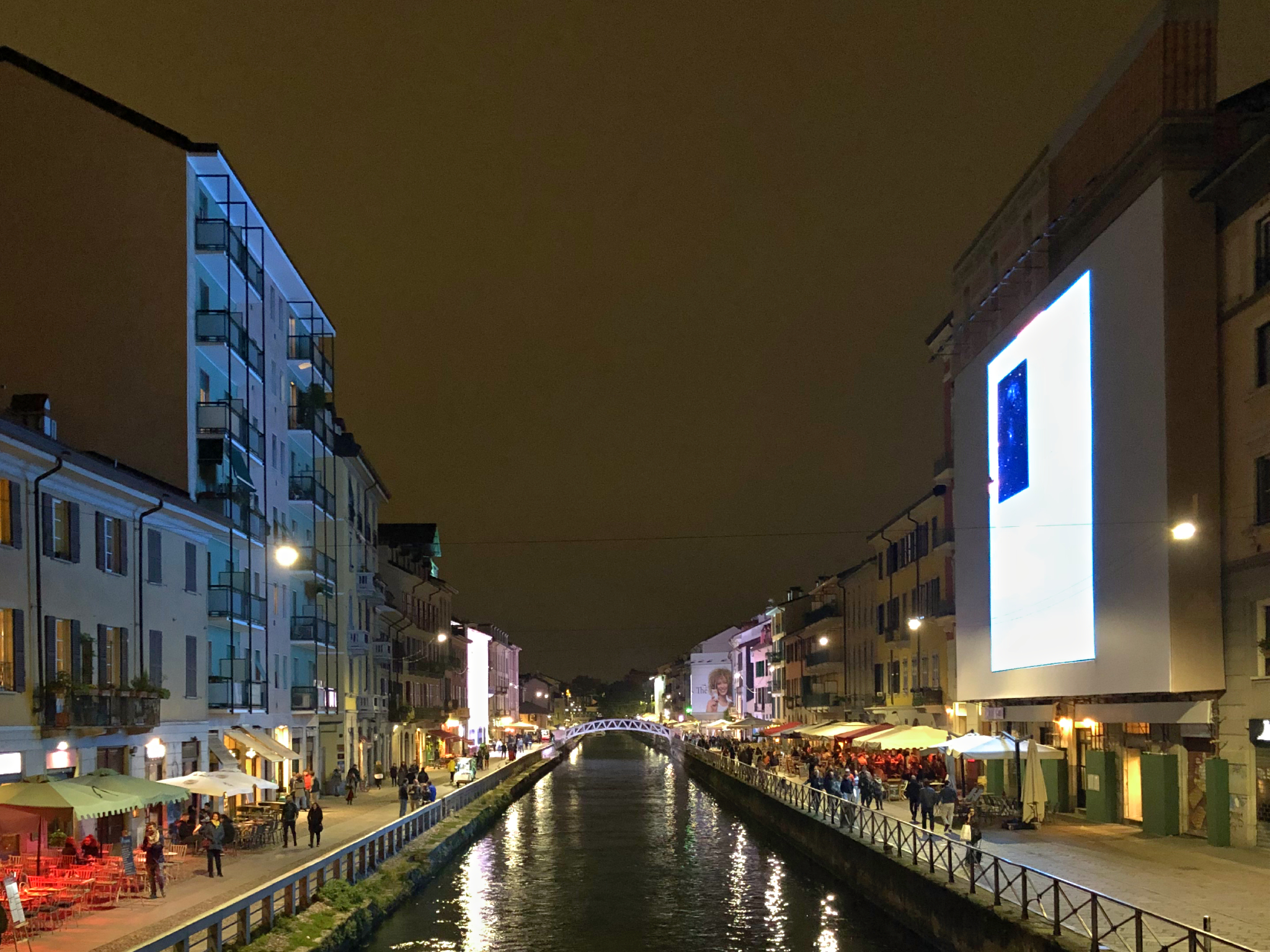
Last visited in October, 2019